Discover Lahore’s Rich Heritage: Haveli Tours
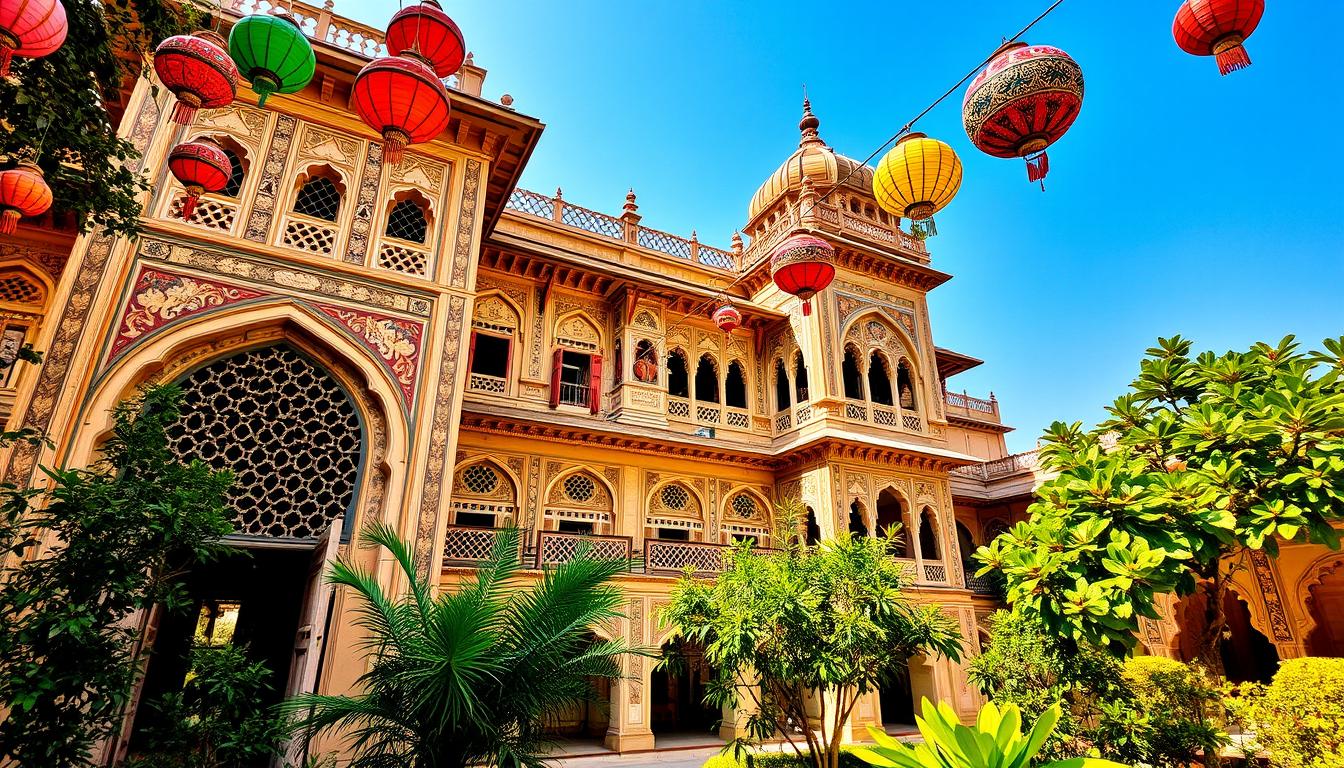
Uncover Lahore’s hidden gems on a journey through its historic havelis. These traditional houses showcase centuries-old architecture and vibrant traditions. Explore the walled city’s alleys and hear stories whispered through ornate arches and carved facades.
Lahore’s havelis offer a glimpse into the city’s rich past. Grand Mughal-era residences stand alongside captivating Sikh-era structures. Our private guided tours transport you back in time, creating lasting memories.
History buffs and architecture enthusiasts will love exploring Lahore’s heritage. These tours reveal the city’s hidden treasures and the stories that shaped it. Experience the cultural depth of Pakistan’s vibrant capital firsthand.
Introduction to Lahore’s Historic Havelis
Lahore, Pakistan’s cultural heart, boasts captivating historic havelis. These grand residences shaped the city’s cultural landscape. Havelis showcase unique architectural styles from Mughal, Sikh, and British eras.
These iconic structures feature intricate carvings, ornate facades, and spacious courtyards. Exploring these houses offers a glimpse into Lahore’s rich cultural heritage. Visitors can imagine the daily lives of past residents.
Significance of Havelis in Lahore’s Cultural Landscape
Havelis have long defined Lahore’s urban fabric. These ancient residences were more than private homes. They served as centers of cultural, social, and economic activity.
Ornate designs and intricate details make havelis symbols of Lahore’s walled city tours. They showcase the city’s efforts in haveli preservation. Havelis play a crucial role in preserving traditional architecture.
Brief Overview of Haveli Architecture and History
Lahore’s havelis reflect the city’s rich history and cultural influences. These historic houses blend Mughal, Sikh, and British styles. Features include ornate facades, large courtyards, and intricate wooden carvings.
Wealthy families built many havelis as private residences. Others served as centers for commerce, education, and religious activities. Some havelis have been repurposed or restored over time.

“Havelis are not just buildings; they are embodiments of Lahore’s rich cultural legacy, preserving the city’s architectural heritage and telling the stories of its past residents.”
Haveli Dina Nath: A Glimpse into Sikh-Hindu Architecture
Haveli Dina Nath is a gem in Lahore’s walled city. This grand home blends Sikh and Hindu styles. It’s named after a Hindu courtier of Ranjeet Singh.
The haveli boasts 19 rooms and two basements. Its design mixes elements from both cultures. Elegant verandas and an open courtyard showcase traditional architecture.
This building tells stories of Lahore’s past. It shows how Sikh-Hindu style shaped the city. Visitors can step back in time exploring its halls and courtyards.
| Architectural Feature | Description |
|---|---|
| Verandas | The haveli’s expansive verandas reflect the Sikh tradition of creating open, airy spaces that promote social interaction and community living. |
| Courtyard | The central open courtyard, a hallmark of traditional Hindu architecture, serves as the heart of the haveli, facilitating natural ventilation and providing a gathering space for the residents. |
| Architectural Ornamentation | The haveli’s intricate carvings, decorative arches, and vibrant tile work showcase the skilled craftsmanship that blended Sikh and Hindu design elements. |
Haveli Dina Nath offers a unique look into Lahore’s past. It’s a key stop on walled city tours. The building showcases the city’s cultural heritage and traditional architecture.
Haveli Baij Nath: A Former Marriage House
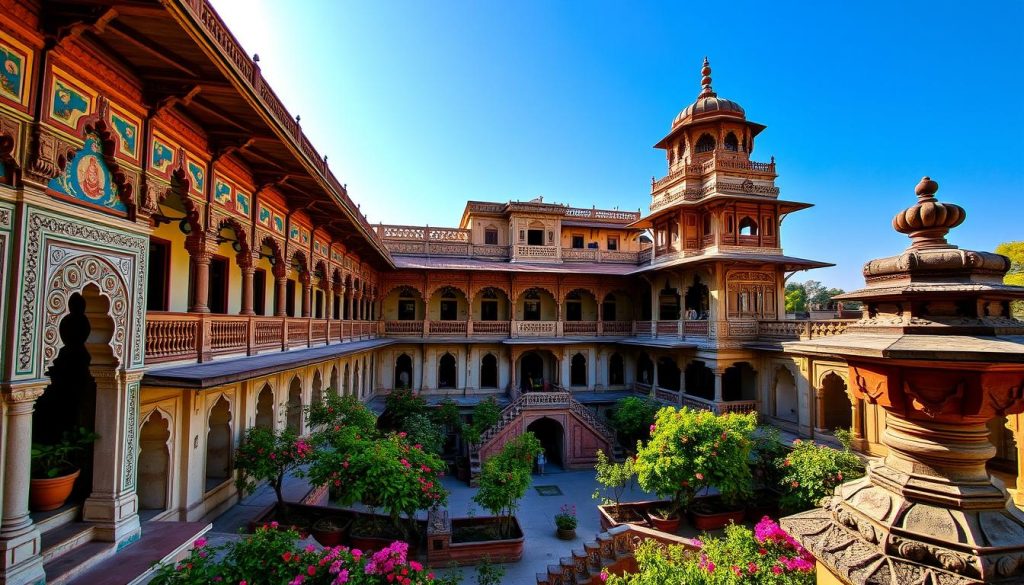
Haveli Baij Nath sits in Lahore’s historic Delhi Gate area. It was once a famous marriage house for baraat processions. The iconic structure has changed over time to fit residents’ needs.
The original haveli had a beautiful fountain courtyard and Hindu temple. Its design has been altered to match current occupants’ preferences. Yet, it still represents Lahore’s rich cultural history.
Evolution of Haveli Baij Nath over Time
Haveli Baij Nath has changed from a marriage hub to a residential space. The original fountain and temple have been adapted. It remains a symbol of Lahore’s cultural heritage.
- Formerly, the haveli accommodated nearly 50 families, but today, only 20 families call it home.
- The haveli’s architectural features, such as the courtyard and temple, have been modified to suit the preferences of its current residents.
- Despite the changes, Haveli Baij Nath remains a significant part of Lahore’s rich cultural tapestry, preserving the city’s artistic and historical legacy.
Visit Haveli Baij Nath in Lahore’s ancient walled city. See how this marriage house turned into a cultural landmark. Its story shows the adaptability of Lahore’s architectural heritage.
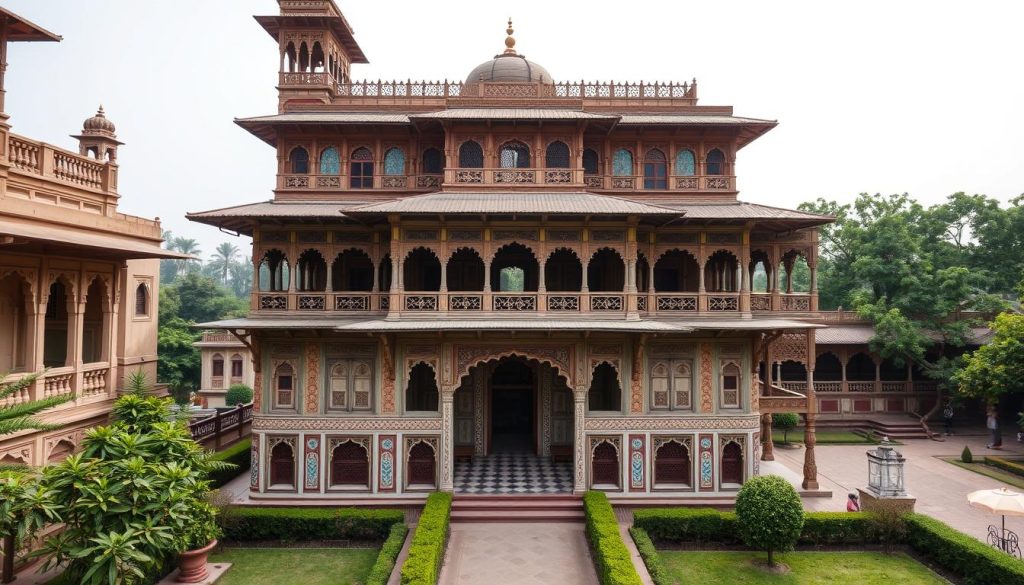
Lahore haveli tours: Immersive Cultural Experiences
Lahore’s haveli tours offer a unique glimpse into the city’s vibrant history. These guided walks take you through the walled city’s iconic havelis. You’ll savor traditional cuisine and meet local artisans along the way.
These historic residences showcase Lahore’s architectural marvels and rich stories. Haveli Dina Nath features intricate Sikh-Hindu design. Haveli Alif Shah displays Mughal grandeur, offering a window into Lahore’s cultural heritage.
The Lahore Full Day Sightseeing Guided Tour runs year-round. Costs range from $120 to $130 per person, depending on the season. The tour requires a minimum of one traveler.
Attractions include Minar-e-Pakistan, Lahore Fort, and Badshahi Mosque. You’ll also explore the old city’s lively markets. These tours connect visitors with local communities and traditional crafts.
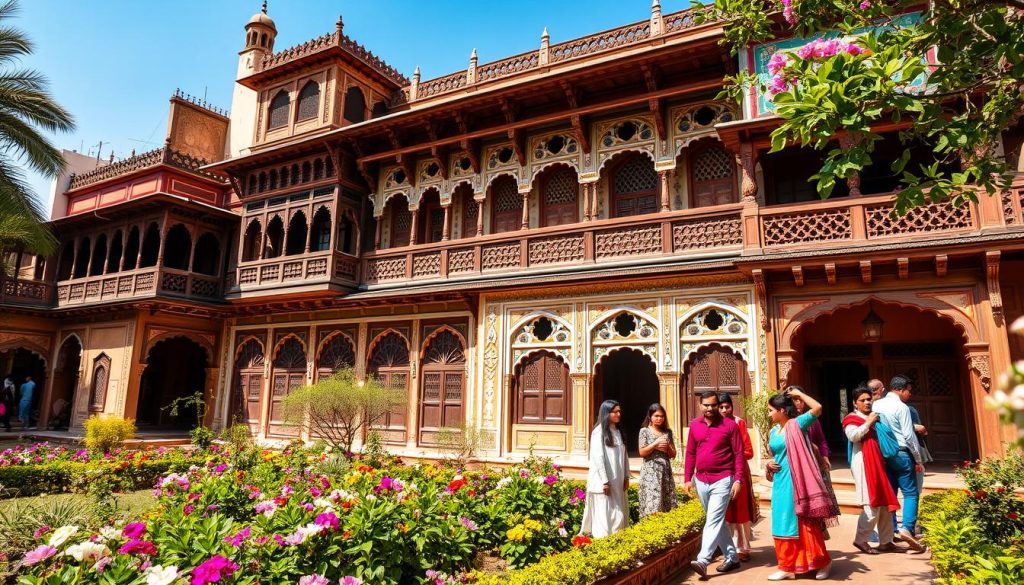
Lahore’s haveli tours promise an authentic adventure. You’ll uncover stories that have shaped the city’s cultural tapestry. These experiences bring Lahore’s past to life before your eyes.
Haveli Alif Shah: Preserving Mughal Heritage
Haveli Alif Shah stands in Lahore’s historic Walled City. This 300-year-old residence once belonged to a Mughal family. Despite changes, it remains culturally significant for the local community.
Imam Bargah and Muharram Processions
Haveli Alif Shah’s key feature is its Imam Bargah. It’s where annual Muharram and Safar processions begin. These events honor Hazrat Imam Hussain (RA) and his companions.
Thousands join these solemn processions, dating back to the early 1800s. The route starts at Nisar Haveli on Muharram 9. It ends at Karbala Gamay Shah on 10th Muharram’s eve.
Lahore’s Walled City is known for religious tolerance. It hosts one of South Asia’s largest Ashura processions. The Gamay Shah-led procession is now the region’s biggest.
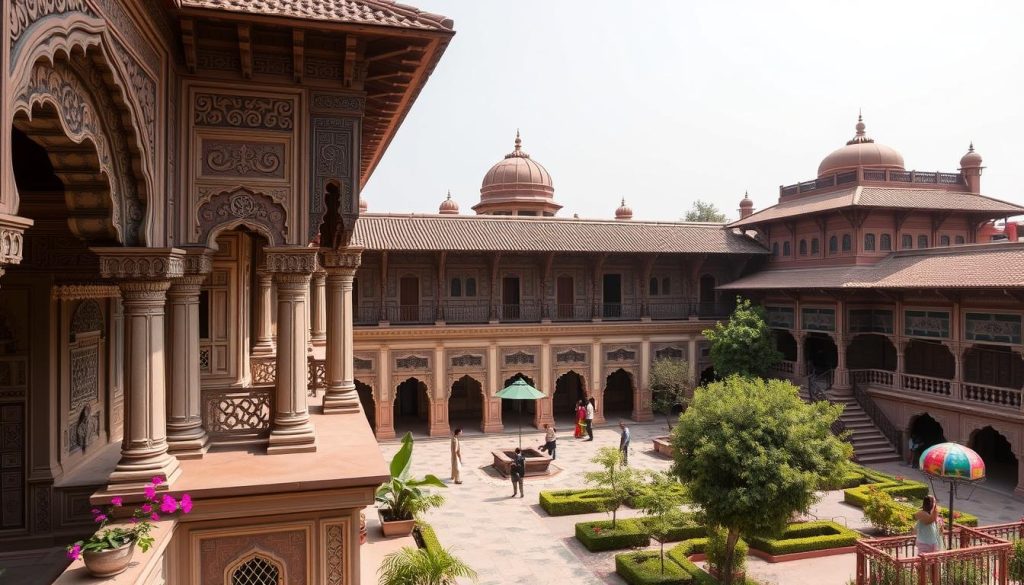
Much of Haveli Alif Shah has been replaced over time. Yet, it remains a community gathering place. The haveli’s courtyard hosts various cultural events.
Preserving Haveli Alif Shah is crucial as urban development threatens Lahore’s walled quarters. It helps safeguard the city’s Mughal heritage for future generations.
Haveli Khushal Singh: A Sikh Architectural Marvel
Haveli Khushal Singh is a gem in Lahore’s walled city. This grand residence now houses the Government Fatimah Jinnah College for Women. It’s a stunning example of Sikh-era architecture.
The haveli was once thought to belong to Raja Dhian Singh. He was the chamberlain to Maharaja Ranjit Singh. Its design showcases the unique style of the Sikh period.
The building boasts large courtyards and arched hallways. It also features peaceful zenana gardens. Intricate Sikh imagery and motifs adorn these spaces.
Turning the haveli into a college has kept it alive. It remains an important part of Lahore’s culture. Students and visitors can explore its ornate features and historic charm.
| Architectural Highlights | Historical Significance |
|---|---|
|
|
Haveli Khushal Singh offers a window into Lahore’s rich cultural heritage. It showcases the lasting impact of Sikh architecture on the city. The haveli is key to understanding Lahore’s ancient homes and walled city tours.
This marvel stands as proof of Lahore’s traditional architecture. It plays a crucial role in the city’s haveli preservation efforts.

Mubarak Haveli: Where the Koh-e-Noor Diamond Was Found
Mubarak Haveli is a captivating landmark in Lahore’s Mochi Gate area. Built by three brothers during the Mughal era, it’s famous for the Koh-e-Noor diamond’s discovery. This colossal residence is one of the oldest and most renowned havelis in the city.
Stories and Legends Surrounding Mubarak Haveli
Mubarak Haveli boasts a rich history that spans centuries. Its construction took three years during Emperor Muhammad Shah’s reign. The haveli faced looting and pillage, especially during the Sikh period.
During this time, it housed the imprisoned Afghan royal family, including King Shah Shuja. Despite hardships, Mubarak Haveli remains a symbol of Lahore’s cultural heritage. Nearby, the Fakir family built their own havelis, including the Fakirkhana.
The most fascinating legend is the Koh-e-Noor diamond’s discovery within the haveli’s walls. This finding highlights its importance in Lahore’s cultural landscape. The colossal gem’s discovery adds to the residence’s mystique.
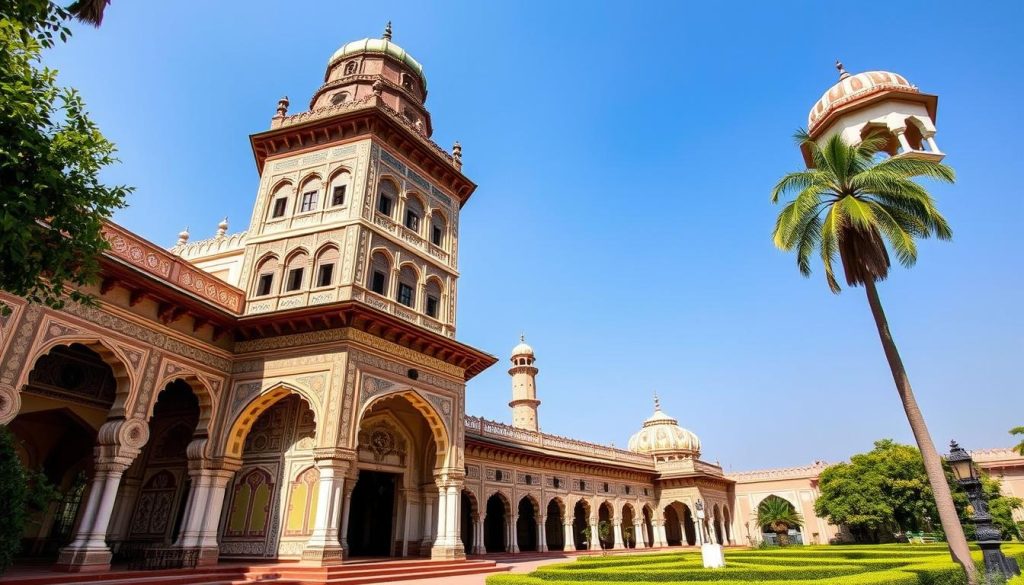
Nawab Ali Raza Qizilbash transformed part of the property into a fine Imambargah. Today, a trust formed by Syed Maratab Ali Shah owns the haveli. The trust aims to preserve the property and Lahore’s traditional skills.
Mubarak Haveli is a must-see for those exploring Lahore’s rich cultural heritage. It showcases traditional architecture and captivating tales of the past. This iconic Mubarak Haveli is a true gem of Lahore’s walled city tours and haveli preservation.
Haveli Nau Nihal Singh: A Magnificent Sikh Residence
The Haveli Nau Nihal Singh stands proudly in Lahore’s Walled City. This historical gem blends Mughal and Sikh designs beautifully. Built in the early 19th century, it’s a must-see for architecture lovers.
Once home to Maharaja Nau Nihal Singh, it shows off Sikh-era splendor. The four-story building includes a basement and the colorful Rang Mahal. Its rooms sparkle with detailed paintings, mirrors, and gold decorations.
Shish Mahal: The Palace of Winds
The Shish Mahal crowns the Haveli’s top level. Like Jaipur’s Hawa Mahal, it offers stunning city views. Cool breezes flow through its fancy latticed windows.
The Punjab Archaeology Department works hard to preserve this treasure. Today, it houses Victoria High School, keeping its legacy alive. The Haveli continues to inspire visitors from all over.
A trip to Haveli Nau Nihal Singh is a journey through time. It reveals Lahore’s rich past and vibrant present. The intricate details and views make it unforgettable.
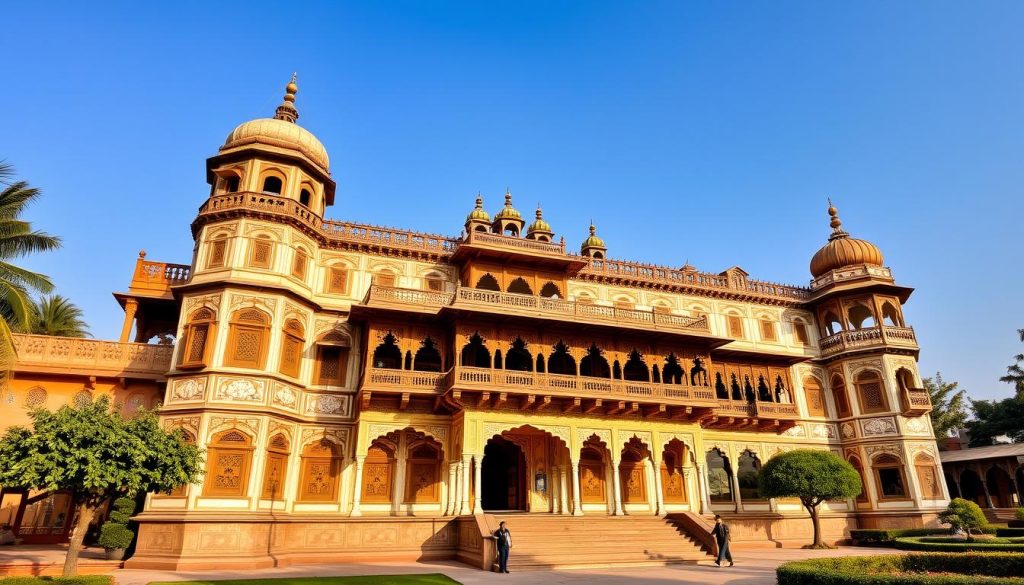
“The Haveli of Nau Nihal Singh is a true masterpiece of Sikh architecture, showcasing the architectural prowess and cultural legacy of the Sikh era in Lahore.”
| Key Facts about Haveli Nau Nihal Singh | Details |
|---|---|
| Builder | Nau Nihal Singh, the grandson of Maharaja Ranjit Singh |
| Construction Period | Early 19th century |
| Architectural Style | Blend of Mughal and Sikh design elements |
| Number of Floors | 4 stories with a basement and Rang Mahal at the top |
| Key Features | Shish Mahal (Palace of Winds), intricate paintings, mirrors, and gold ornamentation |
| Current Use | Victoria High School, a girls’ educational institution |
| Preservation Efforts | Undertaken by the Punjab Archaeology Department and other organizations |
Conclusion: Exploring Lahore’s Rich Heritage Through Haveli Tours
Lahore’s historic havelis offer a glimpse into the city’s cultural heritage. These grand residences showcase a blend of architectural styles from different eras. Guided haveli tours reveal the sights and stories of Lahore’s past.
These experiences preserve and celebrate the legacy of Lahore’s historic havelis. Each ancient residence holds a unique tale, transporting visitors to a bygone era. They illuminate the intricate tapestry of Lahore’s heritage.
Exploring these havelis takes you to a world where past and present intertwine. Traditional architecture fuses with vibrant cultures, creating an unforgettable experience. These tours promise to be a highlight for history buffs and architecture enthusiasts alike.