Zealandia Eco-Sanctuary: Your Adventure Awaits
Are you ready to dive into a world of untouched nature and native wildlife? Picture walking through a predator-free haven. Here, native birds sing, and untouched forests surround you.
As you explore this urban sanctuary, you’ll see its special features. There’s an impressive pest-exclusion fence that keeps wildlife safe. You can follow scenic trails or join guided tours for an unforgettable adventure.
This sanctuary is a treasure trove of biodiversity and conservation. It’s a top spot for nature lovers and those seeking adventure.
Discovering Zealandia: New Zealand’s Urban Wildlife Haven
In the heart of Wellington lies Zealandia, a unique eco-sanctuary. It’s changing how we think about urban wildlife conservation. This 225-hectare wildlife haven in Karori, Wellington, shows a new way to save New Zealand’s native wildlife.
Zealandia is more than a nature reserve. It’s a living example of how to restore nature in the city.
The Vision Behind the World’s First Fully-Fenced Urban Sanctuary
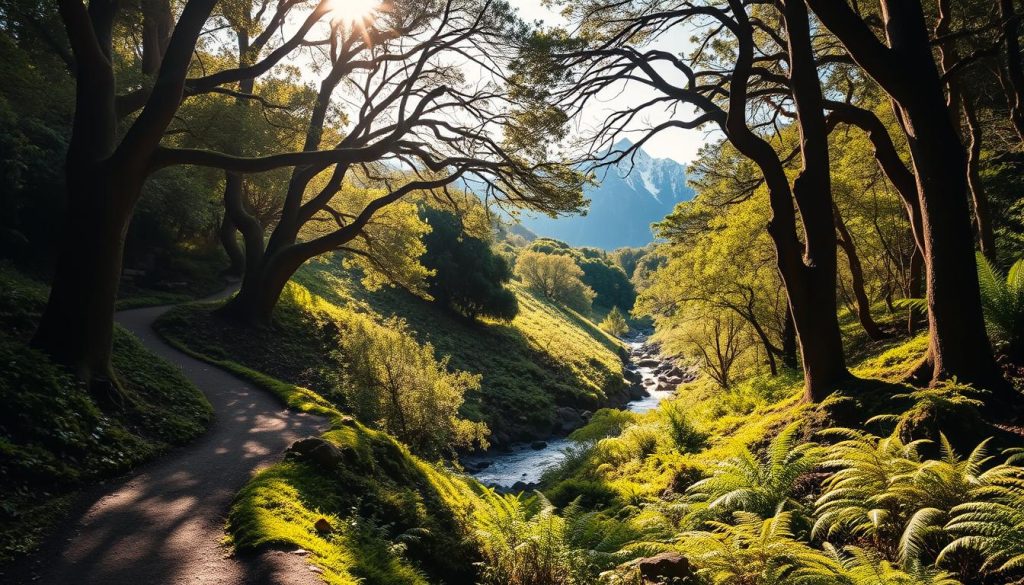
The vision for Zealandia is innovative. It’s surrounded by an 8.6-kilometre pest-exclusion fence. This makes it the world’s first fully-fenced urban sanctuary. The fence keeps out predators, letting native species thrive.
The Karori Sanctuary Trust manages Zealandia. It aims to bring back the original ecosystem of the area.
This idea of a fully-fenced sanctuary is groundbreaking. It creates a safe space for native wildlife. Visitors get to see what New Zealand was like before humans arrived.
A Living Time Capsule of Pre-Human New Zealand
Zealandia is like a living time capsule of pre-human New Zealand. It offers a unique look into the country’s natural past. As you explore, you’ll see native plants and animals that have been saved and restored.
Visiting Zealandia lets you see the beauty of New Zealand’s native wildlife. It also supports a groundbreaking conservation effort. Zealandia shows how eco-tourism can help protect biodiversity.
The Remarkable History of Zealandia Eco-Sanctuary
Zealandia Eco-Sanctuary has a rich history, starting in 1906. It has changed a lot over time. Now, it’s a top wildlife sanctuary in New Zealand.
From Karori Reservoir to Revolutionary Conservation Project
In the 1990s, Zealandia started its big change. It became a fully-fenced eco-sanctuary. A special 8.6-kilometre fence keeps out 14 non-native mammals.
This lets native plants and animals grow. Zealandia is now a global conservation leader.
The 500-Year Vision for Ecological Restoration
Zealandia has a big dream for the next 500 years. It wants to restore the ecosystem. This means bringing back native species and growing the forest.
The sanctuary also focuses on sustainable tourism Zealandia. This helps fund conservation. It makes sure visitors help protect the environment.
| Year | Major Milestone | Ecological Impact |
|---|---|---|
| 1906 | Karori Reservoir construction | Initial ecosystem disruption |
| 1990s | Transformation into eco-sanctuary | Beginning of native species reintroduction |
| Present | Established as a wildlife sanctuary | Thriving native flora and fauna |
Visiting Zealandia helps a groundbreaking conservation effort. It protects New Zealand’s wildlife and supports sustainable tourism practices. The sanctuary’s story shows the impact of hard work and community support.
Planning Your Zealandia Eco-Sanctuary Visit
Getting ready for your Zealandia Eco-Sanctuary adventure? Knowing the best times to visit and how to plan is key. Zealandia’s unique ecosystem and diverse plants and animals make each season special.
Seasonal Highlights and Best Times to Visit
Zealandia is open all year, with each season offering something unique. Spring is when native flowers bloom. Summer is great for seeing kākā (New Zealand parrots).
Autumn brings the forest alive with color. Winter is the best time for twilight tours to spot kiwi in their natural habitat.
Ticket Options, Pricing, and Reservations
Booking your tickets in advance is a good idea. Zealandia has different ticket types, including adult, child, and family. You can also book guided tours. Check their website for tickets.
Guided tours are popular, so booking early is important. This ensures you get a spot in a small group.
| Ticket Type | Price (NZD) | Includes |
|---|---|---|
| Adult | $22 | Access to visitor center, trails, and guided tours (additional fee) |
| Child (5-17 years) | $10 | Access to visitor center, trails, and guided tours (additional fee) |
| Family | $60 | 2 adults, 3 children; access to visitor center, trails, and guided tours (additional fee) |
Transportation Options from Wellington City
Getting to Zealandia from Wellington city is easy. Take bus number 18 from the city center to Karori. It’s a 20-minute ride, and the sanctuary is a short walk from the stop.
Driving and parking are also options. There are parking fees to consider.
Wildlife Encounters: What to See at Zealandia
Your visit to Zealandia promises an unforgettable encounter with New Zealand’s most iconic and rare wildlife. As you explore the sanctuary, you’ll see a diverse range of native species found nowhere else on Earth.
Iconic Birds: Kiwi, Takahē, and Kākā
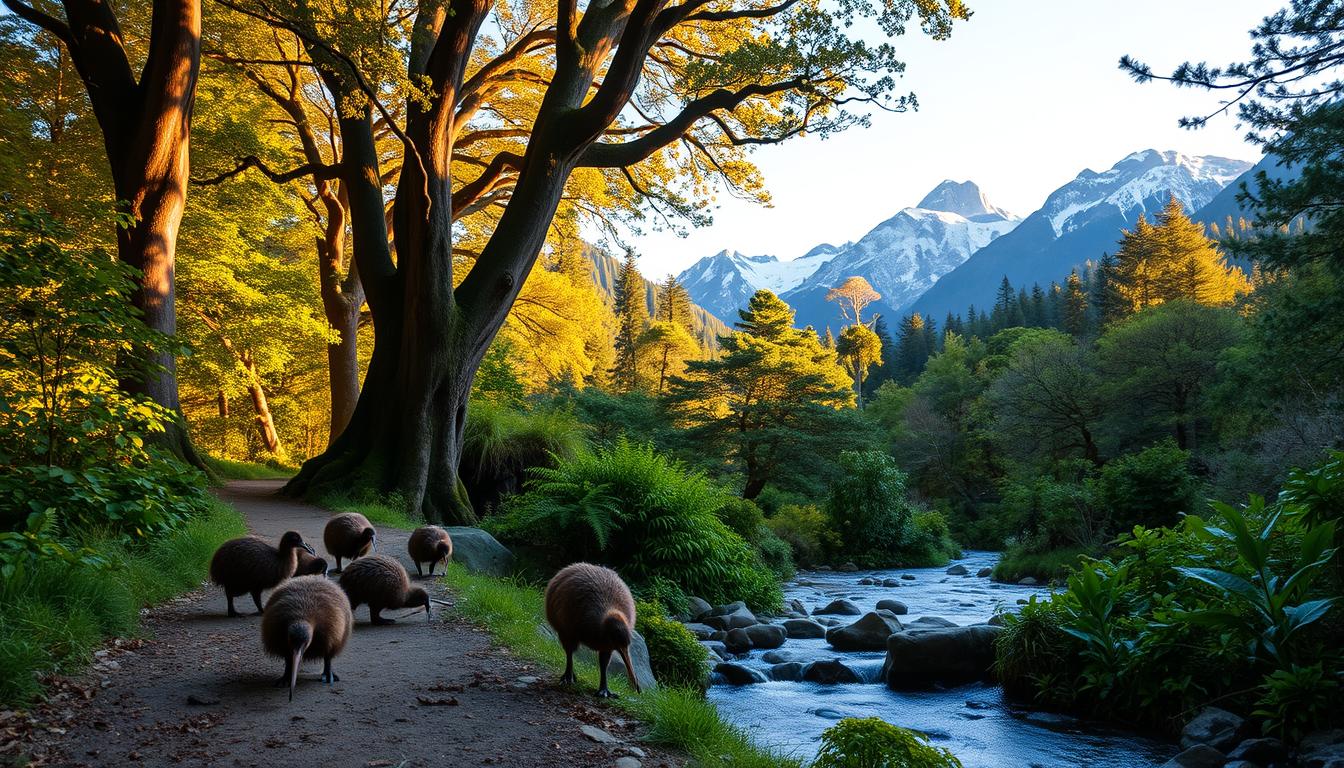
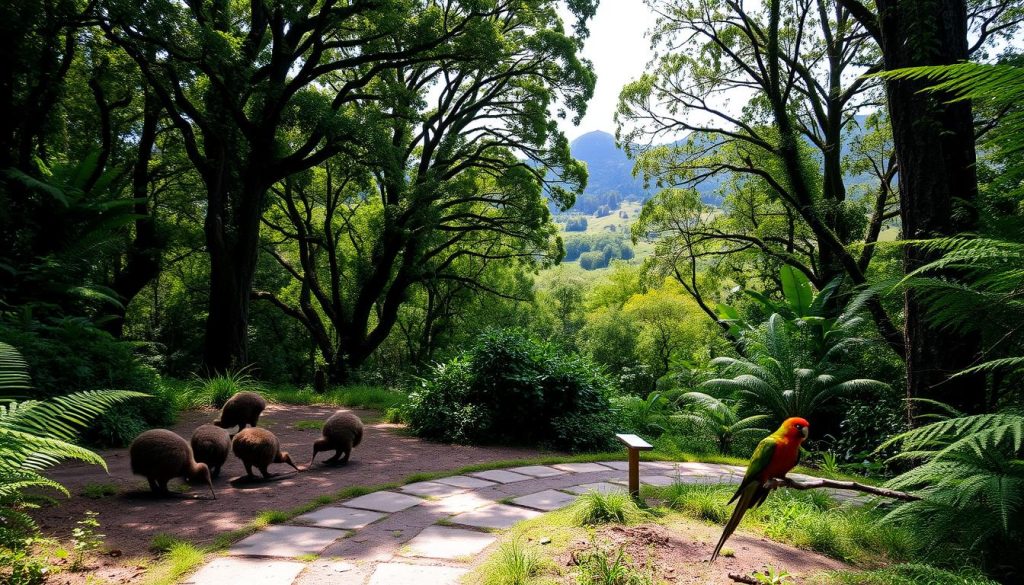
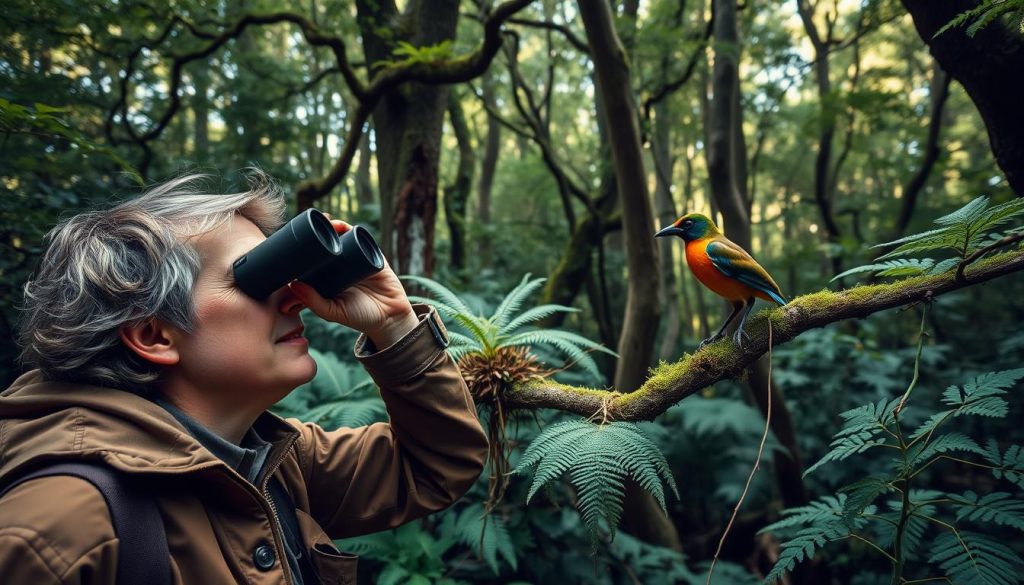
Zealandia is famous for its birdlife, featuring some of New Zealand’s most iconic and endangered species. The kiwi, New Zealand’s national symbol, can be spotted during guided night tours. This gives you a unique chance to see this flightless bird up close.
The takahē, once thought to be extinct, has been successfully reintroduced to Zealandia. You can see it in its natural habitat. The sanctuary is also home to the vibrant kākā, a native parrot known for its bright colors and playful nature.
Tuatara and Other Rare Reptiles
Zealandia is not just about birds; it’s also home to rare reptiles, including the tuatara. This ancient species, often referred to as a “living fossil,” is native to New Zealand. You can see it in specially designed enclosures within the sanctuary.
Other reptiles, such as native skinks and geckos, can also be spotted. This highlights the diverse range of wildlife that Zealandia protects.
Native Flora and Forest Regeneration
The regeneration of native flora is a crucial aspect of Zealandia’s conservation efforts. As you walk through the sanctuary, you’ll witness the rebirth of New Zealand’s native forest. A variety of plant species provide a habitat for the sanctuary’s wildlife.
The native flora plays a vital role in supporting the ecosystem. Zealandia’s efforts in forest regeneration have been instrumental in creating a thriving environment for its native species.
By visiting Zealandia, you’re not only experiencing the beauty of New Zealand’s native wildlife. You’re also supporting the sanctuary’s ongoing conservation efforts. The diverse range of species found within the sanctuary is a testament to the success of Zealandia’s mission to restore and protect New Zealand’s natural heritage.
Guided Tours and Experiences at Zealandia
Zealandia offers guided tours that highlight its conservation efforts. These tours help you understand and appreciate New Zealand’s wildlife and ecosystems. They are designed to deepen your connection with nature.
Expert-Led Daytime Tours
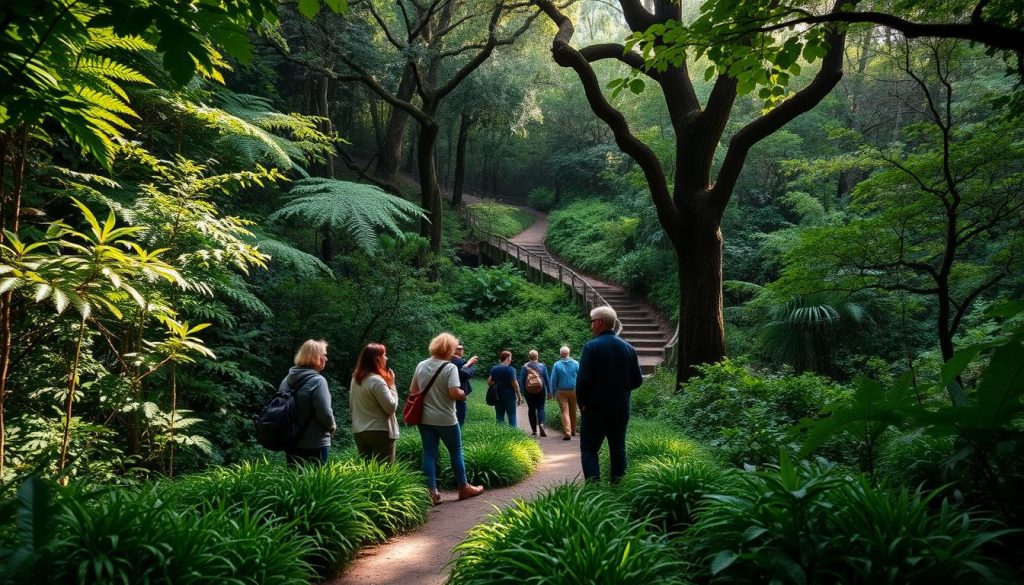
Zealandia’s daytime tours are led by experts. They give you a closer look at the sanctuary’s plants and animals. You’ll see iconic birds like the kiwi and kākā up close.
Twilight and Night Tours: Discovering Nocturnal Wildlife
Zealandia’s twilight and night tours are special. They let you see the sanctuary’s nighttime creatures. As the sun goes down, the kiwi and other nocturnal animals come out. Experienced rangers guide you through this unique experience.
Self-Guided Walking Trails and Lookout Points
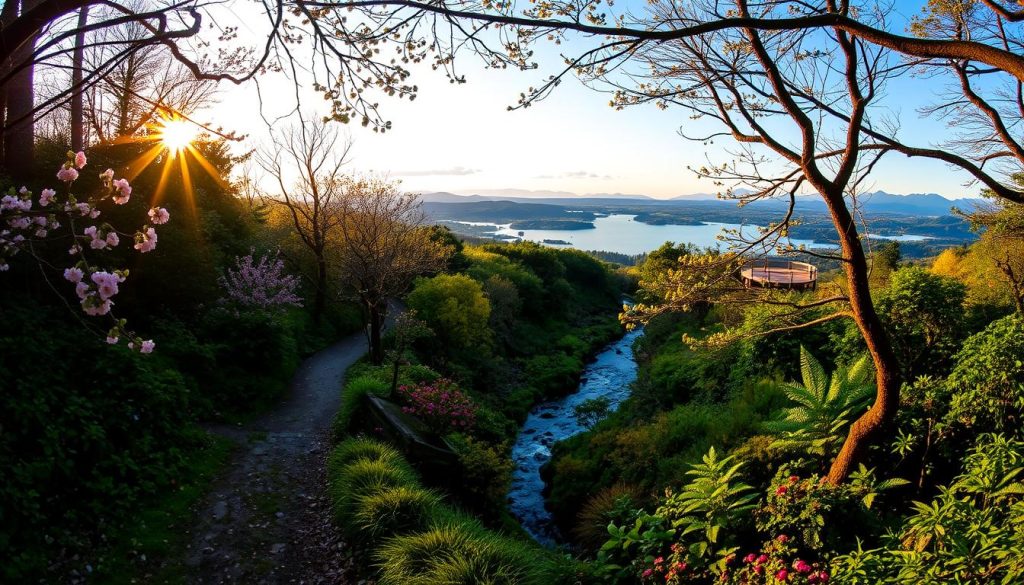
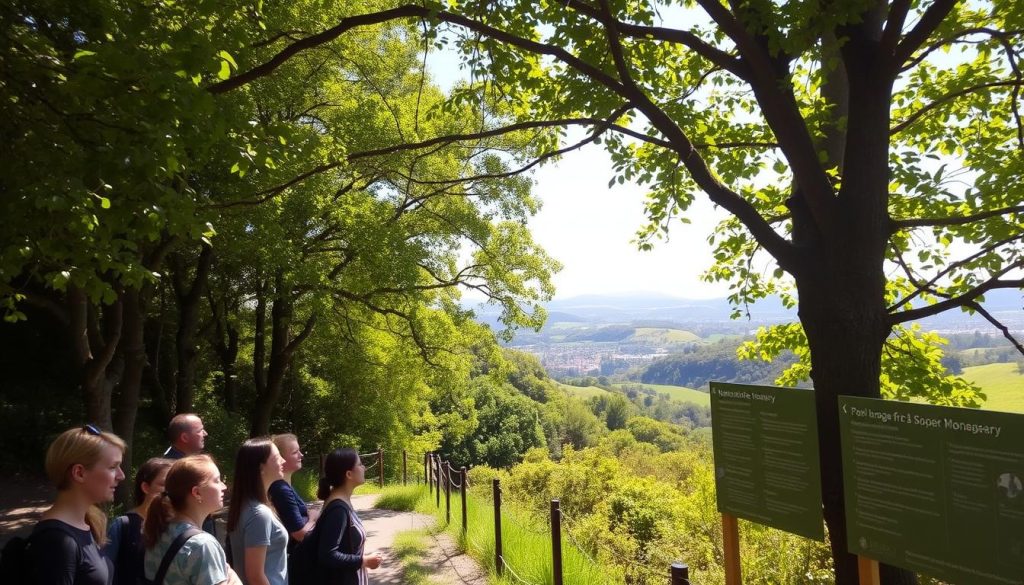
For a more relaxed visit, try Zealandia’s self-guided trails. They let you explore at your own pace. Choose from various trails based on your interests and fitness level. Don’t miss the lookout points for amazing views and wildlife spotting.
Sustainable Tourism at Zealandia Eco-Sanctuary
Sustainable tourism is key at Zealandia. It makes sure your visit helps protect New Zealand’s unique wildlife. Zealandia shows how tourism can help the environment.
Conservation Funding Through Eco-Tourism
Money from visitors helps Zealandia’s conservation work. Eco-tourism is crucial for funding the sanctuary’s efforts. By visiting, you help protect native species and their homes.
“Conservation is a long-term commitment that requires ongoing support. Zealandia’s eco-tourism model demonstrates how visitor engagement can be a powerful tool for funding conservation initiatives.”
Environmental Education Initiatives
Zealandia has programs to teach about biodiversity and conservation. These programs are for all ages, offering fun and educational experiences. They show why it’s important to protect native species and their habitats.
Zealandia combines eco-tourism with education. This approach benefits both the community and the environment.
Family-Friendly Activities and Programs
At Zealandia Eco-Sanctuary, fun meets conservation. You and your family can dive into the natural world. Explore the sanctuary’s unique wildlife and ecosystems.
Kid-Focused Discovery Programs
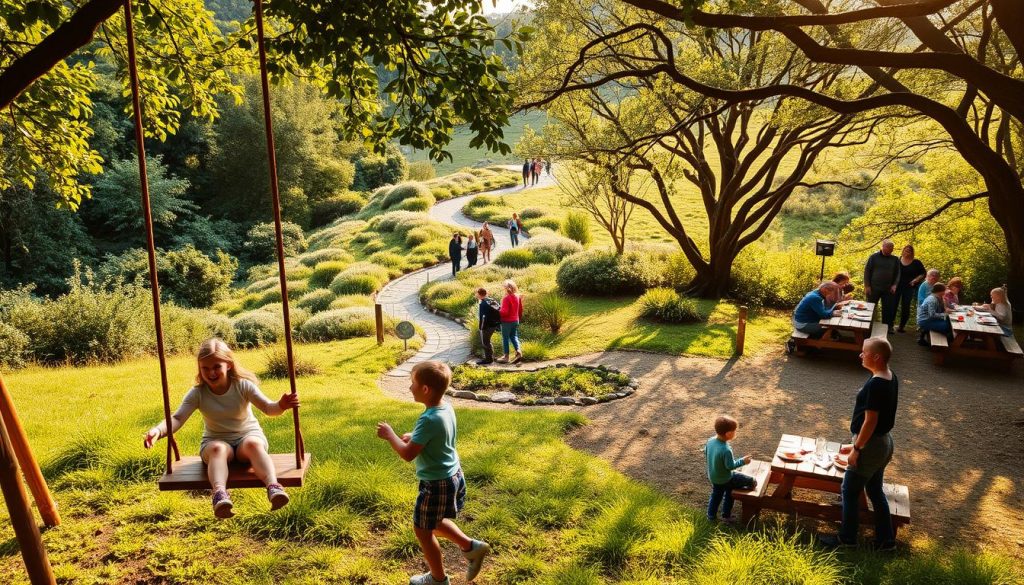
Zealandia has programs for kids to learn and have fun. They are made for different ages, so every child can enjoy. Kids can learn about New Zealand’s wildlife and why we need to protect it.
School Holiday Events and Workshops
Zealandia has special events for school holidays. These include nature crafts and wildlife encounters. They are a great way for families to spend time together and help the environment.
The Zealandia Exhibition and Interactive Displays
The Zealandia Exhibition has interactive displays. They show the sanctuary’s history and the wildlife that lives here. These displays are fun for everyone, helping you understand Zealandia’s mission.
| Activity | Age Group | Description |
|---|---|---|
| Guided Nature Walks | All Ages | Explore Zealandia’s forests and wetlands with expert guides. |
| Wildlife Encounters | 5-12 years | Get up close with Zealandia’s unique wildlife. |
| Conservation Workshops | 8-15 years | Learn about conservation techniques and participate in hands-on activities. |
Combining Your Visit with Wellington’s Other Attractions
Zealandia is just one of the many treasures Wellington has to offer; there’s a wealth of other attractions waiting to be explored. As you plan your visit, consider combining your eco-tourism adventure at Zealandia with other experiences that showcase the best of Wellington.
Nearby Nature Experiences and Walking Trails
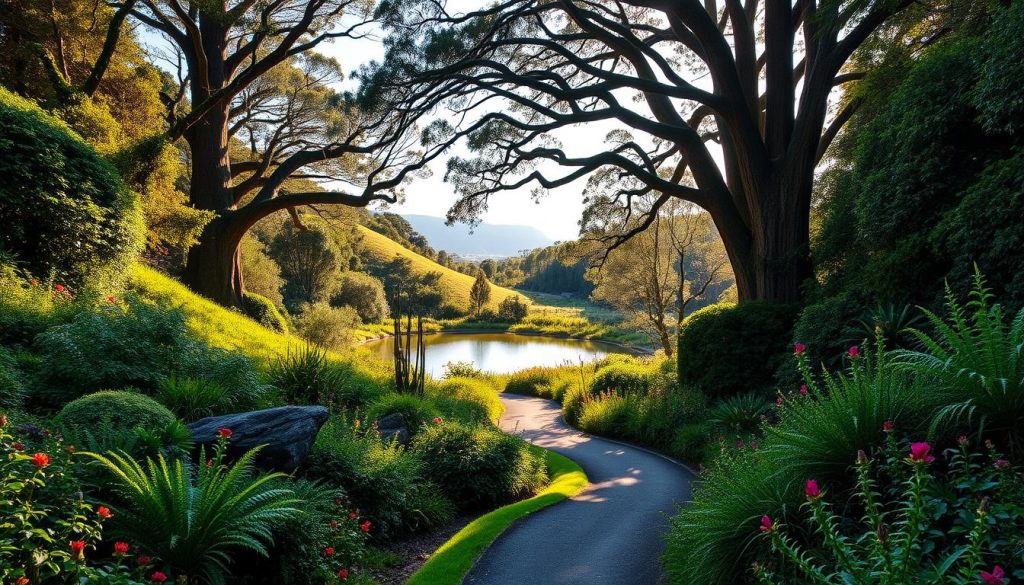
Wellington is renowned for its natural beauty, and there are numerous walking trails and nature experiences near Zealandia that are worth exploring. The Karori Cemetery Loop Track is a short walk from Zealandia, offering a historic and serene atmosphere amidst native vegetation. For those looking for more adventure, the Red Rocks Scientific Reserve is accessible via a scenic coastal walk that provides stunning views and potential wildlife spotting, including seals and penguins.
Wellington’s Cultural Highlights After Your Sanctuary Visit
After immersing yourself in the natural world at Zealandia, you can experience the rich cultural landscape of Wellington. The city is home to the Te Papa Museum, known for its interactive exhibitions that explore New Zealand’s history, culture, and environment. You can also visit the Wellington Cable Car and ride to the top of the hill for panoramic views of the city and harbor. For art enthusiasts, the City Gallery Wellington offers a diverse collection of contemporary and historical art.
Where to Eat and Stay Near Zealandia
Wellington offers a variety of dining and accommodation options to suit all preferences. Near Zealandia, you can find cafes and restaurants serving local cuisine, from fresh seafood to craft beer. For accommodation, consider staying in the city or nearby suburbs, where you’ll find a range of hotels, boutique lodges, and eco-friendly stays. Booking in advance is recommended, as it ensures availability, even during peak travel seasons.
Conclusion: The Global Significance of Zealandia’s Conservation Model
When you visit Zealandia, you join a unique conservation effort. Zealandia works hard to bring back biodiversity and restore ecosystems. It shows how community efforts can protect native species and their homes.
Supporting Zealandia helps the global fight for the environment. Its creative conservation methods, like special fences and introducing native animals, are lessons for others. Your visit to Zealandia makes you part of a group that cares for New Zealand’s wildlife.
Zealandia’s approach inspires many to care for the environment. By visiting and supporting Zealandia, you help spread the word about community conservation. This is important for the future of our planet.