
Explore Lahore Museum’s Ancient Artifacts
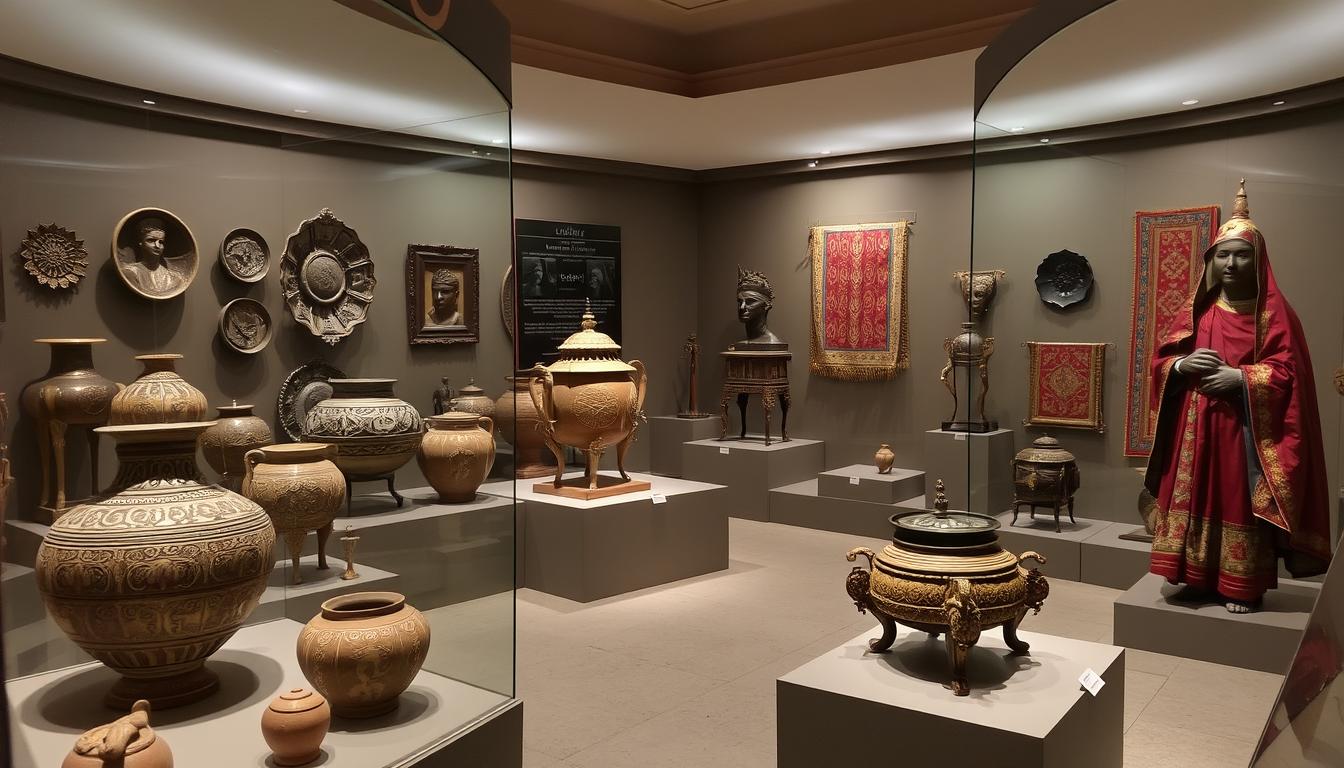
The Lahore Museum houses over 60,000 artifacts from Pakistan’s rich cultural heritage. It showcases archaeological wonders and priceless heirlooms from the region’s past. Each exhibit offers a glimpse into the artistic and religious traditions that shaped South Asia.
The museum’s curated displays bring history to life through preserved relics. Visitors can explore a diverse array of sculptures, coins, paintings, and textiles. These ancient artifacts reveal the secrets of Pakistan’s fascinating past.
Step into the museum’s hallowed halls to uncover the stories behind each piece. You’ll gain insights into the evolving traditions that have influenced the region for centuries.
The Oldest and Largest Museum in Pakistan
The Lahore Museum is a cultural gem in Pakistan’s heart. Founded in 1865, it’s the country’s oldest and largest museum. Its current location dates back to 1894.
About the Lahore Museum
The Lahore Museum preserves Pakistan’s diverse cultural heritage. Its red-brick building showcases Indo-Saracenic architecture. You’ll find it on Shahrah-e-Quaid-e-Azam, formerly known as Mall Road.
The museum houses about 60,000 artifacts of historical and artistic value. These represent Pakistan’s ancient and modern heritage. In 2018, it welcomed 227,994 visitors, attracting locals and tourists alike.
The collection includes rare coins and Mughal and Sikh woodwork. It also features paintings from the British period. The entrance hall boasts a restored Evolution of Mankind mural with 48 panels.
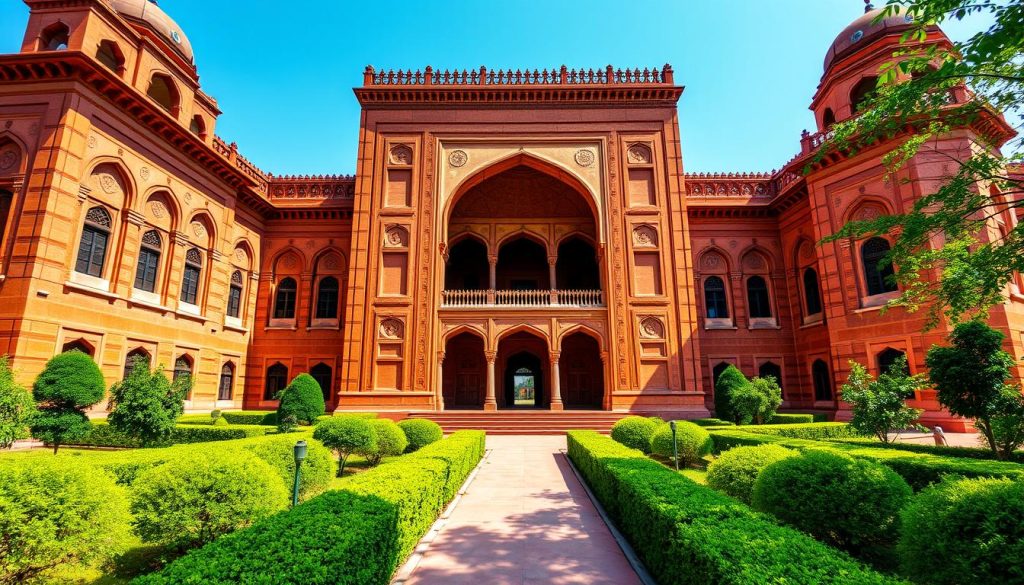
John Lockwood Kipling was the museum’s first curator during British rule. Today, it continues to showcase Pakistan’s cultural legacy. Visitors worldwide come to explore its ancient treasures.
Gandhara Gallery: Exploring Buddhist Art
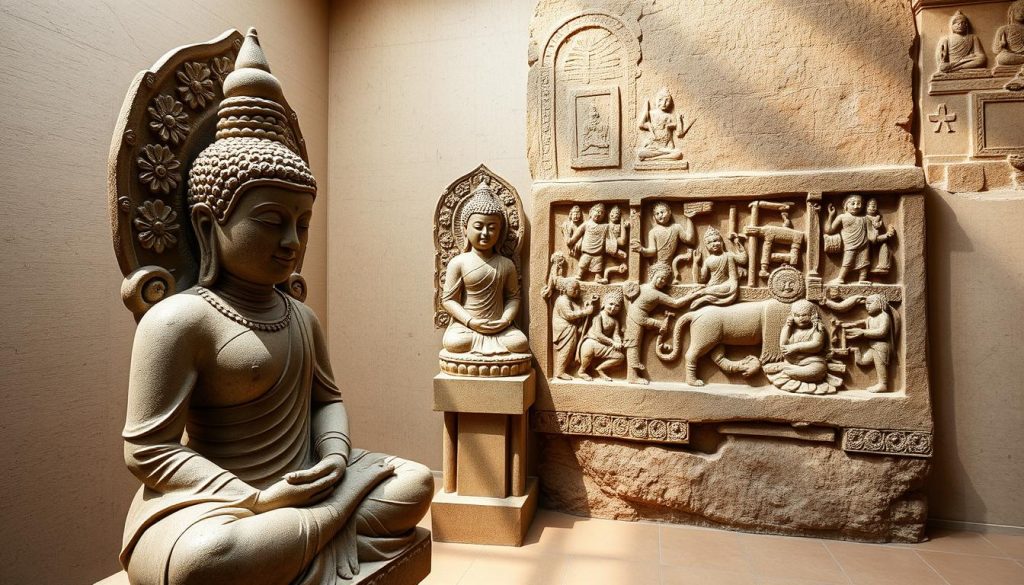
The Lahore Museum’s Gandhara Gallery showcases a unique blend of Buddhist and Hellenistic art. The collection features Gandharan sculptures, friezes, panels, and statues. These artworks depict the Buddha’s life story, from birth to enlightenment and death.
The gallery houses exquisite statues of the Buddha and Bodhisattvas. It also displays architectural fragments showing foreign influences on Gandharan art. Two standout masterpieces are the iconic Fasting Buddha and the Miracle of Sravasti.
| Gandharan Art Highlights | Description |
|---|---|
| Fasting Buddha | A renowned sculpture depicting the Buddha in a state of deep meditation and asceticism prior to his enlightenment. |
| Miracle of Sravasti | A captivating panel showcasing the Buddha performing a supernatural feat, emphasizing his divine powers and teachings. |
| Bodhisattva Statues | Exquisite depictions of Buddhist enlightened beings who have postponed their own nirvana to assist others. |
| Architectural Fragments | Intricate carvings and panels that offer insights into the architectural styles and religious iconography of Gandharan sites. |
The Gandhara Gallery showcases the artistic brilliance of an ancient civilization. It flourished between 100 B.C.E. and 700 C.E. in the Gandhara region. Visitors can explore the enduring legacy of Gandharan Buddhist art in this captivating collection.
Lahore Museum artifacts: Showcasing Cultural Heritage
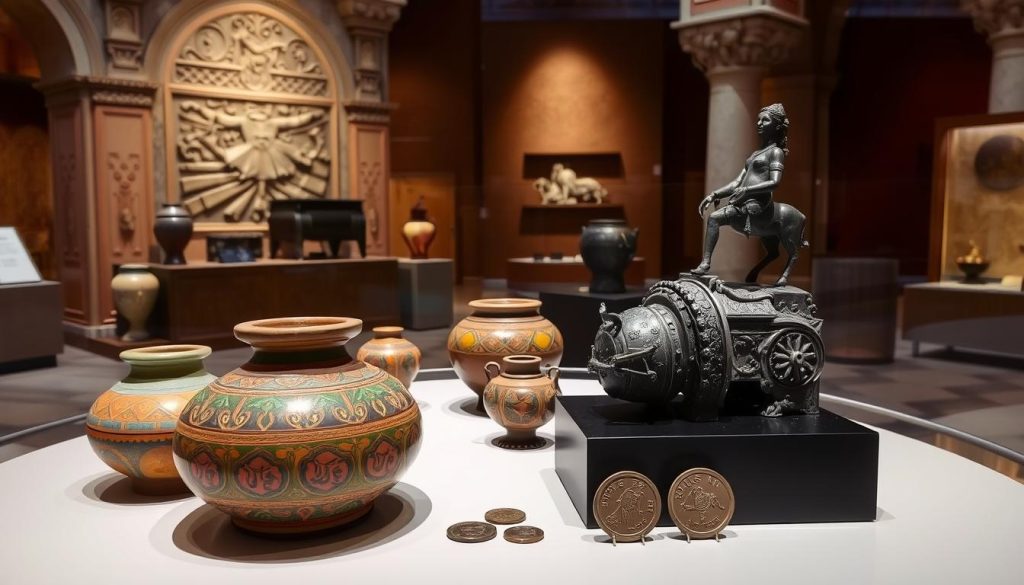
The Lahore Museum’s collection takes you on a fascinating trip through Pakistan’s cultural heritage. It goes beyond Gandharan sculptures to showcase a wide range of artifacts. These items reflect the country’s ever-changing artistic traditions.
The museum displays Islamic decorative arts and mesmerizing miniature paintings. It also houses rare manuscripts that highlight Pakistan’s cultural legacy. Visitors can examine ancient Indus seals, rare coins, and ethnographic works.
The museum’s holdings include colonial and modern art pieces. These show Pakistan’s creative growth over time. Works by famous artists like Ustad Allah Baksh and A.R. Chughtai grace the galleries.
| Artifact Type | Highlights |
|---|---|
| Islamic Art | Intricate calligraphic manuscripts, ornate metalwork, and vibrant ceramic tiles |
| Miniature Paintings | Exquisite examples of the Mughal, Pahari, and Rajasthani styles |
| Rare Manuscripts | Persian, Arabic, and Urdu texts dating back to the 15th-19th centuries |
| Indus Seals and Coins | Artifacts from the ancient Indus Valley Civilization and various medieval dynasties |
| Ethnographic Works | Textiles, costumes, and traditional crafts from diverse regions of Pakistan |
| Colonial and Modern Art | Paintings, sculptures, and installations by renowned Pakistani artists |
The Lahore Museum’s collection stands as a tribute to Pakistan’s rich cultural past. It offers visitors a captivating look into the country’s artistic and historical treasures.
Masterpieces and Highlights
The Lahore Museum houses an amazing collection of Gandharan art. It shows the area’s rich cultural history. Two standout pieces are the Fasting Siddhartha and the Miracle of Sravasti.
The Fasting Siddhartha
The Fasting Siddhartha shows Buddha as a skinny holy man. It captures the time just before he became enlightened. The sculpture’s details show how skilled the Gandharan artists were.
They knew a lot about the human body. This knowledge helped them make the Buddha look very real.
Miracle of Sravasti
The Miracle of Sravasti is a carved relief with complex Buddhist symbols. It shows the Buddha doing miracles for his followers. The main figure sits teaching the Dharma.
This artwork captures important moments in Buddha’s life. It amazes visitors with its beauty and meaning.
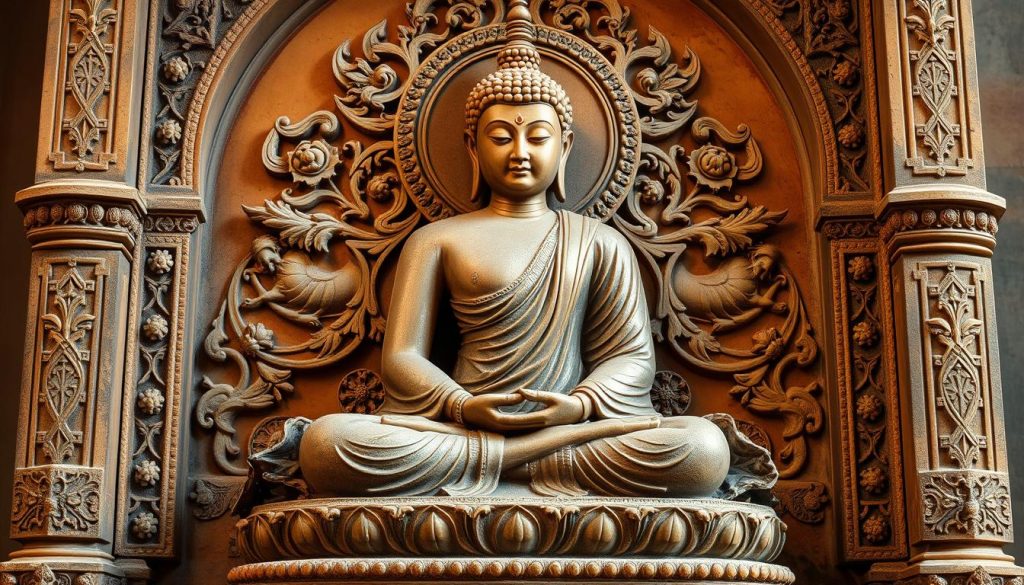
These works show how skilled the area’s artists were. They also give us a look into the rich spiritual traditions of that time.
The Lahore Museum’s collection keeps attracting visitors and scholars. It invites them to explore Buddhist art and the miracles that shaped the faith.
Artistic Treasures: Paintings and Mosaics
The Lahore Museum’s collection showcases ancient artifacts and remarkable artistic works. Visitors can admire paintings and mosaics that capture Pakistan’s rich cultural heritage. The museum houses captivating pieces that reflect the country’s diverse artistic traditions.
A striking mural titled “Evolution of Mankind” graces the Central Gallery’s ceiling. This masterpiece was created by acclaimed Pakistani artist Syed Sadequain Ahmed Naqvi. Its grand scale and intricate details leave visitors in awe.
Another highlight is a stunning lapis lazuli mosaic by renowned artist Ismail Guljee. Guljee’s intricate stone mosaics offer a unique glimpse into Pakistan’s artistic landscape. His work showcases the country’s rich tradition of mosaic art.
The museum’s contemporary art collection further enhances the visitor experience. Paintings and murals by modern artists showcase Pakistan’s thriving artistic scene. These works inspire a deeper appreciation for the country’s evolving cultural expression.
| Artwork | Artist | Medium | Significance |
|---|---|---|---|
| “Evolution of Mankind” | Syed Sadequain Ahmed Naqvi | Mural | Adorns the ceiling of the Central Gallery, showcasing the artist’s mastery in large-scale works. |
| Lapis Lazuli Mosaic | Ismail Guljee | Mosaic | Renowned for his intricate and complex stone mosaics, Guljee’s work reflects Pakistan’s artistic diversity. |
“The Lahore Museum’s collection of paintings and mosaics offers a captivating glimpse into the rich artistic heritage of Pakistan, showcasing the country’s vibrant and diverse creative landscape.”
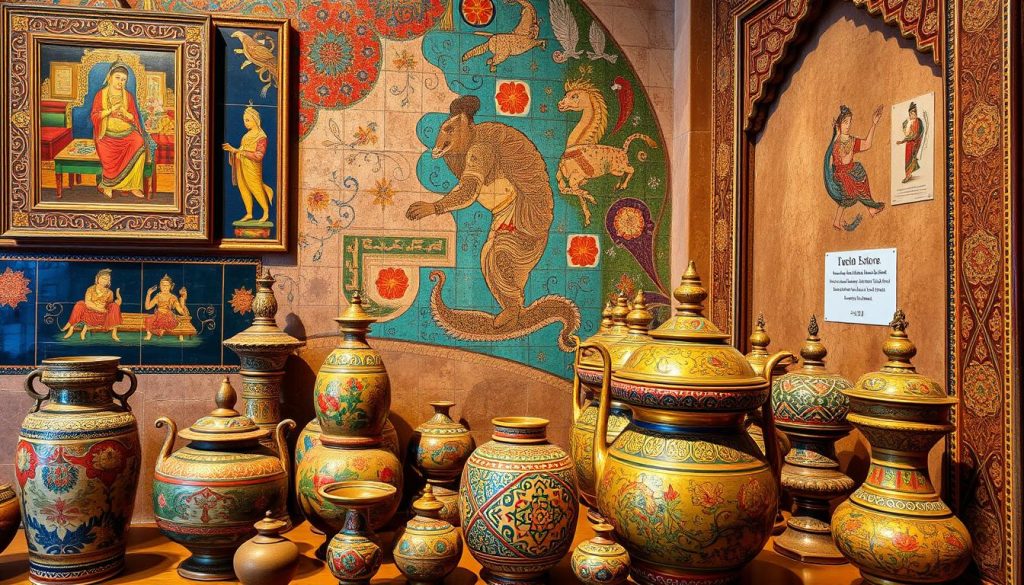
Coins and Antiquities: Glimpses into History
The Lahore Museum houses ancient coins and antiquities, showcasing Pakistan’s rich history. A standout piece is a gold coin from Mughal Emperor Akbar’s reign. This coin offers a fascinating peek into the past.
The coin’s obverse features the Kalima and names of the first four Caliphs. Its reverse displays Akbar’s full imperial title. This rare artifact links us to the Mughal Empire’s grandeur.
Echoes of Ancient Dynasties
The museum also displays silver coins from various ancient dynasties. These include the Kushano-Sassanian, Hippostratos, and Eukratides II periods. Each coin tells a story of civilizations that shaped the region.
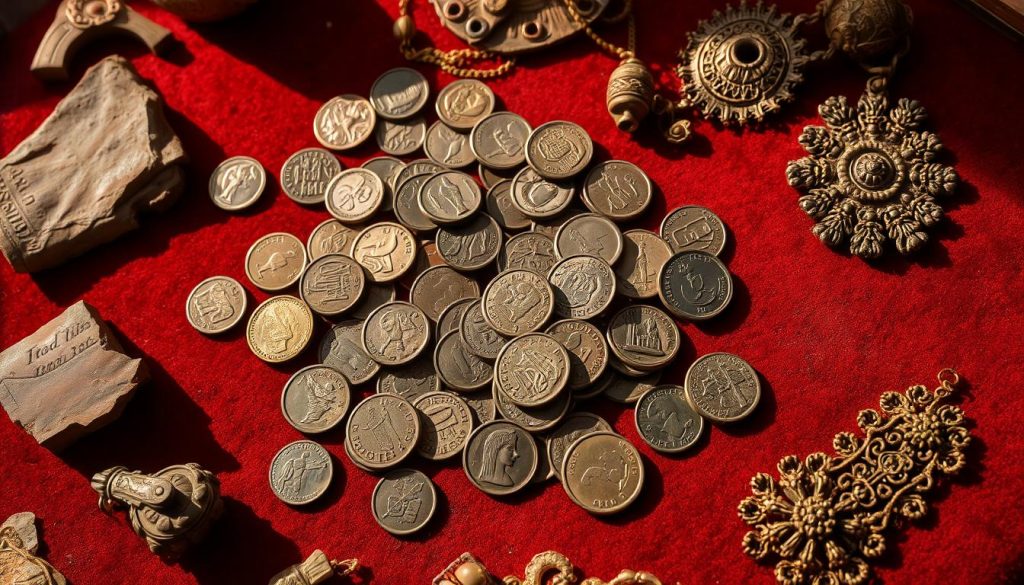
“These rare numismatic artifacts offer visitors a glimpse into the country’s monetary and political history.”
The coin collection reveals Pakistan’s monetary and political past. It allows visitors to connect with the country’s vibrant history. These artifacts showcase the foundations of modern-day Pakistan.
Prehistoric Artifacts: Harappan Civilization
The Lahore Museum houses a wealth of prehistoric artifacts from the Harappan civilization. These relics offer a glimpse into one of South Asia’s earliest urban cultures. The collection features a stunning female figurine with intricate jewelry and headdress.
Captivating terracotta animal figurines showcase Harappan artists’ exceptional skill. A majestic bull and graceful bird highlight their talent for realistic natural depictions. These artifacts come from the famous sites of Mohenjo-daro and Harappa.
The collection provides valuable insights into the Harappan civilization’s material culture and artistic traditions. Visitors can explore the rich heritage of the Indus Valley through these prehistoric artifacts.
The Lahore Museum’s collection of Harappan artifacts is a testament to the sophistication and artistry of one of the earliest urban cultures in South Asia.
The Harappan collection showcases the Indus Valley people’s creativity and technical mastery. These prehistoric artifacts serve as windows into the past. They help visitors understand the vibrant civilization that once thrived in these regions.
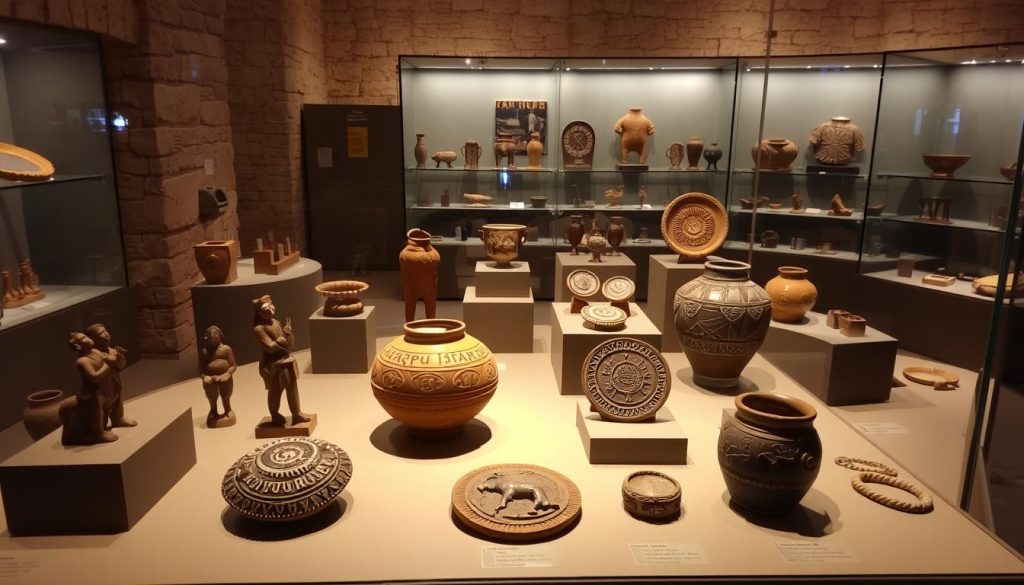
The striking female figurine and charming terracotta animals highlight the Indus Valley’s enduring cultural heritage. These prehistoric artifacts transport visitors back in time. They reveal the artistic ingenuity and technical prowess of the Harappan people.
Contemporary Exhibitions and Programs
The Lahore Museum goes beyond its permanent collection with dynamic exhibitions and public programs. It aims to educate visitors about Pakistan’s rich cultural heritage. The museum engages the public through community outreach and innovative educational initiatives.
MANZAR: Art and Architecture from Pakistan 1940s to Today” is an upcoming exhibition at the National Museum of Qatar. It will feature over 200 artworks from various mediums. The exhibition runs from November 1, 2024, to January 31, 2025.
Twelve themed galleries will showcase Pakistan’s artistic and architectural movements over 80 years. Works come from public institutions and private collections across Pakistan and beyond. The exhibition highlights influential architects who shaped Pakistan’s architectural landscape.
The Lahore Museum has produced a documentary called “Pakistan’s Best Kept Secret: Lahore Museum”. It explores Pakistan’s historical wealth and cultural diversity. The film showcases the museum’s collection of ancient artifacts from various religions.
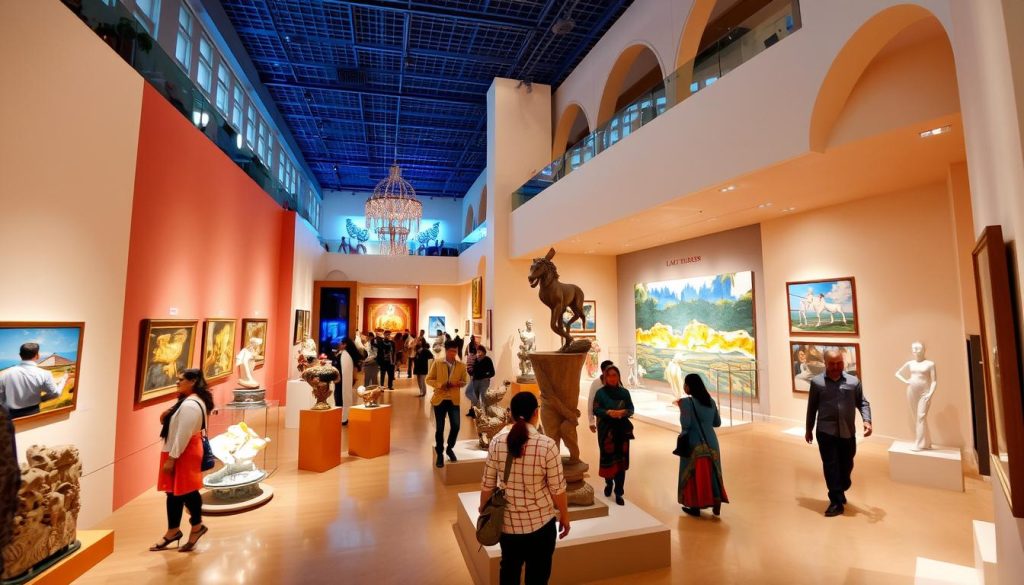
The Lahore Museum promotes understanding between nations through its diverse initiatives. It fosters appreciation for Pakistan’s cultural heritage and encourages cross-cultural dialogue. The museum remains a vital institution for cultural preservation and education.
Conclusion
The Lahore Museum is Pakistan’s oldest and largest museum. It showcases the country’s rich cultural heritage and artistic legacy. Its vast collection includes ancient artifacts, Gandharan sculptures, and Mughal-era coins.
The museum offers a glimpse into Pakistan’s diverse histories and traditions. It plays a vital role in educating the public. The museum also promotes understanding of Pakistan’s cultural identity.
Through exhibitions and community programs, it celebrates Pakistan’s artistic spirit. The museum invites you to explore captivating narratives in its Lahore Museum artifacts. It showcases the country’s cultural heritage in all its complexity.
The Lahore Museum offers a transformative experience for various interests. History buffs and art lovers will find it enlightening. It’s also perfect for those curious about Pakistan’s vibrant past.
Step into its halls for a journey through time. Here, the past and present meet. Discover the true essence of this remarkable cultural institution.





