Lahore for History Buffs: Hidden Gems to Explore
Lahore, Pakistan’s cultural capital, hides secrets beyond its famous landmarks. The city offers more than just the Lahore Fort and Badshahi Mosque. It’s home to many hidden historical gems waiting for curious travelers.
These lesser-known wonders have fascinated history lovers for centuries. They showcase the city’s rich cultural tapestry and diverse architectural heritage.
Lahore’s history spans the Mughal, Sikh, and British eras. Each period left its mark on the city’s landscape. Explore intricate mosaics at the Gulabi Bagh Gateway.
Discover the forgotten beauty of Khan-e-Jahan Zafar Jang Kokaltash’s tomb. These hidden treasures offer a unique glimpse into Lahore’s past.
The Walled City of Lahore: A Treasure Trove of Hidden Gems
Androon Lahore, the historic core of Pakistan’s vibrant metropolis, is a testament to its Mughal past. This captivating neighborhood boasts architectural wonders, ancient bazaars, and traditional havelis. It transports visitors to a bygone era.
Exploring the Narrow Lanes and Bustling Bazaars
The Walled City’s narrow lanes offer a sensory delight. Bustling bazaars teem with local artisans and vendors. The air is filled with scents of spices and traditional delicacies.
Iconic Anarkali Bazaar and centuries-old Rang Mahal showcase Lahore’s rich commercial heritage. These historic marketplaces provide a glimpse into the city’s vibrant past.
Historic Havelis and Architectural Marvels
The Walled City houses historic havelis and architectural masterpieces. They display the city’s Mughal-era grandeur. The imposing Lahore Fort, a UNESCO World Heritage Site, stands as a testament to this era.
The Badshahi Mosque, one of the world’s largest, amazes with its intricate details. The ornate Wazir Khan Mosque and serene Shahi Hamam further showcase the area’s architectural gems.
Discover the Walled City’s captivating history and vibrant culture. Every turn reveals a new hidden gem waiting to be explored.
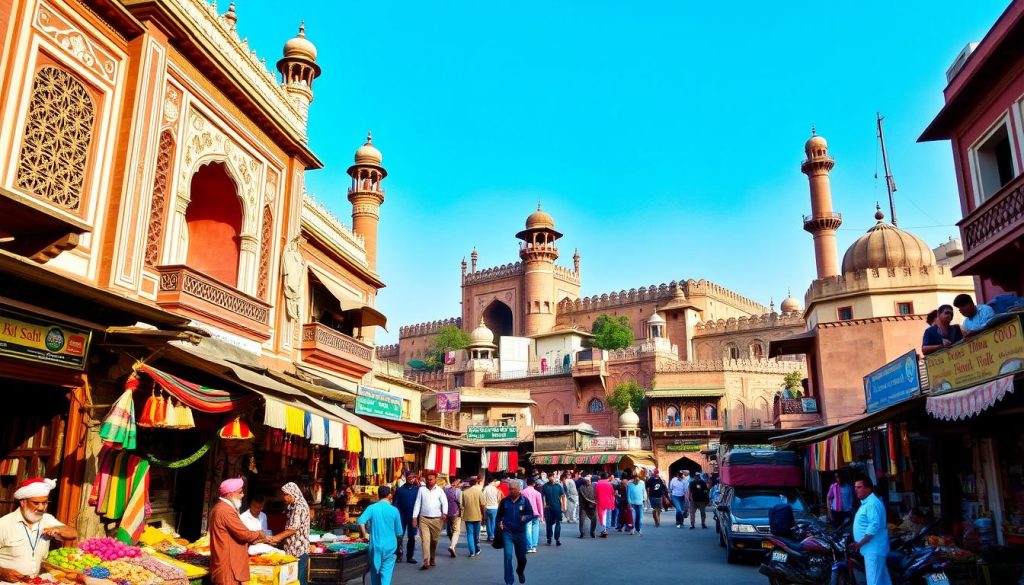
“The Walled City of Lahore is a living museum, where the past and present coexist in a harmonious blend of traditions and modernity.”
Tomb of Cypress: A Mughal-Era Masterpiece
In Lahore’s heart stands the Tomb of Cypress, a Mughal architectural marvel. Built in the early 18th century, it houses Sharf-un-Nisa Begum’s remains. She was sister to Nawab Zakariya Khan, Lahore’s governor under Emperor Mohammad Shah.
The tomb showcases Mughal style with its square shape and intricate cypress motifs. These designs, adorning the exterior walls, give the structure its name. They create a timeless and elegant look.
Time has left its mark, yet the Tomb of Cypress remains stunning. Its fading but vibrant motifs still captivate visitors. The tower-like brick monument features a removable ladder to the burial chamber.
This structure stands as a tribute to Mughal artistic achievements. It also highlights Lahore’s rich historical legacy. The tomb offers a glimpse into the city’s fascinating past.
“The Tomb of Cypress is a true masterpiece of Mughal architecture, a must-visit for those seeking to immerse themselves in the captivating history of Lahore.”
Exploring the Tomb of Cypress takes you back in time. You’ll marvel at its intricate craftsmanship and sense of grandeur. It reflects Lahore’s enduring spirit and rich cultural heritage.
History buffs will find this hidden gem a must-see destination. It offers a unique window into Lahore’s vibrant past. The Tomb of Cypress is truly a treasure worth discovering.
Tomb of Khan-e-Jahan Zafar Jang Kokaltash: A Forgotten Wonder
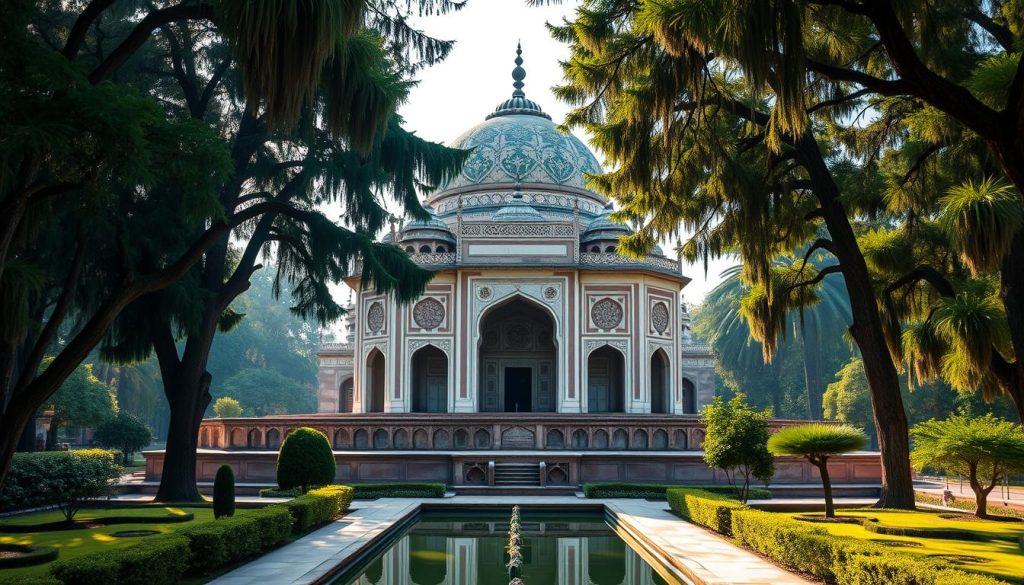
Near Lahore’s Royal Palm Golf and Country Club lies a hidden architectural gem. The Tomb of Khan-e-Jahan Bahadur Zafar Jang Kokaltash was built in 1697. It’s the final resting place of Mir Malik Husain, a high-ranking Mughal officer.
The Architectural Marvel of a Mughal Governor
This tomb stands out from typical red sandstone Mughal structures. It’s made of exquisite cut brickwork, showcasing Mughal architectural mastery. The walls and dome feature intricate carvings and beautiful brick masonry.
The tomb’s unique octagonal shape sets it apart from other Mughal-era monuments. It’s a testament to Mir Malik Husain’s skill and the artisans who built it. Despite centuries of wear, the structure still impresses visitors.
History buffs will love exploring this hidden gem of Lahore. It’s just a few kilometers from another Mughal attraction, the Tomb of Ali Mardan Khan.
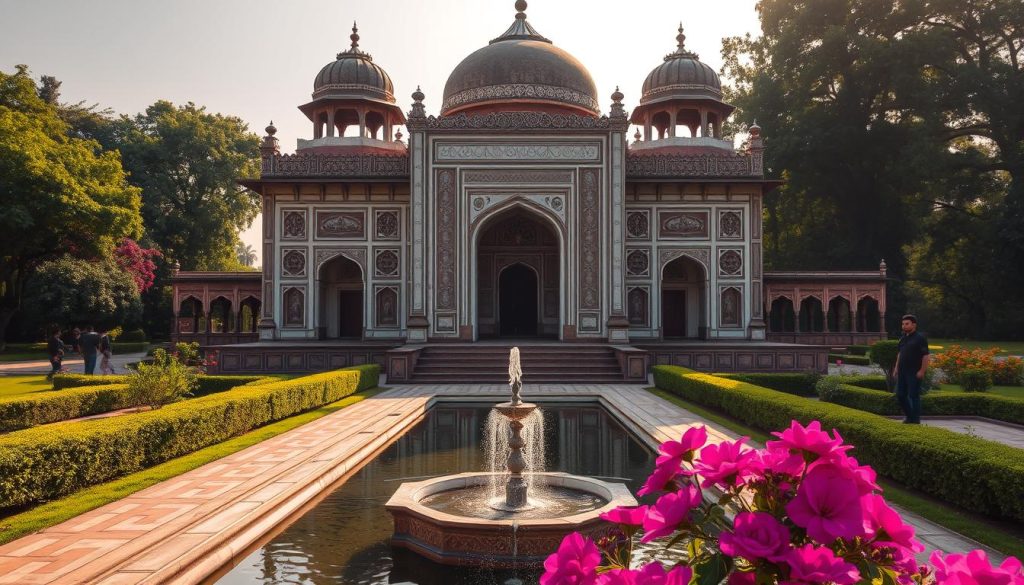
“The Tomb of Khan-e-Jahan Zafar Jang Kokaltash is a forgotten wonder, a true architectural marvel that showcases the Mughal’s mastery of brick masonry and design.”
Haveli of Nau Nihal Singh: A Regal Residence Turned School
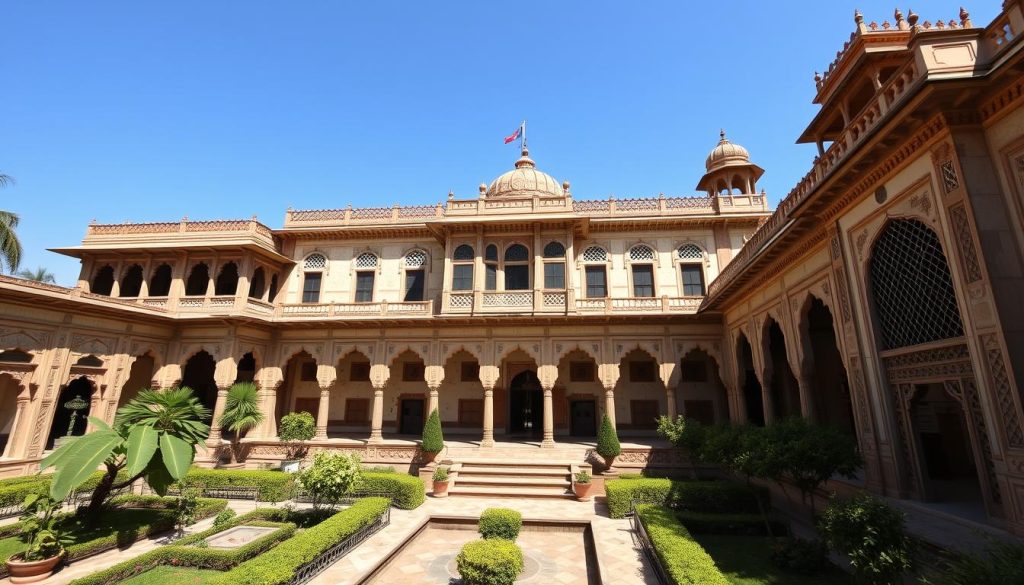
The Haveli of Nau Nihal Singh is a hidden gem in Lahore’s Walled City. This grand mansion was once home to Maharaja Nau Nihal Singh, grandson of Maharaja Ranjit Singh. Built in the 19th century, it boasts stunning architecture and intricate designs.
The four-story building has 40 rooms and a basement. Its beautiful carvings and masterful masonry showcase the rich Sikh cultural heritage. Today, this former royal home serves as the Government Victoria Girls Higher Secondary School.
Inside the Haveli, you can almost hear echoes of its glorious past. The young Maharaja once ruled from these very halls. Now, students walk through them daily, learning and growing.
The Haveli’s ornate facade and detailed balconies make it a true Lahore treasure. As students study here, they’re surrounded by timeless grandeur. They’re not just getting an education, but living within a piece of history.
| Architectural Highlights | Historical Significance |
|---|---|
|
|
The Haveli shows how past and present blend in Lahore’s Walled City. It’s a must-see for history buffs and architecture fans. This hidden gem offers a peek into Lahore’s grand history.
Begum Shahi Mosque: The Inspiration for Wazir Khan Mosque
The Begum Shahi Mosque is a hidden gem in Lahore’s Walled City. Built between 1611 and 1614, it honors Emperor Jahangir’s mother, Begum Maryam Zamani. This stunning structure is also known as the Maryam Zamani Mosque.
This mosque inspired the iconic Wazir Khan Mosque in Lahore. It features a five-bay prayer chamber, short domes, and wide arches. A large courtyard with an ablution pool and two gateways complete its impressive design.
The mosque’s interior is its standout feature. Intricate fresco artwork, floral designs, and stunning calligraphy adorn the walls. Once visible from Lahore Fort’s Akbari Gate, it’s now hidden behind shops and houses.
Visitors can admire the mosque’s architecture and explore its rich history. It’s open from 5 AM to 8 PM with free admission. The Begum Shahi Mosque offers a peek into Lahore’s Mughal-era heritage.
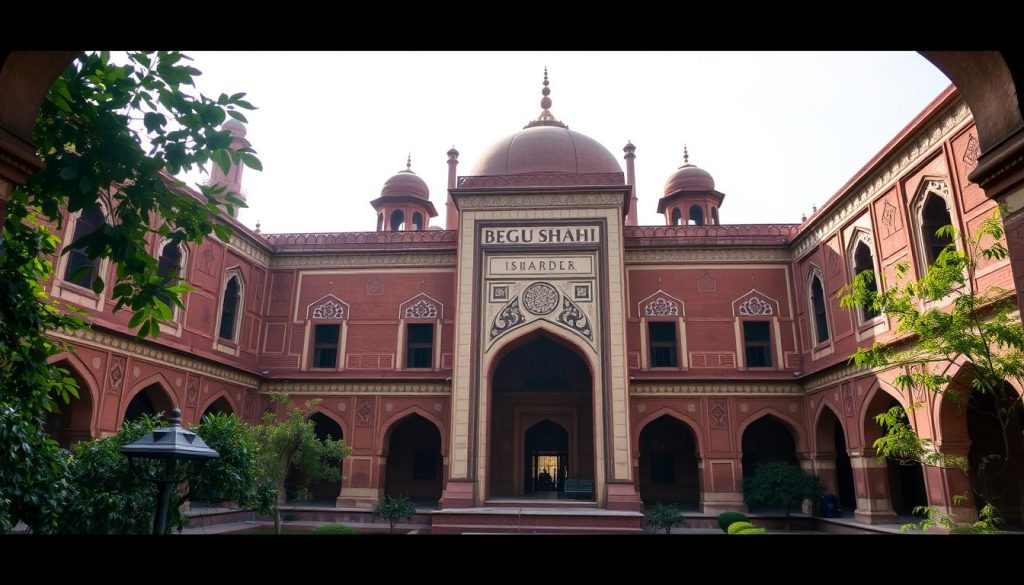
“The Begum Shahi Mosque is a true testament to the Mughals’ architectural brilliance, showcasing their mastery of intricate design and attention to detail.”
| Landmark | Location | Visiting Hours | Entrance Fee |
|---|---|---|---|
| Begum Shahi Mosque | Lahore, Pakistan | 5 AM to 8 PM | Free Admission |
| Wazir Khan Mosque | Lahore, Pakistan | 5 AM to 8 PM | Free Admission |
| Mohenjo-Daro | Sindh, Pakistan | 8:30 AM to 7 PM (Summer) 9 AM to 7 PM (Winter) |
600 rupees (Foreigners) 20 rupees (Locals) |
| Rohtas Fort | Punjab, Pakistan | 9 AM to 5 PM | Free Admission |
Don’t miss the Begum Shahi Mosque when exploring Lahore’s architectural wonders. This hidden treasure showcases the city’s Mughal-era heritage. It’s a must-see for anyone interested in Lahore’s iconic landmarks.
Lahore for history buffs: Lesser-known museums and heritage sites
Lahore offers more than its famous landmarks. The city hides lesser-known museums and heritage sites. These gems reveal Lahore’s rich cultural tapestry for history enthusiasts.
Unveiling the City’s Cultural Treasures
The Fakir Khana Museum houses over 20,000 artifacts in a private haveli. It offers a unique glimpse into Lahore’s past.
The Tomb of Dai Anga and Gulabi Bagh Gateway are Mughal-era marvels. They showcase the city’s timeless elegance.
Off-the-beaten-path sites include the 18th-century Sunehri Masjid and 15th-century Naveen Mosque. The Begum Shahi Mosque is one of Lahore’s oldest Mughal-era mosques.
| Museum/Heritage Site | Key Highlights | Visiting Hours |
|---|---|---|
| Fakir Khana Museum | Collection of over 20,000 artifacts, including rare manuscripts | 10:00 AM to 4:00 PM (by appointment) |
| Lahore Museum | Gandhara sculptures, Islamic art, and Mughal era relics | 9:00 AM to 5:00 PM |
| Shakir Ali Museum | Works and personal artifacts of the modern art pioneer Shakir Ali | 9:00 AM to 5:00 PM |
| Pakistan Museum of Natural History | Botanical Sciences, Earth Sciences, Zoological Sciences, and Public Services exhibits | 9:00 AM to 5:00 PM |
These hidden gems offer a unique Lahore experience. They reveal the city’s cultural treasures beyond famous landmarks. History buffs will find a captivating journey through time.
Gulabi Bagh Gateway: A Mosaic Masterpiece
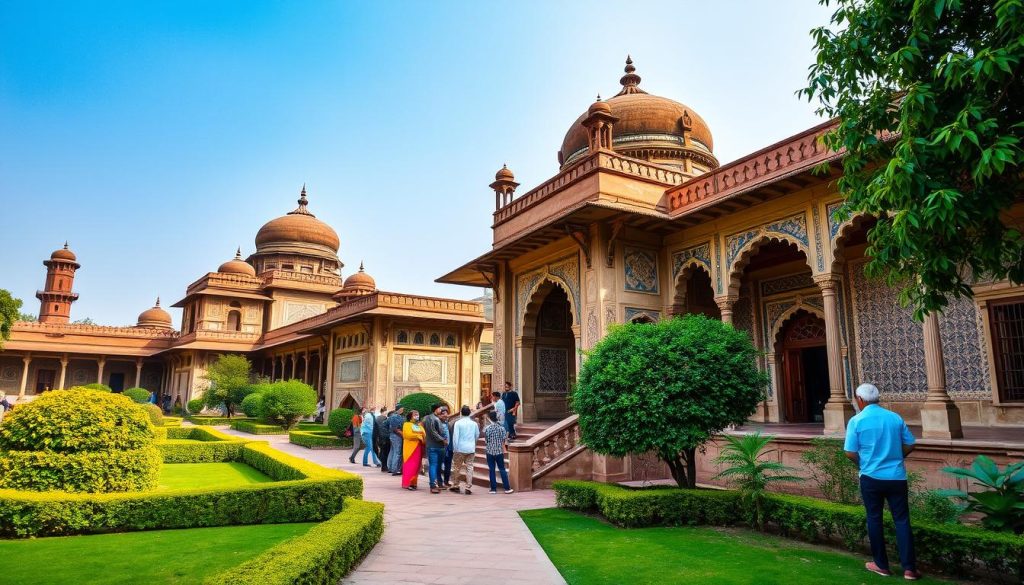
The Gulabi Bagh Gateway near Lahore’s University of Engineering and Technology is a stunning Mughal-era architectural marvel. Built in 1655 by Persian nobleman Mirza Sultan Baig, this double-story gateway showcases mesmerizing mosaic work.
The gateway’s facade is a visual feast of intricate floral patterns and geometric shapes. Crafted from vibrant tile hues, this mosaic work is considered one of the finest examples of its kind.
While the surrounding Pink Garden has mostly vanished, the gateway remains a cherished historical remnant. The nearby Tomb of Dai Anga, built in 1671, adds to the area’s rich Mughal architecture.
Exploring the Remnants of a Persian Nobleman’s Garden
The Gulabi Bagh Gateway stands as a testament to enduring Mughal art and design. Visitors can marvel at the intricate mosaic work that captivates art enthusiasts and historians.
Its proximity to the university makes it popular among students and scholars. They often visit to study the site’s architectural and historical significance.
Preserving sites like the Gulabi Bagh Gateway is crucial as Lahore evolves. It celebrates the city’s rich cultural heritage and inspires future generations to appreciate Mughal architecture.
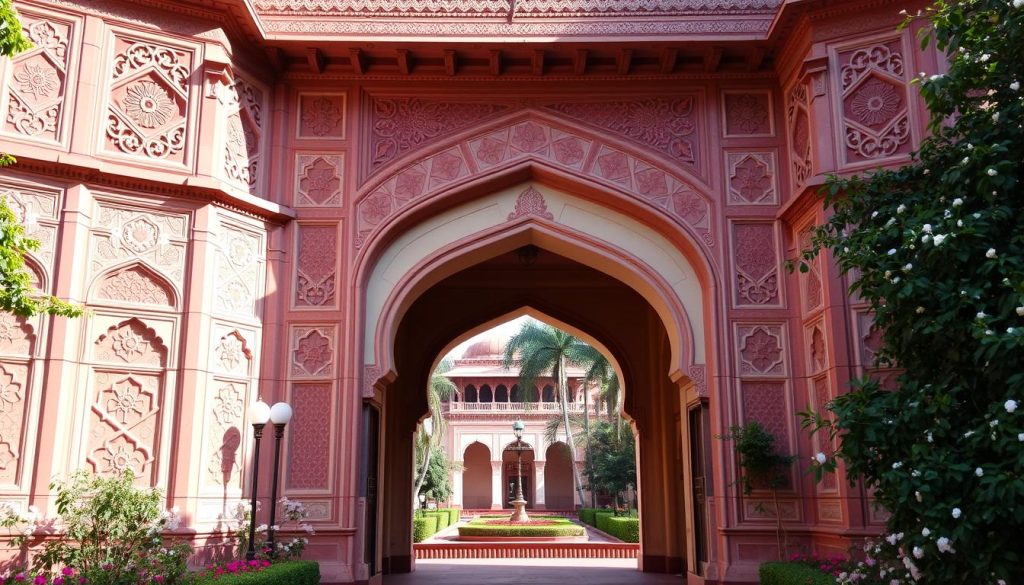
“The Gulabi Bagh Gateway is a true masterpiece of Mughal art, reflecting the unparalleled craftsmanship and attention to detail that characterized the era.”
Off-the-Beaten-Path Historical Gems
Lahore has many hidden historical treasures. These often-overlooked sites reveal the city’s rich cultural heritage. They captivate those who explore them.
Discovering Lahore’s Hidden Treasures
The 18th-century Sunehri Masjid boasts golden domes and minarets. It shows off Lahore’s Mughal-era splendor. The 15th-century Naveen Mosque has a remarkable 25-foot-deep foundation.
The Begum Shahi Mosque is one of Lahore’s oldest Mughal-era mosques. It’s a hidden architectural marvel worth exploring.
Lahore’s Walled City houses Sikh Gurdwaras too. The Gurdwara Janam Asthan Guru Ram Das and Gurdwara Dera Sahib showcase the city’s religious diversity.
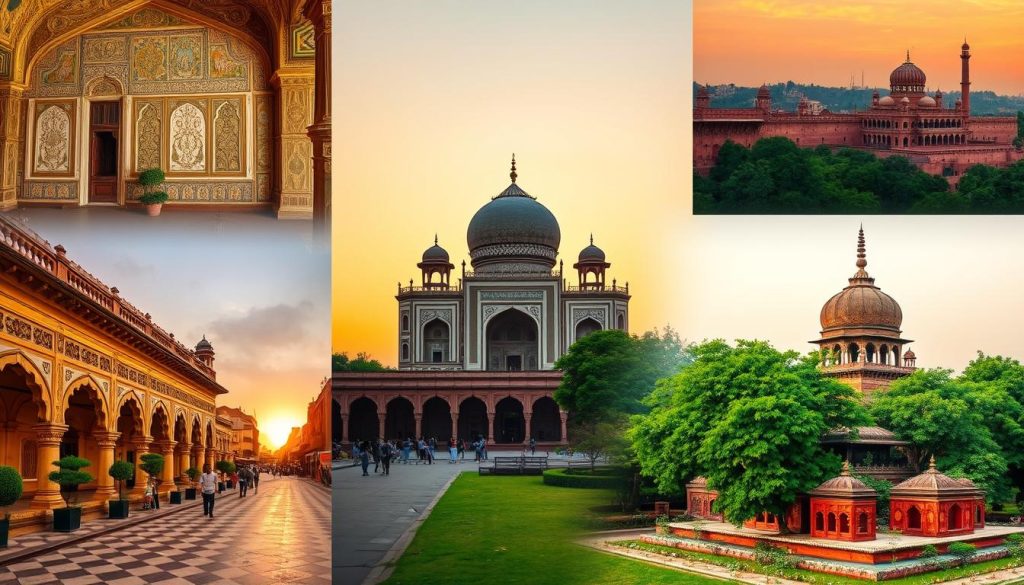
Exploring these hidden gems reveals Lahore’s fascinating history. Visitors can uncover architectural wonders beyond the usual tourist spots. These sites offer unique cultural insights often missed by many.
Experiencing Lahore’s Culinary Heritage
Lahore’s Walled City is famous for its history and food. It offers a wide range of local dishes that delight visitors’ taste buds. The city’s culinary scene is as impressive as its architecture.
Savoring the Flavors of the Old City
Shahi Muhalla Bazaar has many eateries serving tasty dishes. Try Arif Chatkhara’s tawa chicken or Fazal din Phajja Siri paye’s mutton paya. Taj Mahal Sweets offers treats for those with a sweet tooth.
Ghousia Mutton Chanay is a must-try local dish. Quench your thirst with refreshing lassi from Jadee Lassi Wala. These spots showcase Lahore’s diverse food culture.
Lahore Fort Road Food Street offers a unique dining experience. Restored havelis like Andaaz, Haveli, and Coco’s Den serve delicious desi food. Enjoy your meal with stunning views of the Badshahi Mosque.