Exploring Traditional Bhutanese Etiquette Essentials
Ever thought about fully diving into another culture while traveling? In Bhutan, a country full of rich traditions, knowing the local etiquette is key. As you explore this amazing country, learning about Bhutanese customs can change how you connect with people.
Bhutan is known for being eco-friendly and welcomes you with beautiful views and friendly people. It’s important for visitors to follow the etiquette guide for Bhutan.
In Bhutan, showing respect to elders and the environment is very important. Learning about these customs can make your trip better and help Bhutan’s green tourism goals. Let’s dive into how etiquette can improve your visit to the Land of the Thunder Dragon.
Understanding Bhutanese Etiquette and Customs
Learning about Bhutan’s cultural customs makes your visit richer. Knowing how to act respectfully shows you value their traditions and values.
Importance of Cultural Sensitivity
Being culturally sensitive is key when you’re in Bhutan. Showing respect for local customs makes your stay better. For example, saying “Kuzuzangpo” (hello) to friends is a nice start.
When you meet older people, a bow and “kuzuzangpo la” is the right thing to do. This shows you respect their place in society.
Influence of Buddhism on Etiquette
Buddhism deeply affects Bhutan’s etiquette. As the main religion, it teaches respect and community unity. Elders and monks are highly respected, and their words carry weight.
| Aspect | Description | Importance |
|---|---|---|
| Greeting Etiquette | Use “Kuzuzangpo” for peers, “kuzuzangpo la” for elders with a bow | Demonstrates respect for age and status |
| Dress Code | Gho for men, Kira for women; Western attire is discouraged | Praises Bhutanese cultural customs and national identity |
| Punctuality | Being late by more than 30 minutes is often considered rude | Reflects respect for others’ time and commitments |
| Respect Towards Monks | Monks are highly revered; greeting them with respect is vital | Upholds the spiritual fabric of Bhutanese society |
Traditional Bhutanese Etiquette
Learning about Bhutanese etiquette is key for respectful interactions in this unique culture. The core of this etiquette is Driglam Namzha. It guides behavior and highlights the importance of social norms in Bhutan. Knowing these principles helps you navigate social situations with confidence and care.
Key Principles of Driglam Namzha
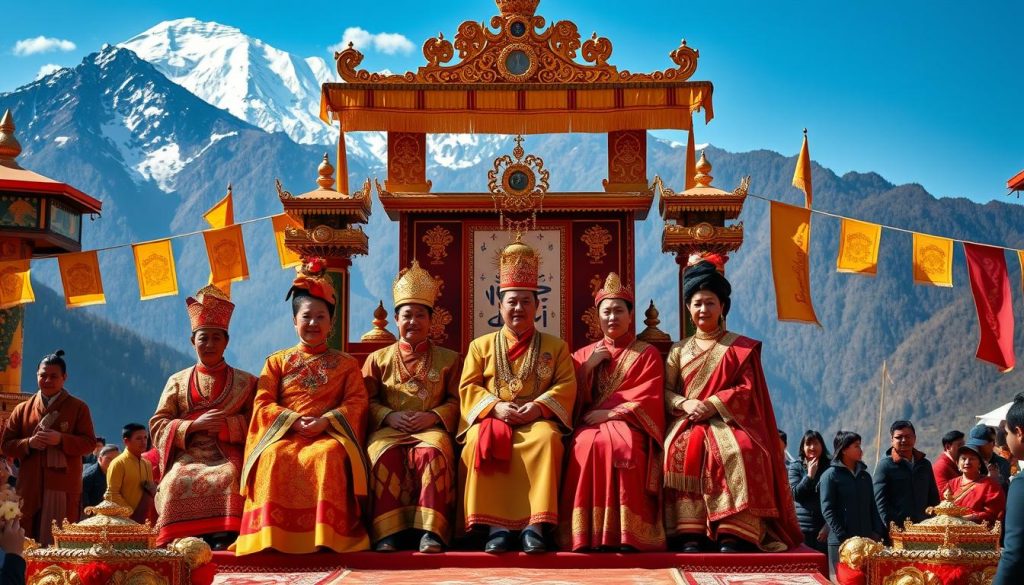
Driglam Namzha is deeply rooted in Bhutanese culture, coming from Buddhist monastic codes. Introduced by royal decree in 1989, it aims to keep Bhutanese identity strong against modern changes. It teaches values like humility, self-control, compassion, and respect.
Driglam Namzha is more than just gestures like scarf colors or bows. It shows the importance of being civil and proper in Bhutanese society. It also encourages people to follow etiquette tips in Bhutan to build better relationships and a more united community.
Respect and Hierarchy in Bhutanese Society
Respect and hierarchy are key in Bhutan. Elders and those in authority are highly respected. Knowing this is crucial for visitors, as showing respect leads to more positive experiences.
Programs like the Driglam Namzha Refresher for Ministry of Education employees raise awareness of these cultural aspects. They teach the historical and modern importance of these etiquette norms. These efforts aim to keep Driglam Namzha alive in daily life and encourage tradition preservation.
| Principle | Description | Importance |
|---|---|---|
| Humility | Acknowledging the worth of others without arrogance. | Fosters open communication and mutual respect. |
| Self-Control | Managing emotions in social situations. | Promotes tranquility and understanding among individuals. |
| Compassion | Demonstrating kindness and empathy towards others. | Cultivates harmonious relationships and community spirit. |
| Respect | Valuing the wisdom and status of elders. | Strengthens social ties and adherence to customs. |
| Sensitivity | Being aware of others’ feelings and circumstances. | Enhances interactions and community well-being. |
Greetings and Interactions in Bhutan
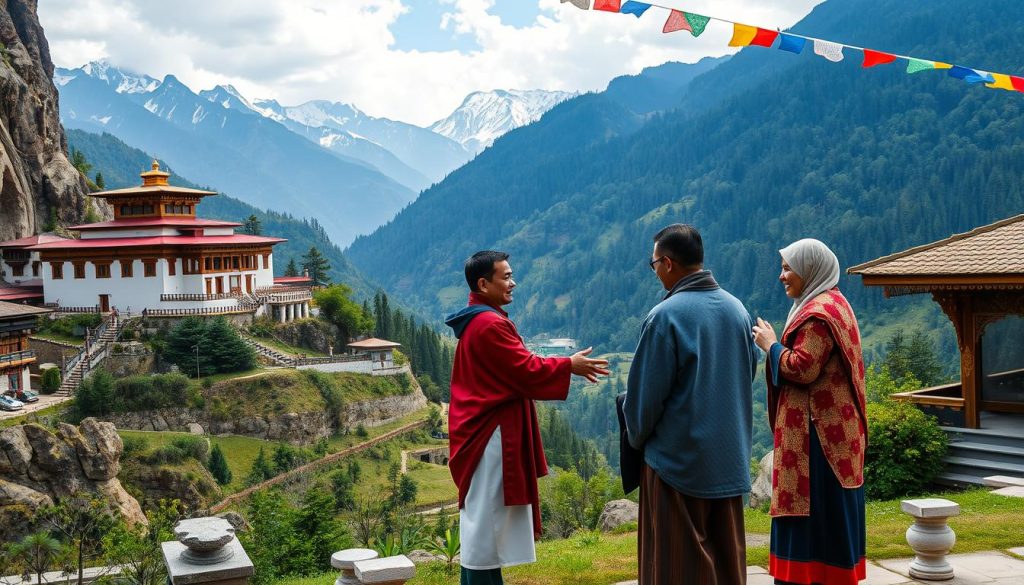
When you visit Bhutan, knowing how to greet and interact with locals is key. Building strong relationships starts with good communication. Greeting people with Kuzuzangpo la shows you care and respect. A slight bow and clasped hands add to the gesture.
Common Greetings
In Bhutan, greetings are important for starting meaningful talks. Saying Kuzuzangpo la is essential, as it means well-wishes and respect. Many Bhutanese speak Dzongkha, but regional languages add to the culture. A friendly smile also helps connect with people.
How to Address Elders
When talking to elders in Bhutan, be thoughtful. Use honorific language to show respect. It’s important to listen to elders first. This shows respect and makes conversations better.
| Aspect | Etiquette Tip | Details |
|---|---|---|
| Greeting | Use “Kuzuzangpo la” | Offers a warm welcome and shows respect |
| Gesture | Slight bow with clasped hands | Recognizes the importance of humility |
| Addressing Elders | Use honorific language | Demonstrates respect and cultural sensitivity |
| Smile | Incorporate into greetings | Enhances connection and warmth in interactions |
Appropriate Dressing Guidelines
Knowing the customs and traditions in Bhutan is key, like what to wear. Dressing modestly is very important in Bhutan. Visitors should wear clothes that cover shoulders and knees, mainly in public and religious places. This shows respect for local customs and fits with Bhutan’s values.
Modesty in Attire
Wearing modest clothes is a big deal in Bhutan. When you visit temples or go to social events, choose outfits that are respectful. This could be:
- Longer sleeves
- Long pants or skirts
- Traditional clothing when it’s right
Wearing these clothes helps you fit in better with the culture. It also makes locals happy with you.
National Dress: Gho and Kira
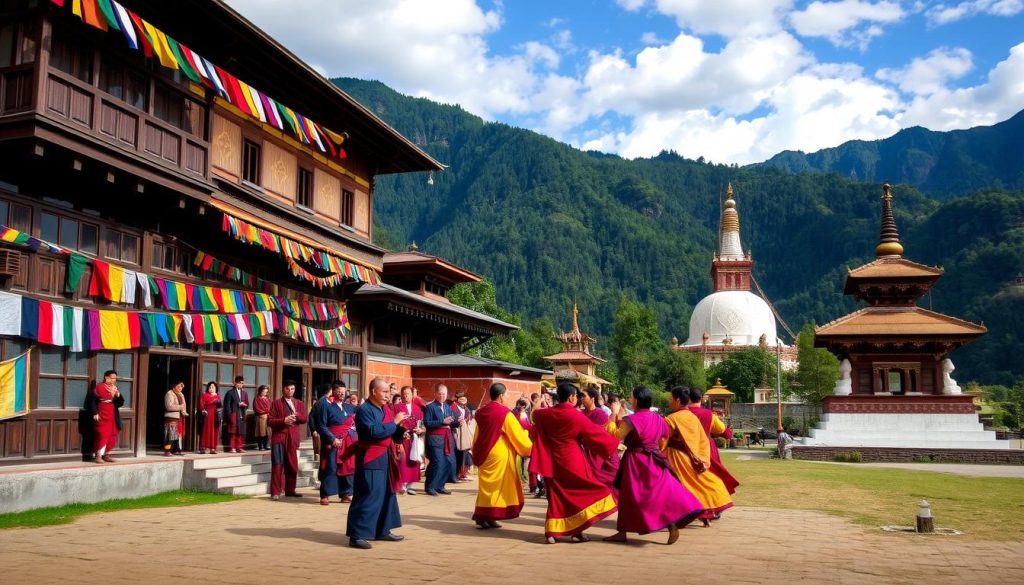
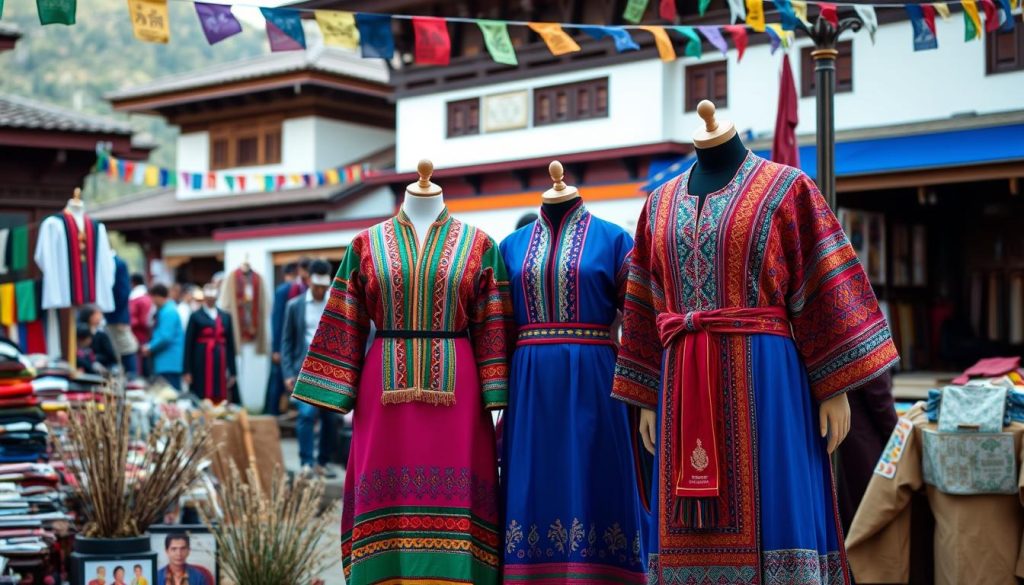
The traditional clothes in Bhutan show its rich history. Men wear a Gho, a knee-length robe, and women wear a Kira, a long dress. While tourists don’t have to wear these, it’s a nice gesture. It shows you care about Bhutan’s customs and traditions.
| Attire Type | Description | Occasions |
|---|---|---|
| Gho | Knee-length robe for men that signifies status and respect | Formal events, festivals |
| Kira | Long dress layered with additional garments worn by women | Cultural celebrations, weddings |
| Casual Wear | Modest clothing covering shoulders and knees | General outings, sightseeing |
Showing respect for local customs makes your trip better. It also helps you get along well with the people of Bhutan. Following these guidelines will make your visit to this beautiful Himalayan nation more rewarding.
Respecting Bhutanese Religious Practices
Visiting Bhutan means learning about its cultural customs. The country is full of spiritual traditions that visitors should respect. This guide will help you behave properly in these sacred places.
Visiting Temples and Monasteries
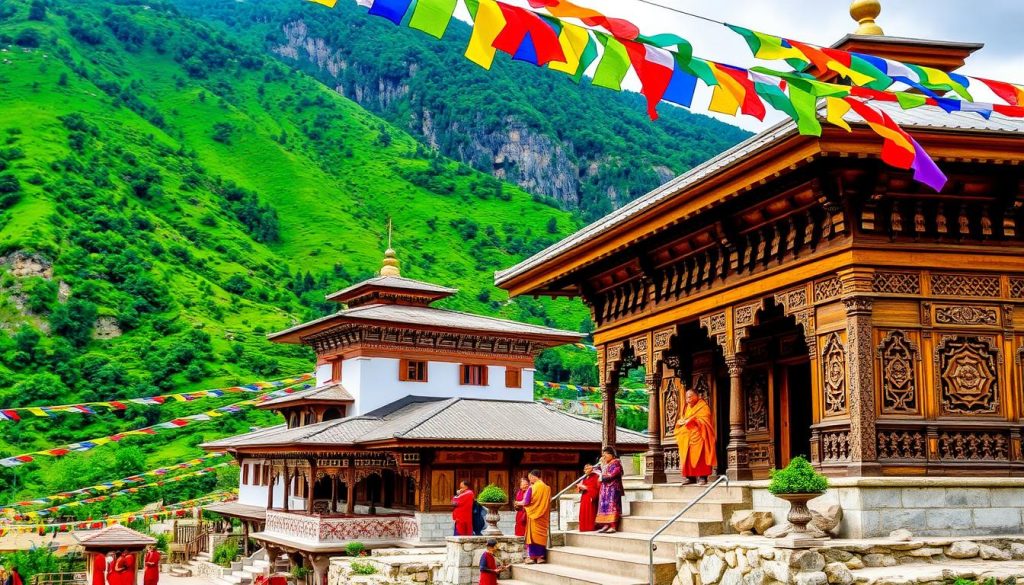
Before you go to temples and monasteries, know the rules. Wear clothes that cover your shoulders and knees. Taking off your hat and sunglasses shows respect.
When you get inside, walk clockwise around sacred things. Keep quiet and don’t talk loudly. This lets you enjoy the peace of these places.
Maintaining Reverence in Sacred Spaces
Respect is key in Bhutan. Don’t touch monks or nuns, and definitely not the opposite sex. If someone offers you food or drink, say no first. Accept it on the second or third ask, as a sign of gratitude.
It’s okay to give small gifts like food or butter lamps. These are ways to show respect for their traditions.
| Religious Practice | Visitor Etiquette |
|---|---|
| Dressing Modestly | Cover shoulders and knees; remove hats and sunglasses |
| Entering Sacred Spaces | Move clockwise around sacred objects, speak quietly |
| Physical Contact | Avoid contact, specially with monks and nuns |
| Offering Customs | Make small offerings like food or butter lamps |
| Photography | Request permission; some areas may prohibit cameras |
By following these customs, you show respect for Bhutan’s traditions. Your actions help keep their culture alive and make your trip better.
Dining Etiquette in Bhutan
Dining etiquette in Bhutan is deeply rooted in cultural values. When you’re invited to share a meal, you’ll see unique practices. These reflect Bhutan’s traditions and hospitality.
Eating Customs and Practices
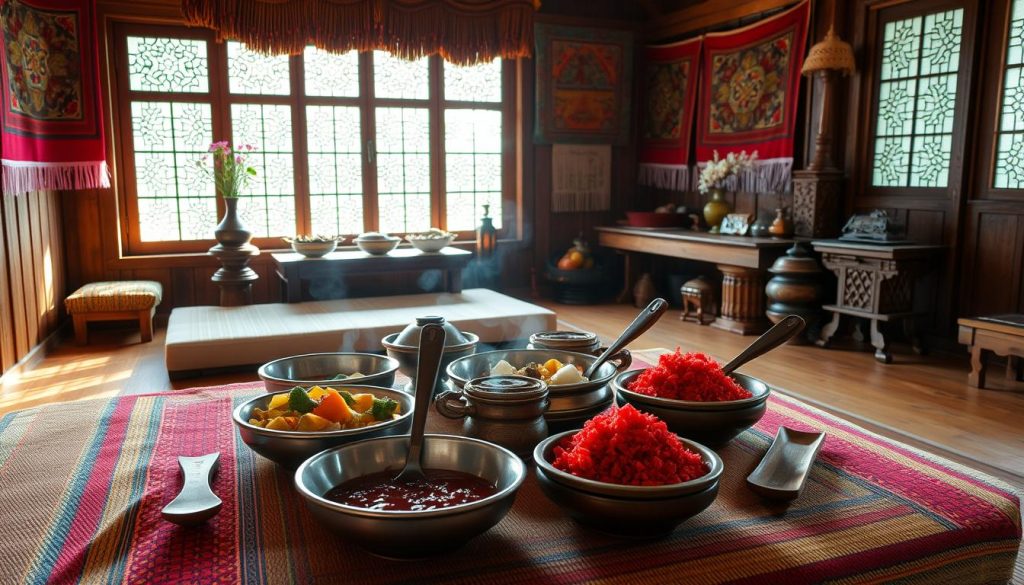
In Bhutan, people wait until everyone is served before eating. This shows respect and appreciation for the moment. Traditionally, the Bhutanese eat with their hands, which connects them to their food.
Rice is the staple, served with flavorful side dishes. Many locals still prefer eating with their hands, even with modern utensils in cities. Knowing this etiquette makes your dining experience richer.
Sharing Meals with Locals
Sharing meals with locals builds community and friendship. Talking and enjoying local dishes like ema datshi is common. It’s polite to refuse food once before accepting.
Such customs strengthen bonds and let you dive into Bhutan’s culture. It’s a way to truly experience Bhutan’s hospitality.
Photography Etiquette
When you visit Bhutan, knowing the photography etiquette is key. The country’s rich culture and traditions have rules for everyone, including tourists. It’s vital to respect these guidelines to keep the cultural harmony intact.
Asking for Permission
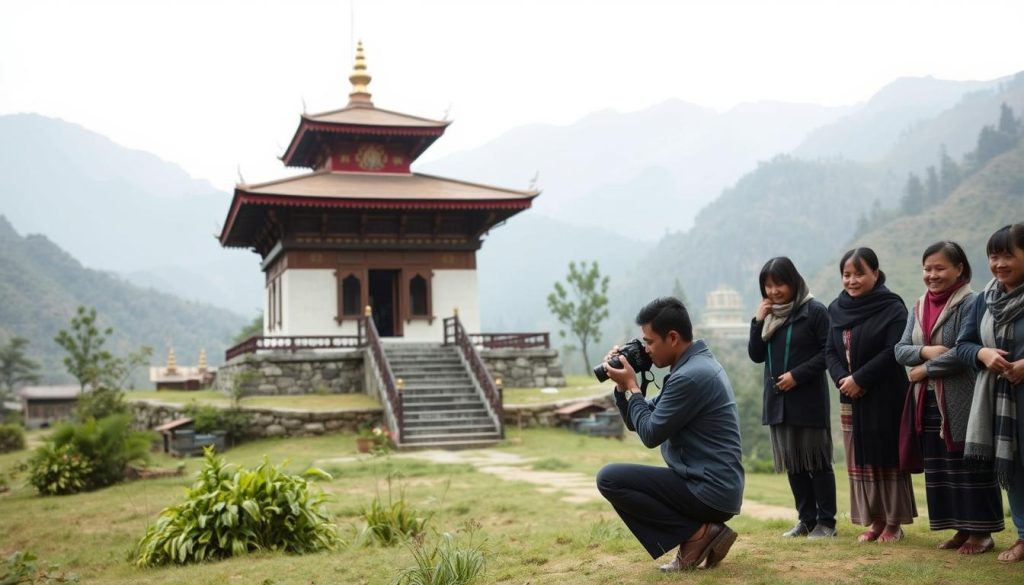
Always ask for permission before taking pictures of people, like monks, kids, or those in traditional clothes. This shows respect for their privacy and cultural values. In Bhutan, 52% of people don’t like shaking hands unless it’s offered first. This shows how much they value personal space and modesty.
Respecting Camera Restrictions
At many religious sites in Bhutan, photography is limited. This is to respect the local customs and the spiritual places. Knowing these rules shows you care about the culture and the sacredness of the sites. Always be mindful of your surroundings and the places you visit.
Dos and Don’ts for Visitors to Bhutan
Traveling to Bhutan is a chance to dive into a culture rich in tradition and spirituality. Knowing the dos and don’ts is key for respectful interactions and meaningful experiences. This way, you can avoid cultural misunderstandings and truly appreciate Bhutanese life.
Behavior Around Local Communities
When you meet local communities, be patient and polite. Avoid public displays of affection, as they might be seen as inappropriate in Bhutan. Instead, try to have uplifting and respectful conversations.
Learning etiquette tips in Bhutan, like greeting people formally and being respectful, can make your interactions better.
Avoiding Cultural Misunderstandings
To build good relationships with the Bhutanese, avoid sensitive topics like politics and religion unless they bring it up. Also, remember that photography might be restricted in some sacred places. Always ask for permission before taking a photo.
Following these dos and don’ts shows your respect for Bhutan’s traditions. It also makes your travel experience better.