Visit National Museum Paro – A Bhutanese Treasure
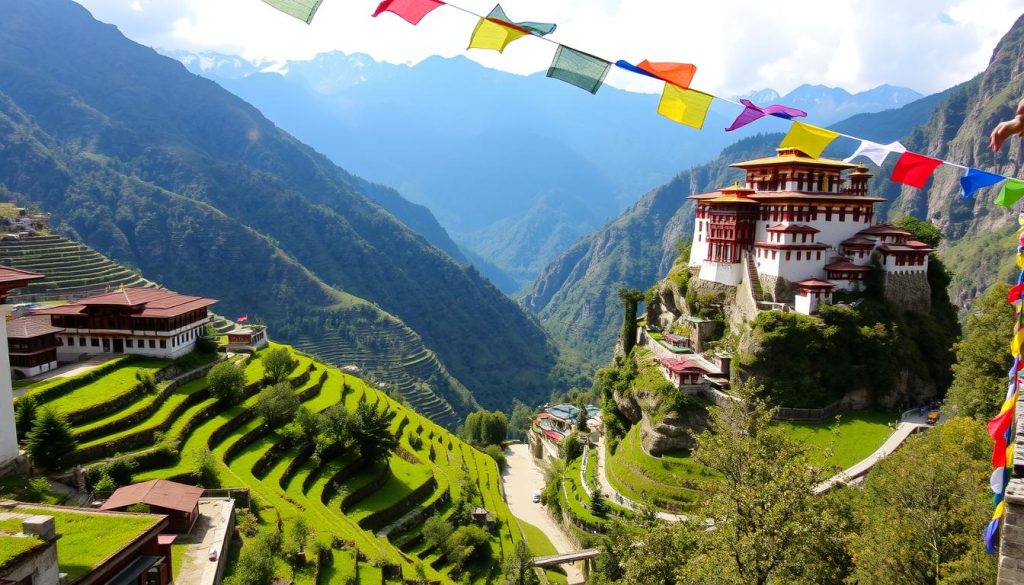
Have you ever wondered how a single museum can show the rich culture and history of a whole nation? The National Museum Paro, in the beautiful Paro Valley, does just that. It’s not just a place for artifacts; it’s a symbol of Bhutanese cultural heritage.
It’s located in the historic Ta Dzong fortress, built in 1649. Since 1968, it has been the Bhutan National Museum. It was started by the Third Druk Gyalpo, Jigme Dorji Wangchuck. The museum has over three thousand works of art, covering more than 1,500 years.
It invites you to explore Bhutan’s fascinating history. It’s a journey through time and culture.
A Glimpse into the Cultural Splendor of Bhutan
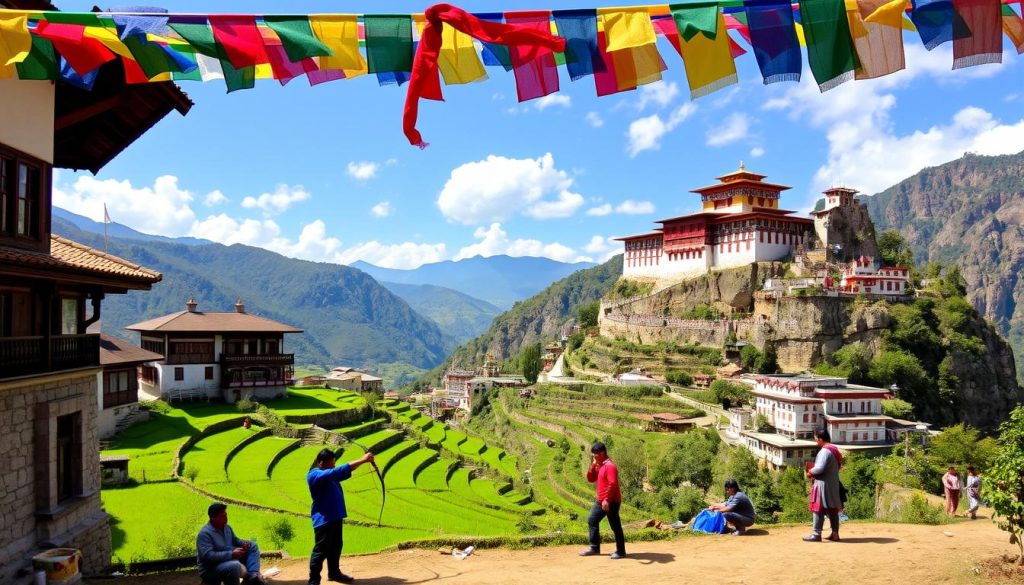
Bhutan’s culture is rich and diverse, blending beautifully with its landscapes. As you explore Bhutan, you’ll dive into vibrant traditions, stunning art, and lively festivals. These all show the heart of the nation.
In Paro, you can see key cultural spots like the Paro National Museum. It has over 3,000 amazing artworks and artifacts. The museum is key in keeping Bhutan’s culture alive. You can learn about daily life in this kingdom through interactive exhibits and programs.
The Paro Tshechu festival is a highlight, attracting thousands each year. It offers a peek into the spiritual and community life of Bhutan. You’ll see traditional dances and rituals that have been passed down for generations.
For a deeper look, visit the ancient Kyichu Lhakhang, one of Bhutan’s oldest temples. It shows the historical and spiritual side of Bhutan’s traditions. Paro’s mix of nature and culture invites you to explore and dive into its cultural richness.
What is the National Museum Paro?
The National Museum Paro is a key part of Bhutan’s heritage. It is located in the Ta Dzong, a historic building. Since 1968, it has welcomed visitors to explore Bhutan’s history and culture.
Inside, you’ll see many artifacts that show Bhutan’s art, history, and culture. It’s a must-see for anyone wanting to learn about Bhutan. This museum is a highlight for tourists in Paro.
The museum has six floors, each with its own exhibits. You can see arms and armor, traditional weapons, stamps, and jewelry. It also focuses on religious artifacts, showing Bhutan’s spiritual side.
With over 3,000 pieces of art, it covers 1,500 years of history. This makes it a great place to learn and appreciate Bhutan’s past.
Since it opened, the museum has seen more visitors, thanks to Bhutan’s tourism. It suffered damage in a 2011 earthquake and closed for repairs. But it reopened on June 24, 2020, after a big renovation.
The renovation fixed stonewalls, restored displays, and improved lighting. Now, visitors have a better experience.
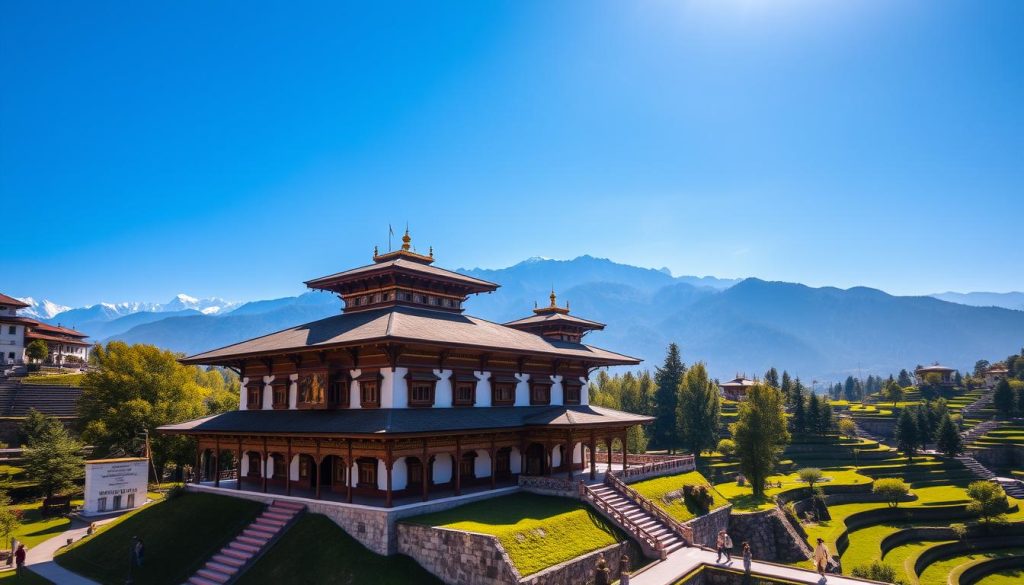
Visiting the Museum in Paro is a memorable experience. It tells amazing stories of Bhutan’s history.
History of Ta Dzong and Its Transformation
The story of Ta Dzong is a treasure trove of Bhutan’s rich culture. Built in 1649, it was a watchtower for Rinpung Dzong. Its walls, made of stone and wood without nails, show off Bhutanese skill and military might.
The walls, two to three meters thick, have stood strong. They survived big earthquakes in 1714 and 1896.
From Watchtower to Museum
In 1968, Ta Dzong’s role changed. King Jigme Dorji Wangchuck turned it into a museum. This move was key to keeping Bhutan’s art and history alive.
Significance of the Year 1968
1968 was a big year for Ta Dzong. It became the National Museum of Bhutan, home to over 3,000 artifacts. These items tell 1,500 years of Bhutan’s story.
Visitors see more than just exhibits. They learn about Bhutan’s art, history, and culture. It’s a journey through time.
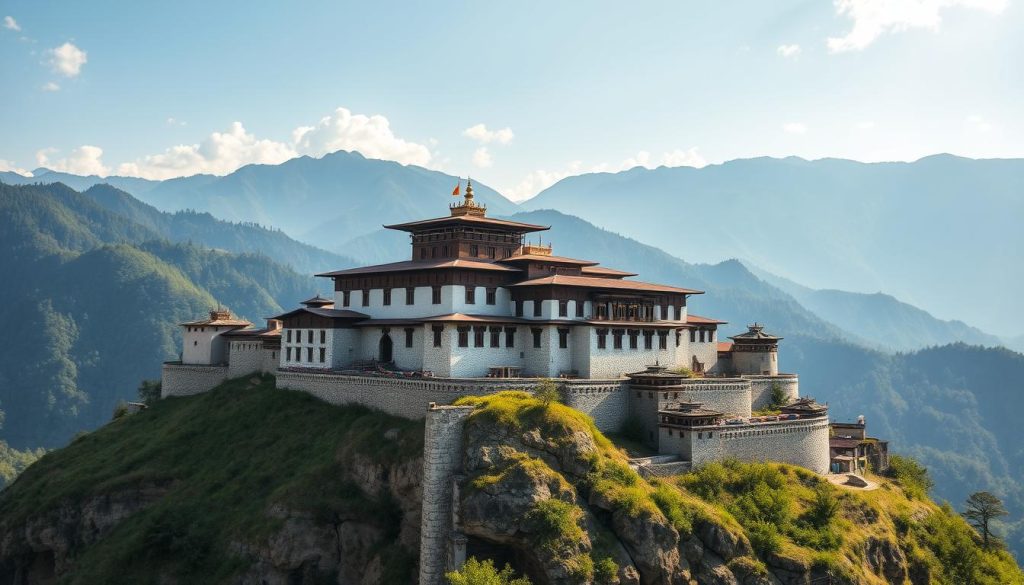
Architectural Marvel: Ta Dzong’s Unique Structure
The Ta Dzong is a key part of Bhutan’s architectural history. It draws in visitors with its special design and structure. Its circular shape, a sign of good luck in Buddhism, adds beauty and serves a purpose.
This design offers stunning views of the Paro Valley. It’s a true marvel in Bhutan.
The Circular Design and Its Symbolism
The Ta Dzong’s circular shape makes it stand out. It’s not just pretty; it holds deep cultural meaning. It connects visitors to Bhutan’s beliefs about luck and success.
This design also brings people together. It invites everyone to explore and learn from its history.
Exploring the Seven Floors of the Museum
Visitors can explore seven floors of the museum. Each floor showcases different parts of Bhutan’s history and culture. You’ll see artifacts, manuscripts, and sculptures that tell the story of Bhutan’s growth.
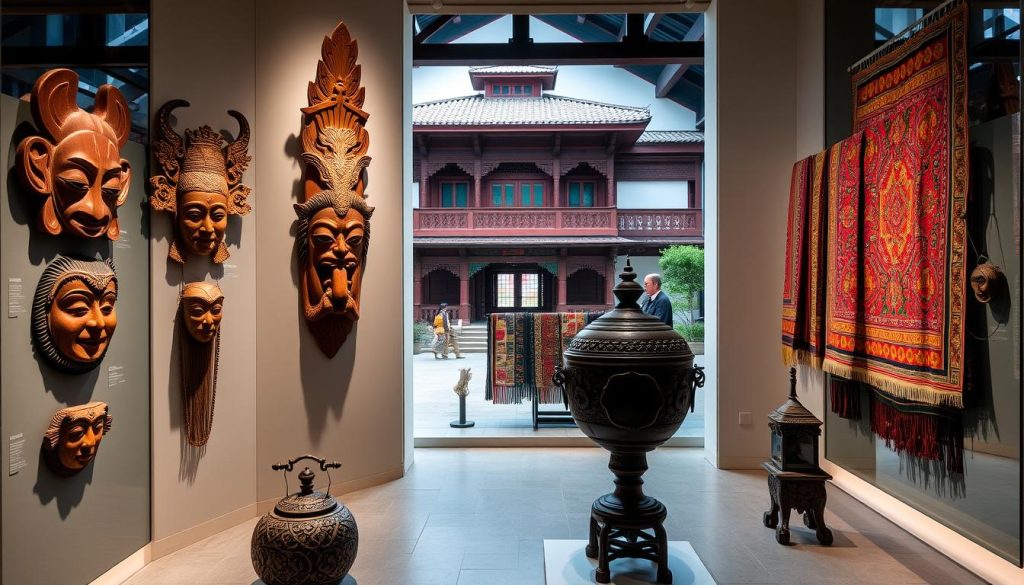
The museum’s design beautifully blends history and culture. It displays traditional clothes, textiles, and jewelry. These items tell stories of the past.
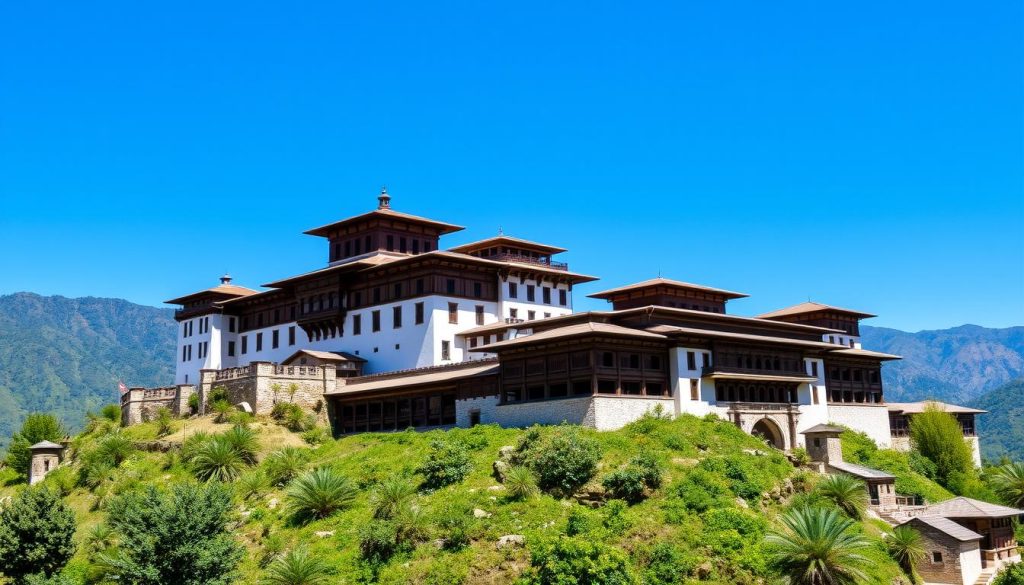
As you go up each floor, you learn more about Bhutan’s traditions, religion, and monarchy. The Ta Dzong’s design makes the museum visit special. It creates a space for deep reflection on Bhutan’s rich history.
Exhibits at the National Museum Paro
The National Museum Paro offers a fascinating look at Bhutan’s culture and history. It showcases art, spiritual practices, and the natural world. These exhibits weave together to tell the story of Bhutan.
Religious Artifacts and Cultural Treasures
The museum’s National Museum exhibits include stunning religious artifacts. You’ll see sacred manuscripts, ritual items, and a wide variety of Bhutanese artifacts. Each piece shows the traditions and beliefs that are central to Bhutanese life.
Thangkas and Their Importance in Bhutanese Culture
The museum’s Thangkas Bhutan collection is a must-see. These traditional scroll paintings show Buddhist deities and stories. They are more than just art; they are educational tools and symbols of Bhutan’s rich history.
Natural History Gallery: A Peek into Bhutan’s Biodiversity
The Natural History Gallery takes you beyond human culture. It highlights Bhutan’s commitment to protecting its environment. Here, you can learn about Bhutan’s diverse plants and animals, showing how nature and culture are connected.
Experiencing Paro: Things to Do Beyond the Museum
Paro is a lively place with lots to do beyond the National Museum. You can dive into Bhutanese traditions or explore the outdoors. There are many Paro Valley activities to make your trip memorable.
Exploring Other Cultural Attractions in Paro
When you explore Paro, don’t miss out on key landmarks. Rinpung Dzong, built in the 17th century, shows Bhutan’s defense history. It’s a fortress that houses monks and is the district’s administration center.
Kyichu Lhakhang, one of the oldest temples, is a spiritual heart of Bhutan. The Paro Festival, from April 8th to 12th in 2025, is a must-see. It features vibrant cultural performances and traditional dances.
Adventure and Nature Activities in the Paro Valley
The Paro Valley’s natural beauty calls to adventurers. Trekking to Tiger’s Nest Monastery is a top choice. This hike, about two to three hours one way, offers stunning views and a visit to the monastery at 3,120 meters.
The calm surroundings and lush greenery are perfect for adventures. They also make for beautiful photos.
Visitor Information: Planning Your Visit to National Museum Paro
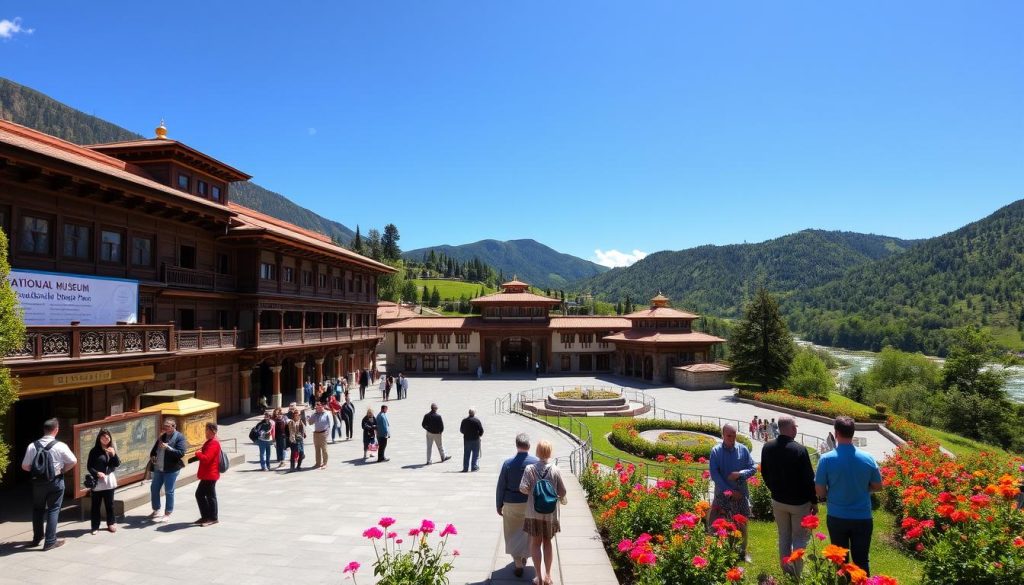
Planning your visit to the National Museum Paro can make your experience better. The museum is open every day from 9 am to 4 pm. It’s closed on Mondays and some national holidays. So, plan your trip to see the amazing exhibitions in this 17th-century watchtower.
Remember the Paro museum tickets prices when you plan. Locals pay just 10 Nu, and students get in for 5 Nu. SAARC visitors pay 50 Nu, and foreigners pay 200 Nu. These prices make exploring Bhutanese culture easy.
The museum has over 3000 masterpieces. They show 1500 years of cultural heritage. You’ll see fine arts, textiles, and even a famous triangular stamp of the yeti.
Check for special exhibitions or events during your visit. They can make your experience even more rewarding. Here’s a quick summary:
| Visitor Information | Details |
|---|---|
| Open Hours | 9 am – 4 pm (Closed Mondays and national holidays) |
| Entry Fee (Local) | 10 Nu |
| Entry Fee (Student) | 5 Nu |
| Entry Fee (SAARC Nationals) | 50 Nu |
| Entry Fee (Foreign Nationals) | 200 Nu |
Accessibility and Getting There
Getting to National Museum Paro is easy thanks to its close location to Paro Dzong. This makes it simple to see both places in one day. You’ll find many ways to get there.
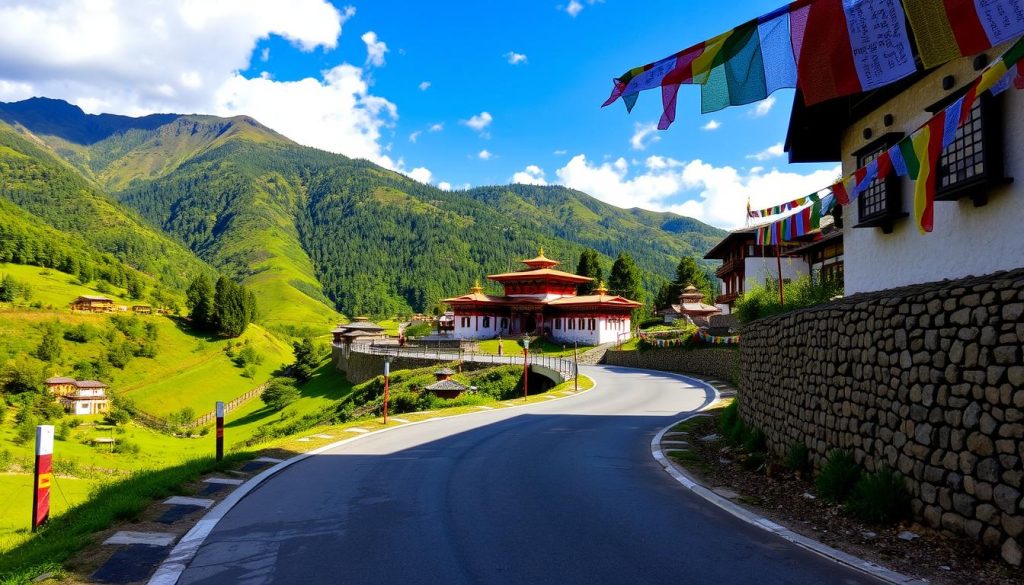
Local taxis are a great choice for a quick ride. Or, you can join a guided tour that goes directly to the museum. If you’re driving, the museum is well-signposted, making it easy to find.
- Plan your visit during opening hours: The museum operates from Tuesday to Saturday, 9 AM to 4 PM, and Sundays from 11 AM to 4 PM.
- Consider visiting on weekdays to avoid larger crowds.
- Use local transportation apps or ask locals for taxi recommendations for convenience.
- Check for any special exhibitions during your visit that could offer unique insights into Bhutanese culture.
With these tips, your trip to National Museum Paro will be smooth. You’ll have a great time exploring this cultural treasure.
Why Visit the National Museum Paro?
The National Museum Paro is a great place to learn about Bhutan’s history and culture. As you explore, you’ll see many exhibits that show the beauty of this Himalayan nation. It’s a key cultural spot in Bhutan, sharing its history through many artifacts.
A Treasure Trove for History Enthusiasts
If you love history, the National Museum Paro is perfect for you. It has six floors filled with interesting things to see:
- Farming tools and utensils on the ground floor that reflect local traditions.
- Cane and bamboo products such as utensils and baskets found on the first floor.
- Arms and weapons from different eras on the second floor.
- Traditional clothing and jewelry, showcasing the craftsmanship of Bhutan, displayed on the third floor.
- Prehistoric relics and religious artifacts on the fourth floor.
- Unique Thangka paintings that illuminate Bhutanese spirituality on the fifth floor.
- An impressive collection of Bhutanese stamps on the sixth floor.
Every part of the museum tells a piece of Bhutan’s history. Seeing these exhibits helps you understand the importance of preserving heritage.
Preserving Bhutan’s Rich Heritage and Culture
Visiting the National Museum Paro does more than just educate you. It helps protect Bhutan’s unique culture. With over 3000 works of art on display, you join in celebrating Bhutan’s traditions. The museum’s entry fees are low, making it accessible to all.
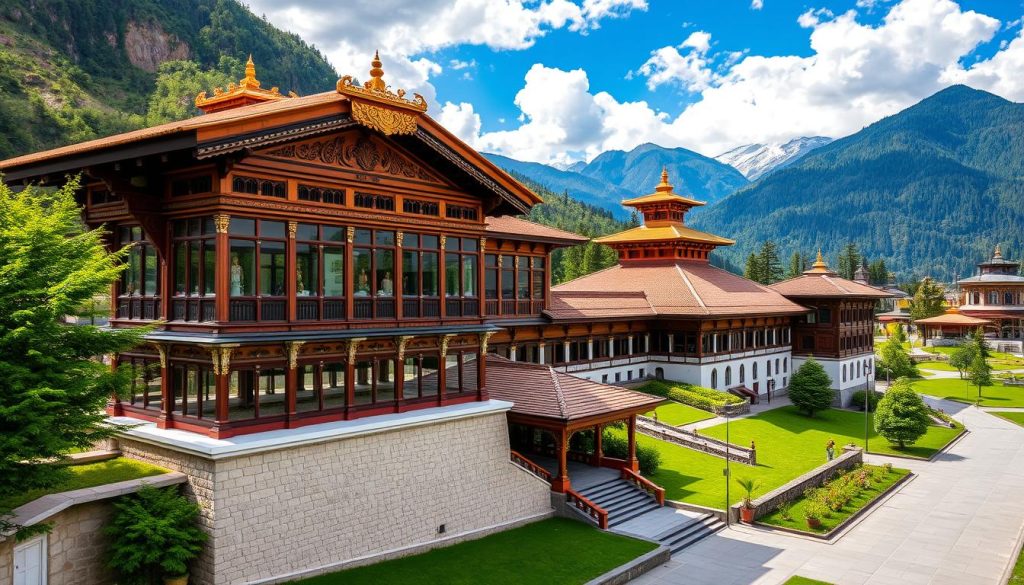
By supporting the museum, you help keep Bhutan’s stories alive for future generations. A trip to the National Museum Paro is not just a journey through time. It’s an investment in Bhutan’s rich cultural heritage.
Conclusion
Your trip to the National Museum Paro is a journey into Bhutan’s rich culture and history. It’s a gateway to Bhutan’s fascinating heritage. You’ll be captivated by its deep stories, beautiful artifacts, and spiritual essence.
Visiting the museum offers a chance to learn and grow. It’s perfect for history buffs or anyone curious about new experiences. The museum’s exhibits reveal Bhutan’s traditions and artistic beauty, from religious items to natural wonders.
Make sure to spend a few days in Paro to fully enjoy the museum and the area’s attractions. Exploring nature and local culture will deepen your appreciation for Bhutan. This way, you’ll connect more deeply with this amazing country.