

Paro Spring Festivals: Bhutan’s Cultural Spectacle
Have you ever wondered why a small kingdom in the Himalayas attracts thousands every spring? The Paro Spring Festivals, like the Paro Tshechu, are more than just events. They are a colorful display of Bhutan’s heritage, blending traditions, spirituality, and community spirit. Held in the Paro Valley, this five-day celebration is a chance to see Bhutan’s rich culture up close.
The festival features exciting dances and the unveiling of the sacred Thongdrel. It’s a chance to connect with local and international cultures. With the next Paro Tshechu coming, it’s a great time to see Bhutan’s beauty and commitment to culture.
Introduction to Paro Tshechu
The Paro Tshechu is a lively festival in Bhutan’s Paro Valley. It happens every spring, usually in March or April. This five-day event attracts people from all over, celebrating Bhutan’s rich culture and traditions.
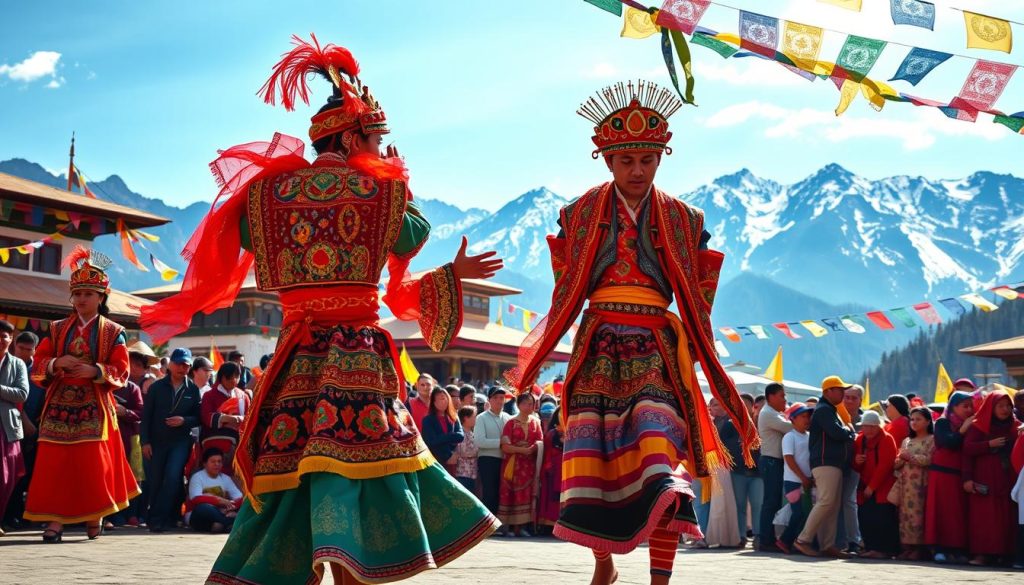
At the festival’s core is the Thongdrel, a sacred silk tapestry. It’s shown briefly to share blessings. People enjoy the spiritual atmosphere, watching monks perform sacred dances. These dances ask for blessings for a good life.
The Paro Tshechu has a long history, starting in the 17th century. It honors Guru Rinpoche’s teachings, fighting evil spirits. This festival is key to Bhutan’s happiness, focusing on social and spiritual well-being.
Understanding Paro Valley
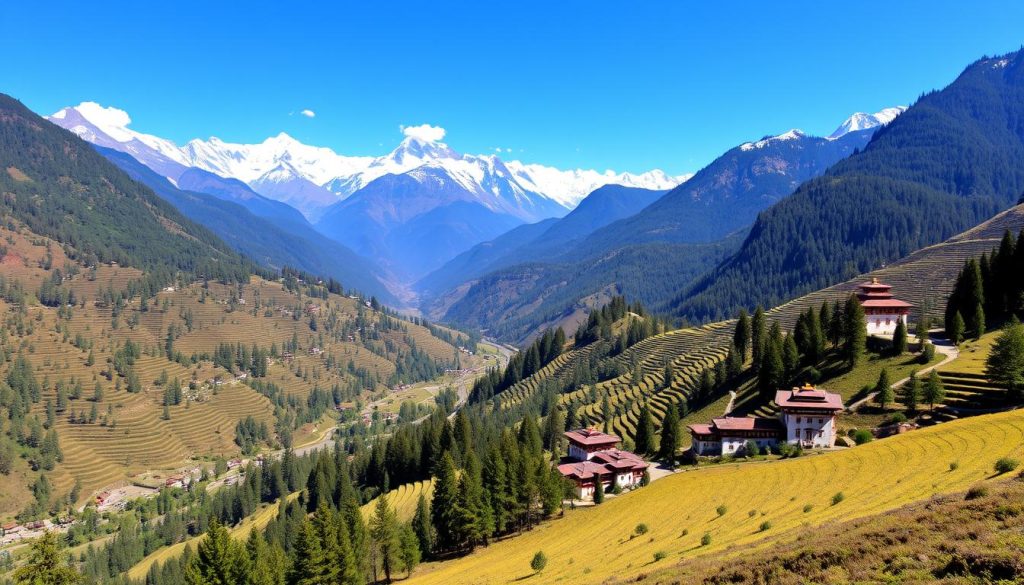
Paro Valley is nestled in the stunning landscapes of Bhutan. It is surrounded by majestic Himalayan peaks. This creates a dramatic backdrop that adds to its beauty.
This area is not just visually stunning. It also holds great cultural and historical importance in Bhutan.
Geographical Significance
The valley is known for its lush greenery, terraced fields, and notable landmarks. The iconic Taktsang Monastery, or Tiger’s Nest, stands high above the valley. It is a key pilgrimage site and draws visitors worldwide.
The landscape offers many outdoor activities. These include trekking and sightseeing. It’s a perfect place for adventure and learning about culture.
Historical Context
Paro Valley is crucial in Bhutan’s history. It is home to several important historical landmarks. The Rinpung Dzong, an ancient fortress, showcases Bhutan’s architectural grandeur.
This landmark is both a religious center and a historical reminder. Paro Valley is linked to many spiritual legends, including Guru Rinpoche. He helped establish Buddhism in Bhutan.
The valley is a key part of Bhutan’s Buddhist heritage. It adds greatly to the country’s cultural story.
Paro Spring Festivals
The Paro Spring Festivals are a key part of Bhutan’s culture. They include the Paro Tshechu, which shows off local traditions and art. People from all over come to see these cultural events.
The festival lasts for four days. It has rituals, dances, and gatherings that bring people together. These events help build unity among everyone involved.
Every day of the Paro Tshechu is packed with activities that show Bhutan’s culture. You’ll see important rituals and traditional dress. It’s a chance to learn about Bhutan’s values and beliefs.
Other spring festivals happen in Bhutan too, like the Punakha Drubchen and Ura Yakchoe. Each one gives a different look into local customs. The Paro Tshechu focuses on community, while the Punakha Drubchen celebrates the Lunar New Year. The Ura Yakchoe highlights local art and spirituality.
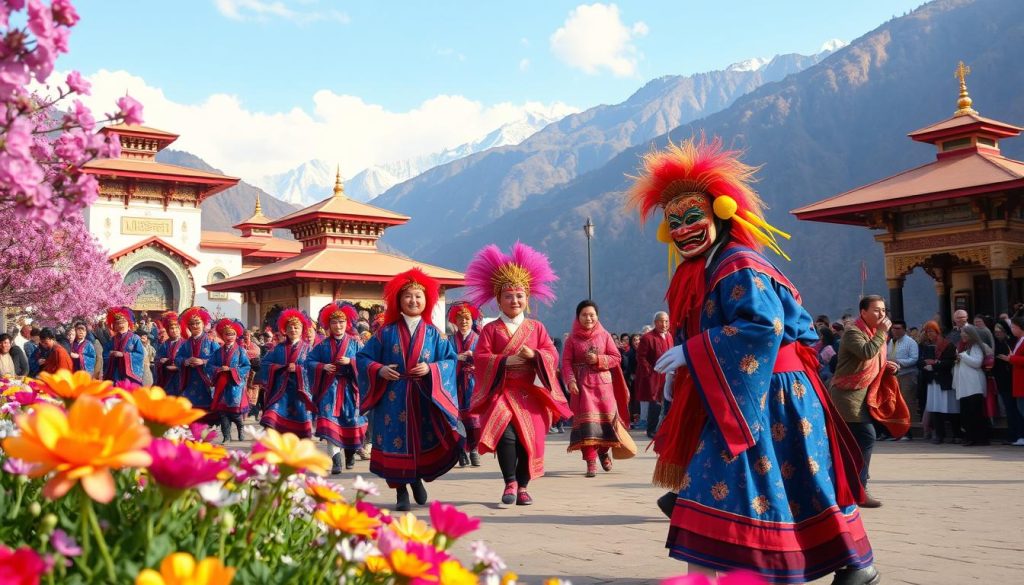
These festivals remind us of the need to keep culture alive. They share stories, music, and dance across generations. By joining in the Paro Spring Festivals, you’ll see how culture keeps the community strong in Bhutan.
Origins of the Paro Tshechu
The Paro Tshechu is a key part of Bhutanese culture. It shows the deep history and traditions of this lively festival. Knowing where it comes from helps us see its importance in honoring Guru Rinpoche and Bhutan’s spiritual past.
The Role of Guru Rinpoche
Guru Rinpoche is at the heart of the Paro Tshechu. He is a key figure in Buddhist teachings. His work in Bhutan helped spread Buddhism, defeating local spirits and teaching the Dharma.
This festival celebrates his amazing achievements. It lets people honor his lasting impact.
Historical Development Since the 17th Century
The Paro Tshechu started in the 17th century, thanks to Gyalse Tenzin Rabgye. He made it a big event, mixing social and religious activities. Over time, it has kept its core elements like dances and sacred rituals.
Today, it brings people together. It strengthens community bonds and pride in their heritage.
Key Elements of the Festival
The Paro Tshechu is a rich mix of traditions. It shows off vibrant cultural shows, sacred religious events, and heartfelt community involvement. These parts make the festival an immersive experience, showing the heart of Bhutanese culture and spirituality.
Cultural Performances
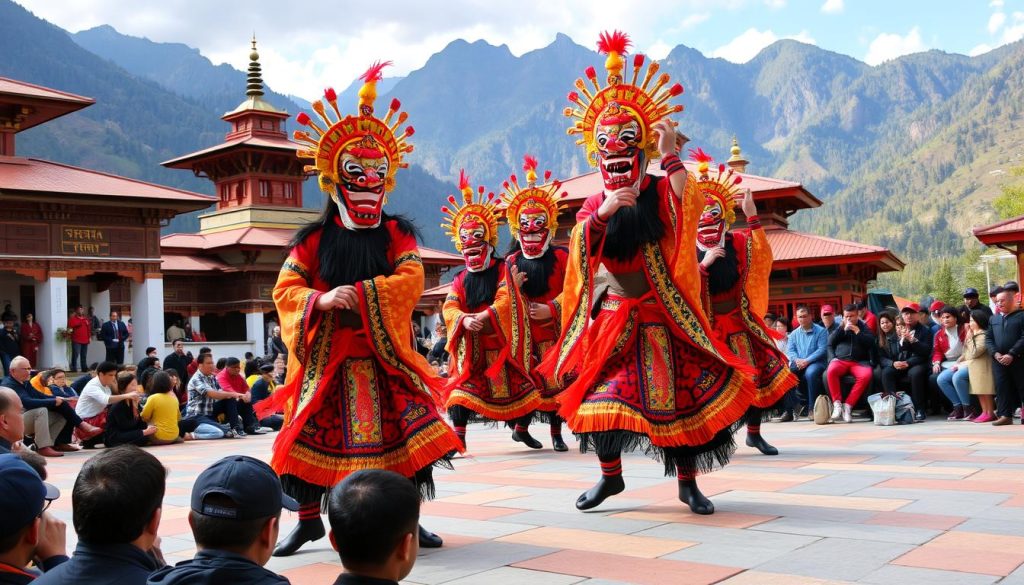
Cultural shows are key at the Paro Tshechu. They draw in the crowd with stunning dance rituals called cham. Monks and laypeople work together, telling stories through dance, colorful costumes, and masks.
These Bhutan celebrations entertain and bring people together. They create a deep sense of unity as everyone watches these artistic displays.
Religious Ceremonies
Religious events at the festival are very important. They include prayers, blessings, and rituals to bring well-being. These spiritual gatherings strengthen community bonds and highlight the festival’s role in Bhutan’s culture.
By taking part in these festivals, people connect more with their spirituality and traditions. It’s a way to find renewed meaning in their community.
Community Involvement
The Paro Tshechu is truly a community event. Families and friends gather to celebrate their culture together. This focus on community makes the festival atmosphere lively and engaging.
It’s a chance to connect with others and share experiences. This collective effort strengthens the bonds that make Bhutanese society unique. Everyone, no matter their age or background, plays a part in celebrating their heritage.
Cham Dances: A Cultural Highlight
Cham dances are a key part of the Paro Tshechu, showing the deep cultural value of Bhutanese traditions. These masked dances tell the story of good winning over evil. They are a big part of the spiritual journey for those who watch.
Each dance is like a story, telling old tales and important lessons. These stories connect with the audience, leaving a lasting impact.
Significance of Masked Dances
The cultural significance of Cham dances is huge. They share deep spiritual messages and keep Buddhist teachings alive. Skilled dancers wear detailed costumes and masks, showing different deities and beliefs.
These dances bring people together. They create a sense of community, where everyone can share in the rituals and beliefs.
Types of Cham Dances Performed
At the Paro Tshechu, many types of Cham dances are shown. Each dance has its own special meaning and style. Here’s a list of some notable ones:
| Dance Name | Description |
|---|---|
| Dance of the Lords of Cremation Grounds | A dramatic portrayal of the lords who guide the dead, emphasizing the transient nature of life. |
| Dance of the Terrifying Deities | This intense performance showcases deities that protect the community from malevolent forces. |
| Guru Rinpoche Dances | Celebrates various aspects of Guru Rinpoche, highlighting his role in spreading Buddhism. |
| Cultural Folklore Dances | Dances that tell stories from Bhutanese folklore, preserving the oral traditions for future generations. |
The Unveiling of the Thongdrel
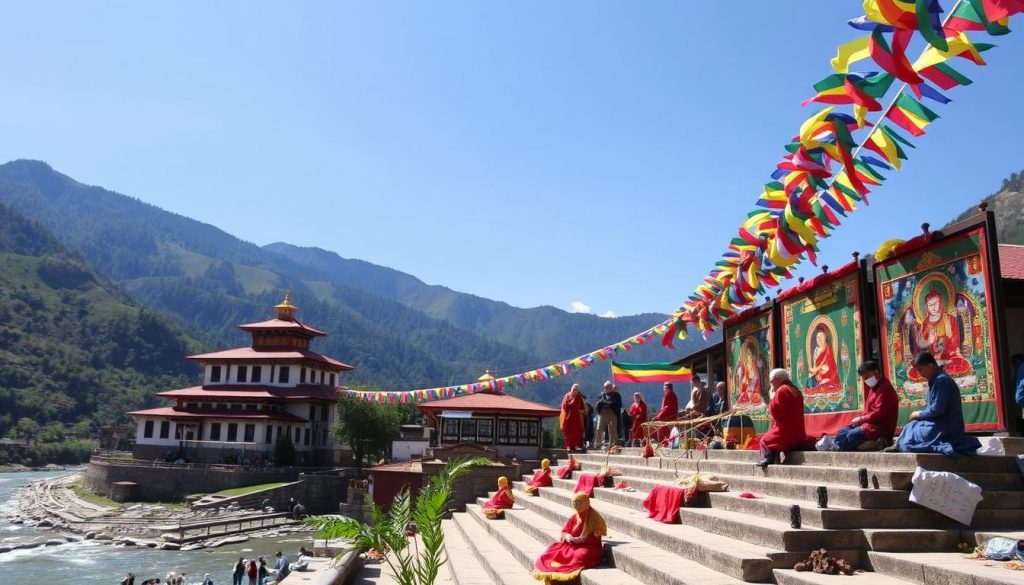
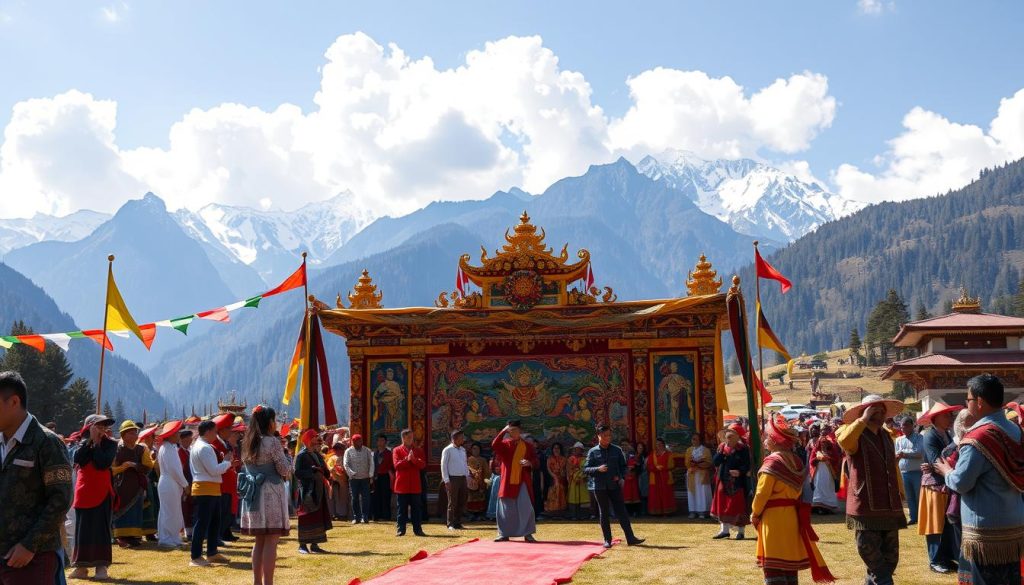
The unveiling of the Thongdrel is a key moment in the Paro Tshechu. It shows a stunning religious tapestry of Guru Rinpoche. This event is very important for the Bhutanese people. It symbolizes spiritual freedom and a strong connection to their Buddhist heritage.
Meaning and Significance
The Thongdrel is more than just Bhutanese art. It’s a symbol of centuries-long dedication to Buddhism. It’s seen as a blend of spirituality and art, showing the beauty of both. When it’s unveiled, it brings together the hopes of everyone there, creating a special spiritual atmosphere.
How It’s Celebrated
The Thongdrel celebration happens on the last day of the Paro Tshechu. Thousands of people come together at dawn for the ceremony. Monks lead prayers and rituals, filling the air with deep respect. This creates a unique and spiritual atmosphere, making the festival unforgettable for all who attend.
| Event | Date | Location | Highlights |
|---|---|---|---|
| Paro Tshechu | March 21-25, 2024 | Rinpung Dzong, Paro | Unveiling of the Thongdrel |
| Punakha Drubchen | February 16-18, 2024 | Punakha Dzong, Punakha | Victory reenactments and Cham dances |
| Jambay Lhakhang Drup | September 18-21, 2024 | Jambay Lhakhang, Bumthang | Fire rituals and Cham dances |
| Haa Summer Festival | TBD | Haa Valley | Traditional customs and food |
Traditional Cuisine During the Festival
The Paro Tshechu showcases the rich flavors of Bhutanese culture. It brings people together with its delicious food. Each dish tells a story of Bhutan’s food heritage.
Popular Dishes to Try
At the Paro Tshechu, you’ll find many tasty dishes. Here are some must-try foods:
- Ema Datshi – Bhutan’s beloved dish with spicy chilies and cheese.
- Momo – Steamed dumplings with meat or veggies inside.
- Red Rice – A favorite in Bhutan, known for its unique taste and texture.
- Jasha Maroo – A chicken dish with spices that warms your heart.
- Phaksha Paa – A pork dish with radishes and chili, full of Bhutanese flavors.

Culinary Significance of Ema Datshi
Ema Datshi is more than food; it’s a symbol of Bhutan’s hospitality. It combines spicy chilies with creamy cheese. At the Paro Tshechu, sharing Ema Datshi brings people together.
Trying this dish lets you connect with Bhutan’s food traditions. It makes your festival experience unforgettable.
Community Celebrations and Gatherings
The Paro Tshechu is a lively celebration that draws locals and visitors. It’s more than just an event; it’s the heart of Bhutanese culture. Families and community members come together to strengthen their bonds and feel a sense of belonging.
Bringing People Together
At the Paro Tshechu, people dive into community celebrations. They enjoy traditional performances, art, and shared moments. You’ll find:
- Joyful interaction with friends and family, showing unity.
- Culinary delights at local food stalls, where meals are shared.
- Storytelling sessions, sharing personal stories and cultural heritage.
- Enthralling local performances, showcasing traditional dances and songs.
The festival lets you join a bigger story that celebrates Bhutanese heritage. These gatherings entertain and boost pride and identity in the community.
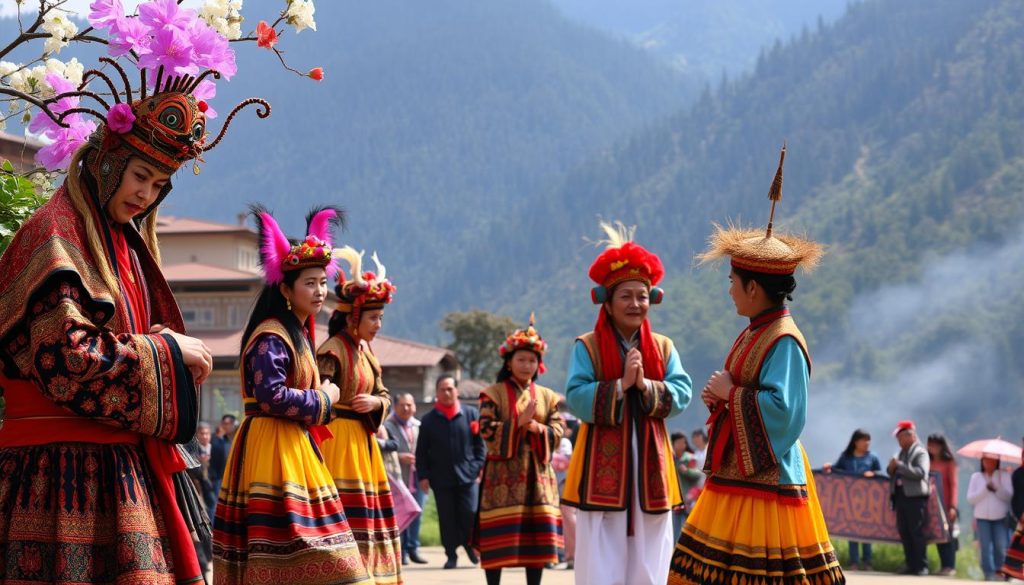
These experiences at the Paro Tshechu are key to keeping traditions alive. They encourage everyone to participate, making cultural practices vibrant and meaningful.
Tips for Visiting Paro Tshechu
Visiting Paro during the Tshechu festival is a unique chance to dive into Bhutan’s rich culture. Planning well helps you enjoy this lively event fully.
Best Times to Visit
The best time to see Paro Tshechu is late March to early April. You’ll see beautiful rhododendrons and the festival’s splendor at Rinpung Dzong. To get a spot, book flights and places to stay 4-6 months early. This is because many tourists want to go.
Travel Recommendations
- Join a guided tour for deeper insights and cultural understanding during the festivities.
- Wear traditional clothes like Gho for men and Kira for women to respect local customs.
- Try local foods like ema datshi and Phaksha paa at vendor stalls around the festival.
- Take photos of the beautiful sights and community spirit, but remember the event’s spiritual value.
- Join in dance performances and community activities for a full experience.
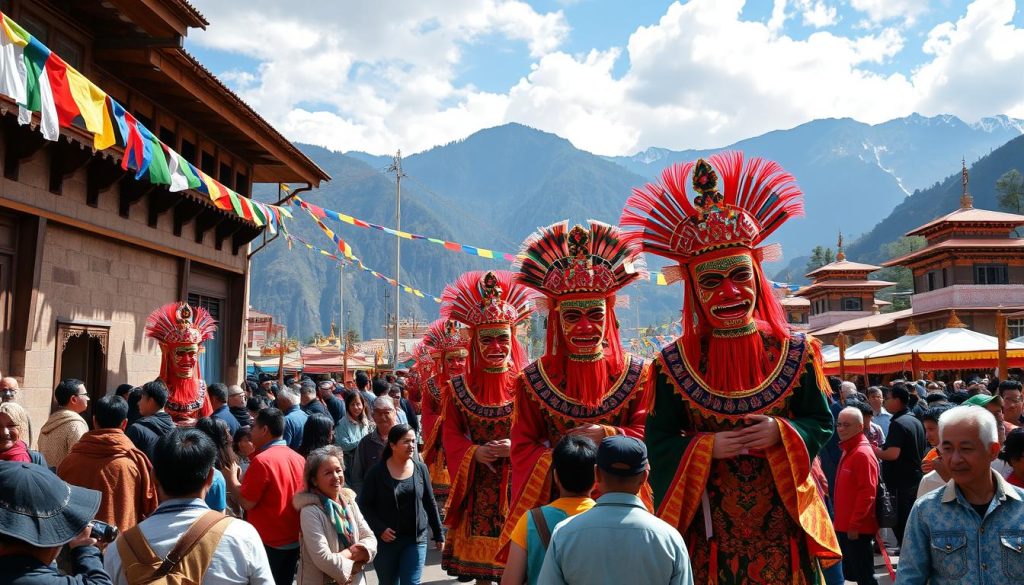
By following these tips, your trip to Bhutan will be unforgettable. You’ll get to fully enjoy the vibrant Paro Tshechu festivities.
Significance of Paro Spring Festivals in Bhutan
The Paro Spring Festivals, like the Paro Tshechu, are key to Bhutan’s culture. They are more than just events; they celebrate Bhutan’s traditions and spiritual beliefs. Through dance, songs, and ceremonies, these festivals bring people together, boosting national pride.
Cultural Identity and National Pride
Festivals in Bhutan are more than fun; they show the nation’s unique culture. Each performance at the Paro Tshechu tells a story of Bhutan’s history. It’s a chance for locals and visitors to see Bhutan’s special customs.
Being part of these festivals strengthens community ties. People come together to celebrate their shared beliefs and values. The Paro Tshechu shows how Bhutan’s past and present come together, boosting national pride.
| Festival | Date (2019) | Date (2020) | Significance |
|---|---|---|---|
| Paro Tshechu | 17th to 21st March | 4th to 8th April | Celebration of Bhutanese culture and values |
| Trashigang Tshechu | 5th to 7th December | 22nd to 25th November | Highlighting local traditions and unity |
| Mongar Tshechu | 4th to 6th December | 21st to 24th November | Preservation of cultural practices |
| Druk Wangyel Tshechu | 13th December | 13th December | Commemoration of historical events |
| Gomphukora Tshechu | 14th to 16th March | 1st to 3rd April | Showcasing traditional Bhutanese beliefs |
The Paro Spring Festivals show the heart of Bhutan’s culture. They mix history with today’s relevance. By joining in, you see how these festivals keep Bhutan’s culture alive and strong.
Conclusion
The Paro Spring Festivals, like the Paro Tshechu, show the beauty of life, culture, and spirituality in Bhutan. This event, happening from April 8th to 12th in 2025, lets you dive into Bhutanese culture. You’ll see traditional dances and religious ceremonies.
The festival is a big deal in Bhutan, attracting thousands. They come to see the colorful shows that make these celebrations special.
Your experience at the festival highlights Bhutan’s heritage. It shows how locals and visitors help keep traditions alive. You’ll see exciting performances, feel the community spirit, and enjoy the Paro Dzong’s magic.
The festival is filled with activities, making it more than just an event. It’s a chance to explore Bhutan’s spiritual and cultural sides.
Thinking about visiting Bhutan? Remember, the Paro Tshechu is more than a festival. It’s a way to connect with this amazing land. Take this chance to learn about Bhutan’s lively customs and traditions.





