Experience Traditional Bhutanese Hot Stone Baths in Paro
Have you ever thought about how ancient healing traditions can change your view of relaxation? In Bhutan, the answer is the traditional Bhutanese hot stone baths in Paro. Here, natural healing meets cultural richness. These baths, rooted in Bhutanese life, offer a chance to enjoy their calming effects.
In Paro’s stunning landscapes, these baths are more than just a place to rest. They hold a deep historical value, passed down through generations. Starting in farmhouses, each bath uses river stones to heat water, blending heritage with wellness. You’ll see that Bhutanese spa treatments are a window into the past, offering great benefits for your body and mind.
Get ready to explore the world of natural healing hot stone baths. With each visit, you’ll dive into a tradition that offers relaxation and deep medicinal benefits. Let’s journey together to experience the peace of Bhutanese wellness culture.
Introduction to Bhutanese Hot Stone Baths
Discover Bhutan’s heart through its traditional hot stone baths, known as “menchu.” This ancient practice, a form of hot stone bath relaxation, has been passed down for generations. It offers healing benefits and is deeply rooted in Bhutan’s culture. Visitors enjoy soaking in water with heated river stones and medicinal herbs, a true traditional spa ritual in Bhutan.
Natural hot springs, or Tshachu, are scattered across Bhutan. Each has its own healing properties. Gasa Hot Springs, Chuba Hot Spring, and Dur Hot Spring are among the most famous. Gasa Hot Springs, for example, is by the Mochu River and takes a scenic half-hour walk to reach.
Chuba Hot Spring is a more adventurous spot, requiring a day’s trek from Punakha. It’s perfect for those who love camping.
Finding these hot springs is part of the fun. But, traditional hot stone baths are rare. You can find them at some resorts and farmhouses. Make sure to book ahead, as the staff needs time to prepare.
When bathing, wear shorts for men and a bikini or sports bra with shorts for women. This keeps you comfortable while you soak.

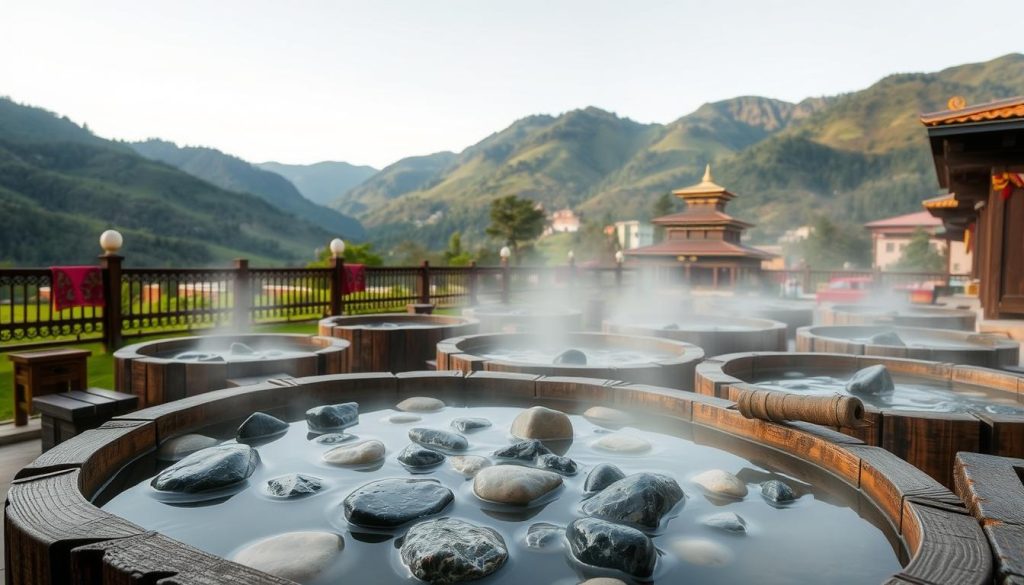
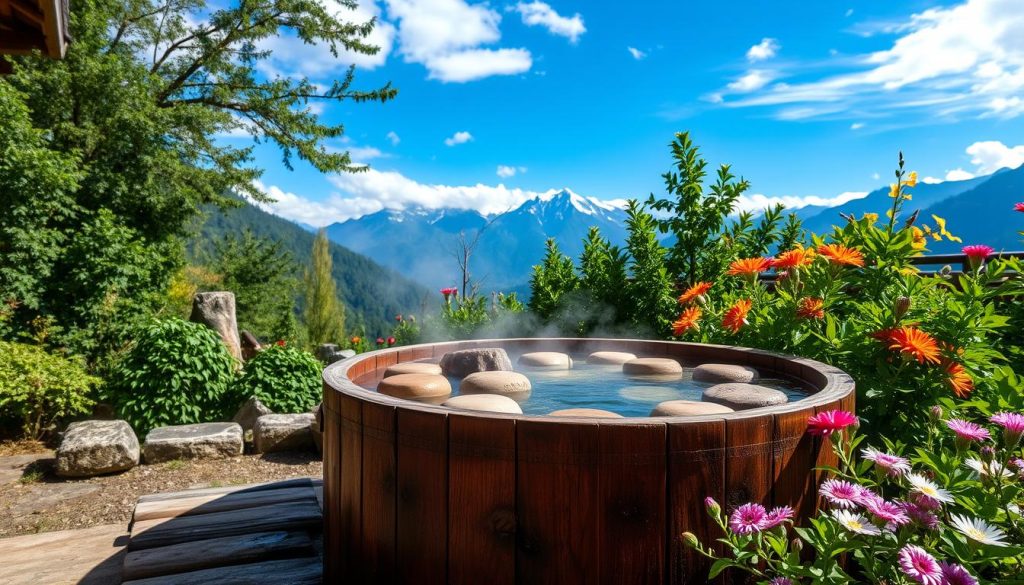
The wooden tubs are private, often covered with tents or bamboo doors. The high altitude of 2,200 meters makes this experience even more special. Bath times range from 30 to 40 minutes. Each session is a chance to relax, rejuvenate, and dive into Bhutan’s culture through this ancient tradition.
Historical Significance of Hot Stone Baths
The history of hot stone baths in Bhutan is rich and deep. It goes back to the country’s ancient customs. Known as Menjung, meaning “The Land of Medicinal Herbs,” Bhutan values its natural remedies a lot. This tradition shows how important indigenous practices are in everyday life.
Traditionally, hot stone baths were a family affair. Families would come together for all-day bathing. This showed the importance of being together and feeling united. They would even ask astrologers to pick the best day for bathing, showing how much they believed in wellness and healing.
Hot stone baths were known for their many health benefits. They helped with joint pain, high blood pressure, and stomach issues. This shows how Bhutan values both physical and mental health.
Bhutan is also home to natural hot springs, or Tshachu. Places like Gasa, Chuba, and Dur Hot Springs offer healing to locals and visitors. This shows Bhutan’s dedication to alternative healing.
Today, hot stone baths have changed a bit. Resorts and farmhouses now offer fancy versions. You need to book ahead for stone heating and bath setup. This shows how old traditions have adapted to new times.
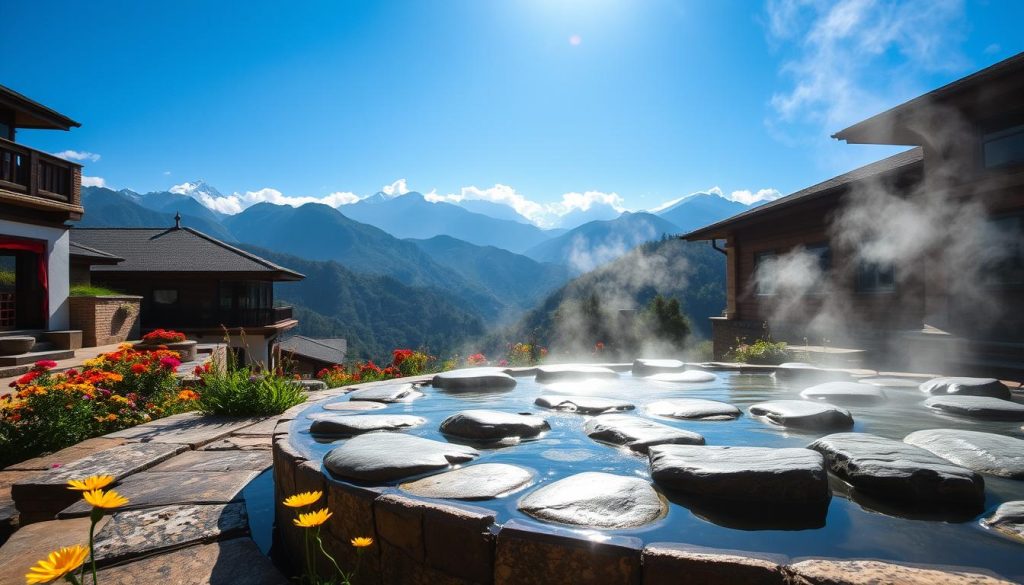
There are also new rules for dressing. Men wear shorts, and women wear bikinis or sport bras with shorts. This makes sure everyone is comfortable and private while enjoying the bath.
In short, hot stone baths in Bhutan mix old wellness practices with new ones. They are a big part of Bhutanese culture and life.
Traditional Bhutanese Hot Stone Baths in Paro
Your Paro hot stone bath experience is a mix of tradition and relaxation. These baths are set in cozy, rustic places. They use natural materials to create a real atmosphere that feels like stepping back in time.
Families in Bhutan have used hot stone baths for ages. It’s not just a treatment; it’s a cherished tradition.
What to Expect During Your Experience
Getting ready for your hot stone bath means more than just relaxing. It’s also about emotional healing. You might start with a talk to pick the best day for your bath, based on Bhutanese astrology.
When you arrive, you’ll see a peaceful place. It’s filled with the smell of Artemisia leaves and the sight of wildflowers. These add to the bath’s benefits, making it even more calming.
How the Bathing Process Works
The bathing process is unique. It uses fire-roasted river stones in a wooden tub with fresh river water. This heats the water and releases minerals that help with pain and other health issues.
Things like pink Himalayan salt flakes are added to make the experience even better. This tradition goes back to the eighth century and is still important today.

| Feature | Description |
|---|---|
| Setting | Rustic environments, often old farmhouses |
| Materials Used | Fire-roasted river stones and wooden oak tubs |
| Therapeutic Additions | Pink Himalayan salt, wildflowers, Artemisia leaves |
| Health Benefits | Relief from joint pains, hypertension, arthritis |
| Historical Practice | Deep roots in 7th-century Tibetan and Indian medicinal traditions |
This mix of tradition, natural resources, and healing methods makes your hot stone bath in Paro special. It’s a chance to relax and feel truly refreshed.
Health Benefits of Hot Stone Bath Therapy
Hot stone bath therapy is a holistic way to improve your health. It offers many benefits for both your body and mind. People enjoy these baths for relaxation and to help with common health problems. The use of heated stones and special water makes this experience unique and healing.
Relief from Common Ailments
Hot stone baths are great for many health issues. People often see big improvements in:
- Arthritis
- Hypertension
- Joint Pain
- Muscle Stiffness
- Stomach Disorders
The health benefits come from the minerals released by the heated stones. These minerals, like quartz and calcite, help heal naturally. The medicinal water adds to the soothing effect, making it a great way to heal.
Skin Health and Relaxation Effects
Hot stone baths also improve your skin health. They help with over 50 skin conditions, making your skin feel new again. The warm water cleanses your skin, and the relaxing atmosphere lowers stress.
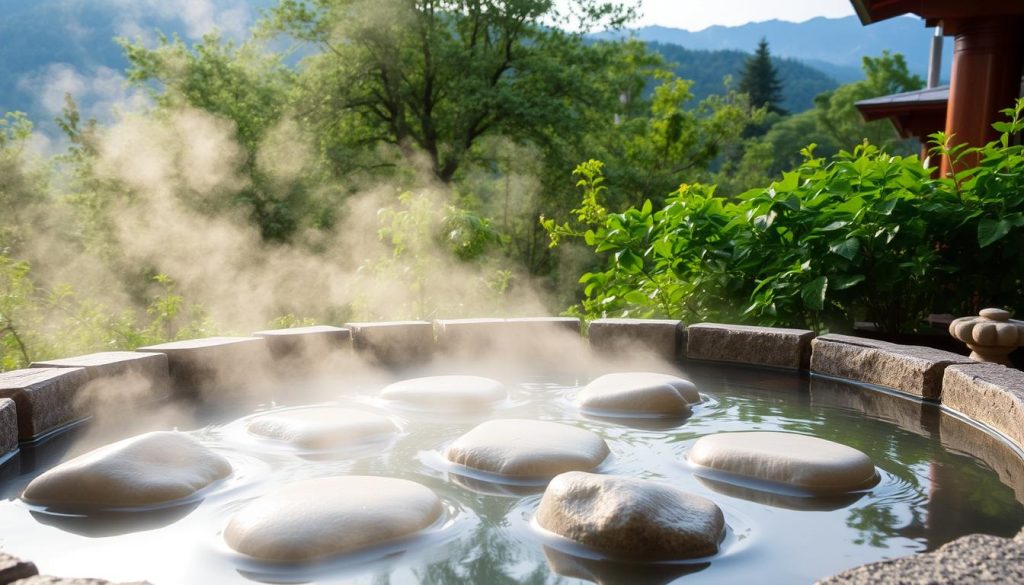
People love the feeling of the four elements — earth, fire, air, and water — coming together in these baths. This mix not only comforts your body but also helps you relax deeply. It’s perfect for finding peace.
For a memorable time, visit Bhutan’s famous hot springs. The stunning views add to the experience.
| Ailment | Possible Relief |
|---|---|
| Arthritis | Reduced joint inflammation and pain |
| Hypertension | Lowers blood pressure |
| Joint Pain | Improves mobility and reduces stiffness |
| Muscle Stiffness | Enhances relaxation and flexibility |
| Stomach Disorders | Alleviates discomfort and promotes digestion |
Essential Elements of Hot Stone Bath Experience
The hot stone bath experience is filled with key elements that make it both therapeutic and calming. These elements are what make this Bhutanese wellness tradition special. Let’s explore the main parts that make up the hot stone bath experience.
The Role of River Stones and Medicinal Water
The heart of the hot stone bath is the river stones, heated to just the right temperature. These stones add minerals to the water and release healing energies. The mix of warm stones and fresh river water creates a serene space for relaxation.
Importance of Artemisia in Bhutanese Wellness
Artemisia absinthium is a key part of Bhutanese wellness, used in hot stone baths. It’s mixed with medicinal water, known as menchu, to boost the bath’s healing effects. This herb is known for its calming properties, helping to rejuvenate and promote wellness.
Popular Locations for Hot Stone Baths in Paro
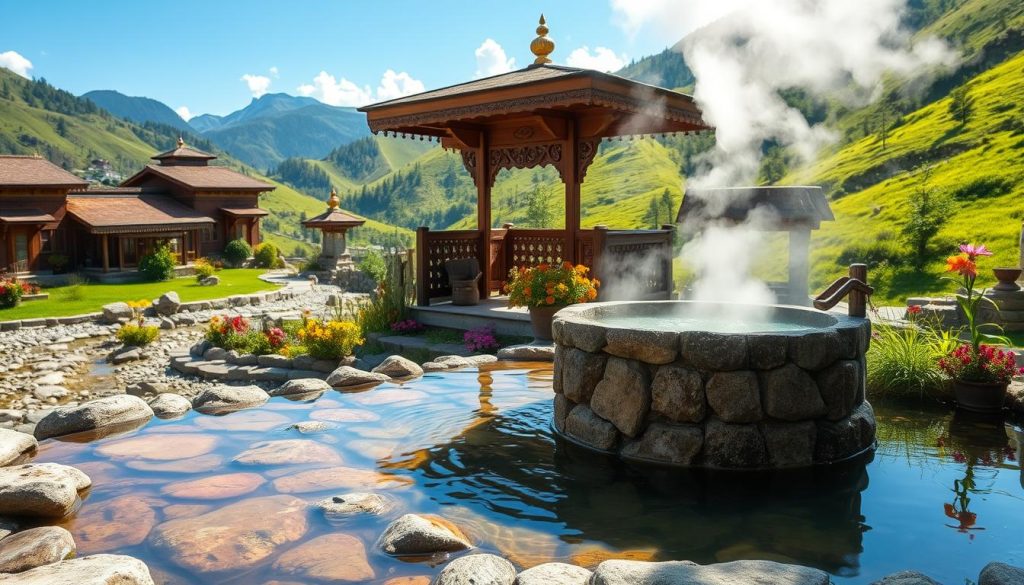
Paro is home to many beautiful spots for traditional Bhutanese hot stone baths. Each place has its own special charm. You can pick from rustic, authentic, or luxurious settings for a memorable bath experience.
Bjagoe Menchu: A Rustic Option
Bjagoe Menchu is a peaceful spot surrounded by nature. It offers traditional hot stone baths with local river stones and water. The rustic feel lets you connect with Bhutan’s traditions while enjoying the baths’ healing benefits.
Aum Choden Homestay: Authentic Experience
Aum Choden Homestay gives you a real look at Bhutanese life. You can enjoy traditional spa treatments with your hot stone bath. The friendly atmosphere helps you relax fully after exploring.
Luxury Choices: Uma Paro and Amankora Gangtey
For a luxurious stay, try Uma Paro or Amankora Gangtey. They offer top-notch facilities and spa services, including traditional hot stone baths. These places mix old traditions with modern comforts for a special retreat.
| Location | Type | Features |
|---|---|---|
| Bjagoe Menchu | Rustic | Natural springs, traditional atmosphere, healing properties |
| Aum Choden Homestay | Authentic | Bhutanese hospitality, local cuisine, traditional spa treatments |
| Uma Paro | Luxury | High-end facilities, modern comforts, spa services |
| Amankora Gangtey | Luxury | Blend of tradition and modern luxury, comprehensive spa options |
Visiting these spots in Paro for hot stone baths lets you relax and learn about Bhutan’s culture.
Preparing for Your Hot Stone Bath Experience
Getting ready for a hot stone bath can make your experience better. It’s important to prepare well to enjoy all the benefits. By packing what you need and planning your visit, you’ll relax more and feel comfortable.
What to Bring
When you’re getting ready for your hot stone bath, remember to bring:
- Bathing suit
- Towel
- Comfortable clothes for after your bath
- Drinks like herbal tea or a local drink
It’s not just about the warm water. Bringing drinks can make your relaxation even better.
Best Time of Day for Relaxation
The best time for a hot stone bath is late afternoon or early evening. It’s perfect for unwinding after a day of exploring. Soaking at this time helps you relax deeply, which is great after a busy day.
By focusing on your needs and preparing well, you’ll have a memorable hot stone bath experience. Embrace this tradition and enjoy its healing benefits.
Conclusion
Trying traditional Bhutanese hot stone baths in Paro is a mix of relaxation and learning about culture. These baths are more than just a way to relax; they connect you to Bhutan’s healing traditions. As you soak in the mineral-rich water, you’re not just easing your muscles. You’re also joining a tradition loved for centuries.
In Paro, make sure to see its stunning views and famous spots like Paro Taktsang and Kyichu Lhakhang. After a day of exploring, a hot stone bath is perfect. It makes your trip even better by letting you relax and enjoy local culture. It’s a great way to end your day, ready for a good night’s sleep and a fresh start tomorrow.
Traditional Bhutanese hot stone baths in Paro are more than a luxury. They are a key part of Bhutanese life and wellness. By adding this to your trip, you’re taking care of yourself and respecting Bhutan’s unique traditions.