Explore Bhutan: Punakha Valley Travel Guide
Have you ever wondered what it feels like to step into a realm where ancient traditions and breathtaking landscapes intertwine seamlessly? Welcome to Punakha Valley, a hidden gem in Bhutan that invites you to discover its rich culture and stunning vistas. This comprehensive Punakha Valley travel guide will equip you with essential Bhutan travel tips, from historical insights to the best Punakha valley attractions, ensuring that your adventure is both enriching and unforgettable.
Introduction to Punakha Valley
Punakha Valley is a top spot in Bhutan, known for its beauty. It’s a cultural center in western Bhutan, where the Pho Chhu and Mo Chhu rivers meet. The valley’s lower altitude means it’s warmer than Thimphu, welcoming visitors all year.
In your Punakha valley travel guide, you’ll learn that Punakha was Bhutan’s capital until the 1950s. It’s famous for the Punakha Dzong, a stunning fortress. This is where all Bhutan’s kings were crowned, making it a must-see.
Visiting Punakha, you’ll see its unique traditions. Chimi Lhakhang, the fertility temple, is a highlight. Here, people carry wooden phalluses to pray for fertility. The valley’s festivals, like Punakha Drubchen and Tsechu, bring people together, showcasing Bhutan’s culture.
Punakha Valley has many places to stay, from luxury resorts to guesthouses. You can also enjoy local food at places like Lobesa Village Restaurant. They serve meals made from fresh, organic ingredients.
Historical Significance of Punakha
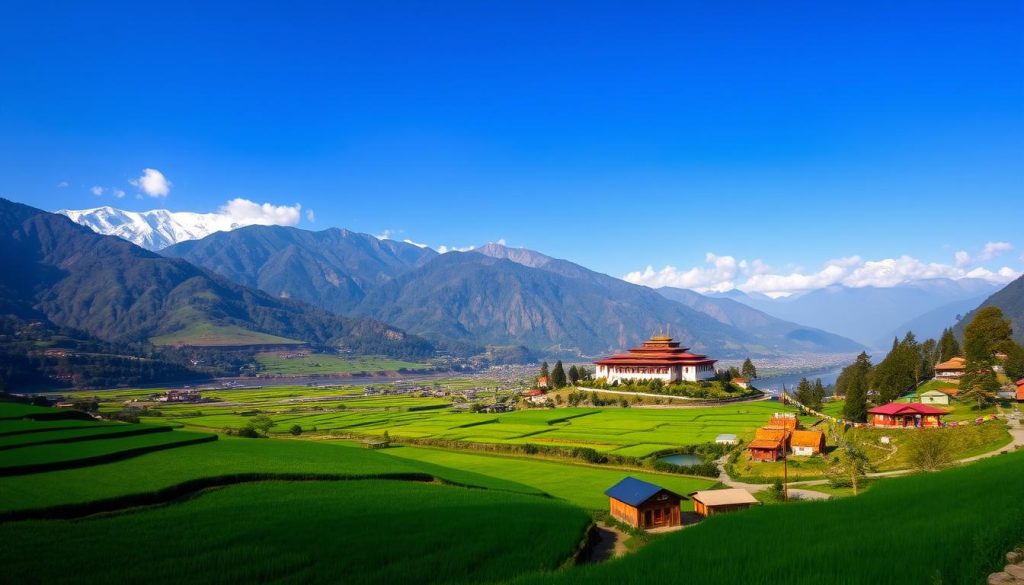
Punakha is a treasure trove of history, making it a standout in Bhutan. It was the capital until 1955. The magnificent Punakha Dzong, built in 1637, is a key part of this story. It shows how Bhutan’s culture blends governance and spirituality.
The Punakha Dzong is a marvel at the rivers’ meeting point. It’s the second largest dzong and a global architectural inspiration. Its walls tell stories and house sacred relics, making it a must-see.
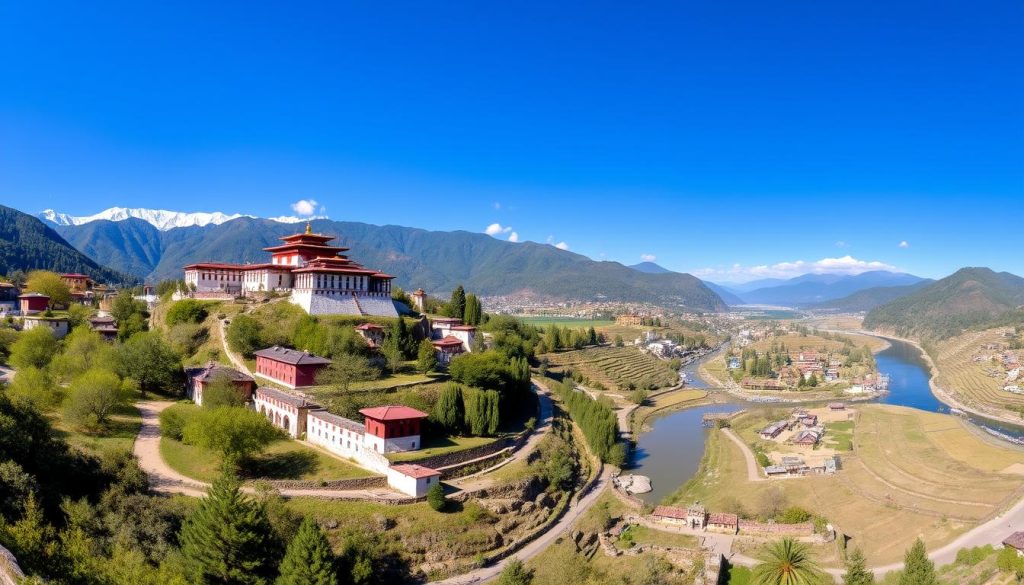
Punakha is home to the Punakha Tsechu festival, a global draw. This festival celebrates Bhutan’s heritage with stunning performances. It’s a place for exploration and reflection, vital for any Punakha travel guide.
- Punakha Dzong constructed in 1637
- Capital of Bhutan until 1955
- Venue for important royal ceremonies
- Punakha Tsechu festival attracts global visitors
Punakha is known for its stunning beauty and rich history. It’s a place where history and nature meet. It’s a haven for those seeking spiritual and historical experiences.
Punakha Valley Travel Guide: Essential Information
Punakha is a magical place for travelers, with its stunning nature and rich culture. Knowing the basics helps make your trip smooth. Start by learning about the Bhutan visa requirements and travel permits for Bhutan, key steps before your journey.
Visa Requirements and Travel Permits
To get into Bhutan, you need a visa. People from India, Maldives, and Bangladesh can use an entry permit. Licensed Bhutanese tour operators handle visa applications. You’ll need a valid passport and a sustainable development fee of $200 per night for tourists.
Children aged 6 to 12 get a 50% discount on this fee. Knowing about these travel permits for Bhutan helps you follow local rules.
Reaching Punakha
Your trip to Punakha starts at Paro International Airport, Bhutan’s only international airport. It’s about 130 kilometers from Paro, taking around four hours. The drive goes through Thimphu, covering about 70 kilometers.
Think about renting a private vehicle for a better experience. While buses and taxis are options, a private car makes your visit more enjoyable. Following this Punakha travel advice will make your trip unforgettable.
Local Transportation Options
In Punakha, you have several local transportation options. Local buses are cheap but can be crowded and unpredictable. Taxis are more comfortable and private.
For the best experience, book a private vehicle through your travel agency. This lets you explore freely and enjoy the stunning views without worry.
| Transportation Method | Pros | Cons |
|---|---|---|
| Local Buses | Affordable, local experience | Crowded, irregular schedules |
| Taxis | Convenient, comfortable | Can be more expensive |
| Private Vehicle | Customizable schedule, privacy | Higher cost, requires arrangements |
Best Things to Do in Punakha Valley
Punakha Valley is a mix of culture, spirituality, and outdoor fun. To enjoy it fully, you should see its top attractions. Each spot offers a special look into Bhutan’s traditions and stunning nature.
Punakha Dzong: The Iconic Fortress
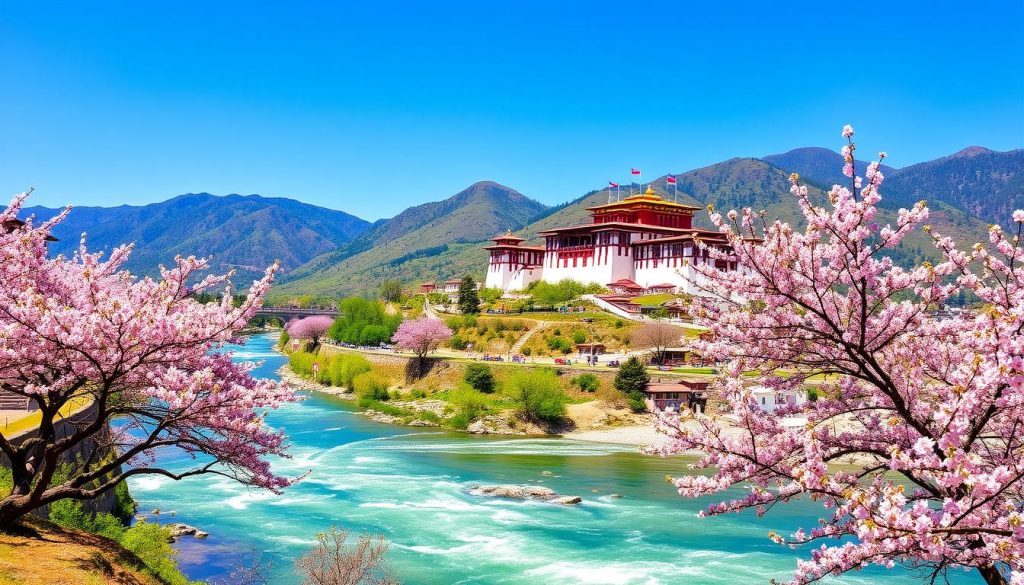
Punakha Dzong, built in 1637, is a stunning fortress in Bhutan. It sits where the Pho and Mo Chhu rivers meet. Its beautiful design and artworks make it a must-see. Visiting during festivals adds to the experience, showing off Bhutan’s culture and history.
Visit Chimi Lhakhang: The Fertility Temple
Chimi Lhakhang is a must-see in Punakha. This fertility temple is linked to the Divine Madman. It’s a short hike from the rice fields. It’s a special place for couples looking for blessings.
Exploring Khamsum Yulley Namgyal Chorten
The hike to Khamsum Yulley Namgyal Chorten is about an hour. It’s a rewarding trip through beautiful landscapes. Built by the Queen Mother, it stands for peace and prosperity. It’s a great spot for meditation and enjoying the views.
Sangchhen Dorji Lhuendrup Nunnery Experience
Don’t miss Sangchhen Dorji Lhuendrup Nunnery. It’s on a ridge and focuses on Buddhist education. The views are amazing, making it a peaceful place for reflection.
Strolling the Punakha Suspension Bridge
The Punakha Suspension Bridge is one of Bhutan’s longest. It’s around 160-180 meters long. It’s perfect for a walk and great for photos. It’s a great way to enjoy nature and outdoor activities in Punakha.
Punakha Valley Itinerary Suggestions
Plan to spend at least two days in Punakha valley to fully enjoy its beauty. Your trip starts from Thimphu to Punakha, with amazing views along the way. Don’t miss the stop at Dochula Pass for a temple, 108 stupas, and a restaurant with great views.
Day one is all about the Punakha Dzong, known as Bhutan’s most impressive dzong. It’s the winter home for monks and is both historically significant and architecturally stunning. In the afternoon, try the thrilling Punakha Suspension Bridge walk for a unique experience.
Day two is for diving into local culture at Chimi Lhakhang, the Temple of the Divine Madman. It’s a place where people seek fertility blessings. Enjoy a local lunch with dishes like white rice, dal, and mixed vegetable curries, all while taking in the valley views.
For an adventurous twist, consider white-water rafting on the Mo Chhu River. It’s a thrilling activity, best in spring. Stay at Zhingkham Resort for unforgettable views of the Punakha Valley, making your trip even more special.
Punakha Valley Weather: Best Time to Visit
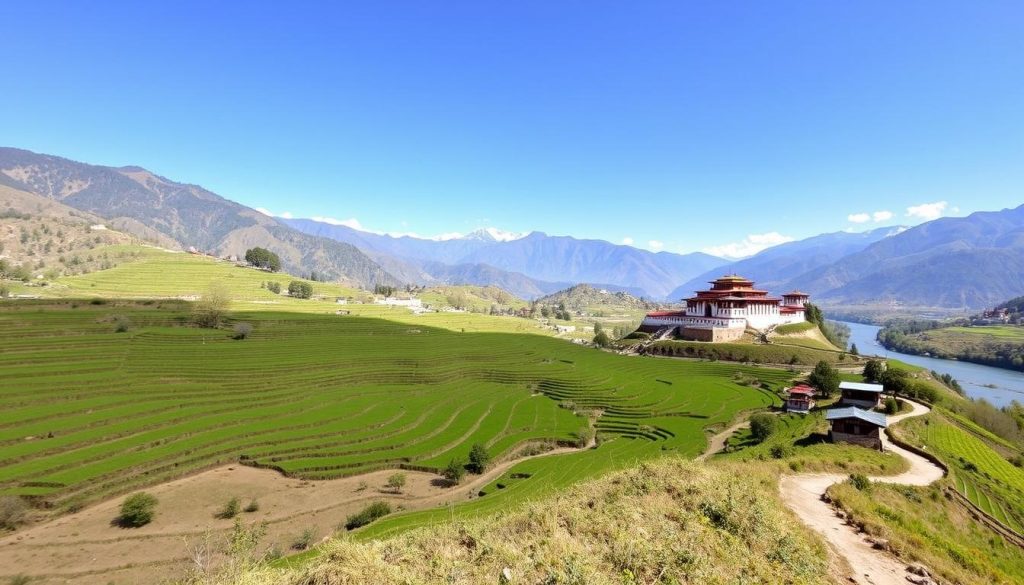
Planning your trip to Punakha valley? The weather is key. The best times are spring (March to May) and autumn (September to November). Spring is lovely, with temperatures between 18-25°C (64-77°F), perfect for outdoor fun. Plus, the Punakha Tsechu festival in March adds cultural flair.
Autumn brings beautiful views and nice weather, with temperatures from 16-21°C (60-70°F). It’s great for trekking and seeing the Thimphu Drupchen festival. You’ll also enjoy clear skies and sunshine for about 27 days a month. Summer, on the other hand, is wet, with up to 600mm of rain in July. It’s also very humid and rainy, making outdoor activities tough.
Winter is the coldest, with highs around 8-13°C (46-55°F) and lows of -8°C (17°F). It’s dry, but cold, limiting some outdoor activities. To make the most of your trip, visit in spring or autumn. This way, you’ll enjoy Punakha’s beauty without the weather getting in the way.
Where to Stay in Punakha Valley
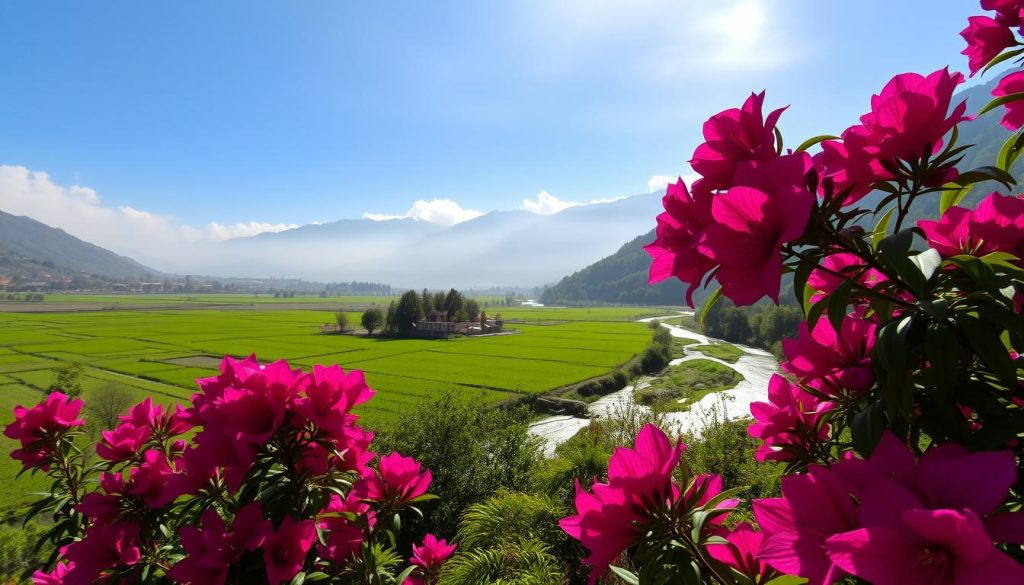
Finding the right place to stay in Punakha Valley can make your trip better. The area has many options for all budgets. You can choose from fancy resorts to cozy guesthouses. Whether you want luxury or something more affordable, there’s a place for you.
Accommodation Options for Every Budget
Punakha Valley has both fancy and budget-friendly places to stay. Some of the best hotels in Punakha are:
- Six Senses Punakha: Offers 19 villas and suites, ranging from 721 to 2,949 square feet. It provides comfort and stunning views.
- COMO Uma Punakha: Has ten villas with amazing views of the valley and Mo Chhu River. It’s great for nature fans.
- Amankora Punakha: A luxury lodge inspired by Bhutanese farmhouses. It’s accessible by a suspension bridge and offers a unique stay.
- Pemako Punakha: Features 21 tented villas with private heated pools. They are designed with Bhutanese flair.
- Dhensa Boutique Resort: Offers 24 spacious suites in six cottages. It also has the Kibu Spa for relaxing treatments.
Recommended Hotels and Resorts
If you’re looking for cheaper options in Bhutan, try these:
- Zhingkham Resort: Has 40 deluxe rooms and offers amenities like a conference room, yoga room, and free wi-fi.
- Hotel River Valley: Provides executive deluxe rooms, a gym, and bars for indoor and outdoor relaxation.
- Pema Karpo Hotel: Offers a pool, spa, and free wi-fi. It’s a good choice for those looking for comfort at a lower price.
- Damchen Resort: Provides laundry services and free wi-fi. It also has a multi-cuisine restaurant for delicious meals.
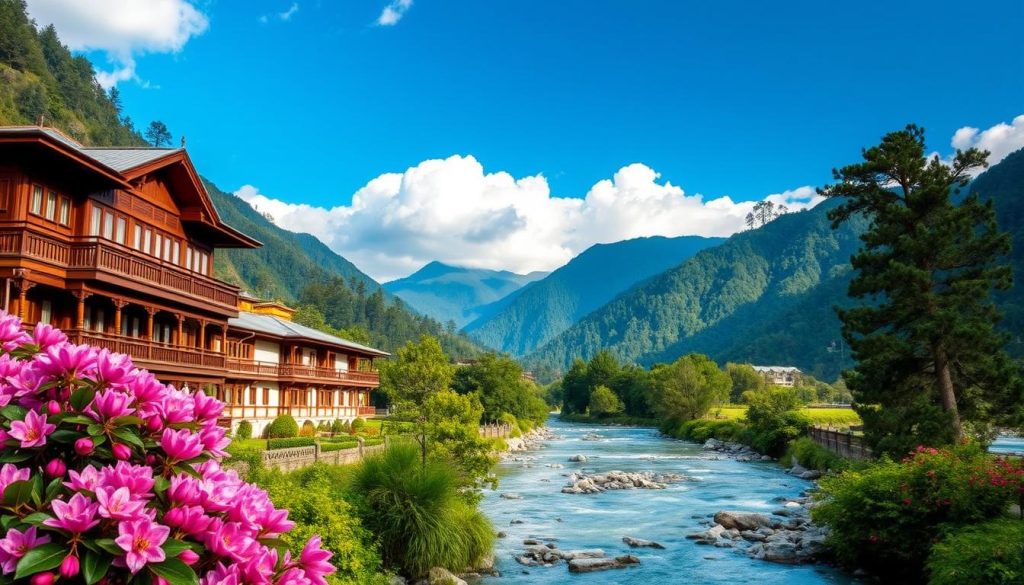
It’s wise to book early, mainly during busy seasons. This way, you can get the best hotels in Punakha at good prices. With some planning, you’ll find the perfect place to stay in Punakha Valley.
Punakha Valley Attractions Beyond the Dzongs
There’s more to Punakha Valley than its famous Dzongs. Talo Village and Ritsha Village are two places you must see. They offer a deep dive into local culture in Punakha. You’ll get to see how traditional rural life in Bhutan works.
Visiting Talo Village
Talo Village is at 2,800 meters high. It’s known for its stunning gardens and the old Talo Sangnacholing Dzong, built in 1767. Walking around Talo Village lets you see Bhutan’s traditions up close. You can also hike nearby trails to learn more about Punakha valley’s attractions.
Discovering Ritsha Village
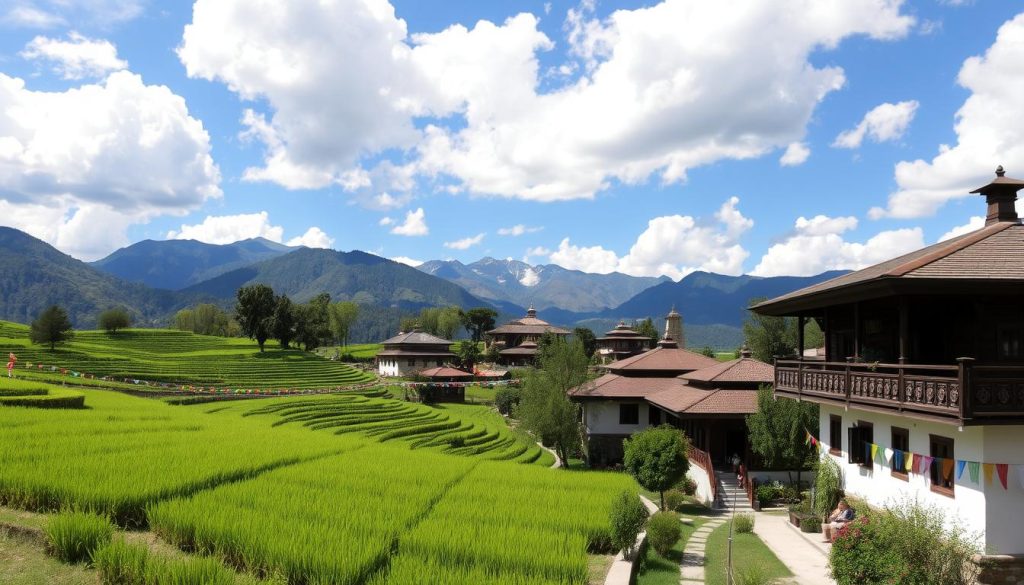
Ritsha Village gives you a peek into local farming. It’s famous for its red and white rice. Visiting Ritsha shows you traditional buildings and how people farm here. Adding Ritsha Village to your Punakha valley travel guide will help you understand the area’s culture better.
Punakha Valley Travel Tips
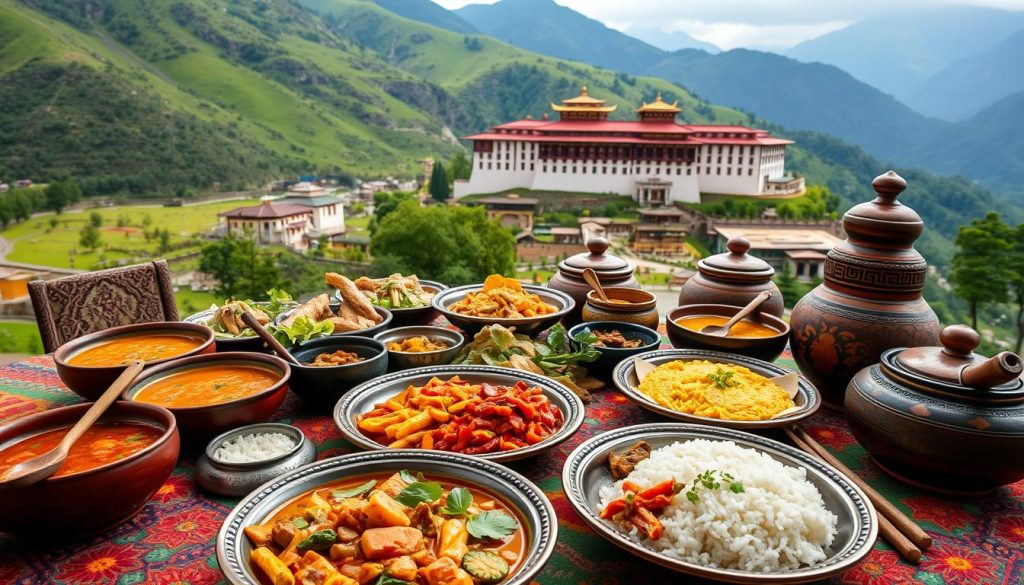
Exploring Punakha means diving into the local culture and food. Bhutanese dishes are more than meals; they show the area’s rich traditions and tastes. Make sure to try the unique dishes of the region. Local restaurants in Punakha offer real experiences that are key to your trip.
Local Cuisine to Try
Some top foods to try include:
- Ema Datshi – A tasty mix of chilies and cheese.
- Red and white rice – A must-have with most meals.
- Jasha Maru – A spicy chicken curry that highlights local tastes.
Tasting these dishes lets you experience the lively food traditions that draw food enthusiasts to Bhutan.
Cultural Etiquette and Customs
Knowing Bhutan’s cultural norms makes your trip better. Dress modestly and be quiet at sacred places to show respect. Always ask before taking photos, mainly in temples. Following these customs shows respect for the culture and deepens your connection with the locals.
Being aware of local customs helps you make lasting connections during your travels.
| Dish | Description | Key Ingredients |
|---|---|---|
| Ema Datshi | Chili cheese dish, a national favorite. | Chilies, cheese, butter |
| Red Rice | A staple that accompanies meals. | Red rice grains |
| Jasha Maru | Spicy chicken curry with herbs. | Chicken, spices, aromatics |
Conclusion
Punakha Valley is a standout spot in Bhutan. It’s filled with history, culture, and stunning views. As you explore, you’ll see the grand Punakha Dzong and the calm Chimi Lhakhang. Your trip will amaze you and teach you about Bhutan’s heritage.
This guide is key for planning your Bhutan trip. It offers tips on local ways, where to stay, and must-see spots. Punakha’s beauty, friendly people, and fun activities like rafting make it a memorable journey.
When planning your trip, don’t just visit famous places. Also, enjoy the valley’s peaceful vibe. Your Punakha adventure will create lasting memories. It’s a great part of your Bhutan travel story.