Ultimate Guide for Annapurna Circuit Trek Planning
Ever dreamed of standing among the Himalayas’ towering peaks? The Annapurna Circuit Trek lets you do just that. It’s a top choice for trekkers in Nepal. This guide will help you plan your trek, covering everything from logistics to the stunning routes.
Get ready for a 260 km (161 miles) journey that takes about 15 to 18 days. This guide has all you need for an unforgettable trip: itineraries, cost breakdowns, and tips for trekking in Nepal. It’s perfect for both experienced hikers and beginners looking to explore the Himalayas.
Introduction to the Annapurna Circuit Trek
The Annapurna Circuit Trek is a journey through the Himalayas’ most stunning areas. It has a long history, attracting adventurers and nature lovers worldwide. The Annapurna mountain range, with peaks over 8000 meters, is a breathtaking sight along the way.
On this trek, you’ll see different landscapes, from lush forests to high mountains. You’ll visit many villages, learning about the Gurung and Thakali cultures. This experience lets you dive into the local traditions and daily life.
Despite modern changes and easier road access, the Annapurna Circuit is still a top choice for trekkers. Its beauty and cultural richness make it a unique adventure. Your journey will be filled with unforgettable scenery and cultural experiences.
The Highlights of the Annapurna Circuit
The Annapurna Circuit offers an unforgettable trekking experience. It showcases breathtaking scenic views and remarkable cultural experiences. This journey features numerous notable landmarks that enhance the adventure.
Scenic Views and Landmarks
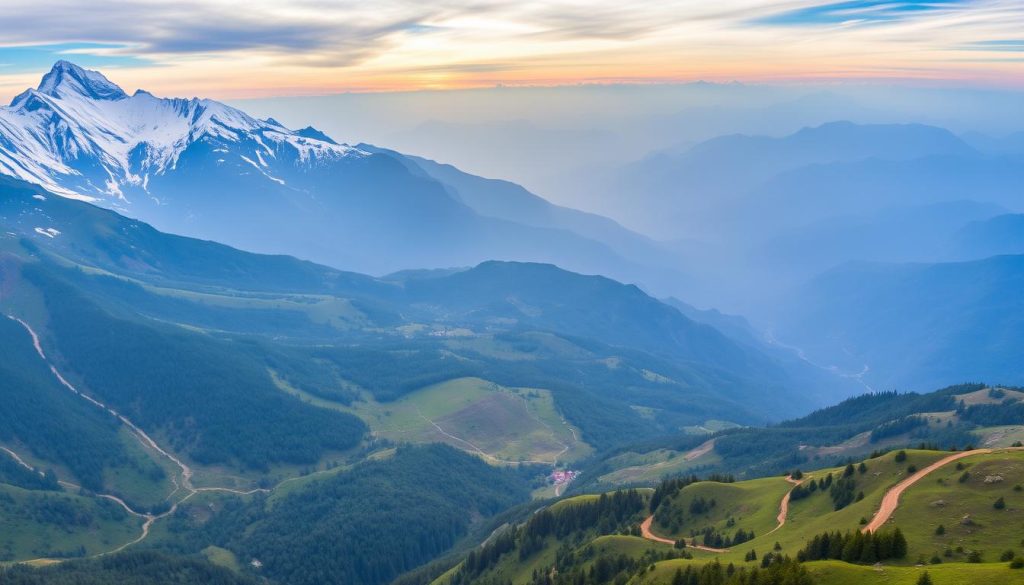
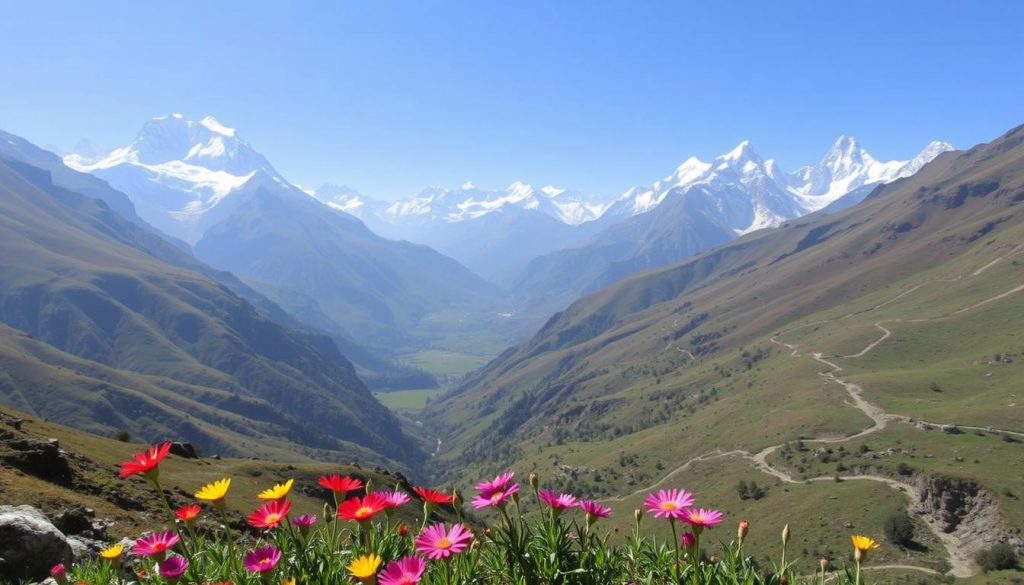
As you traverse the Annapurna Circuit, prepare to be mesmerized by stunning panoramas. The region boasts majestic peaks, including Annapurna and Dhaulagiri. Key highlights of this trek include:
- Annapurna Sanctuary
- Thorong La Pass, standing at 5,416 meters, the highest point on the trek
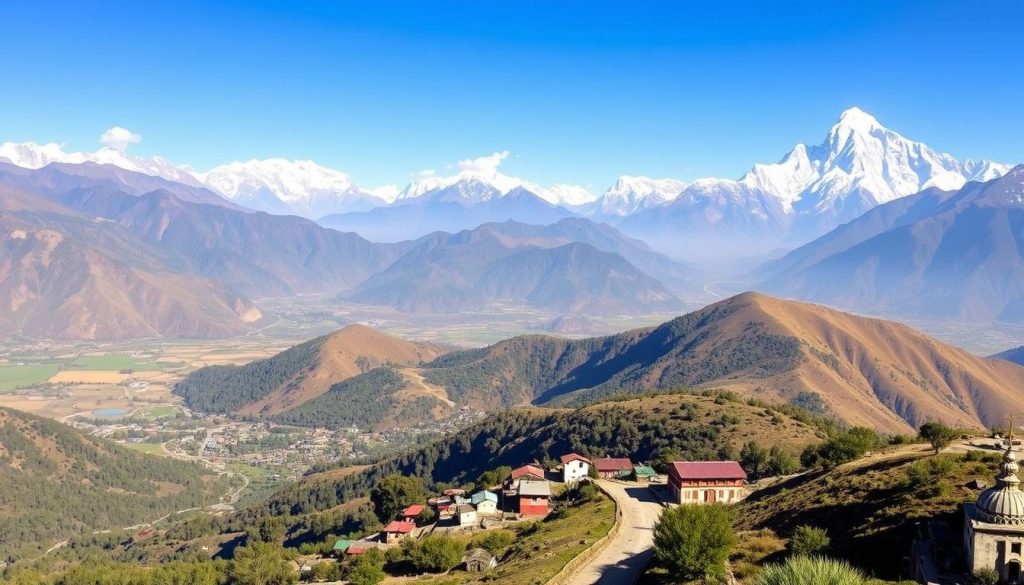
- Vibrant villages, such as Manang and Jomsom, each offering unique views and experiences
Each of these landmarks showcases the diverse beauty of the Western Himalayas. Your trekking journey will be truly exceptional.
Unique Cultural Experiences
The Annapurna Circuit is not just about physical challenges; it promises enriching cultural experiences. You will have opportunities to:
- Engage with local communities known for their hospitality
- Sample traditional Nepali cuisine, an essential part of their culture
- Participate in local festivals, gaining insight into age-old traditions and customs
These cultural trekking experiences create a deeper connection to the land and its people. The Annapurna Circuit stands out from other trekking routes.
Understanding Annapurna Circuit Trek Planning
Planning well is key for a great Annapurna Circuit trek. Knowing the trek’s length and distance helps plan your trip. Your trekking style also shapes your adventure, making it unique.
Overview of Trip Duration and Distance
The Annapurna Circuit trek lasts from 10 to 18 days. The main route is about 130 km (80 miles) long, spread over 12 days. This allows time to get used to the high altitude and enjoy the views.
| Trek Duration (Days) | Distance (km) | Distance (miles) |
|---|---|---|
| 10 | 130 | 80 |
| 12 | 150 | 93 |
| 14 | 170 | 106 |
| 18 | 200 | 124 |
Choosing Your Trekking Style
Choosing your trekking style is important for planning your Annapurna Circuit trek. You can go with a guided trek or trek independently. Think about your experience level, budget, and comfort needs when deciding.
- Experience Level: Decide if you’re okay with finding your way on your own.
- Budget: Guided treks cost more than independent ones.
- Comfort: Consider what you want for lodging and meals.

Annapurna Circuit Trek Itinerary
Planning your Annapurna Circuit trek needs careful thought. A typical trek lasts about 12 days. This gives you time to see amazing views and meet local cultures. Here’s a sample itinerary and tips for making it your own.
Sample 12-Day Itinerary
| Day | Location | Highlights |
|---|---|---|
| 1 | Kathmandu | Arrival and trek preparation |
| 2 | Dharapani | Drive from Kathmandu, start of trek |
| 3 | Chame | Trekking through pine forests |
| 4 | Pisang | Scenic views of Annapurna II |
| 5 | Manang | Culture and Tradition exploration |
| 6 | Rest Day in Manang | Acclimatization and exploration |
| 7 | Tilicho Base Camp | Stunning mountain scenery |
| 8 | Thorong La Pass | High altitude crossing |
| 9 | Thrupung | Amazing valley views |
| 10 | Jomsom | Transition down to lower altitude |
| 11 | Pokhara | Relax and explore the lakeside city |
| 12 | Kathmandu | Return journey after trek |
Adjustments Based on Personal Preferences
Creating a trek plan that fits you is key. You might want extra rest days at high altitudes. Changing the itinerary lets you match the trek to your fitness level. A good plan makes your journey safer and more enjoyable.
Annapurna Circuit Trek Cost Analysis
Knowing the cost of the Annapurna Circuit Trek is key for planning your budget. Daily expenses are a big part of your total cost. You can expect to spend between $30 to $35 each day. This includes places to stay, food, and important permits like the TIMS card and Annapurna Sanctuary Permit.
Estimating Expenses Per Day
Breaking down your daily costs helps you prepare for your trek. Here are some typical expenses:
- Accommodation: $10 to $15 per night
- Meals: $10 to $15 per day
- Permits: $20 to $30 (one-time fee)
- Extras (WiFi, hot showers): $1 to $5 each
Inclusions in Trekking Packages
When looking at trekking packages, it’s important to know what’s included. Most packages cover important details that make your trek better. Key inclusions usually include:
- Transportation to and from starting points
- Accommodation during the trek
- Meals along the route
- Guide services and their expenses
- Necessary permits
By looking at these points, you can make smart choices. This ensures your trek is fun and stays within your budget.
| Expense Type | Estimated Cost (USD) |
|---|---|
| Accommodation | $10 – $15 per night |
| Meals | $10 – $15 per day |
| Permits | $20 – $30 |
| Extras (WiFi, hot showers) | $1 – $5 each |
Best Time to Go for the Annapurna Circuit Trek
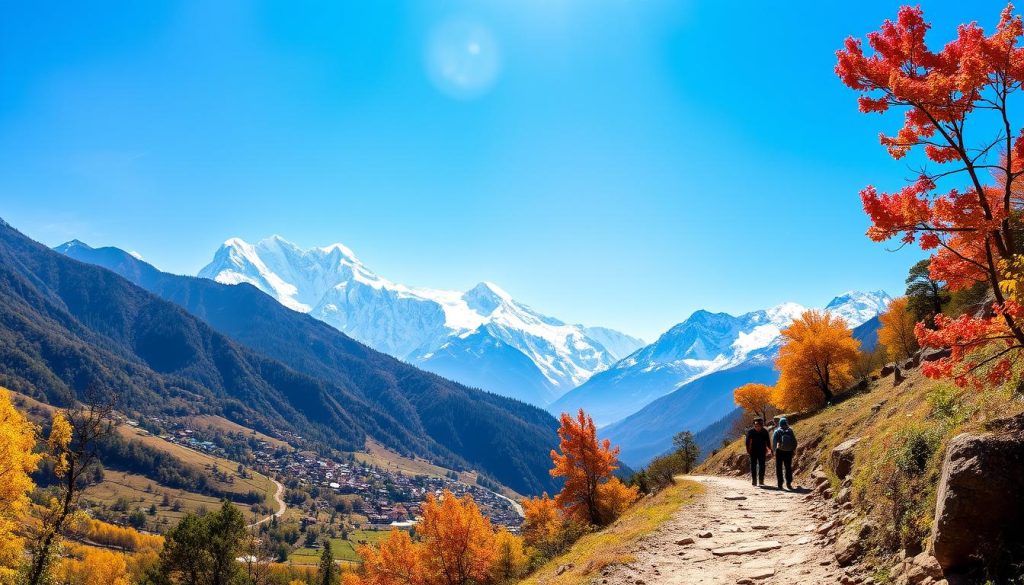
Choosing the right time for your Annapurna Circuit trek is key. The best months are October to November and April to June. During these times, the weather is usually clear and the temperatures are just right, making your trek better.
The monsoon season, from June to September, is different. Trails get muddy, and the clouds can block your view. Knowing this helps you plan your trip better.
| Trekking Season | Months | Weather Conditions | Recommended Activities |
|---|---|---|---|
| Pre-Monsoon | April to June | Warm, clear | Best for hiking, enjoying views |
| Post-Monsoon | October to November | Cool, dry, clear | Ideal for trekking, photography |
| Monsoon | June to September | Rainy, muddy | Less suited for trekking |
Knowing these details helps you pick the best time for your Annapurna Circuit trek. This way, you can enjoy the beautiful landscapes of the Annapurna region fully.
Annapurna Circuit Trek Difficulty and Preparation
The Annapurna Circuit is a challenging trek with varied terrain and high altitudes. Knowing the difficulty level is key for planning. Getting fit and acclimating to the altitude are crucial for a great experience.
Fitness Requirements
Check your physical fitness before starting the Annapurna Circuit. The trek requires endurance, with daily hikes of about 20 km. Being in good cardiovascular shape helps make the journey easier.
- Engage in regular cardiovascular exercises.
- Incorporate strength training, focusing on legs and core.
- Practice hiking with a loaded backpack on varied terrains.
Altitude Considerations
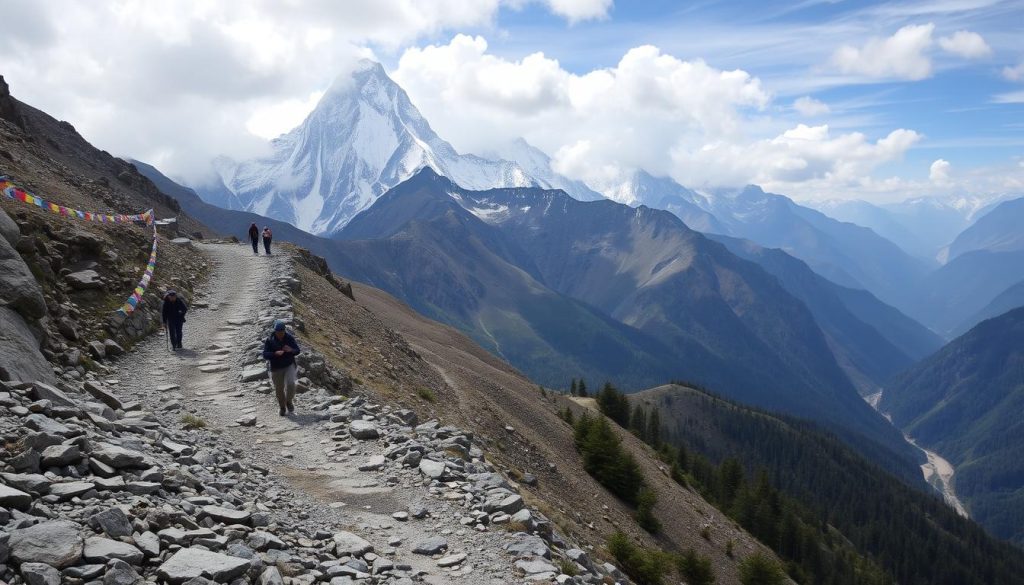
Altitude acclimatization is vital for the Annapurna Circuit. At high points like Thorong La Pass (5,416m), your body needs time to adjust. Not acclimating can cause altitude sickness, which is dangerous.
| Altitude (m) | Recommended Days for Acclimatization |
|---|---|
| 3,000 | 1-2 days |
| 4,000 | 2-3 days |
| 5,000 | 3-4 days |
| 5,416 (Thorong La Pass) | 2-3 days |
Essential Packing List for the Annapurna Circuit Trek
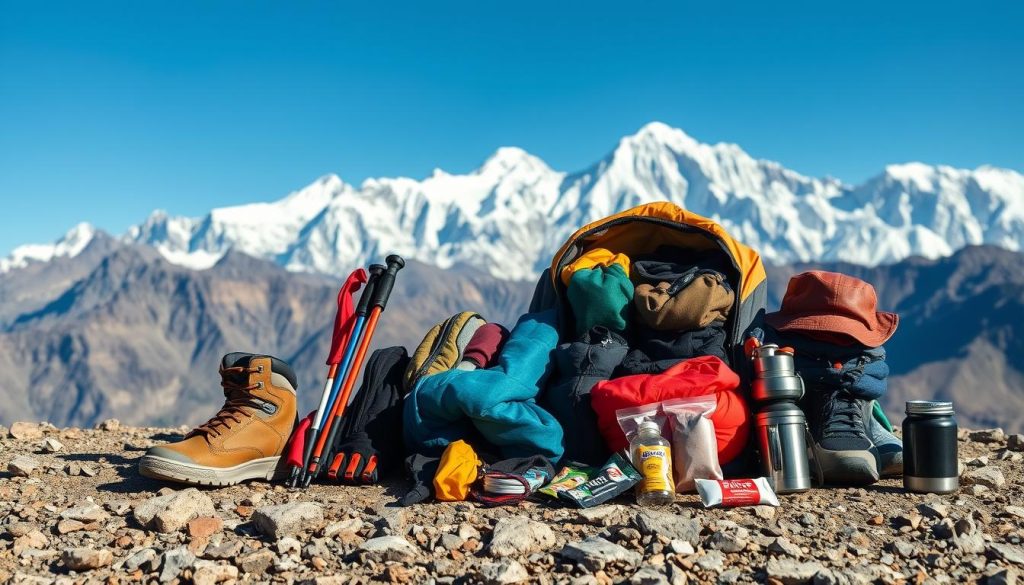
Packing right is key for a great Annapurna Circuit trek. A detailed packing list helps you have everything you need without carrying too much. Choosing the right gear and clothes is crucial for your journey.
Clothing Recommendations
What you wear matters a lot for comfort on the trek. Here are some must-haves:
- Quick-dry base layers
- Thermal layers for insulation
- Waterproof jackets to safeguard against rain
- Durable trekking boots suitable for varying terrains
- Warm hat and gloves for colder altitudes
- Sun protection gear such as a hat and sunglasses
Gear and Equipment
The right gear makes your trek better. Here are the top items to pack:
- Lightweight backpack (preferably under 50 liters)
- Down jacket for added warmth
- Trekking poles for stability on uneven terrain
- Compact first aid kit for emergencies
- Reliable water filter to ensure hydration
- Power bank to keep your devices charged
- Trekking-specific socks for better comfort and moisture management
| Item | Importance |
|---|---|
| Quick-dry base layers | Essential for moisture management |
| Thermal layers | Provides warmth in colder areas |
| Waterproof jackets | Protects against rain and wind |
| Trekking boots | Ensures good support and traction |
| Backpack | Holds all your gear while maintaining comfort |
By packing smart, you can enjoy the stunning views and cultural experiences of the Annapurna Circuit.
Accommodation Options Along the Annapurna Circuit
Your journey on the Annapurna Circuit will be greatly influenced by your choice of accommodation. There are many options, each offering a unique experience. They cater to different tastes and comfort levels.
Teahouses and Guesthouses
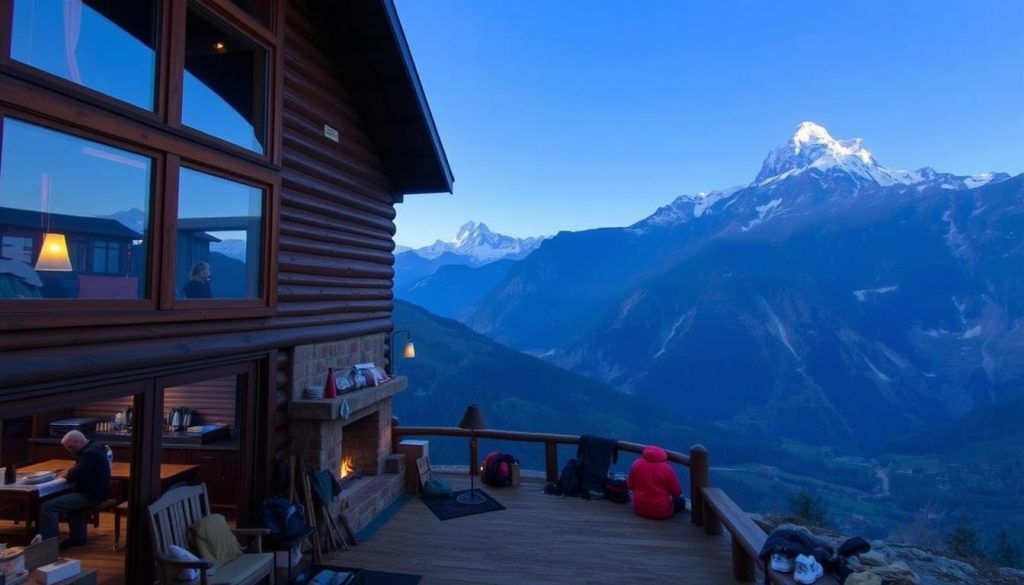
Teahouses in Nepal are the most common choice along the Annapurna Circuit. They provide cozy beds and tasty local meals. This creates a warm atmosphere for trekkers.
Staying in these teahouses lets you meet other adventurers. You can share stories and enjoy the trekking community’s camaraderie. Each teahouse is unique, with some offering basic amenities and others more luxury. Prices vary from $5 to $15 per night, depending on location and season.
| Teahouse Feature | Basic Teahouse | Comfortable Teahouse |
|---|---|---|
| Price per Night | $5 – $10 | $10 – $15 |
| Private Rooms | Rare | Common |
| Hot Showers | Usually Not Available | Available for Extra Charge |
| Wi-Fi | Limited | Available |
| Meals | Local Cuisine | Varied Menus |
Camping Alternatives
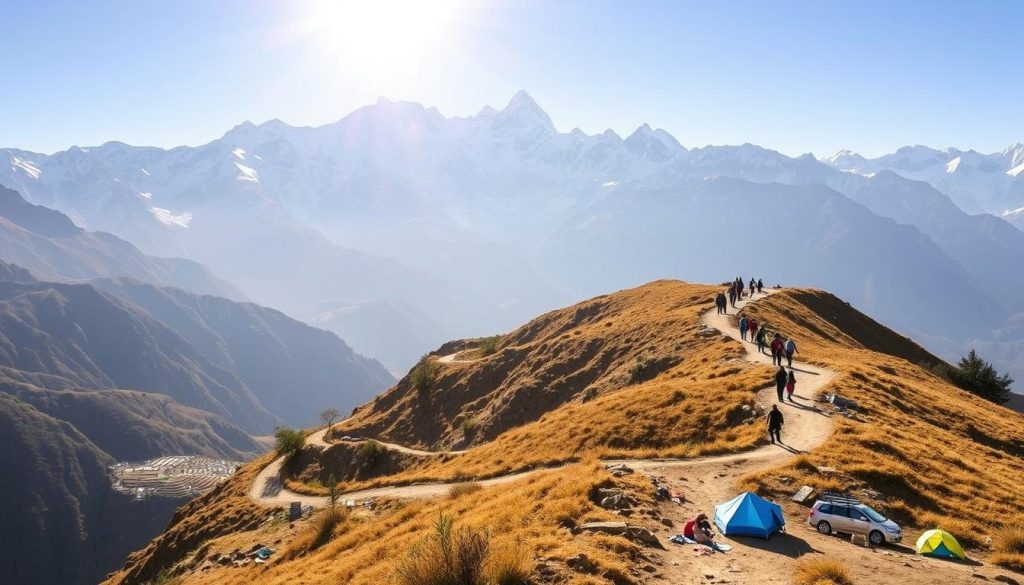
Camping on the circuit offers a rugged experience. It lets you fully immerse in nature, away from crowded teahouses. Camping requires preparation but offers solitude and a deeper connection with nature.
You’ll need to bring your own gear and food. It’s wise to plan your stops in advance for suitable camping spots. Camping can make your Annapurna experience unique, offering breathtaking views from a different perspective.
Transportation and Getting to the Annapurna Circuit
To start your journey to the Annapurna Circuit, you first need to get to Kathmandu. This city is the main entry point for trekkers. You can travel by bus or jeep from getting to kathmandu to places like Besishahar or Jagat.
The roads to these spots have gotten better in recent years. This makes the transportation to annapurna circuit faster. It also changes the trekking experience. With better roads, the traditional trekking paths and the area’s feel might change.
When planning your trip, knowing your transport options is key. Here’s a look at the different ways to travel:
| Transportation Method | Duration | Cost (Approx.) | Pros | Cons |
|---|---|---|---|---|
| Local Bus | 6-8 hours | $8-$15 | Cost-effective, Frequent services | Can be crowded and uncomfortable |
| Private Jeep | 4-6 hours | $70-$100 | Faster, More comfortable | More expensive, Requires booking |
| Shared Jeep | 5-7 hours | $10-$25 | Less expensive than private | May wait for passengers |
In conclusion, getting to the Annapurna Circuit involves choosing from various transport options from Kathmandu. Knowing these options helps with planning and lets you enjoy the beautiful views and local culture. Remember, each choice can impact your trekking journey.
Conclusion
As you finish this guide on Annapurna Circuit Trek planning, think about the key points. They can make your trip truly special. Knowing all about the trek and its costs is crucial. It helps you make smart choices.
Being ready for hiking means more than just being fit. It also means being ready for the amazing sights you’ll see. This trek summary gives you the basics to plan well.
Good planning is essential. Make sure you have the right gear and know the best times to go. This will help your trip go smoothly.
Start planning your goals and itinerary. Pack wisely so you can enjoy the stunning views of the Annapurna region. By doing this, you’ll have a safe and fun adventure.
The Annapurna Circuit is more than a hike. It’s a chance to connect with nature, learn about different cultures, and face your own challenges. Get ready for an unforgettable journey in the Himalayas.