Discover Punakha’s Unique Festivals & Ceremonies
Ever wondered how celebrations can shape a community and culture? In Punakha, Bhutan, festivals and ceremonies are more than just events. They are a living part of history, spirituality, and community identity.
The Punakha Tshechu and Punakha Drubchen are filled with rituals and traditions. They show the local way of life in a unique way. These events are deeply meaningful, letting you feel the spiritual heart of Bhutanese society.
Exploring these celebrations, you’ll learn about the community’s bonds. You might even find a connection to this rich heritage yourself.
Introduction to Punakha’s Cultural Landscape
Punakha is a key part of Bhutan’s heritage, located in the western part of the country. It is surrounded by Gasa to the north, Wangdue Phodrang to the east and south, and Thimphu to the west. The area’s height varies from about 1,200 meters to over 2,800 meters above sea level. This height adds to the beauty of its cultural events and celebrations.
The district’s main income comes from farming. Farmers grow rice, fruits, and vegetables. These crops are central to Punakha’s cultural events, celebrating the harvest and community work. The Punakha Dzong, known as the “Palace of Great Happiness,” is a key spot during these celebrations. It attracts both locals and visitors.
During festivals, people wear colorful traditional clothes. These clothes show their rich heritage. Places like the Chimi Lhakhang fertility temple and Khamsum Yulley Namgyal Chorten add to the cultural beauty. Villages like Talo and Limbhukha are also important, known for their festivals and red rice.
Every Punakha cultural event tells a unique story. You can see amazing cham dances and enjoy archery tournaments. The effort to keep these traditions alive shows a commitment to heritage and progress. This mix of history, spirituality, and daily life makes Punakha special.
The Significance of Festivals in Bhutanese Culture
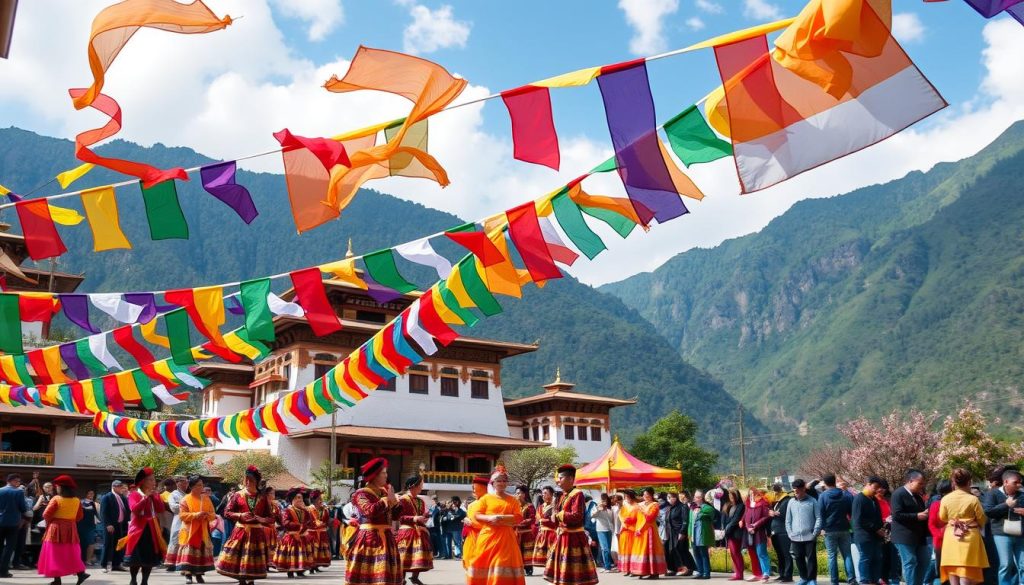
Festivals in Bhutan are key to the country’s culture. They bring together community, spirituality, and tradition. These events help people bond, honoring deities and celebrating values.
Religious dances and ceremonies add meaning to life. They show how important Punakha religious rituals are to Bhutan’s heritage.
Festivals teach generations about Bhutan’s history and culture. Through dances, music, and rituals, stories are told. Celebrations like Punakha Tshechu and Paro Tshechu highlight Bhutan’s spiritual connection.
Attending festivals in Bhutan creates unforgettable memories. They offer a peek into Bhutanese life. These events are more than fun; they celebrate good over evil through dances and processions.

Punakha Tshechu: A Colorful Celebration of Tradition
The Punakha Tshechu is a vibrant festival deeply rooted in Bhutanese culture. It takes place in the picturesque Punakha district, usually in February or March. The dates change each year based on the lunar calendar.
This festival has its roots in the 17th century, thanks to Zhabdrung Ngawang Namgyal. It has become a major event, attracting locals and tourists alike. The festival lasts for three to five days, blending spiritual rituals with traditional performances.
Understanding the Historical Context
This festival honors Guru Rinpoche, a key figure in Bhutanese Buddhism. It’s a spiritual journey for many, showing the deep religious importance. Locals come to enjoy the festivities and seek blessings.
The historical background of the Punakha Tshechu adds to its emotional value. It’s a cherished event for the Bhutanese people.
The Key Activities During the Tshechu
During the Punakha Tshechu, you’ll see many cultural activities and performances. The highlight is the *unfurling of the Thongdrol*, a massive silk painting of Guru Rinpoche. This is followed by cham dances, where performers wear elaborate masks and costumes.
These dances are enhanced by atsaras, or clowns, who add humor and joy. The festival atmosphere is lively, thanks to thousands of visitors.
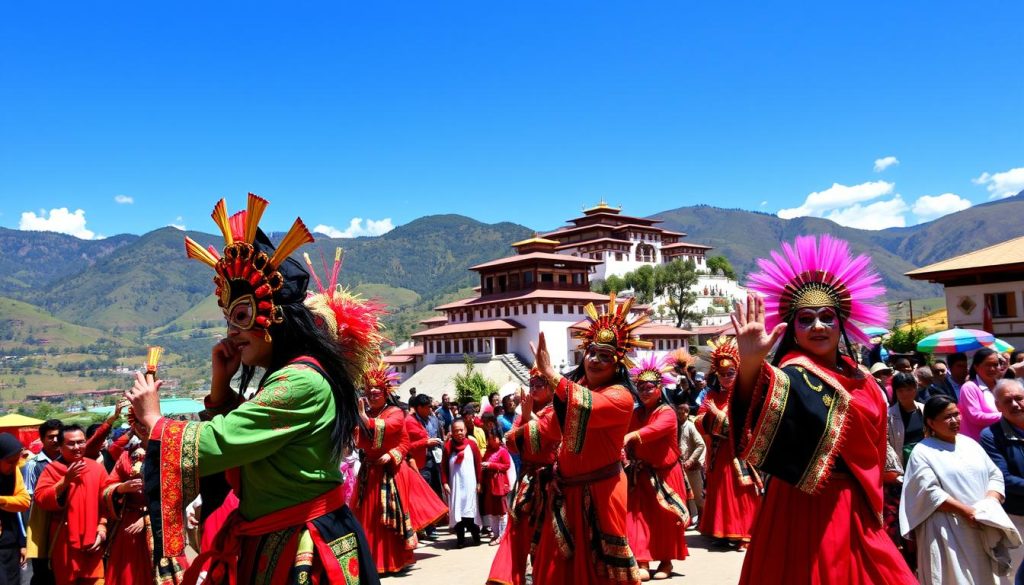
It’s one of the most celebrated Punakha festivals. Due to its popularity, booking accommodations in advance is recommended. Enjoy the vibrant ambiance, stunning performances, and the spiritual connection it fosters.
| Festival Name | Duration | Dates (2023) | Location | Significance |
|---|---|---|---|---|
| Punakha Tshechu | 3 – 5 days | 1st – 3rd March | Punakha District, Bhutan | Commemoration of Guru Rinpoche’s teachings |
| Historical Introduction | Since the 17th century | N/A | N/A | Founded by Zhabdrung Ngawang Namgyal |
Punakha Drubchen: Commemorating a Historic Victory
The Punakha Drubchen is a key festival in Bhutan. It celebrates a big win over Tibetan forces in the 17th century. The event happens in February, following the lunar calendar, and goes on for three days.
People join in to honor their ancestors and celebrate their culture. This festival keeps history alive and brings the community together.
The Reenactment of the 17th-century Battle
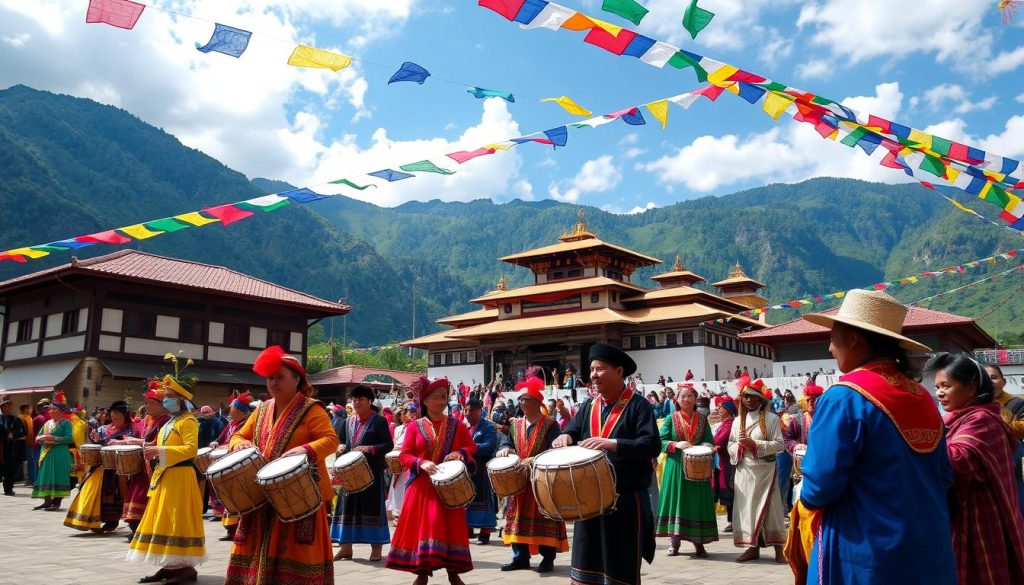
The heart of the Punakha Drubchen is the battle reenactment. ‘Pazaps,’ the local militia, wear traditional armor to bring the past to life. Their bravery is celebrated, showing the importance of remembering history.
Colorful mask dances and folk performances add to the fun. They highlight the rich culture of Punakha.
Importance of the Drubchen to Local Communities
The Drubchen means a lot to the locals. It brings them together, keeping traditions alive. The festival strengthens their identity and connects them with their heritage.
The Punakha Dzong, where the festival takes place, reminds everyone of Bhutan’s rich past.
| Feature | Description |
|---|---|
| Celebration Type | Reenactment of a 17th-century victory |
| Duration | Three days |
| Local Participation | Pazaps dressed in traditional gear |
| Date | February, based on the lunar calendar |
| Significance | Highlights cultural heritage and community pride |
Unique Festivals and Ceremonies Specific to Punakha
Punakha is known for its rich culture, hosting many unique festivals and ceremonies. These events show off the local traditions and food, giving visitors a real taste of the area. There’s more than just the famous Punakha Tshechu and Punakha Drubchen. Many local celebrations make Punakha a lively place for both locals and tourists.
Overview of Different Events Celebrated in Punakha
The town is filled with exciting celebrations all year round. Here’s a list of some of the biggest festivals in Punakha:
- Punakha Drubchen: This three-day festival, reenacting scenes from the Tibetan War, draws many spectators each February.
- Gomphu Kora Festival: Taking place in March, this event involves spiritual rituals and attracts participants from across the region.
- Chhorten Kora: A unique local celebration showcasing cultural rituals and community bonding.
- Matsutake Mushroom Festival: Celebrated in August, this event highlights local harvesting traditions and culinary specialties.
- Jambay Lhakhang Drup: Known for its captivating activities, including fire dancing, this festival occurs in October.
Punakha’s traditional celebrations are not just about these big events. They also include many local customs that bring the community together. At these festivals, you can join in traditional dances, try local foods, and see the region’s rich culture up close.
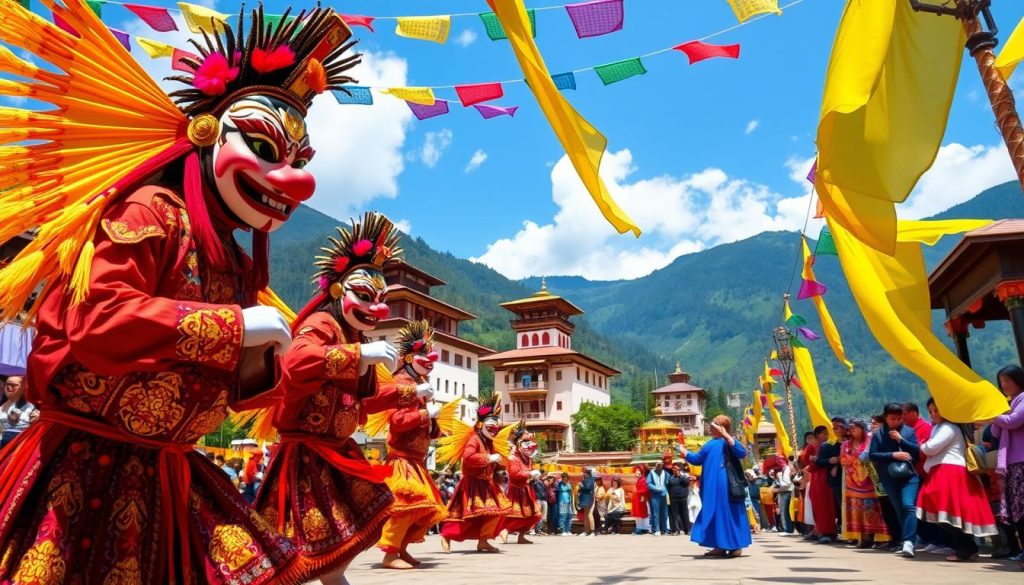
Punakha’s mix of festivals and ceremonies means there’s always something to celebrate. These events make life better for locals and offer visitors a true look at the area’s vibrant culture.
Cham Dances: The Heart of Bhutanese Festivals
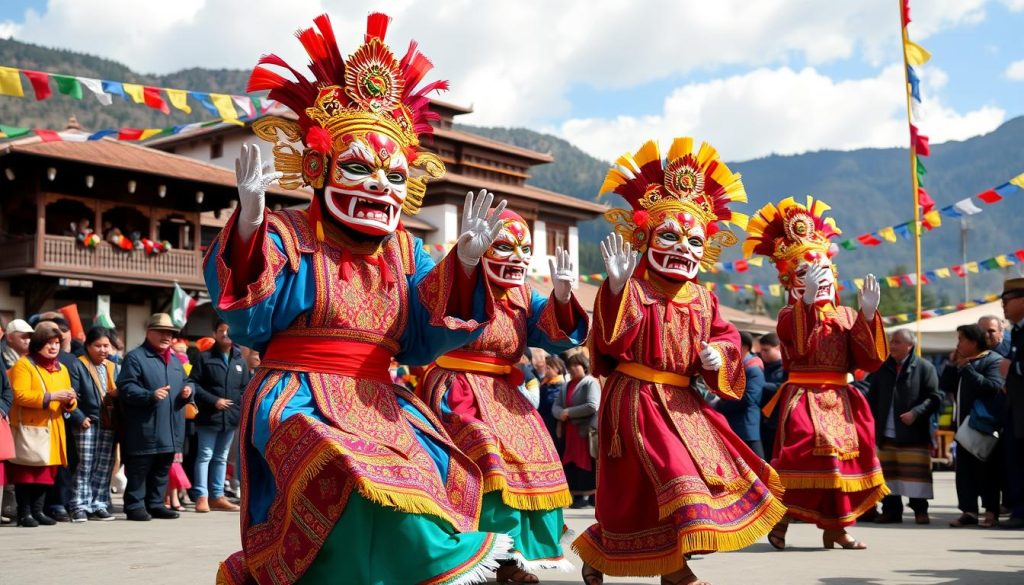
Cham dances are the core of cultural expression in Punakha festivals. They tell spiritual stories through colorful performances. Dancers, often monks or skilled locals, wear detailed costumes with bright fabrics.
These dances are more than just shows. They teach important lessons in morality and Buddhism. They create a deep connection with the audience, showing the cultural heritage of Bhutan.
Cham dances are a big part of Bhutan’s festivals, like the Punakha Tsechu. They show the artistic and spiritual value of these dances. Watching them makes you appreciate Bhutan’s rich traditions even more.
| Dance Type | Description | Significance |
|---|---|---|
| Drametse Ngacham | Popular masked dance originating from Drametse village | Performed to honor divinities and promote spirituality |
| Boedra | Royal courtroom dance performed by men and women | Signifies royal heritage and unity among the performers |
| Dance of Eight Manifestations of Guru Rinpoche | Symbolizes various forms of Guru Rinpoche | Highlights the importance of religious teachings |
| Tercham | Performed at night during the Jambay Lhakhang Drup festival | Represents spiritual purification through fire rituals |
Seeing these dances at Punakha festivals is a special experience. You get to see the talent and feel the culture of Bhutan. Cham dances show the joy and traditions that make Bhutan’s heart beat.
The Role of Atsaras: Clowns of the Tshechu
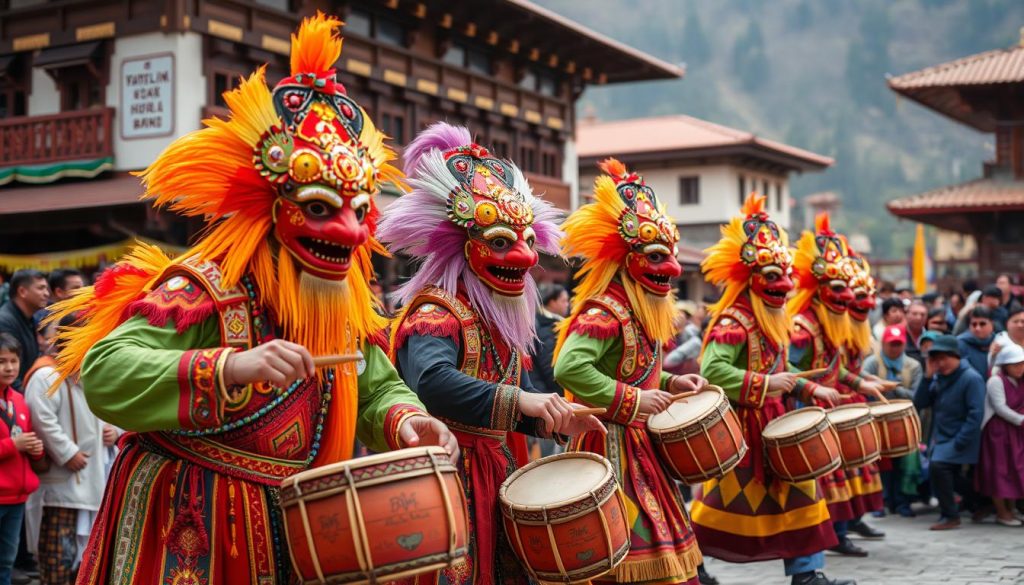
Atsaras are a key part of the Tshechu festival in Punakha ceremonies. They add humor and tradition, making the festival lively. Their antics and masks grab everyone’s attention, connecting people to the dances’ stories.
Importance of Humor and Entertainment in Celebrations
Atsaras are more than just entertainers in Punakha’s festivals. They make the mood lighter and remind us of the festival’s balance. Their jokes often touch on serious topics like safety and hygiene in fun ways.
Organizing these events shows the community’s spirit. Atsaras make sure everything goes well, mixing fun with learning. This strengthens social bonds and makes the festival more enjoyable for everyone.
The Significance of the Thongdrol Unveiling
Punakha religious rituals are key in Bhutan’s culture. The Thongdrol unveiling is a major event during the Punakha Tshechu. It shows a big thangka of Guru Rinpoche, symbolizing spiritual cleansing and renewal.
When the thangka is revealed, it lets people connect deeply with their faith. This ritual reminds everyone of their shared beliefs and strengthens community bonds. It creates a special atmosphere, making unforgettable memories for locals and visitors.
The Thongdrol unveiling also celebrates Punakha’s rich traditions. Festivals here mix history, spirituality, and joy. They show the value of keeping these rituals alive for future generations to enjoy and learn from.
Experiencing Punakha Festivals: A Traveler’s Guide
Travelers looking to dive into Punakha’s lively culture should plan their visit for February or March. This is when the Tshechu and Dromchhoe festivals happen at the stunning Punakha Dzong. Knowing when to go and what to expect can make your trip better.
When to Visit for the Most Impactful Experience
It’s key to time your visit right to fully experience local traditions. The Punakha Tshechu festival, a three-day event in early March, is a must-see. It honors Guru Rinpoche, the founder of Tantric Buddhism in Bhutan.
At this festival, you’ll see monks and locals perform sacred masked dances. You’ll also enjoy traditional music and dances, showing off Bhutan’s rich culture.
What to Expect During Your Visit
Expect to see vibrant parades, colorful costumes, and grand ceremonies. You’ll also get to try local foods that show off Bhutan’s culinary traditions. The Punakha Dzong, with its stunning backdrop, is a highlight.
Don’t miss nearby Chimi Lhakhang and Khamsum Yule Namgyle Chhorten. Thimphu, with its National Library and Folk Heritage Museum, adds to your cultural journey.
The trip to Punakha offers amazing views, like the Eastern Himalayas from your flight into Paro. Bhutan’s “High Impact, Low Volume” tourism policy makes your visit authentic and meaningful.
Punakha’s Other Cultural Events and Celebrations
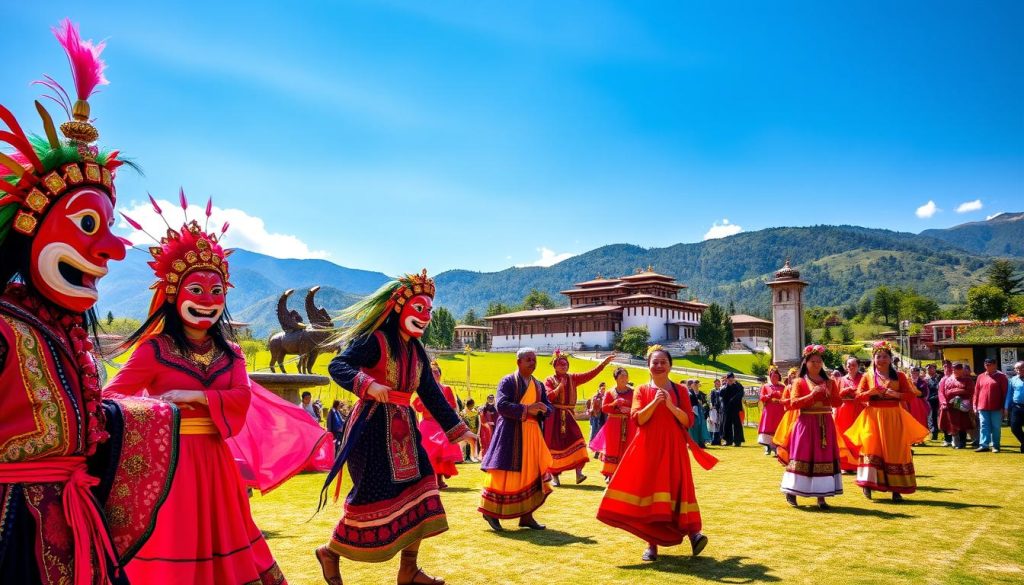
Punakha is famous for more than just the Tshechu and Drubchen festivals. It hosts many cultural events all year round. These Punakha traditional celebrations bring people together and show off the area’s rich heritage. Each event has its own special meaning, often tied to farming, religion, or community gatherings.
There are also local harvest celebrations, where people thank nature for the food they have. These events include traditional dances, music, and games. They highlight the lively culture of festivals in Bhutan.
Punakha also has religious observances. These are times when people make offerings and perform rituals to honor deities and ancestors. These practices help keep the community united and connected to their cultural values.
Here’s a table with some of the other important cultural events in Punakha:
| Event Name | Date | Significance |
|---|---|---|
| Black-necked Crane Festival | 11th November | Celebrates the conservation of black-necked cranes and raises awareness for environmental protection. |
| Jambay Lhakhang Festival | 13th – 16th November | Showcases rituals and local culture through dance, music, and reenactments. |
| Kurjay Tsechue | 11th July | Commemorates the important sacred site and engages the community in spiritual practices. |
| Haa Summer Festival | 13th – 14th July | Honors local lifestyle and promotes tourism through traditional culture and performances. |
| Nomad Festival | 23rd February | Celebrates the nomadic lifestyle with food, crafts, and performances that highlight heritage. |
These events are key to celebrating and keeping Punakha’s traditions alive. They show the community’s joy and respect for their cultural identity.
Community Involvement in Festivals and Ceremonies
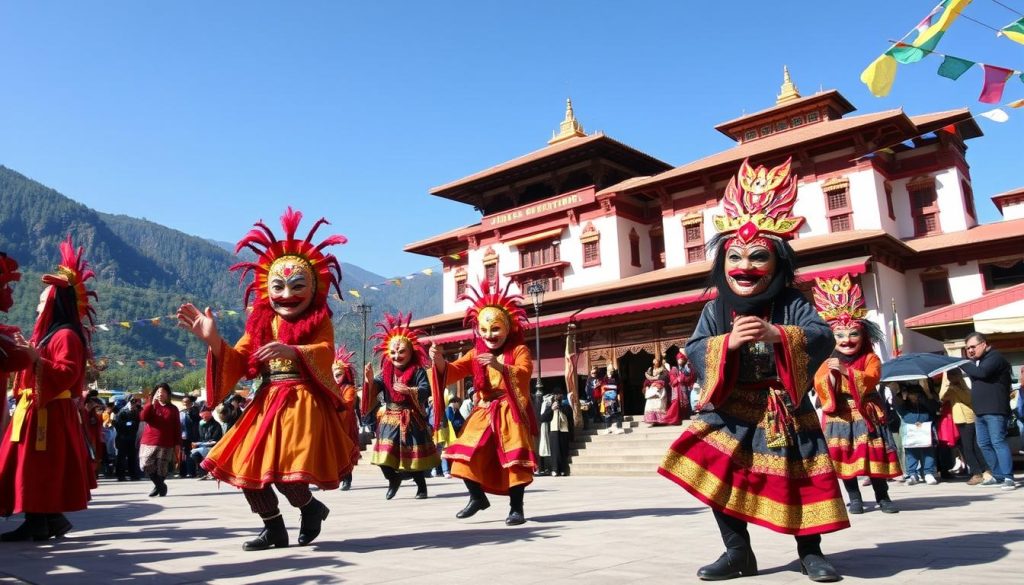
Community involvement is key in Punakha’s unique festivals and ceremonies. These events are more than just fun; they help keep cultural heritage alive. People from the area take part in many ways, like organizing and dancing in traditional styles.
This shows their strong commitment to their traditions. It’s a way to pass down knowledge from one generation to the next. Young and old join in, making strong bonds within the community.
Each festival shows the power of unity. It’s a time when people come together, celebrating their shared identity. This unity is what makes these events so special.
Locals make sure their customs stay alive through these celebrations. You can hear laughter and traditional music as families and friends gather. This shared experience is what makes festivals so important to community life.
Why Attend the Festivals of Punakha?
Visiting the festivals of Punakha lets you see Bhutanese culture up close. You get to dive into lively celebrations where old customs shine. These events let you connect with local traditions and rituals, key to the community’s spirit.
By joining the festivals, you become part of a rich heritage. This connection with Bhutan goes deep.
The Unique Experience for Tourists
Going to Punakha festivals is a journey you won’t forget. You’ll see colorful costumes, lively dances, and the stunning Punakha Dzong. It’s a symbol of Bhutan’s amazing architecture.
You’ll also see traditional masked Cham dances. These dances share stories from Buddhist lore. The festivals last three days, giving you plenty of time to enjoy.
Engaging with Local Traditions and Rituals
Getting involved in local traditions and rituals is a special experience. You’ll see locals in fancy traditional clothes, taking part in rituals and shows. This lets you understand Bhutanese values better.
It also shows how globalization is a challenge to these old practices.
Conclusion
The festivals and ceremonies in Punakha give you a special look into Bhutanese culture. Each event is filled with history and art, showing the deep connection of the community. By joining these events, like the Punakha Tshechu, you dive into traditions that have lasted for ages.
These events are more than just fun; they connect us to the past. They show the value of community and cultural heritage. You’ll see dances and Atsaras’ lively acts, mixing joy, history, and tradition. Talking with locals makes you understand the customs of this beautiful area better.
In short, joining Punakha’s festivals is a rewarding experience for everyone. It leaves you with unforgettable memories. As you explore, you’ll see the true spirit of Bhutan in its people and traditions.