Discover the Captivating Architecture of Ponce
Exploring Ponce, Puerto Rico’s second-largest city, reveals stunning architecture and iconic monuments. These landmarks showcase the city’s rich history and vibrant culture. You’ll learn about Ponce’s unique architecture and how it reflects the city’s cultural heritage.
Ponce boasts 10 iconic landmarks, including the Parque de Bombas and the Museo de Arte de Ponce. These sites highlight the city’s historical significance and cultural importance. You’ll see how Ponce’s architecture has evolved, influenced by its history and diverse cultures.
The Evolution of Ponce Architecture Through the Centuries
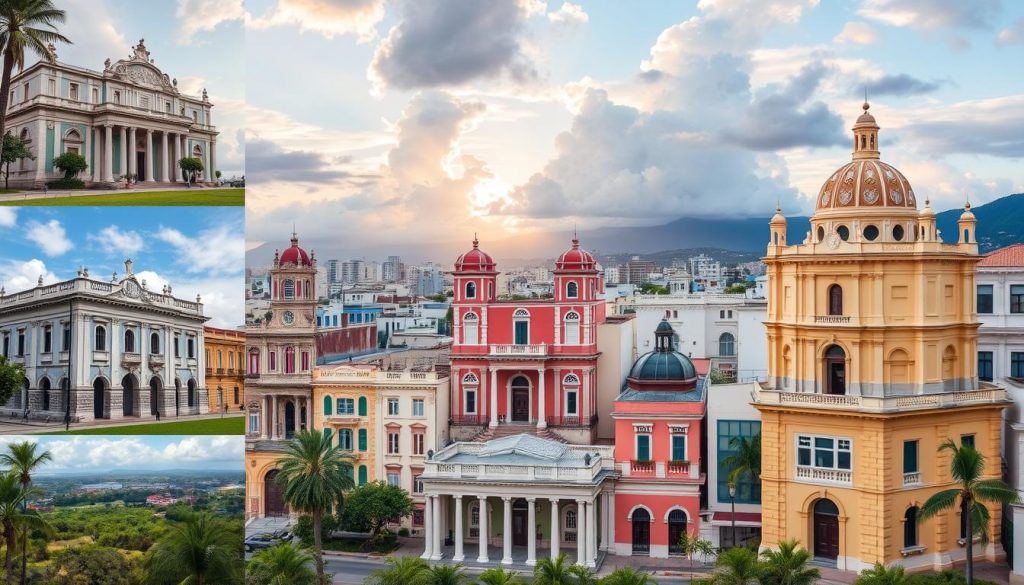
Ponce’s architecture history is a rich tapestry of influences. It reflects the city’s strategic location and cultural heritage. As you explore the city, you’ll see a mix of Spanish Colonial, Creole, and modern architectural trends.
The city’s architecture is known globally, with 40 properties listed on the National Register of Historic Places. This highlights Ponce’s unique cultural significance and importance in Puerto Rican architecture. Notable examples include Casa Wiechers-Villaronga and Casa-Font Ubides, showcasing the city’s distinctive Creole style.
Spanish Colonial Beginnings
The Spanish Colonial era had a big impact on Ponce’s architecture. Many buildings feature traditional Spanish design elements like balconies and courtyards. The use of local materials and indigenous and African influences created a unique Creole style.
The Golden Age of Ponce Construction
The late 19th and early 20th centuries were the Golden Age of Ponce construction. The city saw significant economic growth, leading to the development of many iconic buildings. The Parque de Bombas is a stunning example from this era, showcasing new architectural styles like Art Nouveau and Neoclassicism.
Modern Architectural Developments
In recent years, Ponce has seen significant revitalization efforts. There’s a focus on preserving historic architecture while adding modern designs and amenities. The city’s architecture history and trends continue to evolve, with a growing emphasis on sustainability and environmental responsibility.
As you explore Ponce, you’ll find a unique blend of old and new. Historic buildings stand alongside modern structures, creating a vibrant and dynamic urban landscape.
| Architectural Style | Notable Examples | Characteristics |
|---|---|---|
| Creole | Casa Wiechers-Villaronga, Casa-Font Ubides | Blend of Spanish, indigenous, and African influences |
| Art Nouveau | Parque de Bombas | Ornate facades, curved lines, and organic forms |
| Neoclassicism | Museo de Arte de Ponce | Classical elements, symmetry, and proportion |
Distinctive Features of Ponce’s Architectural Style
Ponce’s architecture is a mix of neoclassical and art deco styles. These styles fit the city’s tropical climate and culture. The Ponce architecture style features wood and stucco buildings with wide porches and balconies. These are often painted in soft colors.
The Ponce architecture design stands out for its Corinthian columns and wrought-iron balconies. It also includes gas lamps, typical of the Ponce Creole style. This style emerged in Ponce’s homes from 1895 to 1920, mixing Spanish Creole and neoclassical elements. The Font-Ubides House and the Ermelindo Salazar Residence are great examples.
Some key features of Ponce’s architectural style include:
- Broad columned porches and balconies
- Use of wood and stucco materials
- Pastel colors and ornate details
- Influence of neoclassical and art deco styles

Ponce’s architecture reflects its rich history and culture. The city’s buildings show a mix of styles, making it a must-see for architecture fans. With its stunning architecture and landmarks, Ponce is a place that will leave visitors in awe.
| Architectural Style | Description |
|---|---|
| Ponce Creole | Blend of Spanish Creole and neoclassical styles |
| Neoclassical | Influence of classical Greek and Roman styles |
| Art Deco | Ornate details and geometric shapes |
The Magnificent Parque de Bombas: Icon of Ponce Design
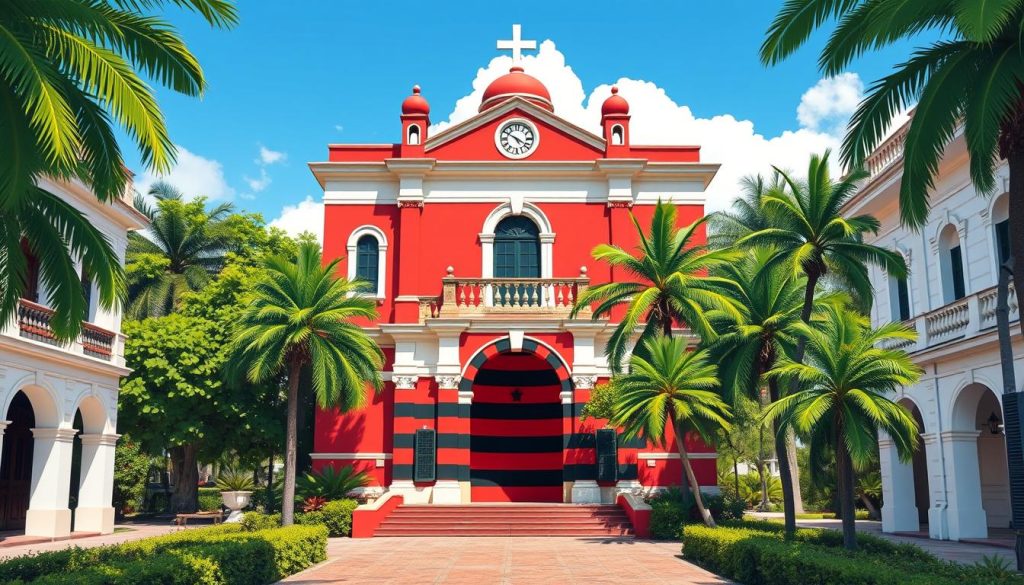
Exploring Ponce, you’ll find the Parque de Bombas. It’s a historic firehouse with black and red stripes. This building is the island’s most famous landmark, showing off Ponce’s unique style.
The Parque de Bombas is more than just a building. It’s a cultural symbol of Ponce. It’s a key example of Ponce’s architectural significance.
At the Parque de Bombas, you’ll see its unique colors and Moorish design. It stands out from other buildings in the city. Recent restorations have kept its charm alive for future generations.
Historical Significance
The Parque de Bombas was built in 1882 for a fair. Now, it’s a museum and firehouse. Its history shows Ponce’s rich cultural heritage.
Architectural Elements
The Parque de Bombas mixes Moorish Revival and colonial styles. Its black and red stripes are a symbol of Ponce. It’s a top spot for those interested in Ponce’s architecture.
Restoration and Preservation
Work has been done to keep the Parque de Bombas in good shape. This effort ensures it stays part of Ponce’s culture. Preserving landmarks like this keeps Ponce’s unique character alive.
Exploring the Historic Downtown District
As you explore Ponce’s historic downtown, you’ll find a wealth of Ponce architecture buildings and landmarks. These sites highlight the city’s rich cultural heritage. The streets are lined with architectural wonders, like the stunning Ponce Cathedral and the historic Armstrong-Poventud Residence.
The district’s architecture reflects Ponce’s unique atmosphere and cultural identity. It’s filled with Ponce architecture landmarks that have been preserved well. This has earned the area a Historic Center of First Order designation in Puerto Rico. Don’t miss the Ponce City Hall, built in the 1840s, the oldest colonial building in the city.
Some top attractions in the historic downtown include:
- Ponce Cathedral
- Armstrong-Poventud Residence
- Ponce City Hall
- Plaza Las Delicias
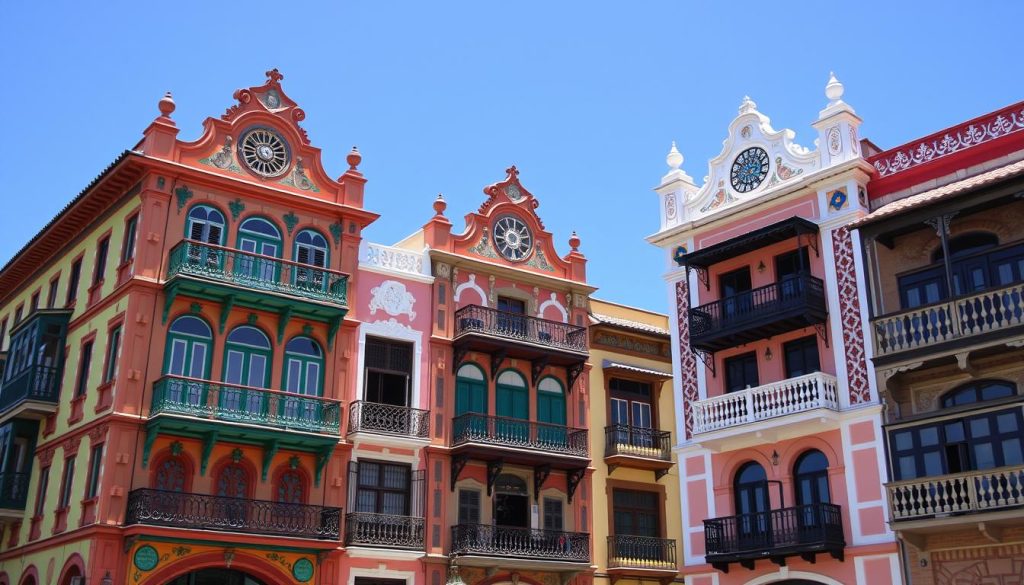
The historic area of Ponce has seen major revitalization efforts. The Ponce en Marcha project has helped save and restore many historic buildings. Today, visitors can enjoy walking through the charming streets and experiencing the lively city atmosphere.
| Category | Description |
|---|---|
| Historic | Buildings with significant historical value |
| Architectural | Buildings with notable architectural features |
| Cultural | Buildings with cultural significance |
Neoclassical Treasures in Ponce’s Urban Landscape
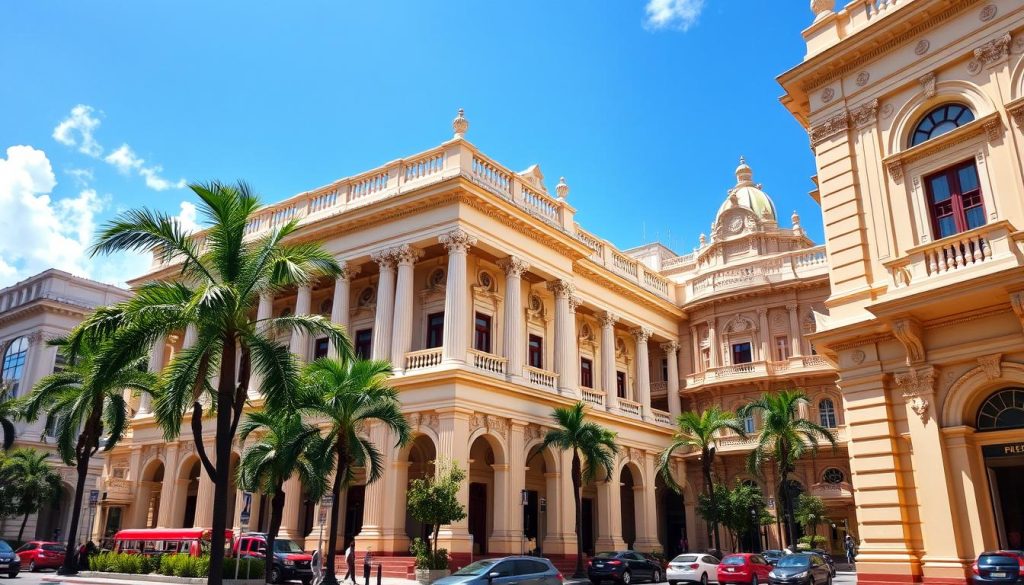
Exploring Ponce reveals many neoclassical architectural wonders. These buildings show the city’s deep history and cultural richness. The Ponce architecture style is known for its elegance and calm, seen in places like La Perla Theatre and Ponce City Hall. La Perla Theatre stands out with its six-column entrance and soft lemon walls, embodying neoclassical beauty.
The neoclassical buildings in Ponce are marked by grand entrances, detailed ornamentation, and symmetry. These features highlight the city’s history and its cultural ties with other nations. Key aspects of neoclassical architecture in Ponce include:
Notable Neoclassical Buildings
- La Perla Theatre
- Ponce City Hall
- Other historic buildings that showcase the city’s neoclassical style
These buildings are not just architectural gems but also vital in preserving Ponce’s history and culture. Efforts to preserve these structures aim to keep them inspiring and educational for future generations.
Architectural Characteristics
The neoclassical architecture in Ponce is marked by classical elements like columns, arches, and domes. These are blended with local materials and techniques, creating a unique style that honors the city’s heritage. The Ponce architecture influence is evident in the grandeur and elegance these elements bring, while also incorporating local traditions.
| Building | Architectural Characteristics |
|---|---|
| La Perla Theatre | Six-column entrance, soft lemon walls, neoclassical style |
| Ponce City Hall | Grand entrance, ornate details, symmetrical design |
Art Nouveau and Modernist Influences in Ponce
In Ponce, you’ll see a mix of architectural styles, like Art Nouveau and Modernist. These styles, from the early 20th century, have greatly influenced the city’s look. The Ponce architecture trends blend the city’s history and culture, creating a unique landscape.
The Museo de Arte de Ponce is a key example of Ponce architecture design. It was designed by Edward Durell Stone, an American Modernist architect. The museum houses over 4,500 artworks, including paintings from the Pre-Raphaelite and Spanish Golden Age. It shows how Ponce values its cultural heritage and modern architecture.
Some notable buildings in Ponce include:
- Casa Armstrong-Poventud, a historic house from 1899, listed on the U.S. National Register of Historic Places
- Francisco Roubert’s residence, now the Ponce Plaza Hotel & Casino, built in 1882 and turned into a boutique hotel
- Parque de Bombas, a firehouse turned museum, mixing British Victorian and Moorish styles
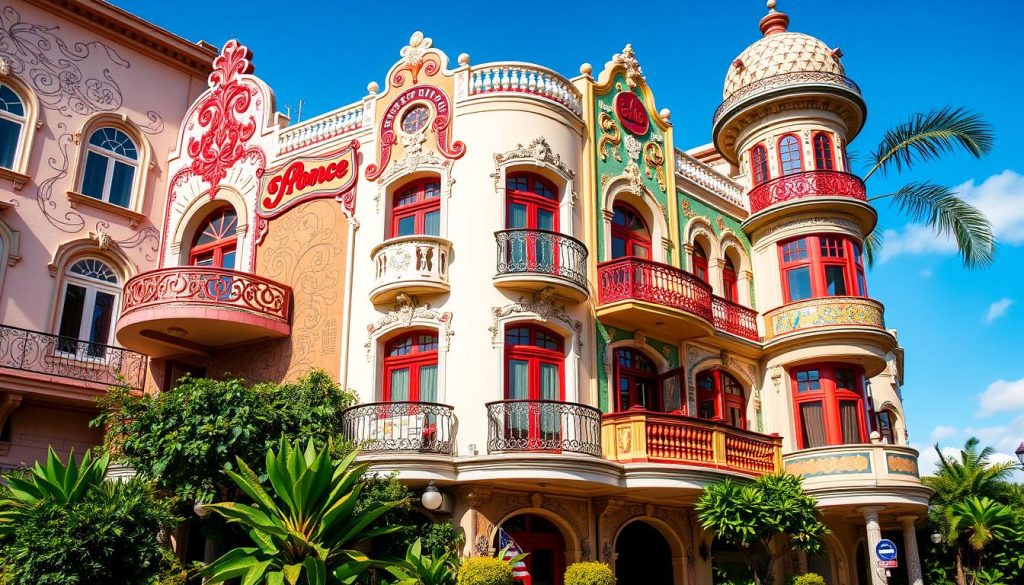
The Art Nouveau and Modernist styles in Ponce have shaped its unique architecture. As you wander the city, you’ll see both old and new elements. These reflect Ponce’s rich culture and its dedication to preserving its architectural history.
Religious Architecture: Churches and Cathedrals
Exploring Ponce reveals a rich history in Ponce architecture buildings. The city’s spiritual heritage shines through its stunning churches and cathedrals. These buildings have greatly influenced Ponce’s cultural identity.
The Cathedral of Our Lady of Guadalupe stands as a prime example of colonial architecture. It boasts a huge organ and a beautiful azure arched ceiling. Built in 1839, it covers 2,960 m2 and is 42.2m long by 19.4m wide. Despite being over 300 years old, it has been beautifully maintained through extensions and restorations.
Notable Religious Structures
Some notable religious structures in Ponce include:
- Catedral Nuestra Señora de Guadalupe
- Capilla del Santo Cristo de la Salud
- Iglesia de San José
These structures highlight the city’s Ponce architecture history. They show how Ponce architecture buildings have evolved over time. From colonial to modern styles, Ponce’s religious architecture reflects its rich cultural heritage.
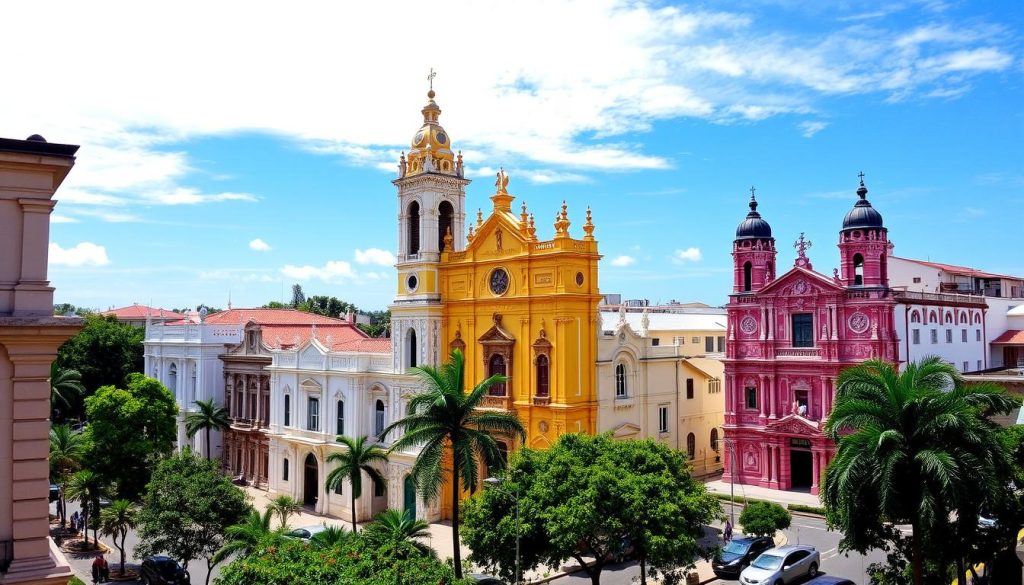
Visiting these structures offers a deeper look into Ponce’s spiritual landscape. You’ll understand the importance of Ponce architecture buildings in the community’s identity. Whether you’re into history, architecture, or culture, Ponce’s religious architecture has something for everyone.
| Structure | Year Built | Architectural Style |
|---|---|---|
| Catedral Nuestra Señora de Guadalupe | 1839 | Colonial |
| Capilla del Santo Cristo de la Salud | 1753 | Spanish Gothic |
| Iglesia de San José | 1530s | Spanish Gothic |
The Impact of Climate on Ponce Architecture
Exploring Ponce, you’ll see how its tropical climate shapes its buildings. High ceilings, large windows, and courtyards show the city’s adaptation to its environment.
The Ponce architecture design tackles heat, humidity, and hurricanes. Architects mixed beauty with practicality, creating a style that shows the city’s history and culture.
Some key features of Ponce’s architecture include:
- High ceilings for natural ventilation and cooling
- Large windows for natural light and airflow
- Interior courtyards for openness and connection to nature
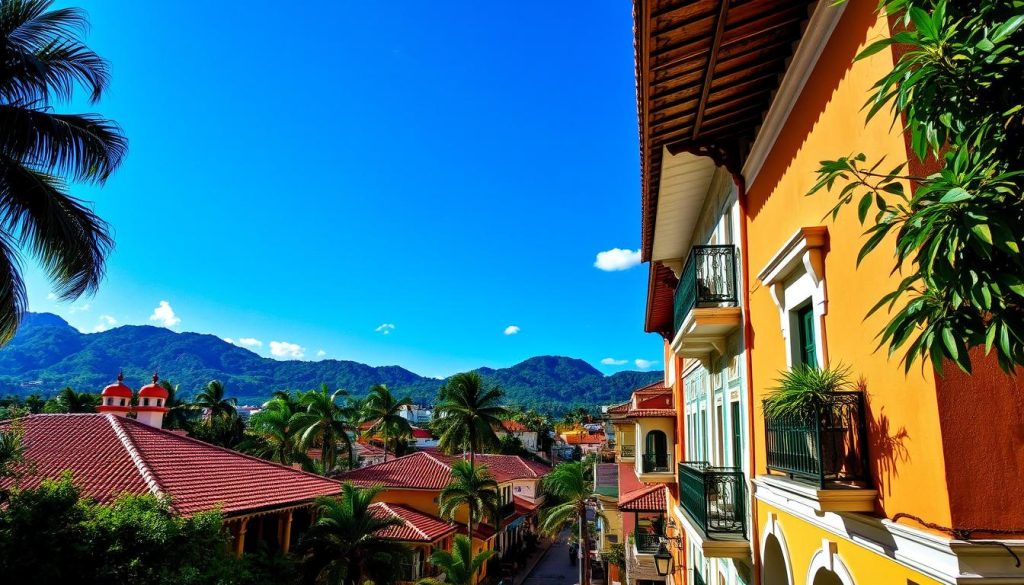
The city’s architecture mirrors its climate and showcases the people’s resourcefulness and creativity. Walking through Ponce, you’ll find a mix of style, function, and sustainability. This makes the city truly special.
Modern Architectural Developments and Future Preservation
In Ponce, you’ll see both old and new buildings. The city’s architecture is changing, keeping its history alive with new, green designs. The Ponce building’s recent update shows the city’s dedication to its architectural past.
The city’s buildings mix old and new in a special way. They use local materials like wood and stone. You’ll also see fancy details like balconies and arches. As Ponce grows, it’s key to keep its old charm while adding new touches.
Some modern projects in Ponce include:
- The East Wing of the Ponce building got a new look, with old tiles and trim restored.
- The 715 Ponce building is coming, with seven floors of office space and a walkway to the Eastside Trail.
- A big parking lot is being turned into something new, thanks to Cousins Properties, New City, and J.P. Morgan Asset Management.
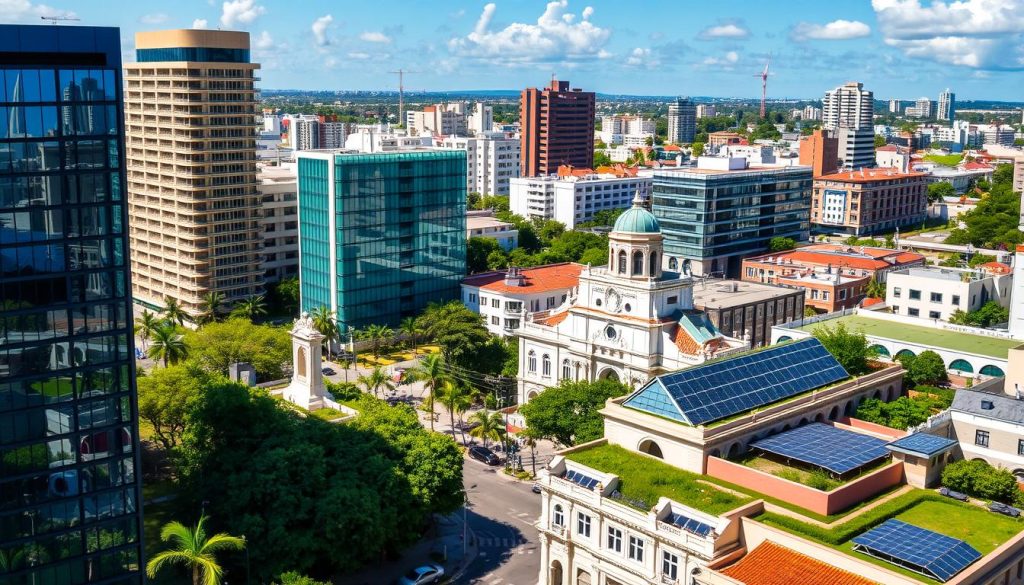
These projects show Ponce’s effort to keep its old charm while adding new, green features. As the city grows, it’s important to protect its unique style. This way, Ponce will stay a lively, culturally rich place for years to come.
| Project | Description | Completion Date |
|---|---|---|
| Rennovation of the East Wing | Restoration of original tiling and trim | 2022 |
| Proposed 715 Ponce building | Seven stories of office space and pedestrian connection to the Eastside Trail | 2025 |
| Redevelopment of the parking lot | Mixed-use development with office space, parking, and amenities | 2026 |
Conclusion: Preserving Ponce’s Architectural Legacy
Ponce is known for its rich architectural heritage. The city’s historic downtown has Spanish colonial charm. It also features stunning neoclassical and Art Nouveau styles. Ponce’s architecture significance goes beyond looks. It shows the city’s lively past and cultural identity.
Efforts to save Ponce’s architectural history are key. These efforts help keep the city’s treasures safe for the future. Restoration projects and sustainable development help keep Ponce’s unique character alive. This lets everyone enjoy and celebrate this amazing city.