Explore North Caicos Historical Sites Guide
Ever wondered what secrets the old ruins of North Caicos keep? This question leads to a fascinating journey into the island’s history. You’ll find historical landmarks that show the past, from big cotton farms to old colonial towns.
This guide will help you discover North Caicos’s historical sites. Here, green plants grow and history whispers to you. North Caicos gets a lot of rain, making its trees tall and its beaches calm. Get ready for a journey that connects you to the past!
Introduction to North Caicos Historical Sites
North Caicos is known for its green landscapes. It’s a perfect place to explore North Caicos historical sites. These sites share deep stories, connecting visitors to the island’s past. They help you understand the local culture better.
The calm of North Caicos is great for those who want to visit historical sites in North Caicos. The islands are not crowded, with less than 2000 people living there. But, tourism is growing, making the islands more popular.
Life on the islands has changed a lot. From big cotton and sisal farms in the 1800s to smaller farms now. You can still find old signs of these industries, inviting you to learn more about the area’s history.
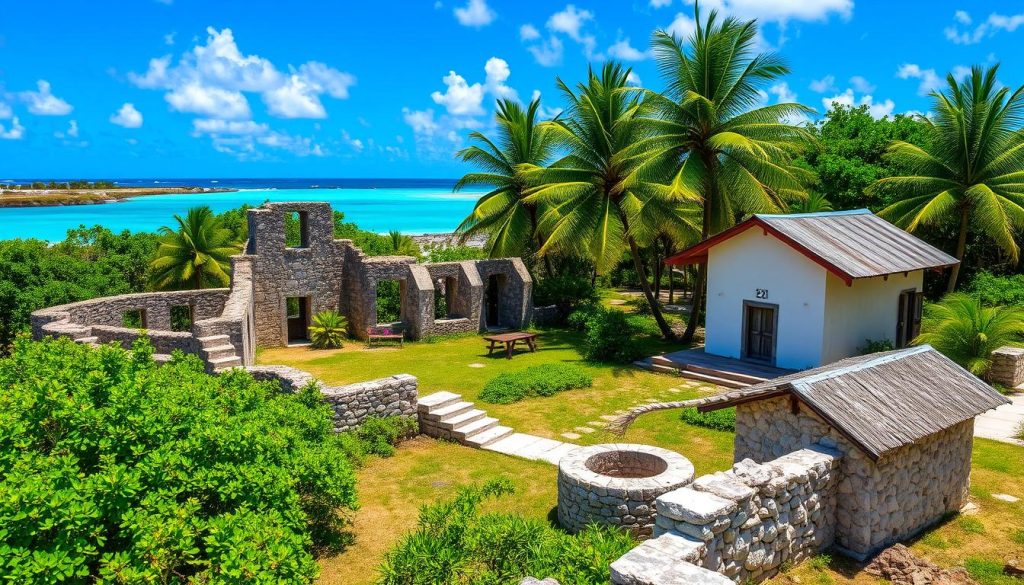
Exploring, you’ll find many historical points of interest untouched. This lets you really connect with the past. The archaeological finds, old homes, and landmarks from different times make the journey exciting. Visiting North Caicos is an adventure filled with stories to discover.
The Rich History of North Caicos
The history of North Caicos is filled with stories of the Loyalists and the growth of agriculture. These stories show how the island changed over time. They highlight the cultural and economic shifts that shaped North Caicos.
The Legacy of the Loyalists
The Loyalists arrived after the American Revolution, changing North Caicos forever. They brought cotton and sisal plantations that boosted the economy. These settlers also shaped the community with their social structures.
Many historical sites in North Caicos still show the impact of the Loyalists. Wade’s Green Plantation is a key example. It tells the stories of those who worked and lived there.
Impact of Agriculture on Development
Agriculture was key to North Caicos’ growth. The introduction of Sea Island Cotton changed the island’s social and economic landscape. Plantations grew, attracting more people and resources.
This boom led to the development of North Caicos’ historical attractions. Today, visitors can see the island’s rich history. It’s a place where past and present meet, offering a unique cultural experience.
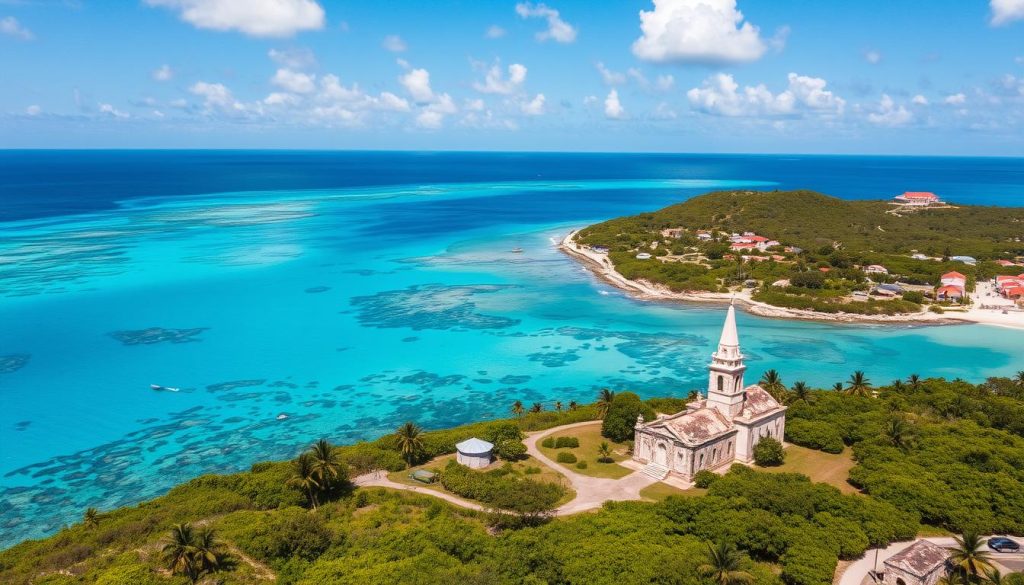
Wade’s Green Plantation – A Historical Landmark
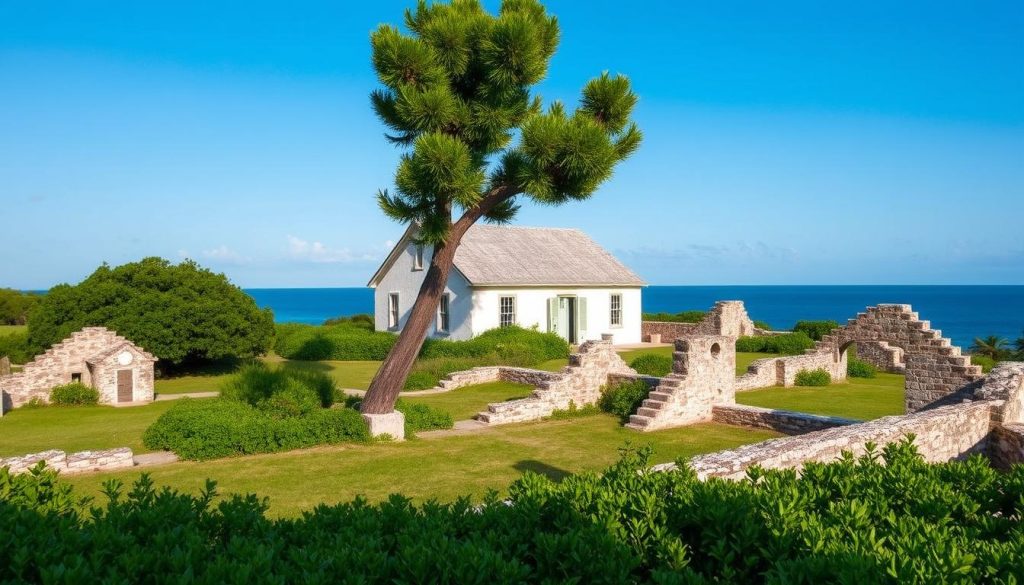
Wade’s Green Plantation gives us a peek into North Caicos’s farming past. It was started in 1789 and was once a top producer in the Caribbean. This place is a key part of North Caicos’s history, telling a story of the islands’ complex past.
Overview of the Plantation’s Significance
Wade’s Green Plantation is a big part of North Caicos’s history. It was the biggest cotton farm in the Turks and Caicos Islands. It shows how the area grew through farming, using enslaved labor.
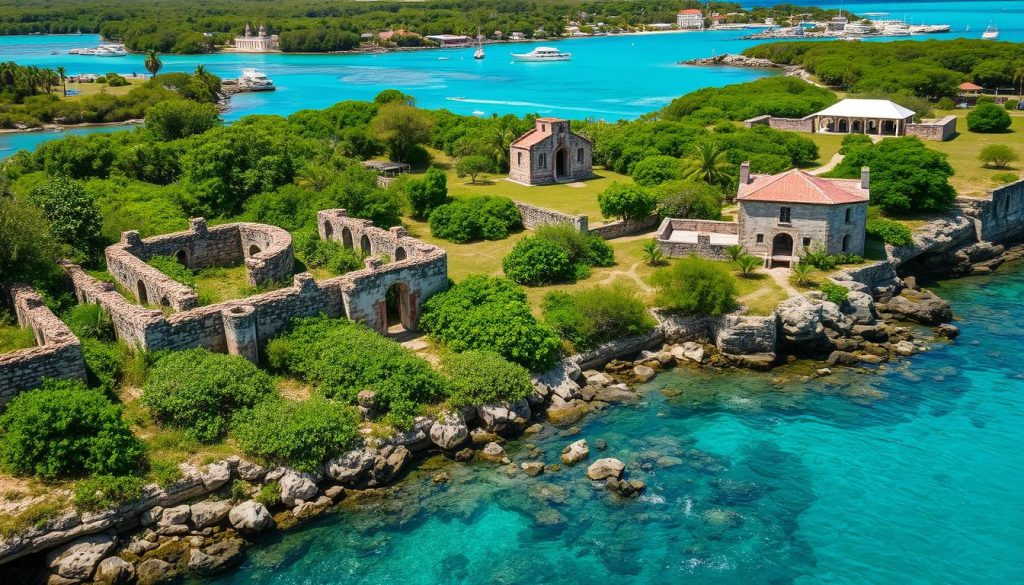
Today, you can see the old plantation. There are paths and ruins that tell its story. It’s a chance to see what life was like back then.
Exploring the Remnants of the Plantation
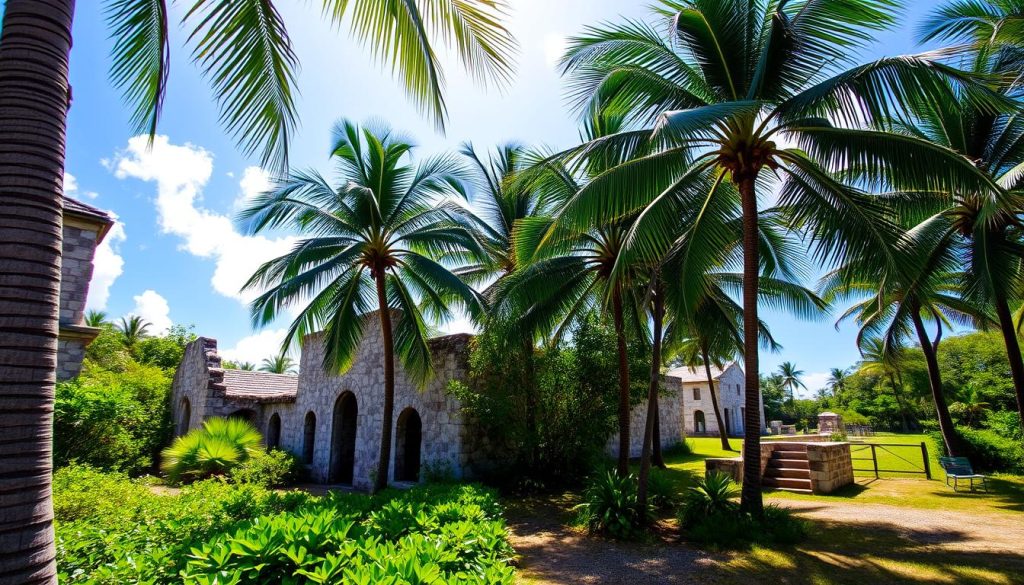
At Wade’s Green Plantation, you can see the old buildings and learn about its history. Tours last about 30 to 40 minutes. They give you a closer look at the plantation’s past.
Some important finds from here are at the National Museum on Grand Turk. For $10, or free for National Trust members, you can explore this piece of history. You’ll see plants like cotton and sisal that were key to the farm.
| Feature | Details |
|---|---|
| Location | Kew, North Caicos |
| Founded | 1789 |
| Original Owner | Wade Stubbs |
| Historical Use | Cotton, sisal, sugar cane, and Guinea grass production |
| Entry Fee | $10; free for National Trust members |
| Tour Duration | 30 to 40 minutes |
| Rating | 4 stars by Visit Turks and Caicos Islands |
Wade’s Green Plantation is a key historical site in North Caicos. It lets visitors see the area’s farming history. Walking through, you connect with North Caicos’s rich past.
Understanding the Historical Attractions of North Caicos
North Caicos boasts many historical attractions that show its rich past. Each site has unique features that highlight different parts of the island’s history. Exploring these places helps you appreciate North Caicos’s cultural legacy and connect with its past.
Unique Features of Historical Sites
The charm of North Caicos’s historical attractions comes from their distinct qualities. You’ll find remnants of old plantations and quaint settlements. These sites give you glimpses of life on the island over the centuries. Key features include:
- Wade’s Green Plantation: A former cotton plantation that shows the island’s agricultural roots.
- Enslavement History: Markers and remains that tell the story of enslaved labor in the 18th and 19th centuries.
- Tourism Evolution: Signs of the shift from agriculture to tourism in the mid-20th century.
Various Attractions Across the Island
Exploring North Caicos’s historical sites reveals a rich story of the island’s growth. Some top historical sites include:
- Wade’s Green Plantation: A look into the past’s agricultural practices.
- The Old Coastal Settlement: A peek into life in the early 20th century.
- Cultural Festivals: Held at various sites, these celebrate local heritage.
North Caicos Historical Sites to Explore
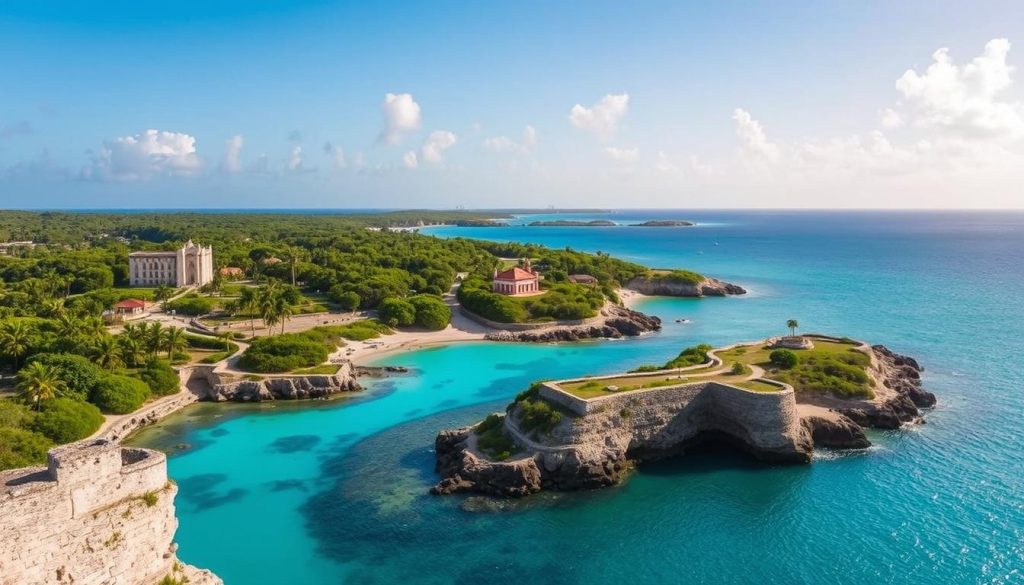
North Caicos is home to many historical sites that show its rich past. If you love history, you’ll find amazing places to visit. Each site gives a peek into the island’s history. Here are some top spots to see the area’s cultural side.
Key Historical Sites You Shouldn’t Miss
- Wade’s Green Plantation: This site tells the story of the Loyalist era and the old sugar industry.
- Cottage Pond: A deep blue hole, it’s a natural wonder to see.
- Flamingo Pond Overlook: Perfect for bird lovers, it’s where you can see many flamingos.
- Conch Bar Caves: The biggest dry cave system, it costs $20 USD to enter. It’s a stunning natural spot.
- Circle of Hope Monument: At Mudjin Harbour, it’s a statue of praying hands. It’s a reminder of the island’s spiritual side.
- Middle Caicos Causeway: It connects North and Middle Caicos. You’ll see beautiful mangrove forests and wetlands.
Insights into Each Location’s Heritage
Visiting these sites in North Caicos tells stories of strength and change. Wade’s Green shows how sugar used to shape the economy. Cottage Pond is a natural wonder that contrasts with the island’s history.
Flamingo Pond lets you connect with nature and learn about the island’s past. The Conch Bar Caves are a must-see for their geological beauty. The entrance fee helps keep this site preserved.
The Circle of Hope Monument shows the community’s values. It’s a key spot for those interested in the area’s modern history.
North Caicos has many historical sites to explore. Each one offers a unique view of its history. By visiting these places, you dive into a story that spans centuries.
Guided Tours of North Caicos Historical Sites
Exploring North Caicos through guided tours is a unique way to see the island’s rich heritage. Local guides share deep knowledge that makes your visit more meaningful. These tours save time and help you understand the importance of each site.
The Benefits of Taking a Guided Tour
Guided tours in North Caicos have many advantages for travelers. Here are some key benefits:
- Expert Insights: Local guides tell interesting stories and share historical facts you might miss on your own.
- Convenience: Tours handle all the details, making your experience smooth from start to finish.
- Tailored Experiences: Many tours are small or private, offering a personalized experience based on your interests.
- Access to Hidden Gems: Guided tours often visit unique sites that are hard to find on your own.
What to Expect on Guided Historical Tours
Guided historical tours offer a full-day adventure to North Caicos’ best sites. The tours start with a scenic boat ride from Providenciales, lasting about 25-35 minutes. You’ll see important sites like Wade’s Green and other ruins from the late 1700s.
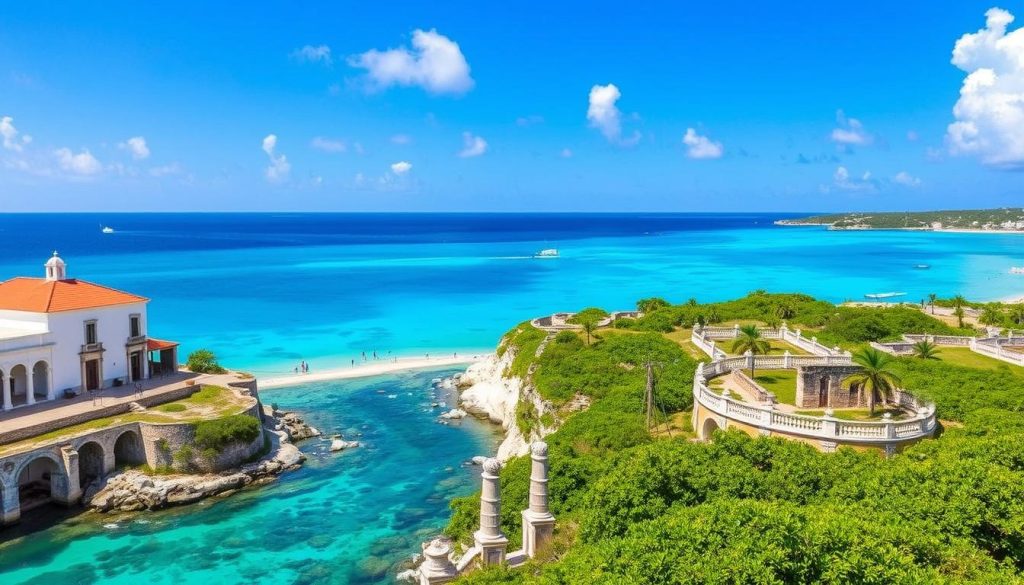
Expect to ride about 12-15 miles (19-24 km) on guided bicycle tours. You’ll make stops at remarkable places that show the island’s heritage. You might also see natural spots like the Conch Bar Caves and Cottage Pond. Lunches are often included, featuring local fish and vegetables, so you can enjoy the island’s food.
| Tour Type | Duration | Distance Covered | Includes Lunch |
|---|---|---|---|
| Guided Bicycle Tour | Full Day | 12-15 miles (19-24 km) | Yes |
| Historical Site Tour | Full Day | Varies | Yes |
| Boat Tour | 25-35 minutes | N/A | No |
Guided tours of North Caicos historical sites offer a memorable way to dive into the island’s history. They ensure a well-rounded experience of the area’s rich cultural landscape.
Best Ways to Experience North Caicos Historical Attractions
Exploring North Caicos’ history is an adventure you won’t forget. A self-guided tour offers a special view of the island’s past. You can visit famous sites at your own pace. Here are some tips to make your trip to North Caicos’ historical sites memorable.
Self-Guided Exploration Tips
For a rich experience, follow these self-guided tips:
- Start at Wade’s Green Plantation: Learn about this 18th-century cotton plantation before seeing other sites.
- Utilize maps and mobile apps: These tools help you plan your path and find all the key spots.
- Document your journey: Take photos and notes to remember your North Caicos history adventures.
Planning Your Route for the Best Experience
When planning your trip, keep these tips in mind:
| Location | Highlights | Recommended Time |
|---|---|---|
| Wade’s Green Plantation | Historical significance, scenic views | 1-2 hours |
| Conch Bar Caves (Middle Caicos) | Largest dry cave system in the archipelago | 1-2 hours |
| Mudjin Harbour (Middle Caicos) | Limestone cliffs, stunning beach views | 2-3 hours |
| Local Craft Markets | Authentic local crafts, straw-work | 1 hour |
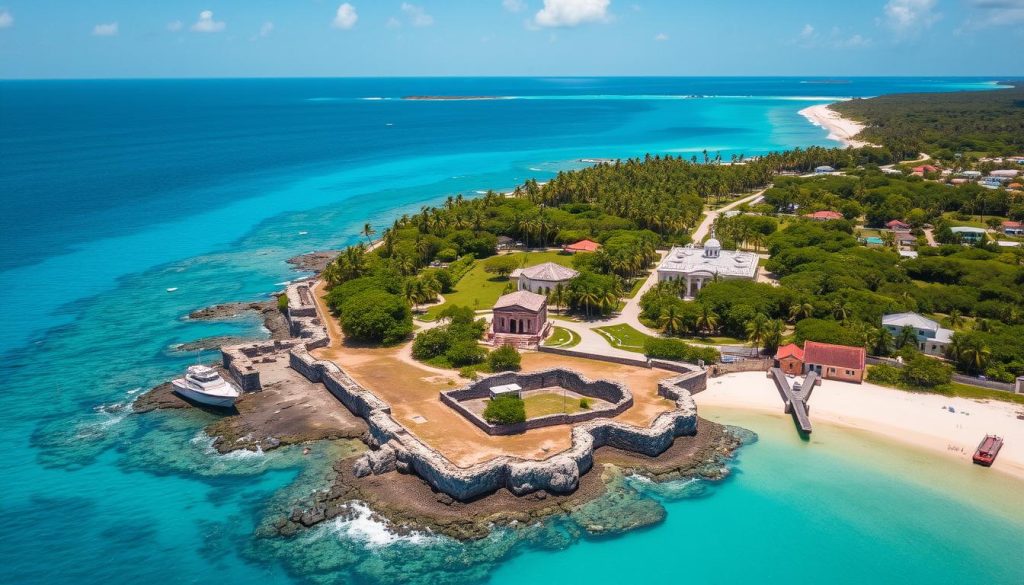
As you explore, you’ll see why North Caicos is special. The hidden gems near the top sites make your journey even better. Take your time and soak in every moment as you uncover the past.
Connection Between Nature and North Caicos Historical Places
North Caicos is a special place where history and nature come together. The beautiful landscapes around historical sites make exploring them even more special. Nature and history work together, making every visit a memorable one.
Historical Sites Surrounded by Natural Beauty
When you visit North Caicos historical spots, notice the stunning views around you. Places like Wade’s Green Plantation are not just important for their history. They are also surrounded by greenery and beautiful sights. The natural beauty of historical sights adds a calm feeling to your journey.
Wildlife and Ecosystem Contributions
The different ecosystems in North Caicos add to the charm of its historical sites. The area’s plants and animals attract many wildlife species. For example, the Conch Bar Caves on Middle Caicos are home to bats, showing the area’s rich wildlife.
The mix of nature and history makes your visit special. It lets you feel a deep connection to the area’s natural and cultural heritage.
Local Insights on North Caicos Historical Points of Interest
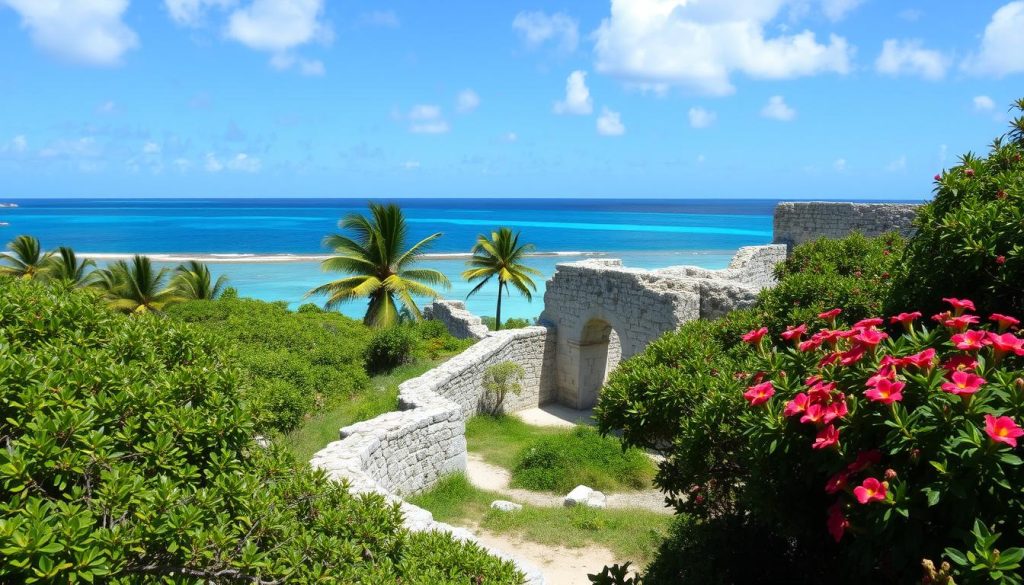
Exploring North Caicos lets you dive into its rich history. Talking to local guides makes your visit more meaningful. They share stories that highlight the island’s past and its people.
Engaging with Local Historians and Guides
Connecting with local historians and guides is key to understanding North Caicos’s history. They share stories and insights that written texts can’t match. Whether you’re looking at old plantations or rock carvings, they show you hidden spots.
Their stories give you a real view of the past. This makes your journey both enlightening and personal.
Cultural Significance of the Landmarks
The historical sites in North Caicos hold deep cultural value. Loyalist plantations mark a significant time in the islands’ history. Each site tells a story of resilience and change.
The rock inscriptions, linked to shipwrecks, are fascinating. They connect past events to today. Local guides help you understand why these sites are so important.
| Historical Attraction | Significance | Location |
|---|---|---|
| Cheshire Hall Plantation | Last operating plantation open to the public | Providenciales |
| Sapodilla Bay Rock Carvings | Historical engravings from the mid-1700s | North Caicos |
| National Museum | Limited collection of artifacts | Providenciales |
| Junkanoo Museum | Costumes and memorabilia | Providenciales |
Experiencing Authentic Cuisine Near Historical Sites
No trip to North Caicos is complete without trying the local food. The island’s cuisine is rich in tradition, with a focus on seafood and local ingredients. Restaurants near historical sites are the perfect place to enjoy these dishes and dive into the island’s culture.
Restaurants Offering Traditional Dishes
Several charming eateries serve authentic North Caicos cuisine. Here’s a selection of notable restaurants you should consider:
- Wild Callaloo: Known for its conch salad and grilled lobster, this restaurant offers a delightful seafood experience with a view of the historical sites nearby.
- The Horse Stable: A cozy spot that features jerk chicken, reflecting influences from Caribbean cooking styles. Perfect for a hearty meal after exploring.
- Malcolm’s Restaurant: Offers a range of traditional dishes made with ingredients sourced from local farms and fishermen, emphasizing the flavors of North Caicos.
Pairing Dining with Your Historical Adventure
Planning your meals around your historical excursions can enhance your exploration. After visiting key sites, relax at one of the local restaurants. Pairing visits to historical landmarks with delightful meals could include:
- Starting your day with a traditional breakfast at a local café before heading to Wade’s Green Plantation.
- Enjoying fresh seafood for lunch post-exploration of historical attractions like the ruins of past plantations.
- Indulging in a sunset dinner featuring grilled snapper after a day of discovering North Caicos’ rich history.
Trying the traditional dishes of North Caicos is more than just eating. It’s an experience that adds to your historical adventure on this beautiful island. The flavors found at restaurants near historical sites celebrate the island’s culture and community.
Planning Your Visit to North Caicos
Planning a trip to North Caicos needs careful thought, focusing on transport and timing. This island is a mix of beautiful landscapes and rich history. With the right preparation, your visit will be memorable.
Transportation Options for Getting Around
Knowing how to get around North Caicos is key for a great trip. You’ll start with the ferry from Providenciales, a 30–35 minute ride. Caribbean Cruisin’ and MV My Girl Ferry Service run this route, with adult tickets at $65 and kids under nine at $40.
After arriving, renting a car or jeep is best for exploring. Daily rates are $75 to $90 for a car or small SUV. With little public transport, having your vehicle is crucial. It lets you easily visit places like Mudjin Harbour and Conch Bar Caves.
Best Times to Visit Historical Sites
Knowing the best times to visit North Caicos is important. Weekdays are better for trips since the islands are less busy. The ferry runs daily, except Sundays, so plan your trip well. The peak season, from December to April, offers events and activities that enhance your visit.
To beat the summer heat, visit sites early in the morning. The shoulder season has a nice climate, perfect for seeing North Caicos’ attractions. For example, the Conch Bar Caves entrance fee is just $20 per person.
| Cost & Time Estimates | Details |
|---|---|
| Return Ferry Ticket | $65 per adult, $40 for children under nine |
| Car Rental Daily Rate | $75-$90 |
| Gas Cost | Approximately $30 for the trip |
| Entry Fee to Conch Bar Caves | $20 per person |
| Estimated Total Cost for Two | $330 (includes meals, ferry, car rental, and entry fees) |
Events and Activities Celebrating North Caicos History
Exploring North Caicos’ rich history is a rewarding experience. Throughout the year, various events and activities await. They connect you with the island’s past and introduce you to local customs and traditions.
You can dive into the vibrant mix of heritage and culture. Events North Caicos celebrates are a must-see.
Local Festivals and Historical Celebrations
Local history celebrations in North Caicos are key to preserving heritage. The Maritime Festival is a highlight, held in late October. It marks the end of National Heritage Month and celebrates the island’s maritime history.
- Activities include sloop and dinghy racing, maypole dancing, and beach parties with local bands.
- Vendors sell local dishes like fish, crab, lobster, and conch.
Cultural festivals in North Caicos are crucial for keeping traditions alive. They showcase community spirit. Local musicians and communal dances create a lively atmosphere, attracting both visitors and locals.
This cultural unity helps us understand the islands’ history and importance in protecting the environment.
Day trips from Providenciales to South and Middle Caicos are also available. They allow you to join in on heritage festivals. This way, you can connect even more deeply with the islands’ rich legacy.
Conclusion
North Caicos is a mix of history and nature. When you explore its historical sites, you learn about its past. You see how cotton and fishing shaped the island.
The Loyalists left a mark, shown at places like Wade’s Green Plantation. These sites show how farming helped the island grow.
Exploring North Caicos history is important. It helps us keep its stories alive. Places like the Turks & Caicos Islands National Museum are key in this effort.
They teach us about the island’s past through events and exhibits. Visiting these sites and events is a great way to understand North Caicos.
Going to North Caicos is more than history. It’s a chance to see the Caribbean’s beauty and culture. It’s a way to connect with the island’s past and present.