Explore Cebu City’s Historical Churches & Sites
Ever wondered about the historical churches and sites in Cebu City? These places show a mix of culture, faith, and heritage. Cebu City, with a history of over 500 years, is a living memory of the Philippines’ rich past. Its historical sites give a peek into the era of European explorers and the start of cultural change.
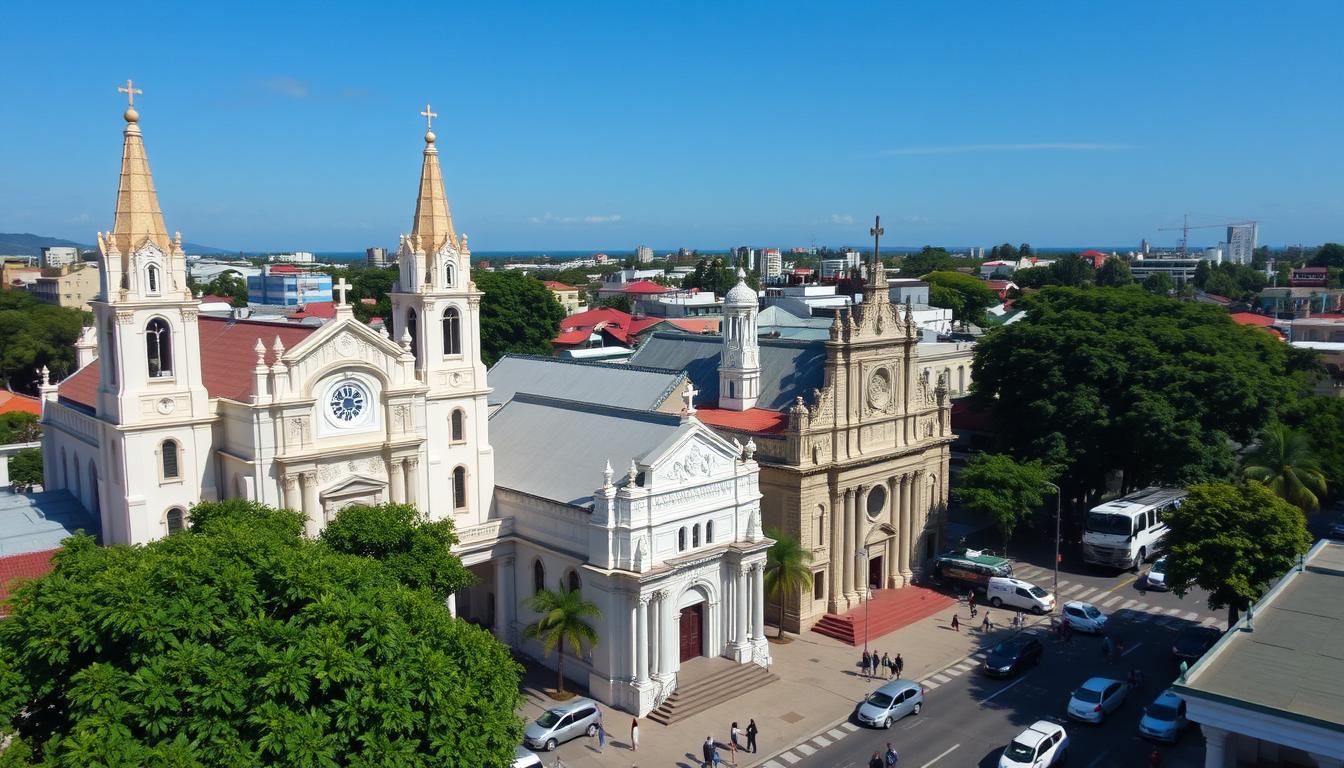
The Basilica Minore del Santo Niño is the oldest church in the country. Next, we have the Cebu Metropolitan Cathedral, which showcases baroque styles. These churches illustrate the city’s spiritual history and stunning architecture. Each part of the city tells tales of strength, faith, and beauty. They invite you to see their sacred landmarks.
Let’s uncover the remarkable historical churches and sites in Cebu City together. Every visit offers a chance to connect with history and understand the culture that unites this area.
Cebu City’s Rich Historical Heritage
Cebu City’s heritage is like a colorful story told for generations. It shows the Cebu City culture, influenced by many over the years. It all began with native groups and changed dramatically when Ferdinand Magellan arrived in 1521. His arrival brought Catholicism to the city, shaping many historical sites we see today. These historical landmarks in Cebu City tell the city’s evolving story.
Magellan’s Cross is a key landmark. It symbolizes Christianity’s start in the area. Casa Gorordo, from the 1850s, shows the life of a rich Filipino family back during Spanish rule.
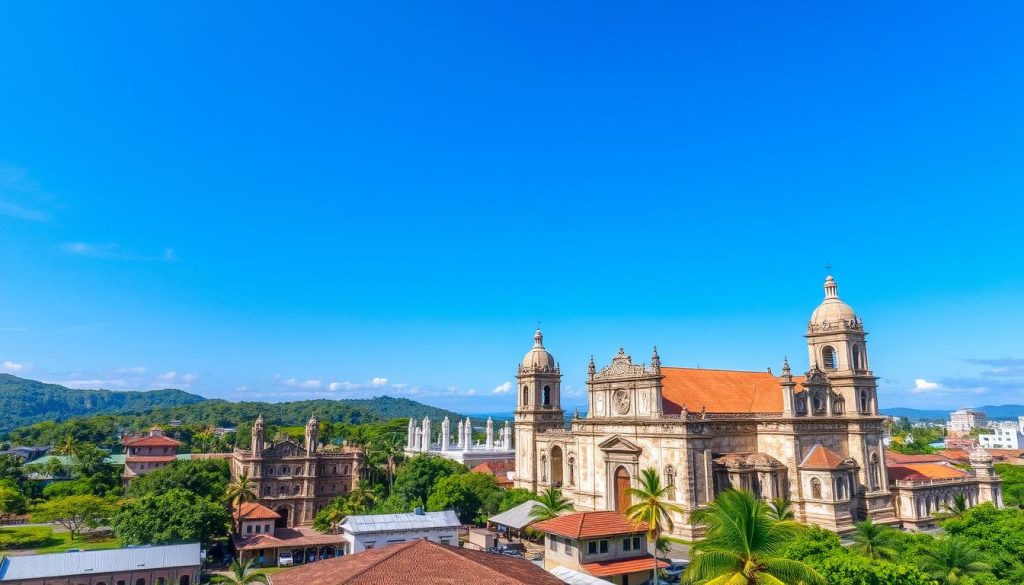
The Jesuit House of 1730 is also special. It’s among the Philippines‘ oldest homes. Its design shows how cultures changed over the years. The National Museum in Cebu is great for exploring this history. It has a broad range of artifacts that show Filipino life from ancient times to today.
Don’t miss the Heritage of Cebu Monument. It honors critical moments and people in the city’s history. Visiting these Cebu City heritage sites lets you connect with the city’s past. You see how Cebu has grown but kept its cultural roots strong.
Must-Visit Historical Churches and Religious Sites in Cebu City
Cebu City is a historical center in the Philippines, bursting with religious attractions. This city is rich in history and faith, hosting a variety of beautiful churches and spiritual sites. These places are key stops for tourists and those on a spiritual journey alike. Let’s explore some historical churches in Cebu City that show its colorful religious background.
Cebu Metropolitan Cathedral
The Cebu Metropolitan Cathedral is the heart of the archdiocese of Cebu. It was built in 1565 and has seen many updates, but its Baroque-Rococo style stays the same. The unique front shape and Spanish influences are stunning. They give visitors a peek into the historic architectural splendor.
Basilica Minore del Santo Nino de Cebu
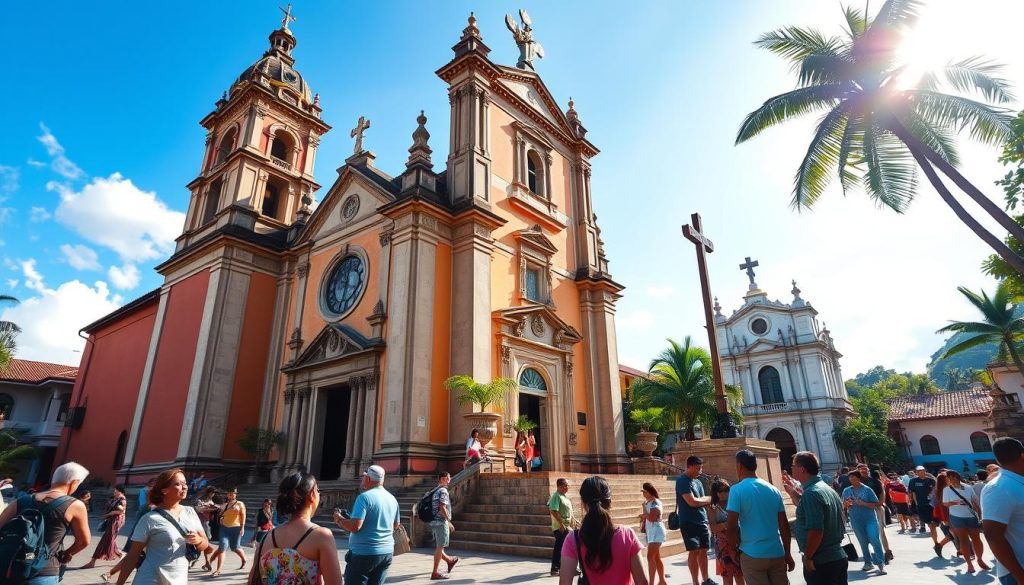
The Basilica Minore del Santo Nino de Cebu is the oldest Catholic church in the country. Constructed from 1739 to 1740, it houses the famous Santo Nino statue. This place draws millions each year. It’s a focal point for several religious events, like the Sinulog Festival.
Simala Lindogon Church
The Simala Lindogon Church looks like a castle and was built in 1998 to honor the Virgin Mary. Set in beautiful scenery, it encourages peaceful thought. Every year, thousands visit, drawn by its beauty and the many miracles people claim to have experienced here.
Chapel of San Pedro Calungsod
The Chapel of San Pedro Calungsod is inside the SM Seaside complex. It’s dedicated to the second Filipino saint. This place has a distinct modern architectural design. Built with solid materials, the chapel is a fresh take on religious buildings. It’s a fascinating site on your tour of Cebu City’s historical churches.
Exploring Cebu City Landmarks
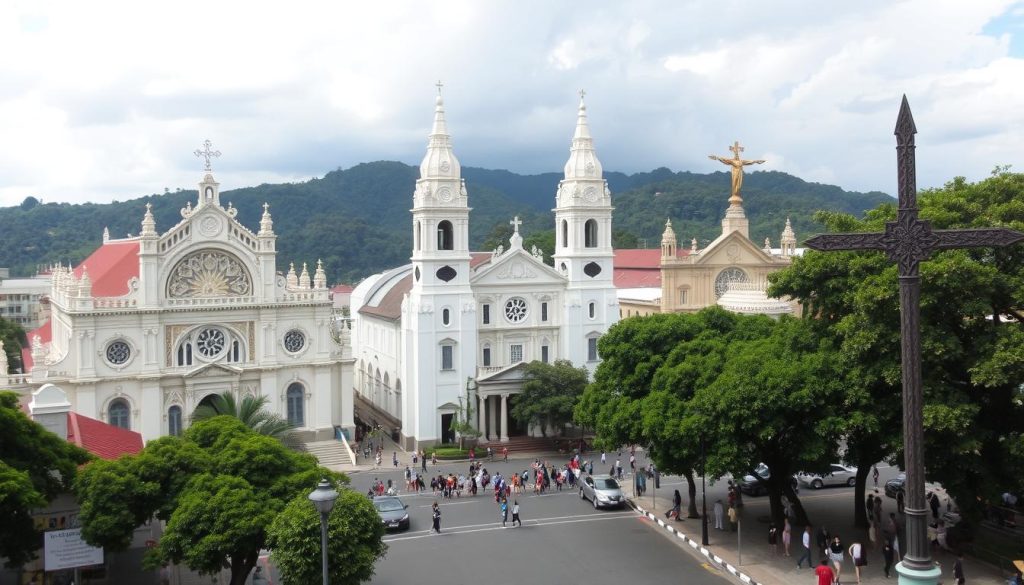
Cebu City is filled with historical and cultural landmarks that tell its story. Among these is Magellan’s Cross, put up in 1521 by Ferdinand Magellan. It marks the start of Christianity in the area. This symbol is a key part of the city’s Christian heritage and attracts many visitors.
Another key spot is the Basilica Minore del Santo Niño. It has the Philippines’ oldest religious relic, the Santo Niño statue. Many visit this place for its history and spiritual feel. Near the basilica, the Fort San Pedro shows off Cebu’s colonial history as the oldest and smallest fort in the country.
The Cebu Taoist Temple, made in 1972, honors Kung Fu Tei. It reflects the Chinese influence on Cebu’s culture. Also, the Yap-Sandiego Ancestral House mixes Filipino and Chinese design. This highlights the city’s cultural mix.
Wandering Colon Street, the oldest street, lets you dive into Cebu’s history. Near it, the Casa Gorordo Museum shows how the first Filipino bishop of Cebu lived. It gives visitors a deeper look into local heritage.
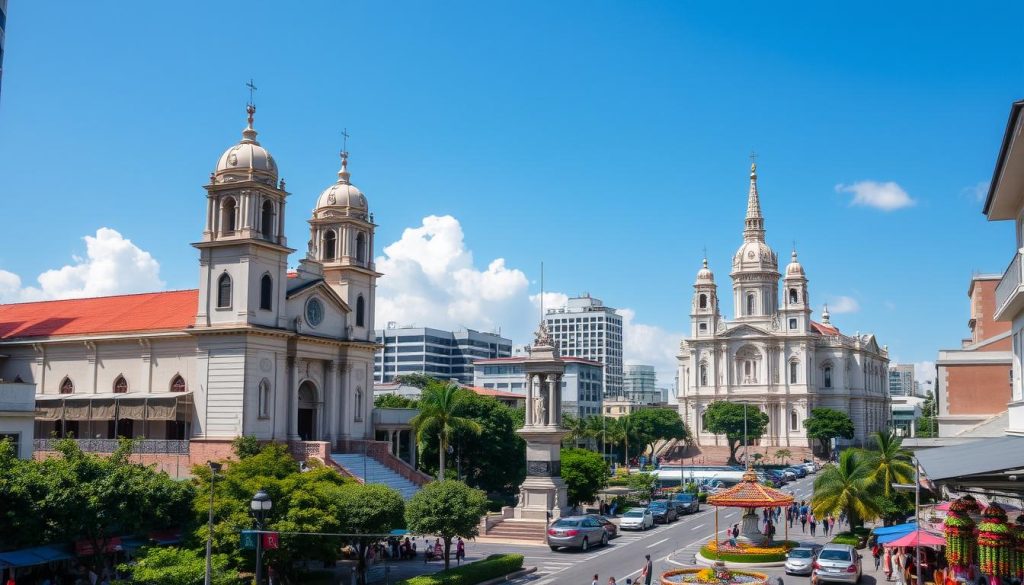
The Lapu-Lapu Monument honors the chieftain who fought Spanish colonizers. The Heritage of Cebu Monument shows important events in Cebu’s past. The Cebu Metropolitan Cathedral, from 1605, mixes Baroque and Neoclassical styles. It is a major attraction.
Every landmark in Cebu City tells a part of its diverse story. They invite you to explore Cebu’s rich history and culture.
Significance of Religious Attractions in Cebu City’s Culture
The religious attractions in Cebu City play a big role in the local culture. They are deeply connected to the lives of the people living there. These places are not just for worship. They also bring people together to celebrate and share traditions.
Participating in events like Visita Iglesia during Lent is special in Cebu. It lets both locals and visitors feel the city’s spiritual heart. This activity, where people visit different churches, connects everyone involved. It shows the importance of these historical places for reflection and strong Catholic faith in daily life.
Festivals at these religious sites show their significance too. They shine a light on Cebu’s rich heritage and help bring tourists to the city. Celebrations at these venues let people honor their history. They also give visitors a chance to dive into real Cebuano culture.
The role of religious attractions in Cebu City is very important. They show the spirit and identity of a community that values its beliefs deeply.
Unique Architecture of Cebu City Churches
Cebu City’s architecture shows a deep history. Here, Gothic and Baroque styles come together in the churches, creating a stunning view. These buildings give us a peek into past craftsmanship, making them key attractions.
Gothic and Baroque Influences
Gothic designs stand out in some churches with their high arches and detailed fronts. Baroque style adds drama and beauty to places like the Redemptorist Church. Together, these styles show Cebu City’s rich artistic past.
Spanish Colonial Styles in Cebu
The Spanish colonial look is central to Cebu City’s church designs. For example, the Cebu Metropolitan Cathedral, built in 1598, shows off this style’s simple and useful features. It has been named an Important Cultural Property. These churches have evolved, showing strength through history, including rebuilds after World War II.
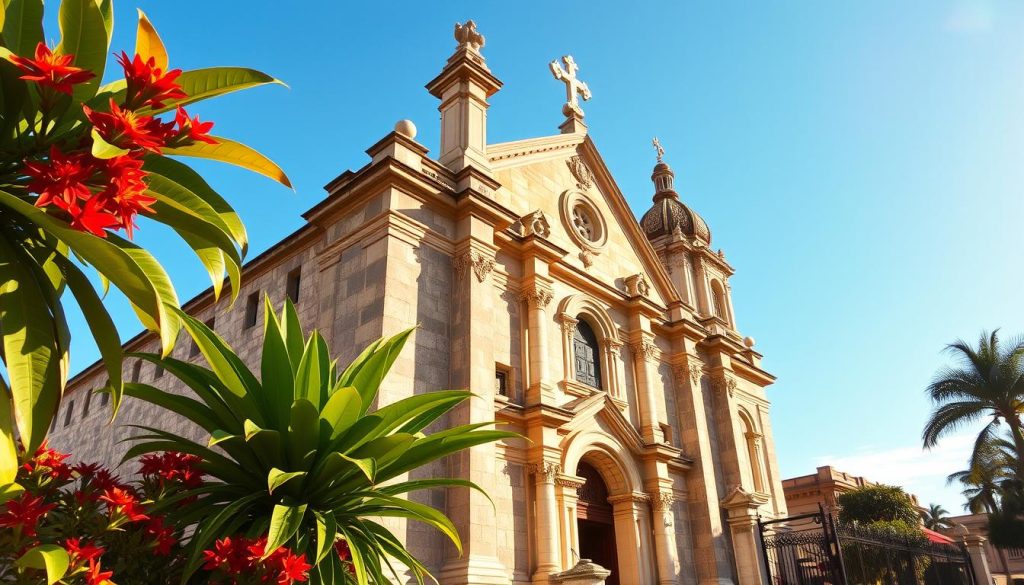
Cebu City’s churches are more than worship places; they’re architectural gems. They draw people who want to see historical beauty. Inside, they offer peace, while outside, they wow with their design, meaning a lot to Cebu’s culture.
Guided Tours of Cebu City Historical Sites
Exploring Cebu City’s historical sites enriches your understanding of its culture. On guided tours, you can discover the stories behind places like Magellan’s Cross and Fort San Pedro. The guides share tales that bring out Cebu’s history and its Spanish roots.
These tours let you see important spots, including the Basilica Minore del Santo Niño. You’ll love the beauty and spiritual stories of these places. The journey is about more than history; it’s a dive into culture and food too.
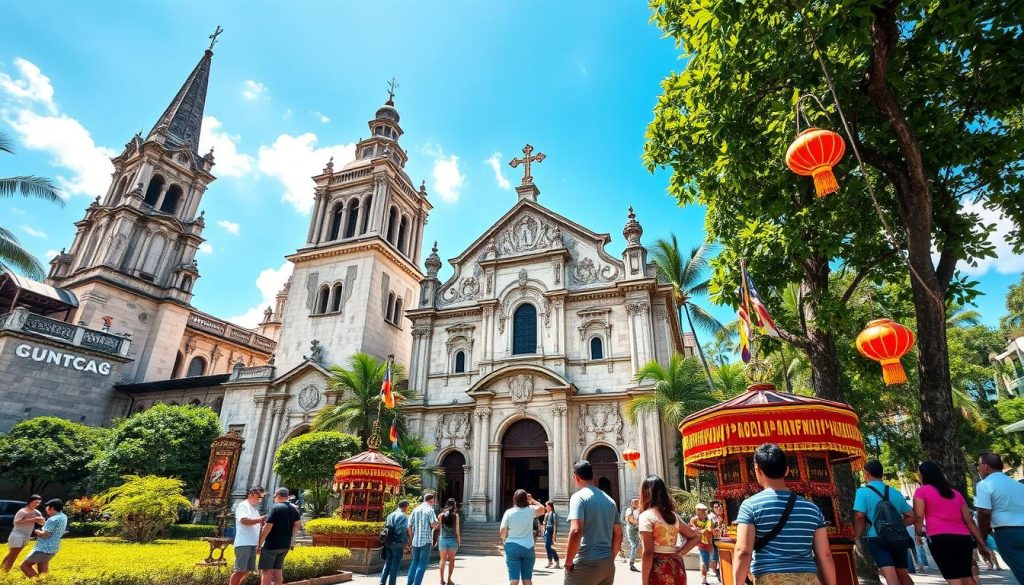
The tour plans can be tailored to what interests you. You can try local foods like lechon during the tour. With easy transportation options, getting around the city is simple.
| Tour Highlights | Description |
|---|---|
| Magellan’s Cross | Signifies the introduction of Christianity to the Philippines in 1521. |
| Basilica Minore del Santo Niño | Houses the oldest religious relic in the Philippines, the Santo Niño statue. |
| Fort San Pedro | Historical military defense structure showcasing Spanish colonial architecture. |
| Casa Gorordo | A well-preserved ancestral home providing insights into the colonial lifestyle. |
If you love history or culture, guided tours in Cebu City are perfect. They make your visit not just a trip, but a deep learning experience. You’ll leave with great memories and a strong connection to Cebu’s past.
Historical Churches and Religious Sites in Cebu City
Cebu City is a place full of rich culture and religious roots. There, religious sites are not just for praying. They also share the history of the region. Each church has stories of faith, resilience, and the local spiritual traditions.
The Cebu Metropolitan Cathedral, started in 1565, is a major symbol of the city’s history. It has been renovated many times, showing its strong past. The Basilica Minore del Santo Niño de Cebu is the oldest Catholic church in the Philippines, built between 1739 and 1740. Many visitors come to see its historic value.
Then there’s the Simala Lindogon Church, also known as Simala Shrine, founded in 1998. This place is special because it honors the Virgin Mary. It has a miraculous image called Our Lady of Lindogon. For something more modern, the Chapel of San Pedro Calungsod at the SM Seaside complex is interesting. It has a unique architectural style and celebrates St. Pedro Calungsod’s life.
The Sacred Heart Parish Church and the Redemptorist Church are also worth mentioning. Founded in 1952 by Jesuits, the Sacred Heart Parish has beautiful stained glass windows and an oval design. The Redemptorist Church, from the 1900s, features Gothic Revival architecture.
Here’s a table to summarize the information on these amazing religious sites:
| Church Name | Year Established | Notable Features |
|---|---|---|
| Cebu Metropolitan Cathedral | 1565 | Renovated multiple times, historic significance |
| Basilica Minore del Santo Niño de Cebu | 1739-1740 | Oldest Catholic church in the Philippines |
| Simala Lindogon Church | 1998 | Miraculous image of Our Lady of Lindogon |
| Chapel of San Pedro Calungsod | 2015 | Modern architectural design |
| Sacred Heart Parish Church | 1952 | Stunning stained glass windows |
| Redemptorist Church | 1900s | Gothic Revival architecture |
When you visit these historical places in Cebu City, you learn more about the area’s story. Their culture and devotion show through every site. It’s a deep dive into the people’s heritage.
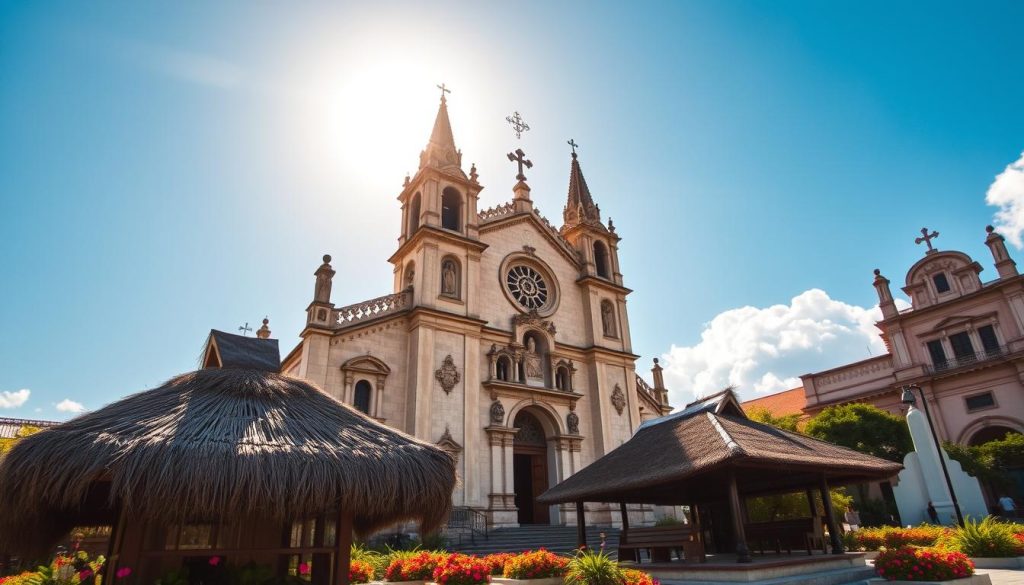
Cebu City’s Festivals and Their Connection to Historical Churches
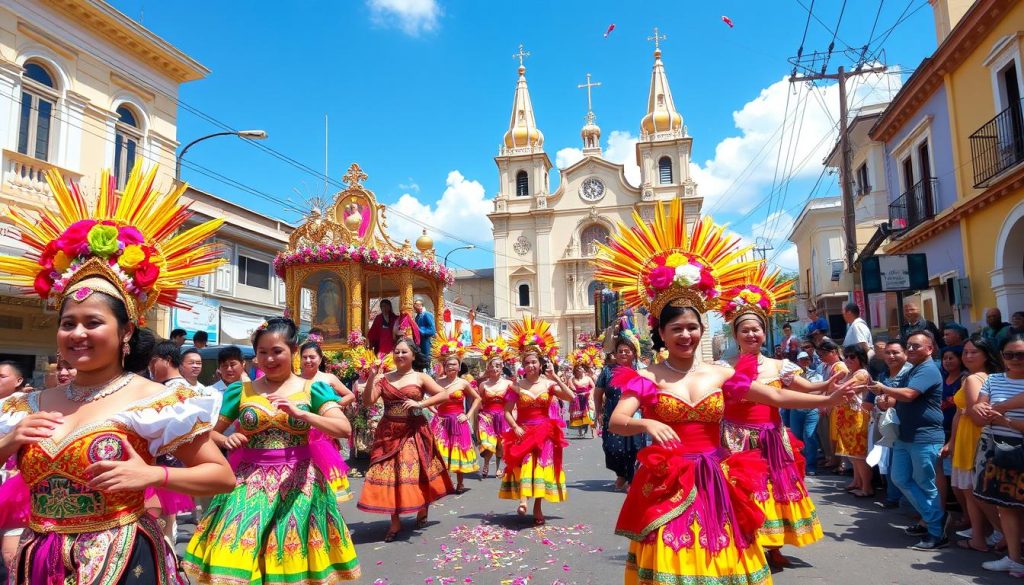
Cebu City is known for its rich history and vibrant festivals. These celebrations focus on cultural and religious traditions. They are often held near historical churches, which shows the link between the events and the city’s cultural heritage. The Sinulog Festival, for example, displays the beauty of Cebu City’s traditions and its religious importance.
Sinulog Festival and Its Cultural Importance
The Sinulog Festival brings over a million visitors from all over. It happens every third Sunday of January. This event honors the Santo Niño, an image of the Child Jesus. It’s one of the most colorful festivals in Asia. There’s a grand parade with bright costumes, detailed floats, and amazing dance performances.
- Activities include street parties, fireworks displays, and cultural performances.
- Thousands of devotees join solemn processions and fluvial parades.
- Enjoy music from local bands and artists at free concerts.
The festival shows the Cebuano people’s lasting devotion to the Santo Niño and boasts Cebu’s famous Lechon. Key events happen near important sites, especially the Basilica Minore del Santo Niño. This church dates back to 1565.
Visita Iglesia Tradition
The Visita Iglesia is another treasured tradition in Cebu. It involves visiting seven churches during Lent. This practice shows the community’s strong faith. Families come together to think about their beliefs while visiting historical religious sites. Each visit is meaningful, linking the community and its historical churches.
The cultural festivals in Cebu City, like the Sinulog and Visita Iglesia, closely connect to Cebu’s rich traditions and historical churches. Taking part in these lively celebrations helps you appreciate the city’s unique heritage and the value of its historical sites.
Other Notable Heritage Sites in Cebu City
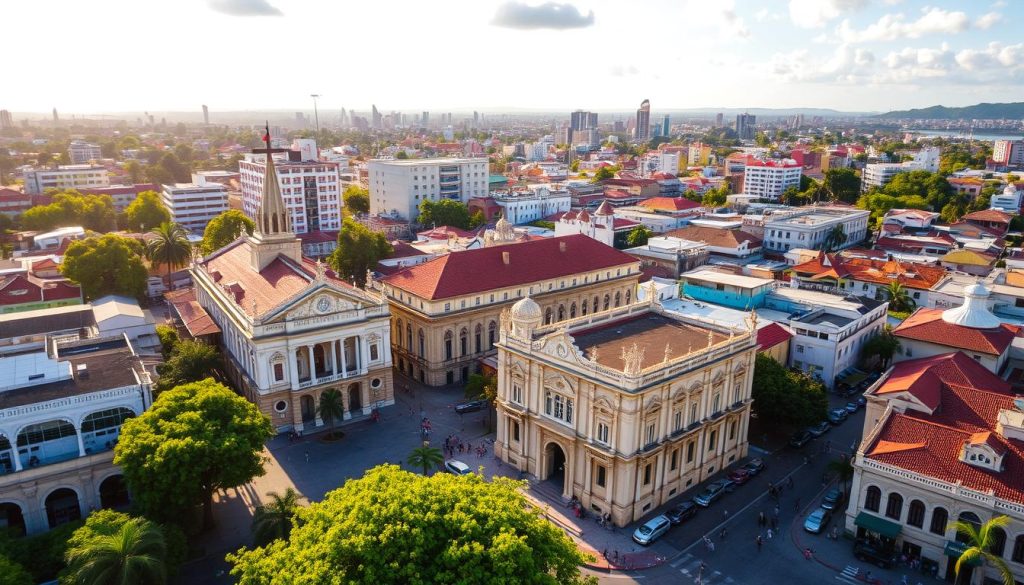
Cebu City is alive with history seen in its heritage sites. These places tell tales from the Spanish era and more. You can visit landmarks, from old churches to museums.
Important sites include the Cebu Metropolitan Cathedral. It’s one of the oldest churches in the Philippines. Nearby is the Basilica Minore del Santo Niño de Cebu. It’s the only minor basilica in the Philippines and Southeast Asia.
Don’t miss the Yap-Sandiego Ancestral House. It’s one of the oldest homes in the country. Here, you get a peek into early Cebuano high society living. The Museo Sugbo is the city’s biggest museum. It shows Cebu’s development over time.
The Cebu Heritage Monument showcases key events in Cebu’s history. It was made by Eduardo Castrillo. The Cebu Provincial Capitol shows neoclassical design. It reflects Cebu’s pride and was designed by Juan Arellano.
Fort San Pedro is the oldest, smallest fort in the country. It was built by Miguel Lopez de Legazpi. Also, exploring the Mactan Shrine adds to your trip. This place honors Datu Lapu-Lapu’s fight against the Spanish in 1521. A notable 20-meter statue marks this event.
Getting to these historic sites in Cebu is easy. The entry fees are low, so everyone can enjoy Cebu’s past:
| Site | Entrance Fee (PHP) | Fee (USD) |
|---|---|---|
| Fort San Pedro | 30 | 0.60 |
| Yap-Sandiego Ancestral House | 50 | 1.00 |
| Museo de Sugbo | 75 (Foreigners) 30 (Filipino) |
1.50 (Foreigners) 0.60 (Filipino) |
Walking through these sites, you feel Cebu’s rich history. It deepens your love for this incredible island.
Visitor Information for Cebu City Historical Attractions
When you plan to explore Cebu City’s historical side, it’s good to know some tips. It helps to know the operating hours and how to get to different places. This makes your trip to Cebu City’s historical spots better.
Operating Hours and Accessibility
Historical sites in Cebu City have specific opening times. They welcome both locals and visitors. Below are the details:
| Attraction | Operating Hours | Entrance Fee |
|---|---|---|
| Basilica Minore del Santo Nino de Cebu | 8 AM – 5 PM | Free |
| Fort San Pedro | 7 AM – 7 PM | PHP 30 (Adults), PHP 20 (Students/Children), PHP 24 (Senior Citizens) |
| Casa Gorordo Museum | 9 AM – 5 PM | PHP 120 – PHP 150 |
| Yap-Sandiego Ancestral House | 9 AM – 6 PM | PHP 50 |
| JRG Halad Museum | 10 AM – 6 PM | PHP 10 |
| Cathedral Museum of Cebu | 9 AM – 5 PM | PHP 55 (Adults), PHP 25 (Children), PHP 100 (Foreigners) |
Reaching these accessible tourist attractions in Cebu is quite easy. This is because many are located where you can walk. There are different ways to travel around, like jeepneys, taxis, and motorbikes.
Tips for a Memorable Visit
To enjoy your visit to Cebu City’s historical spots, keep these tips in mind:
- Dress properly for visiting sacred places.
- Learn about local ways and traditions.
- Take time to think and value the history of each place.
- Try to go when there are special events for great cultural shows.
Conclusion
Cebu City shines as a key spot full of history and culture. It’s a rich place for those who want to dive into Cebu City. The mix of building styles and deep history of places like the Basilica Minore del Santo Niño stands out. This church is among the oldest Roman Catholic churches in the Philippines. It became a National Historical Landmark in 1941 and a National Cultural Treasure in 2021.
Walking through these holy places deepens your grasp of Cebu’s lively past. The peaceful feel of Simala Church, alongside the splendor of Basilica del Santo Niño, tells the city’s long tale. The Sinulog Festival brings people from everywhere. It honors the sacred Santo Niño de Cebu and the shared history and culture of the Filipinos.
Looking deeper into the historical churches and landmarks in Cebu shows the traditions, strength, and spirit of its citizens. By exploring these spots in Cebu City, you’ll gain a deep respect for its cultural value. This makes your visit unforgettable.