
Dhaka Historical Sites Guide: Explore Rich Heritage
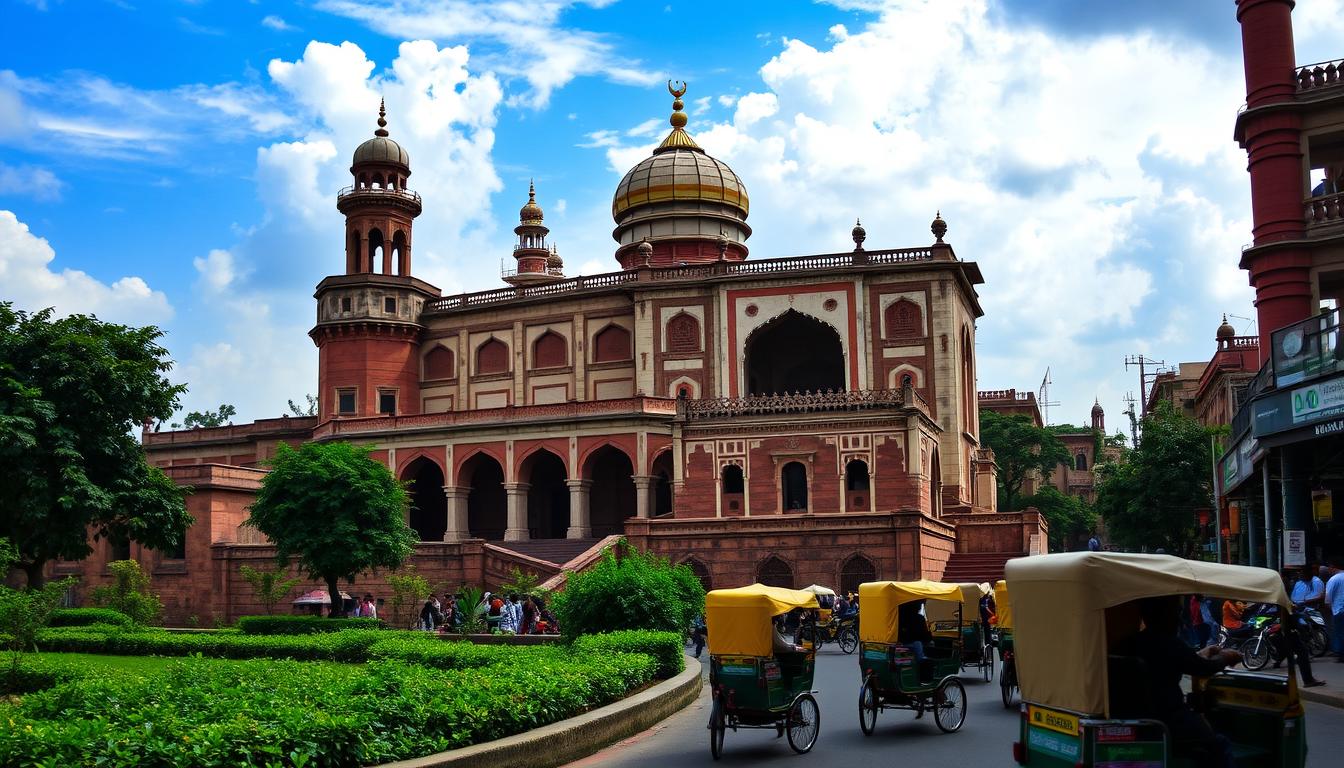
Ever thought about how a city’s past influences its today and tomorrow? Dhaka, Bangladesh’s capital, invites you to explore its deep history and cultural richness. This guide will take you on a journey through time, showing you Dhaka’s historical landmarks. These sites tell stories of Mughal splendor, colonial history, and local traditions.
Discover the key tourist spots in Dhaka that display amazing architecture and deep historical value. It’s a treasure trove for anyone eager to learn and explore.
Introduction to Dhaka’s Rich History
Dhaka is a city that has grown from a small village to a bustling capital. It was founded in the 17th century and became a key trading port in the Mughal Empire. Its location on the Buriganga River helped it grow and develop.
Over the years, Dhaka has been shaped by many influences. The British colonial era brought new buildings and city plans. Today, the city keeps changing. A Dhaka history guide shows how these changes have affected its culture and daily life.
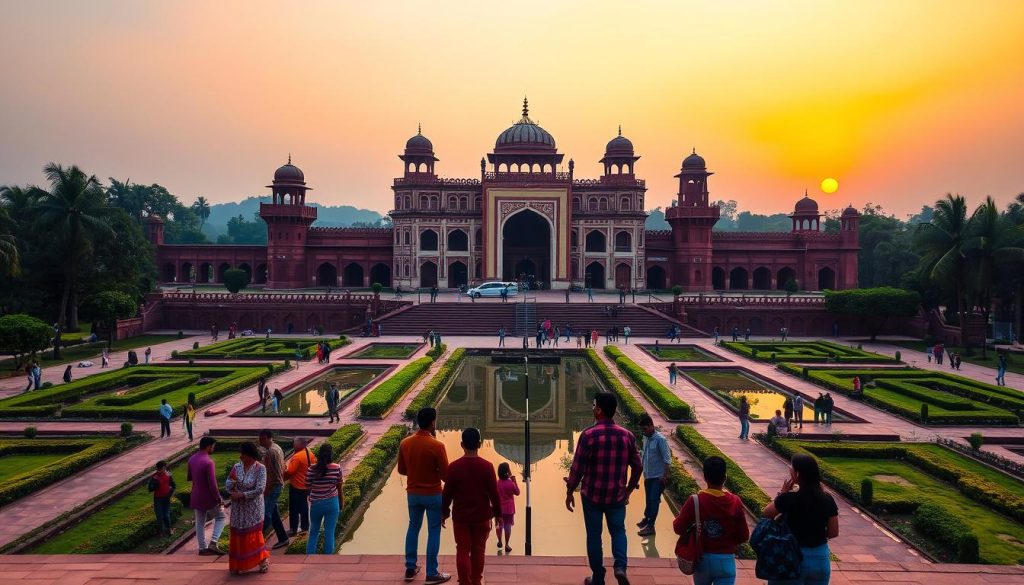
Places like Lalbagh Fort and Ahsan Manzil, the Pink Palace, show Dhaka’s history. The city’s heritage is not just in its buildings. It’s also in the lives of its people. Exploring Dhaka’s history lets you see a city that has overcome many challenges.

Knowing Dhaka’s history is key to understanding its landmarks. Each site, like the Bangladesh National Museum or Dhakeshwari Temple, has its own story. Visiting these places lets you see the old and new Dhaka, showing the city’s lively history.
| Historical Site | Significance |
|---|---|
| Lalbagh Fort | Iconic Mughal fort representing ancient architecture |
| Ahsan Manzil | Official residence of the Nawabs, showcasing cultural heritage |
| Bangladesh National Museum | Largest museum with diverse artifacts |
| Dhakeshwari Temple | One of the oldest Hindu temples, reflecting religious history |
| The Liberation War Museum | Documents the struggle for independence in 1971 |
Key Historical Landmarks in Dhaka
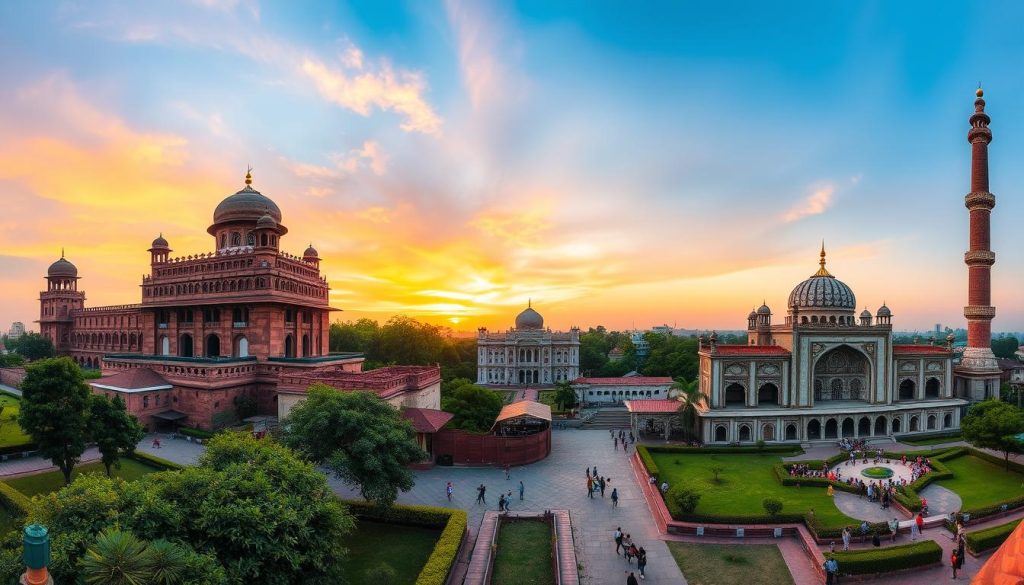
Exploring Dhaka means seeing its rich history up close. Iconic landmarks like Lalbagh Fort, Ahsan Manzil, and the Star Mosque show the city’s past. Each place adds to Dhaka’s heritage in its own way.
Lalbagh Fort is a must-see, with its Mughal architecture drawing millions each year. Built in the 17th century, it has three main parts and secret tunnels. Its beauty and history leave visitors in awe.
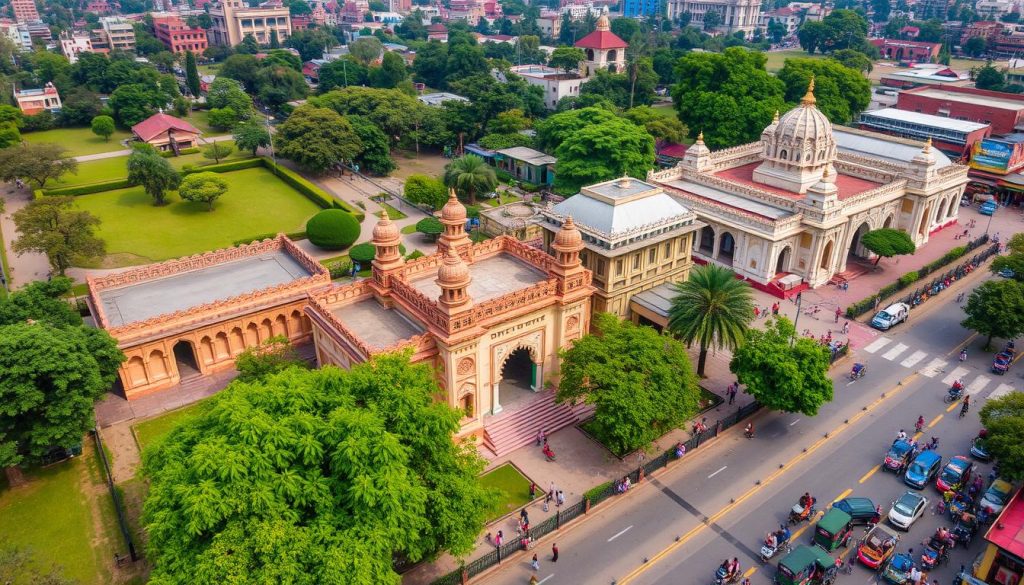
Ahsan Manzil, or the Pink Palace, was once a Zamindar’s home and now a museum. It shows off the Nawabi culture and the city’s past wealth. You can explore its eastern and western sides to learn more about its history.
The Star Mosque is a marvel with its Mughal design and star-shaped tiles. It’s not just a place of worship but also a historical gem. It attracts those who love art and history.
Other sites like the Liberation War Museum and Shat Gambuj Mosque also show Dhaka’s cultural heritage. They offer a glimpse into the city’s past, helping visitors understand its history.
| Historical Landmark | Significance | Year Established |
|---|---|---|
| Lalbagh Fort | Mughal architecture and mystery | 1678 |
| Ahsan Manzil | Symbol of Nawabi culture | 19th Century |
| Star Mosque | Exquisite Mughal-style architecture | 19th Century |
| Liberation War Museum | Chronicles the 1971 Liberation War | 1996 |
| Shat Gambuj Mosque | Largest mosque in Bangladesh | 15th Century |
Dhaka Historical Sites Guide: Must-Visit Locations
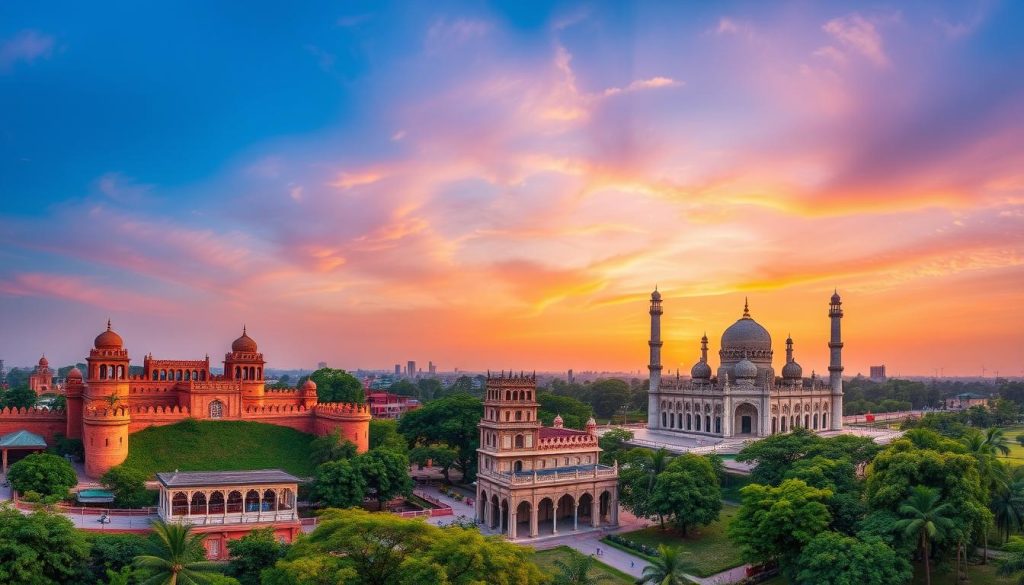
Exploring Dhaka’s historical landmarks is a must. You’ll find sites that reveal the city’s rich past and showcase amazing architecture. Here are three top historical sites in Dhaka you shouldn’t miss.
Lalbagh Fort: A Glimpse into Mughal Architecture
Lalbagh Fort was built in 1678 AD. It shows the beauty of Mughal architecture, even though it’s not fully complete. You’ll see beautiful gardens, a museum, mosques, fountains, tombs, and cannons. Two of its gates are closed, but it still draws many visitors.
Ahsan Manzil: The Pink Palace of Dhaka
Ahsan Manzil is a stunning palace on the Buriganga River. It was the home of the Nawab of Dhaka from 1859 to 1872. Its pink façade and detailed design attract visitors worldwide. Inside, a museum displays 4,077 artifacts, giving a glimpse into the Nawabs’ lavish lifestyle.
Star Mosque: Architectural Marvel of Old Dhaka
The Star Mosque is famous for its star motifs. It combines Mughal and British architectural styles. Built in the early 19th century, it’s known for its glasswork and colorful star designs. It’s a key religious site and a favorite among architecture fans, showcasing Old Dhaka’s rich culture.
| Historical Site | Construction Year | Key Features |
|---|---|---|
| Lalbagh Fort | 1678 AD | Mughal architecture, landscaped gardens, museum |
| Ahsan Manzil | 1859-1872 | Indo-Saracenic design, pink façade, museum with artifacts |
| Star Mosque | Early 19th Century | Star motifs, colored glass, architectural blend |
Exploring Old Dhaka’s Vibrant Culture
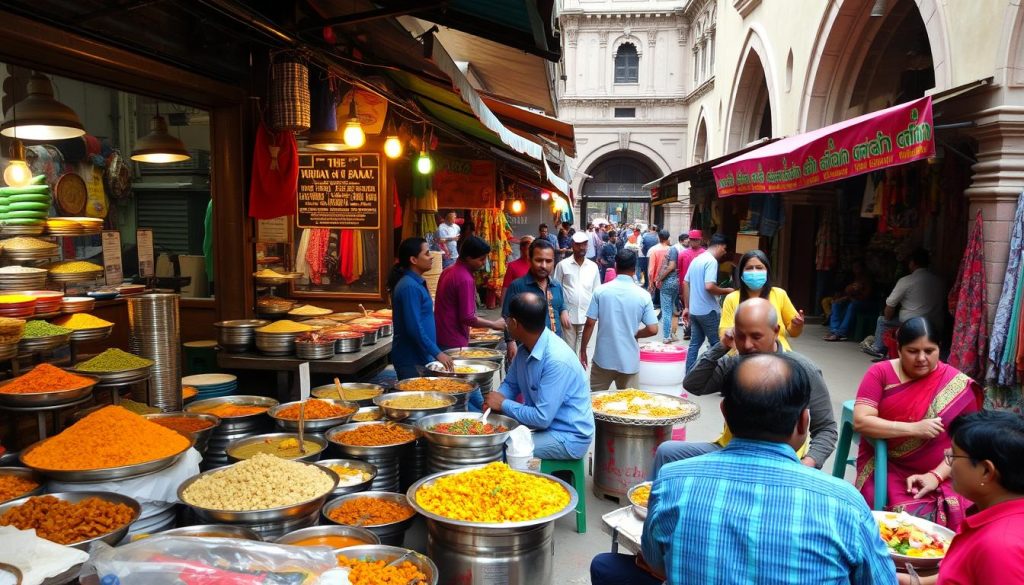
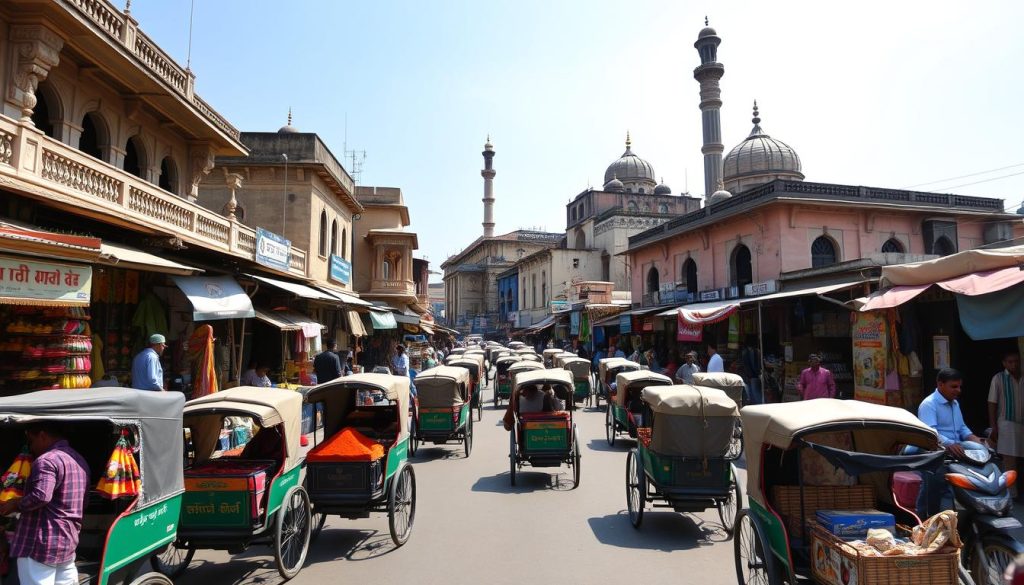
Old Dhaka gives you a peek into the city’s lively culture and history. The streets and markets are more than places to shop. They are stages for Dhaka’s culinary wonders and skilled crafts passed down through generations.
Culinary Delights of Old Dhaka
Exploring Old Dhaka means trying its delicious foods. The streets are filled with vendors offering famous dishes. Each dish has its own tale and importance.
- Biryani – A fragrant rice dish that is a culinary hallmark of the region.
- Kachchi Biryani – A special preparation method that involves marinating raw meat with spices to achieve deep flavors.
- Street foods – Varieties such as fuchka and jhal muri tantalize your taste buds.
Every dish you try helps you understand Dhaka’s cultural history.
Local Markets and Craftsmanship
Visiting old Dhaka sites also takes you to its lively markets. Sadarghat and New Market are full of activity. They offer:
- Handmade Fabrics – Delicate pieces that showcase traditional weaving techniques.
- Intricate Pottery – Beautifully crafted works that reflect both utility and artistry.
- Traditional Crafts – Items reflecting the skills passed down through generations.
Exploring these markets helps you appreciate the artisans. You’ll see their hard work in keeping Dhaka’s artisan heritage alive.
Best Historical Sites to Include in Your Itinerary
Dhaka is a treasure trove of historical sites, perfect for travelers wanting to explore its rich heritage. The city boasts many must-see spots that offer unique views into its vibrant past.
- Lalbagh Fort: This unfinished Mughal fort, built in the 17th century, is a stunning example of Mughal architecture. Walking through its gardens and courtyards lets you imagine its grandeur.
- Ahsan Manzil: Known as the Pink Palace, this former home of the Nawab of Dhaka has a striking façade and detailed interiors. It gives a glimpse into the lives of the city’s wealthy in the past.
- The Liberation War Museum: Explore Bangladesh’s fight for freedom in 1971 at this museum. It has educational exhibits that help you understand and appreciate the country’s history.
- National Museum of Bangladesh: This museum houses a vast collection of artifacts. It showcases the cultural evolution of the nation.
- Dhakeshwari Temple: The oldest Hindu temple in Dhaka, it’s a significant spiritual site. It offers a peaceful atmosphere amidst the city’s hustle and bustle.
These historical attractions show the architectural beauty and cultural evolution of Dhaka. Each site adds to your travel experience, giving you a deep understanding of the city’s history.
Dhaka Historical Tours: Experience the Past
Exploring Dhaka’s history is a rewarding journey. It offers unique insights into the city’s rich heritage. When choosing between private tours and group tours, several factors come into play. These include budget, schedule, and personal preferences.
Private Tours Versus Group Tours
Private Dhaka historical tours offer a customized experience. They allow for flexibility in itinerary and pace. You can focus on specific interests, like visiting the Liberation War Museum or strolling through the National Botanical Garden.
These tours start at $120 US per person but offer a $10 discount from April to September. Group tours, on the other hand, are more cost-effective. They start at $70 US per person for a group of 12, making them accessible for budget-conscious travelers.
Group tours also encourage social interaction. They provide a chance to meet fellow history enthusiasts while exploring Dhaka together.
What to Expect on a Historical Tour
On a typical historical tour, you’ll discover Dhaka’s past with professional guides. They share fascinating anecdotes about each landmark. This enriches your understanding of the context and significance behind the sites.
Most tours include amenities like air-conditioned transportation and English-speaking guides. You can also savor a local Bangladeshi meal for lunch and enjoy rickshaws and boat rides.
Tours cover essential details like traffic conditions and peak visitor days. This ensures a smoother exploration. With vibrant historical sites and a bustling cultural scene, a tour through Dhaka is sure to leave a lasting impression.
| Tour Type | Price per Person | Inclusions | Best Time to Visit |
|---|---|---|---|
| Private Tour | $120 (off-season discount: $110) | Transportation, guide, entrance tickets, lunch, rickshaw and boat rides | October to March |
| Group Tour (12 people) | $70 | Transportation, guide, entrance tickets, lunch, rickshaw and boat rides | October to March |
| 2 People Group | $95 | Transportation, guide, entrance tickets, lunch, rickshaw and boat rides | October to March |
| 3 People Group | $85 | Transportation, guide, entrance tickets, lunch, rickshaw and boat rides | October to March |
| 4 People Group | $70 | Transportation, guide, entrance tickets, lunch, rickshaw and boat rides | October to March |
Preparing for Your Visit to Dhaka Historical Sites
Planning your trip to Dhaka’s historic sites is key for a great experience. Knowing the best times to visit and cultural norms can make your journey better. Here’s what you need to know.
Best Time to Visit
The best time to visit is from November to February. The weather is cooler and drier, perfect for outdoor exploration. Stay away from the hot summer and rainy season to enjoy Dhaka’s history and monuments fully.
Local Etiquette and Customs
Knowing local customs can make your visit richer. Dress modestly, mainly at religious sites. Showing respect for local traditions is important. Learning a few Bengali phrases can also improve your interaction with locals, making your experience more immersive.
| Group Size | Cost per Person | Total Cost |
|---|---|---|
| 1 Person | $132 | $132 |
| 2 Persons | $88 | $176 |
| 3 Persons | $77 | $231 |
| 4 Persons | $66 | $264 |
Conclusion
As you finish our Dhaka historical sites guide, you see Dhaka’s deep history. The city is filled with amazing architecture and cultural importance. Places like Lalbagh Fort and Ahsan Manzil show Dhaka’s past.
These sites are more than old buildings. They tell the story of a city alive with 18 million people. Each place has its own story, making Dhaka special.
But Dhaka is more than just old buildings. Its culture, markets, and food make it unique. Exploring places like the National Museum or Ramna Park shows Dhaka’s diversity. This guide helps you discover the city’s wonders.
Dhaka is full of stories, from the Independence Museum to the National Botanical Garden. It’s a city that looks to the past but also moves forward. Exploring Dhaka’s history is about connecting with a city that keeps growing.





