Discover Bhutanese Cultural Experiences in Haa Valley
Ever wondered what life is like in Bhutan’s hidden gems? Haa Valley is a place where untouched landscapes and rich traditions take you far from today’s world. It’s the second least populated district in Bhutan, known for its natural beauty and cultural treasures.
Here, you can enjoy enigmatic festivals, see the stars in the clear night sky, and experience the warmth of local homestays. Haa Valley is a perfect spot for those who love adventure and culture. Let’s dive into the many experiences waiting for you in Haa Valley.
A Glimpse into Haa Valley
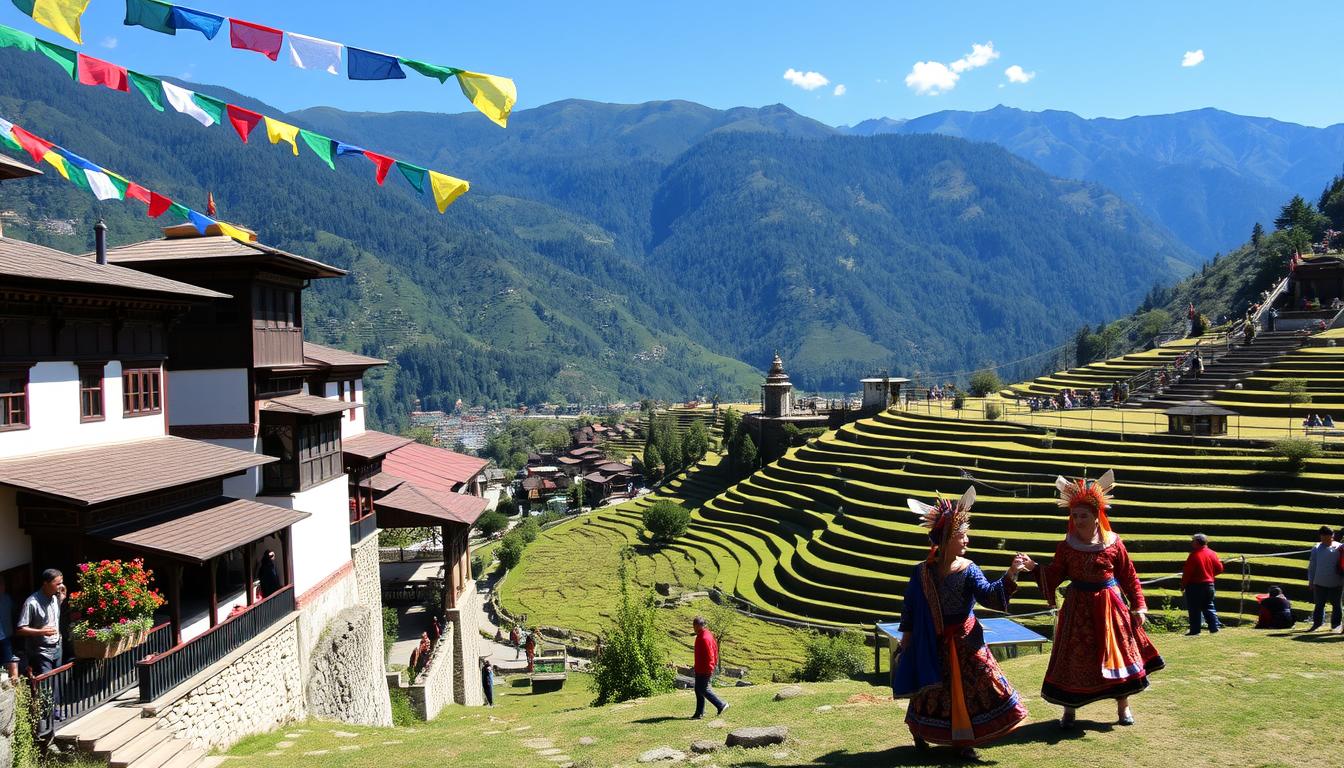
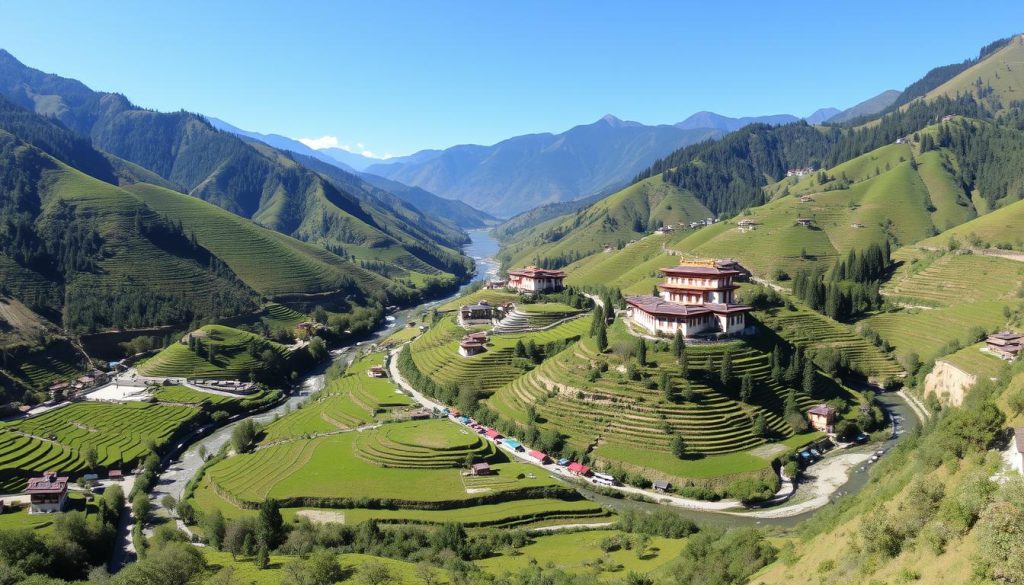
The Haa Valley is a magical place, sitting at about 2,700 meters (8,858 feet) high. It’s surrounded by tall mountains, green forests, and clear rivers. It’s about 65 kilometers from Paro International Airport, making it a peaceful spot in Bhutan that few tourists visit.
This hidden valley is perfect for those looking to escape the noise of cities. It offers a chance to find peace and quiet.
Geographical Overview
Getting to Haa Valley is a beautiful drive from Thimphu, taking about 4 hours. The journey covers 115 kilometers. The valley is surrounded by stunning mountains, showing its natural beauty.
The famous Chele La Pass, at 3,988 meters (13,083 feet), is the highest motorable pass in Bhutan. It offers amazing views of the area.
Cultural Significance
The Haaps in Haa Valley keep their traditions alive. They have their own way of life and spirituality. The valley is home to the twin temples of Lhakhang Karpo and Lhakhang Nagpo, built in the 7th century.
The Haa Summer Festival in July highlights the valley’s cultural heritage. Visitors can see local rituals, architecture, and community events. It’s a great place to experience true Bhutanese culture.
| Aspect | Details |
|---|---|
| Elevation | 2,700 meters (8,858 feet) |
| Distance from Paro Airport | 65 kilometers |
| Travel time from Thimphu | 4 hours |
| Chele La Pass Elevation | 3,988 meters (13,083 feet) |
| Cultural Festival | Haa Summer Festival (July) |
| Key Religious Sites | Lhakhang Karpo and Lhakhang Nagpo |
How to Get to Haa Valley
Getting to Haa Valley is a mix of beautiful journeys and cultural experiences. You can travel by air or road, each offering a special view of Bhutan’s beauty.
By Air
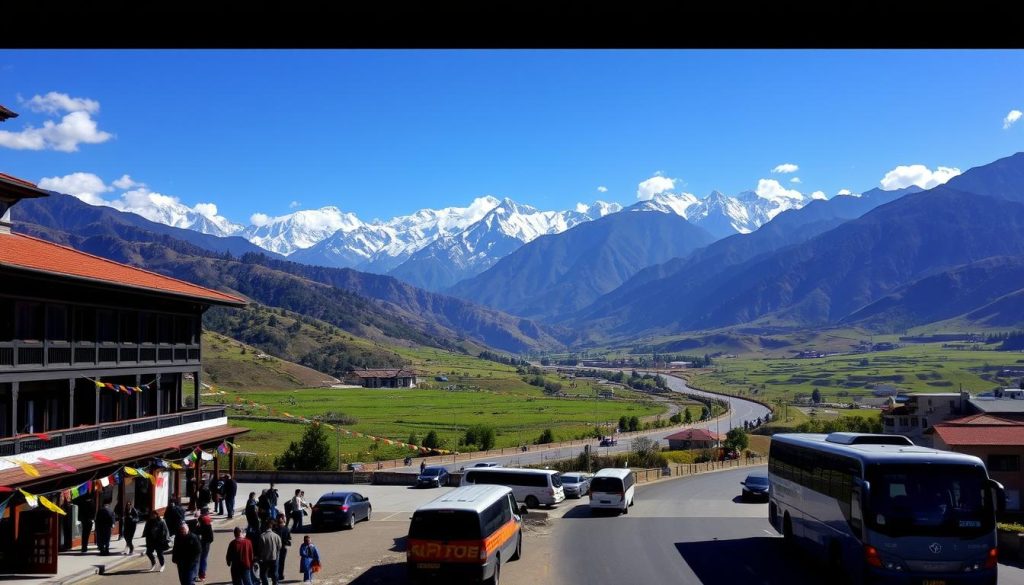
Paro International Airport is the main entry for international visitors. It’s the only airport in Bhutan that welcomes flights from abroad. After landing, you’re about 65 kilometers from Haa Valley, a three-hour drive away.
The drive to Haa goes through Chele La Pass. It’s famous for its stunning views of the Himalayas.
By Road
Traveling by road to Haa is an exciting adventure. From Thimphu, the capital, it’s a four-hour drive of about 115 kilometers. The route is filled with amazing scenery.
You’ll see terraced fields and traditional villages. These places show the beauty of Bhutanese life.
| Travel Method | Distance | Approximate Time | Scenic Highlights |
|---|---|---|---|
| By Air (to Paro) | 65 km | 3 hours | Chele La Pass, Himalayan views |
| By Road (from Thimphu) | 115 km | 4 hours | Terraced fields, traditional villages |
These travel options to Haa let you enjoy Bhutan’s stunning landscapes. They create unforgettable memories before you even arrive.
Best Time to Visit Haa Valley
Choosing the right time to visit Haa Valley can make your trip unforgettable. The best times are spring and autumn. These seasons offer the most natural beauty and cultural richness.
Spring Seasons Highlights
Spring in Haa Valley is from March to May. The weather is mild, ranging from 14.5°C to 26.2°C. This makes it perfect for outdoor fun.
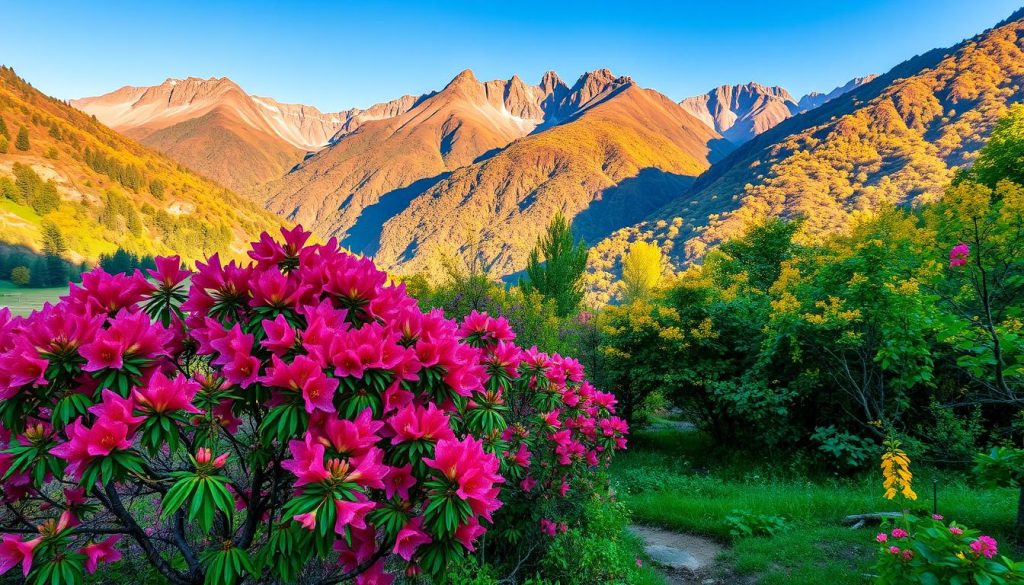
The valley comes alive with colors as rhododendrons and jacarandas bloom. It’s a great time for trekking and photography. You can also enjoy vibrant festivals that show off Bhutan’s heritage.
Autumn Advantages
Autumn in Haa Valley is from September to November. The weather is pleasant, and the skies are clear. It’s a busy time for tourists, but there’s plenty to do.
You can go trekking, visit monasteries, and try local food. Autumn is also a great time to see the changing leaves. Plus, you can catch festivals like Thimphu Tshechu.
| Season | Average Temperature (°C) | Key Activities | Popular Festivals |
|---|---|---|---|
| Spring (Mar-May) | 14.5 – 26.2 | Trekking, Photography, Cultural Tours | Punakha Drubchen |
| Autumn (Sep-Nov) | Ideal temperature | Trekking, Monastery Visits, Culinary Experiences | Thimphu Tshechu |
When planning your trip, keep these Haa travel tips in mind. Book your stay and tours early, as spring and autumn are peak times.
Key Attractions in Haa Valley
Haa Valley is home to stunning attractions that show its rich culture and natural beauty. You’ll see temples filled with history, strong fortresses, and amazing mountain views. These sights make your visit to Haa Valley truly special.
Lhakhang Karpo and Lhakhang Nagpo
Lhakhang Karpo, the White Temple, and Lhakhang Nagpo, the Black Temple, are key temples. Built in the 7th century, they represent different spiritual aspects. Lhakhang Karpo is about peace, while Lhakhang Nagpo is about the fierce deities. Visiting these temples gives you a deep look into Bhutan’s spiritual traditions.
Haa Dzong
For those who love history, a visit to Haa Dzong is a must. This fortress is a masterpiece of Bhutanese architecture and a symbol of the region’s culture. Even though it’s closed to the public, its exterior and surroundings offer a glimpse into Bhutan’s architectural and historical past.
Chele La Pass
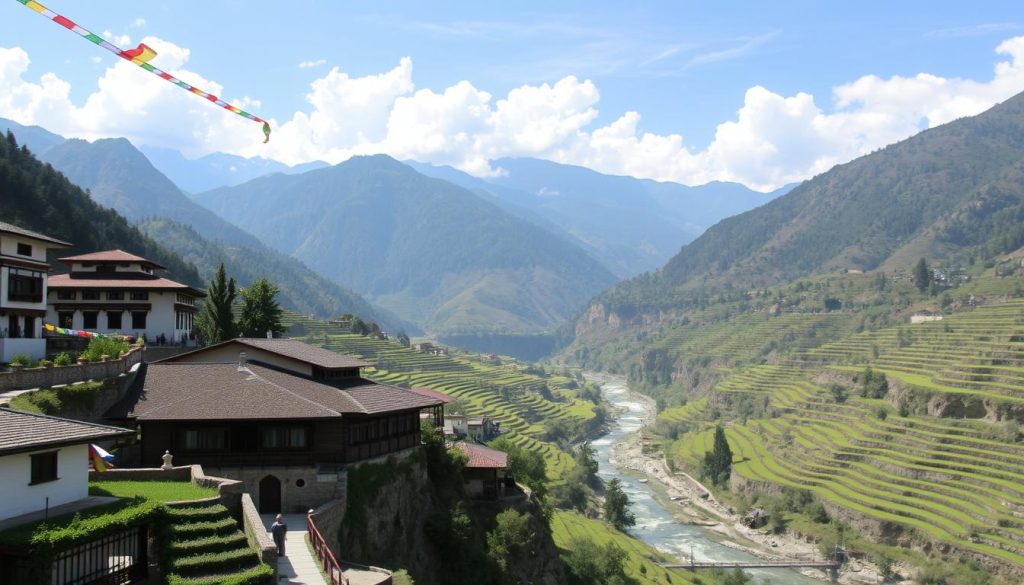
Chele La Pass is a top attraction. It sits at 3,988 meters (13,083 feet) and offers amazing views. You can see Mount Jomolhari and Jichu Drakey from here. It’s perfect for photography, relaxation, and short hikes.
Explore Bhutanese Cultural Experiences Haa
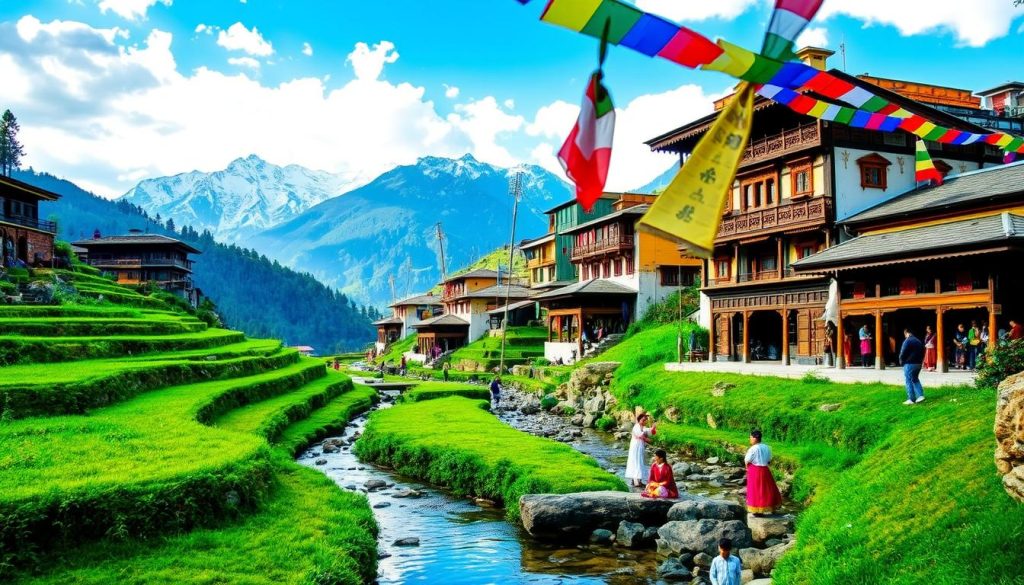
Haa Valley offers a chance to dive into the rich local traditions of Haa. This place is special because it lets visitors connect with its cultural heritage in real ways.
Immersing in Local Traditions
Staying in homestays lets you meet local families and learn about their lives and customs. Sharing meals, often with traditional dishes, makes your stay even more enjoyable. By joining in local traditions, you get to truly appreciate Bhutanese culture, which is deeply rooted in Buddhism and community values.
Participating in Festivals
The festivals in Haa Valley, like the Haa Tsechu, are a sight to behold. You’ll see mask dances, traditional music, and a community full of joy. The colorful clothes and lively celebrations show centuries of cultural history. This heritage gives you a glimpse into the values and beliefs that guide Bhutanese life.
| Experience | Description |
|---|---|
| Homestays | Stay with local families to experience daily life and authentic cuisine. |
| Haa Tsechu | Participate in vibrant festivals featuring traditional dances and music. |
| Local Markets | Explore markets showcasing traditional crafts and food unique to Haa. |
| Cultural Tours | Join guided cultural tours to learn about history and local customs. |
Every moment in Haa Valley deepens your understanding of its lasting traditions. Take the chance to see and join in the lively festivals and customs that make your visit unforgettable.
Cultural Tours and Trekking Options
Haa Valley is a special place for cultural trekking and guided tours. It shows off the rich heritage of Bhutanese culture. The trekking paths offer stunning views, ancient trails, and a chance to dive into local traditions.
These experiences let you see the area’s natural beauty. They also connect you with the traditional Bhutanese way of life.
Cultural Trekking Routes
Cultural trekking in Haa Valley lets you walk on trails that connect remote villages with amazing views. You’ll walk through lush forests, visit traditional farms, and meet friendly locals. The treks usually last about seven days.
This gives you a deep look into the area’s cultural richness. Trekking here also helps the local tourism economy. Plus, you get to see Bhutan’s beautiful landscapes.
Guided Cultural Tours
Guided tours in Haa give you a special look into Bhutan’s history and customs. Many tourists choose these tours to learn more about local traditions. The tours can last from four to twelve days, fitting different schedules and interests.
About 70% of visitors prefer guided tours. They help you fully experience the traditional Bhutanese way of life. Companies like Kamzang Journeys offer packages that mix trekking with historical exploration. This makes each journey rewarding.
Traditional Festivals in Bhutan
Visiting traditional festivals in Bhutan gives you a unique look at the country’s culture. These events are more than just celebrations. They blend history, community, and spirituality.
Celebrating Haa Tsechu
The Haa Tsechu festival is a big deal. It features colorful dances, music, and vibrant costumes. People come together to see dances honoring local deities.
By joining in, you get to dive into Bhutanese traditions. The festival shows the spiritual side of Haa and brings the community closer.
Annual Summer Festival Insights
The summer festival in Haa happens on July 8th and 9th. It’s a fun event that celebrates local traditions and cultural sharing. You can try traditional sports, taste local food, and see handicrafts.
It’s a great chance to learn about Haap culture. You’ll get to experience activities that are key to the community’s life.

| Festival | Date | Highlights |
|---|---|---|
| Haa Tsechu | Varies (usually autumn) | Traditional dances, spiritual rituals |
| Summer Festival in Haa | July 8-9 | Local cuisine, sports, cultural exhibits |
| Thimphu Tsechu | September 24-26 | Extensive celebration of Buddhist culture |
| Matsutake Mushroom Festival | August 20-21 | Celebration of rare mushrooms and local culture |
These festivals in Bhutan show off the country’s rich heritage. They also welcome travelers to join in and enjoy the local culture.
Authentic Bhutanese Cuisine
Exploring the food in Haa Valley gives you a peek into Bhutan’s culture. The dishes are known for their bold flavors, thanks to chili and cheese. You’ll find many must-try foods that show off Bhutan’s culinary traditions.
Must-Try Dishes
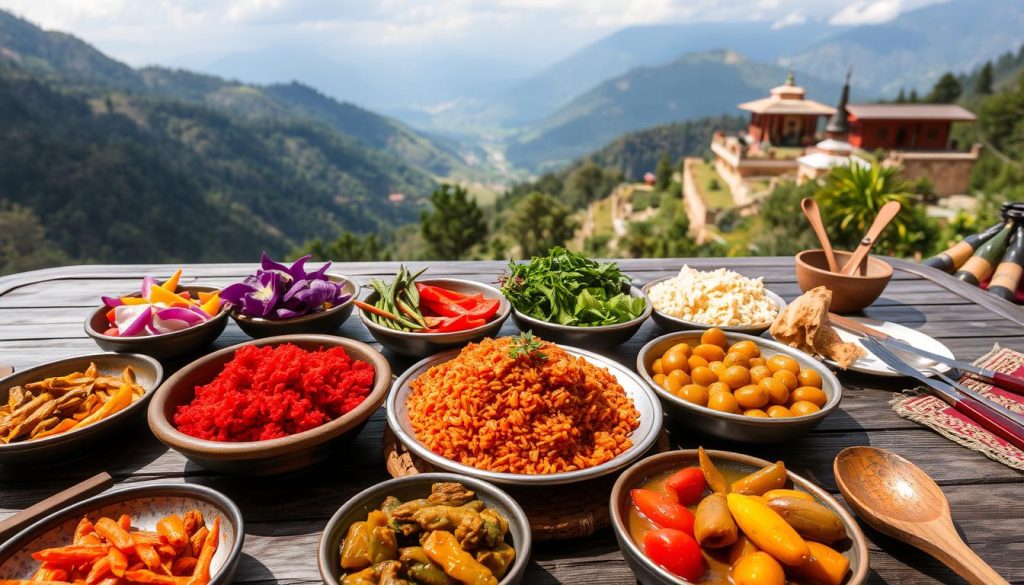
Trying ema datsi, Bhutan’s national dish, is a must. It’s a mix of green chilies and cheese, spicy and creamy. Another favorite is phaksha paa, a pork stew with radishes, showing off local cooking.
Momos, or steamed dumplings, are a tasty snack. They can be filled with meat or veggies, offering a cozy taste.
Dining in Cultural Homestays
Eating at cultural homestays in Haa is special. You get to enjoy meals made with fresh, local ingredients. It’s a chance to taste real Bhutanese food and see how people share meals together.
Meals are served with warmth and thanks, often with chhangkoe, a fermented rice drink. It’s a tradition, given to guests, like new mothers. You can even help cook famous dishes with local chefs, keeping Bhutan’s flavors alive.
Cultural Homestays in Bhutan
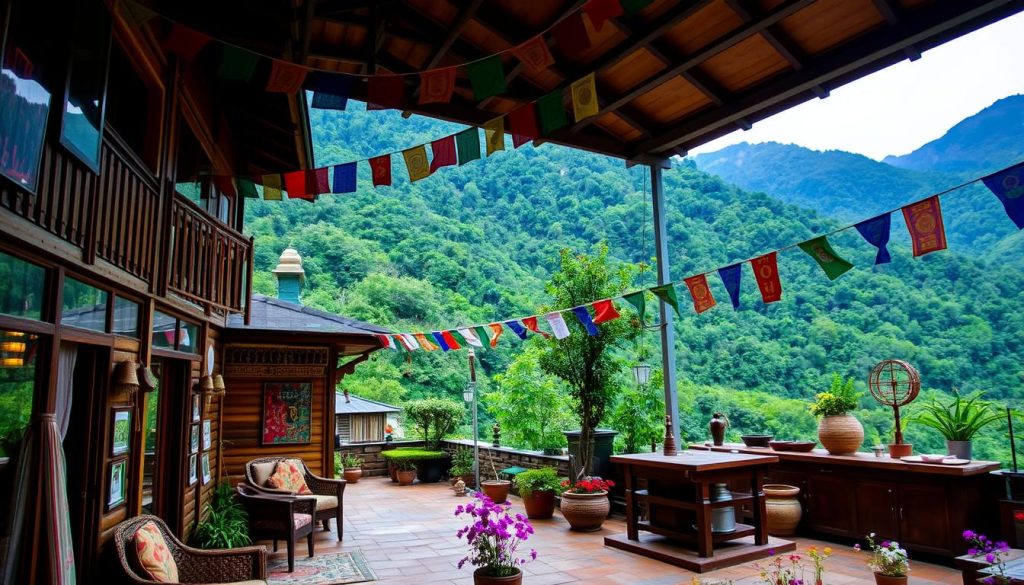
Cultural homestays in Bhutan offer a unique chance to dive into local life. In Haa, living with a family in a traditional farmhouse lets you see how locals live. You can help with daily tasks and cook Bhutanese meals together.
Sharing stories over dinner strengthens the connection between you and your hosts. It shows the true warmth of Bhutanese hospitality.
Experience Local Life
While staying, you can try activities that show the real side of rural life. You might help with yak herding, a common task in villages. It gives you a peek into local traditions.
Try dishes like Ema Datshi, Kewa Datshi, and Jasha Maru, made with fresh local ingredients. These meals are more than food; they’re moments of laughter and cultural sharing.
Benefits of Homestays
Staying with locals does more than just provide a place to sleep. It supports local economies and keeps traditional ways of life alive. Homestays in Bhutan offer simple yet cozy stays, filled with the essence of Bhutanese culture.
Expect to pay around $100 to $200 USD per night in Haa Valley. It’s a budget-friendly option compared to fancy hotels. These experiences create lasting memories and a deeper understanding of Bhutan’s hospitality and resilience.
Bhutanese Textile Traditions
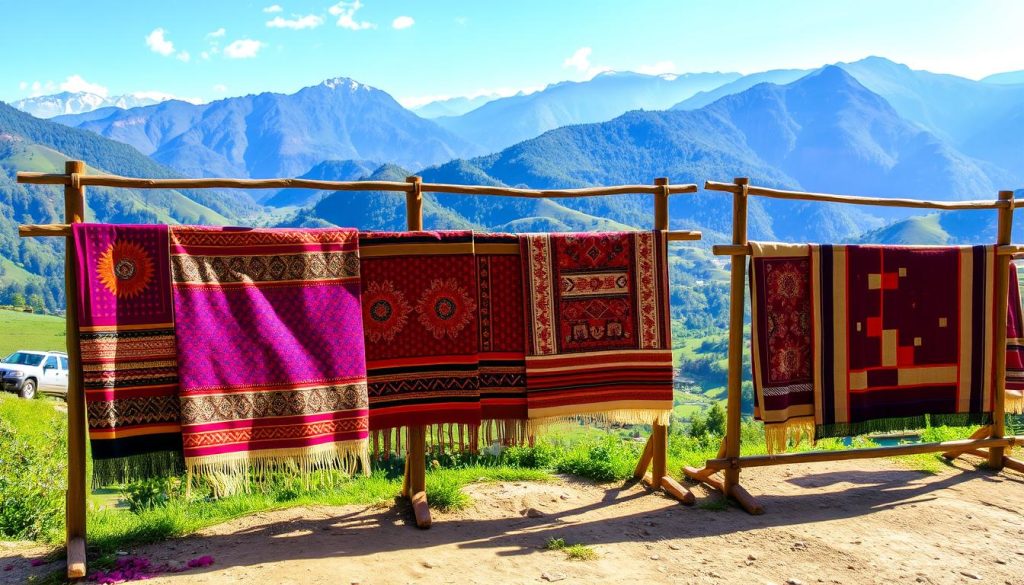
Bhutanese textile traditions are key to keeping the nation’s culture alive. Artisans use detailed weaving techniques passed down through generations. These textiles are more than clothes; they carry the culture’s stories through colors and patterns.
Importance of Textiles in Culture
Textiles in Bhutan are more than pretty fabrics. They are central to ceremonies and festivals, showing off local talent. Traditional clothes like the kira and gho show a person’s status and where they’re from. Silk and cotton are valued for their beauty and role in preserving Bhutan’s heritage.
How to Participate in Weaving Workshops
Want to explore Bhutanese textile traditions? Join weaving workshops in Haa. You’ll get to learn from experts and make something special. It’s a great way to understand Bhutan’s textile importance and take home a unique piece.
Wildlife and Nature in Haa Valley
Haa Valley is a treasure trove of wildlife and nature. It’s a perfect spot for those who love to explore the wildlife in Haa Valley. The area’s rich biodiversity makes it a top choice for bird watching in Bhutan. It draws both experts and casual bird watchers.
Bird Watching Opportunities
The valley’s forests and meadows are home to many bird species. As you go bird watching, look out for the stunning Himalayan Monal and various pheasants. The calm setting is perfect for watching these birds in their natural home.
Flora and Fauna of the Region
The flora and fauna of Haa are truly impressive. During certain times, colorful rhododendrons brighten the landscape. The valley is also known for its medicinal plants, attracting nature lovers and herbalists. Exploring here shows the balance between nature and the Haap people’s culture.
| Aspect | Description |
|---|---|
| Bird Species | Himalayan Monal, Various Pheasants |
| Flora Highlights | Rhododendrons, Medicinal Plants |
| Activities | Bird Watching, Nature Hiking |
| Conservation Efforts | Preserving Natural Habitats |
Conclusion
Haa Valley is a vibrant mix of Bhutanese culture and stunning natural beauty. It’s a hidden gem that lets you dive into Bhutanese traditions, lively festivals, and delicious local food. You can live the rich heritage of the area by joining cultural homestays and guided tours.
Before you explore Bhutan’s hidden gems, remember these travel tips for Haa. Don’t miss the Haa Summer Festival, where the valley’s traditions shine. With various tour options, from government-approved lodges to luxury stays, your trip will be both comfortable and enriching.
Your journey in Haa Valley is more than a visit; it’s an immersive experience. It connects you to Bhutan’s traditions and heart. From the peaceful landscapes to the engaging cultural activities, Haa Valley will deeply impact your understanding of Bhutanese culture.