Understanding Traditional Georgian Customs to Know
Ever thought about how knowing Georgian customs could change your trip to this magical country? Georgia’s culture is a mix of history, hospitality, and special social ways. With about 3.9 million people, mostly Georgians, its customs are a big part of its identity.
Learning about Georgian customs and etiquette can make you appreciate this lively society more. It’s a way to connect with the local culture and traditions.
Introduction to Georgian Culture
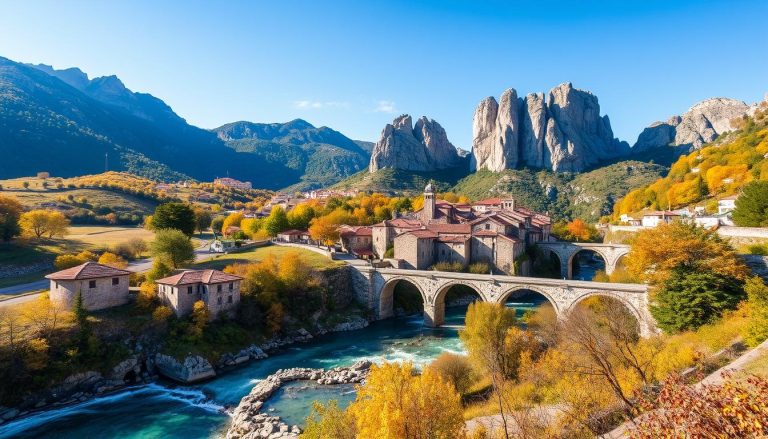
Georgian culture is a vibrant mix of influences from its location between Europe and Asia. This unique spot has blended different cultural practices, making Georgia’s identity strong. The capital, Tbilisi, shows this mix with ancient buildings next to modern ones.
Georgian culture is gaining global attention, attracting tourists interested in its traditions. Art like jewelry making and metalwork has thrived for centuries. Traditional music and dance also highlight Georgia’s rich heritage.
Georgia’s literature goes back to the 5th century AD, starting with religious texts and stories. Famous artists like Niko Pirosmani and sculptor Zurab Tsereteli have made significant contributions. Museums in Tbilisi, like the Georgian National Museum, showcase this artistic legacy.
Winemaking, a tradition over 8,000 years old, is a key part of Georgian culture. UNESCO recognized Georgian polyphony as a global treasure in 2008. The Georgian alphabet, dating back to the 3rd century BCE, shows the language’s ancient roots.
Georgian culture values creativity and tradition, from ancient art to modern cinema. It’s a treasure trove for those wanting to explore its rich heritage.
What are some traditional Georgian customs I should be aware of?
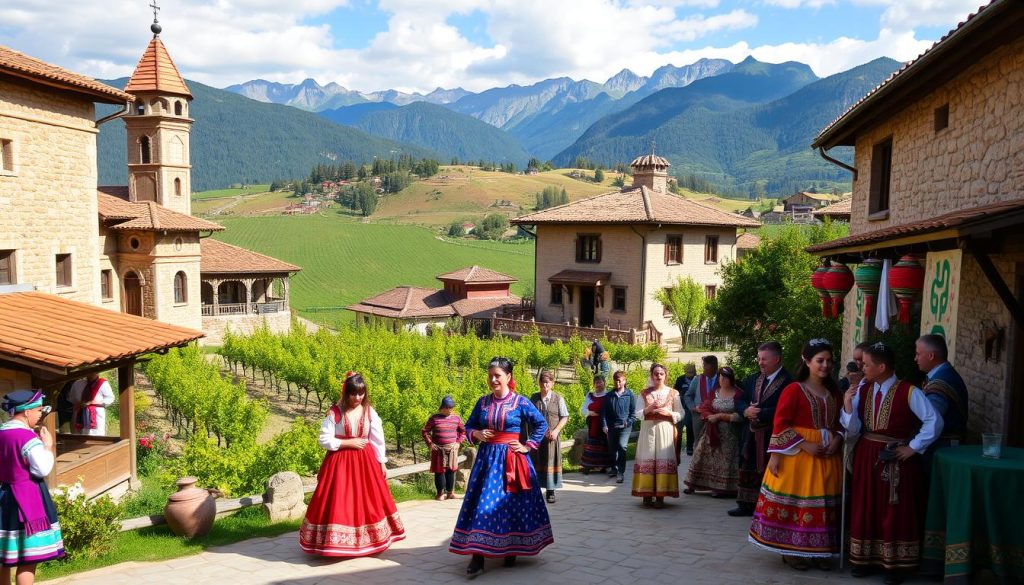
Exploring traditional Georgian customs gives us a peek into a culture rich in hospitality and community. The saying “Every guest is a gift from God” captures the essence of Georgian hospitality. It shows how much they value welcoming visitors.
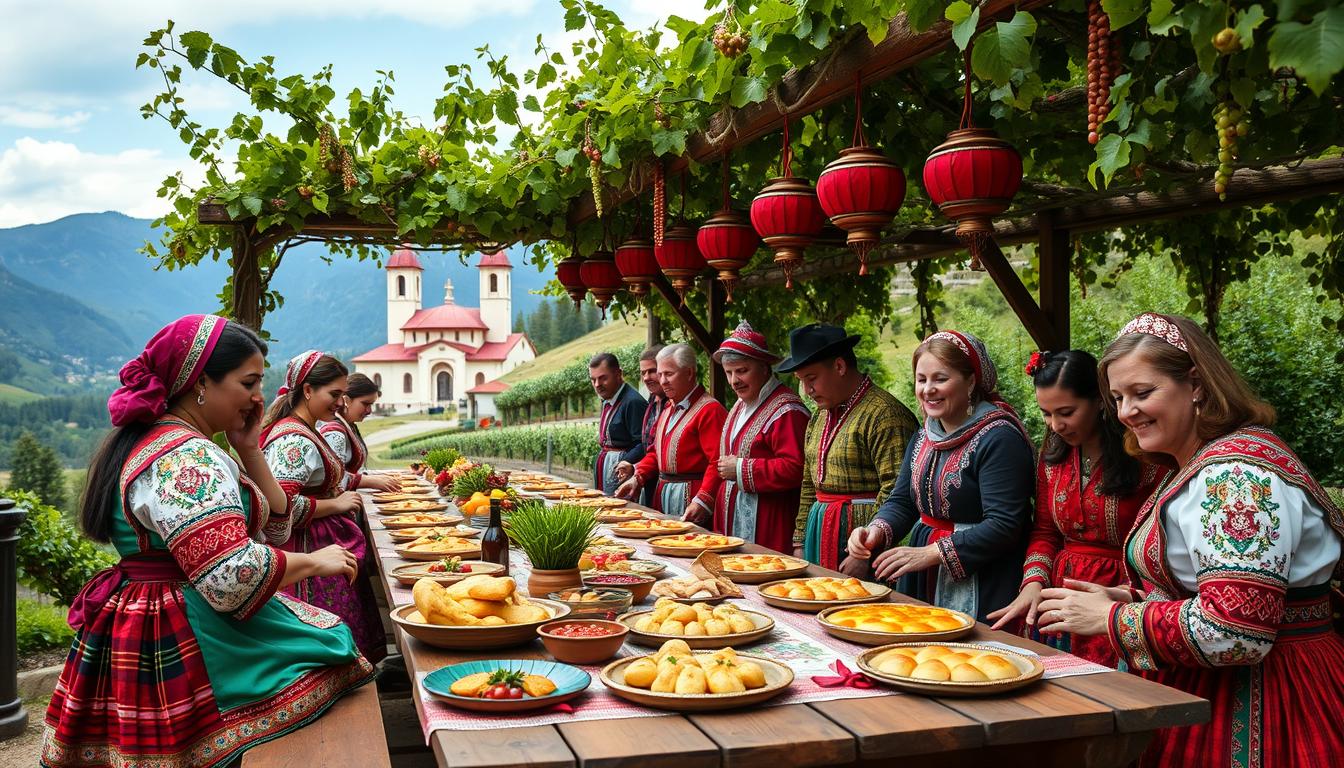
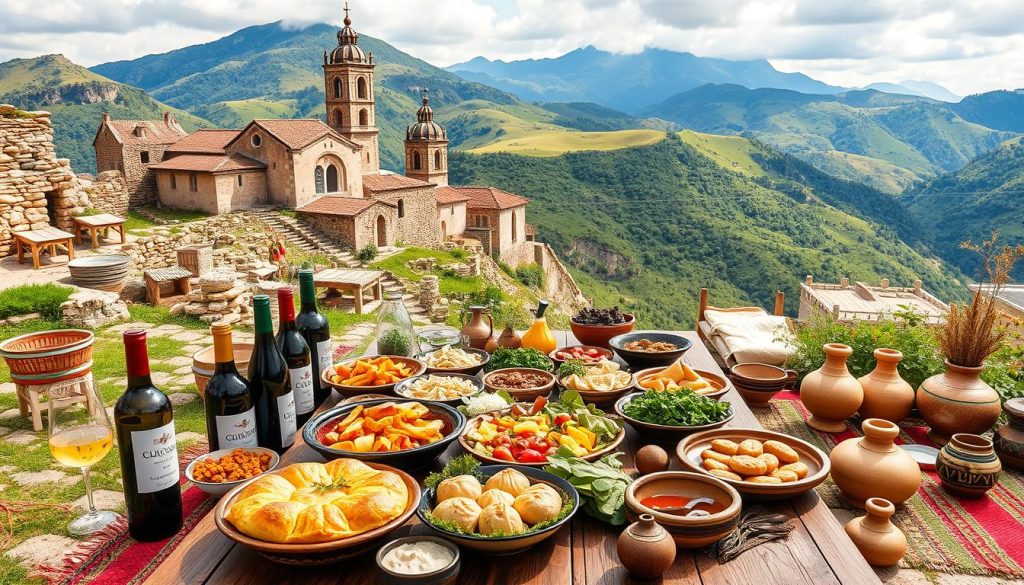
The Supra is a big, celebratory feast in Georgian culture. It happens at weddings and holidays. The Tamada, or toastmaster, leads the fun with toasts that celebrate life. This event highlights the generous spirit of Georgians and the importance of wine, which has been part of their culture for thousands of years.
The statue of Kartlis Deda is a symbol of Georgia’s welcoming nature. Wearing traditional clothes at important events shows the pride Georgians have in their culture. It reflects their history and beauty.
Weddings in Georgia are big, with over 100 guests often attending. The traditions around finding a partner and getting engaged are detailed. They show how much Georgians value family and community.
Georgians also celebrate New Year twice. They mark it on January 1st and again on January 13th, following the Julian calendar. This mix of traditions shows the lively cultural scene in Georgia today.
Georgian Language and its Significance
The Georgian language is key to national identity and culture. It has a unique script and is spoken by about 3.9 million people in Georgia. It’s one of the oldest living languages, with a rich literary history dating back to the 5th century CE.
Overview of the Georgian Language
Georgian belongs to the Kartvelian language family. It has three alphabets: Asomtavruli, Nuskhuri, and Mkhedruli. UNESCO has recognized these alphabets, showing their importance in language.
Notable figures like Shota Rustaveli and Sulkhan-Saba Orbeliani have enriched Georgian literature and culture.
Language Use in Social Contexts
In Georgia, language use shows the country’s traditions and customs. When greeting, using formal titles shows respect and acknowledges hierarchy. With friends or close ones, first names are used, making the atmosphere warm and friendly.
Learning common phrases and polite expressions improves interactions. It greatly adds to the experience of Georgian hospitality.
Religion and Beliefs in Georgia
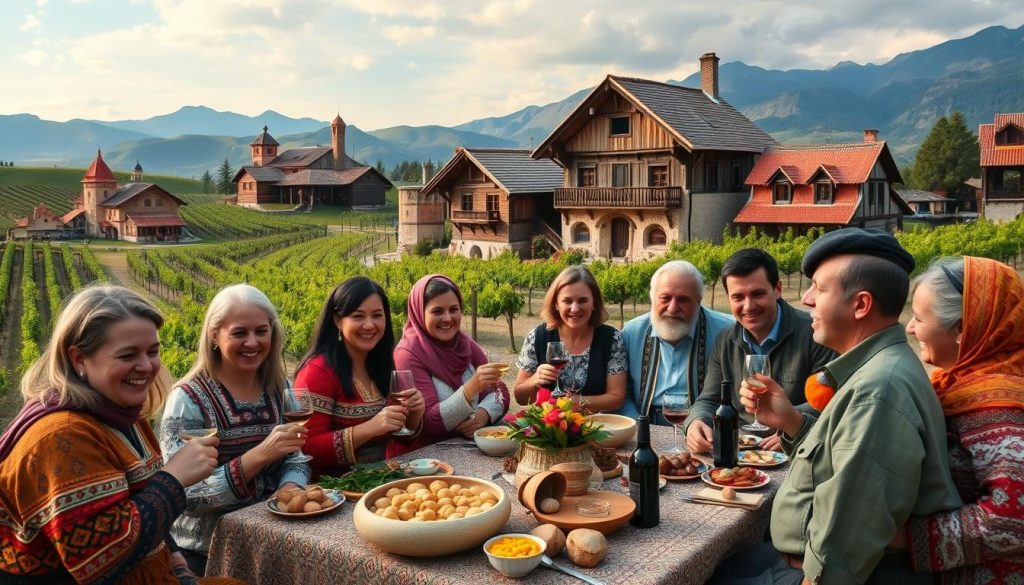
In Georgia, over 83% of people believe in Orthodox Christianity. The Georgian Orthodox Church is key to community and national identity. Important life events like marriages and funerals are celebrated with religious ceremonies.
Religion in Georgia is not a big part of daily life. Yet, it influences social customs and provides a moral compass. Georgian churches are famous for their iconostasis, filled with icons of saints.
Georgia also has about 25,000 Georgian Jews, adding to the country’s religious diversity. This diversity shows how different beliefs can coexist.
Holidays like Easter and Christmas bring people together. Days honoring saints also mark the calendar. Georgian folklore and myths often mix with religious stories, showing faith’s importance in culture.
Georgia’s unique folk singing, performed at both religious and secular events, connects culture and spirituality. Traditional instruments like mandolins and bagpipes add to the celebration’s sound.
| Aspect | Details |
|---|---|
| Major Religion | Orthodox Christianity (over 83% of population) |
| Minority Religions | Judaism (approx. 25,000 Georgian Jews) |
| Significant Holidays | Easter, Christmas, New Year’s, Day of Souls |
| Religious Practices | Marriage, baptism, funerals marked by religious ceremonies |
| Folklore | Includes myths, fables, and tales with spiritual themes |
Understanding Georgian Society and Culture
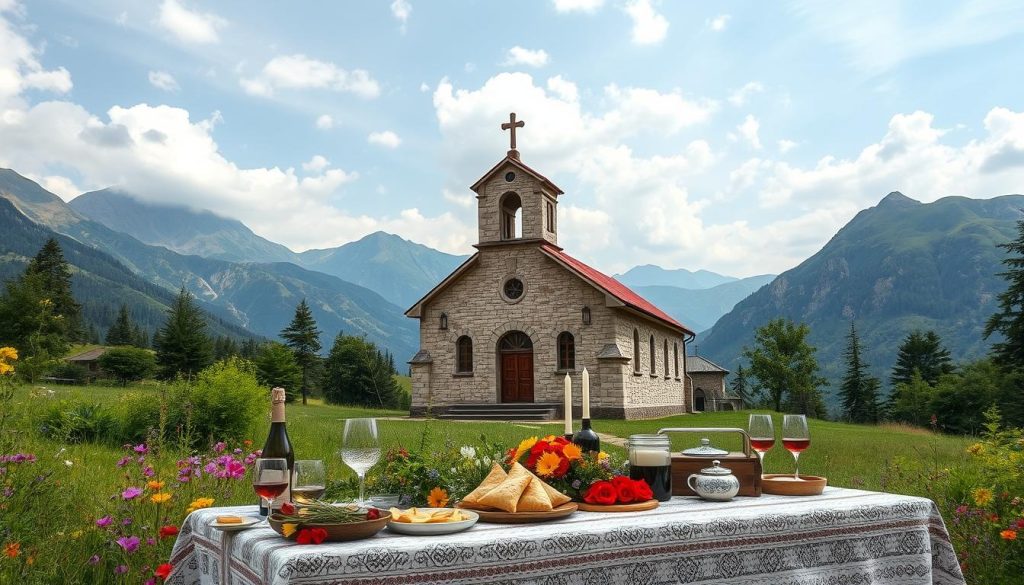
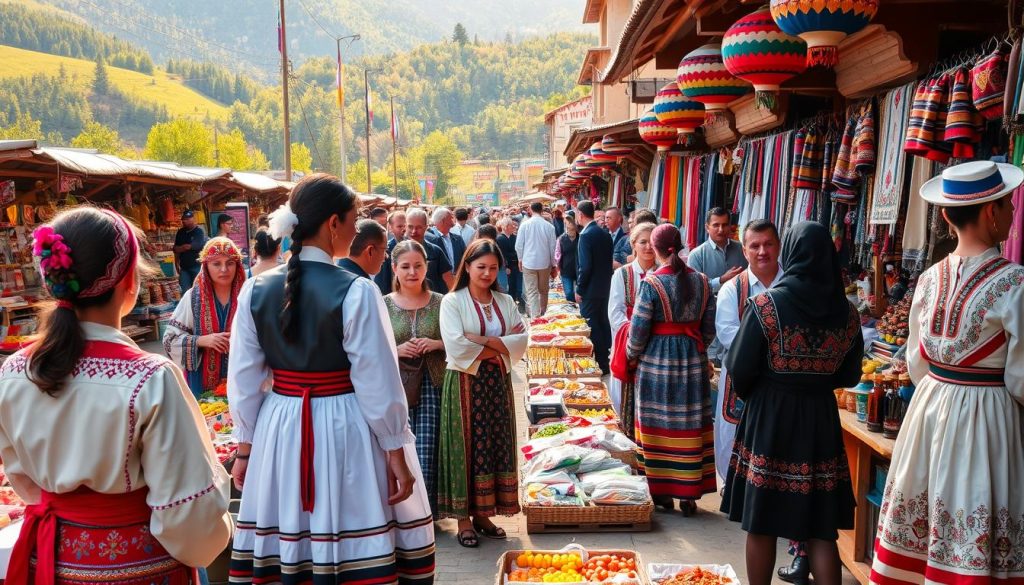
Georgia’s culture is rich and diverse, shaped by its history and people. The majority, about 83.8%, are Georgians. There are also Azeris, Armenians, and Russians, adding to the cultural mix.
This mix of ethnicities brings a lively cultural scene. It’s filled with traditions, languages, and customs that have grown over time.
Ethnic Composition and Diversity
Georgia sits between Europe and Asia, making it a crossroads of cultures. This has led to influences from Anatolian, Persian, and Ottoman cultures, among others. This diversity makes Georgian society a unique blend of customs and lifestyles.
Role of Religion in Daily Life
Religion is big in Georgia, with the Orthodox Church playing a key role. Families include religious rituals in big life events like baptisms and weddings. This shows how important faith is in Georgia.
Being hospitable to guests is seen as a divine gift. This shows the strong social customs in Georgia. Learning about these customs helps you connect with the real Georgian experience.
| Major Ethnic Groups | Percentage of Population |
|---|---|
| Georgians | 83.8% |
| Armenians | 8% |
| Russians | 6% |
| Azeris | 6% |
| Ossetians | 3% |
| Abkhazians | Under 2% |
The Essence of Georgian Hospitality
Georgian hospitality is famous worldwide. It’s a big part of their culture and daily life. When you visit a Georgian home, get ready for lots of food and warm welcomes. They believe guests are a gift from God.
The Supra is a key part of this tradition. It’s a long feast that lasts over 12 hours. There’s plenty of food, laughter, and toasts. An empty table is seen as a shame, showing how important it is to have enough food.
Wine is a big deal in Georgia, known as the “birthplace of wine.” The Tamada, or toastmaster, leads the toasts. They use their words and music to keep everyone entertained for hours. UNESCO has recognized this as a key part of Georgia’s culture.
Guests are expected to join in the wine and toasts. Saying no to hospitality is seen as rude. The Supra is a time for laughter, friendship, and celebrating their traditions.
Celebrations and Traditional Feasts
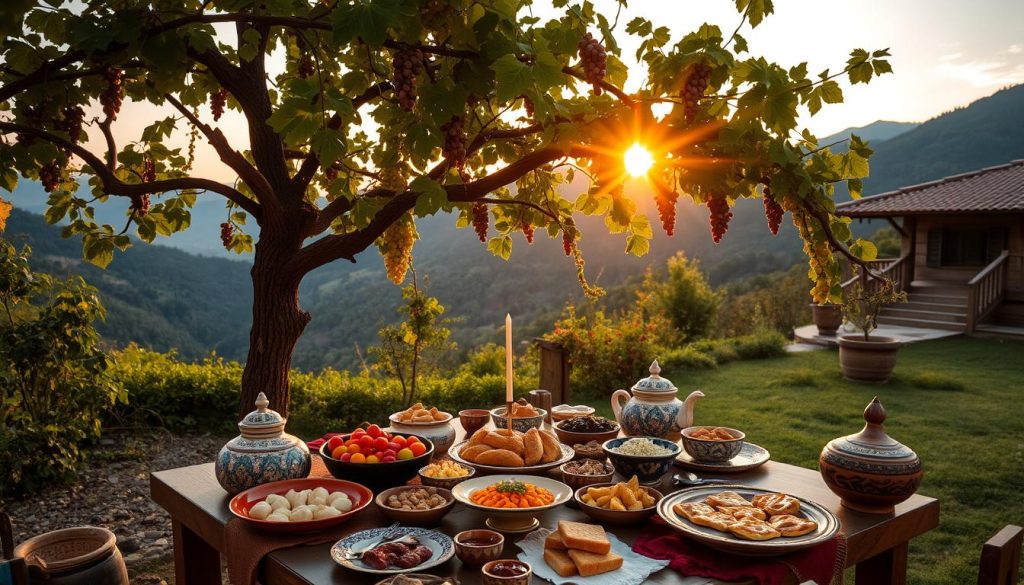
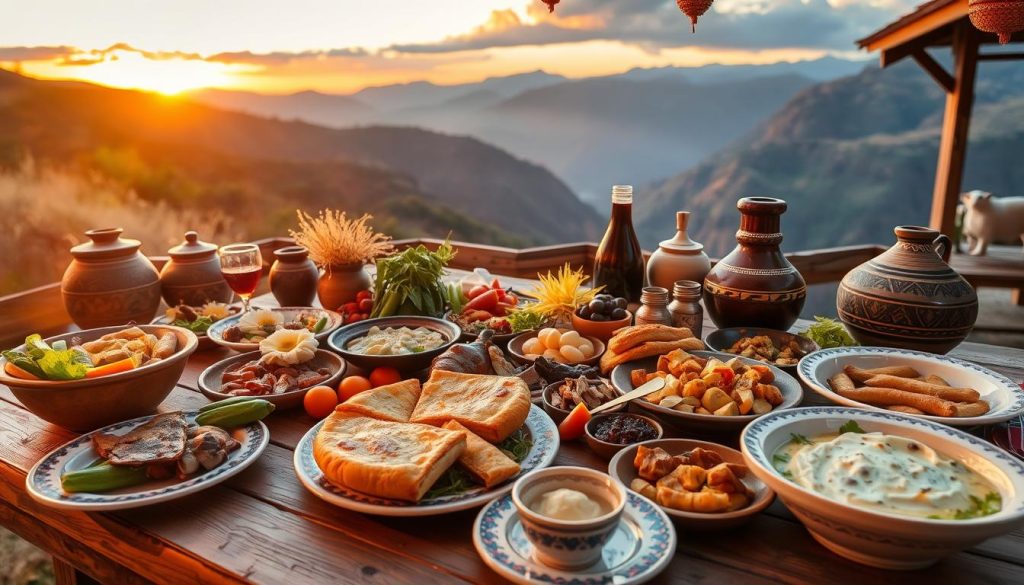
Georgian culture is all about celebrations, with a big focus on the traditional Georgian feast, or supra. These gatherings are for special occasions like birthdays, weddings, and national holidays. They are filled with abundance, friendship, and delicious food, making them unforgettable.
The Supra: A Traditional Feast
Supras are a big deal in Georgia. They feature wine and tasty dishes like khachapuri and khinkali. The tamada, or toastmaster, leads the fun, guiding guests through toasts.
These toasts talk about love, family, and national pride. They bring everyone together, creating a sense of unity.
Special Toasts and Their Meanings
Georgian toasts are full of deep meanings. They reflect life’s important aspects. Guests compete in toasting, showing their creativity and spirit.
There’s a rule: no one drinks until the tamada finishes his toast. This shows respect for the shared moment. Death day supras are a special example, where guests remember loved ones by sprinkling wine as an offering.
- Thematic Toasts: Love, family, and friendship.
- Death Day Customs: Commemorative gestures for the deceased.
- Etiquette: Touching glasses before drinking enhances the communal aspect.
- Formality: Leaving the table during a toast is considered disrespectful.
Nights are filled with singing and stories, showing off Georgia’s rich music. These traditions show respect for ancestry and tradition. Each supra is a key part of Georgian identity.
Etiquette and Social Customs in Georgia
Knowing the etiquette in Georgia helps you get along well with others. It’s important to greet elders first, as they are highly respected. Using formal titles when greeting someone shows respect for their status.
Gifts are a big part of Georgian culture. Small presents like flowers, sweets, or wine are always welcome. Remember, give flowers in odd numbers, not even, as even numbers are for funerals.
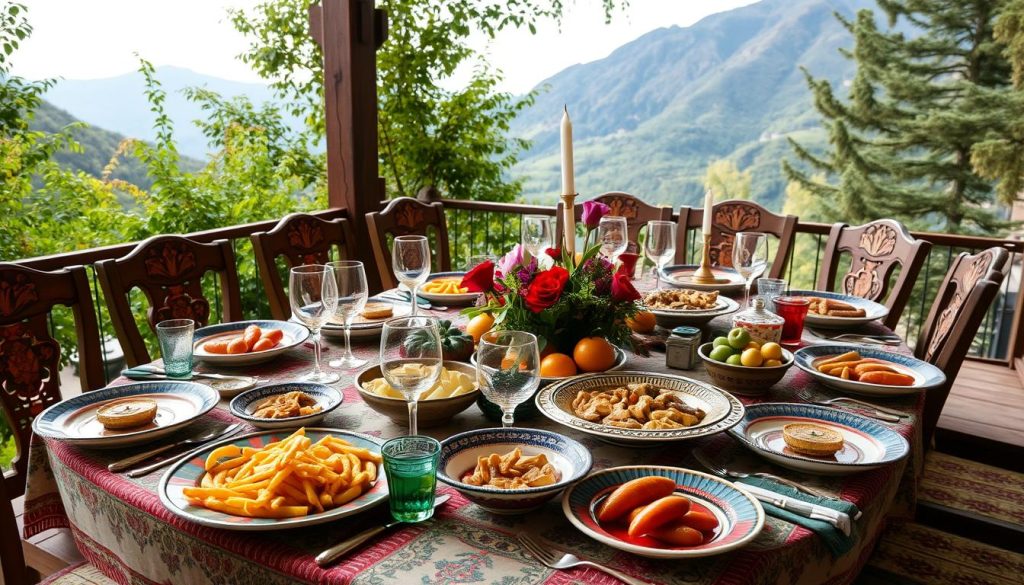
Dining in Georgia has its own rules. You should try every dish and finish your plate to show you appreciate the meal. Use the continental style of table manners, with the fork in your left hand and knife in your right. Also, wait for the tamada to start toasting before drinking wine.
In business, shaking hands is key when entering or leaving meetings. Keeping eye contact shows you’re engaged. When giving out business cards, it’s nice to present one side in Georgian. Meetings focus on building relationships, mixing personal and professional topics.
Georgians value open communication, often sharing their feelings. While public displays of affection are modest, close friends may exchange handshakes or cheek kisses. When visiting places of worship, women should cover their heads, and both men and women should dress respectfully. These customs show the deep respect for culture in Georgia.
Georgian Wedding Traditions
Georgian wedding customs offer a peek into the country’s rich culture. These traditions celebrate the union of two people. They also show how families and communities are involved.
Engagement in Georgia starts with matchmaking. Families help find the right match, mixing love and social duty.
Matchmaking and Engagement Practices
Engagement in Georgia is filled with history and family ties. Families match couples, checking if they’re a good fit. Then, an engagement ceremony shows the couple’s commitment and family bonds.
Traditional Georgian weddings are lively, with over 200 guests from both families. This shows the community’s role in the union.
Customs Following the Wedding Ceremony
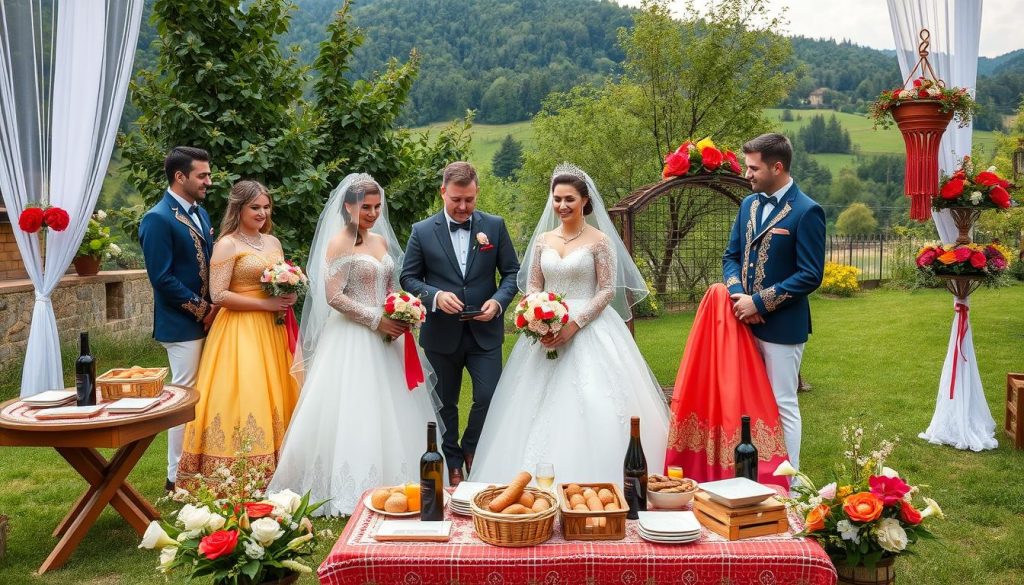
After the wedding, Georgian customs celebrate the new couple. A special tradition is when the groom releases a white bird as the bride enters their home. This marks the start of their life together.
At the wedding feast, the Tamada, or toastmaster, leads toasts. This emphasizes everyone’s role in celebrating the couple. Brides and grooms also share a glass of wine and pass the wedding ring. This shows their unity and commitment.
The celebrations are full of joy, with a wedding procession through the streets. The bride and groom ride in a limousine, showing the happiness of the moment.
| Tradition | Description | Significance |
|---|---|---|
| Matchmaking | Families arrange for compatible couples | Highlights familial roles in marriage |
| White Bird Release | Groom releases a bird as bride enters home | Symbolizes the start of married life |
| Toastmaster Role | Tamada leads toasts during the feast | Emphasizes hierarchy and celebration |
| Wine Drinking Ritual | Couple drinks from the same glass | Represents commitment and unity |
| Procession | Couple drives through streets in a limousine | Showcases festive spirit of the community |
Customs of Gift Giving in Georgia
Gift giving in Georgia shows the values and traditions of the culture. Gifts are given for big events like birthdays, Christmas, and name days. These gifts show thoughtfulness, not just how much they cost.
Traditional Gifts for Various Occasions
In Georgian culture, giving gifts is very meaningful. There are many times when you should give a thoughtful gift:
- Birthdays: Gifts are given to celebrate the day. They can be books or personal items.
- Name Days: This day honors the saint’s name. It’s as important as a birthday.
- Christmas: Gifts during Christmas are personal, like handmade crafts or sweets.
When choosing gifts for Georgian homes, think about cultural items. Local wines or traditional sweets are great choices.
What to Bring When Invited to a Home
When you’re invited to a home in Georgia, bring a small gift. It’s a common and appreciated custom. Good gifts include:
- Flowers: Choose an odd number, as even numbers are for funerals.
- Sweets or Pastries: They show warmth and good intentions.
- A Bottle of Wine: It’s a way to show respect for their winemaking tradition.
Bringing a gift shows you value the host’s hospitality. Choose something thoughtful, not expensive. This follows the spirit of giving in Georgian culture.
| Occasion | Suggested Gifts |
|---|---|
| Birthday | Books, personal items, or handcrafted goods |
| Name Day | Custom-made gifts or traditional sweets |
| Christmas | Local crafts, homemade treats, or wine |
| Home Invitation | Flowers, pastries, or a bottle of wine |
Georgian Culinary Practices and Dining Etiquette
Georgian cuisine is a rich mix of flavors and traditions. Meals are big celebrations, with 8 to 12 or more dishes. This variety ensures guests enjoy a wide range of tastes.
Traditional dishes in Georgia use fresh, local ingredients. These come from markets and small farms, avoiding industrial foods. This approach boosts the meal’s flavors and quality.
Typical Georgian Dishes to Try
Khinkali, dumplings, and khachapuri, a cheese-filled bread, are must-try dishes. The dining experience is about sharing. Food is served family-style to foster a sense of community.
Table Manners and Dining Protocol
Dining etiquette in Georgia shows the country’s warm hospitality. When dining, a Tamada, or toastmaster, leads the meal. They manage the wine and guide toasts.
It’s polite to wait for the Tamada’s cue before drinking. Toasts cover topics like peace and honoring family. Drinking from a khantsi, a horn, is a special custom. Guests are expected to finish it.
Guests should try all dishes and keep their elbows off the table. Following the host’s lead is key. Dining at home often offers better quality and a true taste of Georgian culture. Embracing these dining customs will make your experience richer.
Understanding Business Etiquette in Georgia
Business etiquette in Georgia mixes old traditions with new ways. People often talk indirectly, using hints instead of straight talk. This makes it key to adjust how you communicate to fit in.
Formal talk is common in Georgian business, more so in writing and when talking to bosses. Wear formal clothes, like suits, to meetings. First impressions are very important here.
At business events, toasting is big. Knowing how to toast can make you seem respectful and thankful to your partners.
Negotiations in Georgia take time, focusing on trust and relationships. Be ready for this slow process. It’s important for any deal to succeed. Companies in Georgia often have a strict hierarchy, leading to decisions made by the top.
Keep in mind local holidays like New Year’s and Orthodox Christmas. Also, events like Alaverdoba might change your plans. The service sector is big in Georgia’s economy, showing how important good service is.
Networking is key in Georgia’s business world. Making strong connections can open up big chances. Sending a thank-you note within 24 hours after a meeting is important. It shows you value the relationship and are grateful.
Celebrating Georgian Holidays and Festivals
Georgian culture is full of life, with many holidays and festivals. These events show the country’s rich history and diversity. Over 20 celebrations throughout the year let you dive into local traditions and bond with the community.
Most of these holidays have roots in the Georgian Orthodox Church. This faith is home to over 80% of the population.
Key holidays like Georgian New Year’s Day on January 1 are filled with fireworks, traditional foods, and joy. Christmas, on January 7, brings families together for meals and religious services. Some notable festivals in Georgia include:
- Mother’s Day – Observed on March 3 to honor mothers and pregnant women.
- Victory Day – Celebrated on May 9, commemorating those who fought in World War II.
- Georgian Independence Day – Marked on May 26, this holiday signifies the country’s independence.
- Svetitskhovloba – A celebration of the Svetitskhoveli Cathedral on October 14, significant to Georgian heritage.
The 2024 calendar offers long weekends and extra days off, such as:
| Date | Occasion | Public Holiday |
|---|---|---|
| March 3 | Mother’s Day | Yes |
| March 8 | International Women’s Day | Yes |
| April 9 | National Unity Day | Yes |
| May 3-6 | Extended Days Off | No |
| May 9 | Victory Day | Yes |
| May 26 | Independence Day | Yes |
| August 28 | Feast of the Virgin Mary (Mariamoba) | Yes |
| October 14 | Svetitskhovloba | Yes |
| November 23 | St. George’s Day | Yes |
| January 1-5, 7, 19 | New Year and Epiphany | Yes |
Joining in on Christmas parades or Georgian New Year’s festivities can deepen your understanding of the culture. These events offer a chance to connect with Georgian traditions through cultural gatherings and religious observances.
Conclusion
Learning about traditional Georgian customs helps us appreciate the country’s rich heritage. By diving into its vibrant traditions and delicious foods like Khinkali and Badrijani Nigvzit, we connect with its people. The warmth of Georgian hospitality and the etiquette in social interactions make our travel experience richer.
Embracing Georgian customs deepens our understanding of a culture that values connection and respect. Enjoying a Supra feast or sharing heartfelt toasts shows us the true Georgian spirit. Exploring this beautiful country through its traditions helps us make lasting memories and connections.
Engaging with Georgian customs makes our journey more than just sightseeing. By participating in celebrations and embracing the spirit of Georgia, we become part of its culture. Every toast and dish we enjoy adds to the rich tapestry of Georgian culture.