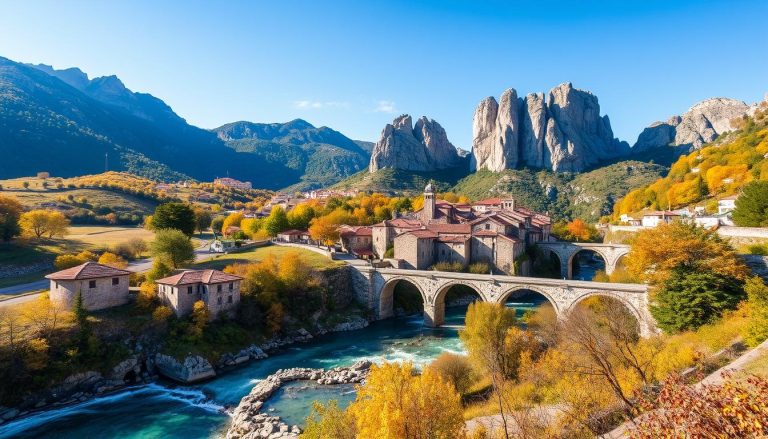
Gyumri’s Cultural Highlights – Explore Armenian Heritage
Ever wondered about hidden treasures in a city less known? Gyumri, Armenia’s second-largest city, is a symbol of resilience and rich heritage. It invites you to explore its vibrant cultural highlights. Known as Armenia’s cultural capital, Gyumri weaves a story of history and art, showing both struggle and renewal after the 1988 earthquake.
Walking through the historic Kumayri district, you’ll see stunning 19th-century architecture. You’ll also find a mix of artistic expressions in local galleries and a lively arts scene. Let’s explore Gyumri together and discover how it invites you to dive into Armenian heritage in a new way.
Discover Gyumri: Armenia’s Cultural Capital
Gyumri is Armenia’s second largest city, a lively center of culture and creativity. It’s just 144 km from Yerevan, the capital. This city offers a unique look into Armenian heritage.
Gyumri is famous for its rich theatrical history and strong spirit. It has a mix of post-Soviet charm and stunning neoclassical buildings. After the 1988 earthquake, Gyumri was rebuilt, showing the community’s strength and artistic spirit.
The city has many cultural sites to explore. The Sev Berd, or Black Fortress, is a key historical site, just 8 km from Turkey. Gyumri also has museums and art galleries, like the Aslamazyan Sisters Gallery, that highlight local talent.
The city is known for its ceramics, thanks to Antonio Montalto’s help. This shows Gyumri’s dedication to keeping Armenian crafts alive.
Trying local food in Gyumri is a must. Places like Poloz-mukuch and Cherkezi Dzor serve traditional dishes. The people of Gyumri are known for their friendly nature, making your visit special.
Talking to the locals, you’ll find hidden stories and places. Gyumri is more than a city; it’s a community full of life and Armenian heritage.
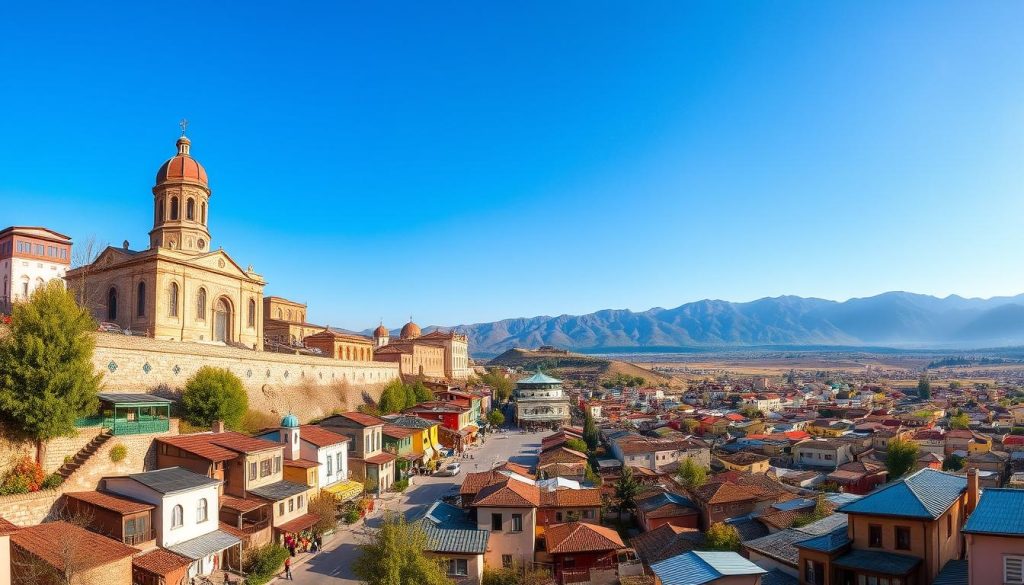
The Historic Kumayri District
The Kumayri historic district is the heart of Gyumri’s culture and architecture. It covers about 10 km2 (4 sq mi). This area has around 1,600 cultural monuments, showing the city’s rich history and architectural growth.
Streets are filled with over a thousand buildings from the 19th and 20th centuries. These buildings reflect the unique Gyumri architecture that has stood the test of time.
Walking through the cobblestone paths, you’ll see vibrant facades and intricate ironwork. This area became a home for around 3,000 families in 1829. By the late 19th century, Alexandropol, now Gyumri, was bustling with 430 shops and workshops, adding to the lively Armenian cultural heritage.
The Holy Saviour’s Church and the Cathedral of the Holy Mother of God are architectural gems. The Dzitoghtsyan Museum of National Architecture shows Alexandropol’s social life from the 19th century to the 1920s. Local artisan shops in Kumayri district also keep Armenian craftsmanship alive, offering unique handcrafted goods.
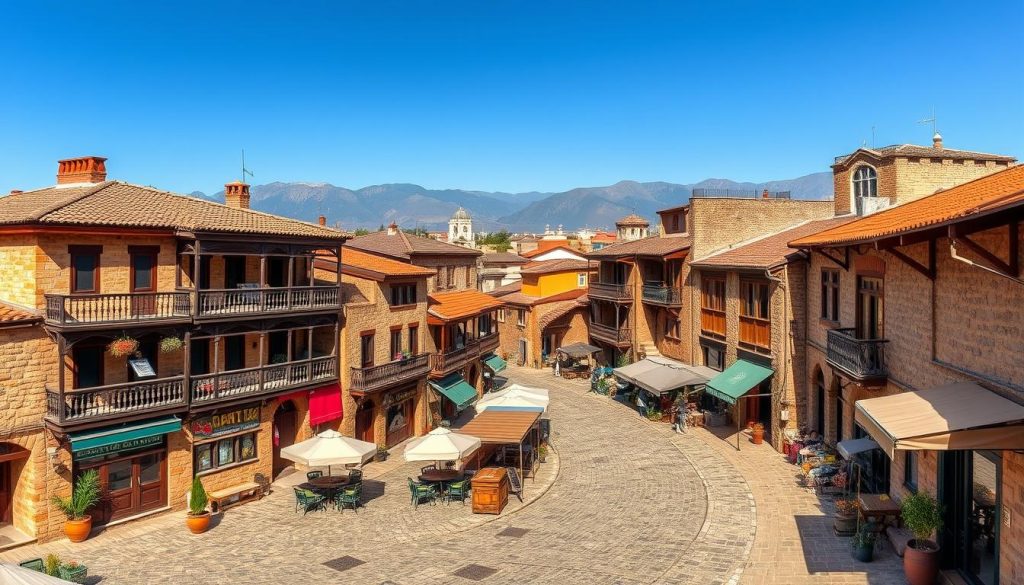
Exploring the Kumayri historic district gives you a real look at a historic Armenian city. It has survived natural disasters and cultural changes. This district invites you to explore and appreciate its architectural beauty and cultural importance.
What are the cultural highlights of Gyumri?
Gyumri is a vibrant city filled with culture and history. It attracts visitors who want to see its stunning architecture and rich heritage. The city’s buildings tell the story of its resilience and past.
Architectural Wonders Throughout the City
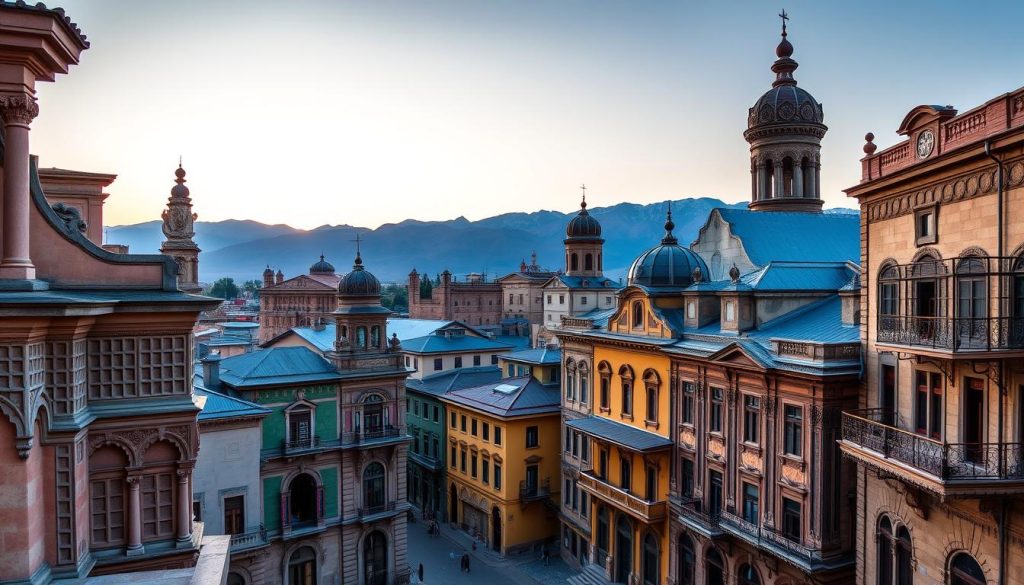
Gyumri’s architecture is a mix of old and new. It has many important sites to see:
- Sev Berd (Black Fortress): This fortress gives amazing views of the city and shows its history.
- Seven Wounds Church: Built from 1874 to 1886, it shows the city’s rich history.
- All Savior’s Church: Built from 1858 to 1876, it shows the skill of old artisans.
Artistic Expressions in Gyumri’s Galleries
Gyumri’s art scene goes beyond its buildings. The city’s galleries are full of creativity and local talent. The Cobweb Art Gallery & Museum is a highlight, with interactive exhibits for visitors.
Gyumri’s oldest art school, from 1921, helps train new artists. This makes Gyumri a cultural treasure in Armenia.
| Architectural Site | Year Built | Significance |
|---|---|---|
| Sev Berd (Black Fortress) | 15th Century | Historical military stronghold with panoramic views |
| Seven Wounds Church | 1874-1886 | Example of traditional Armenian architecture |
| All Savior’s Church | 1858-1876 | Cultural and religious landmark |
Exploring Gyumri’s architecture and art shows its cultural highlights. This city is a mix of history, art, and resilience that fascinates everyone.
Exploring Gyumri’s Museums
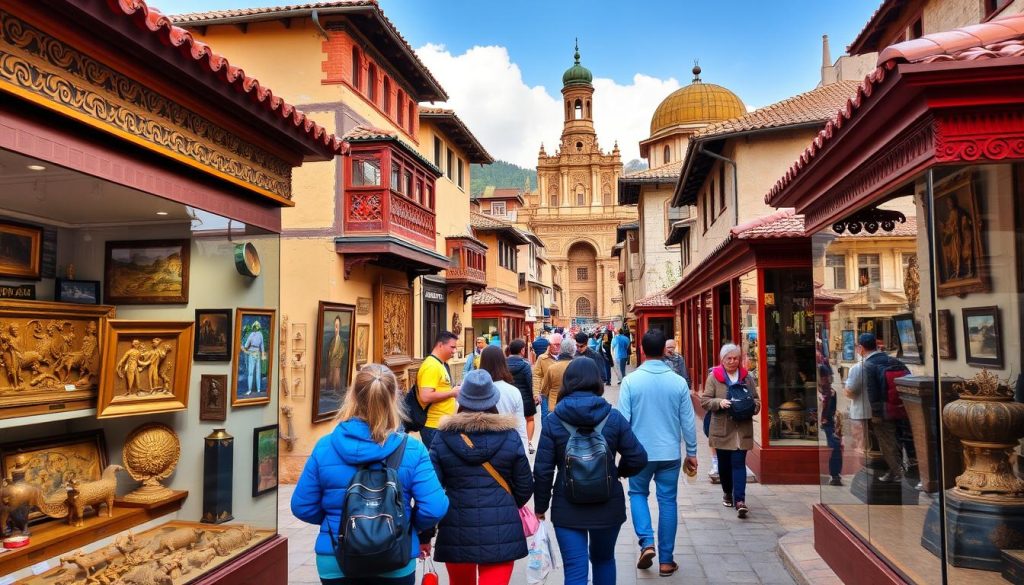
Gyumri is a city rich in history and culture. Its museums show the city’s past and present. You’ll see art, daily life, and social structures. Exploring Gyumri’s museums lets you discover the stories of this vibrant Armenian city.
Dzitoghtsyan Museum of Social Life and History
The Dzitoghtsyan Museum is a key part of Gyumri’s history. It shows how people lived over time. You’ll see artifacts, photos, and household items that show Gyumri’s cultural growth.
Walking through, you’ll learn about the daily lives of Gyumri’s people. You’ll also see the architectural styles that shaped this area.
S. D. Merkurov’s House Museum
The S. D. Merkurov’s House Museum is dedicated to a famous Armenian sculptor. It has Merkurov’s works and personal items. This lets visitors see his art and its cultural importance in Gyumri.
This museum honors artistic expression and creativity. It shows how one person’s work can impact a community.
| Museum Name | Main Focus | Highlights |
|---|---|---|
| Dzitoghtsyan Museum | Social Life and History | Artifacts, traditional items, historical photos |
| S. D. Merkurov’s House Museum | Sculptural Art and Personal Legacy | Artwork collections, personal memorabilia |
Iconic Historical Landmarks in Gyumri
Gyumri is a city filled with history. It has landmarks that show its rich past. These places let you dive into their stories, adding to Armenia’s cultural heritage.
The Black Fortress: A Glimpse into the Past
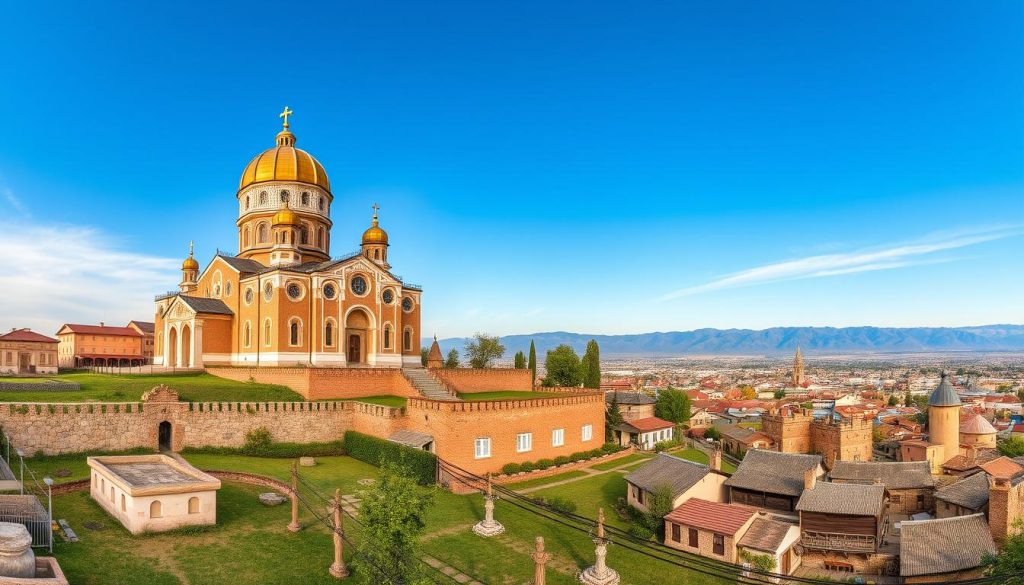
The Black Fortress is a key part of Gyumri’s military history. It sits high, offering amazing views. This fortress has defended the city for centuries, making it a must-see for history buffs and tourists.
Its stone walls tell stories of the city’s strength. They show how Gyumri has faced many challenges.
Main Square and Mother Armenia Statue
Main Square is Gyumri’s lively center. It’s where locals meet and tourists find a warm welcome. At its heart is the Mother Armenia statue, a symbol of Armenian pride and courage.
This statue honors the Armenian people’s bravery. The square’s beauty and the statue’s presence make it a place of inspiration. It’s a key spot for understanding Gyumri’s culture.
| Landmark | Location | Significance |
|---|---|---|
| Black Fortress | Elevated grounds of Gyumri | Symbol of military history |
| Main Square | Central Gyumri | Community gathering space |
| Mother Armenia Statue | Main Square | National pride and resilience |
Experience the Thriving Gyumri Art Scene
The Gyumri art scene is a vibrant reflection of the city’s rich culture. It’s the second-largest city in Armenia, filled with creativity. Here, you’ll see a mix of traditional Armenian art and modern styles.
Local artists find inspiration in Gyumri’s history and architecture. They blend the old with the new, creating something unique.
Galleries and cultural centers are key spots in the city. They host exhibitions that showcase local talents. You’ll see paintings, sculptures, and multimedia art.
These events highlight both well-known and new artists. It’s a chance to see the diversity of the community’s art.
Public installations and performances make the art scene even more exciting. They bring art to life in the city’s streets. The historic setting inspires artists to see the city in new ways.
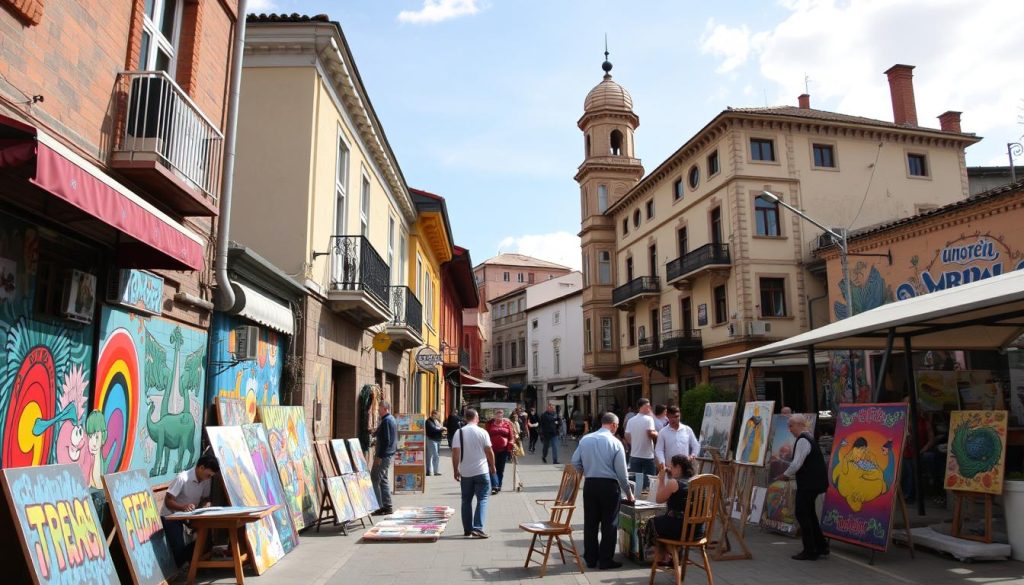
Visiting a show or exhibition lets you dive into the local culture. It connects you with the artists’ passion. Gyumri is a top spot for art enthusiasts and those curious about the city’s spirit.
Festivals and Cultural Events in Gyumri
Gyumri is alive with cultural events and festivals. These celebrate its rich heritage and artistic spirit. They showcase local talent and attract visitors, making Gyumri a cultural hub.
Gyumri Biennale: A Celebration of Contemporary Art
The Gyumri Biennale is a key event in Gyumri’s festivals. It focuses on contemporary art, featuring work from local and international artists. Exhibitions, installations, and performances aim to connect different artistic communities.
This event turns Gyumri into a space for creativity. It offers a chance to see innovative art that challenges and inspires.
Gyumri Day: Showcasing Armenian Traditions
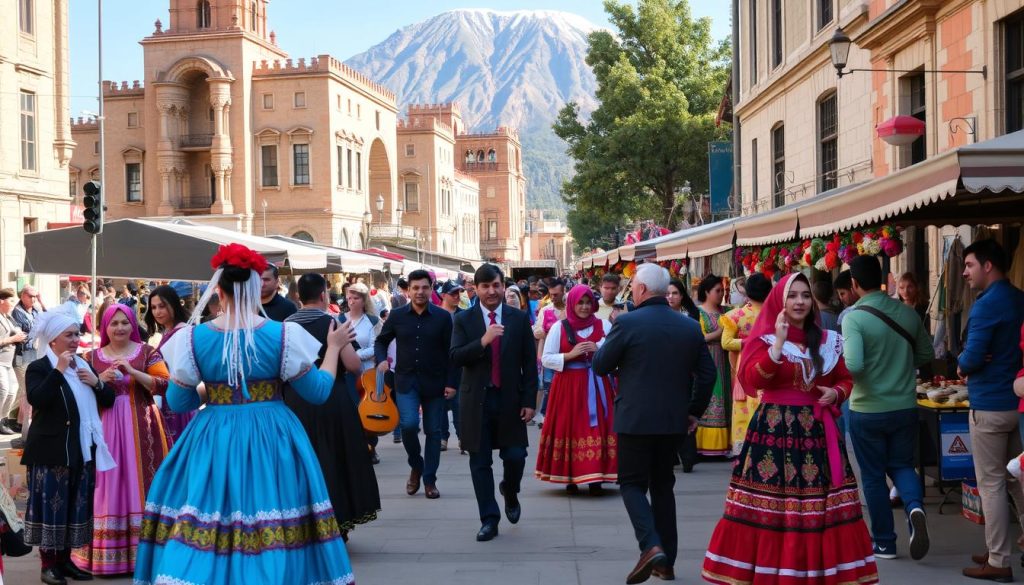
Gyumri Day is celebrated in October. It’s a major cultural event that honors the city’s traditions. The festival includes a parade with folklore, traditional costumes, music, and dance.
Local performers bring the city’s cultural richness to life. Artisans and craftsmen also join, showcasing their handmade goods. These goods reflect Gyumri’s skill and creativity.
| Event | Type | Frequency | Description |
|---|---|---|---|
| Gyumri Biennale | Art Festival | Biennially | Showcases contemporary art from local and international artists. |
| Gyumri Day | Cultural Festival | Annually | Celebrates local traditions through parades, music, and exhibitions. |
These festivals enrich Gyumri’s culture and create shared experiences. They connect communities, visitors, and artists. By embracing Gyumri’s festivals, you can dive into Armenian traditions and modern art.
The Architectural Heritage of Gyumri
Gyumri’s architecture is a key part of its identity. It shows a mix of cultural influences and historical stories. Walking through the city, you’ll see different styles, from old churches to Soviet buildings.
These buildings remind us of Gyumri’s past. They show how the city and its people have changed over time.
The Seven Wounds Cathedral is a standout with its beautiful design. The Dzitoghtsyan Museum of Social Life and National Architecture gives insights into local traditions. The Aslamazyan Sisters House-Museum celebrates Armenian artists, adding to the city’s rich heritage.
Visiting the Architecture Museum is also a must. It focuses on preserving Gyumri’s architectural gems. The museum’s exhibits, like historic photos and blueprints, help you understand the city’s urban planning.
Going on a guided tour can make your experience even better. It lets you appreciate Gyumri’s architecture and the skill behind it.