Explore Luang Prabang’s History: Top Sources Revealed
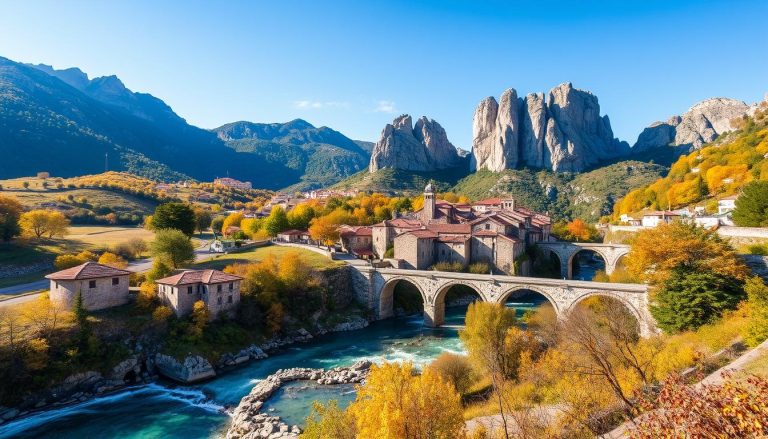
Ever wondered how one city can hold centuries of history? Luang Prabang, in Laos, is a treasure trove of history. It mixes local culture with colonial touches beautifully. This city is a UNESCO World Heritage Site, showing off its rich past.
As you explore Luang Prabang, you’ll see amazing architecture and lively traditions. It’s a place that history buffs and travel lovers must see. Let’s dive into the history of Luang Prabang together.
Introduction to Luang Prabang’s Historical Significance
Luang Prabang is a treasure trove of history and culture in Southeast Asia. It sits where the Nam Khan and Mekong Rivers meet. For over 200 years, it was a royal capital. Its historical significance shines as a UNESCO World Heritage Site, showing off its stunning architecture and rich culture.
The city’s mix of Laotian and French colonial styles is striking. You’ll see many Buddhist temples, each filled with spiritual and artistic beauty. Wat Xieng Thong and Wat Mai Suwannapumharam are just a few examples, with their detailed designs and deep faith.
Exploring Luang Prabang’s past is a journey through its architecture. The temples and colonial buildings tell the city’s story. It’s a place where history and spirituality meet, making it a must-see for history buffs and temple enthusiasts alike.
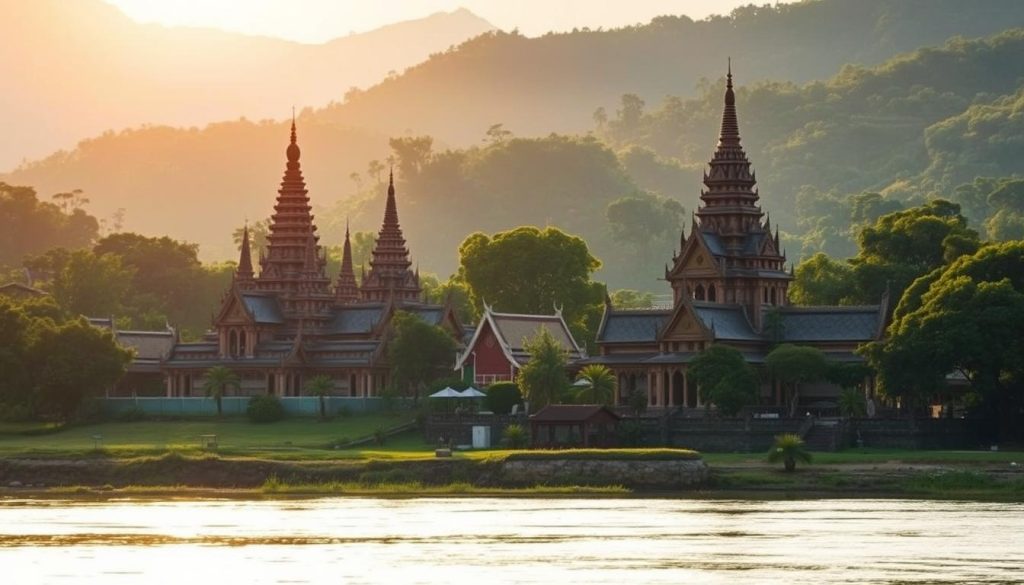
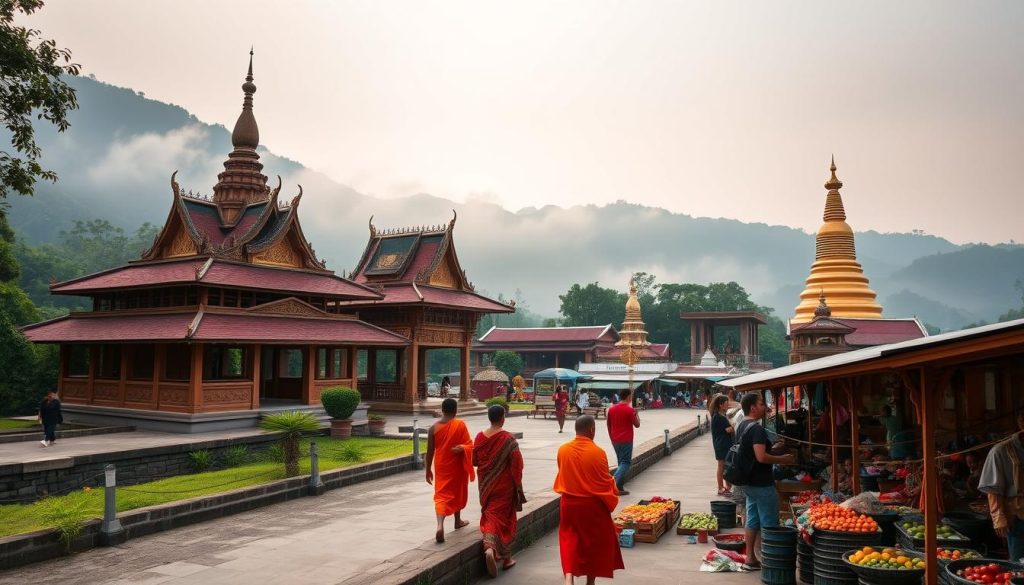
Don’t miss the temple visits and the Morning Almsgiving Ceremony. These experiences offer a unique mix of culture and history. They show how Luang Prabang’s natural beauty and heritage come together.
| Key Highlights | Details |
|---|---|
| UNESCO World Heritage Status | Recognizes architectural beauty and cultural significance |
| Notable Temples | Wat Xieng Thong, Wat Mai Suwannapumharam |
| Colonial Influence | Fusion of Laotian and European architectural styles |
| Local Attractions | Kuang Si Waterfall, Pak Ou Caves |
| Activities | Temple explorations, Night Market, Heritage Tours |
Overview of Luang Prabang’s Rich Cultural Heritage
Luang Prabang is a place of wonder, with a history and architecture that amaze everyone. It’s a UNESCO World Heritage Site since 1995. This status shows its importance and the effort to keep its buildings and traditions alive.
Importance of UNESCO World Heritage Status
Being a UNESCO World Heritage Site means a lot for Luang Prabang. It protects 34 Buddhist temples and many buildings, showing the city’s rich past. The town is also home to 33 villages, keeping Buddhist learning and traditions alive. Tourism has grown, thanks to its unique charm.
Architectural Influences: Lao and Colonial Styles
The buildings in Luang Prabang mix Lao and colonial styles beautifully. This mix shows how Laotian design was enriched by French touches from the 19th and 20th centuries. Places like Wat Xieng Thong and Wat Mai show this diversity, with their detailed designs and craftsmanship. Visiting these sites gives a glimpse into the past and the efforts to preserve the city’s heritage.
Where can I learn about the history of Luang Prabang?
Looking to learn about Luang Prabang’s history? You’re in luck because there are many resources available. The Traditional Arts and Ethnology Centre is a great place to start. It showcases Laos’s cultural diversity and offers insights into the region’s traditions and heritage.
The Royal Palace Museum is another must-visit. Here, you can learn about the Lao monarchy’s history and its impact on the area.
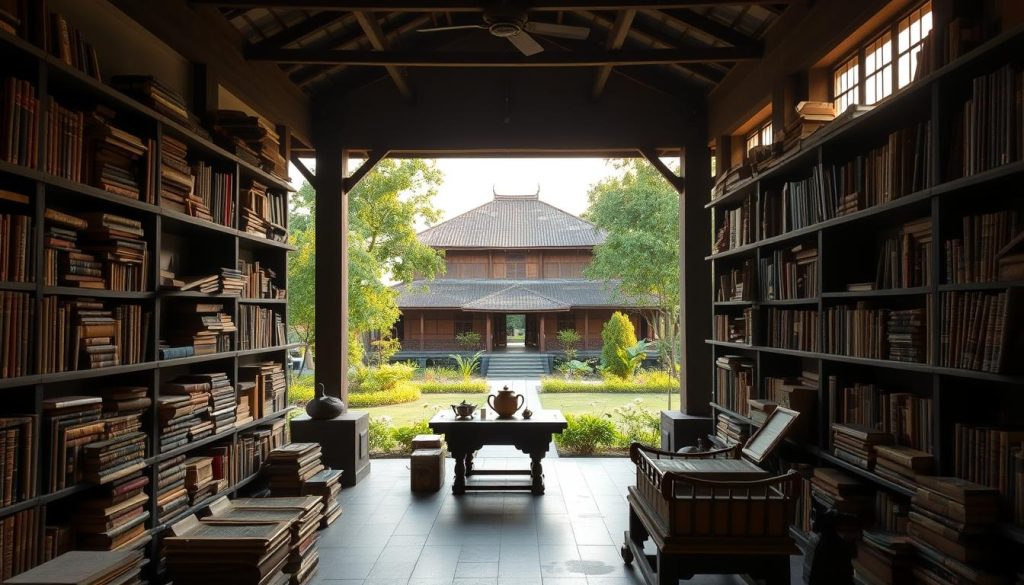
There are also many educational resources on Luang Prabang history to explore. Books and documentaries can tell you about the city’s past, from its time as the capital of the Lane Xang kingdom to its changes under colonial rule. Online digital archives provide interactive learning experiences that make it easy to access important information about this UNESCO World Heritage Site.
Whether you like guided tours or prefer to learn on your own, there are plenty of options. So, if you’re wondering: Where can I learn about the history of Luang Prabang?, you’re in the right place.
- Traditional Arts and Ethnology Centre
- Royal Palace Museum
- Books on Luang Prabang history
- Documentaries about the region
- Online digital archives
| Resource Type | Examples | Access Method |
|---|---|---|
| Museum | Royal Palace Museum | In-person visit |
| Centre | Traditional Arts and Ethnology Centre | In-person visit |
| Books | A History of Luang Prabang | Purchase or library |
| Documentary | Luang Prabang: The Jewel of Laos | Streaming services |
| Digital Archive | UNESCO World Heritage Centre | Online access |
Exploring Historical Sites in Luang Prabang
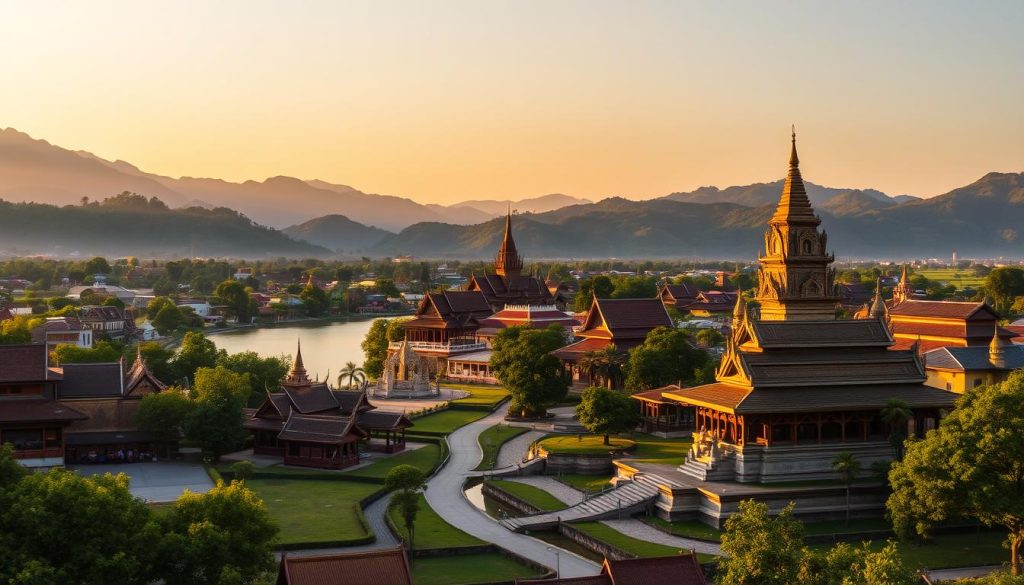
Dive into Luang Prabang’s rich history by visiting its historical sites. The city boasts many Luang Prabang historical landmarks. These sites showcase the city’s cultural heritage, attracting history lovers and travelers.
Key Temples and Monasteries
Wat Xieng Thong is a standout, known for its beautiful architecture and cultural importance. It’s a key place for Buddhist practices, with stunning mosaics and wooden structures. Luang Prabang has over 30 temples and monasteries, each offering a unique look into the city’s spiritual side.
Visitors can join the daily almsgiving ritual. Hundreds of monks receive offerings from locals and tourists. This ritual strengthens community bonds and preserves tradition.
Royal Palace Museum: A Snapshot of Laotian Royalty
The Royal Palace Museum is a must-see, built in 1904 for King Sisavang Vong. Today, it showcases a vast collection of artifacts and documents. These items highlight the splendor of Laotian royalty until the monarchy ended in 1975.
Visiting this site offers a deep dive into Laos’s history and the royal family’s impact. Don’t miss the palace’s architectural beauty, a symbol of Luang Prabang’s culture.
| Landmark | Significance | Visiting Hours |
|---|---|---|
| Wat Xieng Thong | One of the oldest and most sacred temples | Open daily from 6 AM to 6 PM |
| Royal Palace Museum | Showcases artifacts of Laotian royalty | Open daily from 8 AM to 11:30 AM, 1 PM to 4 PM |
| Pak Ou Caves | Housing thousands of Buddha statues | Open daily from 8 AM to 5 PM |
Luang Prabang’s Historical Timeline
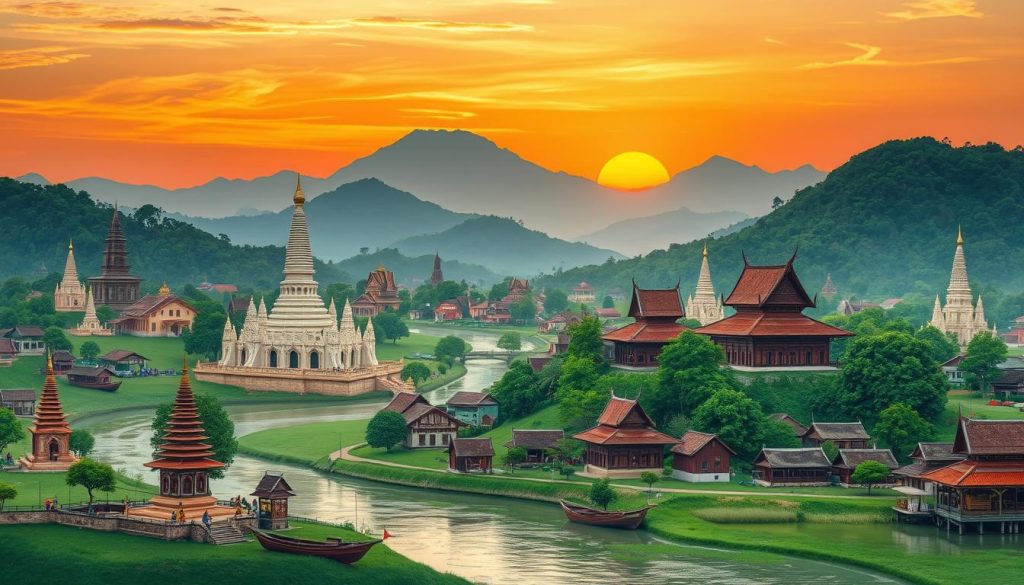
Exploring Luang Prabang’s history shows its exciting journey through time. You can discover its rich heritage by looking at the key events that shaped it.
Founding and Early Influences
Luang Prabang, once called Muang Sua, was founded in 698. It became the capital of the Lan Xang Kingdom in 1353. This led to a time of cultural growth and building.
Many temples were built during this period. They show the city’s strong spiritual and cultural roots.
Transition from Capital of Lan Xang to French Protectorate
Over time, Luang Prabang changed from the royal capital to a French Protectorate in the late 19th century. This change brought new architecture, culture, and rules. European styles mixed with traditional Lao ones.
Post-Colonial Era and the Modern Day
The post-colonial era was a big change for Luang Prabang. After the monarchy fell in 1975, the city faced many challenges. Yet, it became a key cultural center.
Today, Luang Prabang has over 30 active temples, lively markets, and beautiful nature. These sights give a glimpse into its fascinating history.
Educational Resources on Luang Prabang History
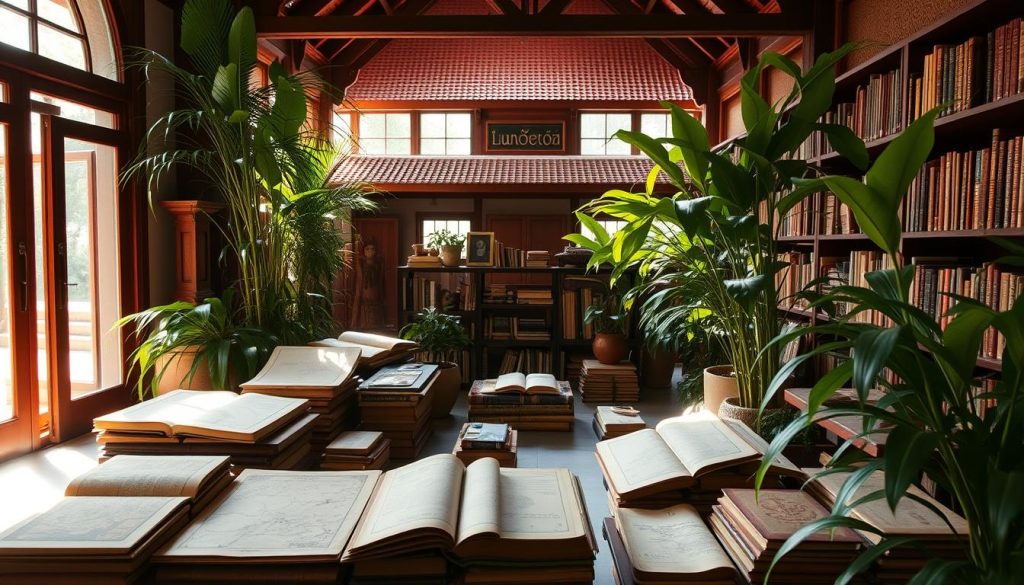
To understand Luang Prabang’s history and culture, many resources are available. Books offer deep dives into the city’s past and present. They cover everything from Theravada Buddhism to colonial history.
Recommended Books and Documentaries
Many books on Luang Prabang are worth reading. They explore topics like Theravada Buddhism and Lao royal histories. You’ll also find books on colonial history and modern changes.
- Theravada Buddhism and its influence (2 books)
- Lao royal histories and dynasties, focusing on the Last Century of Lao Royalty
- Colonial history during the French protectorate, with in-depth explorations of the period
- Modern adaptations and local responses to globalization
- Architectural heritage showcasing the unique blend of Lao and colonial styles
Documentaries also offer a visual look at Luang Prabang’s history. They show the cultural depth and historical events that shaped the city.
Online Resources and Digital Archives
Online, you can find many resources on Luang Prabang history. Digital archives have photos, documents, and articles on key events and practices. These are great for researchers and anyone interested in Luang Prabang’s history.
Luang Prabang History Tours: What to Expect
Luang Prabang history tours offer a wide range of experiences. They help you understand this amazing city better. You’ll see its past, architecture, and culture through guided tours.
Types of Tours Available
There are many tours for different interests. Here are some favorites:
- Temple Tours: Visit famous temples like Wat Xieng Thong, built in 1560. Learn about Buddhist architecture.
- Walking Tours: Walk with guides through the city’s streets. Discover its history and how it changed, even with the Vietnam War.
- Market Tours: See Luang Prabang’s lively markets. Try street food and buy handmade items.
Highlights of Guided Tours
Guided tours in Luang Prabang offer special moments:
- See important sites like the Royal Palace Museum. Learn about Laotian royalty for 30,000 kip.
- Join in the daily almsgiving ritual. It shows the city’s spiritual side.
- Climb Phousi Hill for stunning views. It’s a 300-step climb but worth it.
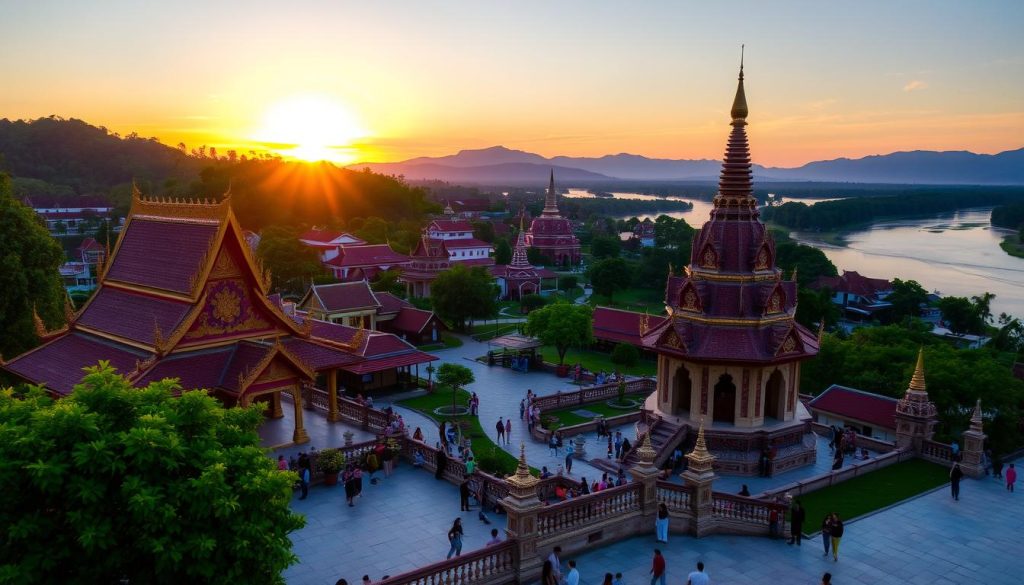
Luang Prabang history tours are more meaningful with local guides. They share stories of this UNESCO World Heritage Site. Each tour uncovers more of the city’s history.
Uncover Luang Prabang’s Cultural History
The cultural history of Luang Prabang is rich and layered. It shows the traditions and values that have shaped its society. To truly understand Luang Prabang’s cultural history, you should dive into the vibrant local festivals.
Events like Pi Mai, the Lao New Year, fill the streets with parades and traditional performances. These events reflect the city’s Buddhist heritage and the community spirit. These festivals have been celebrated for years, showing the historical context behind them.
Local Festivals and Their Historical Context
Local festivals are key in preserving Luang Prabang’s unique identity. They are often linked to Buddhist traditions, showing the importance of spiritual beliefs in daily life. Festivals, like the Buddha’s Birthday, feature stunning ceremonies at temples like Wat Xieng Thong and Wat Mai.
These occasions highlight the community’s commitment to Buddhism. They also foster social bonding and cultural expression.
Role of Buddhism in Shaping Local Culture
Buddhism is the core of Luang Prabang’s culture, influencing architecture and moral conduct. The city boasts thirty-three Buddhist temples, including Wat Visounnarath, built since 1513. These temples are not just for worship but also for community events, storytelling, and education.
Exploring local Buddhist practices gives deep insights into the community’s spiritual guidance. It shows how spirituality influences the lives and traditions of Luang Prabang’s 24,000 residents.