Planning Your Thimphu Trip: Days Needed & Tips
Ever thought about how many days you need in Thimphu, Bhutan’s capital? This city is a mix of old traditions and new ways, with lots to see. Knowing your Thimphu trip planner well is key to enjoying your visit.
When planning your trip, think about the Sustainable Development Fee (SDF) and your plans. With costs from $450 to $600 per day for one person, or $475 to $500 for two, you might wonder how to make the most of your time. How can you make every moment in this beautiful city count?
Make sure to see the amazing sights, like the Buddha Dordenma Statue and Dochu La Pass. With good planning and our Thimphu travel tips, your trip will be unforgettable and just right for you. So, let’s explore what a few days in this amazing place can offer!
Introduction to Thimphu
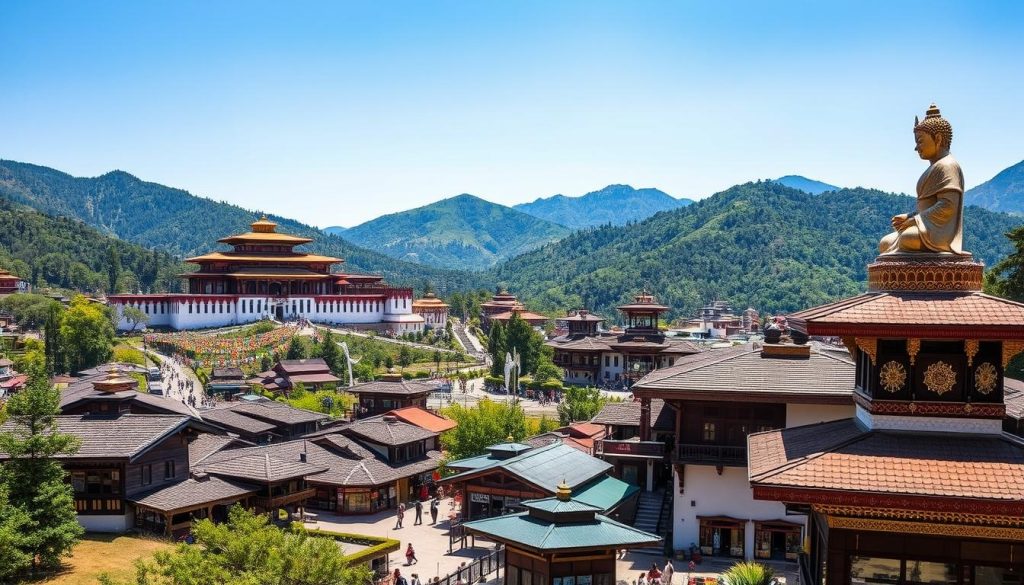
Thimphu is Bhutan’s biggest city, filled with politics and culture. It’s in the western part of the country. Here, old monasteries and new buildings mix, making it lively for visitors.
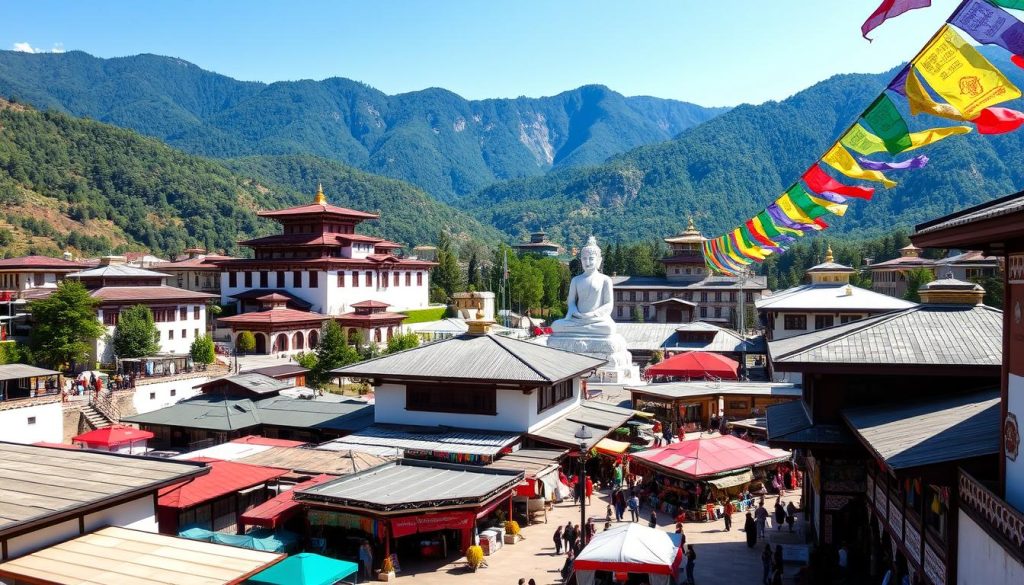
The Tashichho Dzong and the huge Buddha Dordenma statue are must-sees. They show what Thimphu is all about. These sights make Thimphu tourism special.
Exploring Thimphu, you’ll find lots to do. Markets let you dive into local life, and museums share Bhutan’s history. Nature lovers can enjoy the Himalayas.
Thimphu is a great place to start exploring Bhutan. You’ll see amazing sights and learn about the culture.
How many days do I need in Thimphu?
Figuring out how long to stay in Thimphu depends on travel time and planning. Thimphu is a key entry point to Bhutan’s culture. To fully enjoy your visit, you need to plan carefully.
Considering Travel Time and Logistics
The drive from Paro airport to Thimphu takes about an hour. But, the roads in Bhutan are winding, making the trip feel longer. It’s wise to add extra time for travel and getting used to the high altitude.
Most visitors find three days is enough to see Thimphu’s sights. This time allows for a good look at the city’s vibrant culture.
Suggested Itineraries for Different Durations
Thinking about how long to stay in Thimphu? Here are some itineraries to consider:
- 2-Day Itinerary: See key spots like Buddha Dordenma and Tashichho Dzong. Also, visit local markets.
- 3-Day Itinerary: Add a day hike to a temple or a visit to the Folk Heritage Museum for cultural insight.
- 4-5 Day Itinerary: Explore local festivals or join workshops. This deepens your understanding of Bhutan’s culture.
- 7-10 Day Itinerary: Great for seeing more of Bhutan, including Paro and Punakha. These places have beloved monasteries and dzongs.
- 10-15 Day Itinerary: Best for those who love nature and adventure. Trek, birdwatch, or explore Bhutan’s untouched wilderness.
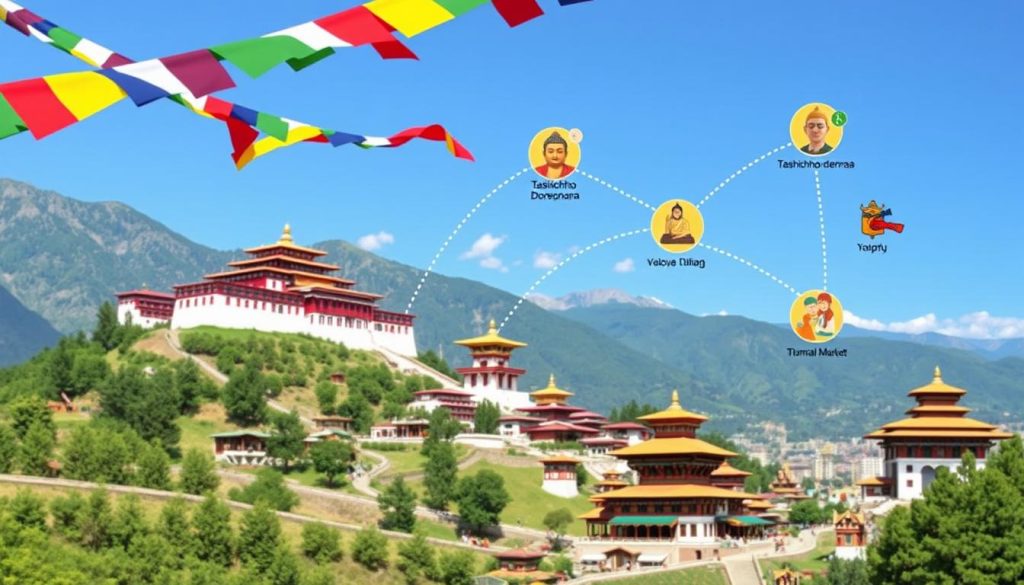
With different entry fees for tourists, planning your Thimphu trip is key. Whether you’re here for a short visit or a long exploration, make sure your itinerary matches your interests. This will make your time in Thimphu unforgettable.
Best Time to Visit Thimphu
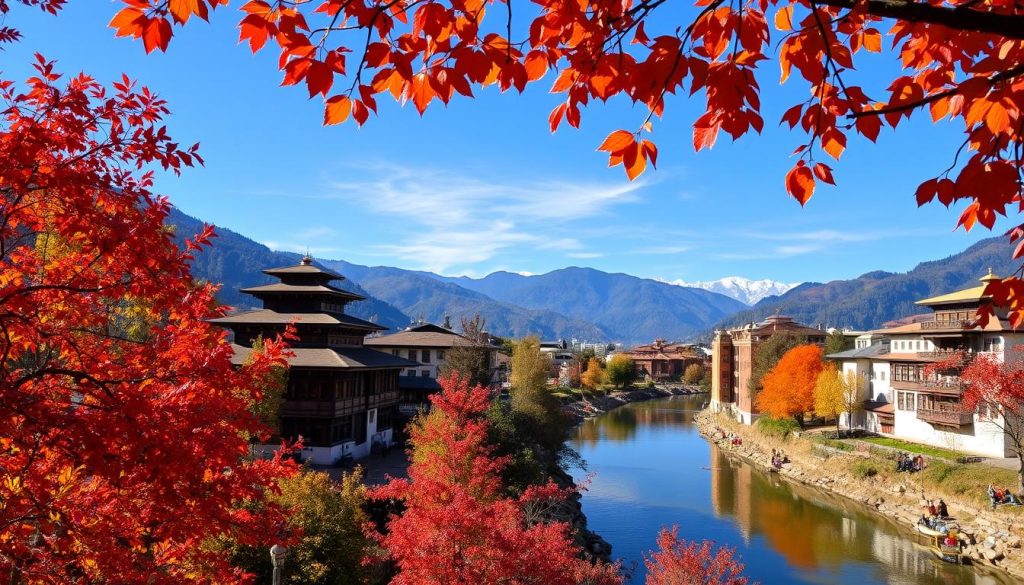
Choosing the right time for your trip to Thimphu is key. Weather, festivals, and attractions all play a part. Spring and autumn are the best times to visit. The weather is mild, perfect for exploring.
During these months, you’ll see the Himalayas in all their glory. Clear skies make the views even more breathtaking.
Weather Considerations
Thimphu has about 210 clear sky days a year. This means plenty of chances to see the sights. Spring temperatures range from 6°C to 22°C (43°F to 72°F). Autumn temperatures are from 4°C to 21°C (39°F to 70°F).
Spring and autumn have some rain, but it’s usually short. This makes the weather great for outdoor fun. Winter, on the other hand, is cold and snowy, making travel tough.
Seasonal Attractions and Festivals
Visiting Thimphu during festivals is a must. The Thimphu Tshechu in September is a highlight. It showcases traditional dances and ceremonies, giving you a taste of Bhutanese culture.
Spring and autumn festivals, along with good weather, make these seasons the best. Keep these in mind when planning your trip.
Thimphu Itinerary Overview
Planning a trip to Thimphu needs careful thought to make it unforgettable. Here’s a day-by-day guide to help you make the most of your visit.
Day-by-Day Breakdown
Begin by driving from Paro to Thimphu, a 1.5-hour journey. On your first day, see the stunning Buddha Dordenma statue. It’s a 50-meter giant with 125,000 smaller Buddhas.
Next, visit Tashichho Dzong. It’s a place with thirty temples, chapels, and shrines. Don’t forget to explore the local markets for unique finds and souvenirs.
On day two, dive into Bhutan’s culture. Visit the Folk Heritage Museum and the National Textile Museum. These places tell stories of Bhutan through textiles and traditions. Also, check out the Thirteen Traditional Arts and Crafts School to see artisans at work. End the day with a traditional Bhutanese dinner.
Day three takes you to Punakha. Visit Chimi Lhakhang for fertility blessings and the majestic Punakha Dzong. Don’t miss walking on the stunning suspension bridge for amazing views.
Day four brings you back to Paro. Explore Paro Dzong and Ta Dzong, the national museum. Day five is for the Haa Valley, with its White and Black Temples. Your last day is for the iconic Taktsang (Tiger’s Nest) monastery hike.
Key Experiences in Thimphu
Thimphu is all about local culture. Try traditional archery, the national sport, and learn from the locals. Don’t miss the Spice, Meat, Fish, and Vegetable Market for local food.
Seeing historical sites and taking part in cultural activities lets you understand Bhutan’s life, hospitality, and traditions. This mix makes your Thimphu trip unforgettable.
Thimphu Travel Tips
Planning your trip to Thimphu? Knowing about visa rules and health tips is key. This city in Bhutan is full of culture and stunning views. Here are some tips to make your visit better.
Visa and Entry Regulations
To enter Bhutan, you need a visa. You must book it through a licensed tour operator. If you’re from India, you don’t need a visa but must carry certain documents.
You’ll also have to pay the Sustainable Development Fee. This fee is about $200 per day. It helps fund healthcare and education in Bhutan.
Health and Safety Precautions
Thimphu is at 2,330 meters high. This might affect some visitors. Make sure to get used to the altitude when you arrive.
Drink plenty of water and do some light exercise. This can help avoid altitude sickness. Also, check if you need any vaccinations before you go. Getting travel insurance is a good idea too.
Top Thimphu Attractions
Thimphu is a city that captivates with its diverse attractions. It offers both cultural richness and natural beauty. You’ll find plenty to explore, making your visit unforgettable.
Cultural and Historical Sites
The Trashi Chho Dzong, or Tashichho Dzong, is a standout attraction. This magnificent fortress has been renovated since 1962. It serves as the seat of government and the monastic body.
The National Folk Heritage Museum is another must-see. Opened in 2001, it showcases Bhutanese culture through various exhibitions. The National Library of Bhutan, established in 1967, preserves ancient texts and handmade paper books. It offers a glimpse into Bhutan’s literary heritage.
- National Memorial Chorten: This 24-hour access site invites meditation and prayer, charging an entry fee of INR 300.
- Changangkha Lhakhang: A historic Buddhist temple built in the 12th century, renowned for its stunning architecture.
- Simply Bhutan: A living museum costing INR 200 for entry, providing an interactive experience of Bhutanese lifestyle.
- National Institute for Zorig Chusum: This esteemed painting school charges INR 100 and imparts knowledge of traditional arts.
- Dechen Phodrang Monastery: Home to beautiful paintings dating back to the 12th century, and serves as a state school today.
Outdoor Activities and Natural Wonders
Thimphu offers exciting outdoor activities. The Motithang Takin Preserve is a must-visit. Here, you can see Bhutan’s national animal, the Takin, for a small fee of 30 Nu. The Buddha Dordenma statue, standing at 51 meters, is also a popular attraction.
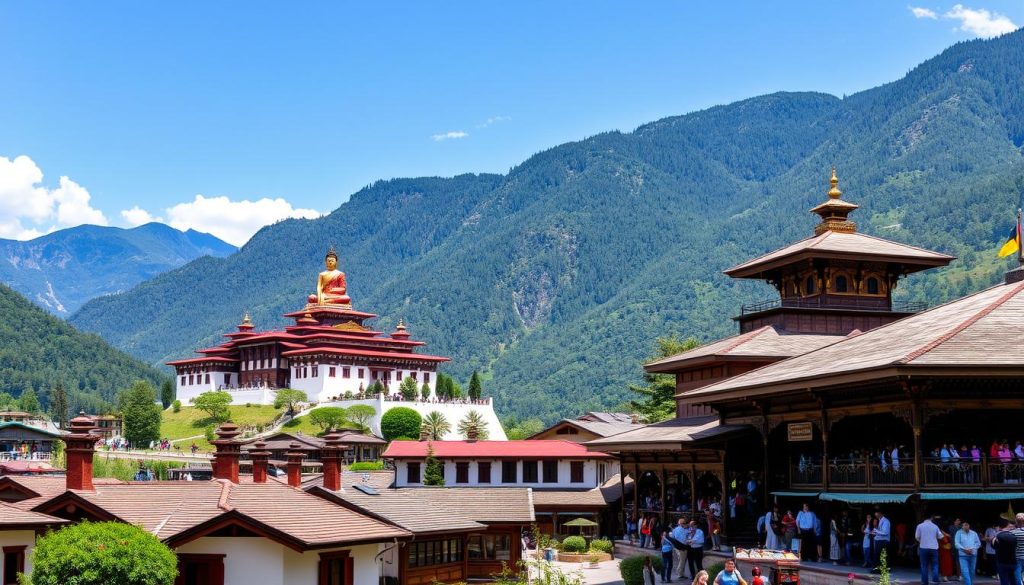
If you love hiking, trekking to the Tango Goemba is a great choice. It’s a 45-minute uphill journey to this center for Buddhist studies. The Dochula Pass is another highlight, known for its 108 chortens and stunning views of the Himalayas.
The Weekend Market offers a unique glimpse into local culture, food, and lifestyle. It’s open on weekends from 7:00 AM to 8:00 PM.
With 17 best places to visit, Thimphu offers a perfect blend of vibrant culture and natural beauty. Your trip will be truly exceptional.
Thimphu Sightseeing Recommendations
Thimphu sightseeing is a mix of culture and nature. A good Thimphu itinerary lets you see the heart of Bhutan’s capital. Start with the Buddha Dordenma, a huge golden statue that brings peace.
Then, visit Tashichho Dzong, a key place for government and spirituality. It’s known for its architecture and lively traditions. Don’t miss the Weekend Market for local crafts and food.
Joining the Thimphu Tshechu festival is a great idea. It’s full of colorful dances and traditions, letting you dive into Bhutan’s culture.
Here’s a quick guide to Thimphu sightseeing:
| Tour Duration | Price Range (₹) | Key Attractions |
|---|---|---|
| 3 Days | 19,500 | Tashichho Dzong, Weekend Market, Buddha Dordenma |
| 6 Days | 37,000 | Includes Thimphu, Punakha, and Paro highlights |
| 8 Days | 43,000 | Comprehensive tour with extensive cultural experiences |
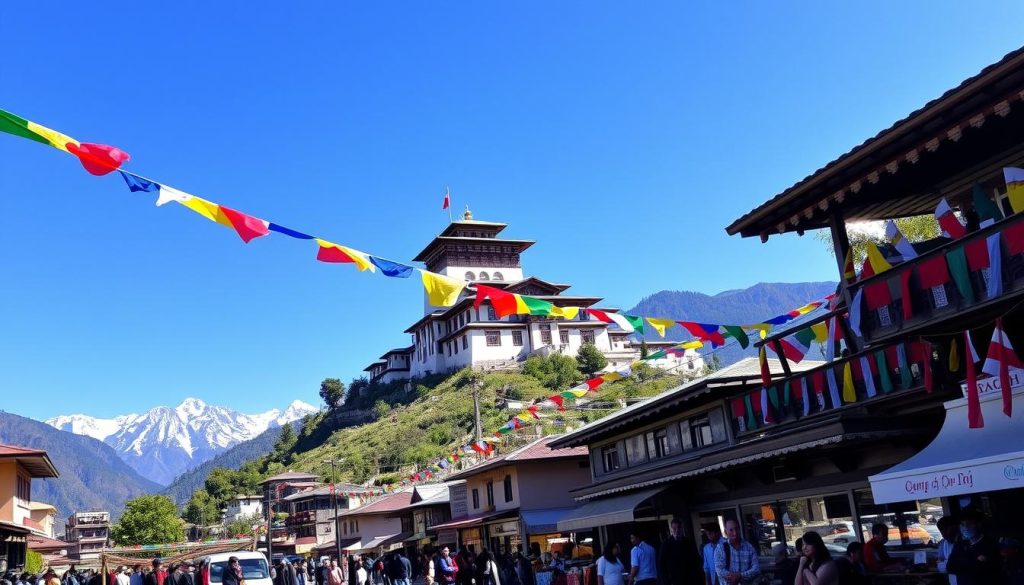
Kamakhya Bhutan Tours & Travels is a top choice for Thimphu trips. They’ve been doing it for over eight years. Their tours make sure you see the best of Thimphu.
Accommodations in Thimphu
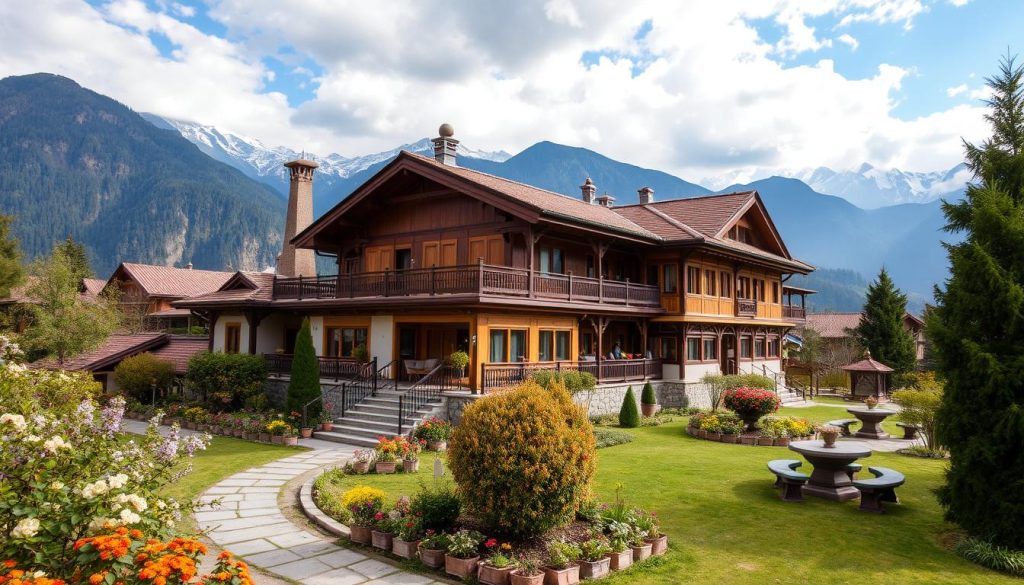
Thimphu has many places to stay, from fancy hotels to cozy guesthouses. High-end hotels offer top service and care for the environment. For a special stay, check out Zhiwaling Thimphu. It has rooms with great views and a mix of modern and traditional Bhutanese design.
Top Hotels and Lodges
Hotels like Druk Hotel and Taj Tashi are known for their comfort. They are great for seeing Thimphu’s sights, like the Tashichho Dzong. You can also try local food made with fresh, organic veggies.
Budget-Friendly Options
If you’re on a tight budget, Thimphu has guesthouses and hostels. They offer a real local feel without breaking the bank. Booking early is smart, as autumn is busy with festivals. The weekend market near these places is a great place to see local crafts and try fresh food.
Thimphu Dining and Local Cuisine
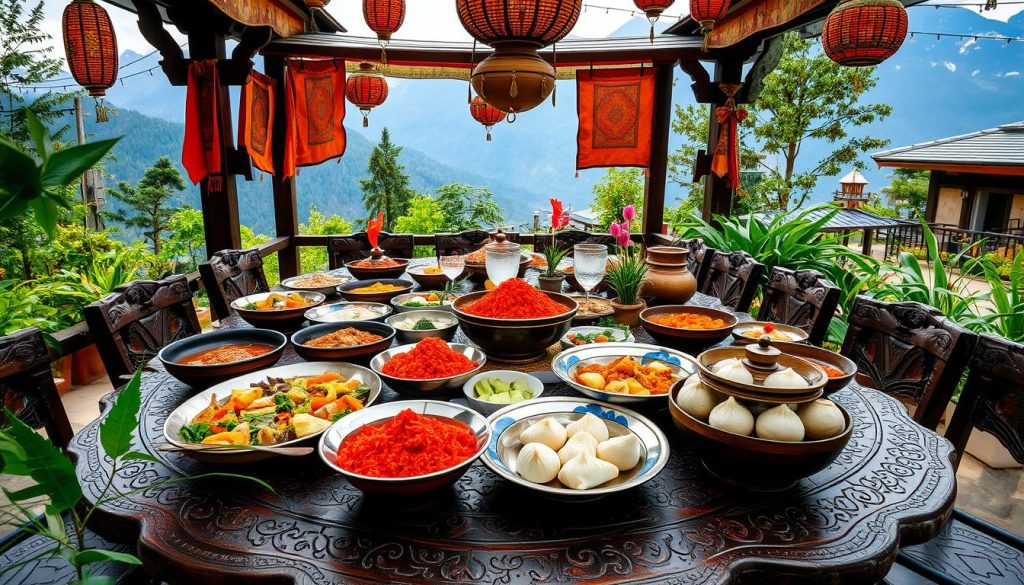
Thimphu dining lets you dive into Bhutan’s rich food culture. It’s the biggest city, mixing old traditions with new tastes. You can dine in lively restaurants or cozy cafes. The local food highlights Bhutan’s unique tastes and ingredients.
Must-Try Dishes
Some dishes in Thimphu are must-try experiences. Make sure to taste:
- Ema Datshi: The national dish with chilies and cheese, loved by Bhutanese.
- Pork Momos: Tibetan dumplings filled with meat or veggies.
- Phaksha Paa: Pork with spicy chilies and radish.
- Jasha Maru: Spicy minced chicken with rice, a local favorite.
- Suja: Famous butter tea, a household staple.
- Ara: Local drink made from rice or maize, enjoyed by many.
Recommended Restaurants and Cafés
Thimphu has great places to enjoy local food:
- Wangdi’s Restaurant: Authentic Bhutanese dishes.
- Druk Hotel’s Yak Restaurant: Traditional and Indian flavors.
- Kuenphen Restaurant: Cozy with delicious local food.
- Lakhang Restaurant: Upscale with modern Bhutanese dishes.
Visit the weekend market for fresh produce and local treats. Join a Bhutan Culinary Tour for cooking lessons. Stay at a Bhutanese farmhouse to learn cooking with fresh ingredients.
Getting Around Thimphu
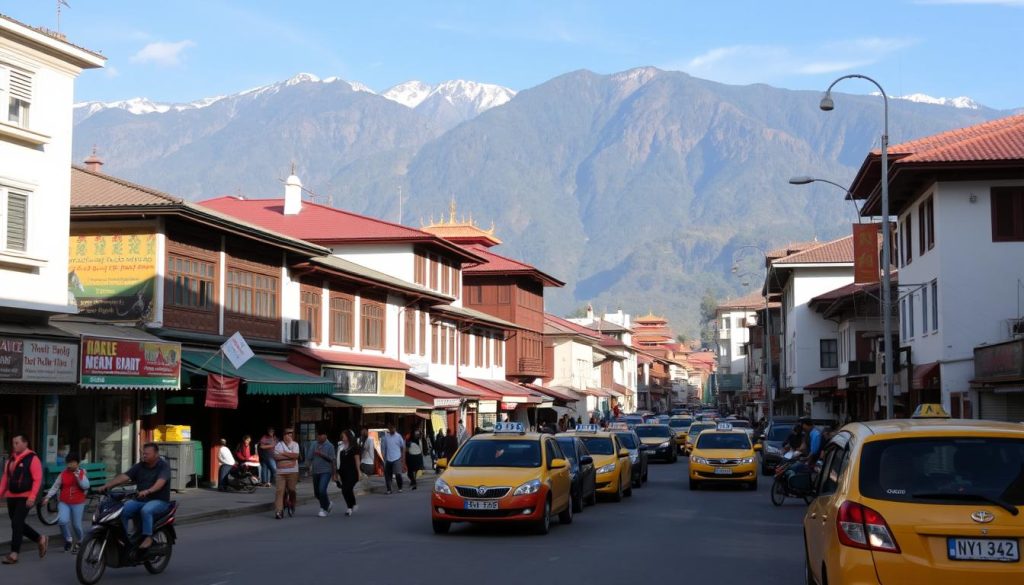
Traveling in Thimphu is better when you know your options. The city has many ways to get around, fitting different tastes and budgets.
Transportation Options Available
The main ways to move around Thimphu include:
- Taxis: Taxis are easy to find and a good choice for seeing sights. They charge a flat fee, so you can talk about the price. This is great for those new to the area.
- Local Buses: Buses are the main public transport in Bhutan. Prices are from $2.40 to $12, based on how far you go. They’re a cheap way to see the city and more.
- Car Rentals: Renting a car with a driver is popular for the mountain roads.
- Cycling and Motorbiking: For thrill-seekers, cycling and motorbike tours let you see Bhutan’s beauty up close.
Tips for Navigating the City
Here are some tips for moving around Thimphu:
- Carry a city map or use a travel app to help you find your way.
- Learn a few basic Dzongkha phrases to talk to drivers.
- Keep an eye on traffic, as it can get busy. Also, watch out for road conditions when walking or biking.
Planning Your Trip to Thimphu
Planning a trip to Thimphu requires careful thought, mainly about your budget. It’s best to spend 2-3 days in Thimphu. You can then add more days to see Paro and Punakha’s beauty.
Budgeting for Your Trip
When planning your budget, remember a few important costs:
- Accommodation: You might spend about 2000 INR per night at Drolema Residence in Thimphu. Or around 1500 INR per night at Kasturi Inn in Jaigaon.
- Transportation: A taxi from Bagdogra to Jaigaon costs about 2500 INR. The drive from Jaigaon to Thimphu takes about 4 hours.
- Activities: The Memorial Stupa is free to visit. But, spots like Club Ace cost a couple entry of 500 INR.
- Daily Fee: Solo travelers should budget $450 to $600 per day. This is part of the minimum daily package in Bhutan.
Booking Flights and Local Tours
Direct flights from big cities like Delhi to Paro are rare. So, booking early is key. A good local tour operator can make your trip smoother. They offer guided tours to explore Thimphu and nearby areas well.
Conclusion
When planning your Thimphu trip, think about how long you want to stay. Short trips of 3 to 5 days can give you a glimpse of Thimphu’s highlights. Longer trips of 7 to 10 days let you explore Thimphu and nearby places like Paro and Punakha more deeply.
For a fuller experience, aim for 10 to 14 days. This time allows you to visit cultural spots like Bumthang Valley and Haa Valley. If you love trekking and cultural dives, plan for 2 to 3 weeks. This lets you see eastern Bhutan’s beauty, including Trashigang and Mongar.
Customize your trip to fit your interests and schedule. Knowing the daily tariffs and local rules helps make your trip smooth. This way, you can have a memorable adventure in Bhutan.