

Exploring Svetitskhoveli Cathedral’s Religious Importance
Have you ever thought about how one building can hold a nation’s history for over a thousand years? The Svetitskhoveli Cathedral in Mtskheta, Georgia, is a key to understanding the Georgian Orthodox Church’s growth. It’s a top spot for Christian pilgrims.
Its story began in the 6th century, and the current building was finished between 1010 and 1029. This UNESCO World Heritage Site is more than just a building. It shows the heart and traditions of the Georgian people. Let’s explore its deep history and spiritual value that attracts thousands yearly.
Introduction to Svetitskhoveli Cathedral
Svetitskhoveli Cathedral is a key part of Mtskheta’s history. It’s a symbol of architecture and faith. This Georgia landmark started in the 4th century AD, showing over a thousand years of history. Its name, “Life-Giving Pillar,” shows its importance in the community.
The cathedral’s design is amazing, attracting visitors from everywhere. It’s one of the tallest churches in Georgia, standing at about 54 meters. It took around 19 years to build, starting under King George I and finishing under Bagrat IV.
Visiting the cathedral, you’ll see its beauty and the skill in its design. This place is important because it shows Georgia’s early Christian history. You can visit for free, from 8 am to 8 pm, to experience its sacred feel.
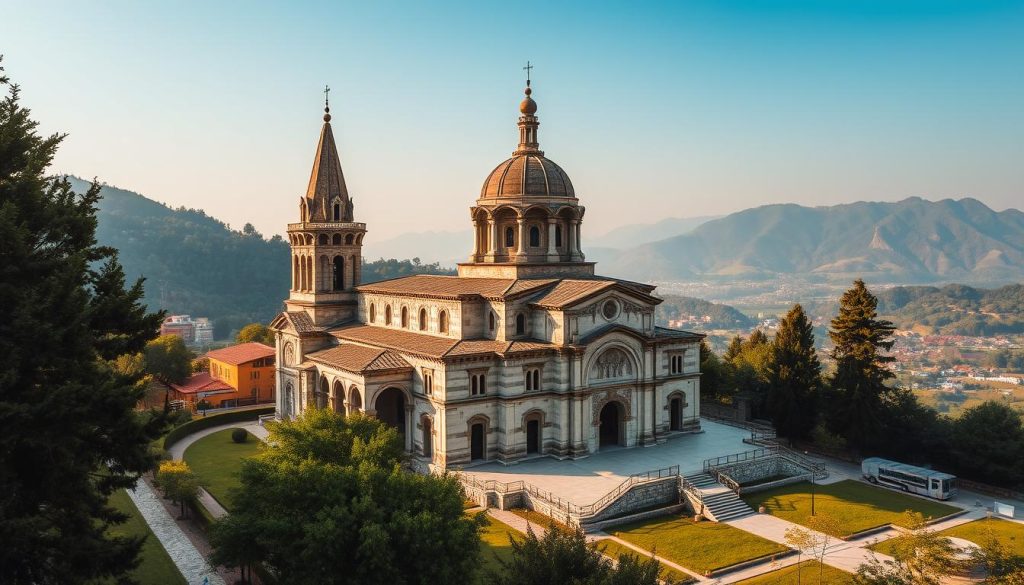
When you go, wear modest clothes to show respect. The community celebrates Svetitskhovloba on October 14. This holiday honors the cathedral’s special role in Mtskheta’s history.
Historical Significance of the Svetitskhoveli Cathedral
The Svetitskhoveli Cathedral is a symbol of Georgian history and architecture. It shows the journey of Georgian faith through time. Its many rebuilds show the people’s strength and faith.
Origins and Construction Timeline
The Svetitskhoveli Cathedral began in the 4th century AD. King Mirian III of Kartli started it. It was a wooden church where Christianity was adopted in Iberia, now Eastern Georgia.
Later, it became a stone structure between 1010 and 1029. Patriarch Melqisedek led this effort. The cathedral’s design, with a cross-dome, is a marvel of Georgian culture.
It stands tall at 49 meters, long at 57.7 meters, and wide at 27 meters. It still amazes people today.
Continuous Rebuilds and Their Importance
The Svetitskhoveli Cathedral has faced many challenges over the years. It was damaged by natural disasters and invasions. Yet, it has always been rebuilt.
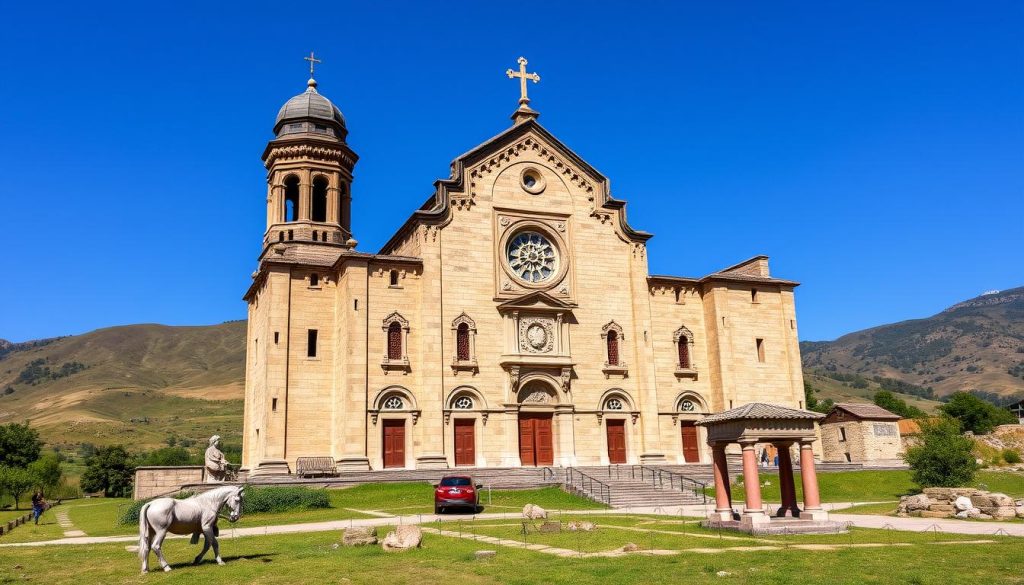
Each time, it showed the skill of Georgian craftsmen. The 19th century saw big changes that kept its history alive. The last big restoration was from 1960 to 1970.
It aimed to show the cathedral’s ancient frescoes. Layers of whitewash were removed to reveal its true beauty.
Svetitskhoveli Cathedral Religious Significance
The Svetitskhoveli Cathedral holds deep religious meaning, being a key part of Christianity in Georgia. Located in Mtskheta, it’s a masterpiece of Georgian architecture and a treasure trove of religious relics. Among these, the robe of Jesus Christ is a significant relic believed to be kept there.
This cathedral is a lively center for religious events, ceremonies, and pilgrimages. It embodies the heart of Georgian Orthodoxy. It has been a cornerstone of faith for centuries, showing the devotion of the Georgian people.
Its grand architecture symbolizes the people’s deep faith. The cathedral remains a vital part of many lives, connecting them to their faith. It’s a key part of Georgian culture and heritage.
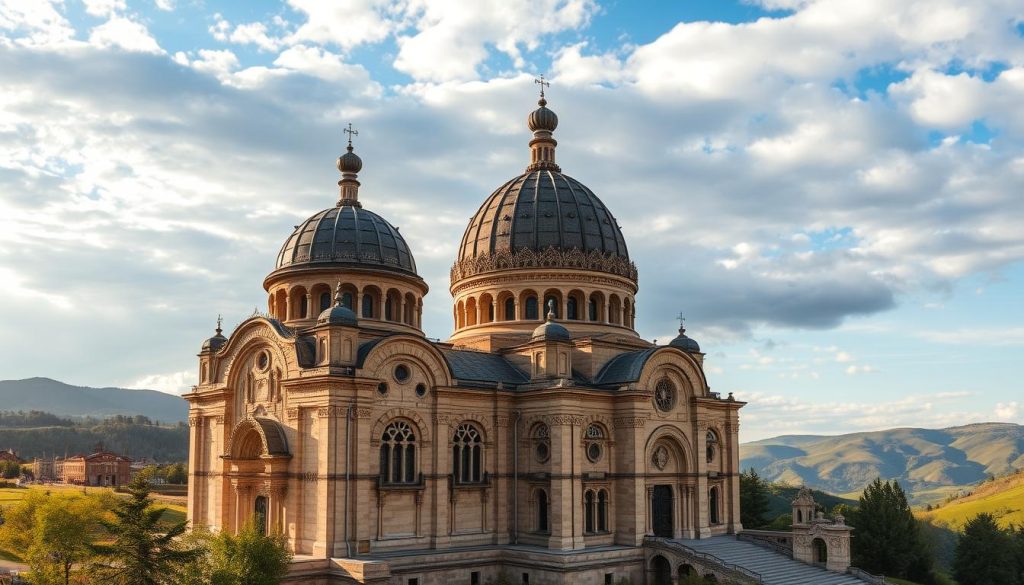
As a UNESCO World Heritage Site, the cathedral is a symbol of faith in Georgian society. Its history of restoration and resilience is inspiring. It shows the dedication to keeping its religious importance alive.
Visiting the cathedral offers a glimpse into its architectural beauty. It also deepens our understanding of its spiritual significance.
Cultural Heritage and the Georgian Orthodox Church
The Svetitskhoveli Cathedral is a key part of Georgian culture. It shows off the skill of ancient builders and the faith of the people. As a main part of the Georgian Orthodox Church, it links faith with a rich cultural story. This story is key to understanding who Georgians are.
Significance to Georgian Identity
The Georgian Orthodox Church has shaped Georgian identity for centuries. It started in the early 4th century with Saint Nino introducing Christianity. By the end of the century, the king and queen made it the official religion, changing the nation.
Under King David the Builder and Queen Tamar, the church’s influence grew. It has survived many challenges, keeping Georgian traditions alive.
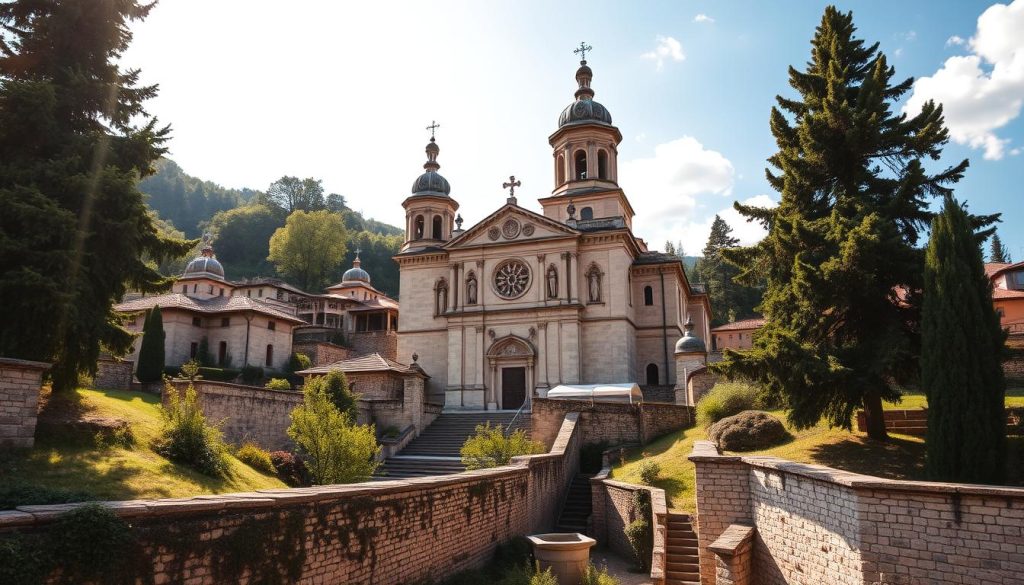
The church’s buildings show off unique styles over the years. Places like Svetitskhoveli Cathedral and Gelati Monastery have amazing frescoes and icons. These artworks tell stories of the Bible and saints, enriching the spiritual lives of believers.
The church also supports education and helping others. It has schools and charities, improving faith and community life. After the Soviet era, the church’s role in Georgian life grew, linking it with identity, heritage, and culture.
| Aspect | Details |
|---|---|
| Foundation of the Church | 4th century, introduced by Saint Nino |
| Official Religion | End of the 4th century, adopted under King Mirian III and Queen Nana |
| Architectural Examples | Svetitskhoveli Cathedral, Jvari Monastery, Gelati Monastery |
| Number of Orthodox Churches | Approximately 2,500 |
| Population of Adherents | Approximately 3.7 million |
| Significance of Icons | Essential for prayer, contemplation, and spiritual connection |
The Georgian Orthodox Church is a crucial part of Georgian culture. It shows the nation’s spiritual and historical depth.
Mtskheta: A Historic Georgian Landmark
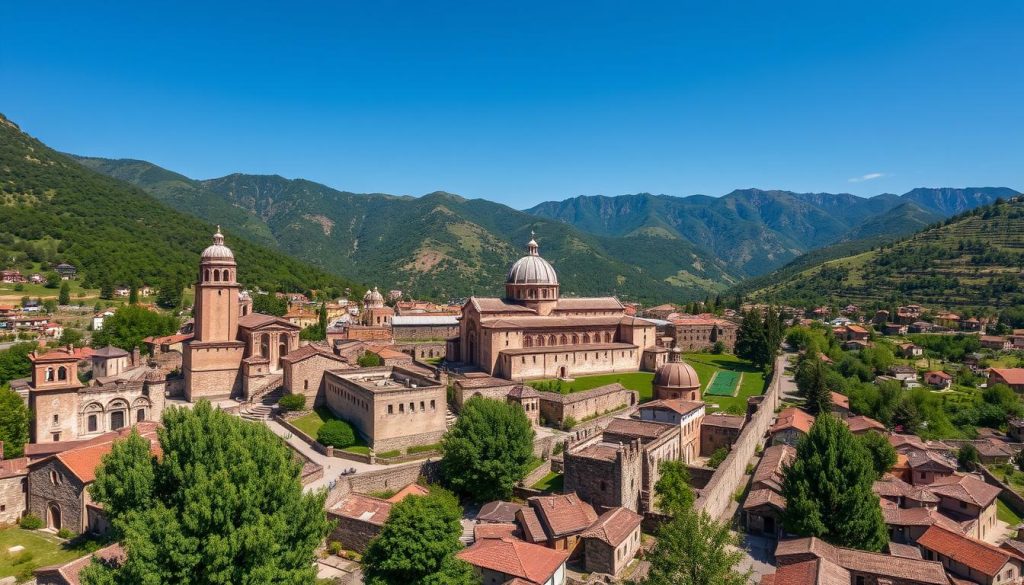
Mtskheta is one of Georgia’s oldest cities, offering a deep dive into the nation’s history. It was once the capital of Iberia, blending its history with Georgian culture. The city and Svetitskhoveli Cathedral highlight Mtskheta’s role as a religious center and cultural treasure.
Role of Mtskheta in Georgian History
Mtskheta’s importance goes beyond its location. It was key in Georgia’s early Christian journey. Before the current cathedral, it was a major religious site. Its close distance to Tbilisi makes it a top spot for those interested in Georgia’s history.
Architectural Marvel: Features of the Cathedral
The Svetitskhoveli Cathedral is a key part of Georgia’s architectural history. It combines different styles, drawing in visitors. Built in the 11th century, it shows Byzantine influences and local artistry.
Its height of 54 meters under the dome makes it stand out. It’s one of the tallest medieval religious buildings, showing its grandeur.
Distinctive Architectural Elements
What makes the Svetitskhoveli Cathedral special are its architectural features. You’ll see:
- Intricate stone carvings that show off skilled craftsmanship.
- A unique asymmetrical façade, unlike most churches.
- Decorative arches that add beauty and strength to the building.
These elements show the cathedral’s unique architecture. It’s a lasting symbol of faith and culture in Georgia.
Frescoes and Artistic Value
Inside, you’ll find amazing frescoes. They show biblical scenes and saints. These paintings make the interior beautiful and are important for the cathedral’s rituals.
The frescoes’ artistry shows the skill of the time. They offer creative views of spiritual themes.
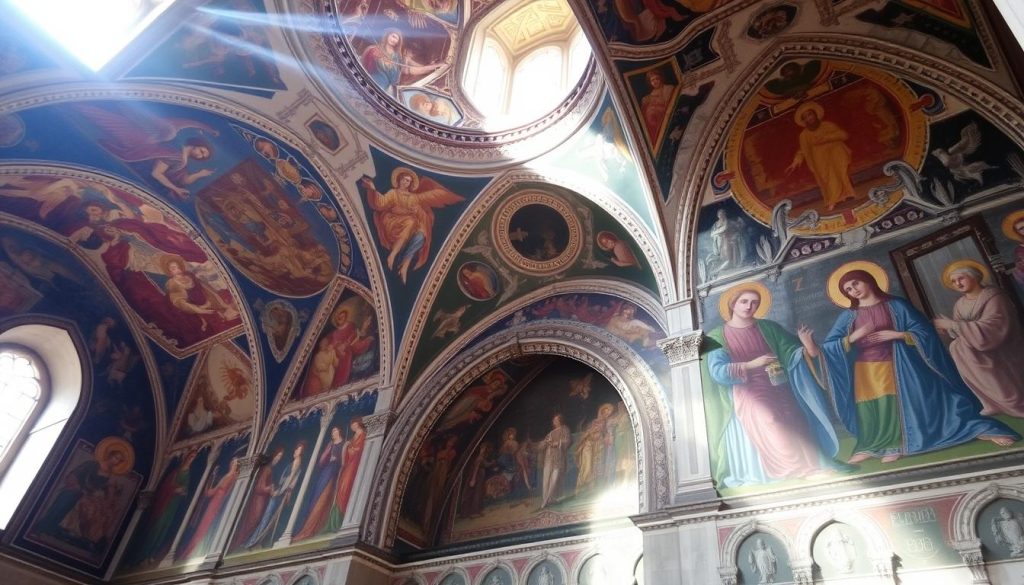
The detailed artistry shows the cathedral’s cultural and religious importance. It’s a key part of Georgian history and Christian spirituality.
The Legend of Christ’s Robe
One of the most captivating stories linked to Svetitskhoveli Cathedral is the legend of Christ’s robe. It’s said to be hidden under the main nave. The tale begins with a Jewish man named Elias from Mtskheta, who traveled to Jerusalem and brought back the robe.
This journey led to a series of miracles. These events have woven the robe’s story into the spiritual fabric of the cathedral.
The significance of the robe is more than just a story. It represents faith and a connection to the divine. As a key part of worship, it draws many pilgrims to Svetitskhoveli Cathedral. They come seeking not just history but also a deep emotional and spiritual connection.
In the cathedral’s heart, the legend comes alive. It adds to the site’s charm and makes it a top pilgrimage spot. Visitors feel a mix of awe and reverence. This makes the cathedral a key stop for those exploring Georgia’s rich religious heritage.
Visitors’ Experience at Svetitskhoveli Cathedral
Visiting Svetitskhoveli Cathedral is a unique experience. This architectural wonder is filled with intricate details and a rich history. As you step inside, take a moment to admire the stunning façade and the calm atmosphere.
Notable spots include the bell tower and the Chapel of St. Sidonia. These add to your exploration of the cathedral.
Things to Do While Visiting
There are many activities to enjoy at the cathedral:
- Attend a religious ceremony to feel the site’s spiritual essence.
- Look at the artistic elements, like frescoes that show Georgian heritage.
- Take amazing photos of the architecture and its surroundings.
- Learn about the Sacred Robe and its historical importance.
Exploring the Surroundings
Mtskheta is a great place to explore, with many attractions nearby. Key sites include:
- Jvari Monastery: A UNESCO World Heritage Site with stunning views.
- Archaeological Museum: Learn about the area’s history and artifacts.
- Bridge of Peace: A modern symbol of unity between past and present.
- Sioni Cathedral: Home to the Grapevine Cross, a significant religious relic.
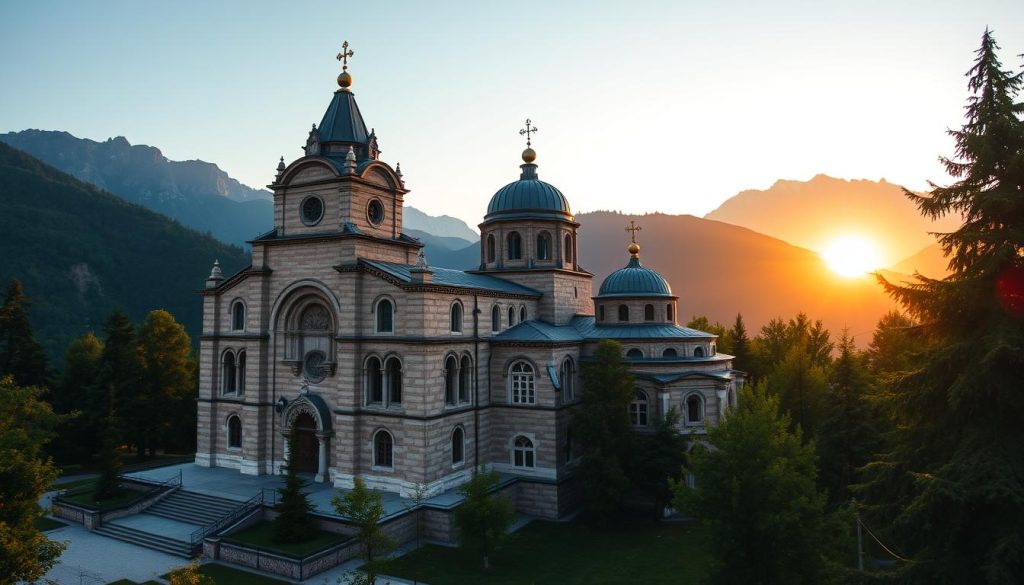
Visiting these sites shows the historical importance of Mtskheta and Georgian civilization. Every moment at Svetitskhoveli Cathedral deepens your understanding of this remarkable area.
How to Explore the Cathedral Effectively
Visiting Svetitskhoveli Cathedral can be a rewarding experience. By taking self-guided tours, you can explore its beauty and history at your own pace. Guidebooks and online resources offer detailed information about the cathedral’s significance and the stories it holds.
Self-Guided Tours and Insights
Self-guided tours of Svetitskhoveli Cathedral offer a unique experience. You can take your time to admire the cathedral’s design and its historical background. Here are some tips to enhance your visit:
- Plan Your Route: Make a list of the main sights, like the stunning frescoes and unique 11th-century Georgian design.
- Use Resources: Use guidebooks or audio guides to learn more about the cathedral’s history and its role in Georgian heritage.
- Engage with Surroundings: Mtskheta has other historical sites, like the Jvari Monastery and Tsminda Nino Church, that are worth seeing.
- Reflect on the Experience: Take breaks to sit quietly and feel the spiritual atmosphere, deepening your connection to the site.
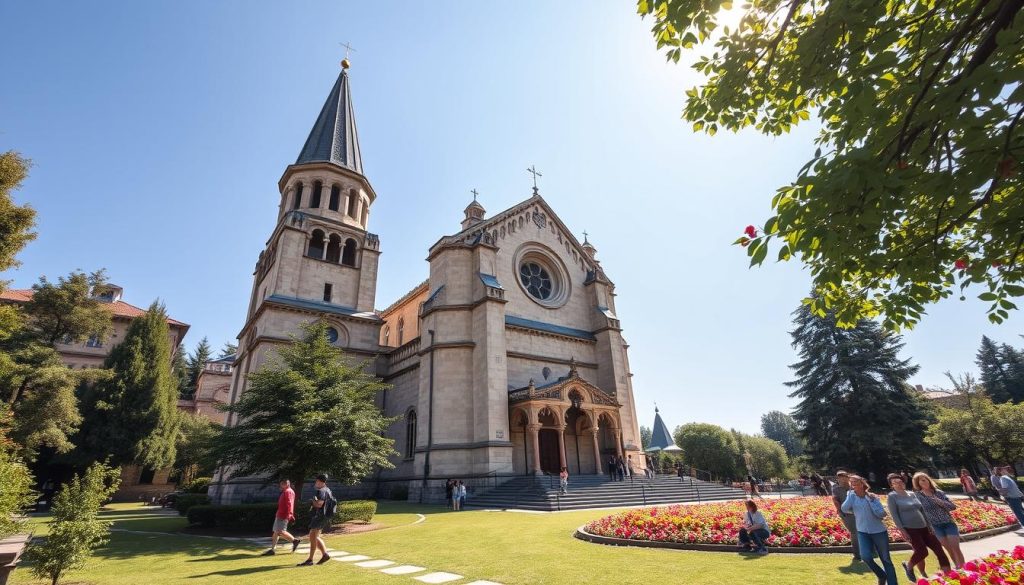
Choosing self-guided tours of Svetitskhoveli Cathedral lets you see its architectural wonders and dive into Georgian history and culture. This way, your visit will be both meaningful and unforgettable.
Access and Practical Information
Svetitskhoveli Cathedral is open every day from 8 am to 8 pm. It’s a key part of Georgian history, drawing many visitors and pilgrims. Admission is free, so everyone can explore its beauty.
Before you go, check if there are any special rules during big religious events. This might affect how you can visit.
Getting to Mtskheta, where the cathedral is, takes about 20 minutes by car from Tbilisi. If you want to see more places, think about how you’ll get around. Distances of 15 km take 30 minutes, and 25 km take 45 minutes.
Svetitskhoveli Cathedral is very important, second only to Tbilisi’s Holy Trinity Cathedral. It’s famous for being the burial site of Christ’s robe. This makes it a special place for pilgrims seeking spiritual peace.
Visiting during a pilgrimage can give you a deeper understanding of the cathedral’s history and culture. It’s a unique experience.
| Visiting Details | Information |
|---|---|
| Location | Mtskheta, Georgia |
| Opening Hours | 8 am – 8 pm |
| Admission | Free |
| Travel Time from Tbilisi | Approximately 20 minutes |
| Significance | Burial site of Christ’s robe |
Dress Code and Respectful Behavior
When you plan to visit Svetitskhoveli Cathedral, knowing the dress code is key. This place is a place of worship, so visitors must dress modestly. Men should wear long pants and shirts with sleeves. Women should wear long skirts or dresses with their shoulders covered.
Being respectful is also crucial. As you admire the architecture and history, keep quiet, mainly during services. Avoid loud talks or actions that might disturb others. Your actions help keep the cathedral’s reverence.
- Silence your mobile devices before entering.
- Don’t take photos during services or in restricted areas.
- Always ask permission before taking pictures of people inside or near the cathedral.
By following the dress code and being respectful, you’ll have a better experience. You’ll enjoy the rich history and spirituality of this landmark.
Significance as a Christian Pilgrimage Site
The Svetitskhoveli Cathedral is a key spot for Christian pilgrims in Georgia. It’s famous for its deep religious meaning. Thousands visit every year to strengthen their faith.
This site in Mtskheta is more than a church. It’s a symbol of faith, showing centuries of devotion. Pilgrims come to experience its spiritual power.
Visiting Svetitskhoveli is a mix of faith and culture. People attend traditional services and see sacred relics. They also enjoy the unique Georgian church music.
The cathedral is special because of its link to Christ’s robe. Many pilgrims come to feel connected to this history.
The Svetitskhoveli Cathedral is important for the Georgian Orthodox Church. It shapes the church’s identity. Spiritual seekers find a sense of community here.
Mtskheta’s warm welcome and beauty make the journey special. It’s a place where faith, history, and nature come together. Each visit is a chance to explore devotion and Georgia’s stories.
Conclusion
Exploring Svetitskhoveli Cathedral is like stepping into a treasure trove of Georgia’s rich history. It’s not just about its beautiful architecture. It’s a symbol of faith that brings the Orthodox community together and draws pilgrims from everywhere.
Every visit feels like a journey into the heart of spirituality. It shows the deep devotion of many generations. The cathedral is more than a building; it’s a spiritual home.
The cathedral is key in important church events, like the ordination of bishops. It shows the unity of the church. Legends, like the story of Christ’s robe, add to its mystique.
Visiting Svetitskhoveli Cathedral is a chance to see Georgia’s spiritual and cultural heritage up close. It’s a place where faith, culture, and history come together beautifully. Whether you’re a pilgrim or a curious traveler, the experience is both enriching and unforgettable.
You’ll leave with a deeper understanding of the cathedral’s role in Georgian identity and heritage. It’s a truly special place that touches the soul.





