

Unveiling Svetitskhoveli Cathedral Legends & Myths
Ever wondered what secrets hide beneath the stunning architecture of Mtskheta? The Svetitskhoveli Cathedral, a UNESCO World Heritage Site, is more than a Georgian religious site. It’s a treasure trove of history, spirituality, and legends that have fascinated many.
As you wander through this magnificent cathedral, you’ll discover intriguing stories. One of the most famous is the Holy Coat, believed to be Christ’s robe. Let’s explore how the cathedral’s spiritual importance is linked to St. Nino and its architectural wonders. Together, they create a unique cultural identity for Georgia.
Introduction to Svetitskhoveli Cathedral
The Svetitskhoveli Cathedral is a key spiritual site in Georgia, drawing many with its deep history and beautiful design. Built in the IV century, it’s one of the oldest churches around. The stone building took 19 years to finish in the 11th century, showing off Eastern Orthodox architecture.
At 54 meters tall, it’s among the highest churches in Georgia. It’s not just a place of prayer but also the home of the Georgian Orthodox Church’s Patriarch for eight centuries. Inside, you’ll find many religious treasures, like the Heaton of the Lord, making it very important in Orthodox faith.
UNESCO has named this amazing building and Mtskheta a World Heritage Site. This honor shows its huge role in Georgian Christianity and culture. Visiting the cathedral lets you understand how Svetitskhoveli shapes Georgia’s spiritual world.
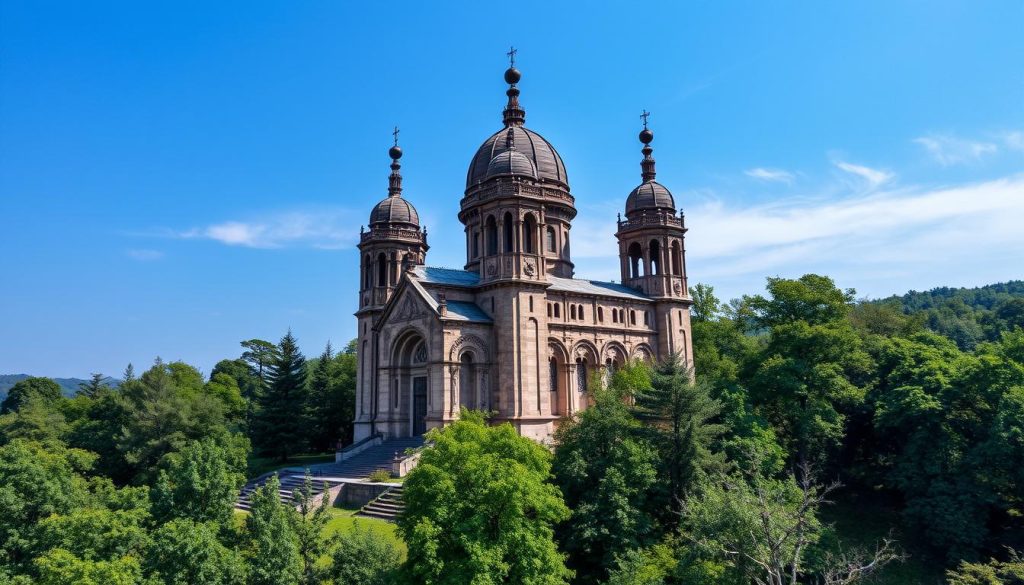
Looking for spiritual depth or just beautiful sights? The Svetitskhoveli Cathedral connects you to Georgia’s rich history and traditions.
Historical Significance of the Cathedral
Svetitskhoveli Cathedral is a key part of ancient Georgian culture. It shows its importance in religion and architecture. Since it was built, it has shaped Georgian history and identity.
It is a spiritual center for major religious events. This has made it a big part of Georgian society.
The Role of Svetitskhoveli in Georgian History
The cathedral’s architecture is truly impressive. It was built in the early 11th century. It has seen many ups and downs, showing the strength of the Georgian people.
It is said to have the shroud of Jesus Christ. This makes it the holiest place in Georgia. Many people visit to see where important events in Georgian history happened.
UNESCO World Heritage Status
In 1994, Svetitskhoveli Cathedral was named a UNESCO World Heritage Site. This shows its cultural and historical value. It highlights the need to protect it for future generations.
This status helps keep the cathedral in good condition. It shows its importance to Georgian history and the world.
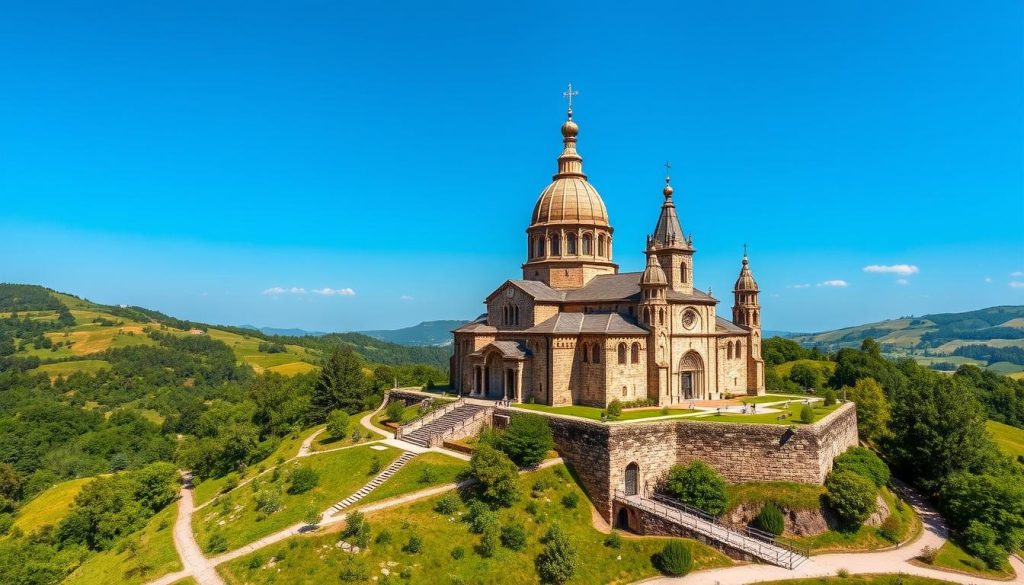
| Feature | Details |
|---|---|
| Location | Mtskheta, Georgia |
| Coordinates | 41°50′31″N 44°43′16″E |
| Construction Period | 1010 – 1029 |
| Architect | Arsukisdze |
| Dimensions | Length: 57.7m, Width: 27m, Height: 49m |
| UNESCO Status | Designated in 1994 |
| Cultural Role | Holiness and Religious Ceremonies |
| Architectural Style | Cross-in-square style with Byzantine influence |
| Historical Damage | Invasions and natural disasters |
| Symbolism | Features biblical scenes and the Living Pillar legend |
Svetitskhoveli Cathedral Legends and Myths
The Svetitskhoveli Cathedral is filled with legends and myths. These stories are part of Georgia’s rich religious folklore. They show the deep cultural beliefs and respect of the local people. The Robe of Christ legend is one of the most famous tales.
The Legend of the Robe of Christ
The legend says the Svetitskhoveli Cathedral has the Robe of Christ. It tells of the robe’s arrival in Mtskheta and its many miracles. This legend makes the cathedral a sacred place for many.
Other Local Folklore and Beliefs
There are many more stories about Svetitskhoveli. They talk about divine help and sacred prophecies. These stories show the cathedral’s role as a symbol of faith through time.
| Legend/Myth | Details | Significance |
|---|---|---|
| Robe of Christ Legend | Svetitskhoveli is believed to hold the robe worn by Jesus, which performed miracles upon its arrival. | Enhances the cathedral’s spiritual importance and attraction as a pilgrimage site. |
| Divine Interventions | Accounts of miraculous healings and blessings linked to the cathedral. | Affirms the belief in the cathedral as a place of divine grace. |
| Sacred Prophecies | Folklore includes prophecies tied to the cathedral, foretelling events crucial to the nation. | Strengthens cultural identity and historical narrative among Georgians. |
These legends make Svetitskhoveli Cathedral very special. They show its importance in Georgia and in religious folklore. These stories have shaped cultural beliefs and traditions for centuries.
Architectural Marvel of Svetitskhoveli
The Svetitskhoveli Cathedral in Mtskheta is a masterpiece of Eastern Orthodox architecture. It beautifully combines design elements that highlight its importance. Built from 1010 to 1029, it’s one of Georgia’s oldest Christian churches.
Eastern Orthodox Architecture Features
Svetitskhoveli’s design features a large dome and a cross-in-square layout. These are key elements of Eastern Orthodox architecture. They add beauty and carry deep spiritual meanings.
The cathedral’s intricate carvings and grand facade show its spiritual and cultural value.
Influences from Byzantine and Oriental Styles
The Svetitskhoveli Cathedral’s beauty comes from its mix of Byzantine and Oriental styles. Its elegance and detailed decorations show this unique blend. This mix reflects Georgia’s role in cultural exchange through trade routes.
Svetitskhoveli is a symbol of this cultural fusion. It attracts visitors who are drawn to its beauty and rich history.
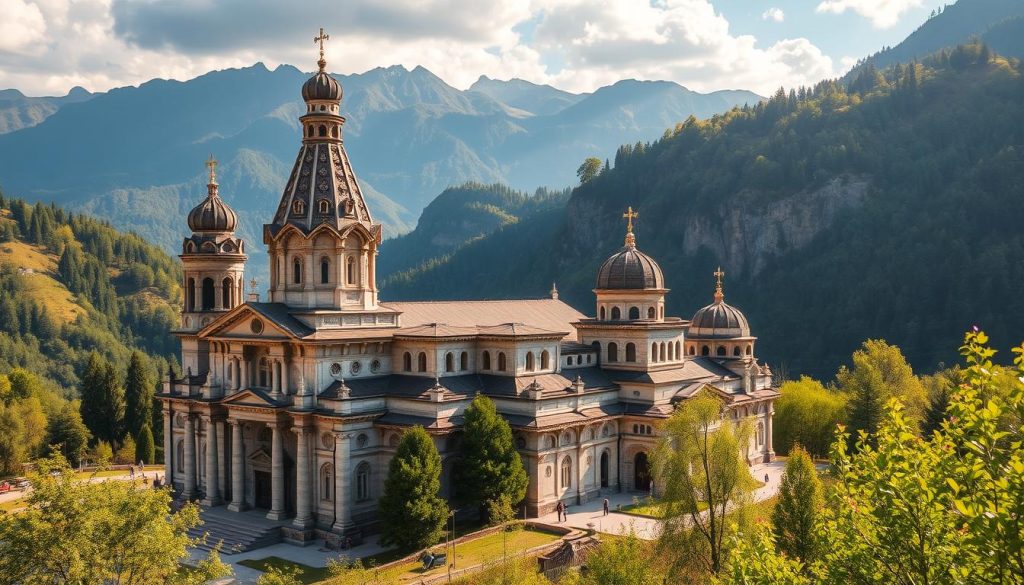
| Architectural Feature | Description | Influences |
|---|---|---|
| Large Dome | A prominent dome that defines the skyline | Byzantine architecture |
| Cross-in-Square Layout | Rooted in Eastern Orthodox tradition | Eastern Orthodox architecture |
| Intricate Carvings | Detailed ornamentation adding to visual appeal | Oriental architecture |
| Frescoes | Richly painted interiors showcasing biblical scenes | Byzantine influence |
Spiritual Significance of Svetitskhoveli
Svetitskhoveli Cathedral is a key part of Georgia’s spiritual identity. It is deeply connected to St. Nino, who brought Christianity to the country. This beautiful building is a symbol of Georgian Orthodoxy, touching the hearts of many.
Its history and beauty create a strong bond with the divine. People from everywhere come to feel this connection.
Connection to St. Nino and Georgian Orthodoxy
The cathedral honors St. Nino’s legacy. She was the first female missionary in Georgia in the 4th century. Her work is celebrated within these walls.
Believers think Svetitskhoveli holds Christ’s robe. This makes it a sacred place in Georgian Orthodoxy. Visitors seek enlightenment and a connection to centuries of faith.
Importance as a Pilgrimage Destination
Svetitskhoveli is more than a historical site; it’s a lively pilgrimage spot. Devotees come to feel its spiritual power and join in religious events. The Day of Svetitskhoveli brings thousands together for prayer and celebration.
This event is a key part of Georgia’s religious tourism. It features folk dances and traditional foods like khachapuri and khinkali. These add to the pilgrimage’s richness.
Cultural Symbolism Found in Svetitskhoveli
The Svetitskhoveli Cathedral is a key symbol of Georgia’s culture. This magnificent building, with its long history, is a big part of Georgia’s identity. It dates back to the 4th century, showing the country’s deep religious and cultural roots.
Inside the cathedral, you’ll see ancient frescoes telling stories of faith, power, and creativity. These artworks show how faith and national identity are connected. The cathedral’s history reflects the strength of the Georgian people through tough times.
The cathedral has played a big role in Georgia’s history. It has stood strong through many changes, offering hope and stability. By keeping its stories alive, Svetitskhoveli strengthens Georgia’s cultural identity for everyone.

Visiting the cathedral lets you see it’s more than a religious site. It’s a symbol of Georgia’s lasting spirit and rich culture. Svetitskhoveli is a vital part of the nation’s heritage.
Exploring Mtskheta, the Surrounding Area
Mtskheta, the original capital of Georgia, is a treasure trove of history and spirituality. It’s a must-visit for anyone interested in Mtskheta tourism. This town is home to the stunning Svetitskhoveli Cathedral and several other historic sites. These sites reflect its rich cultural heritage.
Historic Town of Mtskheta
Walking through Mtskheta, you’ll see a unique blend of ancient architecture and vibrant local culture. This historic town has been central to Georgian identity. It offers visitors a glimpse into the past with its cobblestone streets and well-preserved structures. Key attractions include:
- Svetitskhoveli Cathedral – Considered the second most sacred place in the Christian world, it houses the burial site of the Holy Tunic of Jesus Christ.
- Jvari Monastery – A UNESCO site that illustrates early medieval Georgian architecture, built between 590 and 605.
- Samtavro Monastery – This site is linked to the country’s adoption of Christianity and dates back to the 4th century.
- Bebris Tsikhe Fortress – An ancient structure with graves dating back to the Bronze Age.
Silk Road History and Influence
Mtskheta served as a critical trading hub along the Silk Road. This facilitated a vibrant cultural exchange Georgia has long benefitted from. The interactions and exchanges in Mtskheta contributed significantly to the region’s spiritual and artistic development. The town’s history is filled with tales of traders and travelers who passed through, enriching Mtskheta’s heritage. Here’s a snapshot of Mtskheta’s impact on Silk Road commerce:
| Feature | Description |
|---|---|
| Trading Hub | Mtskheta’s strategic location made it a key player in the Silk Road trade, fostering economic growth. |
| Cultural Exchange | The town became a melting pot of ideas, art, and religion, leaving a lasting legacy in Georgian culture. |
| Influence on Art | Exposure to various cultures led to unique artistic expressions found in historic sites across Mtskheta. |
Visitor Experience: Tips for Travelers
Planning your visit to Svetitskhoveli Cathedral? There are key details to keep in mind for a great experience. Knowing the best time to visit Svetitskhoveli can make your trip better. Early morning or late afternoon visits are best. They offer a calm atmosphere, perfect for enjoying the cathedral’s beauty and spiritual feel without the crowds.
Best Times to Visit
The time you visit is crucial. Here are some tips:
- Go on weekdays instead of weekends to avoid more people.
- Be aware of local holidays, as they can bring more visitors.
- Early mornings and late afternoons are usually less busy.
Dress Code and Local Customs
It’s important to know about local customs in Georgia to respect the culture. Svetitskhoveli is a sacred place, so following the dress code Svetitskhoveli is important:
- For Women: Wear a headscarf and choose skirts or dresses that are knee-length.
- For Men: Don’t wear shorts; wear long trousers instead.
By dressing appropriately and choosing the right time to visit, you show respect for the local traditions. This makes your visit even more meaningful.
Photography Opportunities at Svetitskhoveli Cathedral
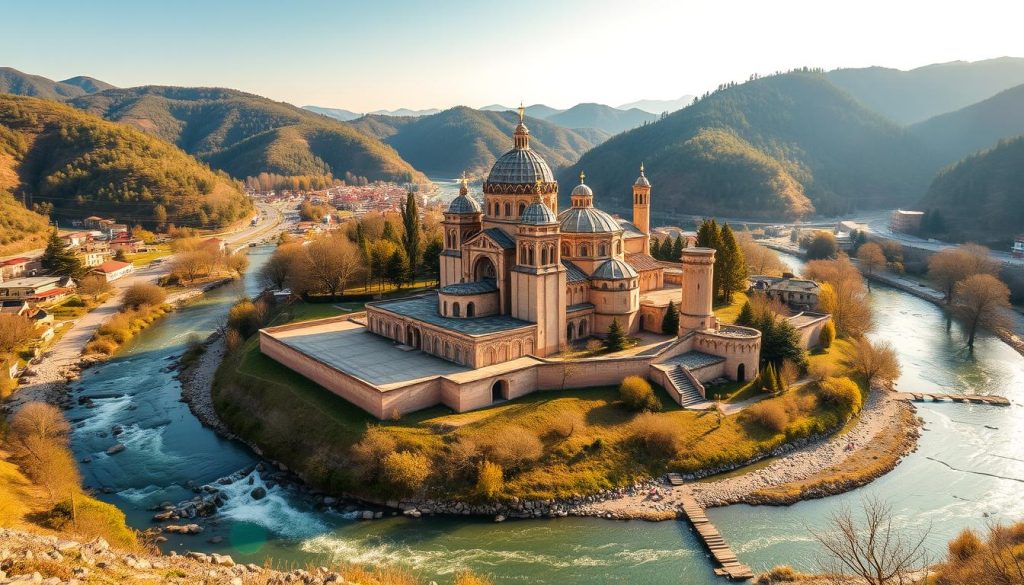
Svetitskhoveli Cathedral is more than just a historical site. It’s a perfect spot for photography, showcasing Mtskheta’s beauty. Its detailed architecture offers amazing visuals, capturing the cathedral’s grandeur.
Photographers can find many angles to shoot from. From the tall dome to the intricate stone carvings, there’s much to explore.
To make the most of your photos, follow these tips:
- Time of Day: Early morning or late afternoon light is ideal. It makes the cathedral glow beautifully.
- Different Perspectives: Use the surroundings to get panoramic views. This adds Mtskheta to your photos.
- Details Matter: Close-up shots of sculptures and carvings reveal the cathedral’s history.
- Seasonal Changes: Spring flowers or autumn leaves can add something special to your photos.
Photographing Svetitskhoveli Cathedral is not just about beauty. It’s about capturing history and culture. Your photos will show the cathedral’s beauty and its deep cultural heritage.
Preservation Efforts and Challenges
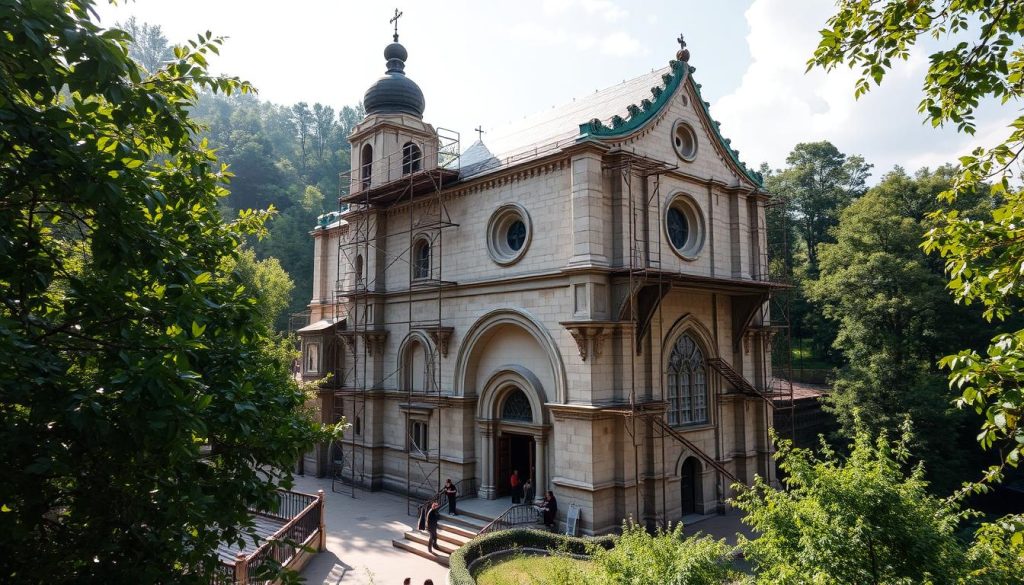
Keeping Svetitskhoveli Cathedral safe is a big job. Restoration work is key to keeping it strong and true to its past. This effort shows our dedication to saving cultural treasures for the next generation.
Restoration Initiatives
Many restoration projects have been done at Svetitskhoveli Cathedral. They focus on its unique design. The cathedral was finished in 1029 by Arsukisdze.
Over time, the dome has been rebuilt to improve sound and stability. The use of sandy yellow stone, red apse windows, and green cupola stone is crucial. It keeps the cathedral’s beauty alive.
The Impact of Tourism on Preservation
Tourism is important for Svetitskhoveli’s future. It helps the local economy but also brings challenges. Finding a balance between visitors and preservation is essential.
Georgia is working on sustainable tourism. This means protecting cultural sites while offering great experiences. By promoting responsible tourism, we can keep this landmark safe for the future.
Conclusion
Svetitskhoveli Cathedral is a symbol of Georgian heritage. It combines history, spirituality, and culture. Legends and myths around it make it even more fascinating.
Visiting Mtskheta is more than a trip. It’s diving into Georgia’s culture and spirit. Svetitskhoveli Cathedral’s beauty and history make it a key part of your journey.
Thinking about Mtskheta will show you the power of faith and tradition. Your visit to Svetitskhoveli Cathedral will leave a lasting impression. It will add depth to your travel stories with tales of a land rich in history.





