Exploring Bhutan: Your Tiger’s Nest Monastery Visit Guide
Ever imagined standing on a cliff, looking down at a place that has drawn adventurers and pilgrims for ages? The Tiger’s Nest Monastery, or Paro Taktsang, might be the answer. It sits high in the Himalayas of Bhutan, offering a journey into a land of deep spiritual history and stunning nature.
This guide will help you plan your visit to Tiger’s Nest Monastery. You’ll learn about its history, what to see on your hike, and how to make the most of your trip. Get ready to explore Bhutan’s beautiful landscapes and dive into its rich culture and traditions. Every step will feel like part of a special Himalayan journey.
Introduction to Bhutan and Its Treasures
Bhutan is known as the “Land of the Thunder Dragon.” It’s a special place in the Himalayas. This country is full of history and traditions. It offers a unique look into a world where old ways meet nature.
The Tiger’s Nest Monastery is a key site to visit. Built in the late 17th century, it attracts many travelers. It shows Bhutan’s dedication to keeping its culture alive and invites you to explore its spiritual side.
Bhutan aims to keep its environment and culture in balance. Travelers can see the beauty of the Himalayas and learn about ancient customs. Every step you take helps you understand the Bhutanese people’s deep connection to their traditions.
What Is the Tiger’s Nest Monastery?
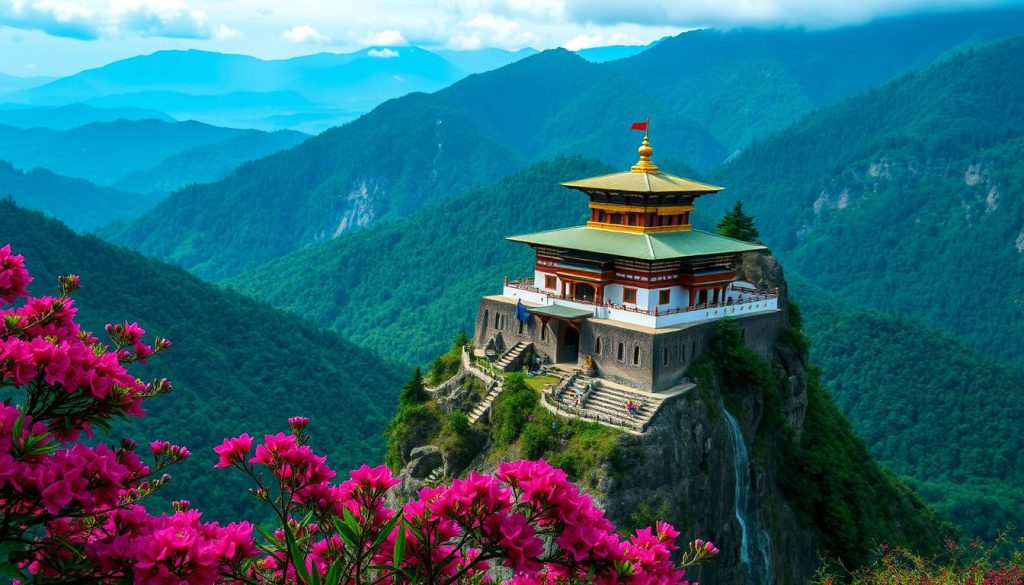
The Tiger’s Nest Monastery, also known as Paro Taktsang, is a key symbol of spirituality and culture in Bhutan. It’s located high in the Himalayan mountains. Visitors come for its stunning views and its deep history.
The monastery is a sacred Buddhist site. It’s famous for Guru Padmasambhava’s meditation here in the 8th century. This made it a key pilgrimage spot.
Historical Significance of the Monastery
The monastery’s history goes back to the 9th century. It’s tied to the legend of Guru Padmasambhava, who flew here on a tigress’s back. This story adds to the monastery’s mystique, linking spiritual goals with Bhutan’s history.
Many Tibetan saints and figures came to meditate here. Over time, it became a major center for spiritual practice and learning. The 14th century and later saw significant developments, showing its ongoing importance.
Location and Its Unique Geography
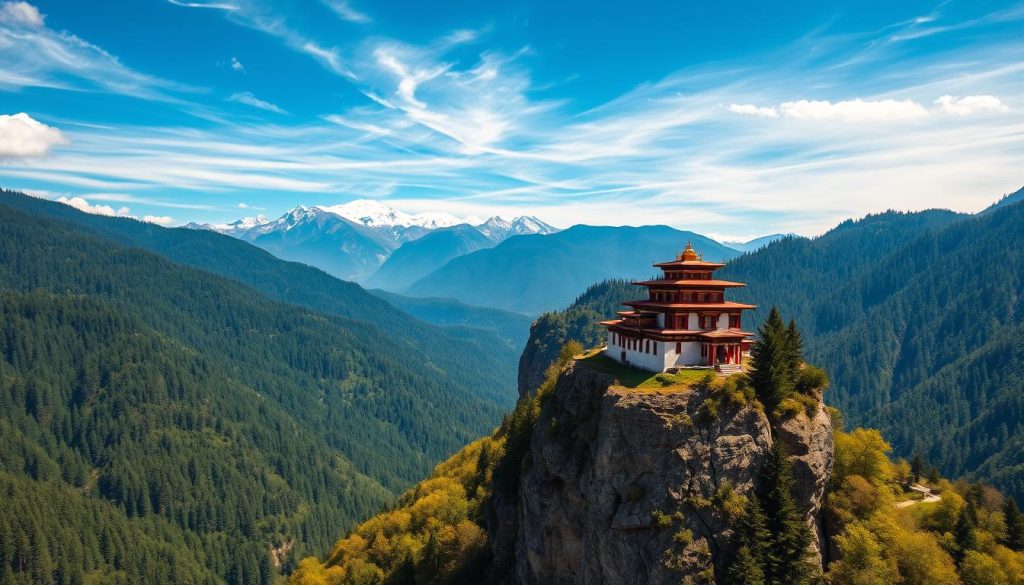
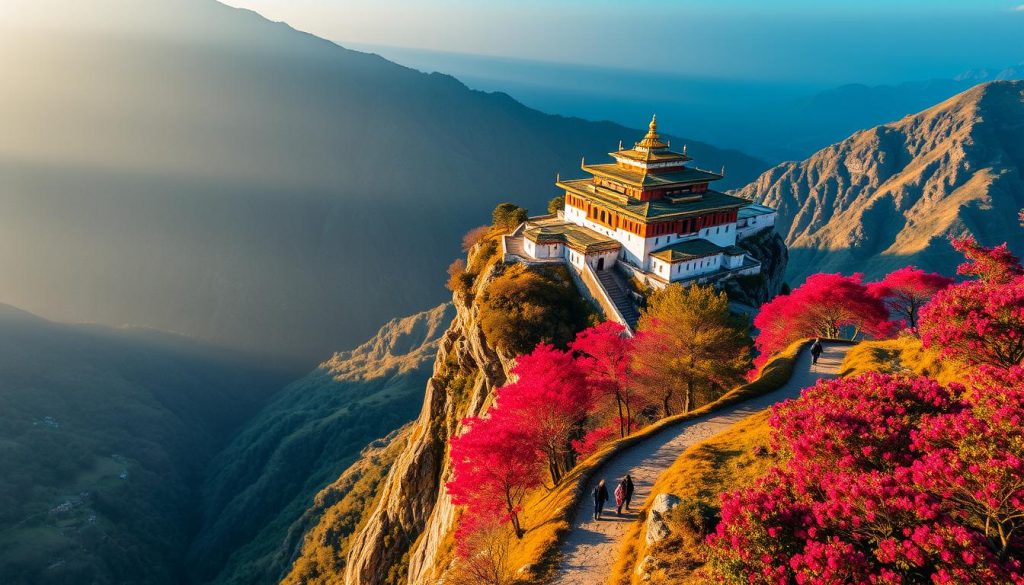
The Tiger’s Nest Monastery is located nearly 10,240 feet above sea level. It’s set on a cliff in the upper Paro Valley, about 10 miles north of Paro town. Its location is breathtaking, offering views of lush valleys and Himalayan peaks.
The path to the monastery winds through pine forests. It’s lined with moss and prayer flags. This makes the hike both beautiful and spiritually enriching.
| Feature | Details |
|---|---|
| Total Distance | 3 – 4 miles round trip |
| Elevation Gain | 1,700 feet (518 meters) |
| Highest Elevation | 10,232 feet (3,119 meters) |
| Average Time Needed | 3 to 8 hours based on fitness level |
| Entry Cost | 500 Ngultrum ($7) for foreign visitors |
| Opening Hours | 8:00 to 13:00; 14:00 to 18:00 |
| Recommended Items | Hiking shoes, water, snacks, camera |
| Best Time of Year to Visit | October to December for clear weather |
Preparing for Your Tiger’s Nest Monastery Visit
Planning your visit to Tiger’s Nest Monastery requires careful thought. You need to know the best time to go and what to pack for the hike. Make sure you’re ready for a memorable adventure.
Best Time to Visit
The best months to visit are April, May, and September to November. These times offer great hiking conditions. Spring brings beautiful flowers, while autumn has stunning leaves and cooler weather.
The rainy season, from June to August, can make trails slippery. This might make your hike harder.
What to Bring for the Hike
Here are some essentials for your hike:
- Comfortable hiking shoes for grip and support
- Layered clothing to adjust to changing temperatures
- A day-pack to hold snacks, water, and a hiking stick
- A light jacket for cooler temperatures inside the monastery
- A camera to capture breathtaking views
Carrying less will make your trek better. You’ll enjoy the views more without feeling heavy. Remember to follow trekking tips for a better experience. If you’re new to high altitudes, consider taking altitude sickness medication.
The Trek to Tiger’s Nest Monastery
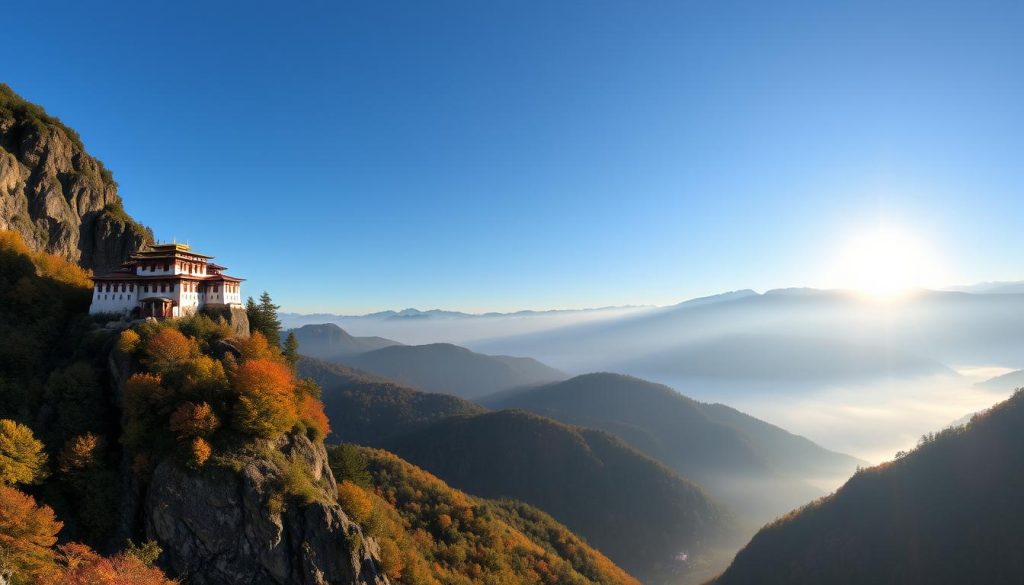
Your journey to Tiger’s Nest Monastery starts from Paro, the closest point. The trek offers stunning views, green forests, and diverse wildlife. It’s about 6-7 kilometers long, taking 2 to 3 hours to complete, depending on your speed.
Starting Your Journey from Paro
Starting from Paro, you’ll follow well-marked paths uphill. The climb is steep, reaching 3,120 meters at the monastery. The round trip takes about 5-6 hours, with a halfway restaurant for a break.
The Hiking Route and Its Challenges
The trail starts easy but gets steeper, testing your strength. You’ll face uneven paths and high altitudes. It’s important to wear good shoes, carry water, and snacks for a smooth trip.
Travel Options for the Trekking Experience
For an easier climb, you can rent a pony to the halfway point. Guided tours are also available, offering insights and help. Some prefer using mules for their luggage, making the hike easier.
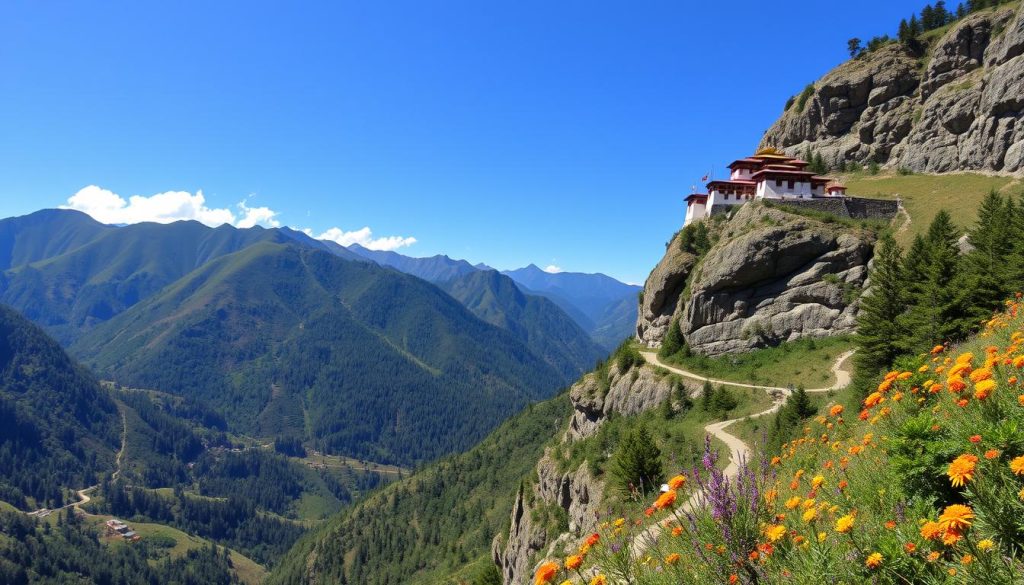
What to Expect During Your Visit
Arriving at the Tiger’s Nest temple complex, you’ll be amazed by its stunning monastery architecture. It sits on a cliff at about 3,120 meters (10,240 feet) high. The site has four main temples linked by detailed passages. Each temple shows off Bhutanese art with beautiful murals and statues.
Visitors love exploring the prayer halls. They include a special cave where Guru Padmasambhava meditated.
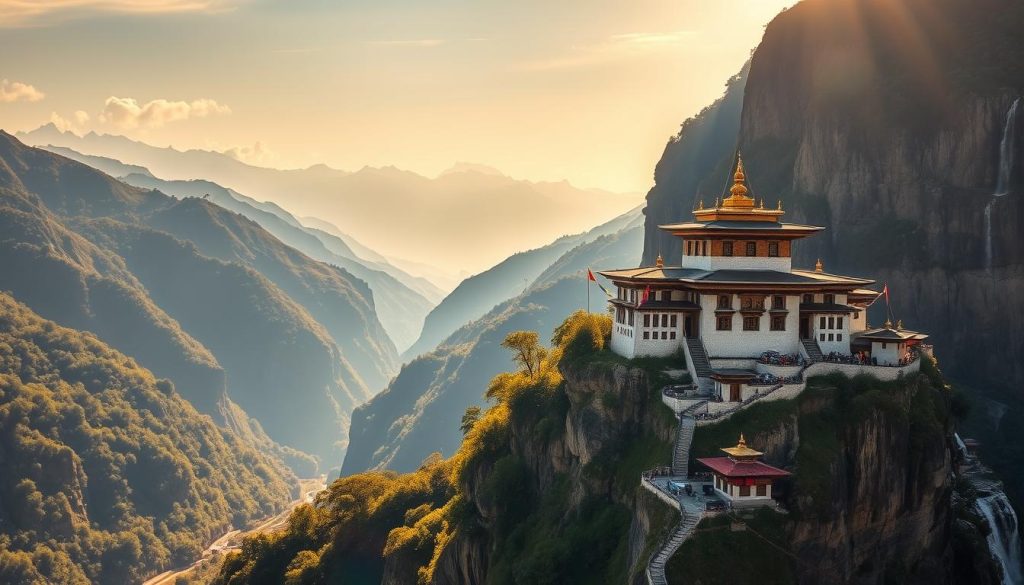
Exploring the Temple Complex
Exploring the Tiger’s Nest temple complex, you’ll see amazing monastery architecture. Each part offers a glimpse into Bhutan’s spiritual heritage. Take your time to admire the art and architecture that show Bhutanese spirituality.
Spiritual Experience and Cultural Insights
Your visit is more than just sightseeing. It’s a chance for deep spiritual exploration. You can meditate or pray in the peaceful atmosphere. Local monks might share their knowledge about the monastery’s importance.
This helps you understand Bhutan’s monastic traditions. These traditions have thrived here for centuries.
| Aspect | Details |
|---|---|
| Location | Approximately 10 kilometers northwest of Paro town |
| Elevation | 3,120 meters (10,240 feet) |
| Hiking Duration | 2-3 hours each way |
| Total Distance | 4.5 kilometers (approximately 4 miles) |
| Best Visiting Times | Spring (March to May), Autumn (September to November) |
| Notable Features | Intricate murals, sacred cave, local monk interactions |
Important Tips for Visiting Tiger’s Nest Monastery
Visiting Tiger’s Nest Monastery needs you to know a few things. You should dress right and act respectfully. Knowing the dress code for monasteries helps. It makes sure you’re comfortable and show respect for the place.
Clothing Recommendations
Choose clothes for the Tiger’s Nest trek wisely. It’s about 8 miles roundtrip. Wear long sleeves and long trousers to be modest. Also, dress in layers because the weather changes a lot in the mountains.
Etiquette to Follow Inside the Monastery
Being polite inside the monastery is key. Here’s how to be respectful:
- Remove your shoes before entering temple areas
- Maintain a quiet demeanor to preserve the meditation atmosphere
- Show respect towards monks and local customs at all times
- Photography is not allowed inside the monastery, which helps maintain its sanctity
Knowing Bhutan’s culture makes your visit better. Every respectful action you take makes your experience more meaningful.
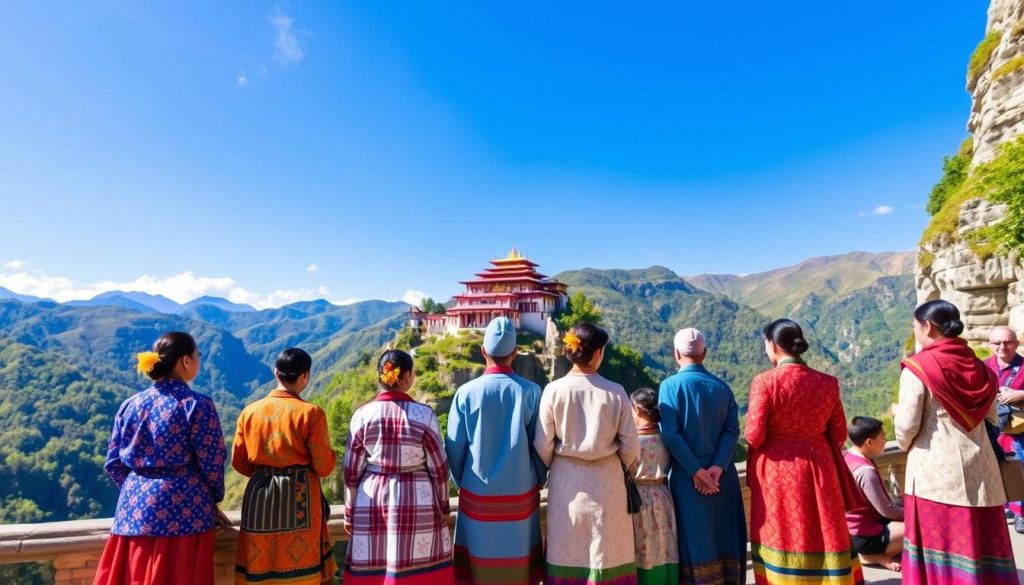
Other Attractions Near the Tiger’s Nest
The trip to Tiger’s Nest monastery is just the start of your adventure. Paro Valley has lots to see and do. You’ll find natural wonders and cultural treasures that will amaze you.
Exploring Paro Valley’s Natural Beauty
Discover Bhutan’s natural wonders in Paro Valley. You’ll see:
- Stunning trekking paths through vibrant forests
- Picturesque waterfalls cascading down rugged terrains
- Diverse flora and fauna perfect for nature lovers
Don’t miss Kyichu Lhakhang, one of Bhutan’s oldest temples. It’s a masterpiece of architecture and a key part of Bhutan’s spiritual journey. Local markets show off authentic Bhutanese culture with handmade crafts and textiles.
Visiting Additional Sacred Sites in Bhutan
Explore more sacred sites in Bhutan. Each tells a story of the past and shows off the beauty of Bhutanese dzongs. Key sites include:
| Site Name | Location | Significance |
|---|---|---|
| Punakha Dzong | Punakha | A prominent historical and administrative center, known for its stunning architecture and rich history. |
| Chimi Lhakhang | Near Punakha | Famous for fertility blessings, this temple attracts numerous visitors seeking spiritual guidance. |
Visiting these sacred sites in Bhutan gives you a deeper look at the nation’s spirituality and culture. Each place offers a unique view that makes your visit even more special.
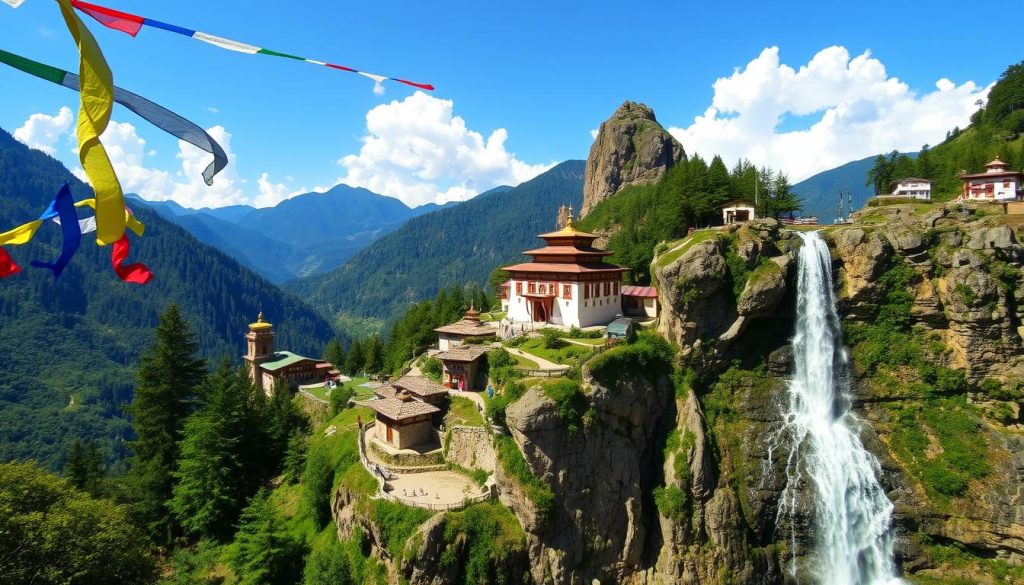
Adventure Travel in Bhutan
Bhutan is a paradise for adventure lovers. It offers many outdoor activities beyond the famous Tiger’s Nest Monastery. You can trek through stunning landscapes or try thrilling river rafting. The diverse ecosystems and beautiful scenery make for unforgettable memories.
Outdoor Activities Beyond the Monastery
While Tiger’s Nest is a must-see, there’s more to explore. Here are some top activities:
- Trekking: Choose from many trails that show off Bhutan’s natural beauty and culture.
- Mountain Biking: Ride through rough terrains for a rush of excitement.
- River Rafting: Feel the thrill of rafting on Bhutan’s fast rivers.
- Wildlife Watching: Go on nature trails to see rare animals, helping eco-tourism in Bhutan.
These activities offer excitement and a deeper understanding of Bhutan. They support sustainable travel, keeping nature and culture alive for the future.
Understanding Bhutan’s Conservation Efforts
Bhutan is dedicated to protecting its environment. The government works hard to keep its biodiversity and landscapes untouched. Traveling here supports these efforts and lets you enjoy an amazing adventure.
Exploring Bhutan means making memories and helping preserve its beauty for the future.
| Activity | Description | Environmental Impact |
|---|---|---|
| Trekking | Hikes through ancient trails amidst stunning landscapes. | Minimal impact, enhances awareness of conservation. |
| Mountain Biking | Explore diverse terrains on two wheels for a unique perspective. | Promotes eco-friendly transport methods. |
| River Rafting | Adventure on Bhutan’s challenging white-water rivers. | Supports local economies while respecting river ecosystems. |
| Wildlife Watching | Observe rare species in their natural habitats. | Encourages preservation of wildlife habitats. |
Conclusion
Your visit to Tiger’s Nest Monastery is more than a hike. It’s a mix of adventure and spirituality in a stunning setting. The trek is 8.6 kilometers round trip, with a climb of 520 meters. It lets you feel the calm and culture of this sacred place, at 3,120 meters high.
Walking through the pine forest and up to the monastery, you think about Guru Padmasambhava’s teachings. He made this place a meditation center in the 8th century. This journey is for people worldwide, showing them Buddhist ways and Bhutan’s beauty.
This guide wants your Tiger’s Nest Monastery visit to be unforgettable. It should inspire you to explore more of Bhutan. Dive into the history, join the daily prayers, and experience Bhutan’s culture. You’ll make memories that last a lifetime.