
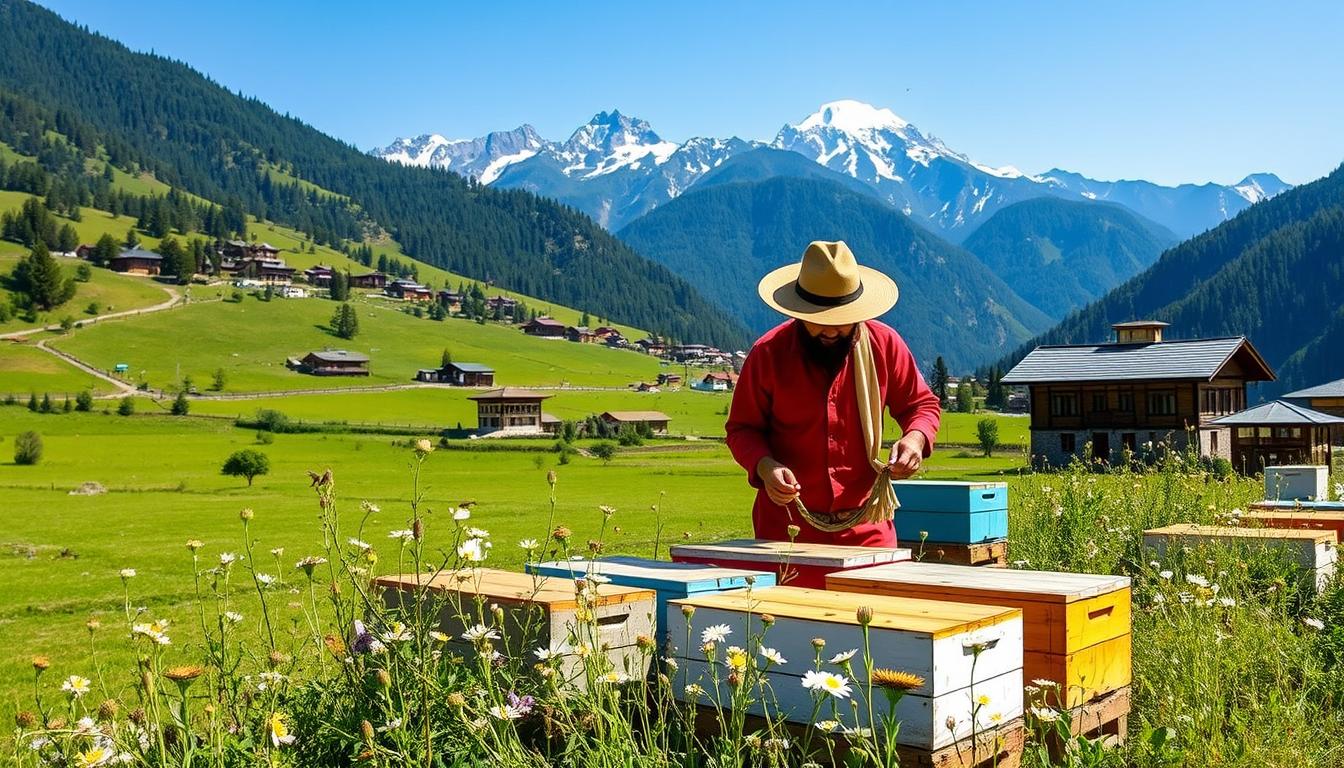
Explore Bhutan with Bumthang Beekeeping Tours
Have you ever wondered how a small country in the eastern Himalayas became a leader in eco-tourism? Welcome to Bhutan, a paradise dedicated to nature and happiness. The Bumthang beekeeping tours offer a chance to dive into local culture and support green practices.
Here, you’ll see stunning landscapes and learn about honey’s role in Bhutanese life. The tours combine beautiful monasteries, lively festivals, and diverse ecosystems. It’s an experience you won’t forget.
Join us as we explore Bhutan’s eco-tourism and the sustainable beekeeping in Bumthang Valley.
Introduction to Bhutan’s Unique Eco-Tourism
Bhutan’s eco-tourism is a standout in the world of travel. It focuses on sustainable travel and lets visitors enjoy stunning views and culture without harming nature. The kingdom’s dedication to responsible tourism is clear in its policies. These policies aim to protect the environment and preserve cultural heritage.
Exploring Bhutan is more than just seeing sights. It’s about connecting with local communities. This connection supports the local economy and enriches your travel experience. For example, the Bumthang beekeeping tours show Bhutan’s effort to balance nature and tourism.
By joining in eco-tourism activities, you help nature and reduce the negative impact of tourism. You get to enjoy Bhutan’s untouched beauty while supporting conservation efforts. These experiences offer moments that show the beauty and sustainability of this special place.
Discover the Heart of Bumthang Valley
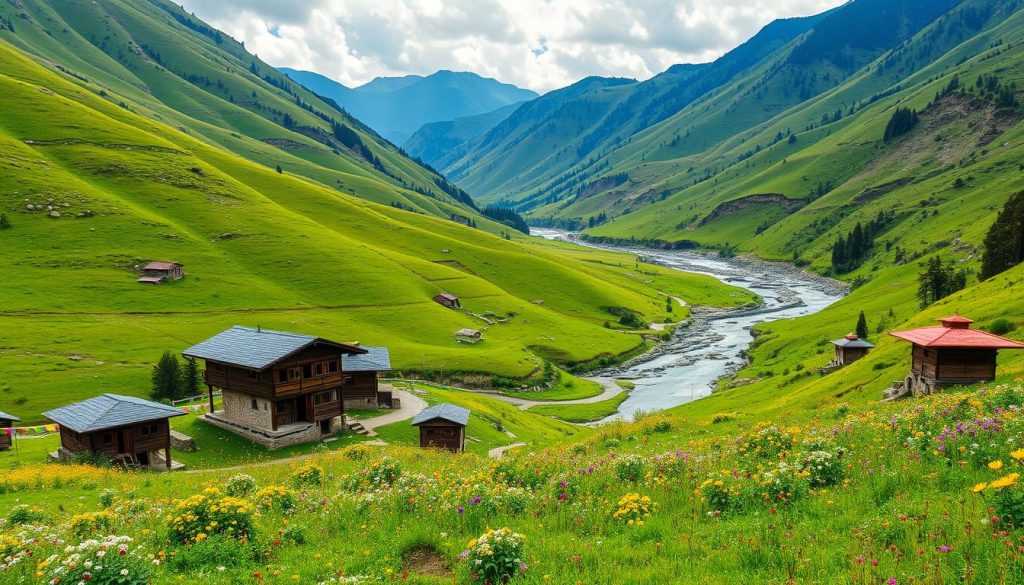
The Bumthang Valley in Bhutan is a treasure trove of culture. It has some of the oldest temples and festivals in the country. These offer deep insights into the Bhutanese people’s spiritual life.
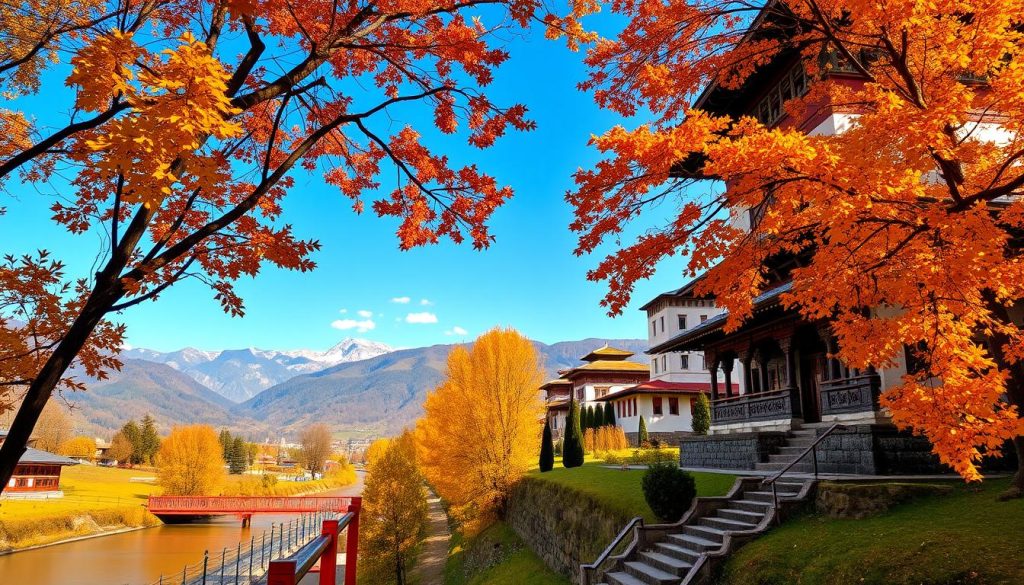
This valley is known as the cultural heart of Bhutan. It has a rich history and tradition. The valley’s beauty, with lush forests and rolling hills, is breathtaking.
Every turn on the winding paths shows off stunning natural beauty. You can also see local customs that have lasted for centuries. This mix of nature and tradition is captivating.
The valley is home to important sites like the Jakar Dzong. It’s open daily from 09:00 AM to 05:00 PM and doesn’t charge an entry fee. The Mebar Tsho, or Burning Lake, is another key spot. It’s open until dusk.
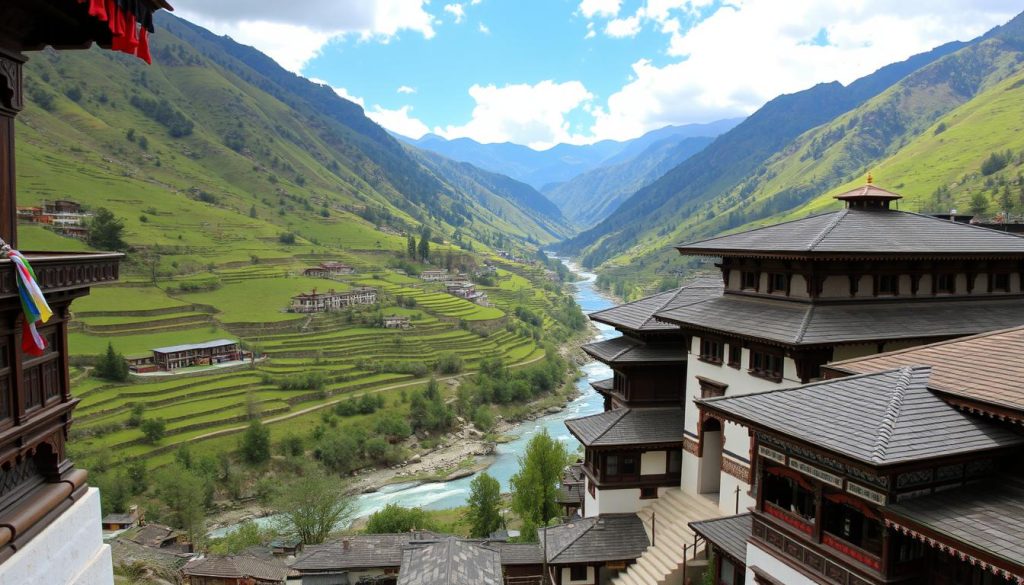
Beekeeping is a big income source here, with almost every family involved since 1986. This shows the locals’ unique bond with nature. It also highlights the importance of sustainability and preserving their cultural heritage.
Sustainable Beekeeping Experiences in Bhutan
Sustainable beekeeping in Bhutan connects visitors to local culture and nature. It shows the honey importance in Bhutanese traditions. Honey is key in many cultural rituals and festivals. Beekeepers here use eco-friendly methods, showing respect for nature.
The Importance of Honey in Bhutanese Culture
Honey in Bhutan is valued for its uses and cultural role. The Beekeepers Cooperative of Bhutan (BECoB) has 73 members. They produce different honeys, like Clover and Buckwheat, and Cream Honey.
Cream Honey is special for its taste and quality. It shows the deep history of honey making in the area.
Environmental Benefits of Beekeeping
Beekeeping in Bhutan helps the environment a lot. Beekeepers make honey twice a year, producing about 15,000 kilograms yearly. This boosts local biodiversity.
Introducing Apis mellifera bees in 1986 helped honey production and plant health. It supports local farming and food security. This shows how beekeeping and nature are connected.
Bumthang Beekeeping Tours: What to Expect
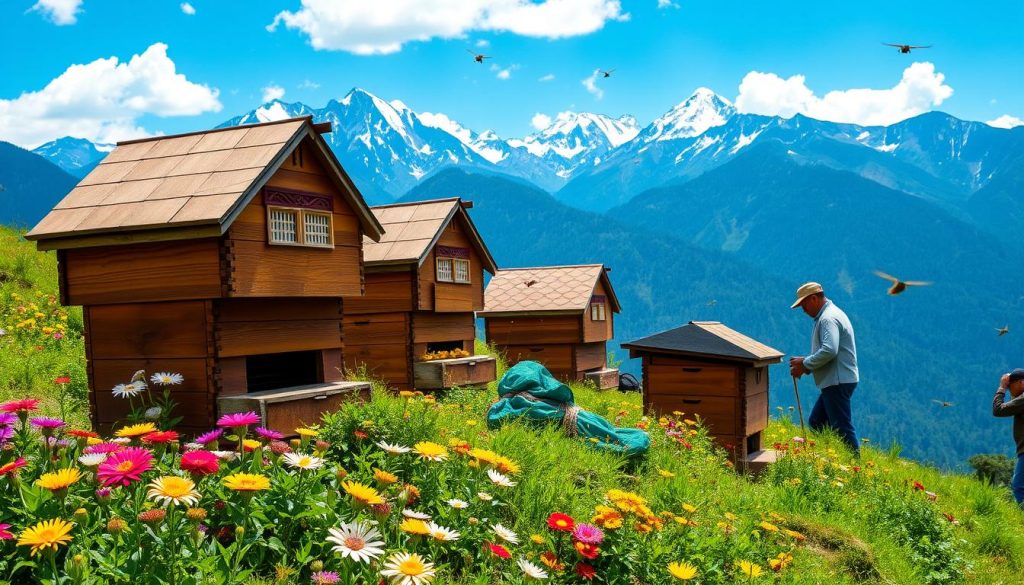
Going on Bumthang beekeeping tours is a great way to learn and have fun. It’s perfect for both those who love bees and those who just want to try something new. You’ll get to see how honey is made and learn about beekeeping.
Overview of Tour Activities
On your Bumthang beekeeping tour, you’ll do lots of cool things. You’ll get to:
- See how bees are kept in local apiaries.
- Help extract honey, getting your hands dirty.
- Taste different honeys straight from the hives.
- Learn about the local plants and how they affect honey.
Seasonal Highlights for Visitors
The best time for Bumthang beekeeping tours is from late May to mid-July. The weather is nice, and the flowers are in full bloom. You’ll see:
- Bees working hard as flowers are everywhere.
- Busy beekeepers in the apiaries.
- Beautiful views of Bumthang’s countryside.
Guided Bee Farm Visits: A Close-up Experience
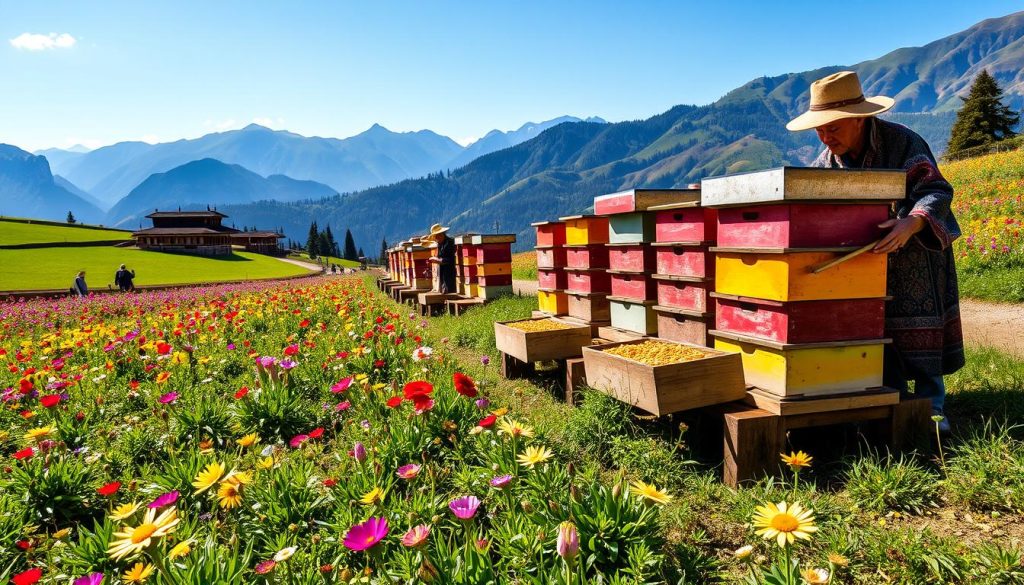
Guided bee farm visits give you a close look at beekeeping in Bhutan. You’ll get to see bees up close and learn how beekeepers keep them healthy. You’ll watch as beekeepers work, showing their dedication to their craft.
You’ll also get to try your hand at beekeeping by wearing protective gear. This hands-on experience teaches you about hive management. It shows how important bees are to farming and the local environment. Talking to the beekeepers will help you understand the plants and animals they support.
The following table outlines essential aspects of guided bee farm visits:
| Aspect | Description |
|---|---|
| Duration | Typically 2-3 hours |
| Group Size | Small groups for personalized attention |
| Skills Learned | Hive inspection, honey extraction, and bee behavior |
| Accessibility | All ages and skill levels welcome |
| Season Availability | Spring through Fall is ideal |
Going on guided bee farm visits makes your trip more meaningful. It lets you connect with local traditions and learn about sustainability. You’ll see how vital bees are to our world.

Exploring Bumthang’s Honey Industry
Bumthang’s honey industry is known for its high-quality honey. It comes from different flowers in the area. Visitors can learn about the link between farming, beekeeping, and nature. This place is beautiful and rich in culture, perfect for those who care about the environment.
Types of Honey Produced
Bumthang offers a wide range of honey, showing off the area’s diverse flowers. Here are some of the most common types:
- Buckwheat Honey – It has a deep flavor, great for cooking and baking.
- Wildflower Honey – A mix of flowers, it tastes light and smells nice.
- Clover Honey – Sweet and mild, loved by all ages.
Each honey type has its own taste and health benefits. This is because bees collect nectar from different flowers all year.
The Process of Honey Production
The honey-making process in Bumthang focuses on quality and care for nature. Beekeepers use methods that protect bees and the environment. The main steps are:
- Bee Colony Management: Beekeepers check the hives to keep the bees healthy.
- Flower Foraging: Bees pollinate and gather nectar, making the honey special.
- Harvesting: Honey is taken out carefully so the bees are not harmed.
- Quality Control: Each batch is tested to keep Bumthang honey at its best.
This careful process ensures the honey’s quality and helps local beekeepers.
| Type of Honey | Flavor Profile | Nutritional Benefits |
|---|---|---|
| Buckwheat Honey | Deep, bold | Rich in antioxidants |
| Wildflower Honey | Light, delicate | Supports immunity |
| Clover Honey | Mild, sweet | Good for digestion |
Bumthang’s mix of old ways and nature makes it a key place for honey. It shows the quality of local honey and the bond between land and people.
Educational Beekeeping Excursions for All Ages
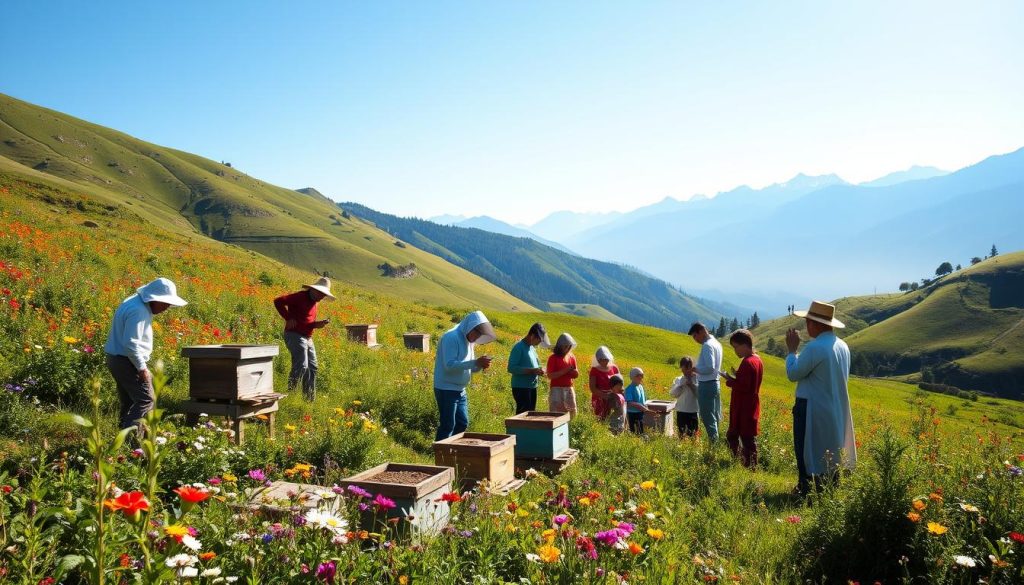
Educational beekeeping excursions are a great way for people and families to learn about bees. These tours teach about bee life cycles and how to manage hives. They also talk about the health benefits of honey.
One of the best parts is the interactive activities. You can:
- Extract fresh honey from the hive
- Make beeswax candles
- Learn about how flowers are pollinated
These hands-on experiences make learning fun. They’re great for family activities. Families can learn together and have fun while doing it.
These tours also show the importance of local beekeeping. For example, the National Highland Research and Development Centre in Bumthang makes a lot of honey. This helps the local economy and protects the environment.
In short, beekeeping excursions are a fun way to learn. They help people appreciate nature and make memories for families and individuals of all ages.
Local Beekeeping Traditions and Practices
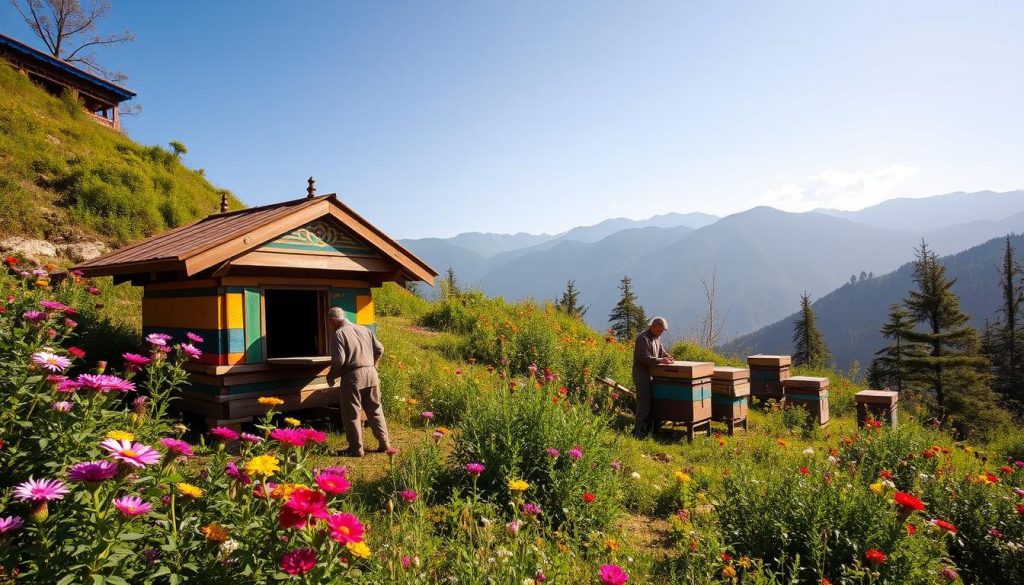
Bhutan’s beekeeping traditions show a deep respect for nature and a focus on sustainability. These traditions have shaped how honey is made, balancing human needs with environmental health. Beekeepers use natural materials for hives, showing a strong bond with the land.
Traditional Methods Passed Down Through Generations
Local beekeeping traditions rely on knowledge passed down through generations. Beekeepers focus on bee health and honey production. They use local resources for hives and harvest honey in a way that keeps bees healthy.
- Utilization of local resources for hive building.
- Harvesting honey in a manner that promotes bee health and productivity.
- Seasonal management of hives aligned with nectar flow and weather patterns.
Integration of Modern Practices with Local Knowledge
Modern beekeeping practices have been adopted in Bhutan since around 1986. This mix of old and new methods boosts efficiency while keeping traditional values alive. It helps in producing better honey and protecting the environment. Some key advancements include:
- Use of technology for hive monitoring and pest control.
- Training programs for farmers to promote best practices in both traditional and modern beekeeping.
- New methods for enhancing honey purity and reducing contaminants.
Nature-Based Tours in Bhutan: Beyond Beekeeping
Bumthang beekeeping tours are popular, but Bhutan offers more. Nature-based tours let you explore stunning landscapes and diverse ecosystems. Join a 10-day tour from April 10th to April 20th to see places like Bumthang, Tingtibi, Yongkola, and Punakha.
Experiencing Bhutan’s Natural Beauty
The trip offers stunning views of the Himalayas, lush forests, and calm rivers. You’ll see different terrains, perfect for exploration and relaxation. Cultural visits, like the Tharpaling Monastery and Punthang Dechen Phodrang, add to your experience.
Wildlife and Flora in Bumthang Valley
Bumthang Valley is great for wildlife lovers. You might see the White-bellied Heron, a critically endangered bird. Other birds like the Fire-breasted Flowerpecker and Blue-bearded Bee-eater are also possible sightings.
On forest trails, you’ll cover about 1.5 miles. This gives you chances to see wildlife in Bumthang. The region’s plants, like rhododendrons and blue pine forests, add to the beauty of these tours.
Planning Your Trip: Best Time to Visit
When planning your trip to Bumthang, knowing the best time to visit is key. The weather conditions play a big role in your experience. Bumthang offers a unique adventure all year round, but the timing matters.
Weather Conditions in Bumthang
Bumthang has four seasons, each with its own beauty. Autumn and spring are the best times to visit. They offer mild weather and stunning views.
Autumn brings clear skies and temperatures from 29 to below 0 degrees Celsius. Nights can get very cold. Spring is warm, with temperatures from 25 to 3 degrees Celsius. It’s also the time when the flora and fauna are in full bloom.
Winter is cold, with temperatures from 10 to minus 5 degrees Celsius. It’s good for short treks at lower altitudes. The monsoon season, from June to mid-September, is rainy and can cause landslides. It’s best to avoid it.
Tour Packages and Pricing Options
There are many tour packages for different interests and budgets. They include beekeeping tours and cultural experiences. Prices vary by season and what’s included in the package.
Whether you’re into beekeeping or exploring landscapes, Bumthang has something for everyone.
Traveler Testimonials: Experiences on Bumthang Beekeeping Tours
Many travelers have been touched by Bumthang beekeeping tours. They admire the beekeepers’ sustainable ways and the role of honey in Bhutan’s culture. Each story is unique, showing the unforgettable memories made during these tours.
- “I loved learning about the traditional beekeeping methods. Tasting honey right from the hives was a treat!”
- “The connection with nature in Bumthang was profound. I felt a genuine bond with the community.”
- “Participating in the beekeeping process opened my eyes to the importance of sustainable practices. It was an enlightening experience!”
Travelers find these tours a mix of adventure and learning. They enjoy the hands-on activities that teach about protecting the environment. The fresh honey is a favorite, with stories from the beekeepers adding to the experience.
Visitors leave with a deeper appreciation for Bhutan’s culture. Their experiences encourage others to explore Bumthang beekeeping tours. These tours leave a lasting impression, fostering a connection with this beautiful region.
Conclusion
Bumthang beekeeping tours show the beauty of eco-tourism in Bhutan. They mix caring for the environment with learning about local culture. On these tours, you see the area’s stunning nature and meet beekeepers who love their work.
These tours take you through landscapes full of life and beauty. You’ll learn how beekeeping helps the environment and the economy of Bhutan. It’s a chance to see how the country protects its nature and supports tourism.
By choosing Bumthang beekeeping tours, you support nature and local communities. Your visit helps keep Bhutan’s environment safe. It’s a memorable journey that shows the value of caring for our planet.





