Discover Haa Valley: Local Art & Photography Tours
Ever thought about stepping into a place where time seems to pause? Where stunning views meet colorful local art? Haa Valley, Bhutan, is that place. It’s not just beautiful; it’s a chance to meet local artists and capture the area’s rich culture through photography tours.
Get ready to find the hidden treasures of this stunning area. Explore local art and enjoy unforgettable travel experiences.
Introduction to Haa Valley
Haa Valley is in the western part of Bhutan. It’s known for its stunning beauty and rich culture. It’s a hidden gem, unlike Thimphu and Paro. Here, you can see the traditional life of local communities.
The valley welcomed foreign tourists in 2002. It’s still a special place, offering a unique travel experience. With its green mountains and forests, it’s perfect for nature lovers.
In Haa Valley, you can do many things. Hike through beautiful trails or join local festivals. You’ll see the area’s beauty and learn about its traditions.
Haa Valley is more than a place to visit. It’s a way to see Bhutan’s true heritage and nature.
Why Haa Valley is a Hidden Gem in Bhutan
Haa Valley is a hidden gem in Bhutan, known for its beautiful landscapes and rich culture. It covers 1,760 square kilometers. It is surrounded by Sikkim in India and Chumbi Valley in Tibet.
Before 2002, tourists couldn’t visit Haa Valley. This made it a secret spot. Now, it’s a place where you can see traditional Bhutanese life. You can meet the Haaps and learn about their farming ways.
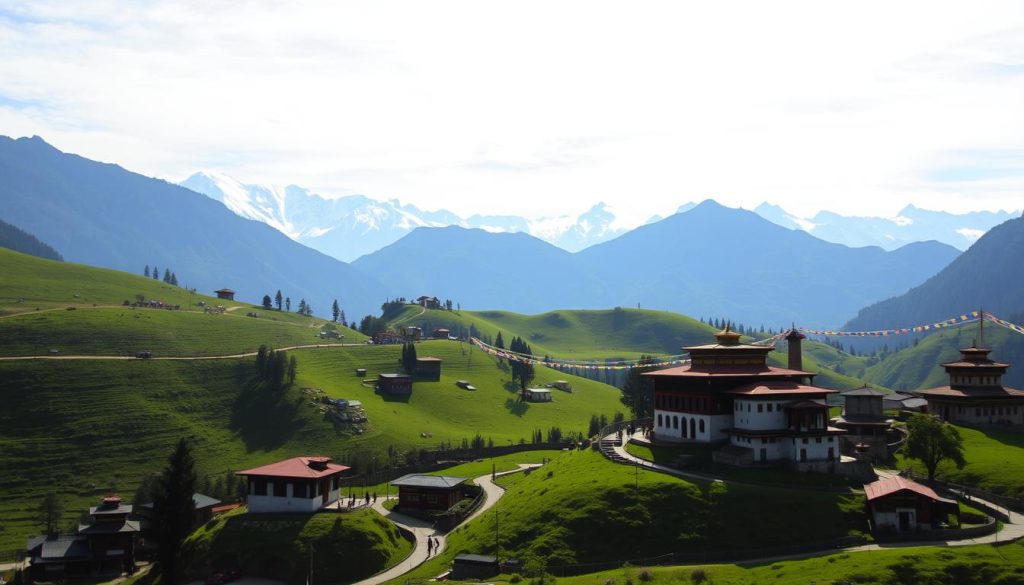
Exploring Haa Valley, you’ll find important sites like Lhakhang Karpo and Lhakhang Nagpo. These temples show Bhutan’s history through art. The valley’s beauty is also seen in the Haa Chu River and Chele La Pass, the highest driveable pass in Bhutan.
The valley is home to many plants and animals. Over 250 plant species grow here, including the blue poppy. You might see rare animals like Bengal tigers and snow leopards.
Haa Valley is not just about nature. It’s also about culture. Events like the Haa Tshechu and summer festivals let you see local traditions. It’s a place for real, deep travel experiences.
| Feature | Description |
|---|---|
| Location | Between Sikkim (India) and Chumbi Valley (Tibet) |
| Size | 1760 sq km |
| Population Density | One of the least populated districts in Bhutan |
| Wildlife | Bengal tigers, snow leopards, Himalayan black bears, over 250 plant species |
| Key Landmarks | Lhakhang Karpo, Lhakhang Nagpo |
| Accessibility | About 2-2.5 hours drive from Paro |
Getting to Haa Valley: Your Travel Options
Traveling to Haa Valley is an adventure. It shows the unique sides of Bhutan’s transport. The main way is by road, from Thimphu or Paro. You’ll see amazing views on the winding mountain roads.
The trip from Thimphu to Haa is about 3.5 hours and 108 km. You’ll see the Chele La Pass, at 3,988 meters. It offers views of Mt Jhomolhari, 7,314 meters high. From Paro, it’s 65 km and a 2-hour drive.
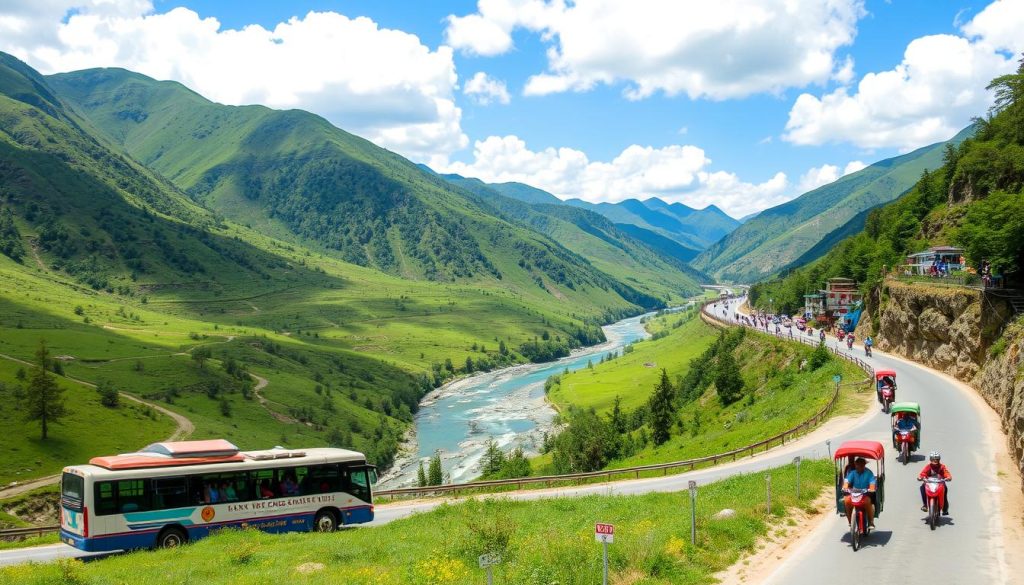
There are more ways to get there than driving alone. Tours offer transport and guides. They help you see places like Kila Goemba nunnery and Taktsang Monastery.
Inside Haa Valley, you can use taxis or buses. This lets you see the community and its culture. Plan for road conditions and travel times. Driving or joining a tour, the journey is rewarding.
Exploring Haa Valley through local art and photography tours
Haa Valley is a special place for discovering Bhutan’s true essence. It’s filled with tradition and creativity. You can see amazing craftsmanship and stunning landscapes here. By meeting local artisans, you learn about their long-standing traditions.
Photographers will love the valley’s beauty. It’s full of scenes just waiting to be captured.
Local Artisans and Their Craft
On local art tours, you’ll meet skilled artisans. They specialize in traditional Bhutanese crafts. Here are some highlights:
- Textile Weaving: Learn about weaving beautiful, intricate textiles that symbolize Bhutan’s culture.
- Pottery: See how pottery is made, showing off traditional designs.
- Wood Carving: Watch as artisans carve detailed patterns into wood, creating unique artworks.
These experiences help you connect with Haa Valley’s heritage. Exploring through local art and photography tours gives you a glimpse into Bhutan’s vibrant culture.
Photography Opportunities in Haa Valley
Photography lovers will find Haa Valley inspiring. The scenery is diverse, perfect for photography tours. Here are some notable opportunities:
- Scenic Landscapes: Capture the lush greenery, where 78% of the area is covered by trees and forests.
- Cultural Festivals: See authentic local celebrations with vibrant traditional clothing and practices.
- Daily Life: Document the enchanting lifestyles of the local communities, from farmers to artisans.
Whether you’re an experienced photographer or new, the valley’s beauty and culture make for a memorable trip. Follow your passion for Bhutan photography as you explore this captivating region.
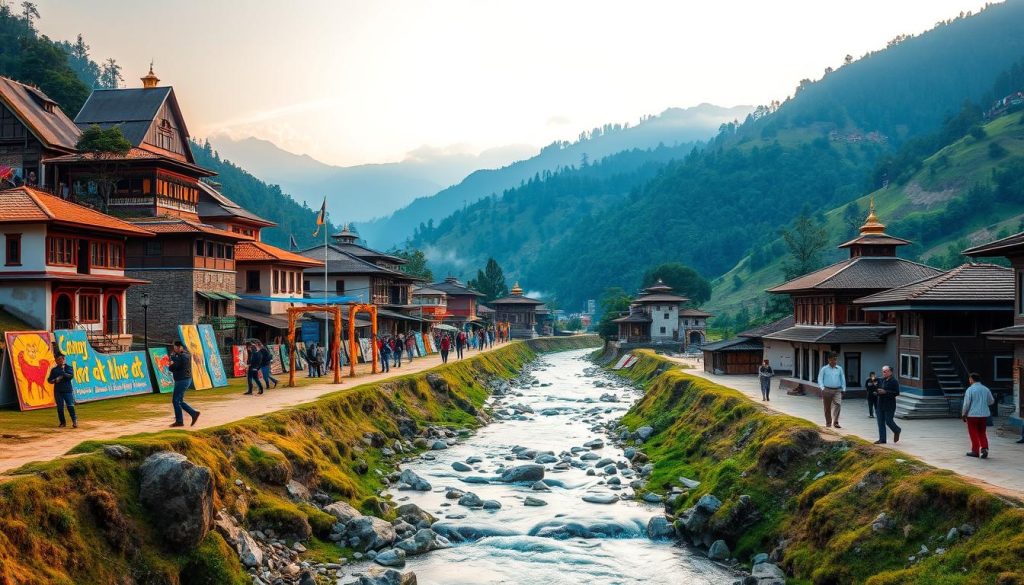
Immersive Cultural Experiences in Haa Valley
Haa Valley is a treasure trove of cultural experiences. It lets you dive deep into Bhutanese traditions. By engaging with locals, you gain valuable insights into their way of life.
The valley’s festivals, like the ‘Lomba’ festival, show the community’s spiritual beliefs. They highlight the importance of cultural heritage.
Participating in activities can deepen your understanding of Haa Valley’s culture. Try traditional cooking classes to learn local dishes. Folk dance performances offer a glimpse into the valley’s artistic side.
Guided tours to ancient monasteries and temples reveal the spiritual heart of Bhutan. You can explore sites like Lhakhang Karpo and Lhakhang Nagpo. These experiences enrich your journey and leave lasting memories.
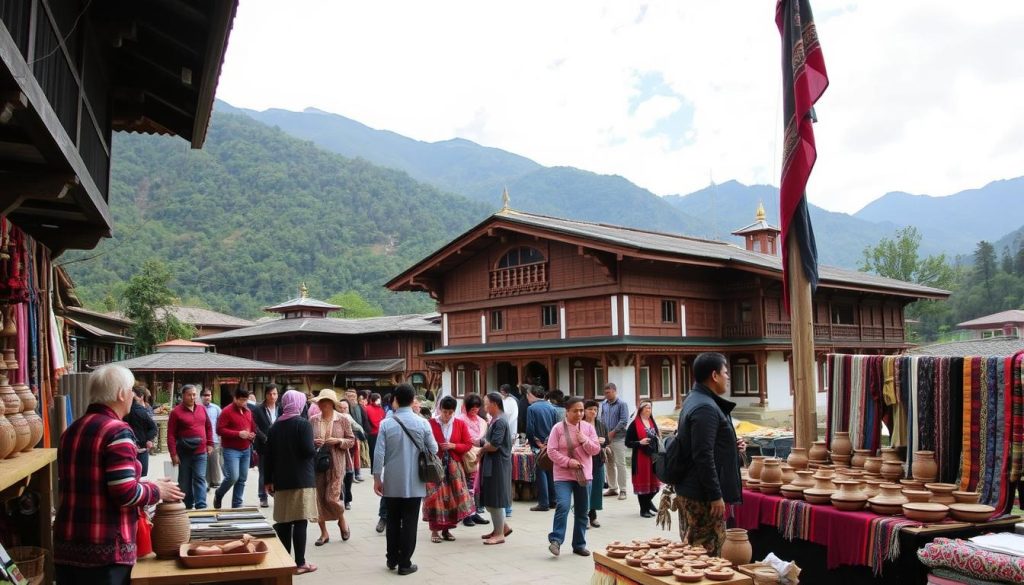
Local Art Tours: What to Expect
Local art tours offer a unique chance to explore traditional Bhutanese art. You’ll meet local artisans who use old techniques in thangka painting, paper making, and more. These experiences let you see Bhutan’s culture up close and learn by doing.
Engaging with Traditional Bhutanese Art
On local art tours, you’ll dive into the beauty of Bhutanese art. Workshops led by skilled artisans give you a chance to learn hands-on. You’ll get to see the detailed work that goes into these art forms.
- Experience thangka painting, a revered form of Bhutanese art known for its vibrant colors and spiritual themes.
- Participate in paper making, a traditional craft that has been practiced for centuries in Bhutan.
- Learn about various local arts and crafts, gaining insight into their significance in Bhutanese culture.
By learning these traditional techniques, you help keep Bhutan’s art alive for the future. Creating your own art in Haa Valley adds a special touch to your journey.
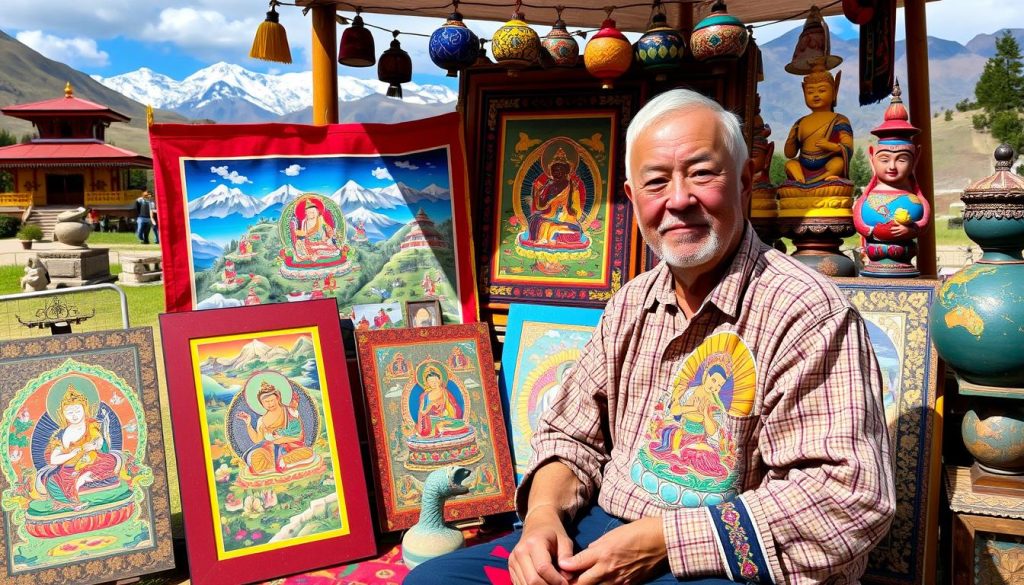
| Art Form | Description | Significance |
|---|---|---|
| Thangka Painting | A detailed, colorful painting on fabric depicting Buddhist themes. | Serves as both a teaching tool and a spiritual aid for practitioners. |
| Paper Making | Crafting paper from local materials like Daphne bark. | Preserves centuries-old traditions and supports local economies. |
| Basket Weaving | Creating functional art with indigenous materials, such as Đó grass. | Combines utility with artistic expression, emphasizing sustainability. |
These tours give you a deeper understanding of Bhutan’s culture. You’ll also take home your own handcrafted art pieces.
Photography Tours: Capturing the Essence of Haa Valley
Photography tours in Haa Valley are a great way to improve your skills. You’ll see stunning landscapes and vibrant culture. It’s a dream spot for any photographer.
Guided tours teach you the art of photography. Experienced guides show you the best spots and how to use light. You’ll learn to tell powerful stories with your photos.
Here are some things to think about on your photography tour:
- Duration: Ranges from 9 days to 17 days, allowing flexibility for your schedule.
- Skill Level: Suitable for all photography enthusiasts, including beginners, amateurs, and semi-pro photographers.
- What to Bring: All types of cameras are welcome, including DSLR, mirrorless, and even camera phones.
On your tour, you’ll see beautiful landscapes, traditional villages, and amazing architecture. These are key parts of Haa Valley’s identity. Use your camera to tell the story of this beautiful place and its people.
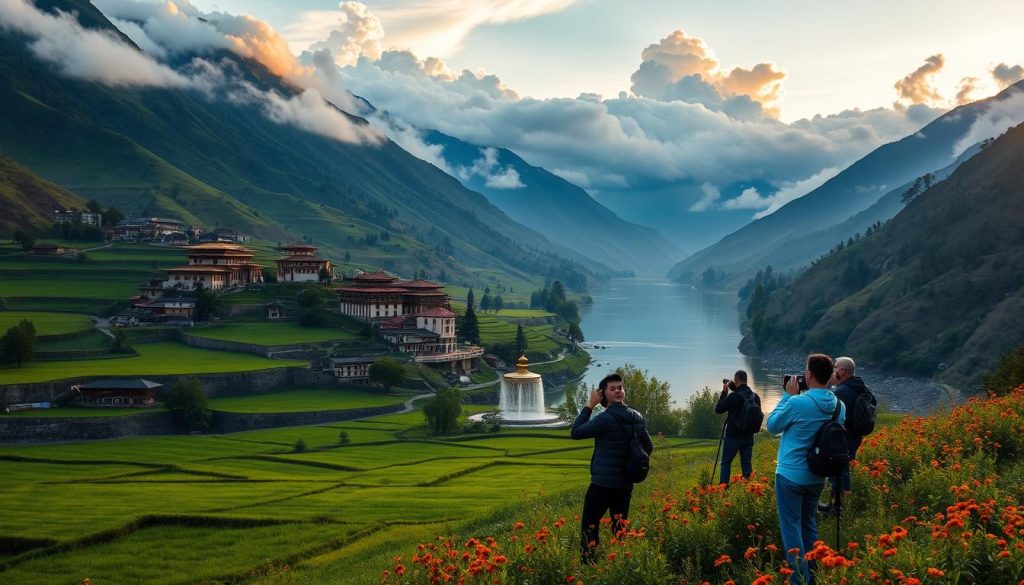
Every photography tour in Haa Valley is a chance to learn more about this special place. It’s a great experience for anyone who loves photography.
| Aspect | Details |
|---|---|
| Tour Duration | 9 to 17 days |
| Skill Levels | Beginner to semi-pro |
| Camera Types | All cameras and camera phones |
| Itinerary Highlights | Iconic sites and hidden gems |
| Focus Areas | Travel, people, street, documentary, landscape photography |
Best Times to Visit Haa Valley
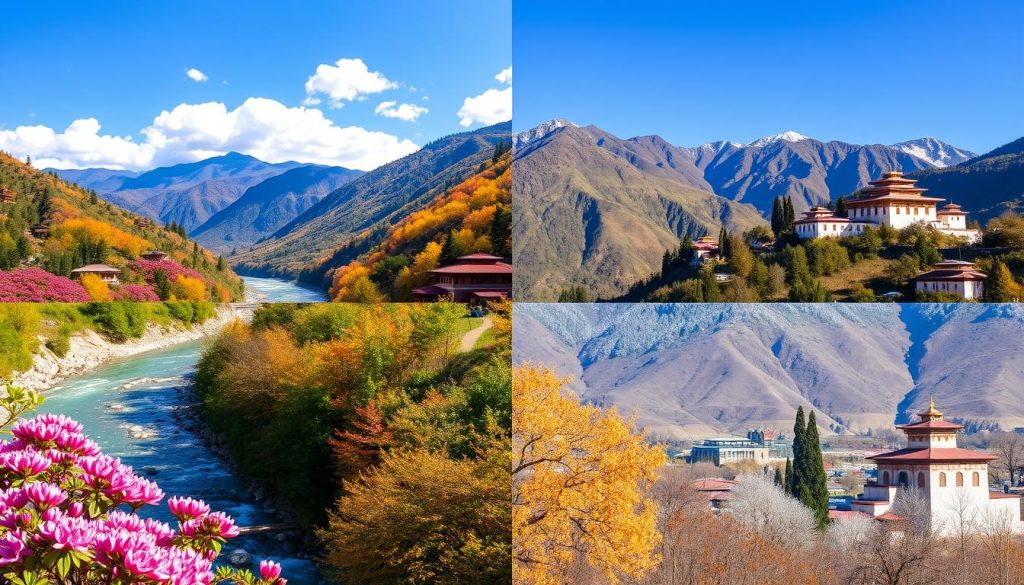
Knowing when to visit Haa Valley can make your trip better. The best months are March to May and September to November. The weather is nice, and the views are amazing.
In spring, the valley is full of colorful rhododendrons. This is a great time for those on Bhutan tours. Autumn brings clear skies and mild temperatures, ideal for hiking and outdoor fun. October is the top month for visitors, thanks to its good weather and festivals.
April and May are great for seeing Haa Valley in full bloom. November is special for spotting black-necked cranes in Phobjikha Valley. If you want fewer people around, try visiting late February to March, but avoid Punakha Valley.
Tips for Your Haa Valley Photography Tour
Planning a photography tour in Haa Valley needs careful thought. Here are some tips to help you:
- Research Bhutanese culture: Knowing local customs helps you take respectful photos. It lets you capture real moments and people.
- Invest in the right gear: A camera with different lenses is key. A tripod is also important for taking photos in the dark.
- Be prepared for variable weather: Weather in Haa Valley can change fast. Wear layers and keep your camera safe with waterproof bags.
- Utilize optimal lighting: The best light is in the early morning and late evening. Golden hour adds a warm glow to your photos.
- Embrace spontaneity: Look for everyday scenes to photograph. The most interesting photos often come from unexpected moments.
- Practice photography techniques: Keep practicing to get better. Look for workshops or online tips on composition and camera settings.
Following these tips will improve your photography and let you enjoy Haa Valley’s beauty. Explore, learn, and show your creativity through your camera.
Where to Stay in Haa Valley
Choosing where to stay in Haa Valley depends on your preferences and budget. This peaceful place has many places to stay, from fancy hotels to cozy guesthouses. Each option aims to give you a memorable stay.
Naksel Boutique Hotel & Spa is a great choice, located above Paro Valley. It has elegant rooms with Bhutanese art and modern comforts like heated floors. The Olive Restaurant offers tasty Bhutanese, Indian, and Western dishes. The Chabchu Bar is famous for Ara, a local drink. You can also enjoy coffee and pastries with amazing views.
Where you stay can make your trip better. The Deluxe Rooms at Naksel are highly recommended. While the Signature Suites are luxurious, they might not be worth the extra cost. The Menchu Himalayan Herbal Spa at Naksel offers relaxing treatments.
There are also local guesthouses in Haa Valley for a traditional stay. These places let you meet local families and try authentic experiences, like butter tea or Ara.
Here’s a quick look at some popular places to stay:
| Accommodation Option | Location | Notable Features | Price Range |
|---|---|---|---|
| Naksel Boutique Hotel & Spa | Above Paro Valley | Heritage design, on-site spa, scenic views | $$$ |
| Lechuna Heritage Lodge | Haa Valley | Traditional architecture, communal dining | $$ |
| Local Guesthouses | Various locations | Authentic cultural experiences, home-cooked meals | $ |
Choosing where to stay in Haa Valley lets you customize your trip. Whether you want luxury or a traditional setting, Haa Valley has something for everyone.

Conclusion
Exploring Haa Valley is more than seeing sights; it’s a chance for a deep change. It makes you love nature, art, and tradition more. Your trip to this beautiful part of Bhutan will show you the beauty of local artists and the lively culture.
From the stunning views to the fun community events like the Haa Summer Festival, every moment here is special. It helps you understand the rich cultural diversity of the place.
Thinking back on your journey in Bhutan, remember how the local crafts, delicious food, and experiences changed your view of this hidden gem. The valley’s beauty is in its stories, told through art, dance, and traditions. Try workshops, taste momos and ema datshi, and join archery games to fully experience Haa Valley.
In short, whether you’re taking amazing photos or talking with local artists, Haa Valley invites you to discover its secrets. Add it to your Bhutan trip list and get ready for an adventure that mixes exploration, creativity, and cultural love.