Explore the Mystical Multan Sufi Shrines
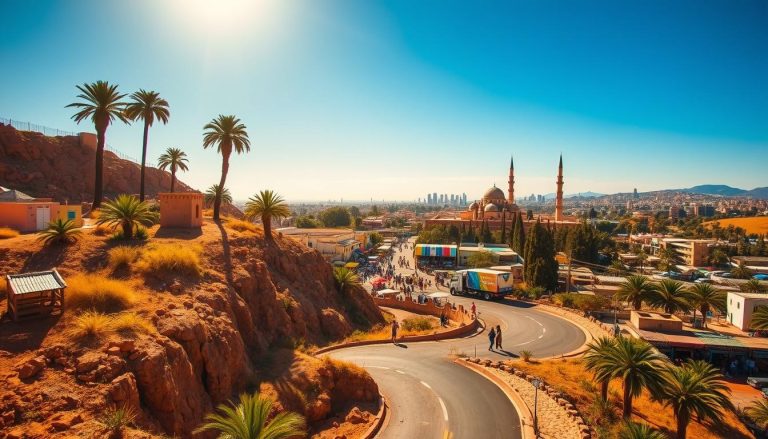
Have you ever wondered why Multan is famously called “The City of Saints”? This enchanting destination is in Pakistan’s Punjab province. It’s known for its unique spirituality, thanks to the revered Sufi shrines. Each shrine shows the deep impact of Sufi saints like Bahauddin Zakariya and Shah Rukn-e-Alam.
As you explore Multan’s spiritual sites, you’ll see more than just beautiful architecture. You will feel the deep cultural heritage in these sacred spaces. The Sufi shrines of Multan are not just places for praying. They are cultural centers that attract people from all over the world. This makes religious tourism in Multan a journey full of discoveries.
The Significance of Sufism in Multan
Sufism plays a special role in Multan’s culture. It blends rich traditions with the local way of life. Its history goes back to Islam’s early days in the region. This history makes it a key part of many people’s spiritual lives.
Understanding Sufism and Its Spiritual Essence
Sufism focuses on love, peace, and divine connection. It values personal spiritual journeys over strict rituals. This approach lets people freely explore their faith. In Multan, Sufi saints’ influence adds depth to this spiritual essence. They teach tolerance and compassion.
The Role of Sufi Saints in Multan
Multan is known as a place for those seeking spirituality. It is home to many respected Sufi saints. Saints like Bahauddin Zakariya and Shah Rukn-e-Alam have left a lasting mark. They taught about love and devotion, guiding many towards spiritual enlightenment.
About 60% of Pakistan’s Muslims follow Sufi traditions. This shows the movement’s large impact. Despite challenges, like attacks on shrines, devotion to Sufism in Multan stands strong. Many visit these holy places every year to pay their respects.
| Sufi Saint | Year Founded | Significance |
|---|---|---|
| Bahauddin Zakariya | 1262 | Promoted spiritual enlightenment and devotion |
| Shah Rukn-e-Alam | Unknown | Symbol of tolerance and compassion |
| Khawaja Awais Kagha | 1300s | Representative of mystical teachings |
The magic of love and spirituality lives through these figures. They make Multan’s culture rich. Their teachings create a community dedicated to Sufism. The importance of Multan’s Sufi shrines as places for worship, contemplation, and connection stands strong through time.
Unveiling Multan Sufi Shrines
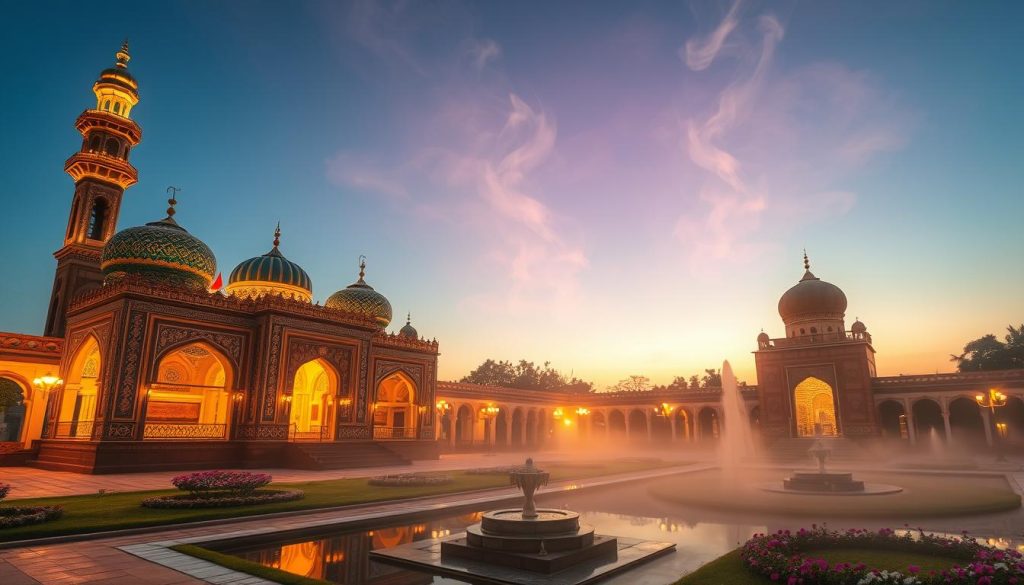
The Multan Sufi shrines are a vital part of the area’s spiritual world. These holy places attract both pilgrims and tourists. They are known for their historical depth and architectural beauty. When you visit these shrines, you will see how much respect people have for the Sufi saints. These saints helped shape the spiritual identity of the place.
Notable Shrines of Sufi Saints
The Tomb of Hazrat Shah Rukn-e-Alam is one of the key sites. It features a huge dome that is 171 feet high and has a base of 52 feet. The dome’s diameter is 58 feet, making it very impressive. This shrine is celebrated for its design and won the Agha Khan Award for Muslim architecture. Every week, about 2,000 to 3,000 followers visit, especially on Thursdays, Fridays, and Sundays.
Another notable place is the shrine of Hazrat Bahauddin Zakariya. Thousands go there to pay homage and seek spiritual insight. The mausoleum of Shah Yusuf Gardez, built in 1150 AD, showcases the lasting impact of Sufism. The Tomb of Shah Dana Shaheed, near Delhi Gate, is also a key pilgrimage spot. It draws those eager to delve into the teachings of the Sufi masters.
A Brief History of the Shrines
The Multan Sufi shrines have a long history as spiritual hubs. The Urs festival of Shah Rukn-e-Alam happens yearly, attracting thousands. This event, from the 5th to 7th of Jamadi-ul-Awal, highlights the shrines’ ongoing significance. During the festival, many donate money. These donations help maintain the shrines and support local charities.
Estimates say Multan has around 3,000 to 4,000 shrines, showing the city’s rich religious history. Each shrine tells a unique story. They encourage many to explore Sufism. This ensures the saints’ teachings live on and continue to influence people.
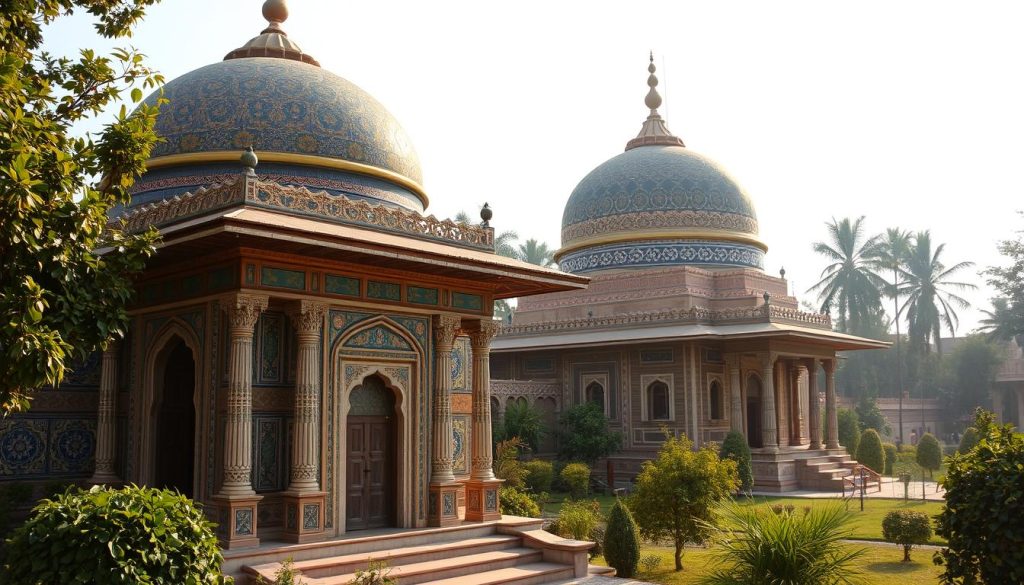
The Architectural Marvels of Multan
Multan is home to stunning architectural marvels that highlight its rich cultural heritage. The buildings show a blend of Mughal craftsmanship and Sufi spiritual values. The architectural details of these structures share the history and beliefs of the locals.
Traditional Styles and Symbolism
The architecture of Multan’s Sufi shrines is known for its detailed designs and symbolic depth. These buildings often feature:
- Intricate tile work with bright colors and patterns.
- An emphasis on ceramic tiles decorating the exteriors.
- Traditional red brick use, giving a unique look.
This mix not only looks beautiful but also shows the Sufi tradition’s spiritual beliefs. The shrines are as visually appealing as they are places of spirituality.
Famous Structures and Their Details
Some landmarks in Multan are especially notable for their architecture:
- Shah Rukn-e-Alam’s Tomb: It features an impressive dome and large hall, showcasing Mughal architecture.
- Multan Fort: This fort offers great views of the city and mixes military and residential design.
- Clock Tower: It is a key meeting spot and reflects Multan’s urban layout.
These landmarks are not just for tourists but symbolize the city’s history. They are free to visit, making them great for anyone wanting to see Multan’s architectural beauty.
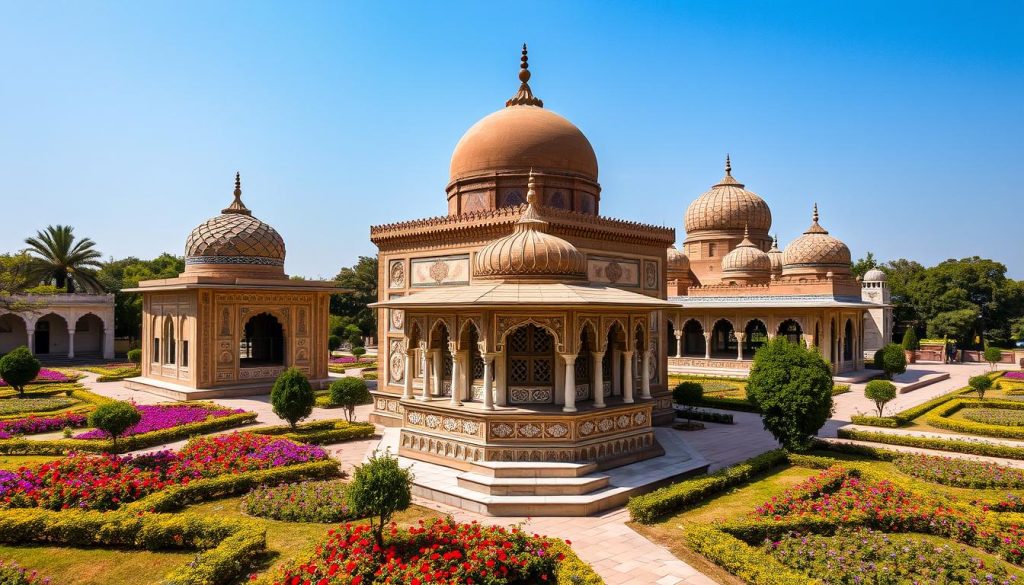
Mystical Experiences at the Sufi Shrines
When you visit Multan’s spiritual sites, you find a deep spiritual journey. The setting promotes reflection and bonds through spiritual practices. Devotees take part in prayers and zikr, getting closer to the divine and growing personally.
Spiritual Prayers and Rituals
The rituals at Sufi shrines in Multan are diverse but aim to heal the soul and offer wisdom. Some important rituals are:
- Descriptive zikr, emphasizing the remembrance of God
- Spiritual supplications to ask for blessings
- Symbolic offerings, like coins and flowers, to show the sacred value of giving
- Cultural traditions that show the area’s deep spirituality
These customs are part of why Multan attracts many seeking spiritual answers. They come from different places, looking for a spiritual link and understanding amid life’s big questions.
Engaging with Qawwali and Sama
Qawwali music fills the shrines, touching hearts and deepening spiritual connections. The ceremonies include:
- Emotional qawwali performances that create a mystical feeling
- Participation in sama, a dance that helps people feel divine love deeply
- Festival gatherings for joint worship and cultural exchange
These musical traditions help you truly feel the spirit of Sufism. The rituals and songs welcome everyone, showing love and spirituality’s universal power. In these shrines, you’ll see symbolic elements like birds that add to the spiritual path.
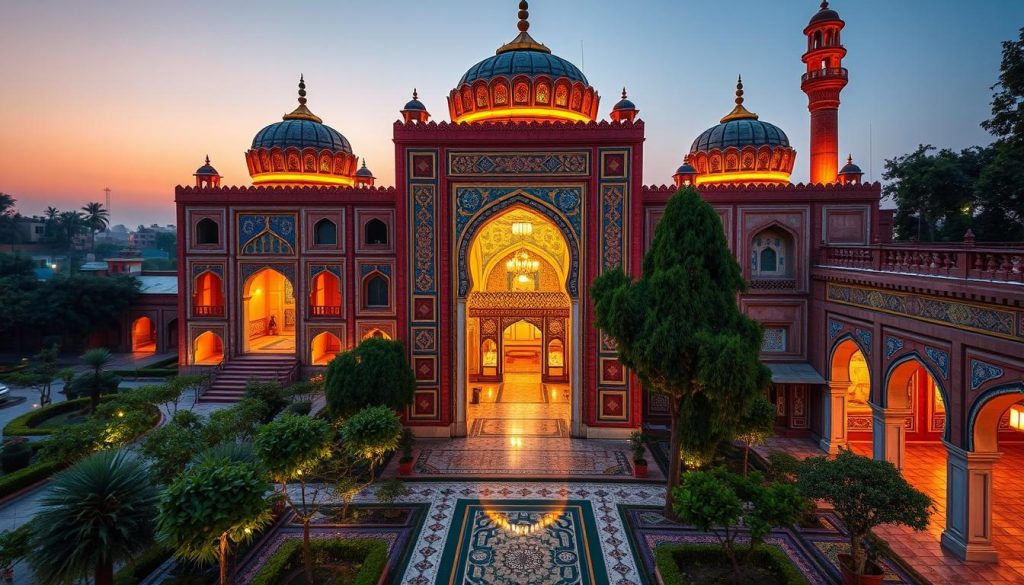
Cultural Heritage Surrounding Multan’s Shrines
Multan’s shrines are key to the local traditions. They are more than worship places. They are lively centers for local customs and festivals. The Urs festivals, in honor of Sufi saints, bring people together. They foster unity and shared spirituality.
Influence on Local Traditions and Festivals
The Urs festivals are a big deal. They include music, dance, and meals. These events show the community’s devotion and allow cultural exchange.
- Urs of Shah Shams Sabzwari annually attracts thousands of individuals.
- Bibi Pak Daman’s shrine is one of the oldest sites, drawing significant crowds.
- Local traditions emphasize hospitality during these festivals, creating a welcoming atmosphere.
Connection to Regional History
Multan’s landmarks link to its past. They show the city’s spiritual and artistic growth. The Mausoleum of Baha-ud-Din Zakaria, despite damage from conflicts, stands as a symbol of architectural skill. Each shrine shows Multan’s spiritual legacy. Tombs of figures like Shah Rukn-e-Alam and Musa Pak Shaheed add to the story.
| Landmark | Height/Dimensions | Significance |
|---|---|---|
| Mausoleum of Baha-ud-Din Zakaria | Square of 51 ft 9 in (15.77 m) | Major Sufi scholar and saint, historically significant yet damaged. |
| Tomb of Shah Rukn-e-Alam | 150 ft above road level | Second largest dome globally, iconic symbol of Multan. |
| Mausoleum of Shamsuddin Sabzwari Multani | 30 ft (9.1 m) height | Notable for its ornamental glazed tiles, reflecting local artistry. |
| Mausoleum of Hafiz Muhammad Jamal Multani | N/A | Features unique marble and black slate platform. |
| Mausoleum of Musa Pak Shaheed | N/A | Dedicated to a notable spiritual leader, enhancing local significance. |
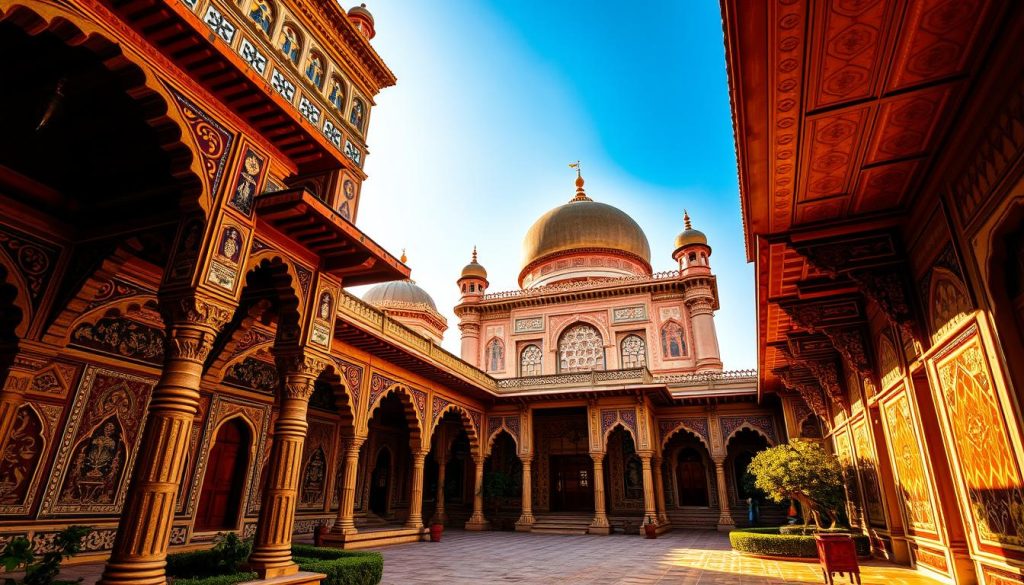
Multan Sufi Shrines and Pilgrimage Tourism
Multan is a key spot for those interested in religious tourism. It’s known for its deep spiritual heritage. The Sufi shrines are not just places for worship. They are also centers for cultural exchange. Here, vibrant traditions and festivities come to life. In these gatherings, locals and visitors share experiences, especially during big religious celebrations.
What to Expect During Your Visit
Visiting the Sufi shrines in Multan offers a deep dive into Sufism. Here’s what you might see:
- Cultural celebrations: Festivals at the shrines draw people from different backgrounds.
- Warm hospitality: The local community is very welcoming to all.
- Intricate rituals: Participating in prayers and ceremonies shows the essence of Sufi beliefs.
Places like the Tomb of Hazrat Shah Rukn-e-Alam and the Shrine of Bahauddin Zakariya are must-visits. Each shrine has its own story, reflecting the rich Sufi legacy of the area.
Safety and Security for Travelers
While Multan offers great experiences, staying safe is very important. Due to past incidents, safety measures have increased. It’s important to:
- Stay informed about current local safety regulations.
- Consider hiring a local guide or joining organized tours for extra support.
- Keep an eye on your surroundings, especially in busy places or at big events.
Keeping safety in mind lets you enjoy Multan’s spiritual and cultural beauty. This makes your pilgrimage much more rewarding.
The Sacred Practices of Devotees
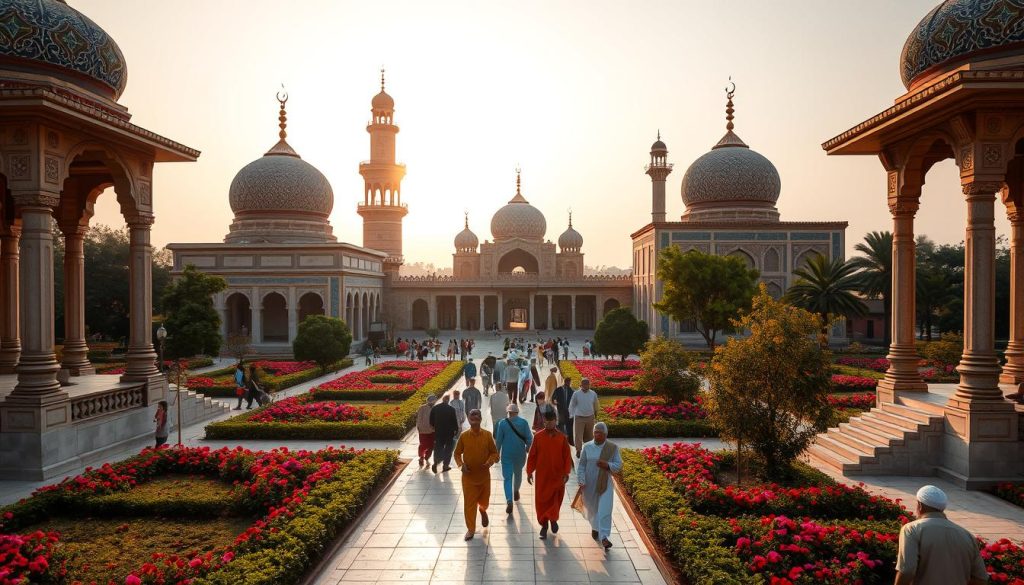
Devotees flock to Sufi shrines in Multan for spiritual enhancement. They take part in practices that deepen their connection to the divine. These include praying and seeking blessings from saints. People visit with hopes for healing, prosperity, and direction in life.
Offering Prayers and Seeking Blessings
At these spiritual gatherings, offerings play a big role. Devotees participate by:
- Tying threads of mannat to symbolize their wishes and prayers.
- Contributing to langar, a communal meal offered at the shrines.
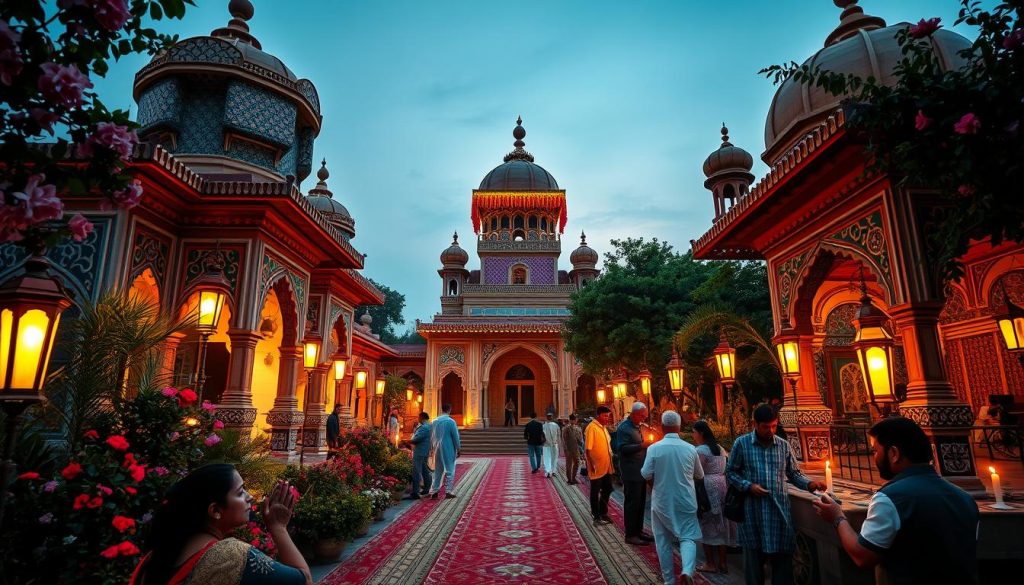
- Lighting candles or oil lamps as a sign of devotion and faith.
These actions do more than fulfill wishes. They bring people together in faith. The unity in seeking blessings strengthens the spiritual atmosphere.
Communal Activities and Celebrations
Community events are key in Multan’s spiritual scene. Festivals like Urs remember the Sufi saints. These events make the shrines buzz with:
- Recitations of prayers and hymns that honor the saints.
- Qawwali performances that uplift and unite.
- Processions and gatherings that create a sense of community.
These celebrations allow for deep engagement with spiritual traditions. They build a bond among participants. And they leave lasting impressions on everyone involved.
Exploring Multan’s Vibrant Markets
Step into the heart of Multan and discover its rich culture and craftsmanship. The lively markets in Multan are a showcase for the area’s artisans and their handcrafted works. Walking through these bazaars, you’ll see colorful stalls. Each is filled with handicrafts that show the city’s deep artistic roots.
Local Artisans and Craftsmen
In Multan, skilled artisans display their talents across several crafts, such as:
- Pottery: Beautifully designed clay pottery, a skill handed down through generations.
- Embroidery: Gorgeous embroidered textiles showing the area’s artistic touch.
- Jewelry: Silver and gold jewelry made by hand, highlighting Multan’s culture.
- Blue Pottery: Unique ceramics famed for their turquoise color and elaborate designs.
Food and Culinary Delights of Multan
Visiting Multan’s markets isn’t complete without trying its amazing food. At local food stalls, you can find:
- Sohan Halwa: A sweet made with sugar, semolina, and ghee, well-known in the area.
- Multani Puri: Crunchy, deep-fried bread that’s great with spicy curries or yogurt.
- Sajji: A traditional dish of marinated lamb or chicken, cooked until it’s just right.
- Dahi Bhallay: A cool yogurt-based snack, perfect for hot days.

Festivals of Sufism in Multan
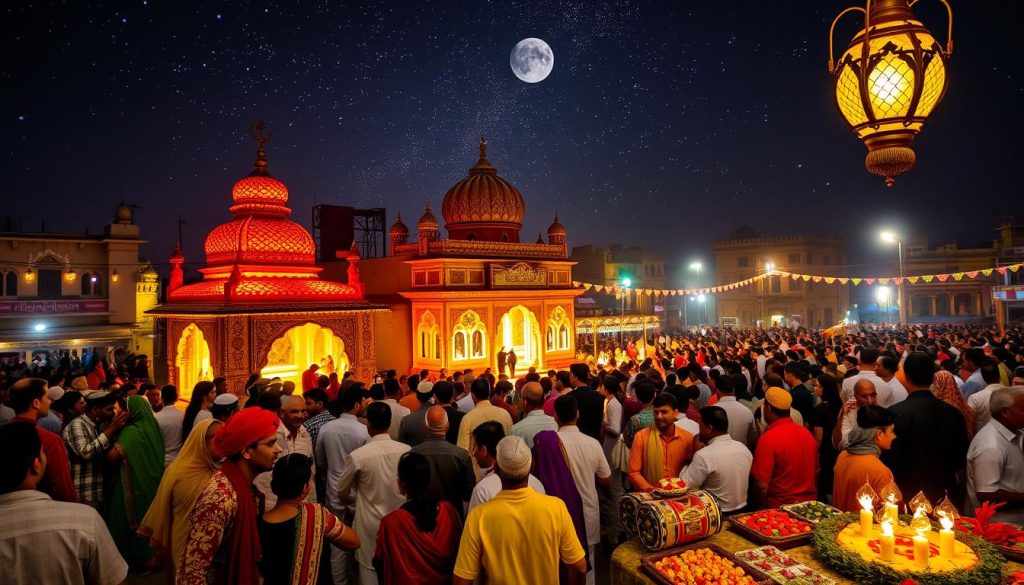
Multan thrives on its vibrant festivals, with each event dipped in Sufi traditions. Among them, the Urs celebrations stand out the most. These mark the death anniversaries of revered saints. They turn into a spiritual journey for many. Thousands of followers and visitors come together. They aim to connect with Multan’s deep cultural and religious roots.
Urs Festivals and Their Importance
The Urs festivals breathe life into Multan’s shrines, turning them into bustling hubs of joy. You’ll find yourself among traditional music, folk songs, and energetic dances. These elements bring a unique vibrancy to the festivities. Visitors come for a mix of spirituality and community fun. There are trade fairs, sports, and martial arts like dagger fighting and horseback riding. These add an exciting touch to the celebrations.
Cultural Events and Gatherings
Apart from the Urs celebrations, Multan is host to many cultural events. These celebrate Sufism’s essence. They foster cultural exchange and help people understand the area’s Sufi heritage. Immersing in these activities, you feel the strong sense of community. It’s a bond strengthened by love, peace, and brotherhood.
| Festival Name | Location | Activities | Attendance |
|---|---|---|---|
| Sant Baba Ranjit Singh Ji Urs | Pak Pattan | Devotional music, processions, food stalls | 500,000+ |
| Bahauddin Zakariya Urs | Multan | Qawwali, theatrical performances, prayer sessions | 300,000+ |
| Shah Rukn-e-Alam Urs | Multan | Folk dancing, traditional crafts, spiritual readings | 200,000+ |
By joining these cultural gatherings, you dive into Multan’s rich spiritual and artistic traditions. It’s an unforgettable experience. Exploring the Multan festivals, you enter a welcoming community. This community lives by Sufi teachings, cherishing a history that’s both deep and vibrant.
Conclusion
Exploring the Multan Sufi shrines is like starting a deep spiritual journey. It’s woven into the region’s rich culture. These sacred sites show the beauty of Sufi saint’s architecture. They also let you connect with a community that values shared history and spirituality.
As you visit these landmarks, you’ll learn a lot. You’ll see the teachings and practices that have made Multan a key place for Sufism.
Multan is called the “City of Saints,” and it lives up to its name. It’s not just about history. It’s a living tradition that promotes dialogue, acceptance, and mixing different beliefs. Visiting the Sufi shrines is a chance to understand various spiritual paths. It helps bring people together despite their differences.
Whether you seek inner peace or want to see the region’s captivating customs, Multan’s Sufi shrines ensure an unforgettable journey.
The Multan Sufi shrines show the lasting impact of Sufism in South Asia. They highlight how spirituality and cultural richness exist together. This place is not just full of history. It’s also where you can explore spirituality and learn about different cultures. It appeals to people from every background.