Explore Cebu Temples: A Spiritual Journey
Have you ever thought a *simple journey* could change your life? When you visit the temples in Cebu, you will find they are more than buildings. They are alive with faith, culture, and history.
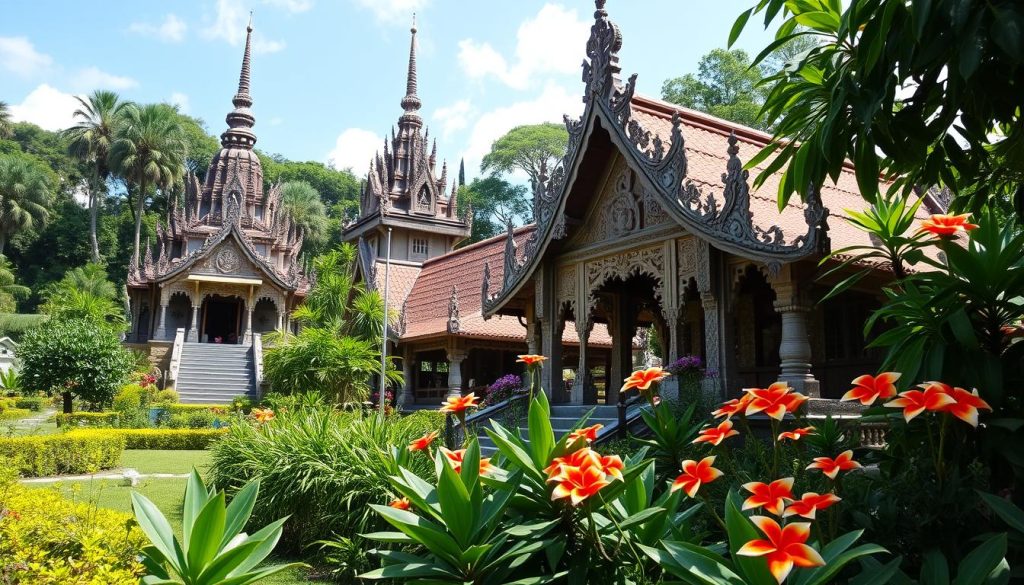
In Cebu’s beautiful landscapes, amazing temples are waiting for you. You can think, reconnect, and refresh your spirit there. The majestic Cebu Taoist Temple has an 81-step staircase, each step for a Taoist scripture. The Temple of Leah shows the beauty of Greek and Cebuano styles together. Every temple gives you a peek into the community’s spiritual life.
Start exploring the temples of Cebu and discover their rituals, beauty, and *lasting significance*. Get ready for your spiritual journey!
Introduction to Cebu Temples
Cebu is full of spiritual energy, with many temples blending Taoism and Catholicism. These sites are not just for praying but also tell the area’s rich history. Each temple shares the beliefs and traditions of the people who take care of them.
The Cebu Taoist Temple, started in 1972, shows off this heritage well. It is located 270 meters up, in the Beverly Hills Subdivision of Lahug. From there, you can see stunning views of Cebu City. Visitors climb 181 steps, which reflect the Taoist scriptures’ 81 chapters.
At the entrance, a model of the Great Wall of China greets you. This signals the beginning of a cultural adventure. While most of the temple is open to all, the Phu Sian Temple is only for certain religious activities. People can join in rituals on Wednesdays and Sundays. They take part in ceremonies that include throwing wooden blocks, an old tradition.
These holy places in Cebu offer peace, perfect for deep reflection. Exploring these temples shows how history, community, and faith mix together. This experience stays with you long after your visit ends.
The Significance of Cebu Temples in Culture and Religion
Cebu’s temples are deeply meaningful in the area. They act as key pillars for both locals and the wider Philippine community. For centuries, these places have been central to Cebu’s most important religious practices. They help maintain a rich spiritual history that appeals to worshippers and visitors alike. Cebu’s history shows its people were among the first Filipinos to embrace Christianity back in 1521. This strong faith is shown by sites like the Basilica del Sto. Niño, which is one of the country’s earliest churches, built in the 16th century.
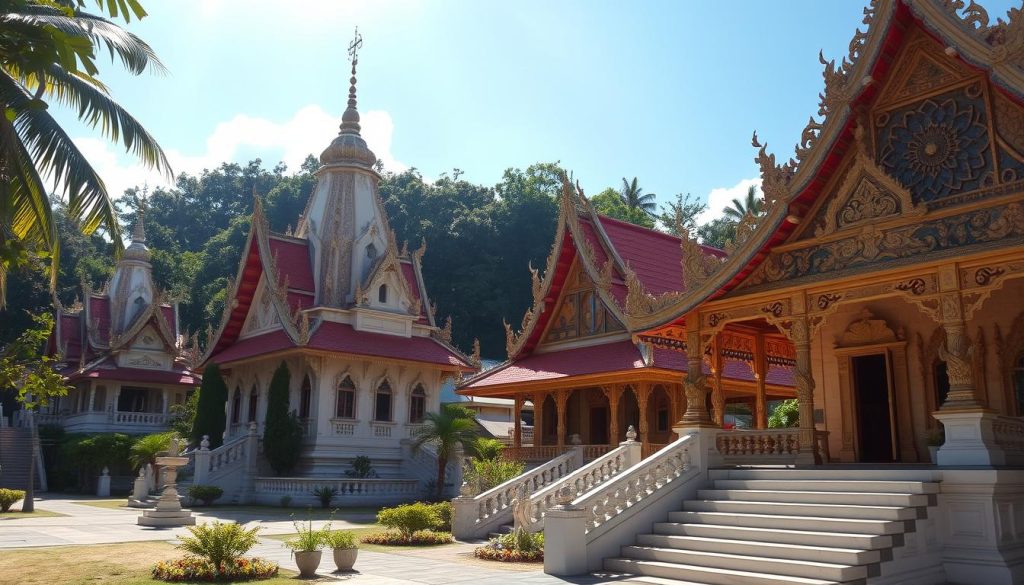
The Simala Shrine is a key spot known for attracting many pilgrims annually. It shows the strong devotion of believers and the lasting spiritual heritage of Cebu. The San Pedro Calungsod Chapel pays tribute to the first saint from Cebu, highlighting the region’s rich historical and spiritual roots. Moreover, the Cebu Metropolitan Cathedral is important not just as a church center but also as a place that tells the Catholic faith’s story in Cebu.
On the other hand, the Taoist Temple, built in 1972, showcases a mix of local and Chinese cultural impacts in Cebu. With 81 steps that mirror Taoist scripture chapters, it’s a place for deep thought and spiritual practice. Visitors can dive into Taoism’s teachings about balance and harmony here. Participating in activities like lighting incense and shaking fortune sticks helps people feel closer to their inner selves.
The mix of various beliefs and rituals in Cebu underlines the region’s rich mosaic of faiths. It proves that the cultural significance of Cebu temples goes beyond just being buildings. They represent a vibrant, ever-changing spiritual environment.
Must-Visit Temples in Cebu
Cebu is known for its stunning temples that show a deep cultural and spiritual history. These temples give visitors a glimpse into the variety of religious practices in the area.
The Cebu Taoist Temple, opened in 1972, is a key attraction. It was built by the Chinese community in the Beverly Hills Subdivision of Cebu City. With prayer halls, meditation spaces, and beautiful pagodas, it’s a place of peace. The journey of 81 steps to the top symbolizes enlightenment, offering breathtaking views that attract many.
Then, there’s the Temple of Leah, also known as Cebu’s “Taj Mahal.” Built in 2012, this temple boasts Greek and Roman designs. It has 24 chambers, including a museum, art gallery, and library. It’s a stunning tribute to love, captivating visitors with its beauty.
The Sirao Flower Garden, with its Dutch-like feel and colorful flowers, is perfect for nature lovers. It’s a place filled with vibrant celosia flowers, ideal for photography.
Beside these, here’s a table highlighting the key features of these temples:
| Temple Name | Year Established | Location | Entrance Fee | Unique Feature |
|---|---|---|---|---|
| Cebu Taoist Temple | 1972 | Beverly Hills Subdivision, Cebu City | Free | 81 steps symbolizing enlightenment |
| Temple of Leah | 2012 | Busay, Cebu City | 50 PHP | Greek and Roman architectural design |
| Sirao Flower Garden | N/A | Busay, Cebu City | 50-100 PHP | Colorful celosia flowers |
Each site adds to Cebu’s spiritual richness, making it a top place to see. Whether you’re admiring the temples’ structures or enjoying the local culture, this guide promises an enriching experience.
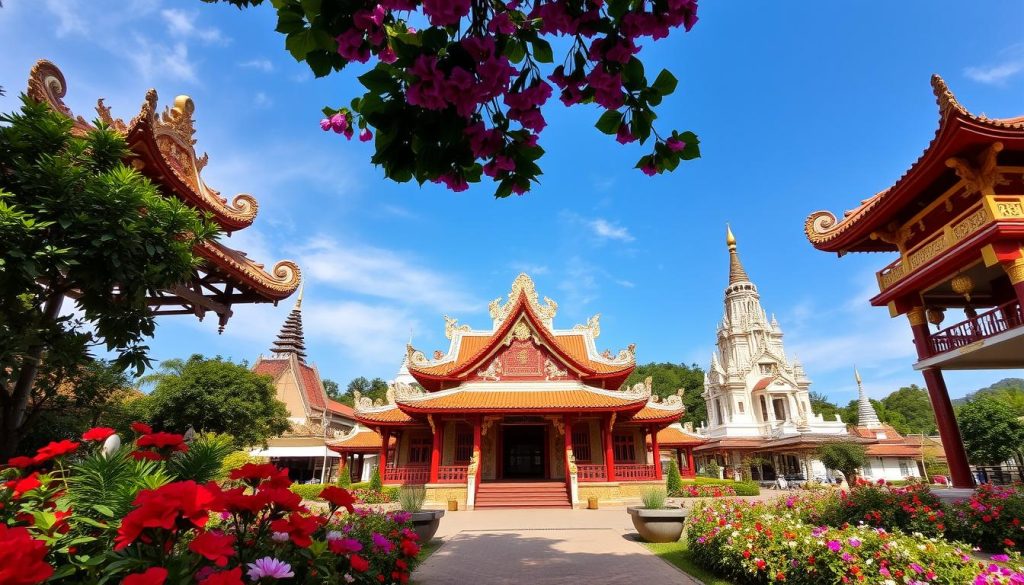
Cebu Temples Exploration: A Journey of Faith and Reflection
Cebu’s temples let you explore spiritual practices while connecting with local culture. You can dive into traditions loved by the community. It’s a chance to really understand the local way of life.
Engaging with the Local Taoist Community
Visiting the Cebu Taoist Temple helps you connect with the Taoist community. Here, you learn about their rituals and customs. You might even meet community elders, discover historical practices, and join in cultural events.
This deepens your understanding of Taoist values. It makes the experience more meaningful.
Participating in Spiritual Practices
While at the temples in Cebu, you can light incense and say prayers. These acts offer a moment for personal thought and connecting to Taoist beliefs. Taking part in wish-making rituals brings a feeling of spirituality and peace.
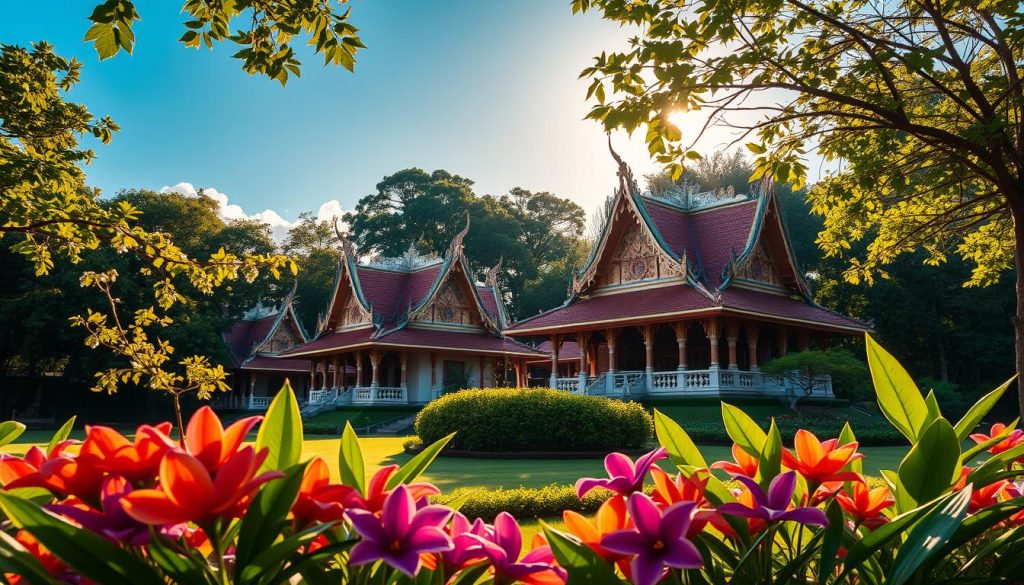
Discovering the Architectural Beauty of Cebu Temples
The architectural beauty of Cebu temples is a testament to the area’s rich culture. They feature intricate designs and bright artistry, showing the Chinese influence in Cebu. Each temple has unique features, making the region’s spiritual landscape diverse and worth exploring.
Chinese Influence in Temple Designs
Many temples in Cebu show a clear Chinese influence in their architecture and symbols. These structures often have traditional Chinese elements such as:
- Pagoda-style roofs that taper elegantly
- Ornate dragon statues symbolizing strength and protection
- Bright red and gold color schemes that invoke prosperity and good fortune
The Cebu Taoist Temple is a great example of this. It has a grand entrance that looks like the Great Wall of China. Not only is it stunning, but it also offers views of Cebu City. This makes it a key spot for those who love both spirituality and art.
Unique Features of Each Temple
Each temple in Cebu stands out with its own special features. Here are some examples:
| Temple Name | Unique Features |
|---|---|
| Cebu Taoist Temple | Dragon sculptures, panoramic city views, and intricate carvings |
| Temple of Leah | Massive white marble structure, elaborate murals, and statues |
| Phu Sian Temple | Decorated with traditional Chinese motifs and vibrant colors |
Visiting these temples, you get to see the architectural beauty of Cebu. You also learn about the stories they tell. Each visit mixes beauty with the spiritual, defining Cebu’s sacred places.
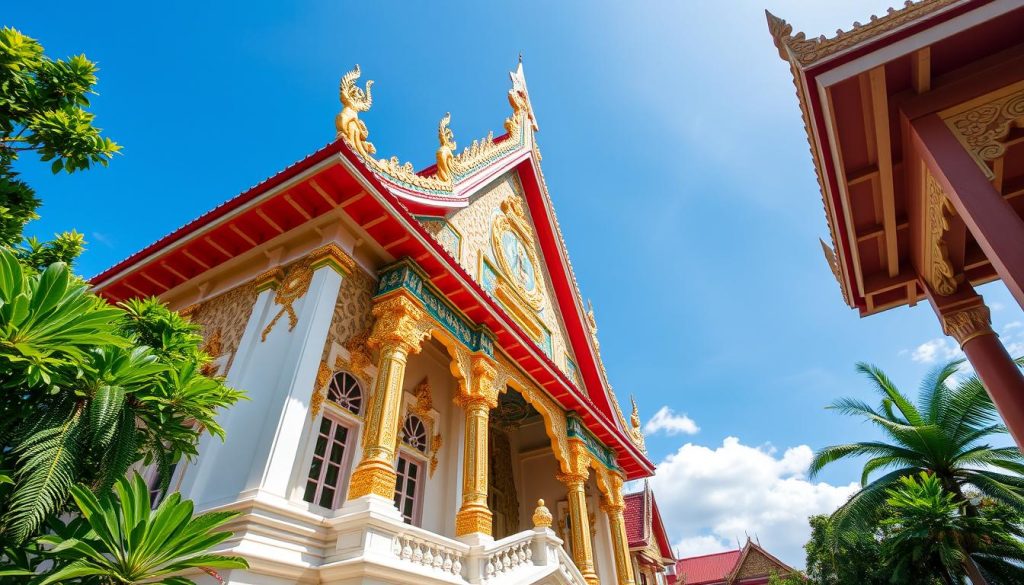
Temple Hopping in Cebu: A Perfect Itinerary
For those drawn to spiritual exploration, Cebu’s temples offer rich experiences. You’ll visit remarkable places including the Cebu Taoist Temple. Each spot shares unique stories, linking you to Cebu’s lively culture.
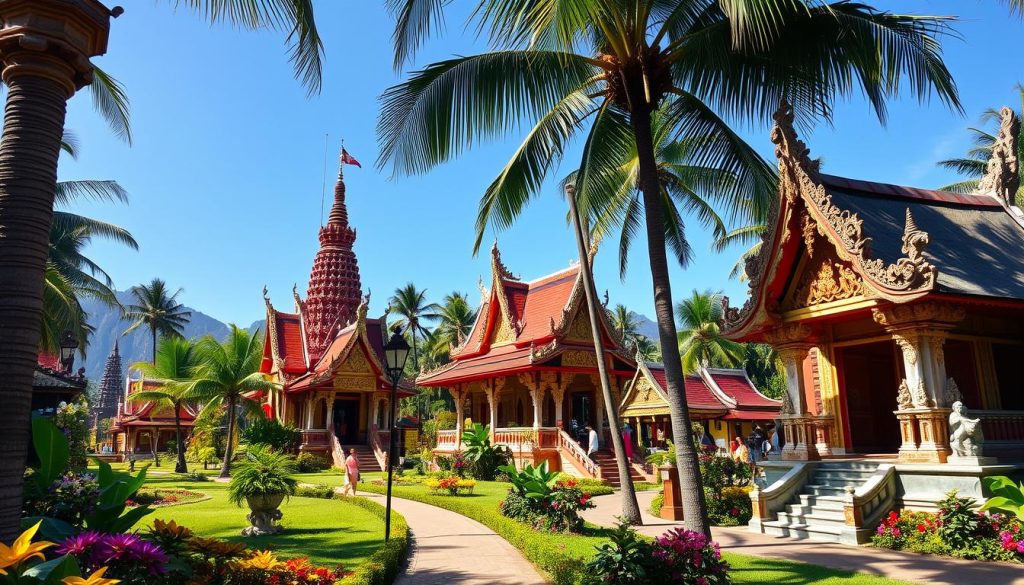
Begin at the Cebu Taoist Temple, known for its breathtaking architecture and calm environment. Then, explore the Basilica del Santo Niño. It stands as the Philippines‘ oldest Roman Catholic Church, great for reflection.
Next, head to the Temple of Leah. It stuns visitors with detailed design and grand size. It invites peace as you walk through. Marvel at the craftsmanship and the stories it tells.
Last on your list should be Magellan’s Cross. It signifies the introduction of Christianity to the Philippines. This visit enriches your knowledge of Cebu’s deep spiritual roots.
| Temple Name | Entrance Fee | Recommended Visit Duration |
|---|---|---|
| Cebu Taoist Temple | Free | 1 hour |
| Basilica del Santo Niño | Free | 1 hour |
| Temple of Leah | Free | 1 hour |
| Magellan’s Cross | Free | 30 minutes |
Using local taxis or hired cars makes visiting these spots easy. Try going in the early morning or late afternoon. That way, you avoid the heat and find a quieter time to visit.
Each temple on your Cebu journey offers special insights and experiences. They truly capture the heart and soul of Cebu.
Rituals and Practices at Cebu’s Sacred Temples
Cebu’s temples are full of specific rituals that show deep traditions and spiritual practices. These activities bring the community closer and boost individual faith. A key practice is the role of incense in worship, linking the earthly to the divine.
The Role of Incense in Worship
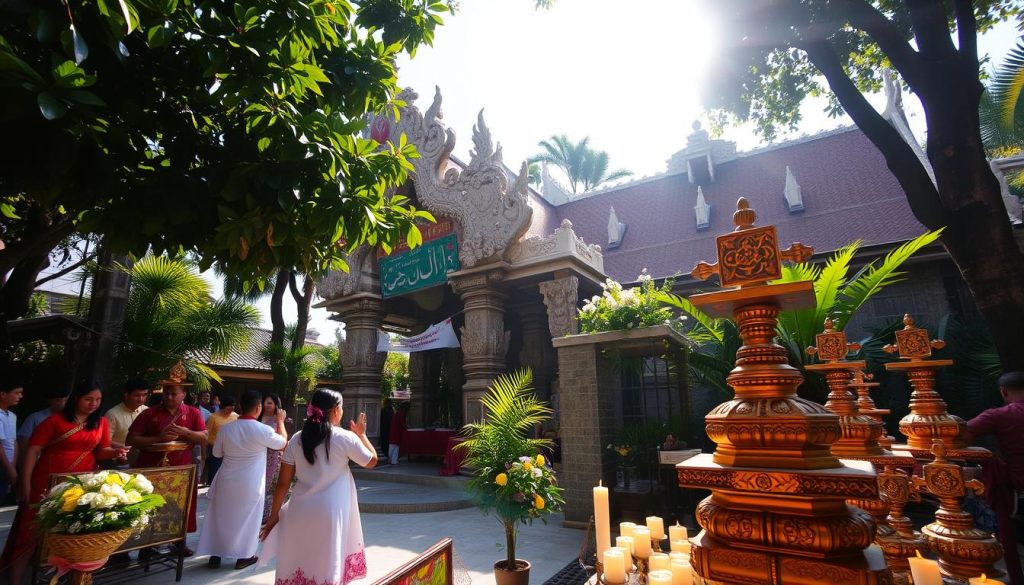
At these temples, lighting incense is a key part of worship. It means prayers are reaching the sky and helps make a peaceful setting for meditation. You’ll see people bowing and placing fruit or flowers before the gods. The incense smell creates a peaceful feeling and connects us to spiritual worlds.
Fortune-Telling and Its Cultural Importance
The cultural importance of fortune-telling is also key in Cebu’s spiritual traditions. There, visitors can try Kau Cim, using wooden sticks to ask gods for advice. This isn’t just fortune-telling; it’s a blend of local and Taoist beliefs. It shows how big a part spirituality plays in Cebuanos’ lives.
Nearby Attractions to Enhance Your Temple Tour
Your journey through Cebu’s spiritual wonders offers chances to see more attractions. Exploring cultural sites in Cebu helps you grasp the rich history and legacy.
There are several noteworthy sites to visit:
- Magellan’s Cross: A historical landmark marking the arrival of Christianity in Cebu.
- Fort San Pedro: One of the oldest forts in the Philippines, offering a glimpse into the country’s colonial past.
- Basilica Minore del Santo Niño: This iconic church, established in 1565, houses the oldest religious relic in the Philippines.
- Cebu Ocean Park: The largest oceanarium in the Philippines, providing a captivating underwater experience.
- Temple of Leah: A grand tribute featuring Roman-style architecture, showcasing love and devotion.
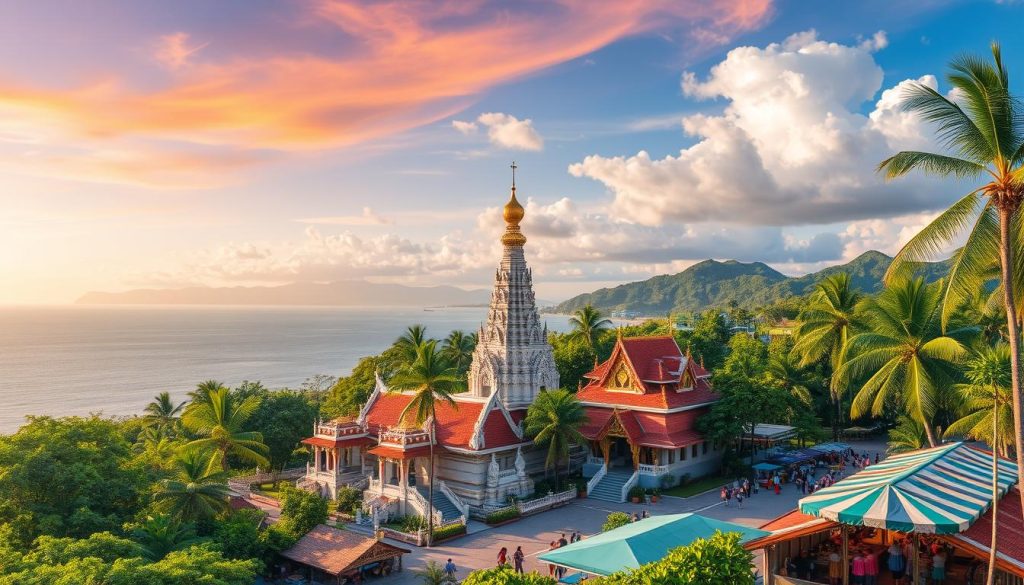
Adding these nearby attractions Cebu to your trip will make your temple tour even better. Booking a private Cebu City tour for just €67.04 per person is a great idea. The 9-hour adventure has gotten 4 out of 5 stars from visitors.
Remember, there’s a flexible booking policy. You can cancel for free up to 24 hours before. Enjoy comfortable, air-conditioned rides and expert guides. Dive into the history and culture as you visit key sites around Cebu’s temples.
Conclusion
Exploring Cebu’s temples opens a window to its rich spiritual and cultural world. These sacred sites are peace havens. You see the grand Cebu Taoist Temple, built in 1972, with 81 steps symbolizing important scriptures. The practice of making wishes with wood blocks connects you to local traditions.
Your spiritual quest in Cebu shapes a personal road map. It inspires you to delve into the rituals and beauty of these spots. Dragons and fine designs add a unique charm, blending art with tradition. Whether seeking blessings or enjoying peace, these moments fuel your growth.
This journey deepens your grasp of Cebu’s traditions and boosts sustainable tourism, protecting these treasures for the future. Every temple has something special, urging you to seek your own stories. Capture the stunning architecture and lively rituals. Discovering Cebu’s temples could change you.