Your Guide to Visiting the Sousse Ribat Archaeological Site
Are you ready to uncover the secrets of Tunisia’s rich history? The Sousse Ribat is a fascinating historical fortress that offers a glimpse into the country’s past.
As one of the top attractions in Sousse, this site is a must-visit destination for history buffs and travelers alike. By exploring the Sousse Ribat, you can discover its significance and learn about its history.
Whether you’re interested in archaeological site tours or simply want to explore the local culture, this guide will provide you with practical information and insights to make the most of your visit.
The Historical Significance of Sousse Ribat
The Sousse Ribat stands as a symbol of Tunisia’s rich past. Its ancient stones and walls tell a story of a fortress monastery. Built in the 8th century, it has been a key part of the region’s history.
Origins and Purpose of the Fortress Monastery
The Ribat was built as a fortress and a monastery. It had a military and religious role. Its location helped protect Sousse from invaders and was a base for military actions.
The Ribat’s Role in Islamic Military History
The Sousse Ribat was a vital stronghold in Islamic military history. It took part in many campaigns and defended against attacks. Guided tours show its military importance and its role in shaping history. A good tour guide can share its military and religious significance.
| Aspect | Description | Significance |
|---|---|---|
| Historical Period | 8th century | Marks the era of its construction |
| Purpose | Fortress Monastery | Served both military and religious functions |
| Role in Islamic History | Military Stronghold | Played a crucial role in military campaigns and defense |
Understanding the Architecture of Sousse Ribat
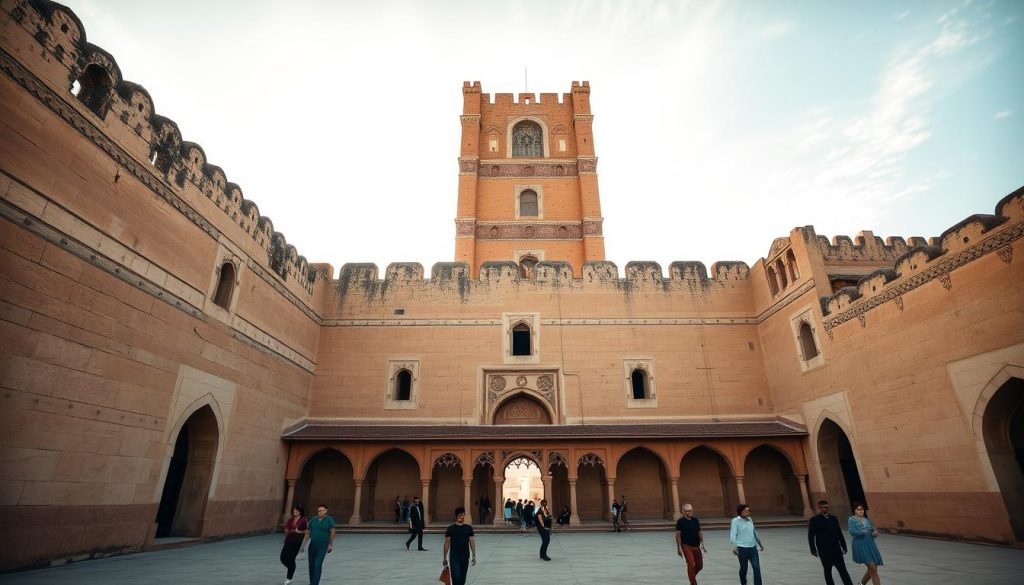
The Sousse Ribat is a stunning example of Islamic architecture from the Aghlabid era. As you explore, you’ll see the distinctive design features of Aghlabid architecture.
Distinctive Aghlabid Design Features
The Ribat’s architecture is known for its strong construction and smart design. Some key features include:
- Thick stone walls that provided defense against invaders
- A watchtower that offered a panoramic view of the surrounding area
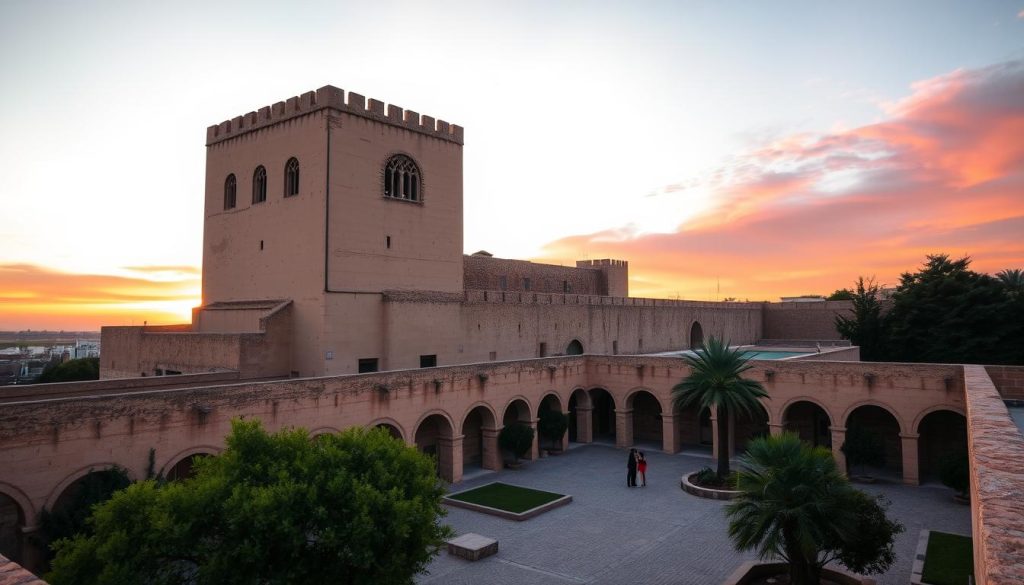
- A prayer hall and courtyard that served as the spiritual heart of the Ribat
These features show the Ribat’s military and religious importance. When you visit, think about the historical context of these elements. It will help you understand the site better.
The Watchtower and Defensive Elements
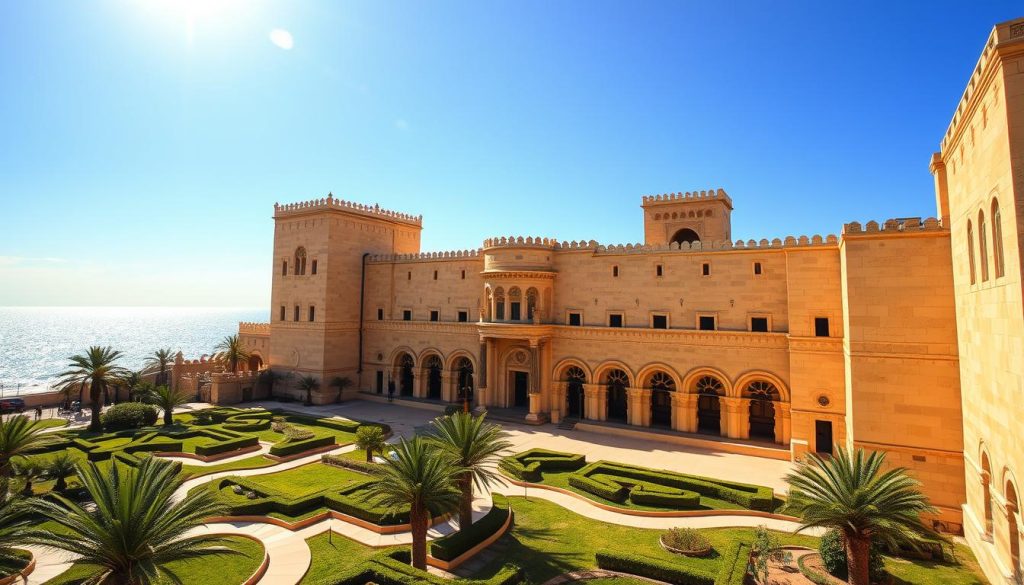
The watchtower is a standout feature of the Sousse Ribat, giving a great view of the coastline. The defensive elements, like the thick walls and strategic position, highlight the Ribat’s role in Islamic military history. You can see these features on a guided tour or package that includes the Sousse Ribat.
Some defensive elements to look for include:
- Reinforced gates and entrances
- Corner towers that provided additional defense
- A robust wall system that protected the Ribat from invaders
By looking at these features, you’ll appreciate the architectural genius of the Aghlabid era more.
Planning Your Visit to Sousse Ribat
Before you visit the Sousse Ribat, planning is key. This site is a big deal in the Medina of Sousse, Tunisia. It’s a must-see for history buffs and curious travelers.
Location and How to Get There
The Sousse Ribat is easy to reach by public transport or walking. It’s right in the Medina of Sousse. You can take a taxi or bus to the Medina and then walk to the Ribat. Parking is available near the site, but it might be hard to find during busy times.
Opening Hours and Admission Fees
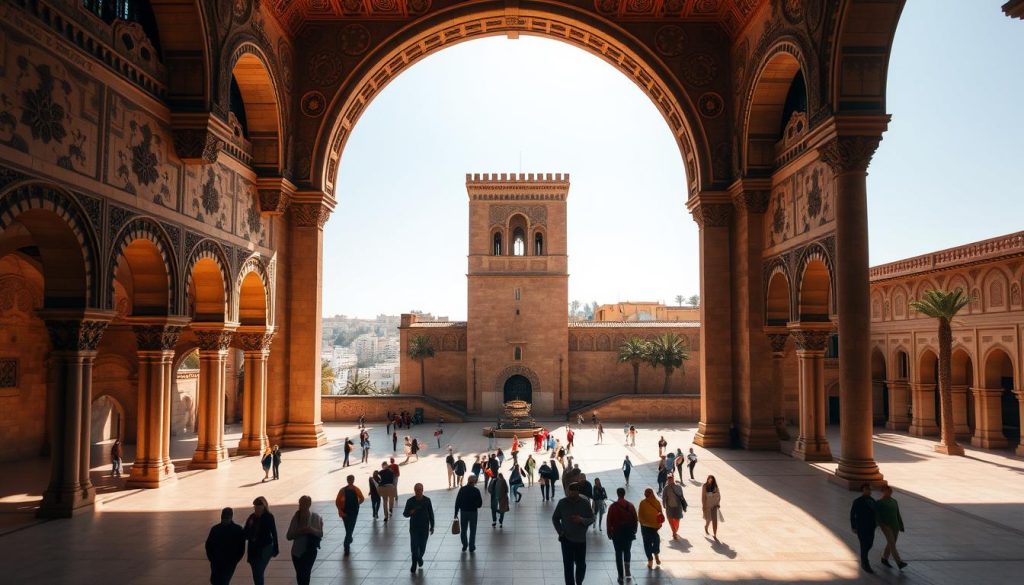
The Sousse Ribat welcomes visitors all year round. But, the hours change with the seasons. It usually opens from 8:00 AM to 6:00 PM. The entry fees are pretty affordable, with special rates for students, seniors, and kids. Here’s a quick look at the prices:
| Category | Admission Fee |
|---|---|
| Adults | 10 TND |
| Students/Seniors | 5 TND |
| Children | Free |
It’s smart to check the latest hours and fees before you go. This way, you won’t run into any surprises.
Sousse Ribat Archaeological Site Tours: Your Options
The Sousse Ribat archaeological site lets visitors explore its history in two ways: guided or self-guided tours. Knowing the difference between these options can enhance your visit.
Guided vs. Self-Guided Tour Options
Guided tours of the Sousse Ribat offer a lot of information about its history and architecture. A Sousse Ribat tour guide can share insights you might miss. Self-guided tours, on the other hand, let you explore at your own pace.
Think about what you want to get out of your visit. If history or architecture interests you, a guided tour is a good choice. But if you like to explore on your own, a self-guided tour might be better.
What to Expect on a Typical Tour
Both guided and self-guided tours will take you through the Ribat’s impressive defenses. You’ll see watchtowers and walls. You’ll also visit the prayer hall and courtyard, learning about the site’s history.
A typical tour lasts 1-2 hours. If you’re on a guided tour, don’t hesitate to ask questions. It will help you understand and appreciate the site more.
| Tour Type | Duration | Key Features |
|---|---|---|
| Guided Tour | 1-2 hours | In-depth historical insights, knowledgeable guide |
| Self-Guided Tour | Flexible | Personal pace, exploration of areas of interest |
Top Attractions Within the Sousse Ribat
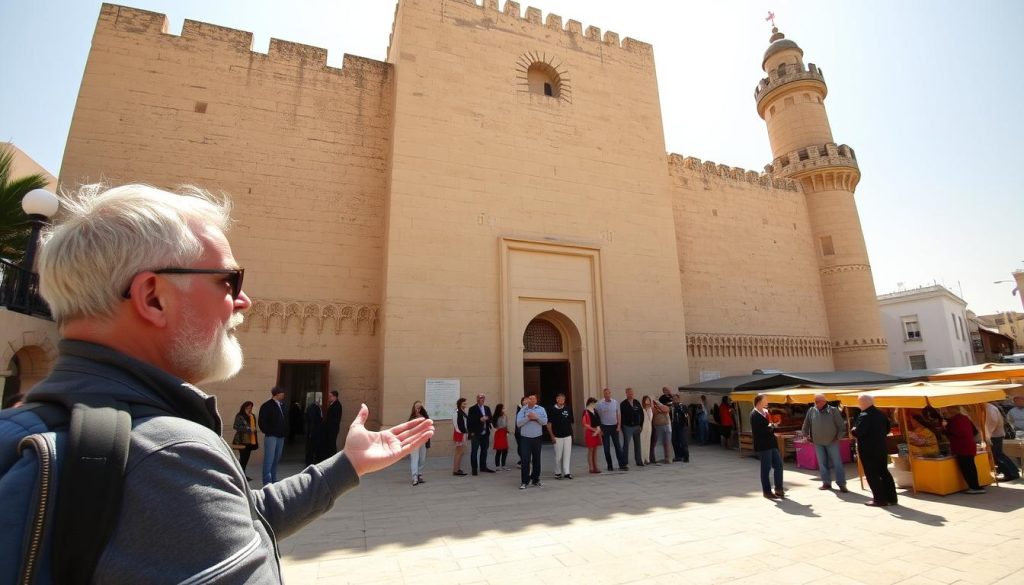
Exploring the Sousse Ribat reveals a treasure trove of historical sites. This ancient fortress-monastery is a window into Tunisia’s rich past. It showcases stunning architecture and a deep history.
The Prayer Hall and Courtyard
The prayer hall and courtyard of the Sousse Ribat are truly impressive. The prayer hall’s design is simple yet elegant, reflecting the Aghlabid era. The courtyard, used for religious and communal activities, adds to the site’s charm. Visitors can explore these areas to gain a deeper understanding of the religious practices of the time.
The Panoramic Watchtower View
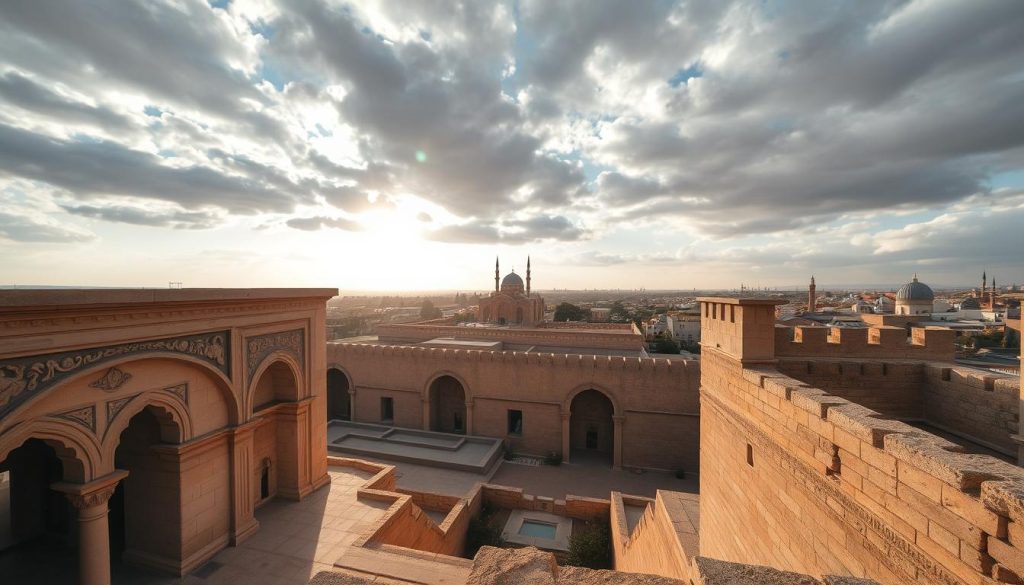
Visiting the Sousse Ribat offers a unique experience. The panoramic view from its watchtower is breathtaking. From the top, you can see the city and the Mediterranean Sea. This view also highlights the Ribat’s role as a defensive structure.
Ancient Artifacts and Exhibits
The Sousse Ribat houses a collection of ancient artifacts and exhibits. These items, including pottery, coins, and weapons, tell the story of the Ribat’s history. They give insight into life within the Ribat during its peak.
| Attraction | Description |
|---|---|
| Prayer Hall | Simple, elegant design reflecting Aghlabid architecture |
| Courtyard | Historic ambiance, used for religious and communal activities |
| Watchtower | Panoramic views of Sousse and the Mediterranean |
| Ancient Artifacts | Pottery, coins, weapons, and other archaeological finds |
Best Sousse Ribat Tour Packages for American Travelers
American travelers can find many tour packages for the Sousse Ribat. These packages meet different interests and preferences. They aim to give a full and fun experience, letting visitors enjoy the site’s history and architecture.
English-Speaking Tour Guides and Their Expertise
Guided tours offer the advantage of English-speaking guides. These guides share interesting facts about the Sousse Ribat’s history, architecture, and importance. Their knowledge makes the ancient site come alive, making your visit unforgettable.
Combined Tours with Other Sousse Attractions
Many tours let you see the Sousse Ribat and other Sousse spots. You might visit the Medina of Sousse, the Archaeological Museum, or the beaches. This way, you get a full view of Sousse’s culture and history.
| Tour Package | Includes | Duration | Price |
|---|---|---|---|
| Guided Sousse Ribat Tour | English-speaking guide, admission fees | 2 hours | $50 |
| Sousse City Tour | Visit to Medina, Archaeological Museum, and Sousse Ribat | 6 hours | $100 |
| Ribat and Beach Tour | Visit to Sousse Ribat and relaxation at a local beach | 4 hours | $70 |

UNESCO World Heritage Status and Preservation
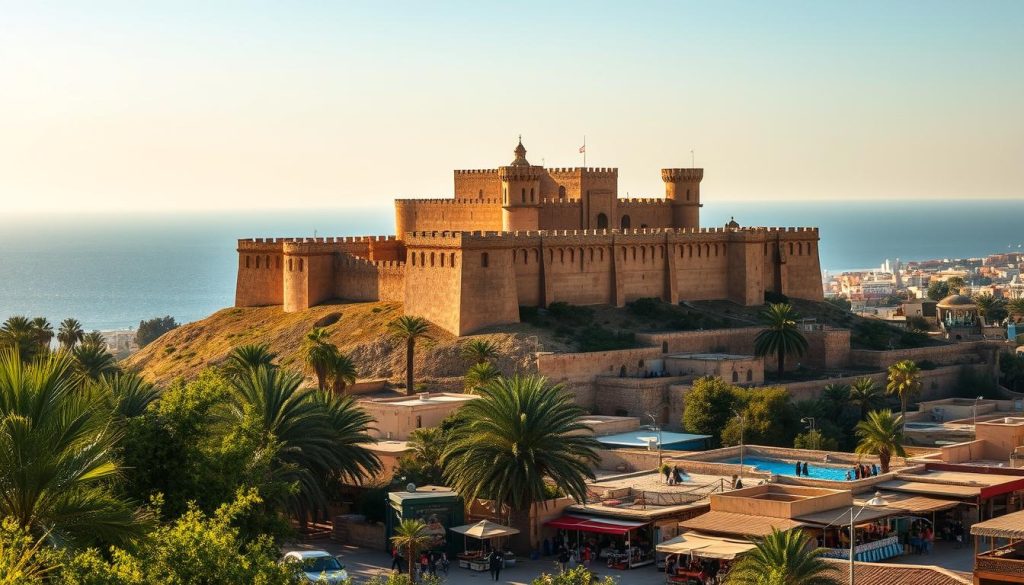
The Sousse Ribat is a UNESCO World Heritage Site. This shows its cultural and historical value. It’s a well-preserved archaeological landmark.
The Significance of the UNESCO Designation
The UNESCO designation shows the Sousse Ribat’s importance in Islamic military history. It’s also known for its unique architecture. As a top archaeological site in Sousse, it gives us a glimpse into the region’s past.
Visitors can explore Sousse Ribat history through its structures and artifacts.
Conservation Efforts and Challenges
Efforts are being made to keep the Sousse Ribat safe for the future. But, there are challenges. Managing tourism while keeping the site intact is a big task.
The Sousse Ribat attractions need to be balanced with preservation. This ensures it remains a cultural landmark.
Understanding the UNESCO designation and conservation efforts helps visitors see the importance of preserving sites like the Sousse Ribat.
Practical Information for Visitors
Planning a visit to the Sousse Ribat? Here are some tips to help you enjoy your trip. Knowing these details beforehand will make your visit smoother and more enjoyable.
What to Wear and Bring
Dress modestly at the Sousse Ribat, as it’s a historical and religious site. Wear comfortable shoes because the terrain is uneven and you’ll likely do a lot of walking. Don’t forget to bring sun protection like a hat, sunglasses, and sunscreen. Also, bring water to stay hydrated.
Photography Tips and Restrictions
Photography is usually allowed at the Sousse Ribat. Just be polite to other visitors and follow any rules about flash or tripods. For great photos, try visiting during the golden hour or use the watchtower for amazing views. Remember, some areas might be off-limits for photos.

Accessibility Information
The Sousse Ribat has uneven terrain, which can be tough for visitors with mobility issues. Some areas might be okay, but others could be off-limits due to preservation. It’s wise to check with the site administrators or your tour guide before you go. This way, you can plan your visit better.
Best Times to Visit Sousse Ribat
Planning your trip to Sousse Ribat? Timing is key. The best time to visit varies with the season and tourist numbers. As an American traveler, keep these in mind for a great experience.
Seasonal Considerations for American Travelers
The climate in Sousse is Mediterranean, with hot summers and cool winters. Spring (March to May) and autumn (September to November) are best for Americans. The weather is nice, and there are fewer tourists than in summer.
Avoiding Crowds and Peak Hours
To dodge the crowds, visit Sousse Ribat early morning or late afternoon. These times are peaceful and great for photos. A visit during these times lets you enjoy a calm and rewarding tour of this top archaeological site in Sousse.
Accommodations Near the Sousse Ribat
Visitors to the Sousse Ribat have many places to stay. You can choose from luxury to budget-friendly options. The area around the Ribat has something for everyone.
Luxury and Boutique Hotels
Looking for luxury? There are many high-end hotels near the Sousse Ribat. They offer great amenities like fine dining, spas, and elegant rooms. Some hotels even offer guided tours to the Ribat and other places, making your Sousse Ribat tour packages better.
Budget-Friendly Options
Traveling on a budget? There are many affordable places to stay near the Sousse Ribat. You can find simple guesthouses to budget hotels, all close to the site. Booking early is a good idea, as it ensures you have a place to stay, even when it’s busy.
Choosing the right place to stay makes your visit more enjoyable. You can relax and explore the Sousse Ribat and its history without stress.
Nearby Attractions to Combine with Your Ribat Visit
Visiting the Sousse Ribat with other nearby sites can make your trip better. The area is full of history and culture. There are many attractions worth seeing.
The Medina of Sousse
The Medina of Sousse is a historic walled city. It has many architectural landmarks and cultural treasures. Walking through its narrow streets, you’ll find:
- Vibrant markets selling local handicrafts
- Historic mosques and buildings
- A glimpse into traditional Tunisian life
Visiting the Medina gives you a unique look at local culture and history. It’s a great addition to your Sousse Ribat visit.
Archaeological Museum of Sousse
The Archaeological Museum of Sousse has an impressive collection of artifacts. The museum’s exhibits include:
- Mosaics and sculptures from Roman-era sites
- Artifacts from the early Islamic period
- Insights into the history and culture of Sousse
Visiting the Archaeological Museum helps you understand the Sousse Ribat’s historical context. It also gives you a deeper look at other local archaeological sites.
Conclusion: Why the Sousse Ribat Deserves a Spot on Your Tunisia Itinerary
When planning your trip to Tunisia, don’t miss out on Sousse Ribat. This ancient fortress monastery is a key part of the region’s history. It shows the architectural and military importance of the area.
Visiting Sousse Ribat lets you see its impressive watchtower, prayer hall, and courtyard. It’s one of the top sites in Sousse. The ancient artifacts and exhibits there offer a memorable experience.
Adding Sousse Ribat to your itinerary lets you explore its rich history. You’ll learn about its role in Islamic military history and its unique Aghlabid design. Whether you love history or just want to see new places, Sousse Ribat is a must-see in Tunisia.