Day Trips from Punakha: Dochula Pass or National Park?
Planning your journey in Bhutan brings a big question: which day trip will you love more? Will it be the stunning Dochula Pass or the green Jigme Dorji National Park? Both are in the beautiful Punakha Valley. They offer amazing experiences that show off Bhutan’s natural beauty and culture.
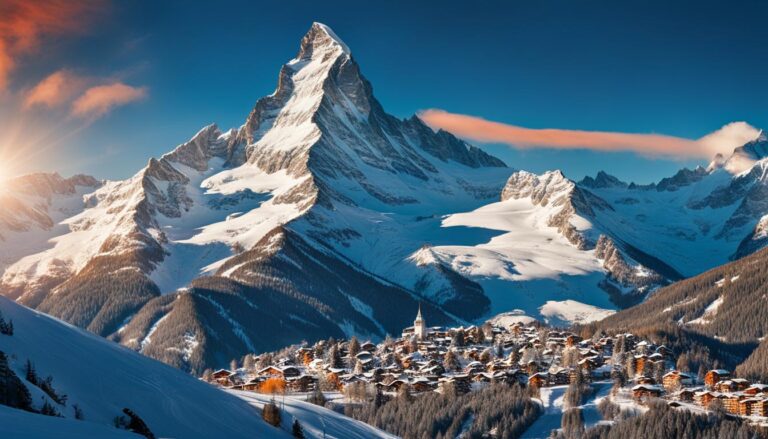
On your day trips from Punakha, you’ll see the special things each place has. Dochula Pass sits at 3,100 meters, offering views of the Himalayas and 108 stupas. Jigme Dorji National Park, Bhutan’s biggest protected area, lets you see different plants and animals. You might even see a snow leopard or Bengal tiger.
Whether you prefer Dochula Pass’s calm or Jigme Dorji National Park’s excitement, these are top day trips from Punakha. Let’s explore what each place offers. We’ll help you choose the unforgettable experience for your Bhutan trip.
Introduction to Day Trips from Punakha
Punakha is a great starting point for many exciting day trips in Bhutan. It’s surrounded by beautiful landscapes, making it a peaceful place to explore. You can discover the rich culture of the Himalayan kingdom here.
There’s something for everyone in Punakha. You can go on adventures, learn about the culture, or enjoy nature. Places like Dochula Pass and Punakha Dzong are must-sees. They offer a glimpse into Bhutan’s traditions and provide fun outdoor activities.
Planning your day trips well can make your trip even better. Mix different activities to see Punakha’s beauty and culture. Each trip gives you a new view of the local life, making your experience richer.
Exploring Dochula Pass
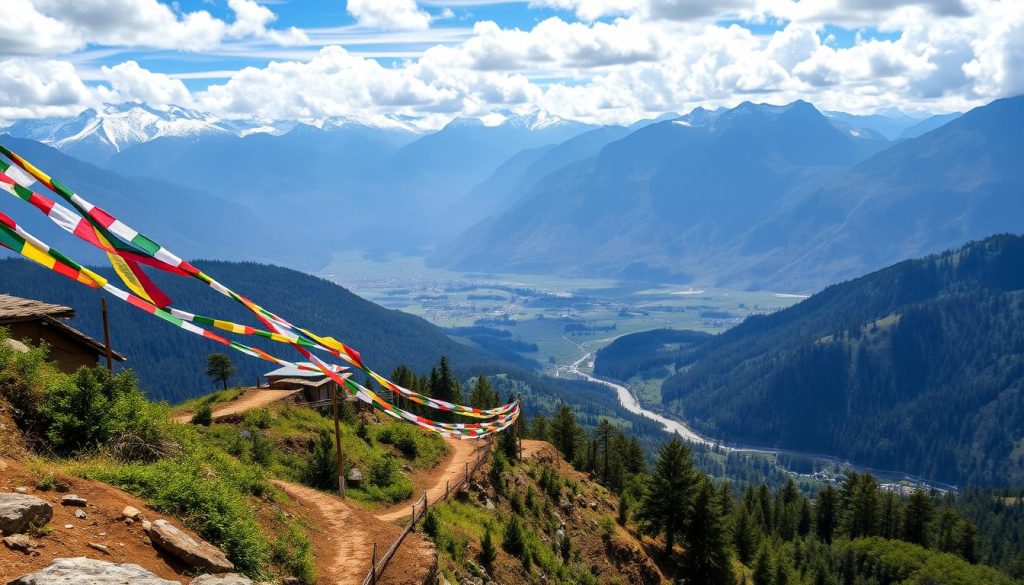
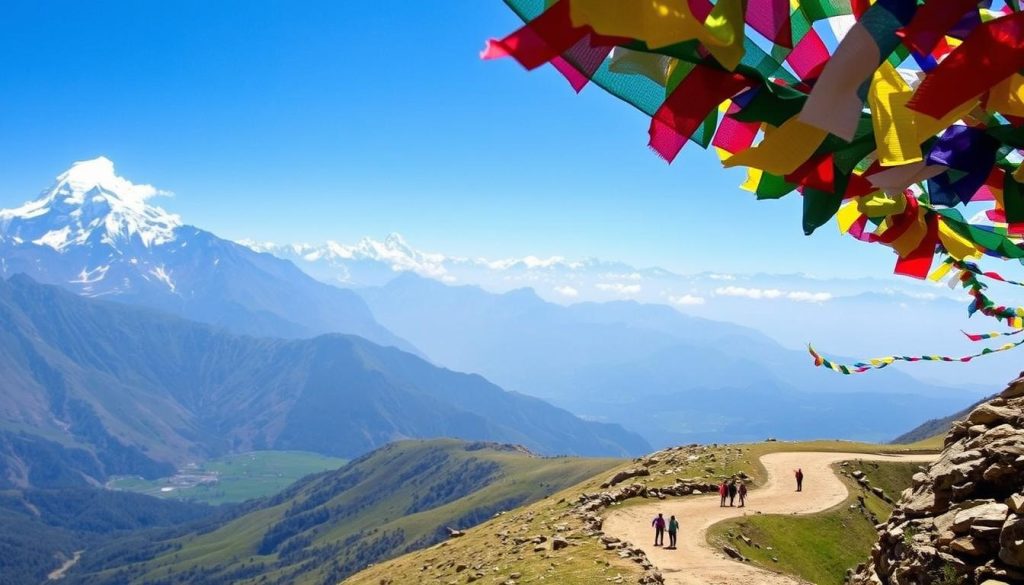
Dochula Pass is a stunning landmark on the way from Thimphu to Punakha. It sits at 3,100 meters high, offering breathtaking views of the Himalayas. The area is known for its natural beauty and cultural importance, with 108 memorial chortens dedicated to the Fourth King of Bhutan.
Overview of Dochula Pass
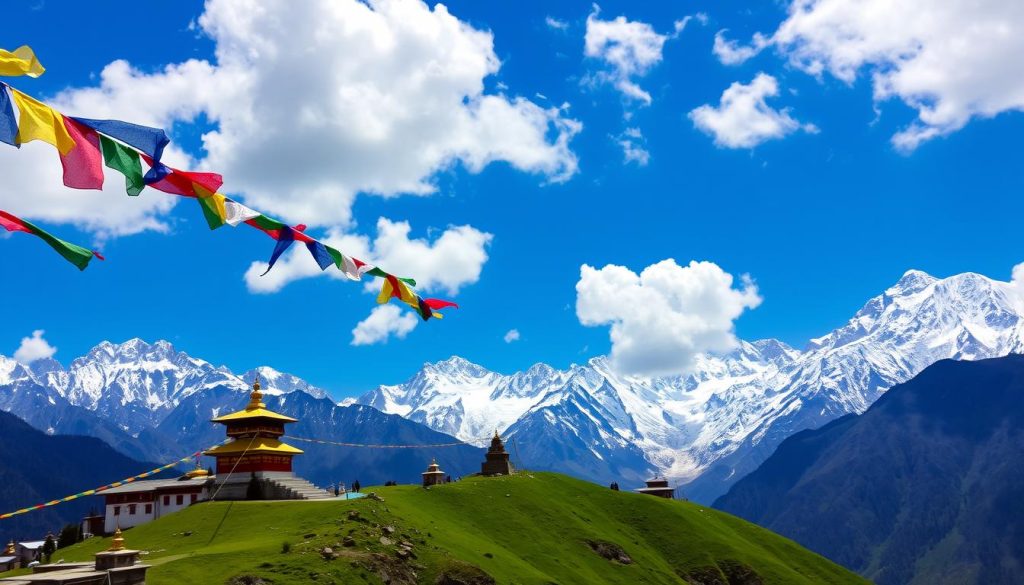
The pass is famous for its architecture and green landscapes. It has 108 chortens in three layers. These chortens add to the site’s spiritual beauty. From October to February, the views are clear, showing Gangkar Puensem, the tallest unclimbed mountain.
Dochula Pass Attractions
There are many attractions at Dochula Pass, like the Druk Wangyal Lhakhang temple built in 2008. Visitors can explore trails surrounded by cypress trees and prayer flags. There are also restrooms and a café to relax and enjoy the views. The Dochula Druk Wangyel Tshechu festival in December adds to the cultural richness of the area.
How to Get to Dochula Pass
Getting to Dochula Pass is easy. It’s 30 kilometers from Thimphu, taking about 1-2 hours. Start early to avoid crowds and enjoy the views. Remember to bring warm clothes for the cold air. There’s no entrance fee, making it a rewarding visit.
Visiting Jigme Dorji National Park
An unforgettable experience awaits you at Jigme Dorji National Park, Bhutan’s second-largest national park. It covers an impressive area of 4,316 square kilometers. The park features breathtaking landscapes shaped by diverse elevations from 1,400 to 7,326 meters.
An introduction to Jigme Dorji National Park reveals its significance. It is a crucial conservation area that shelters various endangered species. This makes it an essential destination for nature lovers and wildlife enthusiasts.
Jigme Dorji National Park Highlights
The park presents remarkable highlights that attract visitors year-round. Among these, you can discover:
- Stunning trekking routes that lead through varied ecosystems
- Diverse flora and fauna, including over 300 bird species
- Captivating views of the surrounding mountains
- Four vital rivers originating from the park: Pachhu, Wangchhu, Phochhu, and Mochhu
- Hot springs known for their healing properties
Wildlife and Biodiversity in the Park
Wildlife in Jigme Dorji National Park thrives in its unique habitats. You may encounter:
- Endangered species such as the snow leopard and Bengal tiger
- Iconic creatures like the Takin, Red Panda, and Blue Sheep
- A variety of bird species, including the national bird of Bhutan, the Raven
The park’s biodiversity is extraordinary. It includes 36 mammal species, 328 bird species, 5 reptile species, and 39 butterfly species. Rare plants flourish in temperate broad-leaved and alpine scree habitats.
Species such as Rhododendron, Primula, and the Blue Poppy create a stunning backdrop for visitors. Wildlife enthusiasts can engage in activities like birdwatching, hiking, and picnicking.
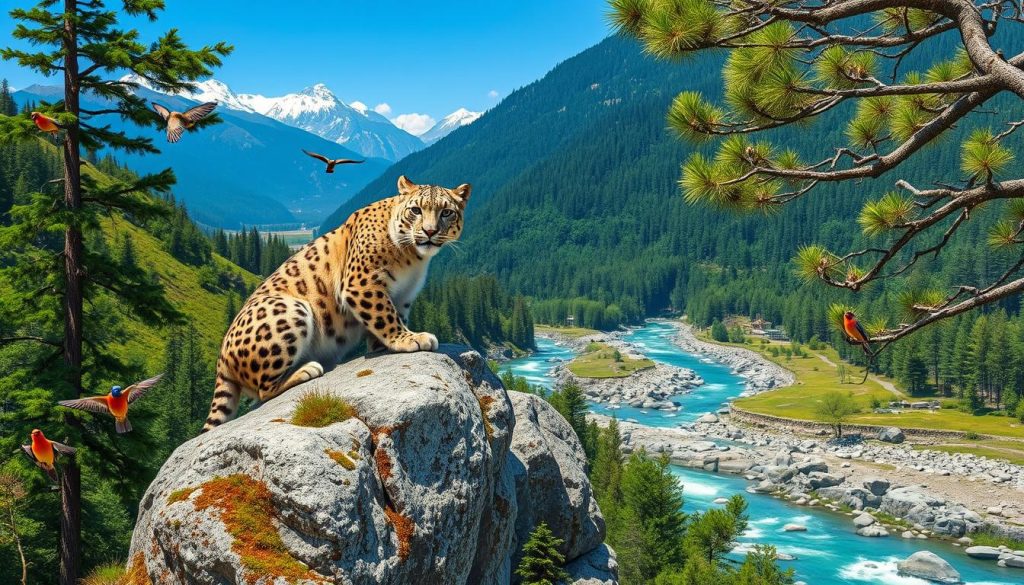
Experience the tranquility and beauty of Jigme Dorji National Park. Respect its rich ecological significance. Preparing for your visit includes acquiring the necessary permits from the Bhutanese government and considering hiring a local guide.
They can provide invaluable insights into the park’s features. This ensures your adventure is both enriching and safe.
Day Trips from Punakha: Dochula Pass or Jigme Dorji National Park?
Deciding between Dochula Pass and Jigme Dorji National Park for a day trip from Punakha is exciting. Both places offer unique experiences for different interests. Dochula Pass, at 3,088 meters, is famous for its stunning views and 108 chortens honoring those who died in the 2003 war.
This spot is not just beautiful but also rich in culture and history. It draws visitors who want to learn about Bhutan’s traditions.
Jigme Dorji National Park, the largest in Bhutan, is a haven for nature lovers. It’s full of wildlife and diverse ecosystems. It’s perfect for trekking or bird watching, with its varied terrains.
Here’s a comparison to help you decide:
| Criteria | Dochula Pass | Jigme Dorji National Park |
|---|---|---|
| Distance from Punakha | Approximately 30 km | Varies; park entrance is around 60 km from Punakha |
| Scenery | Breathtaking views of the Himalayas | Diverse ecosystems and abundant flora and fauna |
| Cultural Significance | 108 chortens with historical value | Rich biodiversity and traditional conservation methods |
| Activities | Photography, short hikes, cultural exploration | Trekking, wildlife watching, photography |
| Ideal For | Casual visitors and families | Adventurous travelers and nature lovers |
Your choice depends on whether you prefer Dochula Pass’s cultural richness or Jigme Dorji National Park’s natural beauty. Both offer unforgettable experiences on your Punakha day trips, making your visit to Bhutan memorable.
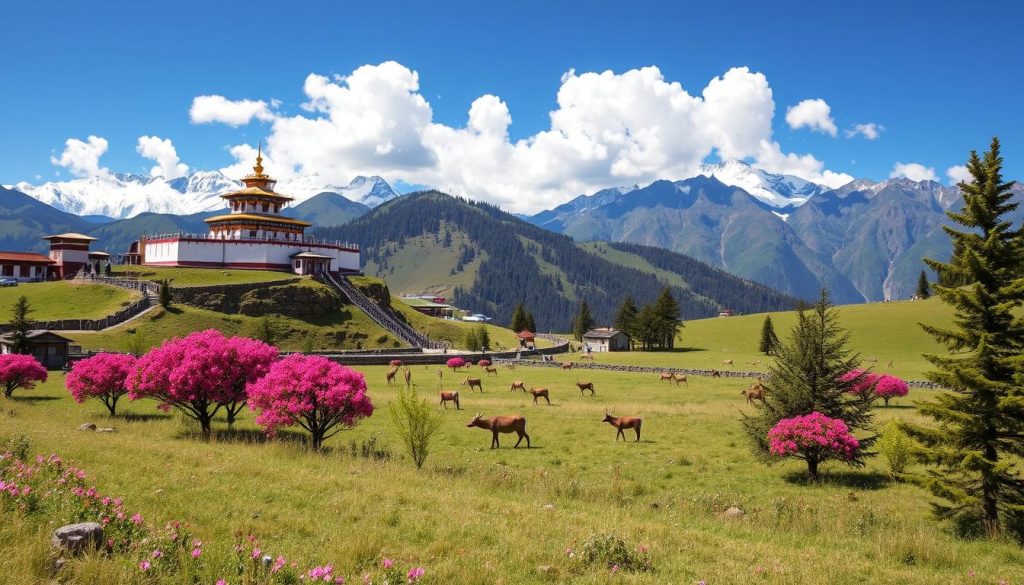
Comparative Analysis of Both Destinations
Deciding between Dochula Pass and Jigme Dorji National Park can be tough. Each place offers something special. This section compares them, focusing on views and activities.
Scenic Views and Natural Beauty
Dochula Pass offers stunning views of the Himalayas. The 108 chortens against snow-capped peaks is breathtaking. It’s a favorite for photographers and nature fans.
Jigme Dorji National Park also has amazing natural beauty. It shows off diverse ecosystems and mountain ranges. You’ll see valleys, forests, and wildlife. It’s perfect for outdoor lovers.
Activities and Experiences Available
Dochula Pass has many activities. You can hike to lookout points or take guided tours. It’s a mix of exploration and relaxation.
Jigme Dorji National Park offers deeper adventures. You can trek, spot wildlife, and meet local communities. It’s great for those who love long hikes and nature.
| Feature | Dochula Pass | Jigme Dorji National Park |
|---|---|---|
| Scenic Views | Stunning Himalayan vistas | Diverse ecosystems and rich landscapes |
| Popular Activities | Leisurely hikes, guided tours | Trekking, wildlife spotting |
| Cultural Experiences | Historical insights | Local community interactions |
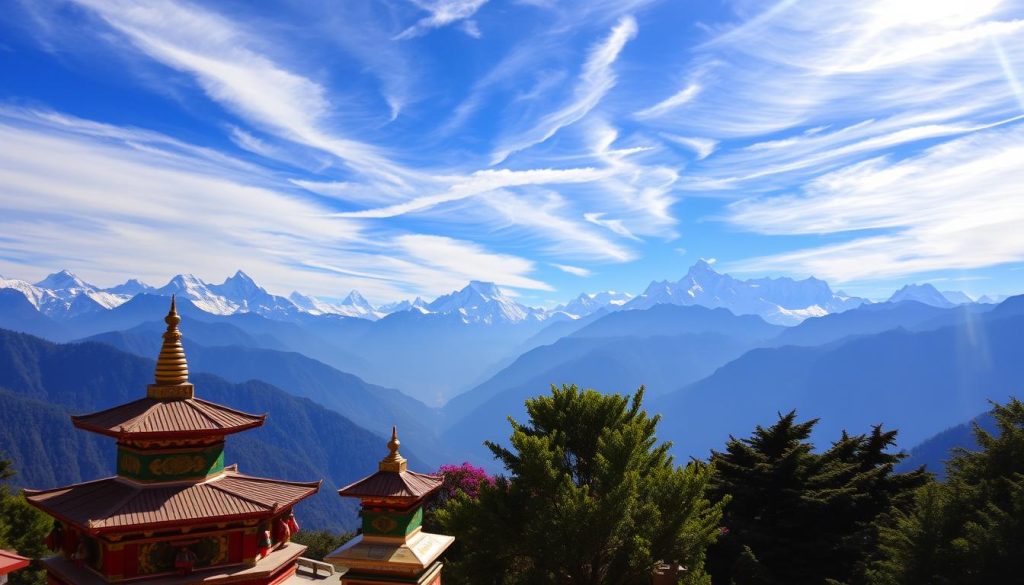
Best Time for Day Trips from Punakha
Choosing the right time for day trips from Punakha can make your experience better. The best time to visit Punakha depends on the season. Knowing the weather and local events helps you plan better, making your trip more fun.
Seasonal Considerations
Spring (March to May) is great for exploring, with nice temperatures from 64-77°F (18-25°C). The landscapes are vibrant, perfect for outdoor fun. Autumn (September to November) is also good, with cool days from 60-70°F (16-21°C) ideal for trekking.
Summer (June to August) brings heavy rain, making it hard to see and do things outside. You can expect 300-500mm (12-20 inches) of rain. Winter (December to February) is cooler, with days from 50-61°F (10-16°C). Nights can be chilly, but the skies are often clear, offering great views.
Weather and Travel Tips
Here are some weather tips for Punakha:
- Dress in layers in winter, as the temperature drops a lot at night.
- Bring waterproof gear and sturdy shoes in the monsoon season.
- Stay hydrated, even more so in warmer months.
Plan your trips early in the morning for better weather. Places like Jigme Dorji National Park and Dochula Pass have set hours. Check for local events or festivals to add to your cultural experience.
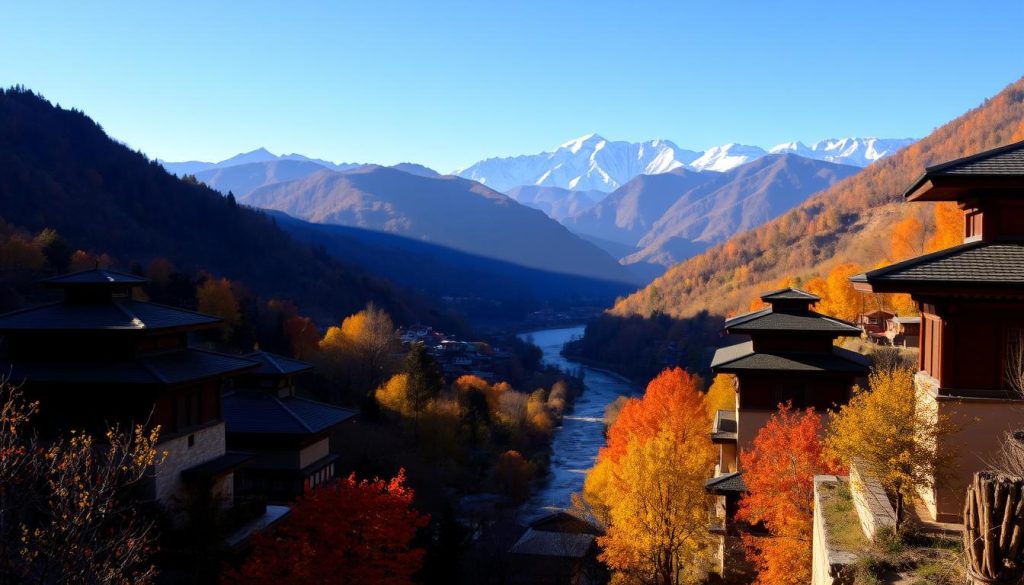
| Season | Average Temperature (°F) | Weather Notes |
|---|---|---|
| Spring (March-May) | 64-77 | Blooming flora, ideal for outdoor activities. |
| Summer (June-August) | 75-85 | Heavy rainfall, potential visibility hindrance. |
| Autumn (September-November) | 60-70 | Refreshing temperatures, excellent trekking. |
| Winter (December-February) | 50-61 | Cooler, clear skies, fewer tourists. |
Excursion Options Available from Punakha
Planning your adventure in Bhutan opens up many excursion options from Punakha. Knowing the difference between guided tours and self-guided trips helps tailor your experience. This ensures it matches your preferences and interests.
Guided Tours vs. Self-Guided Trips
Guided tours from Punakha offer a hassle-free experience. Local guides share insights on history and culture. They help navigate, even in remote areas.
These tours include transport, accommodations, and a set itinerary. This maximizes your sightseeing.
Self-guided trips, on the other hand, give you flexibility. You can explore at your own pace. You can choose your itinerary and enjoy spontaneous discoveries.
Yet, self-guided journeys require more planning. You need to book transport and accommodations in advance.
Other Nearby Attractions
Exploring nearby attractions in Punakha adds to your experience. The Punakha Dzong is a highlight, nestled between rivers. It’s rich in history and architecture.
The Punakha Suspension Bridge is another must-see. It’s 350 meters long and offers stunning views. The Chimi Lhakhang temple is famous for fertility blessings, attracting many visitors.
Travel Tips for Visiting Dochula Pass and Jigme Dorji National Park
Visiting Dochula Pass and Jigme Dorji National Park needs careful planning. Knowing what gear to bring and cultural rules makes your trip better. Here are key tips for your journey.
Essential Gear and Preparation
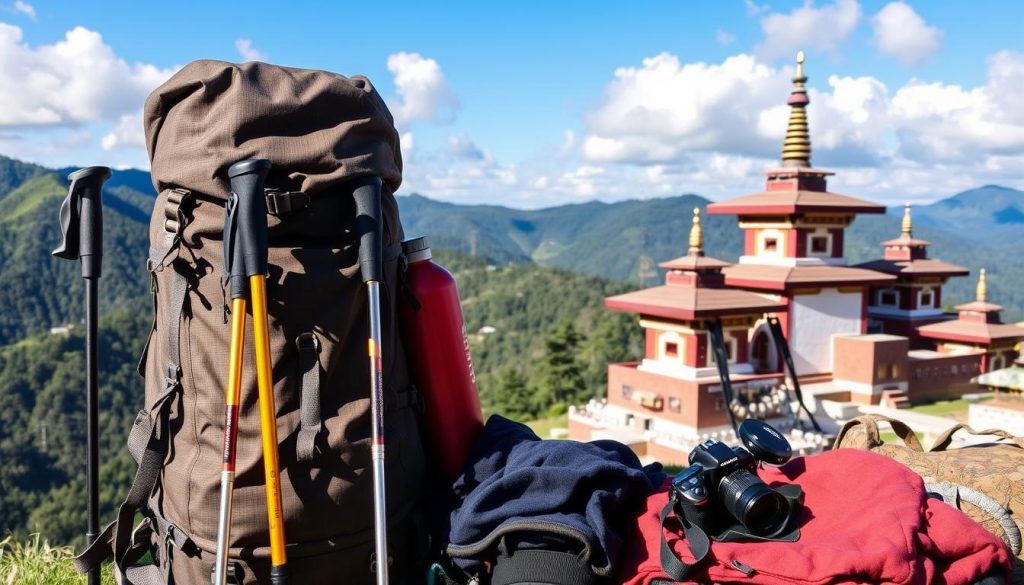
Choosing the right gear for Dochula Pass is crucial. Look for items that keep you comfortable and safe. Here are some must-haves:
- Sturdy hiking boots for navigating varied terrains.
- A reusable water bottle to stay hydrated on your treks.
- Sun protection, including sunscreen and a hat, to shield against UV rays.
- A lightweight rain jacket, for rainy seasons.
- Essential first aid supplies for unforeseen situations.
For Jigme Dorji, pick clothes that can be layered for changing weather. Even in warm months, it can get cold at high altitudes.
Cultural Etiquette to Observe
Knowing Bhutan’s cultural rules makes your visit better. It shows respect for local traditions. Here are key practices:
- Always seek permission before photographing people or religious sites.
- Dress modestly, when visiting temples and monasteries.
- Use your right hand for giving and receiving items, as the left hand is considered impolite.
- Respect local customs, including greetings, by learning simple phrases in Dzongkha.
- Avoid public displays of affection, as they may be frowned upon.
Travelers should keep these cultural tips in mind when exploring Dochula Pass and Jigme Dorji National Park.
| Travel Gear | Purpose |
|---|---|
| Hiking Boots | To provide ankle support and traction. |
| Water Bottle | To maintain hydration levels. |
| Rain Jacket | To stay dry during unpredictable weather. |
| First Aid Kit | For addressing minor injuries or ailments. |
| Sun Protection | To prevent sunburn during outdoor activities. |
With this knowledge, you’re ready to enjoy Bhutan’s beauty and culture.
Conclusion
Thinking about your next adventure in Bhutan? Both Dochula Pass and Jigme Dorji National Park are great choices for day trips from Punakha. Dochula Pass offers stunning views and 108 stupas, perfect for reflection and photos. Jigme Dorji National Park, on the other hand, is a haven for nature lovers and trekkers with its untouched landscapes and wildlife.
Choosing between the two depends on what you’re looking for. If you love culture and mountains, Dochula Pass is for you. For those who enjoy exploring nature, Jigme Dorji National Park is the place to be. Both offer unique experiences that fit different traveler tastes.
Bhutan is a place that inspires. Whether you’re at Dochula Pass or Jigme Dorji National Park, your trip will be memorable. You’ll leave with a newfound love for this magical kingdom.