Your Guide to Visiting the David Sheldrick Wildlife Trust
Are you ready to see wildlife conservation in action? Imagine being part of an elephant rescue effort that has been making headlines for decades.
The renowned sanctuary is located within Nairobi National Park. It offers a unique Nairobi animal sanctuary tour experience. Here, you can get up close to rescued elephants and learn about the Kenya wildlife conservation experience that has been a hallmark of this organization.
As you plan your David Sheldrick Wildlife Trust visit, you’ll be contributing to the ongoing conservation efforts. This guide will walk you through what to expect and how to make the most of your visit to this incredible sanctuary.
The Story Behind the David Sheldrick Wildlife Trust
Dr. Dame Daphne Sheldrick founded the David Sheldrick Wildlife Trust. It’s a place of hope for orphaned elephants and other animals. It was named after her late husband, David Sheldrick, and is now a top conservation group.
The Legacy of Dame Daphne Sheldrick
Dame Daphne Sheldrick was a trailblazer in wildlife rescue and care. Her work with orphaned elephants has inspired many worldwide. She saved many elephants and raised awareness about their struggles.
“Dame Daphne’s work has been instrumental in changing the way we approach wildlife conservation,” says a colleague. They praise her innovative methods in caring for elephants.
Conservation Mission and Achievements
The David Sheldrick Wildlife Trust works to save elephants and other wildlife. They’ve rescued and helped over 320 orphaned elephants, sending many back to the wild. Their efforts also help other animals in need.
| Conservation Effort | Description | Impact |
|---|---|---|
| Elephant Orphan Rescue | Rescue and rehabilitation of orphaned elephants | Over 320 elephants rescued and rehabilitated |
| Reintegration Programs | Releasing rehabilitated elephants back into the wild | Successful reintegration of numerous elephants into natural habitats |
| Wildlife Conservation | Broader conservation efforts beyond elephants | Support for various wildlife rescue programs |
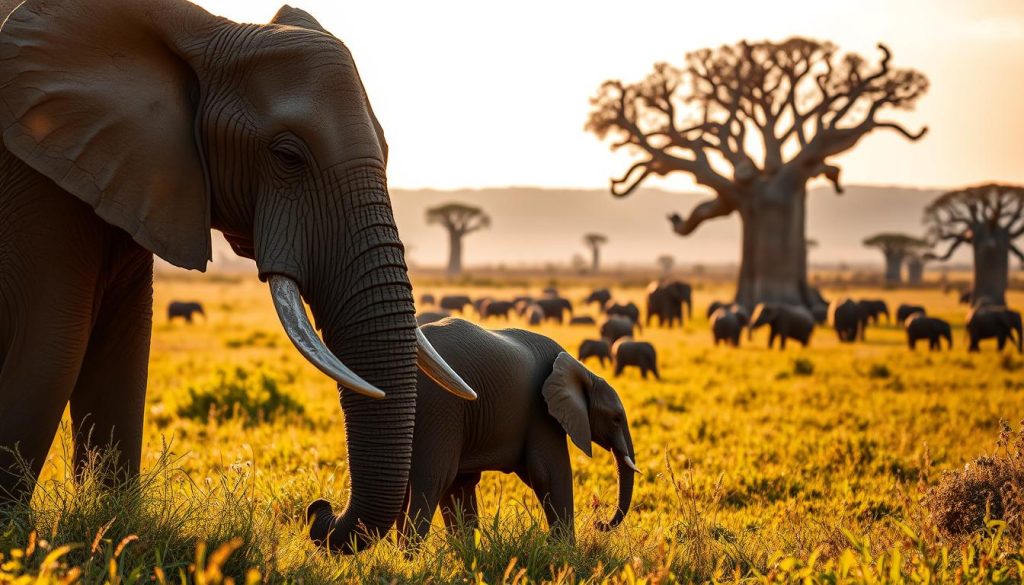
The trust’s efforts show the impact of dedicated conservation. By supporting the adopt an elephant program and visiting the wildlife center, you help their mission.
Planning Your David Sheldrick Wildlife Trust Visit
Planning your visit to the David Sheldrick Wildlife Trust is key for a great experience. It’s located in Nairobi National Park. Here, you can learn about Kenya’s wildlife conservation efforts.
Location and How to Get There
The David Sheldrick Wildlife Trust is in Nairobi National Park. It’s easy to get there by different ways.
From Nairobi City Center
Take a matatu or a taxi from Nairobi city center. It’s about 30-45 minutes, depending on traffic.
From Major Hotels and Airports
Staying at a hotel or at Jomo Kenyatta International Airport? Hire a taxi or book a private transfer. It’s about 45 minutes from the airport.
Opening Hours and Best Times to Visit
The trust is open daily from 9:00 AM to 12:00 PM. This is the best time to see the baby elephant feeding.
Best Time to Visit: Visit during the dry season (June to October and January to February). The weather is nice, and animals are active.
Entrance Fees and Booking Requirements
Book your visit in advance on their official website. Here are the entrance fees:
| Category | Fee (KES) | Fee (USD) |
|---|---|---|
| Adults | 1,000 | 10 |
| Children (5-12 years) | 500 | 5 |
| Children under 5 years | Free | Free |
Booking in advance is required. Arrive 15 minutes before your visit time.
What to Expect During the Public Visiting Hour
Visiting the David Sheldrick Wildlife Trust is a special experience. You’ll get to see the orphaned elephants up close. This is your chance to connect with these amazing animals.
The Baby Elephant Feeding Experience
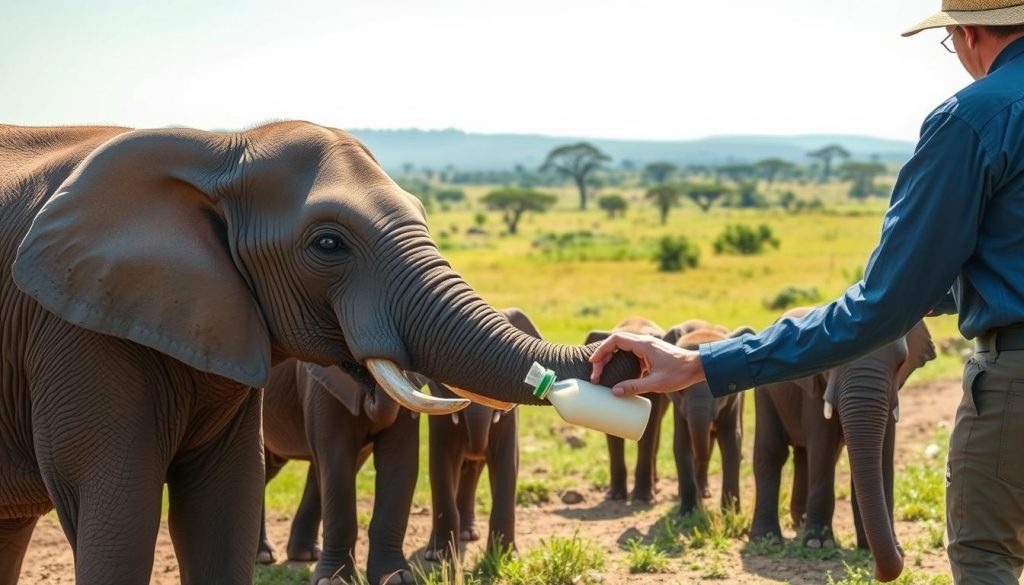
The baby elephant feeding experience is a highlight. You’ll watch as the elephants are fed by the Trust’s keepers. It’s both touching and educational, teaching you about their diet and conservation.
The feeding is key to the elephants’ recovery. The keepers make sure they get the right food for growth. Seeing this helps you understand the Trust’s mission and its importance.
Keeper Talks and Educational Presentations
There are also keeper talks and educational presentations during your visit. These sessions share insights into the elephants’ lives and the challenges they face. You’ll learn about the Trust’s conservation efforts.
- Learn about the history and mission of the David Sheldrick Wildlife Trust.
- Understand the rehabilitation process for orphaned elephants.
- Discover the importance of community engagement in conservation efforts.
These talks are led by experts. They offer a unique look into the world of elephant conservation and the Trust’s work.
Private and Exclusive Visit Options
If you’re looking for a personalized experience, the David Sheldrick Wildlife Trust offers exclusive visit options. These are for foster parents and private groups. They are designed to give a deeper connection with the Trust’s conservation efforts and its iconic orphaned elephants.
Foster Parent Visits
As a foster parent, you get a unique chance to visit the Trust. You’ll see the impact of your support firsthand. These visits are tailored for foster parents, offering a more intimate experience with the elephants they support.
You’ll have the chance to meet your adopted elephant, learn about its progress, and get updates on the Trust’s conservation work.
Private Group Tours and Special Arrangements
The Trust also caters to private groups, offering customized tours and experiences. Whether you’re a corporate team looking for a unique team-building activity or a family seeking a special wildlife experience, the Trust can accommodate your needs. These private tours can include behind-the-scenes insights into the Trust’s operations, special animal encounters, and educational presentations.
| Visit Type | Description | Benefits |
|---|---|---|
| Foster Parent Visits | Personalized visits for foster parents to meet their adopted elephants. | Direct interaction with the elephants, updates on conservation efforts. |
| Private Group Tours | Customized tours for private groups, including corporate teams and families. | Behind-the-scenes insights, special animal encounters, educational presentations. |
The Elephant Orphanage Experience
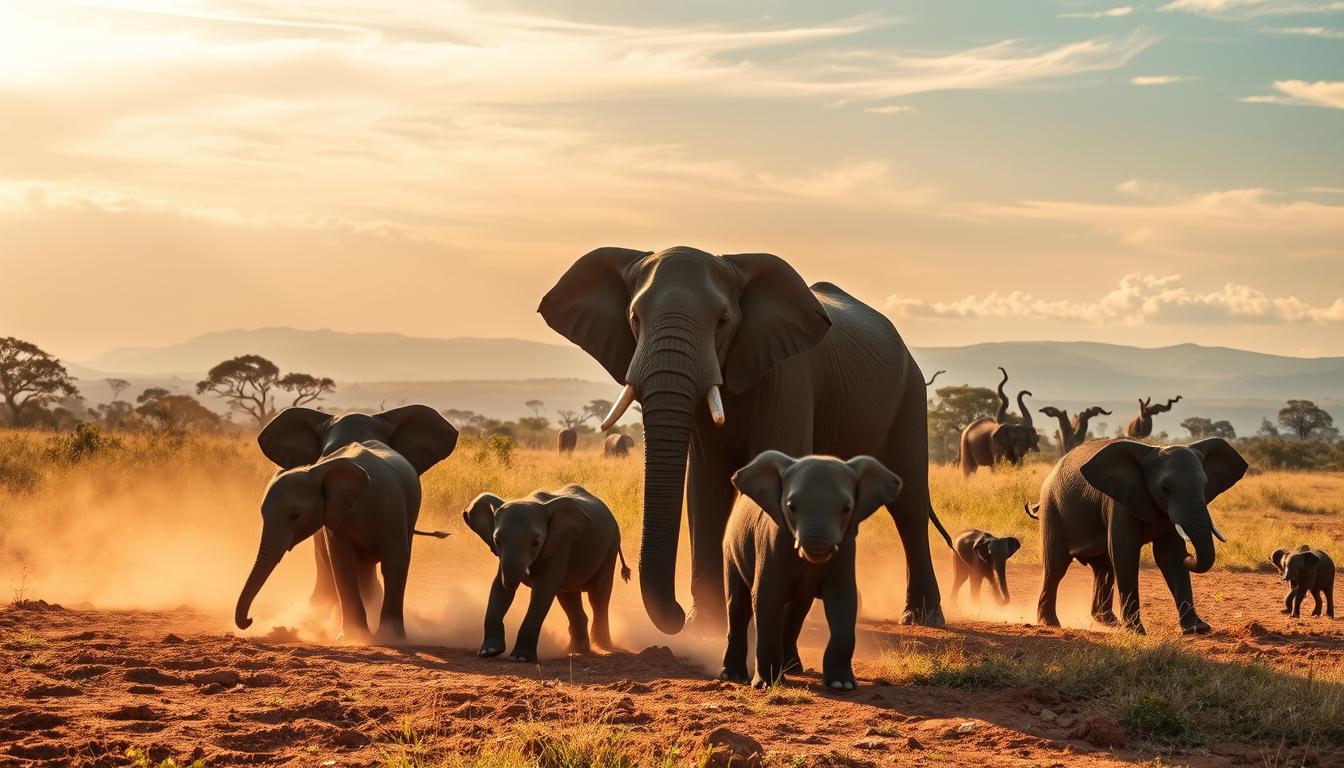
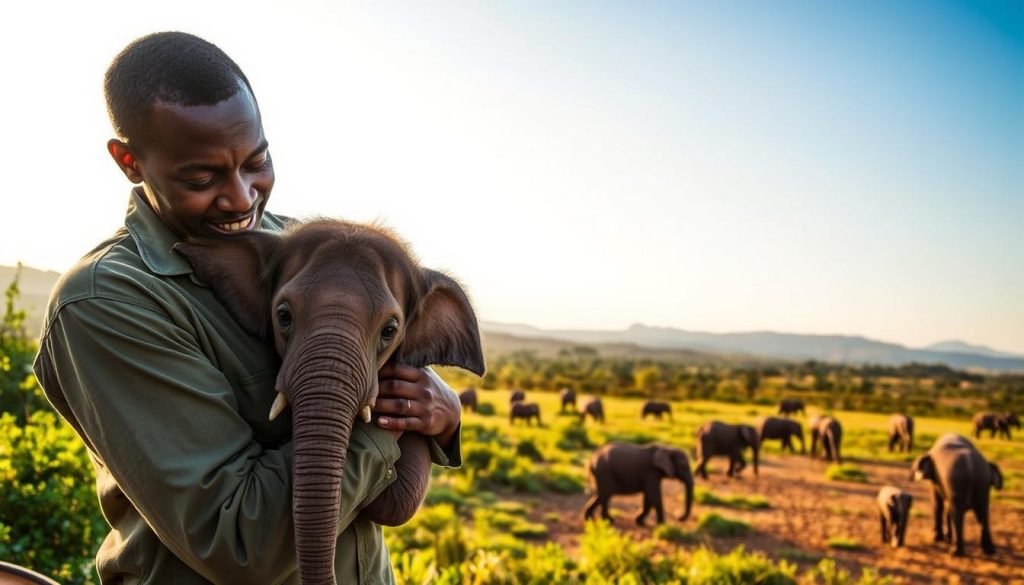
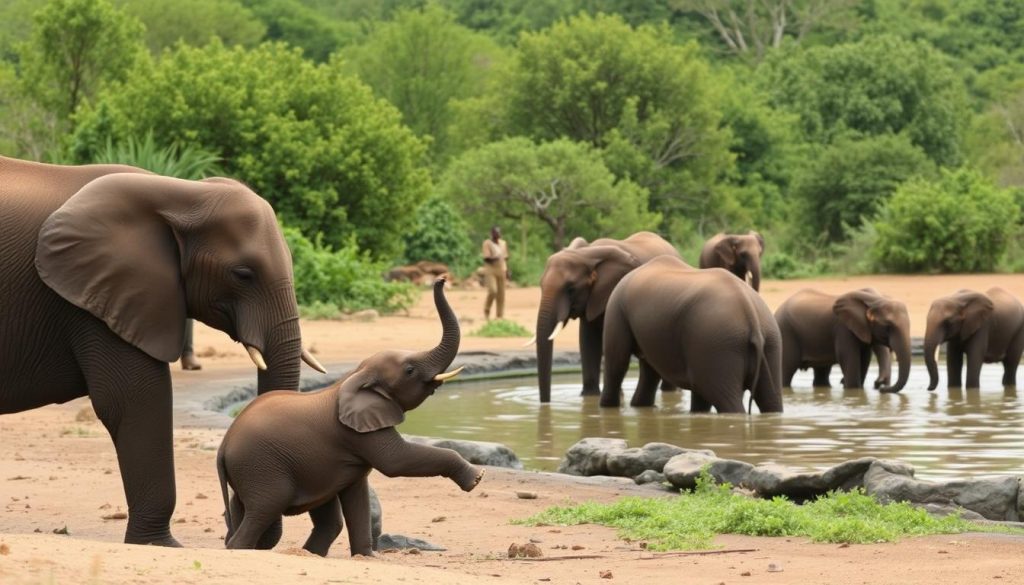
When you enter the David Sheldrick Wildlife Trust, you’ll see orphaned elephants being cared for. This trust is known for rescuing and rehabilitating these young elephants. It gives them a second chance at life.
Meeting the Orphaned Elephants
During your visit, you’ll meet the orphaned elephants. The keepers tell stories of the elephants’ journeys. They share how the elephants were rescued and their current status in the rehabilitation process.
Individual Elephant Stories
Each elephant has a unique story. Some were orphaned after their families were poached. Others were found trapped in snares. Listening to their stories shows the challenges these animals face.
Elephant Behavior and Interactions
Watching the elephants’ behavior is a highlight. You’ll see them interact and display complex social behaviors. Their playful antics and affection towards their keepers are touching.
Understanding the Rehabilitation Process
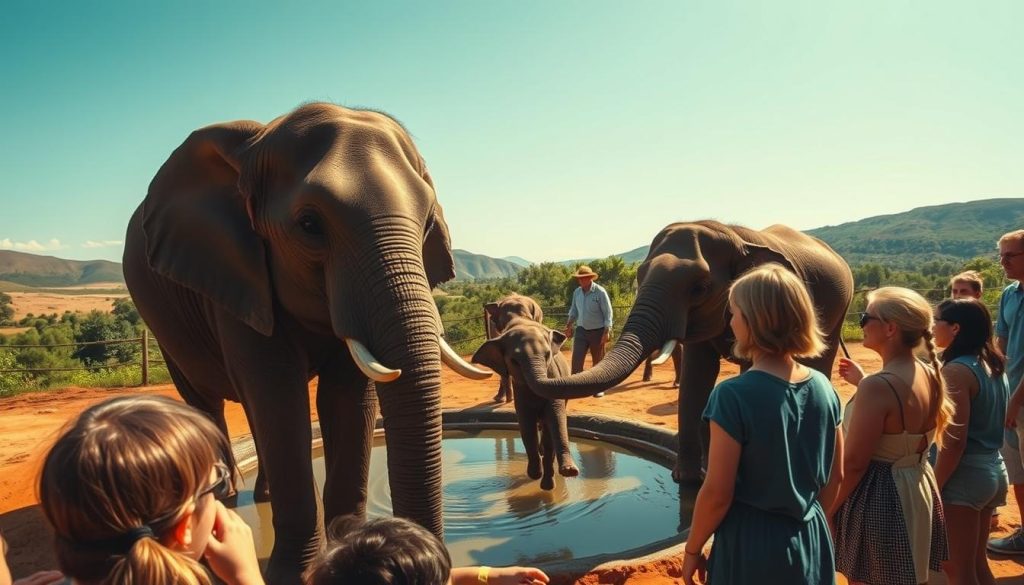
The rehabilitation at the David Sheldrick Wildlife Trust is detailed. It’s not just about feeding and caring for the elephants. It also prepares them for life in the wild.
The process includes:
- Nursing and care by dedicated keepers
- Gradual introduction to natural habitats
- Monitoring and medical care
The ultimate goal is to release the elephants into their natural habitat. The trust’s work has saved many elephant lives. Visitors can feel proud to support this cause.
“The conservation efforts of the David Sheldrick Wildlife Trust are a beacon of hope for the future of elephant conservation.” – Conservation Expert
| Rehabilitation Stage | Description | Duration |
|---|---|---|
| Nursing | Initial care and feeding | Several months |
| Pre-release | Preparation for wild release | 1-2 years |
| Release | Return to natural habitat | Varies |
Beyond Elephants: Other Animals at the Trust
The David Sheldrick Wildlife Trust does more than just help elephant orphans. It works hard to protect many types of wildlife. This is in addition to its famous elephant care.
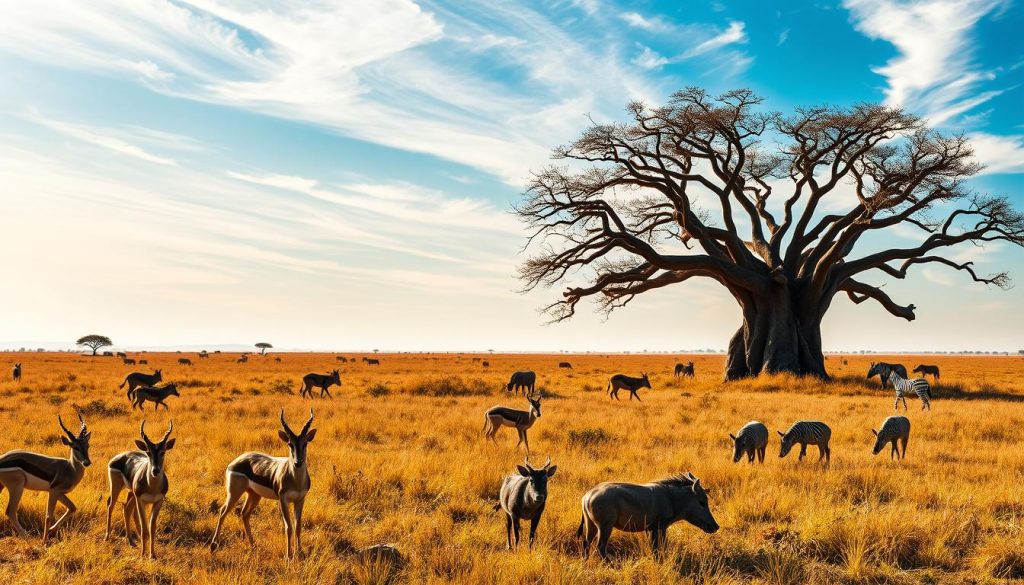
The trust is involved in many conservation programs. It focuses on endangered species, like rhinos.
Rhino Conservation Efforts
The trust is also dedicated to saving rhinos. It fights against poaching and habitat loss. Visitors can help protect these amazing animals by supporting the trust’s efforts.
Other Wildlife Rescue Programs
The trust helps many animals, not just elephants and rhinos. It rescues and cares for animals like antelopes and zebras. This shows the trust’s commitment to protecting Kenya’s wildlife.
Visiting the David Sheldrick Wildlife Trust helps more than just elephants. It supports a wide range of conservation efforts. This makes your visit a meaningful part of wildlife rescue center visit and Kenya wildlife conservation experience.
Supporting the Trust: How to Foster an Elephant
By fostering an elephant through the David Sheldrick Wildlife Trust, you can make a big difference. The Trust’s fostering program helps care for orphaned elephants until they can live in the wild again.
The Fostering Program Explained
The David Sheldrick Wildlife Trust’s fostering program lets you support orphaned elephants. As a foster parent, you’ll get updates and photos of your elephant. This way, you can see how they’re doing and growing.
The program covers all the needs of an elephant, like food, vet care, and rehab.
Benefits of Becoming a Foster Parent
Becoming a foster parent to an orphaned elephant has many benefits. You’ll help protect endangered elephants and get updates on your elephant’s life. You’ll see photos and reports from the Trust’s team.
By supporting the Trust, you help these amazing animals survive.
| Fostering Program Benefits | Description |
|---|---|
| Personal Updates | Receive regular updates and photos of your sponsored elephant. |
| Conservation Impact | Contribute directly to the conservation of endangered elephants. |
| Rehabilitation Support | Help support the rehabilitation of orphaned elephants until they can be reintegrated into the wild. |
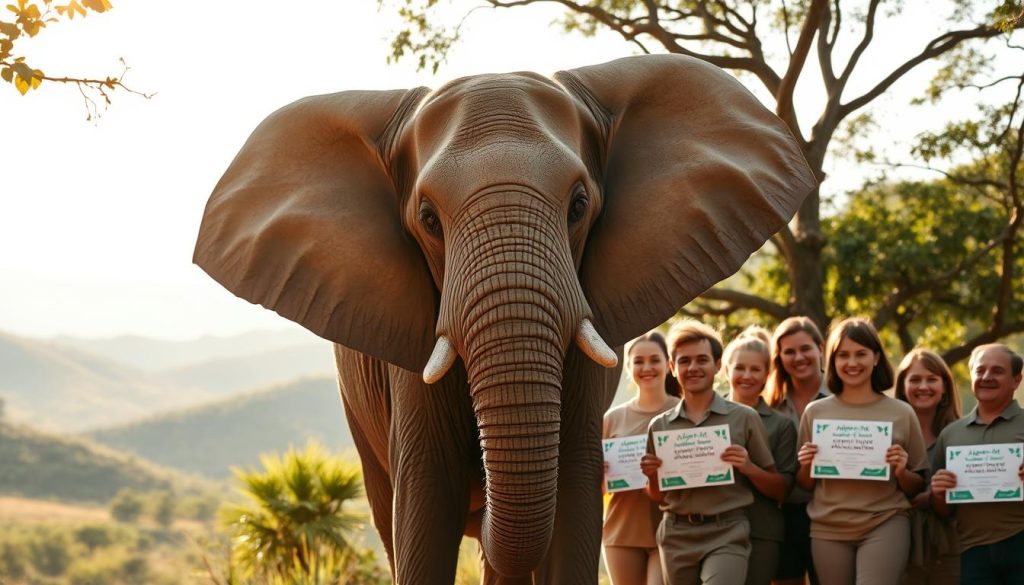
Through the David Sheldrick Wildlife Trust’s fostering program, you can really help orphaned elephants. By becoming a foster parent, you support their care and help with conservation in Kenya.
Photography Tips for Your Visit
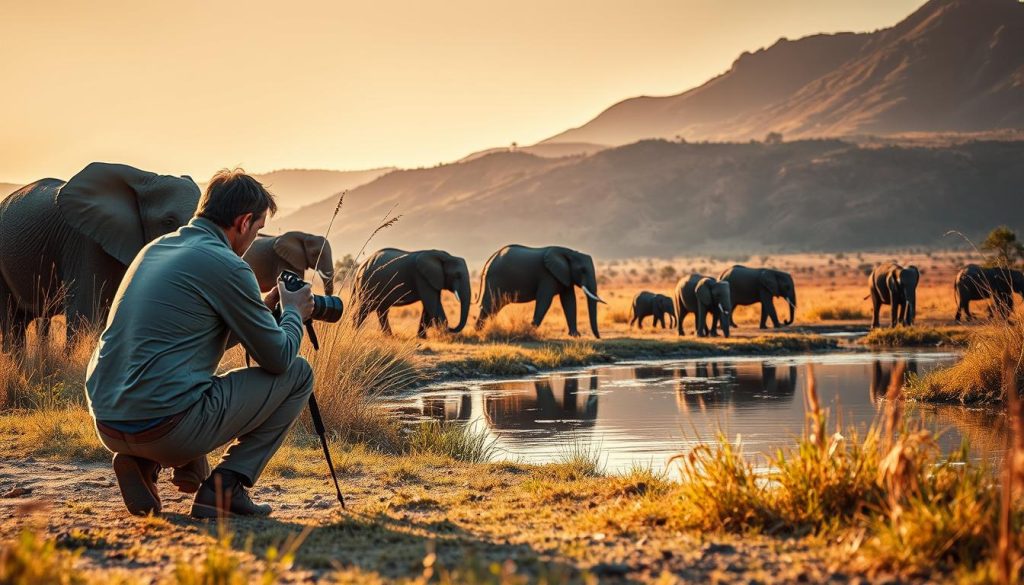
Planning your visit to the Nairobi animal sanctuary? Here are some photography tips to capture the essence of your Kenya wildlife adventure. With your camera ready, aim to capture the best moments at this renowned wildlife trust.
Best Camera Settings and Equipment
For wildlife shots at the David Sheldrick Wildlife Trust, a camera with good zoom and fast shutter speed is key. Use a telephoto lens (at least 200mm) for close-up shots without disturbing the animals. A camera that performs well in low light is also a must for early morning or late afternoon visits.
| Camera Setting | Recommended Value | Benefit |
|---|---|---|
| Shutter Speed | 1/1000s or faster | Freezes animal motion |
| Aperture | f/5.6 or lower | Creates a blurred background |
| ISO | As low as possible | Reduces noise in images |
Ethical Wildlife Photography Guidelines
When taking wildlife photos, keep a safe distance and don’t disturb the animals. Be patient and wait for natural behaviors to happen. Never bait or provoke animals for a shot, as it can harm both you and the animal.
Key guidelines:
- Keep a safe distance from the animals.
- Avoid using flash as it can startle the animals.
- Be aware of your surroundings and other visitors.
Combining Your Visit with Other Nairobi Attractions
Visiting the David Sheldrick Wildlife Trust and other Nairobi spots can make your trip better. Nairobi has many wildlife sanctuaries and conservation projects. It’s perfect for a full Kenya wildlife conservation experience.
Nairobi National Park
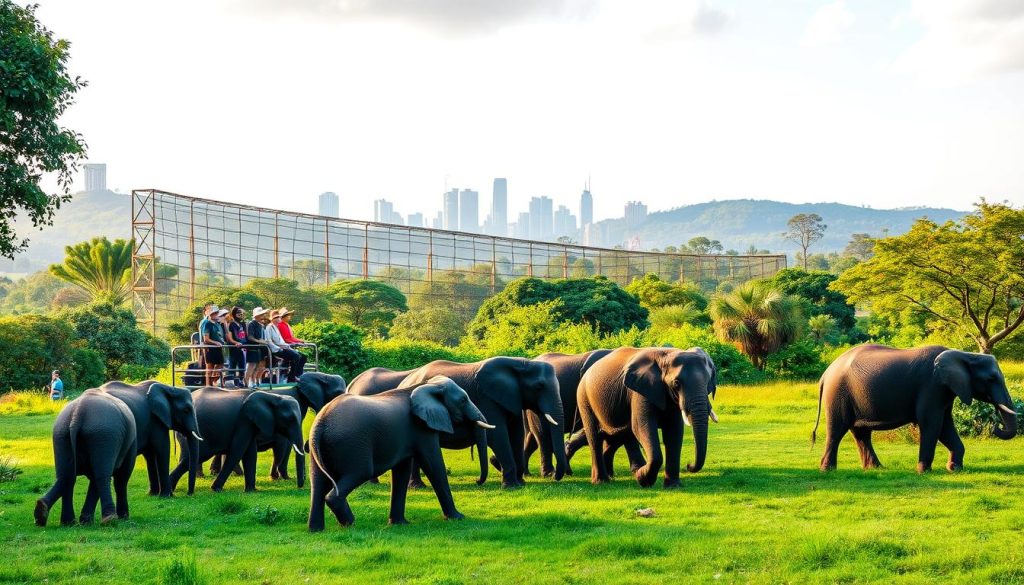
Nairobi National Park is a top spot near the David Sheldrick Wildlife Trust. It’s Kenya’s first national park and offers a unique safari. You can see lions, rhinos, and giraffes against the city skyline.
Giraffe Centre and Other Wildlife Experiences
The Giraffe Centre is another must-see. Here, you can feed and meet endangered Rothschild’s giraffes. It’s great for animal lovers and supports conservation. You can also check out the Kitengela Glass Conservatory or go on a nature walk in the Karura Forest.
Practical Tips for an Enjoyable Visit
To make your visit to the David Sheldrick Wildlife Trust unforgettable, preparation is crucial. Knowing what to expect and how to prepare will greatly improve your experience. This is true for any Nairobi animal sanctuary tour.
What to Wear and Bring
Wearing the right clothes and shoes is key for a good visit. You should wear:
- Comfortable walking shoes or boots
- Light, breathable clothing for Nairobi’s climate
- A hat and sunscreen for outdoor protection
- Insect repellent to keep mosquitoes and other insects away
Also, consider bringing these items to make your visit better:
- A camera with a good battery and enough storage for photos
- A refillable water bottle to stay hydrated
- Snacks, if needed, though you can buy food and drinks there
Etiquette and Rules to Follow
To have a safe and fun time, it’s important to follow the Trust’s guidelines.
| Rule | Description |
|---|---|
| Maintain a safe distance | Keep a safe distance from the elephants and other animals to avoid stressing them. |
| Follow guide instructions | Pay attention to and follow the instructions given by your guides. |
| No feeding | Refrain from feeding the animals, as this can disrupt their dietary needs and health. |
| Minimize noise | Keep noise levels down to avoid startling the animals. |
Conclusion: The Impact of Your Visit
Visiting the David Sheldrick Wildlife Trust is more than a trip. It’s a chance to help orphaned elephants and other animals. Your support helps protect these amazing creatures.
At the trust, you join a story of rescue and care. You can also adopt an elephant. This lets you connect with these animals and help with their care.
When you visit Nairobi, think about seeing more wildlife. Places like Nairobi National Park and the Giraffe Centre are great. They let you learn about Kenya’s animals and help protect them.