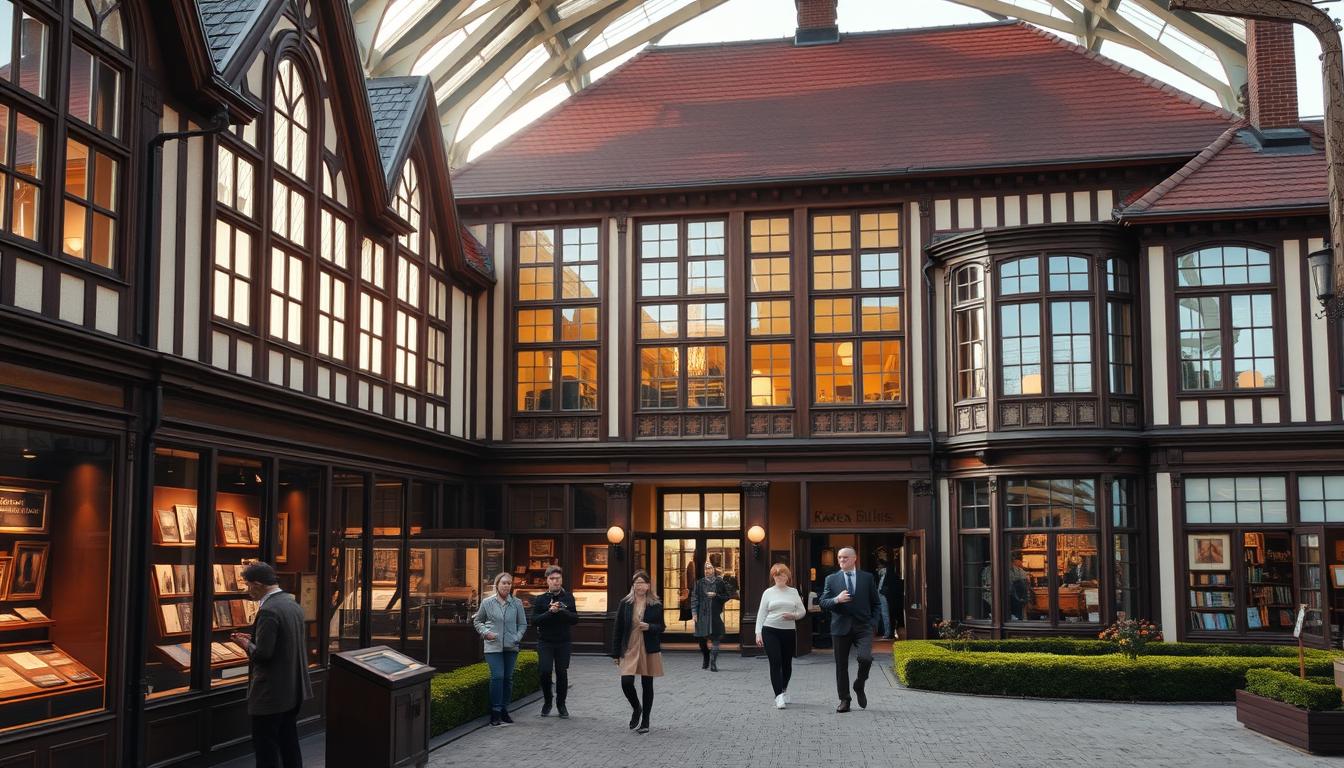
Uncover the Intriguing Past of the Karen Blixen Museum
Ever wondered what secrets a historic house holds? The Danish author’s former residence is now a museum. It’s a treasure trove of stories about a literary legend.
In Nairobi, Kenya, this site was the author’s home in Africa. Exploring the former farmhouse reveals its importance. It helps us understand the author’s works and experiences.
Learning about the museum’s history shows why preserving the author’s legacy is key. It’s a window into the past. It gives us a unique look into the life and works of a literary icon.
The Life of Karen Blixen: From Denmark to Kenya
Karen Blixen was born in Denmark in 1885. She later made Kenya her home, shaping her famous works. Her life shows her adventurous spirit and literary talent.
Early Life and Literary Beginnings
Danish Roots and Education
Karen Blixen came from a family of intellectuals and artists. Her early years in Denmark were filled with education. This education would later shape her writing style.
She was drawn to literature and art from a young age.
First Literary Works
Blixen started writing early, publishing short stories and articles under pseudonyms. Her early works showed her storytelling talent and unique view of life.
The Journey to Colonial Kenya
Marriage and Relocation
In 1914, Karen Blixen married her cousin, Bror Blixen-Finecke. They moved to Kenya to start a coffee plantation. This was a big change in her life, adapting to colonial farm life.
First Impressions of Africa
When she arrived in Kenya, Blixen was amazed by Africa’s beauty and vastness. Her experiences there would later inspire her memoir, “Out of Africa.”
| Year | Event | Location |
|---|---|---|
| 1885 | Born | Denmark |
| 1914 | Married Bror Blixen-Finecke | Denmark |
| 1914 | Moved to Kenya | Kenya |
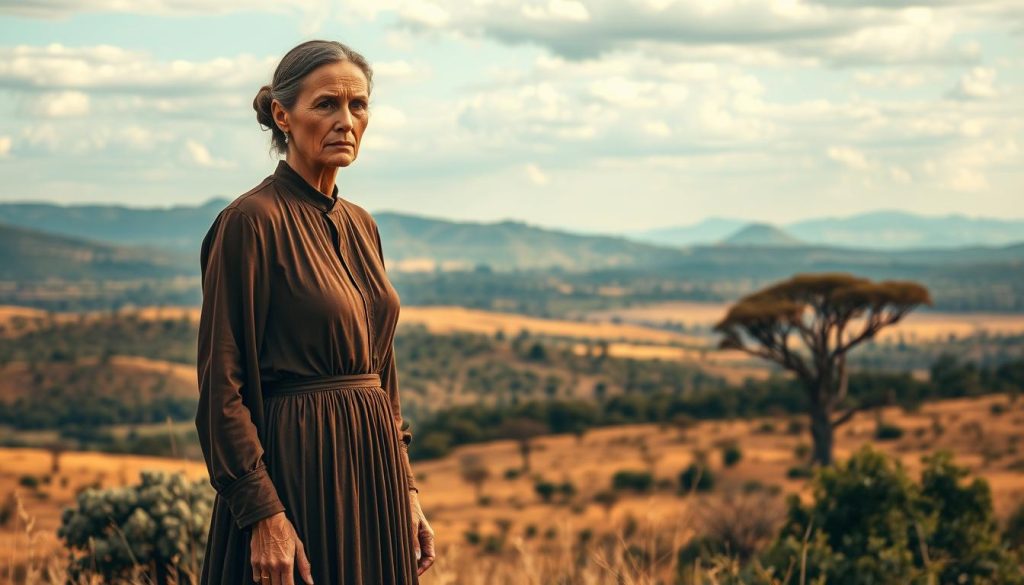
Karen Blixen’s time in Kenya was not easy. She faced challenges with the coffee plantation and personal struggles. Yet, these experiences made her writing richer and provided material for her future works.
The Karen Blixen Museum History: From Coffee Farm to Cultural Heritage
As you explore the Karen Blixen Museum, you’re walking through history. It’s a journey from a coffee farm to a cultural treasure. This place is linked to Karen Blixen, a famous Danish author.
Establishment of the Coffee Plantation
The Karen Blixen Farmhouse was once a coffee plantation. Karen and her husband, Bror Blixen, started it in the early 1900s. It showed their dreams and the economic times of colonial Kenya.
Acquisition of the Property
In 1914, Karen and her husband bought Mbogani, near Nairobi. They chose it for its good soil and climate, perfect for coffee.
Building the Farmhouse
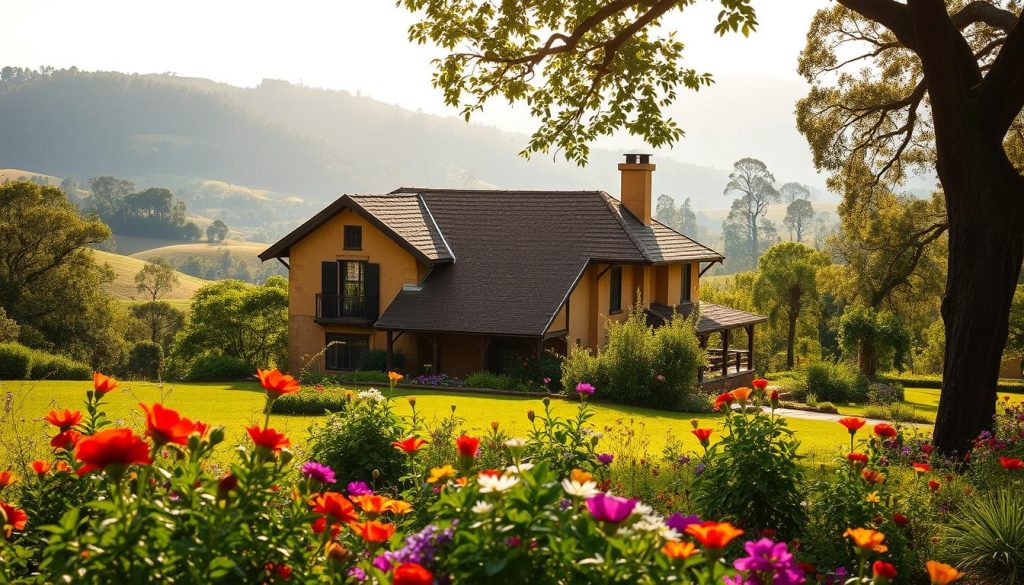
A Swedish architect designed the farmhouse. It was built with local materials and techniques. It was the heart of the plantation and the Blixens’ home, showing colonial architecture.
Transformation into a Museum
After Karen left Kenya in 1931, the property changed hands many times. The National Museums of Kenya bought it in 1985, starting its museum journey.
National Museums of Kenya Acquisition
The National Museums of Kenya bought the property in 1985. They saw its historical and cultural value. This was a key step in saving it for the future.
Restoration and Opening to the Public
After the purchase, a big restoration followed. It aimed to bring back the farmhouse to Karen Blixen’s time. The museum then opened to the public, sharing Karen Blixen’s life and colonial Kenya’s history.
The Karen Blixen Museum is now a symbol of Kenya’s rich culture and complex past. It draws visitors from all over the world.
Inside the Historic Karen Blixen Farmhouse
When you enter the Karen Blixen Farmhouse, you feel like you’ve traveled back in time. The house still looks like it did when Karen Blixen lived here. It shows what her life was like in Kenya.
Original Architecture and Colonial Design
The farmhouse combines Danish and colonial styles. This mix shows Karen Blixen’s roots and her time in Kenya.
Architectural Features and Style
The building has big verandas and high ceilings. These features were perfect for the Kenyan weather.
Interior Layout and Function
The inside of the house is set up like it was back then. It gives a peek into Karen Blixen’s daily life and that of her staff.
Authentic Furnishings and Personal Belongings
The house is filled with Karen Blixen’s own furniture and things. It’s a personal look into her life.
Original Furniture Collection
The furniture includes pieces from Denmark and Kenya. It shows a mix of European and African styles.
Household Items and Decor
Things like kitchenware and art add to the farmhouse’s real feel. They help bring the past to life.
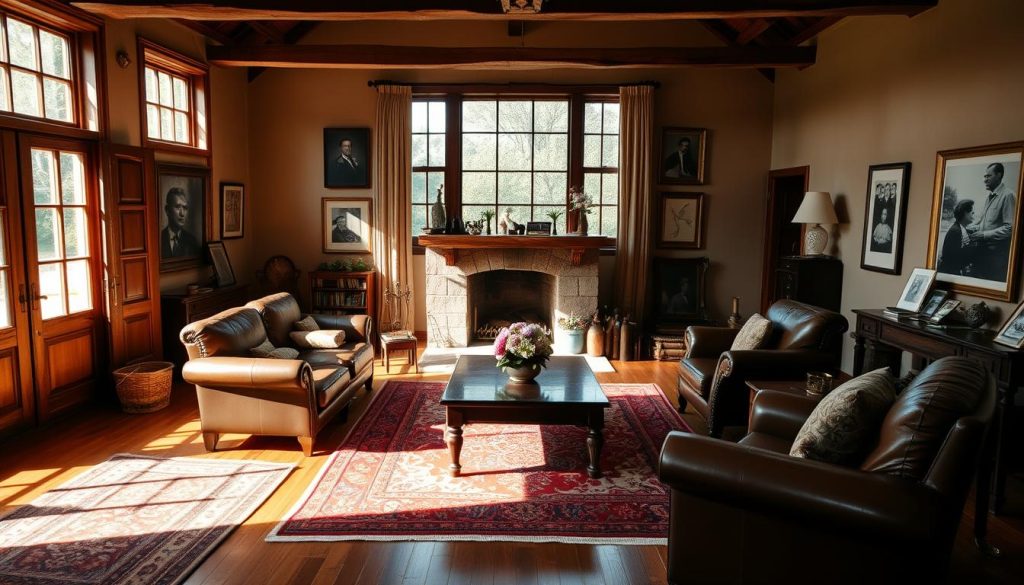
On Nairobi museum tours, you can see the Karen Blixen Farmhouse. You can explore its historic rooms and learn about its history.
| Feature | Description |
|---|---|
| Architecture | Blend of Danish and colonial styles |
| Furniture | Original pieces from Denmark and Kenya |
| Decor | Household items and artwork |
“Out of Africa”: From Memoir to Hollywood
‘Out of Africa’ is Karen Blixen’s moving memoir about her Kenyan coffee farm life. It has won many hearts with its detailed storytelling. The book also became a hit film, making it a cultural icon.
The Creation of Blixen’s Literary Masterpiece
Karen Blixen’s writing was deep and inspired by her Kenyan days. She mixed her life with poetry, creating a unique story.
Writing Process and Publication
Blixen worked hard on her memoir for years. She went through her notes and memories to bring Kenya’s landscapes and people to life. ‘Out of Africa’ was published in 1937, getting lots of praise.
Critical Reception and Success
People loved the memoir for its beautiful writing and honest look at colonial life. It was a big hit, making Blixen a famous writer.
The Award-Winning Film Adaptation
The 1985 film ‘Out of Africa’ was a huge success. Sydney Pollack directed it, with Meryl Streep and Robert Redford starring. It won many Oscars, making Blixen’s work even more famous.
Filming at the Original Location
The movie was filmed in Kenya, where Blixen lived. This made the film feel real and beautiful.
Global Impact on Kenya’s Tourism
The book and film boosted Kenya’s tourism a lot. Many people visited the Karen Blixen Museum and the Ngong Hills. Here’s how tourism grew after the film came out:
| Year | Tourist Arrivals |
|---|---|
| 1984 | 400,000 |
| 1986 | 600,000 |
Exploring the Museum’s Exhibits and Collections
The museum dedicated to Karen Blixen is more than just a collection of artifacts. It’s an immersive experience into Kenya’s colonial history and literary legacy. As you explore the exhibits, you learn more about Karen Blixen’s life and work.
Karen Blixen’s Personal Artifacts
Karen Blixen’s personal artifacts give a unique look into her daily life and writing. Among the most fascinating are her writing tools and manuscripts. These show her detailed approach to storytelling.
Writing Tools and Manuscripts
The museum has an impressive collection of Blixen’s writing tools. You’ll see her typewriter, pens, and personal notebooks. These items show her dedication to her craft and offer insight into her creative process.
Clothing and Personal Effects
The museum also displays Blixen’s clothing and personal effects. You’ll see her signature hats and jewelry. These artifacts give a sense of her personal style and the cultural influences on her identity.
Film Memorabilia from “Out of Africa”
The film adaptation of “Out of Africa” brought Karen Blixen’s story to a global audience. The museum celebrates this with a collection of film memorabilia. This includes props, set pieces, and production materials that offer a behind-the-scenes look at the film’s making.
Props and Set Pieces
- Original props used in the film, such as furniture and household items
- Set pieces that recreate the iconic scenes from the movie
Photography and Production Materials
The museum also showcases photographs from the filming of “Out of Africa,” along with production materials. These include scripts and costume designs. They provide a fascinating glimpse into the filmmaking process and the challenges faced by the production team.
The Gardens and Grounds of the Karen Blixen Estate
Exploring the Karen Blixen Estate, you find yourself in a world of colonial charm and natural beauty. The estate’s gardens were a key part of Karen Blixen’s life and writing. They offered a peaceful escape from her coffee farm’s challenges.
Indigenous Plants and Historical Landscaping
The gardens showcase indigenous plants chosen for Kenya’s climate. Original garden design was shaped by colonial landscaping.
Original Garden Design
The original design mixed local flora and fauna for a unique look. It reflected the colonial style.
Conservation Efforts
Now, efforts focus on saving these plants and the garden’s historical look.
The Iconic Ngong Hills View
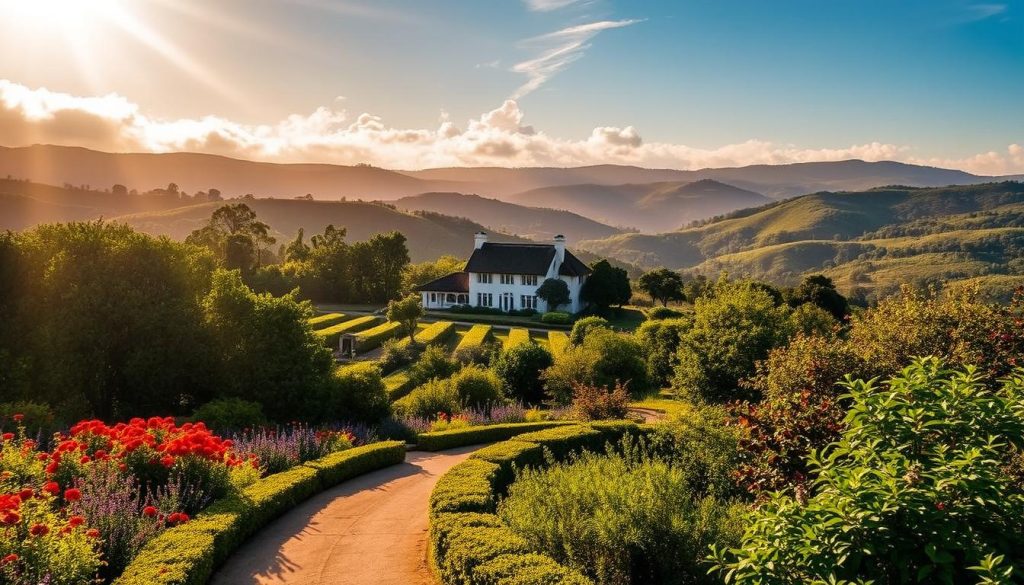 The estate’s standout feature is its view of the Ngong Hills. This view deeply influenced Karen Blixen’s writing.
Landscape Changes Over Time
The Ngong Hills’ landscape has changed over the years. Yet, its beauty remains the same.
Significance in Blixen’s Writing
Karen Blixen often mentioned the Ngong Hills in her writing. She drew inspiration from their grandeur. As she wrote,
“The hills stood there, like a blue sea turned upside down, and the farm was a tiny, insignificant speck in the vastness.”
Karen Blixen’s Life in Kenya: Stories and Cultural Impact
Exploring Karen Blixen’s life in Kenya reveals a mix of cultural interactions and farm life. Her experiences were influenced by local communities and the challenges of farming in a colonial setting.
Relationships with Local Communities
Karen Blixen’s interactions with local communities were complex. She formed close bonds with her Kikuyu workers, learning from them and valuing their expertise.
Interactions with Kikuyu Workers
Blixen’s relationship with her Kikuyu workers was based on respect. She learned about local farming practices and used them in her farm management.
Social Life in Colonial Kenya
Despite the difficulties, Blixen was active in colonial Kenya’s social scene. She attended local events, navigating the complexities of colonial society.
Challenges of Colonial Farm Life
Managing a colonial farm was filled with obstacles, from farming struggles to personal hardships.
Agricultural Struggles
Blixen faced many farming challenges, like soil erosion and crop diseases. She worked hard to adapt and solve these problems.
Personal Hardships and Resilience
Personally, Blixen faced big hardships, including the loss of her lover and financial troubles. Her ability to overcome these challenges shows her strength.
| Aspect | Challenges | Outcomes |
|---|---|---|
| Agricultural Practices | Soil erosion, crop diseases | Adaptation, new farming techniques |
| Social Life | Cultural differences, colonial tensions | Integration, mutual respect |
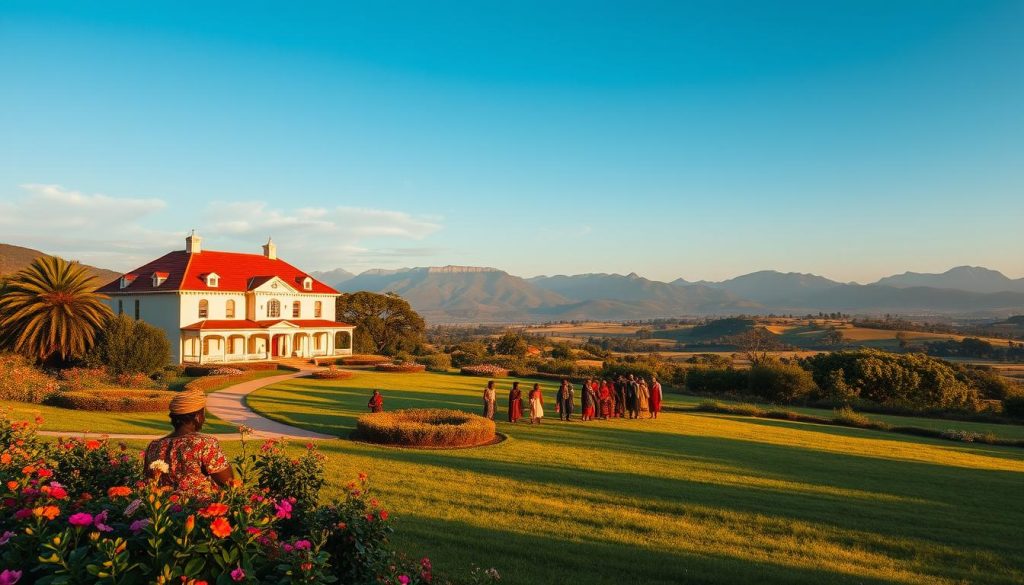
Blixen’s life in Kenya was a complex mix of challenges and cultural exchanges. Her story still fascinates people today.
Visiting the Karen Blixen Museum Today
Planning a trip to Nairobi? Don’t miss the Karen Blixen Museum. It’s a must-see for fans of ‘Out of Africa’ author Karen Blixen. The museum sits on her old coffee farm, giving a peek into her life and writing.
Practical Information for Tourists
Before you go, here’s what you need to know to enjoy your visit.
Hours, Admission, and Location
The museum opens from 9:30 AM to 6:00 PM. Adult tickets cost about $26. Students, seniors, and kids get discounts. It’s in Nairobi’s Karen suburb, easy to reach by car or tour.
Best Times to Visit
Visit early morning or late afternoon to miss the sun’s peak. Weekdays are less busy, perfect for a calm visit.
Guided Tours and Special Experiences
The museum offers guided tours and special events. They dive deep into Karen Blixen’s life and writing.
Tour Options and Languages
Guided tours are in English, French, and German. Choose from standard or thematic tours. Thematic tours focus on specific parts of Blixen’s life and work.
Special Events and Programs
The museum has cultural events, lectures, and exhibitions. Check their calendar for events that interest you during your visit.
| Tour Type | Language | Duration |
|---|---|---|
| Standard Tour | English, French, German | 1 hour |
| Thematic Tour | English, French | 2 hours |
The Museum’s Role in Preserving Kenyan Colonial History
The Karen Blixen Museum plays a key role in keeping Kenyan colonial history alive. It’s a historical museum in Kenya that shows off artifacts from the colonial times. It also teaches visitors about the complex history of the area.
Educational Programs and Cultural Initiatives
The museum has many educational programs. These programs help people understand Kenyan colonial history better. They are made for all ages and include fun, interactive sessions.
School Programs and Workshops
The museum has special programs for schools. Students get to see historical artifacts up close. They learn about the colonial era through hands-on activities.
Research and Documentation Projects
Research and documentation are big parts of the museum’s work. They focus on keeping historical records safe. They also make these records available to everyone.
Balancing Colonial Narratives in Modern Kenya
It’s hard to share colonial stories in today’s world. The museum tries to mix old history with new views. This helps people understand the past in a modern way.
Evolving Interpretations of History
How we see history changes over time. The museum keeps its exhibits and lessons up to date. This way, it stays relevant and interesting.
Indigenous Perspectives and Inclusion
The museum also works to include indigenous views. This makes Kenya’s history more complete and diverse. It shows the rich tapestry of the country’s past.
| Program | Description | Target Audience |
|---|---|---|
| School Programs | Interactive sessions on colonial history | Students |
| Workshops | Hands-on activities with historical artifacts | Students, Adults |
| Research Projects | Documentation and preservation of historical records | Researchers, Public |
Beyond the Museum: Karen Blixen’s Influence on Nairobi
Karen Blixen’s story is deeply rooted in Nairobi. Her legacy goes beyond the museum that tells her story. It shapes the city’s identity.
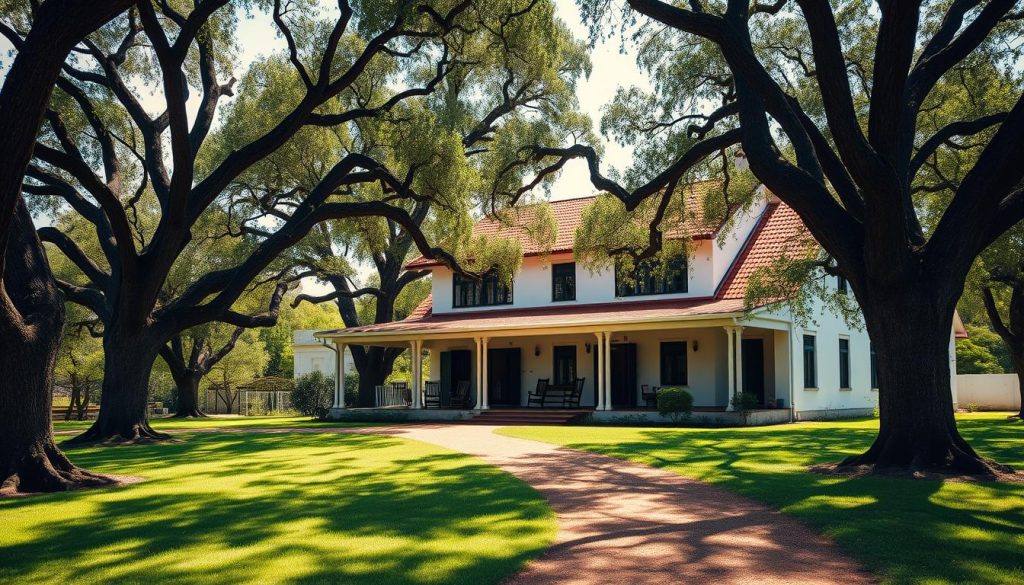
The Karen Neighborhood Named After Her
The Karen neighborhood in Nairobi honors Blixen’s impact. It combines colonial history with modern life. This suburb is named after the famous Danish author.
Development and Character
Since Blixen’s time, Karen has changed a lot. Now, it’s known for its luxury homes, unique shops, and lively culture.
Modern Attractions
Today, Karen has many attractions. You can find luxury hotels, art galleries, and restaurants with international food. It’s a mix of old and new charm.
Other Related Historical Sites to Visit
Nairobi has more than just the Karen Blixen Museum. It has many historical sites and natural spots. These reflect the city’s rich past and natural beauty.
Nearby Colonial-Era Landmarks
There are other colonial sites to see. These landmarks near the museum offer a glimpse into the region’s history.
Natural Attractions Mentioned in “Out of Africa”
Nature fans will love the Ngong Hills. They offer stunning views. It’s where Blixen found inspiration for her writing.
| Attraction | Description | Location |
|---|---|---|
| Karen Blixen Museum | Showcases the life and works of Karen Blixen | Karen, Nairobi |
| Ngong Hills | Offers panoramic views of Nairobi and its surroundings | Ngong, near Nairobi |
| Karen Village | A hub for shopping, dining, and cultural experiences | Karen, Nairobi |
Conclusion: The Enduring Legacy of Karen Blixen in Kenya
You’ve learned about the Karen Blixen Museum, a key part of Kenya’s history. It honors the life and work of the famous author. The museum keeps alive the memories of her time in colonial Kenya.
Karen Blixen’s book, “Out of Africa,” has touched hearts around the world. The museum shows her personal items, film memorabilia, and the old farmhouse. It gives a peek into her life and experiences. Her work and legacy in Kenya’s culture are truly precious.
The museum is more than just a tribute to Blixen. It opens a window into Kenya’s colonial past. By visiting, you learn about the history and how Blixen’s work affected the community.
The museum is crucial for keeping the region’s history alive. It’s not just about Karen Blixen. It shows her lasting impact on Kenya, her genius, and her bond with the land and people.