

Stay Healthy on Trips: Avoid Getting Sick While Traveling
Are you planning an exciting trip but worried about getting sick while traveling? Don’t let the fear of travel illness prevention dampen your spirits. With a little preparation and a few simple strategies, you can enjoy your vacation while staying healthy and safe.
In this section, we will provide you with essential travel health tips on how to avoid getting sick while traveling. From planning ahead to boosting your immune system, practicing good hygiene, eating healthy and safe, staying active, and resting and relaxing, we’ve got you covered.
So, get ready to explore new destinations, try new foods, and embark on new adventures without worrying about staying healthy while traveling. Let’s dive in!
Plan Ahead for Travel Wellness
One of the best ways to prevent illness while traveling is to prepare for it before you leave home. Taking a few proactive steps to promote travel wellness can go a long way in ensuring a safe and enjoyable trip.
Get Vaccinated
Before traveling internationally, it’s crucial to research the required and recommended vaccinations for your destination. Check with your healthcare provider at least four to six weeks before your trip to ensure sufficient time for proper vaccination administration.
Pack Essential Medications
Make sure to bring any necessary medications and a first-aid kit with you on your trip. Keep essential medicines in your carry-on luggage in their original containers to avoid issues with customs and security. Don’t forget to also bring a copy of your prescriptions and a note from your doctor explaining why you need them.
Research Your Destination’s Health Risks
Learn about the potential health risks at your destination, including food and water safety and common illnesses. Visit the Centers for Disease Control and Prevention (CDC) website for comprehensive destination-specific health information.
Stay Informed About Local Health Concerns
Stay up-to-date on local illness outbreaks or any health advisories at your destination. Consult with a travel medicine specialist or your healthcare provider for the latest information, travel alerts, and warnings relevant to your trip.
Boost Your Immune System
The key to staying healthy while traveling is to have a strong immune system. Take proactive steps to boost your immune system before and during your trip.
- Maintain a Healthy Diet: Eat foods rich in nutrients such as fruits, vegetables, lean proteins, whole grains, and healthy fats. Try to avoid processed and sugary foods.
- Stay Hydrated: Drink plenty of water and avoid sugary beverages. Dehydration weakens the immune system and makes you more prone to illness.
- Get Enough Sleep: Lack of sleep can negatively affect your immune system, making you more susceptible to illness. Try to maintain a regular sleep schedule and get at least 7-8 hours of sleep per night.
- Take Vitamin Supplements: Consult your doctor for advice on taking vitamin supplements to boost immunity. Vitamin C, Zinc, and Vitamin D are great immune-boosting supplements to consider.
By adopting these techniques to stay healthy when traveling, you can avoid getting sick on your vacation and have a pleasant and enjoyable trip.

Practice Good Hygiene
Maintaining good hygiene habits is crucial to avoid getting sick while traveling. Germs and viruses are often spread through contact with contaminated surfaces, making it essential to practice good hygiene at all times. Take these practical travel health tips to keep yourself healthy and well:
1. Proper Handwashing Techniques
Washing your hands frequently is one of the best ways to prevent the spread of germs. Use soap and water and scrub your hands for at least 20 seconds before rinsing and drying them thoroughly. Pay special attention to washing your hands:
- Before you eat or drink anything
- After using the restroom
- After touching doorknobs, elevator buttons, or other frequently touched surfaces
- After blowing your nose, coughing, or sneezing
2. Use Hand Sanitizers
In situations where you can’t wash your hands, use hand sanitizers to kill germs and keep your hands clean. Look for a hand sanitizer that contains at least 60% alcohol and apply it generously to your hands. Rub your hands together until the sanitizer has evaporated.
3. Avoid Touching Your Face
Touching your face can introduce germs and viruses into your body. Avoid touching your face, especially your eyes, nose, and mouth, unless you have clean hands. This travel health tip can significantly reduce the risk of getting sick while traveling.
Did you know that the average person touches their face up to 23 times per hour? By avoiding touching your face, you can significantly reduce the risk of exposure to germs and keep yourself healthy and well.
Stay Active and Exercise
Regular exercise is not only vital for overall health, but it can also help strengthen your immune system and reduce stress levels while on the road. Finding ways to incorporate physical activity into your travel routine is essential to stay healthy while traveling.
Hotel Workouts
Most hotels have fitness facilities available to guests. Take advantage of these amenities by attending classes or using the equipment. If the hotel gym is not your thing, you can create a workout routine in the privacy of your hotel room. Bodyweight exercises like push-ups, squats, and lunges, yoga, resistance bands, or skipping rope are all exercises that do not require heavy equipment.
Explore on Foot
One of the best ways to stay active while traveling is by exploring on foot. Walking tours are a great way to sightsee while getting in some exercise. You can also hike nature trails or urban parks. Make sure to wear comfortable shoes and dress appropriately for the weather.
| Activity | Calories Burned per Hour (approx.) |
|---|---|
| Hiking | 400-550 |
| Walking | 300-400 |
| Cycling | 300-400 |
| Swimming | 400-450 |
Utilize Hotel Fitness Facilities
If your hotel does not have a gym, you can search for day passes at nearby fitness centers. Gyms like LA Fitness, 24 Hour Fitness, and Anytime Fitness offer day passes for under $20. You could also try online workouts like Yoga with Adriene or HASFit to break a sweat from your hotel room.

Embrace the opportunity to exercise and stay active while traveling. By mixing up your routine with hotel workouts, exploring on foot, and utilizing hotel fitness facilities, you can maintain your health and fitness goals.
Eat Healthy and Safe
Ensuring a nutritious and balanced diet is essential for maintaining good health while traveling. Not only will eating healthy help keep you well during your trip, but it can also provide the energy and nutrients needed to explore and enjoy your destination to the fullest.
Making Nutritious Food Choices
When dining out, prioritize meals that include fresh fruits and vegetables, lean proteins, and complex carbohydrates. Opt for grilled or baked dishes over fried options, and request sauces and dressings on the side to control portion sizes and avoid excess calories. At breakfast, try to incorporate whole grains and protein to start your day off right.
Avoiding Street Food Risks
While street food can provide a unique cultural experience, it’s important to exercise caution to avoid foodborne illness. Stick to vendors with long lines or that are popular with locals, as this typically indicates high turnover and fresher food. Avoid any food that looks or smells questionable, and prioritize cooked dishes over raw options.
| Foods to Avoid | Why to Avoid |
|---|---|
| Unpasteurized dairy products | Can contain harmful bacteria |
| Undercooked meat | Risk of foodborne illness and infections |
| Unwashed fruits and vegetables | May contain harmful pesticides or bacteria |
| Raw seafood | Risk of foodborne illness and infections |
Ensuring Food Safety
Be mindful of food safety during your trip by avoiding tap water and ice cubes, which can be contaminated with harmful bacteria. Stick to bottled or filtered water, and use it for drinking, brushing your teeth, and washing fruits and vegetables. When dining out, ensure that your food is cooked thoroughly and served piping hot.

“Food is an important part of any travel experience, but it’s important to prioritize health and safety to avoid getting sick.”
- Choose nutritious meals with fresh fruits and vegetables
- Avoid street food risks by opting for popular vendors and cooked dishes
- Be mindful of food safety with bottled or filtered water and thoroughly cooked food
Stay Hydrated and Drink Responsibly
When traveling, it’s important to prioritize staying hydrated to ensure good health. Dehydration can lead to fatigue, headaches, and other health issues that can negatively impact your trip. Your body needs plenty of water to function properly, so it’s important to make conscious efforts to consume sufficient fluids.
But it’s not just about drinking any water; it’s also crucial to ensure water safety when traveling to prevent waterborne illnesses. Avoid drinking tap water in regions where water quality is questionable. Instead, drink bottled water, which is readily available in many countries. Make sure the bottle is sealed and that it comes from a trusted brand.
Another alternative to consider is using a water purification system to treat tap water. There are many portable water purification systems available on the market – choose one that suits your needs and brings peace of mind.
Alcoholic drinks can be a fun and enjoyable part of any trip, but it’s important to drink responsibly and in moderation. Overindulging can lead to dehydration, interfering with your ability to stay healthy while traveling.
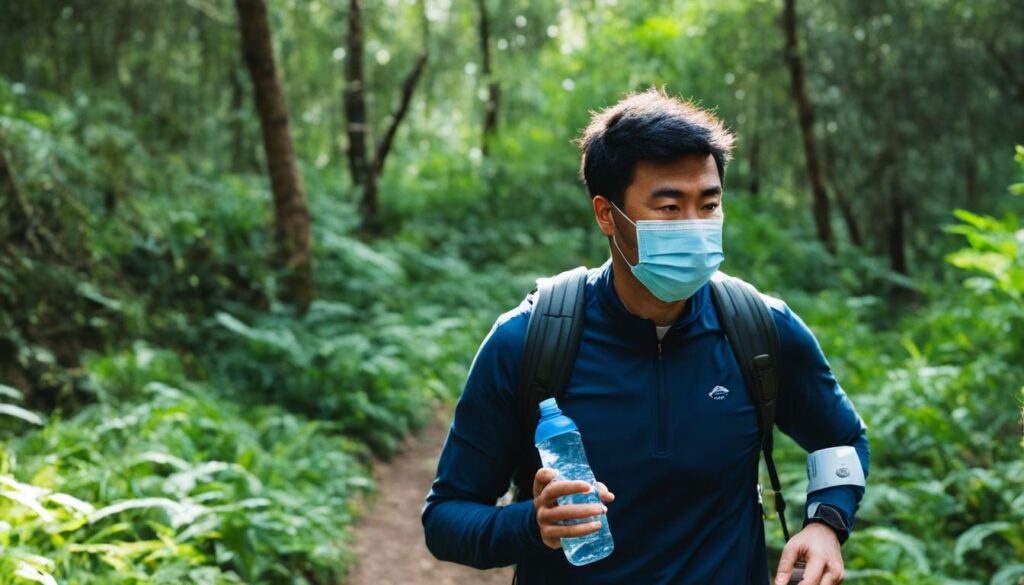
Remember to drink plenty of water and keep a water bottle with you when sightseeing or participating in activities. By prioritizing staying hydrated and drinking responsibly, you can minimize the risk of getting sick while traveling.

Rest and Relaxation on the Go
Traveling can be a tiring experience, and it is essential to prioritize rest and relaxation to stay healthy while on the go. Taking breaks, practicing deep breathing, and prioritizing self-care are all valuable techniques to stay energized throughout your trip.
One way to achieve relaxation is by taking breaks during long travel days. Sitting for long periods can lead to fatigue and discomfort. When possible, take a break from sitting and walk around to stretch your legs and get your blood circulating. Use breaks as an opportunity to explore your surroundings and take in some fresh air.
Deep breathing is another technique that can help calm your mind and reduce stress. Take slow, deep breaths while focusing on relaxing your body. Repeat as necessary throughout your trip to reduce travel-related stress and stay calm and centered.
Finally, prioritize self-care during your travels. This can mean different things to different people, but may include journaling, taking a relaxing bath, or indulging in a calming activity. By taking time for yourself, you can recharge your batteries and reduce the negative impact of travel stress on your body.
Rest and Relaxation Techniques:
| Technique | Description |
|---|---|
| Take Breaks | During long travel days, take breaks where possible to stretch your legs, breathe in fresh air, and explore your surroundings. |
| Practice Deep Breathing | Breathe in slowly and deeply, focusing on relaxing your mind and body. Repeat as necessary throughout your trip. |
| Prioritize Self-Care | Take time for yourself and engage in relaxing activities such as journaling, reading, or enjoying a calming bath. |
Conclusion
Now that you have learned about the essential strategies for staying healthy while traveling, you can confidently embark on your next adventure. Remember to plan ahead, prioritize your health, and take care of yourself both physically and mentally. By incorporating these travel wellness strategies, you can avoid getting sick and ensure a safe and enjoyable trip.


