

Support Local Food Producers While Traveling
If you’re looking to add more depth to your travel experiences, supporting local food producers is a great way to do it. Not only does this promote sustainable travel and support the local economy, but it also provides a deeper connection to the community and culture you’re traveling in. There are a variety of ways to enjoy local food, from farm-to-table dining experiences to visiting local farmers’ markets and participating in community-supported agriculture programs.
By prioritizing local food experiences, you’ll be able to explore the flavors and authenticity of a destination, while also supporting small-scale farmers and local agriculture. Whether you’re a foodie interested in culinary tourism or simply someone who wants to make ethical choices while traveling, there are plenty of opportunities to discover and taste local foods around the world.
Why Support Local Food Producers?
When you travel, supporting local food producers is crucial for promoting sustainable travel and benefiting the local economy, environment, and community. By choosing to consume food sourced from local farmers and producers, you directly contribute to the well-being of the community you are visiting. Here are some of the reasons why you should consider supporting local food producers while traveling:
| Reason | Explanation |
|---|---|
| Supporting Local Farmers | By purchasing food directly from local farmers, you help them earn a fair price for their products. This financial stability enables them to continue farming their land sustainably and providing high-quality products on an ongoing basis. |
| Protecting the Environment | Purchasing locally grown food contributes to environmental conservation. Local food producers typically follow sustainable farming practices that reduce the impact on the land and preserve natural resources like water, soil, and biodiversity. |
| Encouraging Culinary Diversity | When you try local foods, you expose yourself to new and exciting flavors that you might not have encountered otherwise. This promotes culinary diversity and helps preserve traditional food cultures. |
| Connecting with the Community | Engaging with local food producers, whether through visiting their farms or shopping at their markets, offers a unique opportunity to connect with the local community. This connection promotes understanding, cultural exchange, and a sense of place. |
By supporting local agriculture and food producers while traveling, you not only benefit the community in which you’re traveling but also promote the continuation of sustainable travel practices.
Benefits of Sustainable Travel
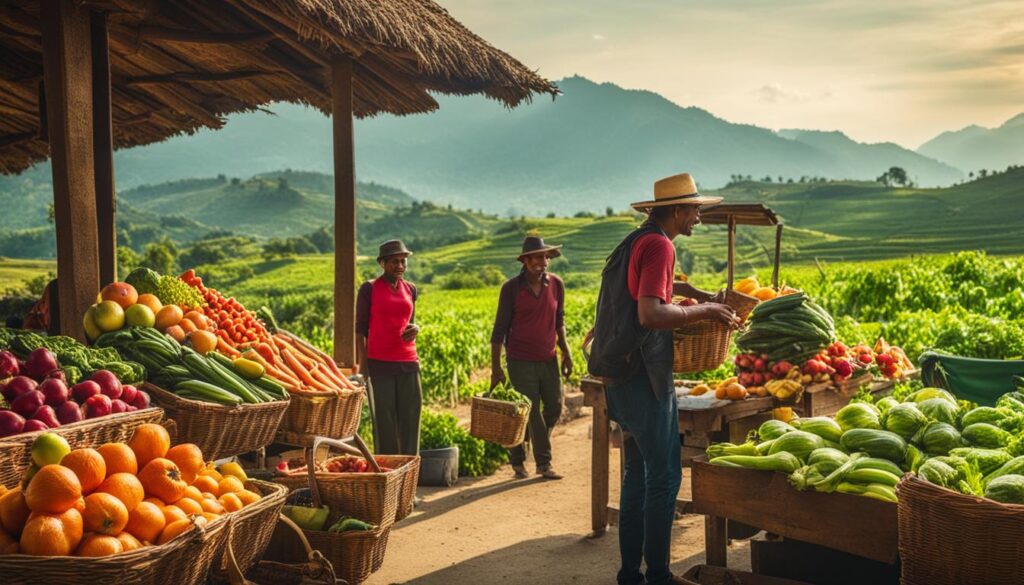
When it comes to supporting local food producers while traveling, sustainable travel practices play a crucial role. By reducing carbon emissions, minimizing waste, and preserving natural resources, sustainable travel helps create a better environment for local communities and the planet.
But sustainable travel is not just about reducing negative impacts. It also helps promote local food by supporting local farmers and agricultural producers. Choosing to eat locally sourced, farm-to-table food is not only good for the environment; it is also a way to experience local food traditions, flavors, and cultures.
Moreover, sustainable travel enables travelers to support local food systems by engaging in activities such as visiting local farms and orchards, shopping at farmer’s markets, or participating in community-supported agriculture programs. By connecting with local food producers, travelers can gain a deeper understanding of the culture and economy of their destination, while also contributing to its sustainable development.
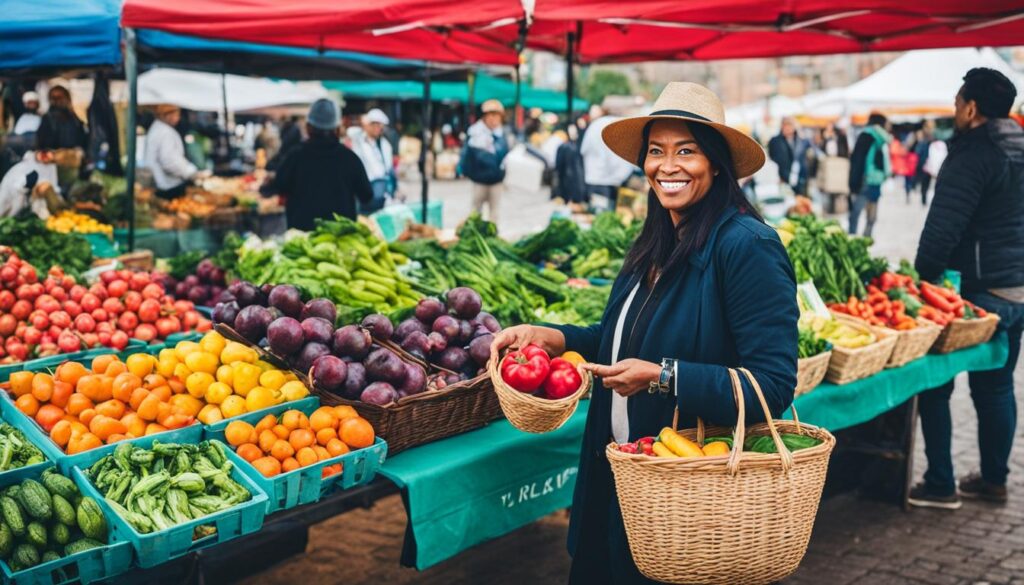
“Sustainable travel is not just better for the environment; it is also a way to experience local food traditions, flavors, and cultures.”
Farm-to-Table Travel and Local Food Experiences
Traveling is an excellent opportunity to savor new flavors and culinary traditions. One of the best ways to do this is by experiencing farm-to-table dining, a trend that has gained popularity in recent years. The concept of farm-to-table dining involves sourcing ingredients directly from local food producers and cooking them on-site.
Farm-to-table travel not only offers unique, authentic local food experiences, but it also supports local food producers and promotes sustainable travel. By connecting with local food producers, travelers can gain insight into the local food system and engage with the community. Furthermore, choosing farm-to-table restaurants supports local food producers and reduces the carbon footprint by cutting down on transportation and packaging waste.
Culinary tourism is closely linked to farm-to-table travel, with both concepts promoting the idea of supporting local food producers while traveling. The culinary tourism industry aims to provide authentic food experiences that showcase local cuisine and unique culinary traditions. By participating in culinary tourism, travelers can support local food producers, discover new ingredients, and learn about different cooking techniques.

Farm-to-Table Dining vs. Conventional Dining
| Criteria | Farm-to-Table Dining | Conventional Dining |
|---|---|---|
| Ingredient Sourcing | Sources ingredients directly from local food producers | May source ingredients from multiple suppliers, including global markets |
| Carbon Footprint | Reduces carbon footprint by cutting down on transportation and packaging waste | May contribute to carbon emissions through transportation and packaging waste |
| Community Engagement | Engages with local food producers and supports the local economy | May not have a direct connection to local food producers or support the local economy |
| Culinary Traditions | Highlights local culinary traditions and unique ingredients | May not prioritize local culinary traditions or feature unique ingredients |
By choosing farm-to-table travel and dining, travelers can support local food producers, promote sustainable travel, and savor unique culinary experiences. Whether it’s a farm-to-table restaurant or a local food market, exploring local food options while traveling is a great way to connect with the community and contribute to the local economy.
Exploring Local Farmer’s Markets
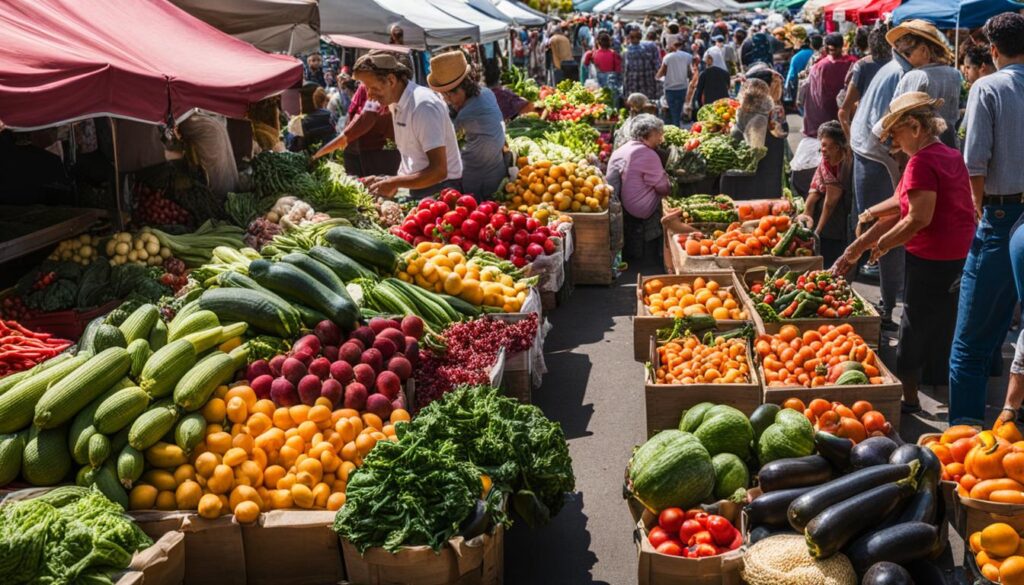
One of the best ways to support local food producers while traveling is to explore the local farmer’s markets. These markets not only provide access to fresh and seasonal produce but also offer a unique opportunity to engage with the local community and support small-scale farmers.
By shopping at farmer’s markets, you can help sustain local agriculture and promote food tourism. Additionally, you can taste local flavors and discover new ingredients to incorporate into your recipes at home.
When you visit a farmer’s market while traveling, you can experience the local culture and get a sense of the region’s culinary traditions. You may also be able to interact with the farmers and artisans who produce the food, allowing you to learn more about their practices and values.
The Benefits of Shopping at Farmer’s Markets
Farmers markets offer a range of benefits for travelers, including:
- Access to fresh and seasonal produce
- Engagement with the local community
- Supporting small-scale farmers
- Tasting local flavors
- Discovering new ingredients
- Experiencing the local culture
- Learning about sustainable food practices
If you’re interested in supporting local food producers while traveling, make sure to check out the farmer’s market in your destination. You’ll be able to stock up on fresh ingredients for meals and snacks during your trip, while also supporting the local community and promoting sustainable travel.
Participating in Community-Supported Agriculture (CSA)
As a sustainable traveler, one way you can support local food producers is by participating in Community-Supported Agriculture (CSA) programs. CSA programs allow consumers to purchase a share of a farm’s harvest, providing them with a regular supply of fresh, locally grown produce.
By joining a CSA program, you not only support local farmers, but also reduce the carbon footprint associated with transporting food long distances. Additionally, CSA programs often promote sustainable farming practices that benefit the environment and the local community.
To find CSA programs in your travel destination, check online directories or visit local farmer’s markets for recommendations.
Visiting Local Farms and Orchards
One of the best ways to support local food producers while traveling is by visiting nearby farms and orchards. This type of experience not only gives you a chance to connect directly with local food producers but also allows you to learn about sustainable farming practices and enjoy farm-fresh products.
By visiting local farms and orchards, you can witness firsthand the hard work and dedication that goes into producing sustainable, healthy food. You may even get the chance to participate in activities such as picking your fruit, milking cows, or making cheese.
These types of visits also promote sustainable travel and help you reduce your carbon footprint. By buying directly from the source, you reduce the amount of transportation and packaging involved in food production and distribution, which helps protect the environment.

Furthermore, visiting local farms and orchards allows you to sample fresh and seasonal produce, which is an integral part of travel and local food experiences. You can taste the difference between fresh-picked produce and mass-produced, transported items sold in grocery stores.
To find local farms and orchards, check out the websites for your destination’s tourism boards, search online for “local farms near me,” or ask the locals for recommendations.
Embracing Local Food in Restaurants and Cafes
When traveling, dining out is often a highlight of the experience. By choosing restaurants and cafes that prioritize local ingredients and support local food producers, you can make a positive impact on the local economy and community. Embrace the local food culture and support farmers and artisans by enjoying farm-to-table cuisine and culinary tourism experiences.
By supporting local agriculture and food producers, you can contribute to sustainable travel practices and reduce your carbon footprint. Local ingredients are typically fresher, resulting in healthier and tastier dishes, and you can also feel good knowing that you are supporting small-scale, independent farmers and producers.
Look for menus that heavily feature local ingredients and don’t be afraid to ask the server or chef where the food comes from. This way, you can ensure that the ingredients are sourced locally and that your dining experience aligns with your values.
Local Food in Action: Table of Farm-to-Table Restaurants and Cafes
| Name | Location | Features |
|---|---|---|
| Seviche | Louisville, Kentucky | Farm-to-table dishes using local ingredients |
| Momotaro | Chicago, Illinois | Japanese cuisine with locally sourced ingredients |
| Providence | Los Angeles, California | Seafood-focused menu featuring local fish and produce |
| Blue Hill at Stone Barns | Pocantico Hills, New York | Farm-to-table cuisine sourced from on-site farm and other local farms |
These are just a few examples of restaurants and cafes that prioritize local food and support local food producers. By choosing to dine at these establishments, you can enjoy delicious cuisine while supporting a sustainable food system and local economy.
Engaging in Food Tourism Events and Festivals
One of the best ways to support local food producers while traveling is by attending food tourism events and festivals. These events showcase the unique cuisine and local food experiences of a destination while promoting and supporting local farmers and artisans.
Food tourism events and festivals allow you to immerse yourself in the local food culture and connect with the community. You can sample traditional dishes, attend cooking demonstrations, and participate in other culinary activities that highlight the region’s flavors and ingredients.
Attending these events also helps to support local agriculture by creating a demand for locally sourced ingredients. Moreover, by purchasing food directly from local vendors, you are supporting their businesses and contributing to the local economy.
Food tourism events and festivals cater to a wide range of tastes, from street food fairs to high-end culinary events. Some popular food tourism events include:
| Event | Description | Location |
|---|---|---|
| Celebration of Local Cuisine | A festival that highlights the best local food and drink | San Francisco, California |
| Farm-to-Table Experience | A guided tour of local farms followed by a farm-to-table dinner | Boulder, Colorado |
| Wine and Food Festival | A showcase event featuring local wineries and restaurants | Nashville, Tennessee |
Conclusion
In conclusion, supporting local food producers while traveling is a vital aspect of sustainable travel that benefits both the environment and local communities. By choosing to buy from local food producers, you are contributing to the local economy, preserving natural resources, and supporting small-scale farmers and agriculture.
Throughout your travels, make an effort to embrace local food experiences such as farm-to-table dining, exploring farmer’s markets, participating in community-supported agriculture, visiting local farms and orchards, and engaging in food tourism events and festivals. By doing so, you can gain a deeper understanding and appreciation of the local culture and contribute positively to the places you visit.
Remember, as a traveler, you have the power to make conscientious choices that have a lasting impact. So, prioritize supporting local food producers while traveling and make a difference in the places you explore!


