

Foraging and Wild Food Experiences in the US Wilderness
Do you love exploring the great outdoors? Do you have a passion for discovering new foods and flavors? If so, you’re in luck. Foraging and wild food experiences in the US wilderness offer an incredible opportunity to connect with nature and discover the hidden treasures of the natural world.
Imagine embarking on a journey through the vast wilderness of the United States, where you can explore the beauty of untouched landscapes and forage for wild-grown edible plants and fruits. The experience is rewarding, exciting, and educational. It’s a chance to discover nature in a whole new way and to appreciate the bounty that the earth has to offer.
In this article, we’ll explore the many facets of foraging and wild food experiences in the US wilderness. From the benefits of attending foraging workshops to a comprehensive guide to identifying edible plants, we’ll cover everything you need to know to get started on your own foraging adventure.
Discover the Riches of Nature with Foraging Workshops
Embrace the Art of Wild Food Foraging with Expert Guidance
Attending foraging workshops provides an excellent opportunity to hone your skills in the art of wild food foraging. Not only do these workshops teach you about identifying edible plants and mushrooms, but they also help you understand the ecological impact of foraging and how to harvest sustainably.
Wild food foraging can be a challenging and time-intensive activity, but with knowledgeable guides, you can develop a keen eye for spotting edible plants and mushrooms. These expert instructors will also help you navigate the potential hazards of foraging, ensuring your safety while exploring the wilderness.
Valuable Tips for Successful Foraging
In a foraging workshop, you will not only learn about different edible plants and mushrooms but also specific foraging tips. These tips can include how to find the best spots for foraging, how to prepare and cook wild foods, and how to preserve them for future use.
Pro Tip: Be sure to bring along a notebook to jot down valuable tips and tricks provided by instructors during the workshop!
The Value of Foraging Workshops
Not only do foraging workshops provide valuable knowledge and skills, but they also allow you to connect with other like-minded individuals who share a passion for nature and wild foods. Additionally, these workshops often take place in beautiful natural settings, providing a relaxing and rejuvenating atmosphere.

By attending foraging workshops, you can enhance your knowledge and understanding of wild food foraging while forging new connections and enjoying the beauty of the natural world. Don’t miss out on this invaluable opportunity!
Identifying Edible Plants: A Guide to the Wild
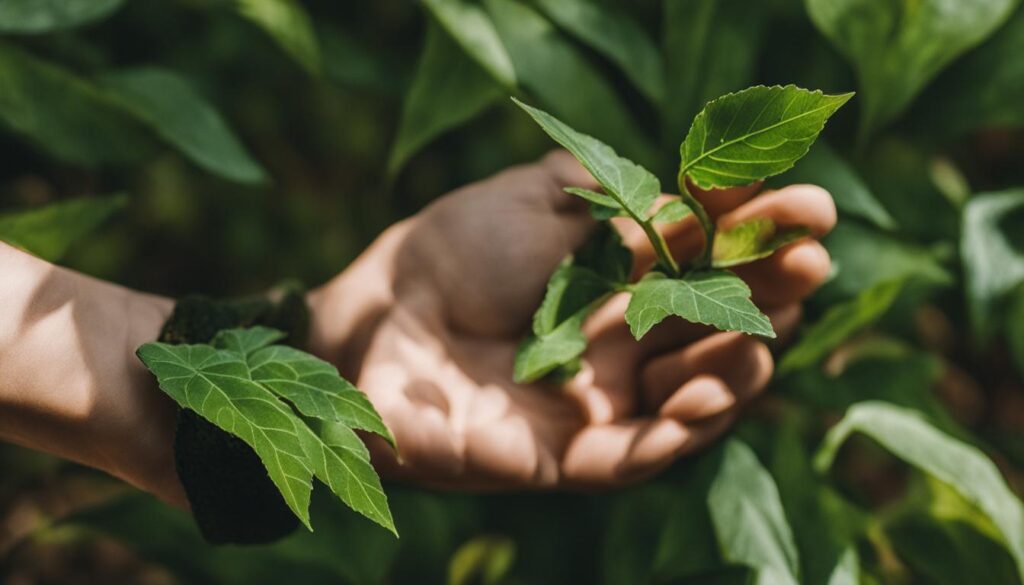
Foraging for wild food can be a rewarding experience, but it’s important to know which plants are safe to eat. Learning to identify edible plants is crucial when venturing into the wilderness. Here is a comprehensive guide to help you recognize various edible plants:
| Plant | Characteristics | Edibility |
|---|---|---|
| Dandelion | Yellow flowers and jagged leaves | Leaves and flowers are edible raw or cooked |
| Wild strawberry | Small white flowers and red fruit | Fruit is edible raw or cooked |
| Chickweed | Small white flowers and egg-shaped leaves | Leaves and stems are edible raw or cooked |
It’s important to note that some edible plants may have toxic lookalikes, so it’s crucial to be certain of the plant’s identity before consuming it. When foraging, always double-check the plant against a reliable wild food guide.
By familiarizing yourself with edible plants in the wild, you can enhance your foraging experience and discover a new world of natural flavors and nutrients.
Harvesting and Sustainable Practices for Wild Foods
Harvesting wild foods can be a thrilling experience, but it’s important to remember that foraging should be done responsibly. By following sustainable foraging practices, you can ensure that you aren’t harming the environment and are preserving natural resources for future generations.
Here are some tips for harvesting wild foods:
- Always obtain necessary permits or permissions before harvesting in private or protected lands
- Never take more than you need
- Harvest only from abundant populations of plants, leaving enough to allow for regeneration and regrowth
- Be careful not to harvest endangered or threatened species
- Use appropriate tools for harvesting, such as shears or scissors, to avoid damage to plants and their habitat
- Respect the natural environment, leave no trace, and avoid disruption or destruction of the natural habitat
Following these guidelines will ensure that you can continue to enjoy the benefits of foraging while fostering a sustainable relationship with the environment around you.
Wild Foods Sustainability Table
| Wild Food | Sustainable Harvesting Practices |
|---|---|
| Blackberries | Harvest only ripe berries, avoid taking unripe or moldy fruit. Leave some berries for wildlife. |
| Chanterelle Mushrooms | Harvest by hand, avoiding digging. Cut mushrooms instead of pulling. Leave some behind to allow for re-growth. |
| Dandelion Greens | Only harvest leaves from mature plants, leaving immature plants to continue growing. Harvest only from areas free of contamination by pollutants. |
| Seaweed | Harvest only small amounts from different areas to avoid over-harvesting and harming the ecosystem. Avoid harvesting during breeding times. |
Urban Foraging: Unearthing Nature in the City
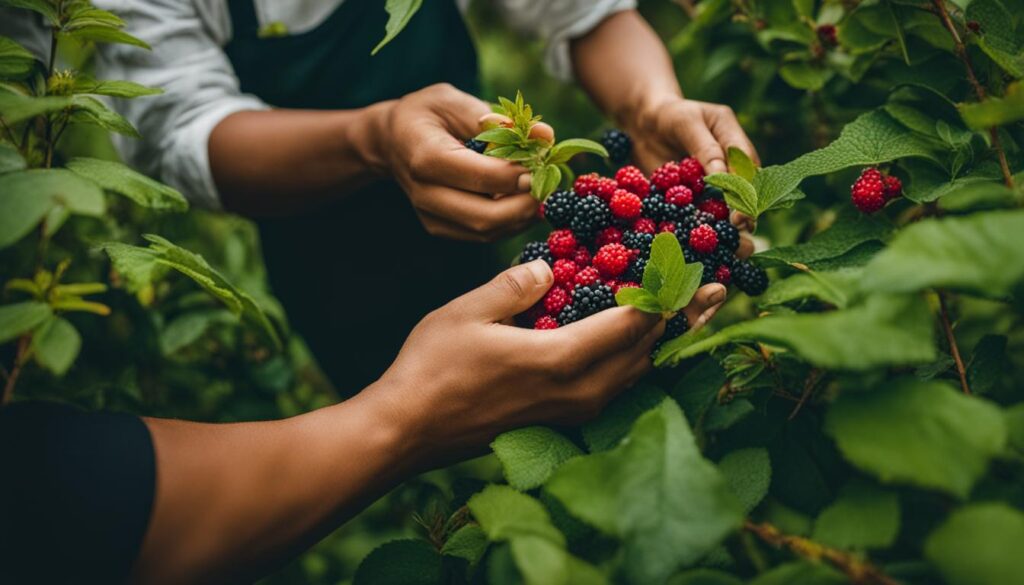
Who says you need to escape to the wilderness to experience the benefits of foraging? Urban foraging allows you to explore the abundance of wild food and edible plants in your own city! Many cities have ample green spaces, parks, and community gardens where you can discover a variety of wild edibles.
Urban foraging presents unique opportunities and challenges. While you may not find the same variety of plants and mushrooms as you would in the wilderness, you can still discover delicious and nutritious options. Some of the most common urban forages include dandelion greens, elderberries, blackberries, and rose hips.
One of the biggest challenges of urban foraging is finding safe and hygienic areas to forage. You should always avoid areas that have been treated with pesticides or chemicals, and be mindful of pet waste and pollution. Seek out community gardens and urban farms where your foraged finds are likely to be safe to eat.
Urban foraging is a great way to connect with nature and discover new flavors and textures. It is also an opportunity to reduce your environmental impact by choosing locally sourced, sustainable foods. So put on your walking shoes, grab a basket and head out to explore the wild side of your city!
Wild Food Recipes: Bringing Nature to Your Plate
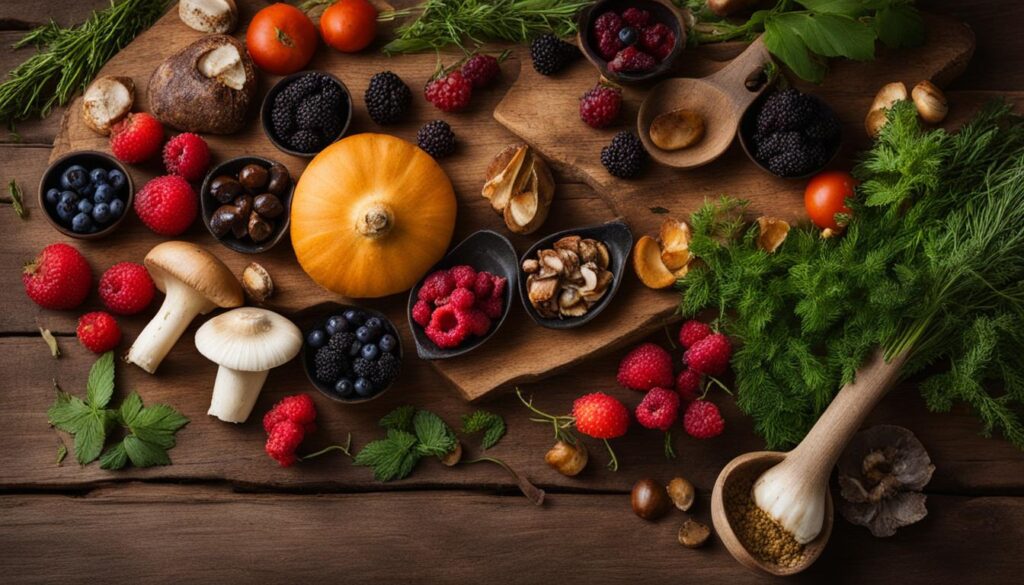
Exploring the wilderness for edible plants and wildcrafted foods can be an exciting experience, but the true reward comes from using these ingredients to create unique and delicious meals. When you cook with foraged ingredients, you bring a piece of nature to your plate, connecting with the environment and embracing a more sustainable lifestyle. Here are some creative wild food recipes that you can try at home:
Elderflower Fritters
| Ingredients | Instructions |
|---|---|
|
|
These elderflower fritters are a popular treat during elderflower season, and they’re surprisingly easy to make. The flowers add a light, floral flavor to the batter, and the crisp finish pairs perfectly with a drizzle of honey.
Dandelion Pesto
| Ingredients | Instructions |
|---|---|
|
|
This dandelion pesto is a twist on a classic favorite, using dandelion greens instead of traditional basil. The bitter undertones of the greens blend perfectly with the garlic and olive oil, creating a versatile spread that can be used in a variety of dishes.
Blackberry and Nettle Cordial
| Ingredients | Instructions |
|---|---|
|
|
This blackberry and nettle cordial is a refreshing drink that’s perfect for hot summer days. The tangy taste of blackberries is offset by the sting of stinging nettles, creating a balance of flavors that’s truly unique. Use it as a mixer for cocktails or serve it on its own for a delicious non-alcoholic option.
The Health Benefits of Wildcrafted Food
Wildcrafted foods are those that are gathered from the wild, rather than cultivated in a farm or garden. In recent years, there has been a growing interest in wildcrafted food due to its unique taste, nutritional value, and potential medicinal properties.
Wildcrafted food is a rich source of nutrients and antioxidants that are essential for maintaining good health. Unlike commercially grown vegetables and fruits, wildcrafted foods are not subjected to pesticides or other harmful chemicals, which can reduce their nutritional value. For instance, wild berries are known to have a higher antioxidant and vitamin content than their cultivated counterparts.
Moreover, wildcrafted foods are often richer in flavor than commercially grown foods. This is because they are exposed to the natural elements and have to fight for survival, resulting in a more robust taste. For example, wild-caught fish and game meat have a stronger flavor than their farmed counterparts.
Some wildcrafted foods are also believed to have medicinal properties that can help prevent or treat certain health conditions. For instance, wild herbs and mushrooms are known to have antibacterial, anti-inflammatory, and immune-boosting properties. Many of these foods have been used for centuries in traditional medicine and are still used today to supplement modern medical treatments.
Here are some examples of wildcrafted foods and their potential health benefits:
| Wildcrafted Food | Potential Health Benefits |
|---|---|
| Wild berries (blueberries, raspberries, blackberries) | High in antioxidants and vitamins, may help prevent cancer, heart disease, and cognitive decline |
| Wild-caught fish (salmon, trout, mackerel) | High in omega-3 fatty acids, may help reduce inflammation, lower the risk of heart disease, and improve brain function |
| Wild mushrooms (chanterelles, morels, oyster mushrooms) | Antibacterial, anti-inflammatory, and immune-boosting properties, may help prevent cancer and improve digestion |
| Edible wild greens (dandelion greens, chickweed, purslane) | High in vitamins and minerals, may help improve digestion, lower cholesterol, and boost the immune system |
However, it is important to note that not all wildcrafted foods are safe to eat, and proper identification is crucial to avoid consuming toxic plants or mushrooms. If you are new to foraging, it is recommended to attend a foraging workshop or consult a knowledgeable local expert.
Foraging Safety: Precautions and Potential Hazards
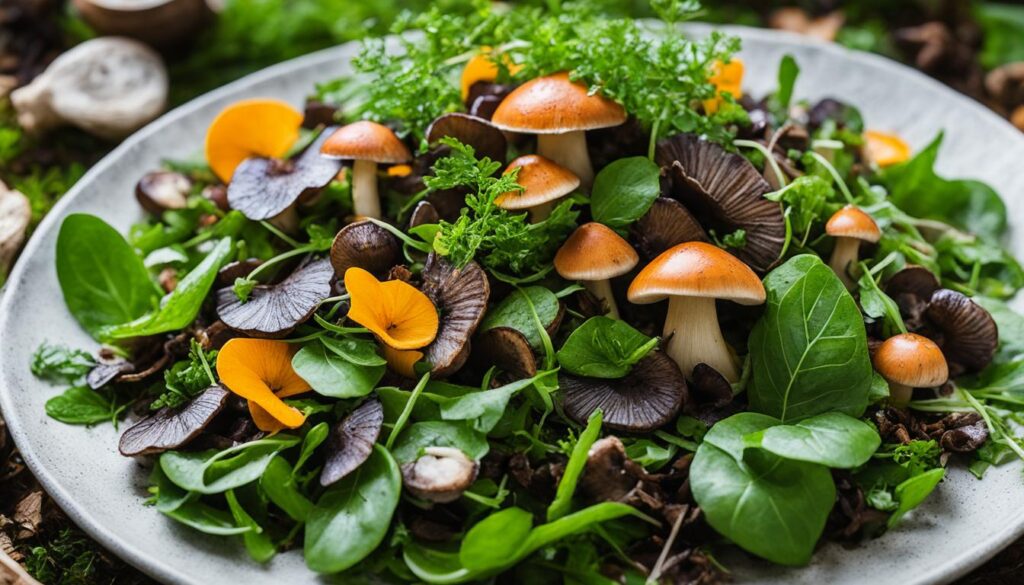
Foraging for wild foods in the US wilderness can be a rewarding and exciting experience, but it is essential to prioritize safety. Knowing the potential hazards and taking necessary precautions can prevent accidents and ensure an enjoyable foraging trip.
Here are some tips to keep in mind while foraging:
- Always research the plants and fungi you plan to harvest and eat. Identifying edible plants correctly is crucial as some can be poisonous or even deadly.
- Carry the necessary equipment, such as a map, compass, and first aid kit.
- Dress appropriately, wear comfortable hiking shoes, and bring weather-appropriate clothing.
- Stay on established trails and avoid steep and unstable terrain.
- Bring enough food and water, as well as extra supplies in case of an emergency.
- Be aware of your surroundings and any potential wildlife hazards, such as venomous snakes or bears.
- Use a good bug repellent to avoid insect bites.
By following these safety precautions, you can decrease your risk of accidents and make your foraging experience a success.
However, there are still some potential hazards to keep in mind while foraging:
| Potential Hazards | Precautions |
|---|---|
| Poisonous plants | Research and identify plants prior to harvesting. |
| Wildlife encounters | Be aware of dangers, such as venomous snakes and bears. Bring a bear spray and know how to use it. |
| Terrain hazards | Be aware of steep, unstable, or slippery terrain. |
| Weather conditions | Always check the weather before heading out and dress appropriately. |
By understanding the hazards and following the precautions, you can forage safely and enjoy the rich rewards of nature’s bounty.
Exploring Different US Wilderness Regions for Foraging
Are you ready to explore the bountiful wilds of the United States and uncover some of the most amazing wild foods that nature has to offer? Here are some of the most exciting US wilderness regions to begin your foraging adventure:
| Region | Location | Notable Wild Foods |
|---|---|---|
| Rocky Mountains | Colorado, Wyoming, Montana, Idaho, New Mexico | Wild berries, mushrooms, foraged greens |
| Great Lakes | Minnesota, Michigan, Wisconsin, Illinois | Fiddleheads, berries, wild rice, fish |
| Appalachian Mountains | Tennessee, North Carolina, Virginia, West Virginia | Wild ramps, mushrooms, blackberries, pawpaws |
| Pacific Northwest | Oregon, Washington, northern California | Salmon, huckleberries, chanterelle mushrooms, wild berries |
| Southwest Desert | Arizona, New Mexico, southern California, Texas | Prickly pear cactus fruit, saguaro cactus fruit, mesquite beans |
Make sure to research local regulations and consult with knowledgeable foragers before beginning your foraging journey in any new region. With the right preparation and care, you can embark on a truly rewarding foraging adventure in any of these incredible US wilderness regions.
Connecting with Nature through Foraging: The Emotional Benefits
Foraging is more than just a means of sourcing food from nature. It offers emotional benefits that lead to a deeper connection with the natural world. When you embark on a foraging excursion, you tap into your primal instinct for survival and reconnect with the land. This connection provides a sense of fulfillment and satisfaction that can’t be matched by any store-bought goods.
One of the main emotional benefits of foraging is the feeling of accomplishment that comes from finding and harvesting wild foods. Whether you’re an experienced forager or a novice, discovering new plants and fungi in the wilderness can be a thrilling experience. The act of finding food in nature instills a sense of pride and self-sufficiency that is hard to find in modern society.
Foraging also has a meditative quality that allows you to disconnect from the hustle and bustle of daily life. The slow and deliberate process of scanning the forest floor, identifying edible plants, and carefully harvesting them can be incredibly calming. The act of foraging provides a natural form of mindfulness that allows you to be completely present in the moment.
Moreover, foraging empowers you to make a direct connection between what you eat and where it comes from. This is a powerful way to understand and appreciate the natural world. You begin to see the interconnectedness of all things in nature, and you develop a deep respect for the environment and its inhabitants.
Overall, foraging can be a transformative experience that connects you with nature and provides emotional benefits that are hard to come by in our fast-paced world. So why not give it a try? Head outdoors, connect with the land, and enjoy the emotional benefits that foraging has to offer.
Foraging and Wild Food Experiences: A Sustainable Lifestyle
Foraging and wild food experiences can be much more than just a hobby. Engaging in these practices can contribute to the development of a sustainable lifestyle, in which individuals have greater control over the food they consume as well as its environmental impact.
Reducing Reliance on Commercial Food Sources
Foraging allows you to incorporate fresh, locally-sourced foods into your diet, reducing your dependence on commercial food sources that may use environmentally harmful practices or have high carbon footprints.
By foraging for wild edibles, you are also supporting the preservation of natural areas, as well as the conservation of traditional knowledge and practices. Additionally, foraging is a sustainable means of obtaining food as it does not require the resources needed for conventional agricultural practices such as tilling, fertilizing, or irrigating.
Exploring Your Local Environment
Engaging in foraging and wild food experiences also provides the opportunity to develop a deeper connection with your local environment. By exploring the wilderness areas around you, you can gain a better understanding of the ecosystems, flora, and fauna that make up your natural surroundings.
Through this exploration, you may also come into contact with other like-minded individuals, creating a sense of community around shared values and practices.
The Case for Sustainability
It is important to recognize the role that foraging and wild food experiences can play in creating a more sustainable future. As we work to reduce our ecological footprint and develop more sustainable food systems, incorporating practices like foraging into our daily lives becomes increasingly important.
Ultimately, embracing foraging and wild food experiences can be a powerful step towards creating a healthier, more resilient, and more sustainable world for all.
Conclusion
Exploring the world of foraging and wild food experiences in the US wilderness offers a variety of benefits. Not only do these activities provide unique and rewarding ways to connect with nature, but they can also lead to a more sustainable and fulfilling lifestyle. By attending foraging workshops, learning to identify edible plants, and practicing responsible harvesting techniques, you can gain valuable knowledge and skills while preserving natural resources.
Whether you’re interested in urban foraging or exploring different wilderness regions, there are endless possibilities for discovering the riches of nature through foraging. And with the added bonus of creating delicious and nutritious meals with foraged ingredients, you can enjoy the health benefits of wildcrafted food while reducing your reliance on commercial food sources.
Overall, foraging and wild food experiences offer a unique way to connect with the natural world and embrace a more sustainable lifestyle. So why not grab a basket and head out into the wilderness to see what edible treasures you can find?


