Hyrax Hill Prehistoric Site: Explore Kenya’s Ancient Wonders
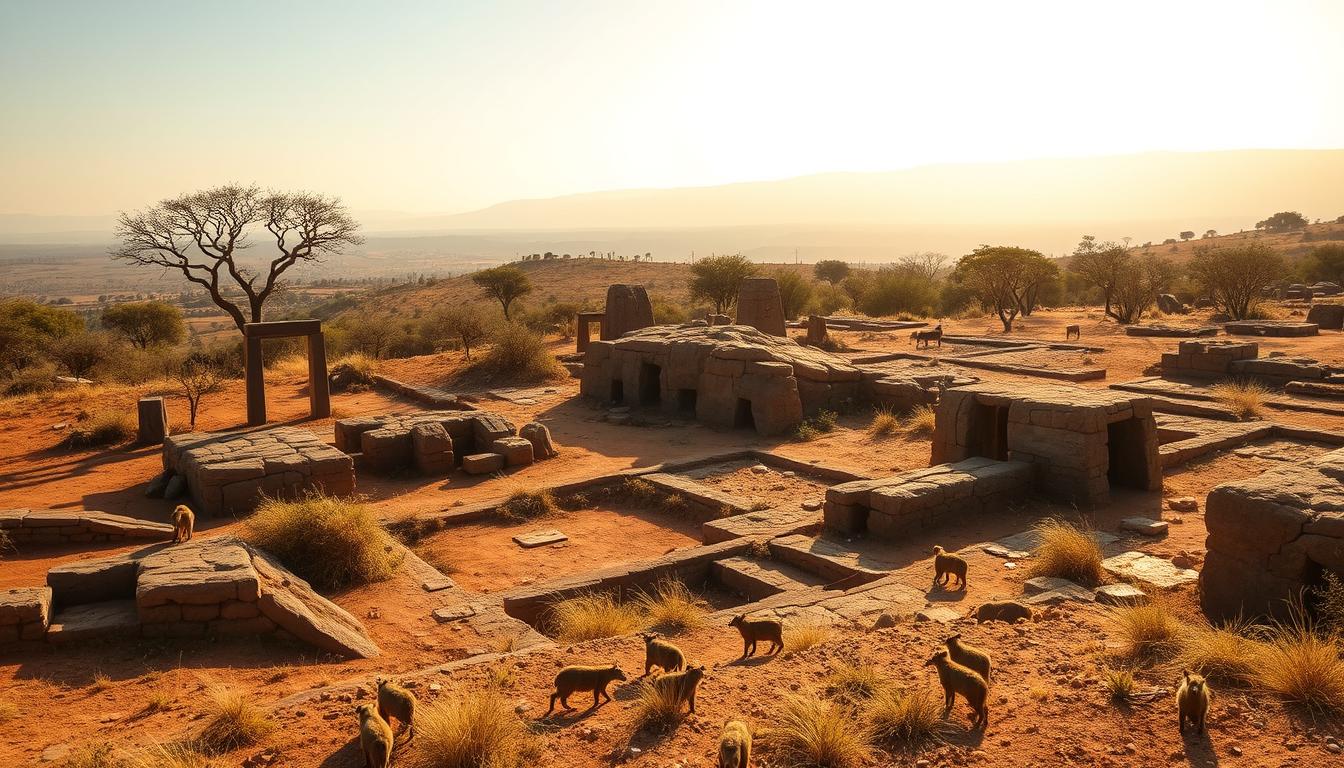
Ever wondered what secrets Africa’s ancient landscapes hold? The Hyrax Hill prehistoric site is a key spot that shows Kenya’s rich history.
This archaeological site is famous for its well-kept ruins and artifacts. They give us a peek into the lives of ancient people who lived there. Exploring Hyrax Hill helps us see why keeping Kenya history alive is crucial for the future.
Discovering Hyrax Hill’s secrets lets us understand its cultural and historical value. It’s a journey into the past that enriches our knowledge today.
The Ancient Heritage of Hyrax Hill
Hyrax Hill is a key piece of Africa’s early human history. It gives us a peek into the lives of ancient people. Exploring this site lets us see how early civilizations lived.
First Glimpses into the Kenyan Prehistoric Past
Discoveries at Hyrax Hill go back to around 3000 BC. These finds help us understand the culture and ways of life of ancient Kenyans.
The Significance of Hyrax Hill in African Archaeology
Hyrax Hill is vital for learning about human history in Africa. The research done here has greatly helped African archaeology. It shows us the early days of human societies.
Learning about Hyrax Hill’s history shows its big role in African history. It’s a key place for those studying human settlement and culture in the area.
The Discovery and Excavation History
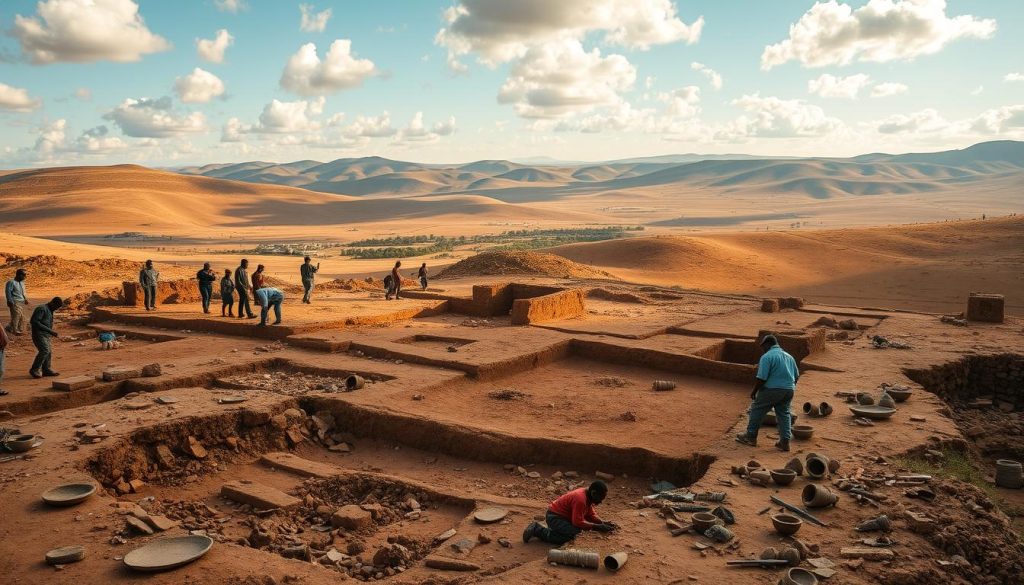
Exploring Hyrax Hill’s history reveals key moments and figures that have shaped our knowledge of this ancient site. The first excavation happened in 1926 by L.S.B. Leakey. This started a long journey of archaeological study.
Early Archaeological Expeditions
L.S.B. Leakey’s 1926 excavation was followed by Mary Leakey’s work in 1937. These early digs were vital in showing Hyrax Hill’s importance in Kenyan history.
Key Researchers and Their Contributions
The Leakey family was crucial in Hyrax Hill’s research. Mary Leakey’s contributions were key, building on L.S.B. Leakey’s work.
Mary Leakey’s Influence on Hyrax Hill Research
Mary Leakey’s 1937 digs greatly expanded our knowledge of the site. Her detailed excavation and documentation raised the bar for research in the area.
The discoveries at Hyrax Hill have greatly influenced our understanding of its history. Today, it remains a key site for archaeological research and historical preservation.
Geographical Setting and Natural Environment
Hyrax Hill is in a stunning area of natural beauty and diversity. It’s near Nakuru, Kenya. This site is known for its unique landscape and its close location to Lake Nakuru.
Location and Topography
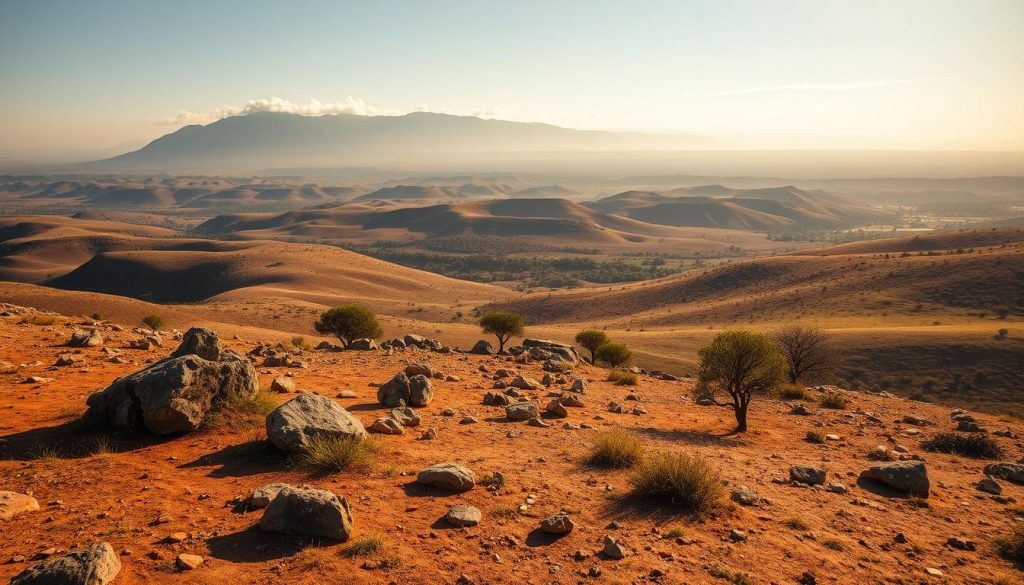
Hyrax Hill is in the Rift Valley. This area is famous for its geological and ecological importance. The site’s landscape is gentle and flat, perfect for digging into the past.
Climate and Ecological Context
The climate here is mild. The area around Hyrax Hill is full of plants and animals. This environment has greatly influenced the site’s history and preserved its cultural treasures.
The Significance of Lake Nakuru Proximity
Being close to Lake Nakuru has a big impact on Hyrax Hill. The lake is famous for its flamingos and wide range of wildlife. It has been a key resource for both the ancient people and today’s visitors.
Timeline of Human Occupation at Hyrax Hill
The history of Hyrax Hill is a captivating tale that covers many eras, from the Neolithic to the Iron Age. As you wander through this ancient site, you’ll discover the early human settlements in the area.
Neolithic Period Settlements (8000-3000 BCE)
In the Neolithic era, Hyrax Hill was a home to early farmers. These settlers introduced new technologies and ways of living. Archaeologists found signs of subsistence farming, where they grew crops and raised animals.
Iron Age Communities (1000 BCE-1000 CE)
The Iron Age brought new communities to Hyrax Hill, marked by iron tools and complex societies. These people were more advanced, with trade networks that reached far beyond their local area.
Evidence of Cultural Transitions
The shift from the Neolithic to the Iron Age at Hyrax Hill was significant. Archaeologists have uncovered changes in material culture, like pottery and tools.
| Period | Characteristics | Significant Findings |
|---|---|---|
| Neolithic (8000-3000 BCE) | Early farming communities, subsistence farming | Evidence of crop cultivation and livestock |
| Iron Age (1000 BCE-1000 CE) | Use of iron tools, complex societal structures | Iron tools, trade networks, advanced pottery |
Learning about Hyrax Hill’s history gives us a glimpse into our ancestors’ lives. It shows how early human societies in Kenya evolved. The site’s rich heritage highlights its importance in human history.
Exploring the Hyrax Hill Prehistoric Site
Researchers have learned a lot from the Hyrax Hill Prehistoric Site. Thisarchaeological site shows us how ancient communities lived. You’ll find many features that tell us about their lives.
Main Archaeological Features
The site has importantarchaeological features like old settlements and burial grounds. Excavations have found manyprehistoric artifacts. These artifacts give us a peek into the daily lives and traditions of the people who lived there.
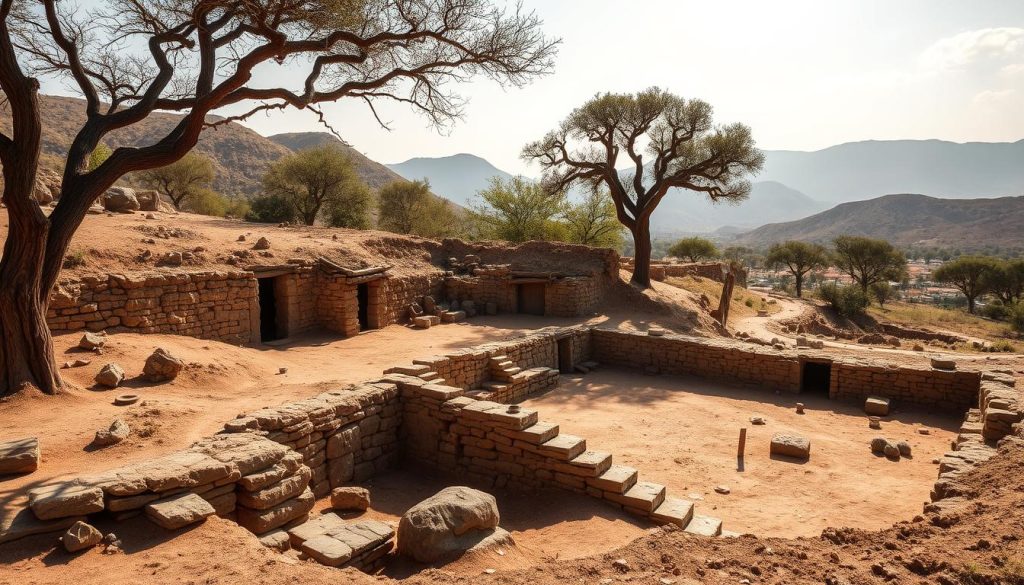
Tools and implements found during theexcavation findings show us their technology and how they survived. It’s a window into their world.
Burial Mounds and Their Significance
The Hyrax Hill Prehistoric Site is famous for itsburial mounds. These mounds help us understand the funeral practices and beliefs of ancient communities.
Funeral Practices and Belief Systems
Theburial moundsat Hyrax Hill reveal how ancient people buried their dead. Theartifacts found with the deceased tell us about their beliefs and traditions. For example, certain items suggest they believed in an afterlife.
Studying these burial practices shows us the complexity of ancient societies. It also makes Hyrax Hill akey archaeological sitefor understanding prehistoric cultures.
Artifacts and Material Culture
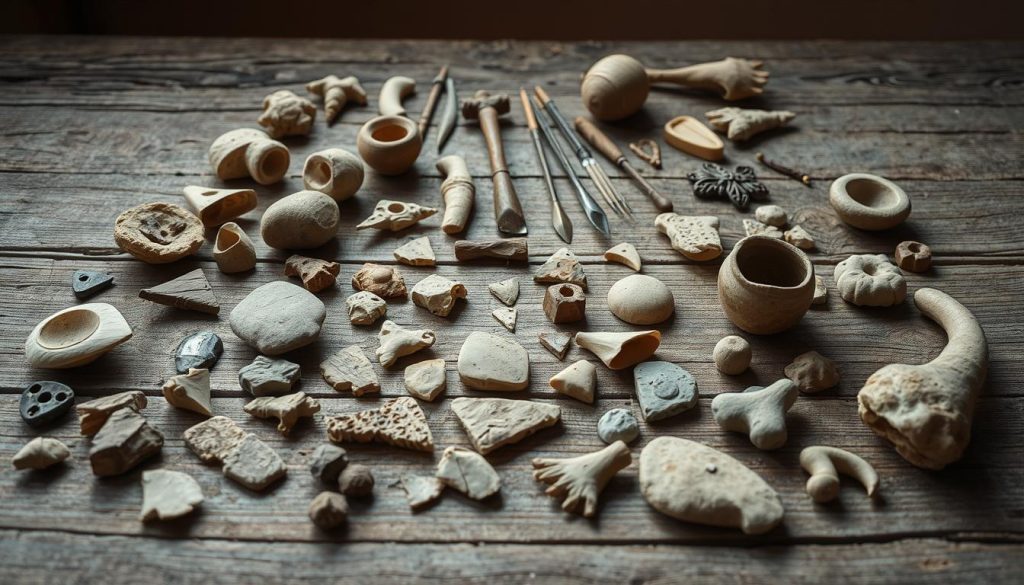
Hyrax Hill has given us many prehistoric artifacts like stone tools, pottery, and ornaments. These items help us understand the early humans’ technology and culture. By studying them, we learn about the ancient civilizations’ ways of life.
Stone Tools and Implements
At Hyrax Hill, archaeologists found stone tools like scrapers, arrowheads, and knives. These tools were crucial for the daily needs of the early people. They show how resourceful and adaptable our ancestors were.
Pottery and Ceramic Findings
The pottery from Hyrax Hill shows the ancient people’s ceramic skills. The designs and shapes of these pieces reveal their craftsmanship. They also hint at the cultural exchanges of that time.
Ornamental and Ritual Objects
Among the finds are ornamental and ritual objects, like beads and personal adornments. These items suggest a complex social and spiritual life. They highlight the importance of material culture in understanding ancient societies.
| Artifact Type | Description | Significance |
|---|---|---|
| Stone Tools | Scrapers, arrowheads, knives | Essential for daily life, showing resourcefulness |
| Pottery | Various designs and shapes | Indicates craftsmanship and cultural exchange |
| Ornamental Objects | Beads, personal adornments | Suggests complex social and spiritual life |
Daily Life of Ancient Hyrax Hill Inhabitants
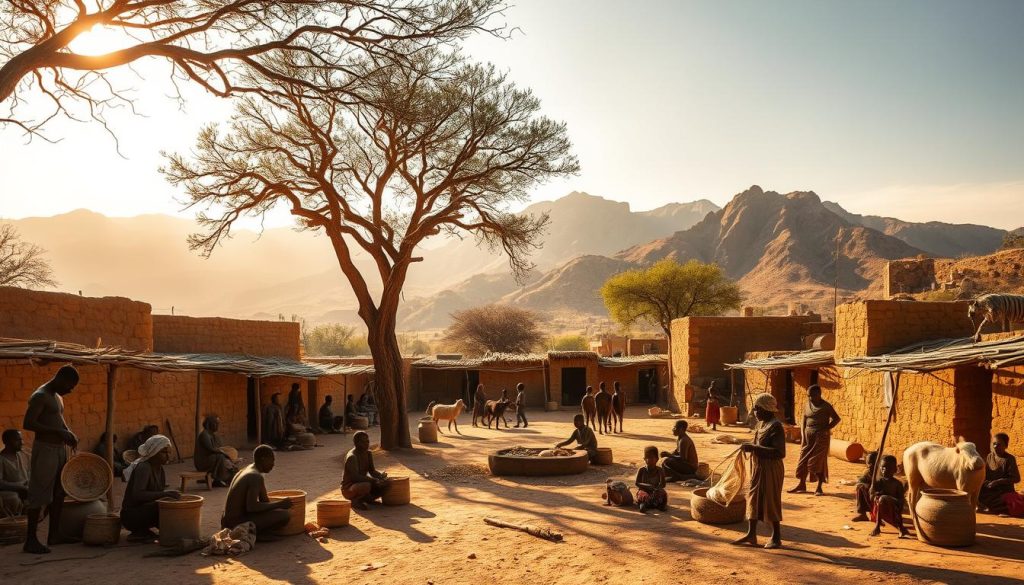
Exploring Hyrax Hill’s ancient ruins gives us a peek into their daily lives. Archaeology shows a complex society with smart ways to find food, social groups, and trade networks.
Subsistence Strategies and Food Sources
The people of Hyrax Hill hunted, gathered, and farmed. They were close to Lake Nakuru, which gave them plenty of food. They grew crops and raised animals, showing they had a varied diet.
Social Organization and Community Structure
The community at Hyrax Hill was based on family and shared living. Archaeology shows they worked together well. They had communal graves, showing a strong community bond and shared traditions.
Trade Networks and External Relations
Hyrax Hill was connected to a wider trade and cultural exchange network. Archaeologists found items from far away, showing wide trade networks. This exchange brought goods, ideas, and cultural practices.
An archaeologist said, “Finding non-local items at Hyrax Hill shows its key role in East Africa’s ancient trade.” This shows how important Hyrax Hill is for understanding the area’s cultural heritage.
The Hyrax Hill Museum
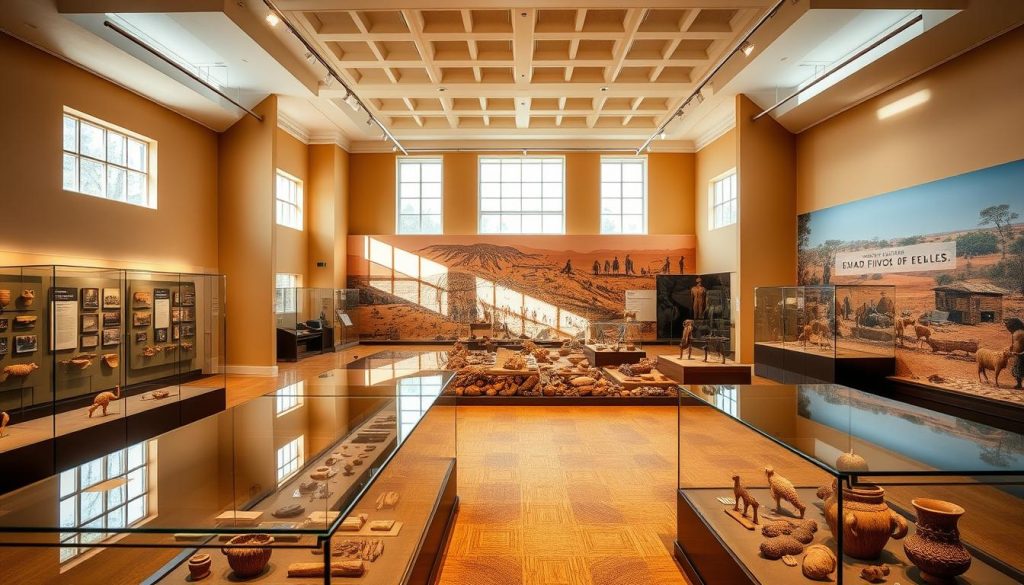
The Hyrax Hill Museum is a great place to learn about ancient lives. It’s a key spot for understanding the area’s history and culture.
Exhibition Highlights and Collections
The museum has many artifacts from Hyrax Hill. You can see stone tools, pottery, and ritual objects. These items show what life was like for the people who lived there.
Educational Programs and Research Facilities
The Hyrax Hill Museum is more than just a place to see artifacts. It’s also a center for archaeological research and learning. It has programs for all ages to explore the site’s history.
Interactive Learning Experiences
There are interactive exhibits at the museum. They make the history of Hyrax Hill come alive. These experiences help visitors understand the site’s cultural heritage.
| Program | Description | Age Group |
|---|---|---|
| Guided Tours | Expert-led tours providing in-depth information about the site and its artifacts. | All Ages |
| Hands-on Workshops | Practical sessions where participants can learn ancient crafts and techniques. | 8-16 years |
| Lecture Series | Seminars and lectures on various aspects of archaeological research and cultural heritage. | 16+ |
Conservation and Preservation Challenges
Exploring the Hyrax Hill Prehistoric Site shows us its big conservation challenges. This site, full of history, faces threats from nature and humans.
Environmental Threats to the Site
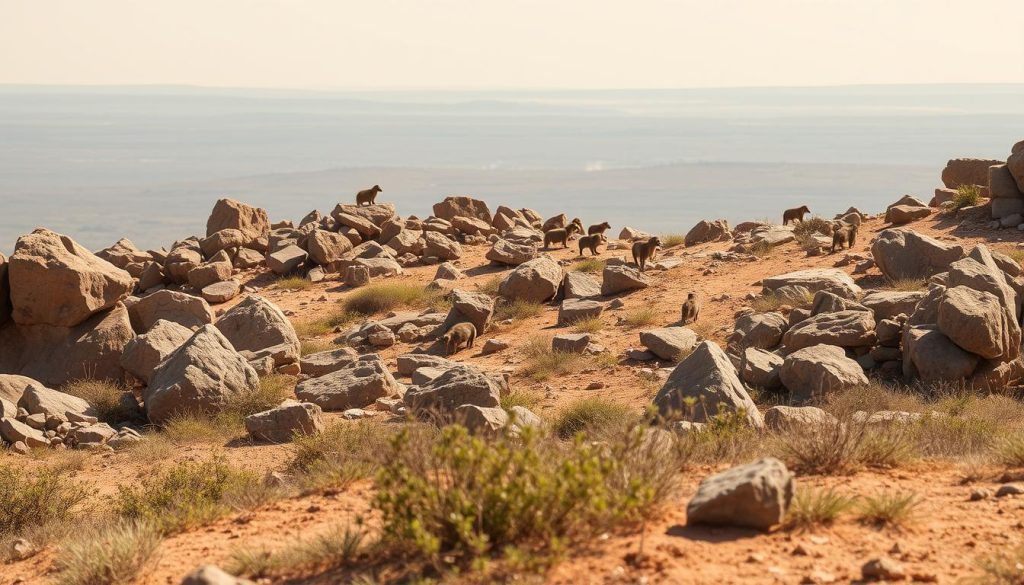
Hyrax Hill is at risk from erosion, climate change, and human activities. Erosion, caused by rain and wind, can harm its features and artifacts. Climate change also changes the site’s environment, affecting soil and water.
Restoration and Protection Measures
To fight these threats, restoration and protection measures are being taken. These steps include fixing the soil, repairing damaged areas, and promoting eco-friendly tourism. The aim is to keep the site real while letting people learn and visit.
Community Involvement in Preservation
Getting the community involved is key to saving Hyrax Hill. Through education and outreach programs, locals learn about the site’s history and why it must be saved. This teamwork helps keep the site safe for years to come.
By knowing the challenges and helping with conservation, you play a part in saving Hyrax Hill. This ensures its history is safe for future generations.
Visitor’s Guide to Hyrax Hill
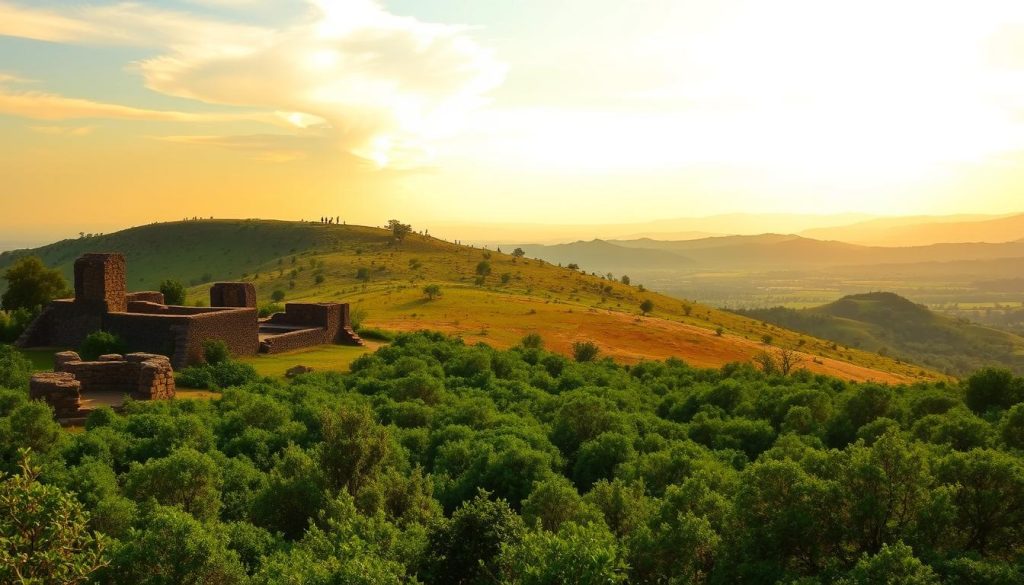
Explore the wonders of Hyrax Hill, a key archaeological site in Kenya. It’s a window into Kenya’s past, showing us how ancient communities lived.
Planning Your Visit
Plan your visit to Hyrax Hill carefully. The dry seasons are the best times to see the site.
Best Seasons and Times
The dry seasons, from January to March and July to October, are perfect for visiting. The weather is great for exploring.
Admission Information
Check the admission fees and opening hours before you go. The site is open daily from 8 am to 6 pm. There’s a small entrance fee.
Tour Options and Educational Experiences
Hyrax Hill offers guided tours. They help you understand the site’s history and importance. You can also join educational programs for all ages.
Nearby Attractions and Accommodations
After visiting Hyrax Hill, check out Lake Nakuru National Park. Nakuru town has many places to stay, from budget hotels to luxury lodges.
Hyrax Hill in the Context of East African Prehistory
Hyrax Hill is deeply connected to East Africa’s prehistoric past. It offers insights into human evolution and cultural heritage. This site is a key part of the region’s ancient history.
Connections to Other Archaeological Sites
Hyrax Hill is part of a network of sites across East Africa. It shares connections with places like Lake Turkana and Olduvai Gorge. These sites together help us understand ancient cultures better.
Here’s a table showing similarities and differences between Hyrax Hill and other major sites:
| Archaeological Site | Period of Occupation | Significant Findings |
|---|---|---|
| Hyrax Hill | Neolithic to Iron Age | Burial mounds, pottery, stone tools |
| Lake Turkana | Paleolithic to Neolithic | Fossil records, early stone tools |
| Olduvai Gorge | Paleolithic | Early hominid fossils, primitive stone tools |
Contribution to Understanding Human Evolution
Hyrax Hill is vital for studying human evolution. It shows early human habitation and cultural practices. This helps us understand ancient communities’ lives.
“The archaeological record at Hyrax Hill offers a unique perspective on the cultural and social developments of early human societies in East Africa.” – Dr. Mary Leakey, renowned archaeologist.
Cultural Heritage Significance for Modern Kenya
Hyrax Hill’s cultural value goes beyond archaeology. It represents Kenya’s rich history and pride. Exploring the site lets you see its role in Kenya’s cultural identity today.
Conclusion: Preserving the Legacy of Hyrax Hill
Exploring Hyrax Hill shows us how vital it is to keep its legacy alive. This site is a key to understanding Kenya’s ancient history. It gives us a glimpse into the lives of its early people.
Protecting Hyrax Hill is key to saving its cultural value. It faces threats from the environment, and we must act to keep it safe. Your support helps in the ongoing research and education about this site.
Visiting the Hyrax Hill Museum and going on guided tours helps you learn more. It also supports the effort to preserve this cultural gem. By doing so, you join a community dedicated to protecting our shared history.