Exploring the Green Line Nicosia Crossing Safely
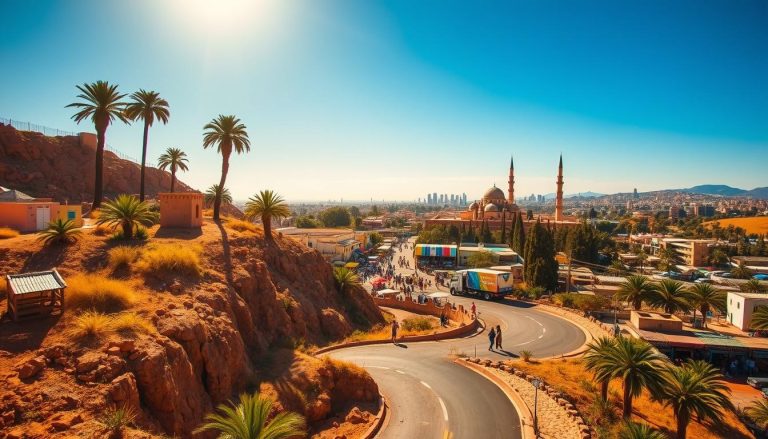
Ever thought about walking between two worlds? The Green Line Nicosia crossing lets you do just that. It’s a place where cultures meet and blend in one city. This guide will help you stay safe while exploring this historic area.
Walking through this special division, you’ll learn about the lives and traditions of Nicosia’s people. You’ll see how their histories connect and separate them. Get ready for a journey filled with cultural richness and safety tips for crossing the Green Line in Nicosia.
Introduction to the Divided City of Nicosia
Nicosia, the capital of Cyprus, is a symbol of division in today’s world. It’s the only divided capital since 1974. The Green Line divides the Greek Cypriot south from the Turkish Cypriot north. This creates a unique mix of Cyprus history and cultural diversity.
This division has shaped Nicosia’s neighborhoods. Each area has its own traditions, languages, and ways of life. You’ll find two cities in one, each with its own rich heritage and resilience.
Visiting divided Nicosia shows you the city’s history. You’ll see how cultures blend, with history in the buildings, markets, and daily life. Both sides offer a look into how people adapt and thrive despite being divided.

The History of the Green Line in Nicosia
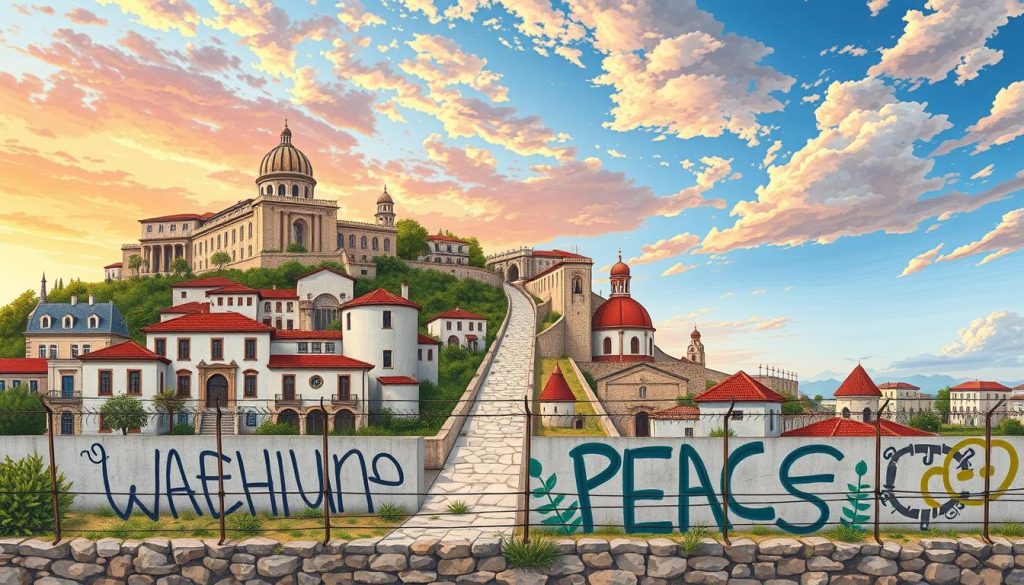
The Green Line is a key symbol in the Cyprus conflict. It has shaped Nicosia’s history since 1974. It was created after the Turkish invasion of Cyprus, dividing Turkish and Greek areas in Nicosia. What started as a temporary measure has become a lasting division, with the United Nations patrolling a buffer zone.
Exploring this area, you see the past conflict’s lasting effects. Abandoned houses and neglected spaces show the city’s struggles. These contrasts stand out when compared to the lively areas on either side of the line.
The Green Line’s history is deeply significant. By learning about it, visitors gain insight into the city’s ongoing challenges. This history makes your visit to Nicosia richer, as you see a city divided by geography and complex history.
| Year | Event | Impact on Green Line |
|---|---|---|
| 1974 | Turkish invasion of Cyprus | Establishment of the Green Line |
| 1980s | Buffer zone creation | Increased UN presence and monitoring |
| 2003 | Opening of crossing points | Encouraged movement between sides |
| Present | Continued division | Reflection of ongoing Cyprus conflict |
Understanding the Nicosia Buffer Zone
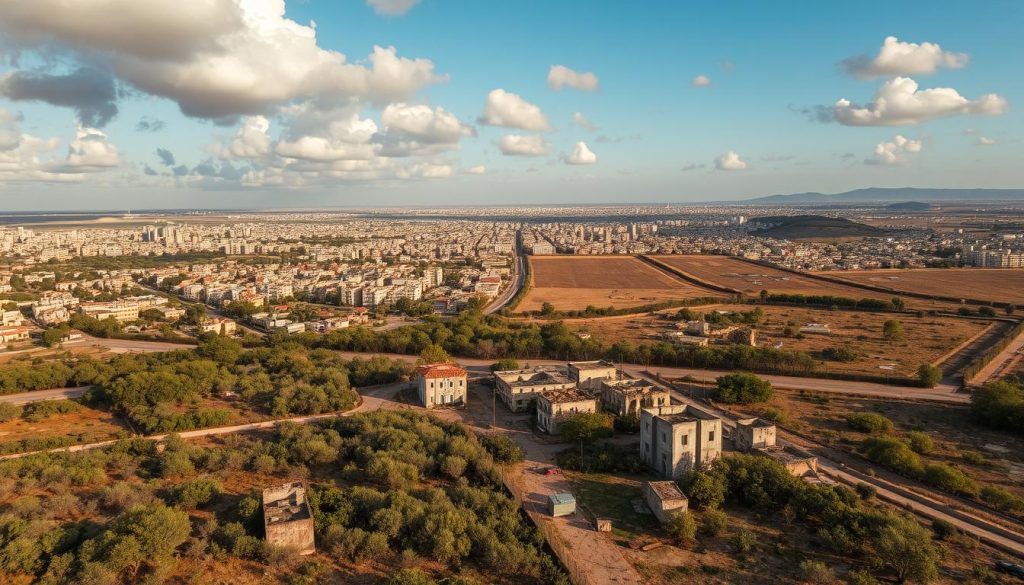
The Nicosia buffer zone is key to Cyprus’s politics. It’s about 30 meters wide and acts as a barrier between the city’s sides. The UN manages it, showing the long-standing tensions in the area.
Walking through, you see abandoned buildings. These tell the story of a conflict that has affected many. It’s a chance to feel the history of the city’s division.
People feel curious and reflective here. The UN troops remind us of the need for peace. This place shows today’s reality and the complex history behind it.
Checkpoints and Procedures for Crossing
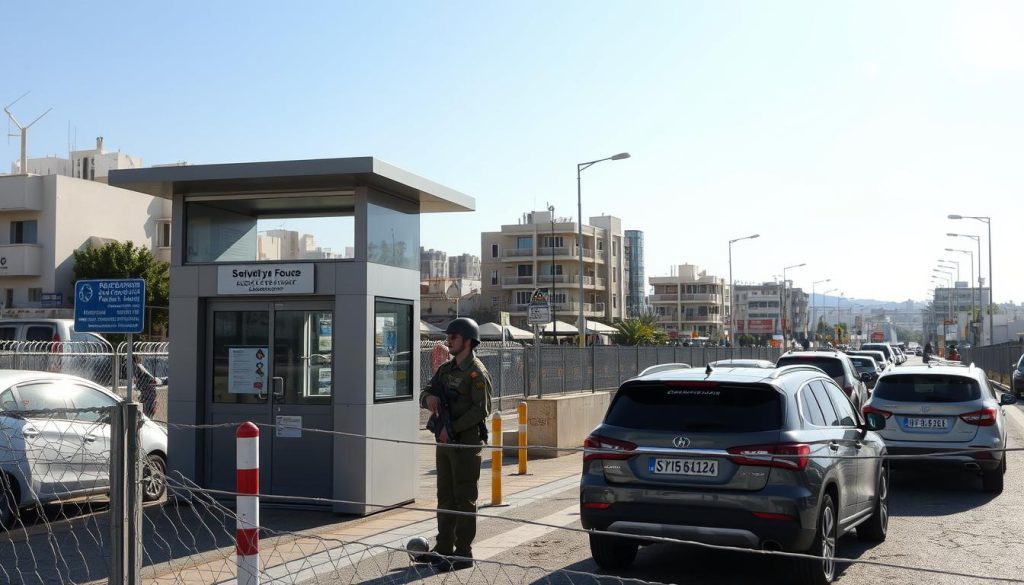
Nicosia, the last divided capital in Europe, has several checkpoints for visitors. These checkpoints let you see both sides of the city. Knowing the crossing procedures at each checkpoint makes your journey better and gives you a feel for the area’s unique atmosphere.
Ledra Street Checkpoint
The Ledra Street checkpoint is a key spot for crossing between north and south Nicosia. It’s a popular place for tourists wanting to see the division up close. Here, the crossing procedures are easy. You just need to show a passport or national ID to go through.
The Ledra Street checkpoint is lively, showing the mix of history and modern life. It’s a place you shouldn’t miss when you’re in the area.
Strovilia Crossing Points
Strovilia is another important crossing point, located on Nicosia’s eastern edge. It leads to Famagusta and gives a different view of the island’s split. Like Ledra Street, the crossing procedures at Strovilia are simple. Just a valid passport is needed.
Going through Strovilia lets you see different parts of the island. You can watch local life and see how different communities interact.
Exploring the Greek Side: Culture and Attractions
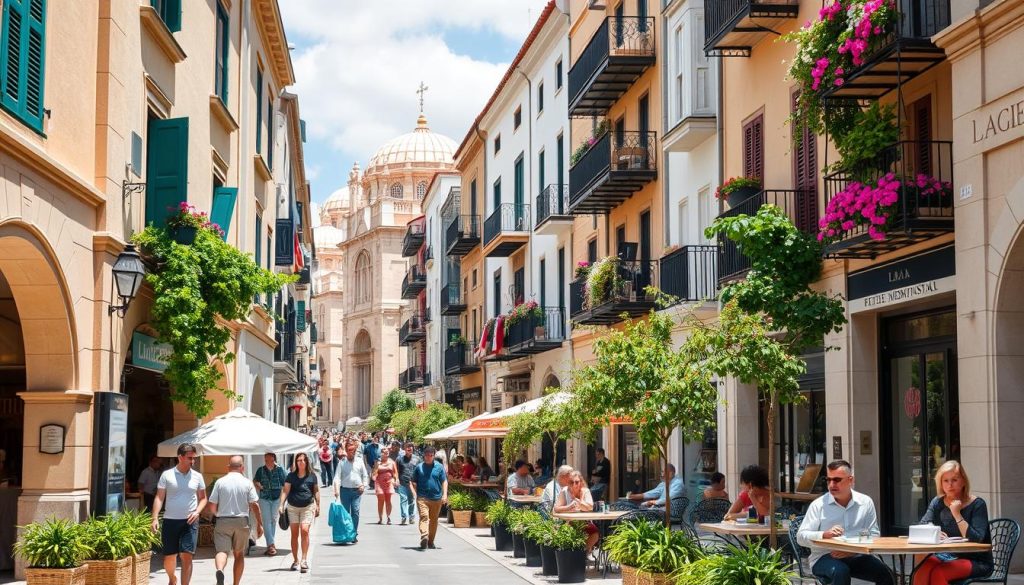
The southern part of Nicosia is filled with history and culture. It has many attractions that show its Greek Cypriot roots. Exploring Southern Nicosia lets you see its lively heritage and modern life.
Historical Sites in Southern Nicosia
Places like the Faneromenis Church and the medieval walls are must-sees. They let you dive into the area’s history and admire its architecture. The streets are full of art, cafés, and markets, showing off the Mediterranean vibe.
Cultural Differences Observed
Walking through Southern Nicosia, you’ll notice its unique culture. It has a modern feel but keeps its Greek Cypriot traditions alive. You’ll see street shows, traditional music, and delicious food, blending old and new beautifully.
Exploring the Turkish Side: A Different Perspective
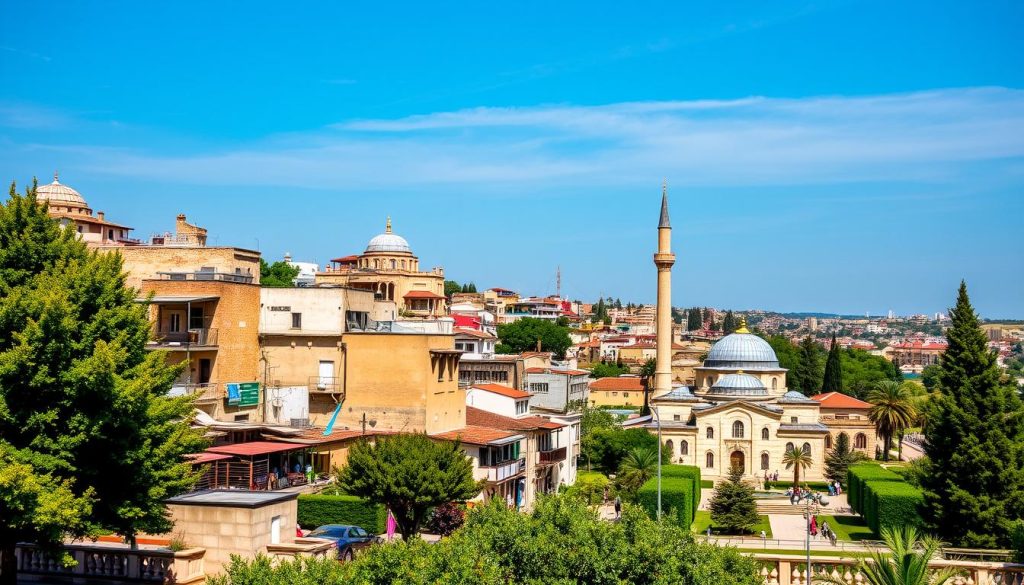
As you explore Northern Nicosia, you’ll dive into a world of Turkish Cypriot culture and history. This area is filled with landmarks that show a different side of the island’s heritage. Each spot has its own story, letting visitors feel the lively spirit of Northern Nicosia.
Notable Landmarks in Northern Nicosia
The Selimiye Mosque and the Bedesten stand out as must-see sights. They are filled with history and offer a special view of Turkish Cypriot culture. The Selimiye Mosque, once St. Sophia Cathedral, is a stunning example of Ottoman architecture.
The Bedesten, on the other hand, is the heart of Northern Nicosia’s commerce. Here, you can see crafts and local goods, giving a peek into the area’s commercial life.
Local Traditions and Everyday Life
Walking through the streets, you’ll see how local traditions are woven into daily life. Cafés are filled with people enjoying Turkish coffee, showing the community’s strong bonds. The bazaars are alive with colors, textures, and smells, each telling a story of tradition and skill.
Getting to know the daily practices and traditions offers a deeper look into Turkish Cypriot life. From festivals to food, exploring this side of Nicosia gives a full picture of the island’s culture and how past and present blend together.
Practical Tips for Crossing the Green Line Nicosia
Crossing the Green Line in Nicosia needs some planning. Knowing the necessary documents for crossing and currency differences makes your trip better.
Necessary Documents to Carry
Always carry your passport or a valid ID when crossing. Your passport won’t get stamped, but you might get a paper slip. This slip proves you crossed the line.
Having the right documents makes going through checkpoints easier. It also makes your journey smoother.
Currency Differences Between North and South
Currency can be tricky in Nicosia. In the south, use Euros, while the north uses Turkish Lira. Knowing these currency differences helps you avoid problems while shopping or eating.
Safety Considerations When Visiting the Green Line Nicosia Crossing
Visiting the Green Line in Nicosia can be enlightening. But, safety in Nicosia should always be your top priority. The area is generally tranquil, but it’s important to stay alert and respect local customs and regulations.
Avoid taking photos of military installations, checkpoints, or other sensitive locations. This can lead to misunderstandings and ruin your experience. Also, be cautious when discussing local politics. The history and feelings about the divide can be very strong, so approach these topics with care.
Here are some crossing precautions to keep in mind during your visit:
- Maintain awareness of your surroundings, especially in crowded areas.
- Familiarize yourself with local customs and cultural nuances.
- Keep your belongings secure and be mindful of pickpockets, particularly in tourist hotspots.
- Use designated crossing points for your journey between the two sides.
- Respect local regulations and instructions given by authorities.
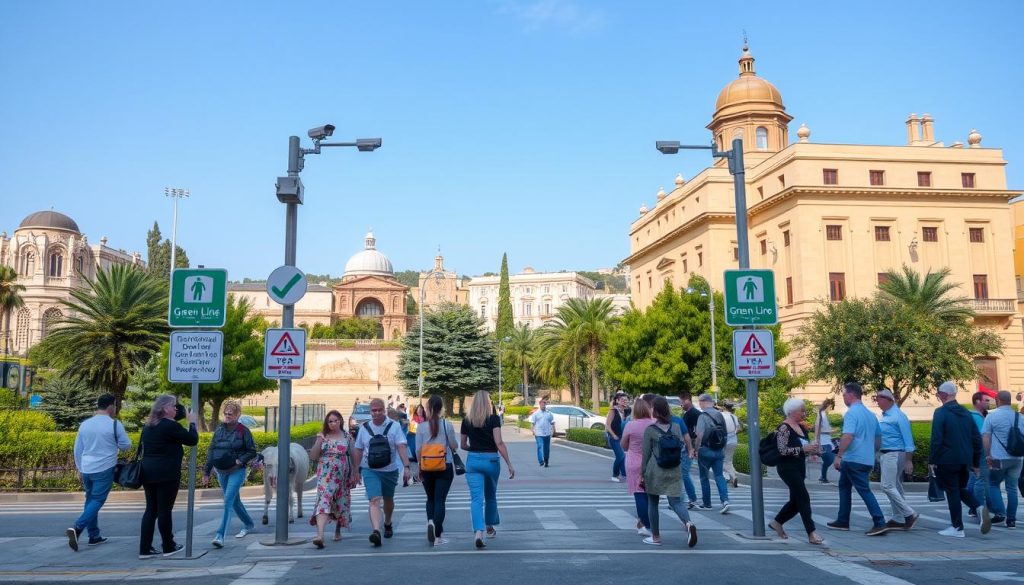
By following these safety tips, you can have a rewarding and secure experience exploring Nicosia’s unique dynamics.
Conclusion
Visiting the Green Line in Nicosia is a unique chance to experience different cultures. It lets you dive into the city’s rich history. You’ll see how Nicosia is divided and why it matters.
This travel guide shows why the Green Line is important. It also teaches you to respect local customs and traditions. This makes your trip more meaningful.
Exploring Nicosia, you’ll see lively markets and cultural spots. These places show how people live together in this special city. Talking to locals, trying traditional foods, and seeing the differences will make your visit unforgettable.
Every trip to the Green Line teaches you something new. It opens your eyes to the depth of Nicosia’s story. By embracing these differences, you’ll not only have a great travel experience but also connect with the city’s complexities.