Explore Nicosia’s Top Historical Landmarks
Have you ever wondered how the intertwining histories of different civilizations have shaped Nicosia into the unique capital it is today?
Nicosia, the beating heart of Cyprus, is a treasure trove of historical landmarks. These landmarks tell the stories of Venetian, Ottoman, and Byzantine influences. As you wander through its streets, you’ll discover a captivating blend of architectural styles.
Each site serves as a window into the city’s soul. They offer insights that deepen your understanding of its cultural heritage.
From ancient forts to exquisite churches, the historic sites in Nicosia beckon you. They appreciate not only their architectural beauty but also the profound cultural significance they embody. Join us as we delve into the remarkable landmarks that define Nicosia’s architectural landscape.
These stories set in stone have stood the test of time.
Introduction to Nicosia’s Rich Heritage
Nicosia, the divided capital of Cyprus, is a city with a rich history. It has Nicosia ancient landmarks and a vibrant culture. The city’s architecture shows both Eastern and Western styles.
Walking through Nicosia, you’ll see history come alive. The city’s attractions tell stories from ancient times to today. You’ll see ruins and modern buildings that mix well together.
Visit sites that show Nicosia’s diverse past. They offer a glimpse into its long history. Each part of the city tells a story of strength and change, making it a must-see for history lovers.
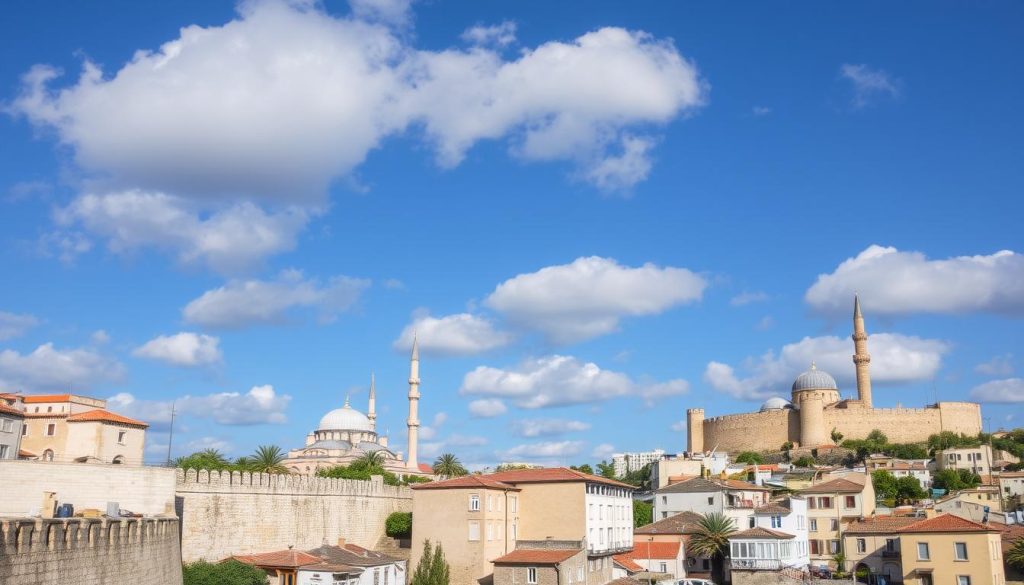
The Walls of Nicosia
The Walls of Nicosia show the city’s complex history and skill in building. The Venetians built them in the 16th century. They were a defense against the Ottoman Turks. These walls are key to understanding Nicosia’s past and its military design.
History and Significance
The walls are famous for their smart design. They were crucial for protecting the city. They show how important Nicosia was in defending the region.
They are the best example of Renaissance military architecture in Cyprus. This highlights Nicosia’s significant role in history.
Architectural Features
The walls have a star shape with bastions. They have three original gates: Famagusta, Pafos, and Kyrenia. The British made some changes, but the walls are mostly the same.
The design shows the creativity of Nicosia’s architecture. It mixes history and military styles in a unique way.
Visitor Information
Visiting the Walls of Nicosia is a great experience. You can walk along the walls and see amazing views. There are many spots to stop and enjoy the view.
Guided tours are available. They give you a deeper understanding of this important site in Nicosia.
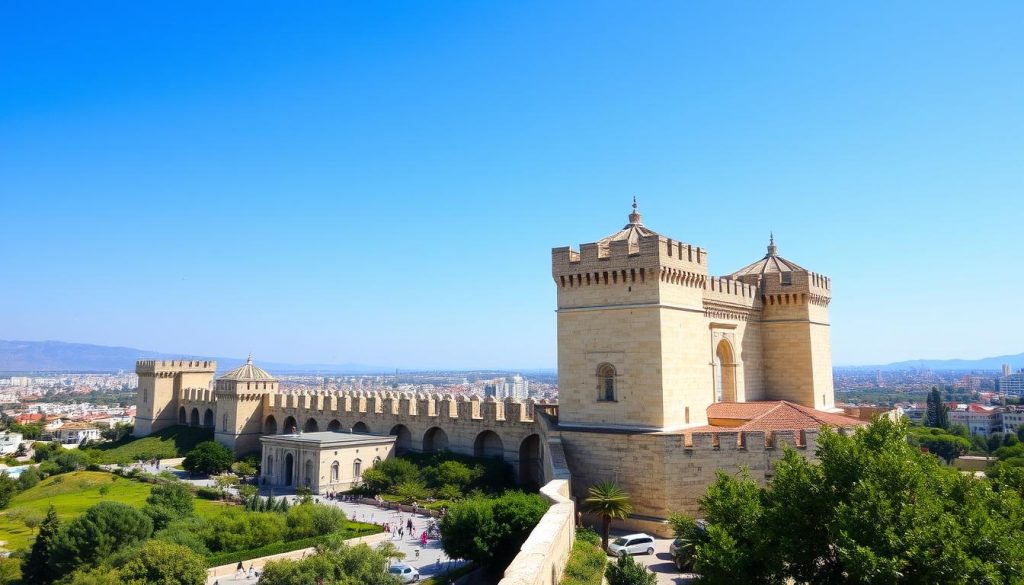
The Cyprus Museum (Archeological)
The Cyprus Museum is a key site in Nicosia. It’s the biggest museum in Cyprus, showing artifacts from the Neolithic to the early Byzantine era. This gives a full view of Cyprus’s history.
It has many rooms filled with exhibits. These show how Cypriot culture evolved through art.
Overview of Exhibits
At the museum, you’ll see many exhibits that show Cyprus’s rich culture. You’ll see ceramics, sculptures, and jewelry. Each tells a part of Cyprus’s story.
The museum’s layout is designed to engage you. It shows how art and daily life were connected in ancient times. You’ll learn about the rituals, trade, and social life of Cypriots over the centuries.
Highlights of the Museum
This museum is a must-see in Nicosia. It has many highlights, like the statue of Aphrodite of Soloi. It’s known for its beauty.
Also, don’t miss the statue of Roman Emperor Septimius Severus. It shows Cyprus’s importance in the Roman era. Each piece is a mix of art and culture, making your visit rewarding.
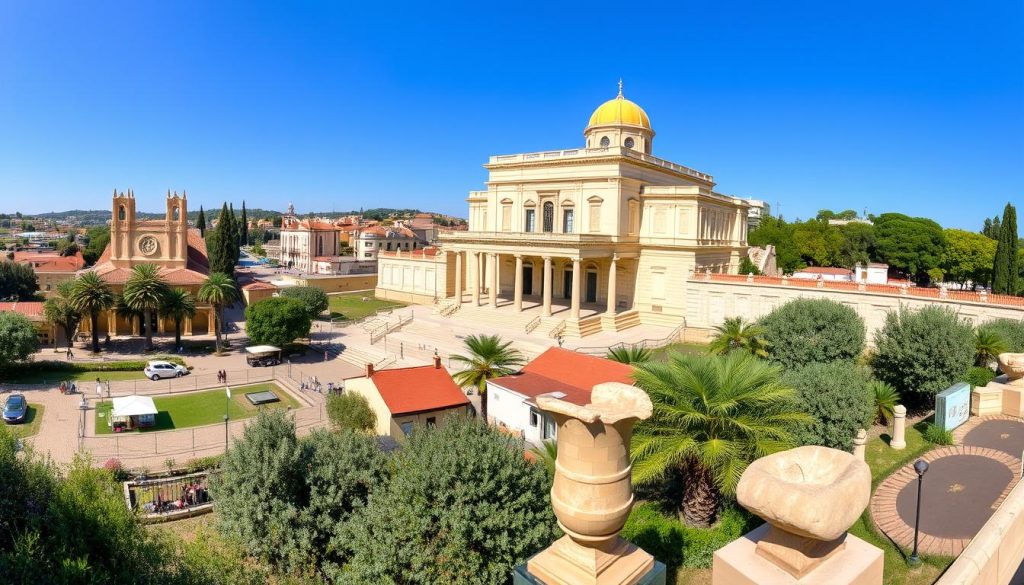
| Exhibit Name | Period | Significance |
|---|---|---|
| Aphrodite of Soloi | Hellenistic | Represents ancient worship and artistic skill |
| Septimius Severus | Roman | Highlights Cyprus’ role in the Roman Empire |
| Neolithic Pottery | Neolithic | Illustrates early Cypriot daily life and trade |
The Leventis Municipal Museum
The Leventis Municipal Museum is a key historical site in Nicosia. It was founded in 1984 by the Nicosia Municipality and the Anastasios G. Leventis Foundation. It’s known for its role in preserving cultural heritage and won the European Museum of the Year award in 1991.
Establishment and Recognition
This museum aims to keep and display artifacts that show Nicosia’s growth. It’s known for its high standards and has gained respect worldwide. You can see exhibits that cover the city’s history from ancient times to today.
Unique Exhibits and Collections
The museum has a wide range of exhibits. It has permanent shows that tell Nicosia’s story through artifacts. Each piece shares a part of the city’s history, showing how different cultures have influenced it.
As you explore, you’ll see collections on daily life, art, and architecture from various times. It’s a journey through Nicosia’s past.
Educational Programs Offered
The museum also has educational programs for all ages. These programs focus on Nicosia’s history and culture. Guided tours provide deeper insights into the artifacts, making your visit more meaningful.
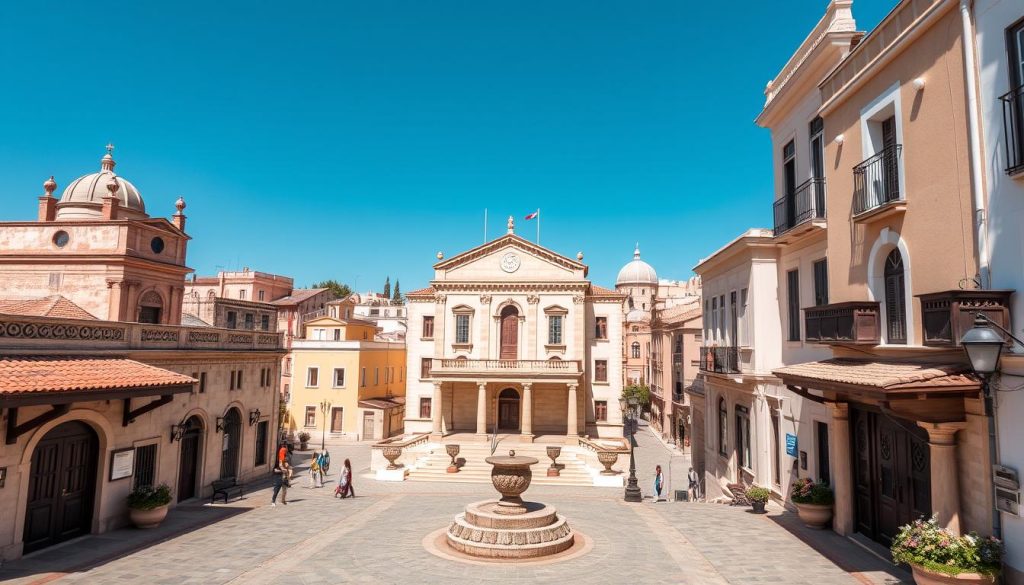
| Exhibit Type | Description | Period Covered |
|---|---|---|
| Cultural Artifacts | A collection reflecting daily life in Nicosia | Ancient to Modern Era |
| Historical Exhibits | Artifact displays showcasing significant events | Byzantine to Present Day |
| Art Collections | Works highlighting Nicosia’s artistic evolution | Various Eras |
| Educational Programs | Workshops and guided tours exploring local heritage | Year-Round |
The Museums of the Pancyprian Gymnasium
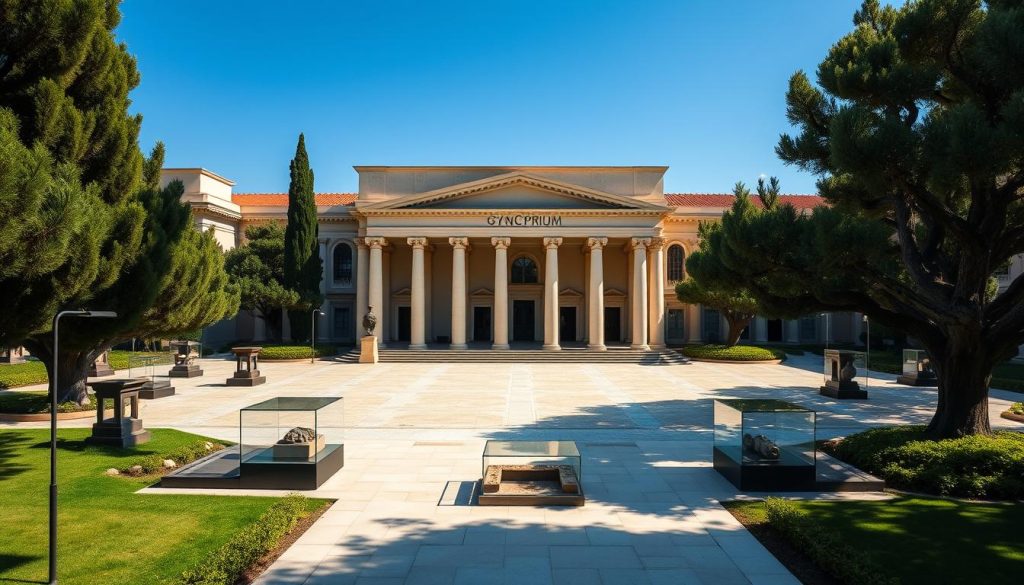
The Museums of the Pancyprian Gymnasium are a key cultural spot in Nicosia. They are in the city’s heart, showcasing Cyprus’s diverse heritage. Visitors can explore many exhibits, learning about the island’s history and importance.
Collections Overview
The museums have:
- Archaeological artifacts from ancient Cypriot times
- Numismatic items that show historical currency
- Photographs and documents about Cyprus’s educational past
Significance of the Old Maps and Weaponry
The old maps and weaponry are fascinating. They show Cyprus’s strategic role through history. The maps tell the story of how borders changed over time.
The weaponry gives a peek into the conflicts that shaped Cyprus. It also shows the craftsmanship of the time.
| Exhibit Type | Description | Historical Context |
|---|---|---|
| Old Maps | A collection showcasing ancient cartography related to Cyprus | Reflects territorial changes and trade routes |
| Weaponry | Artifacts including swords, shields, and firearms | Illustrates the defense strategies during various conflicts |
| Coins | Numismatic collection dating back to ancient times | Shows the economic history of Cyprus |
This museum is a key part of Nicosia’s history. It’s a must-see for anyone interested in Cyprus’s rich past. Each visit deepens your understanding of the island’s story.
Phaneromeni Church
Visiting the Phaneromeni Church lets you see a key part of Nicosia’s ancient landmarks. Built in 1872, it’s next to an old Orthodox nunnery. It’s a big part of the city’s religious history.
Historical Background
Phaneromeni Church is the biggest church inside Nicosia’s city walls. It’s not just a place of worship. It also shows the complex history of Cyprus.
Its creation shows the strong faith of the time. It shows how faith has lasted in the area.
Architectural Style
The church has amazing neoclassical architecture. It mixes old and new designs beautifully. You’ll see Byzantine touches that show its historical value.
Notable Features
The church’s marble mausoleum is very striking. It honors bishops and clergy killed by the Ottomans in 1821. This memorial reminds us of Cyprus’s hard past.
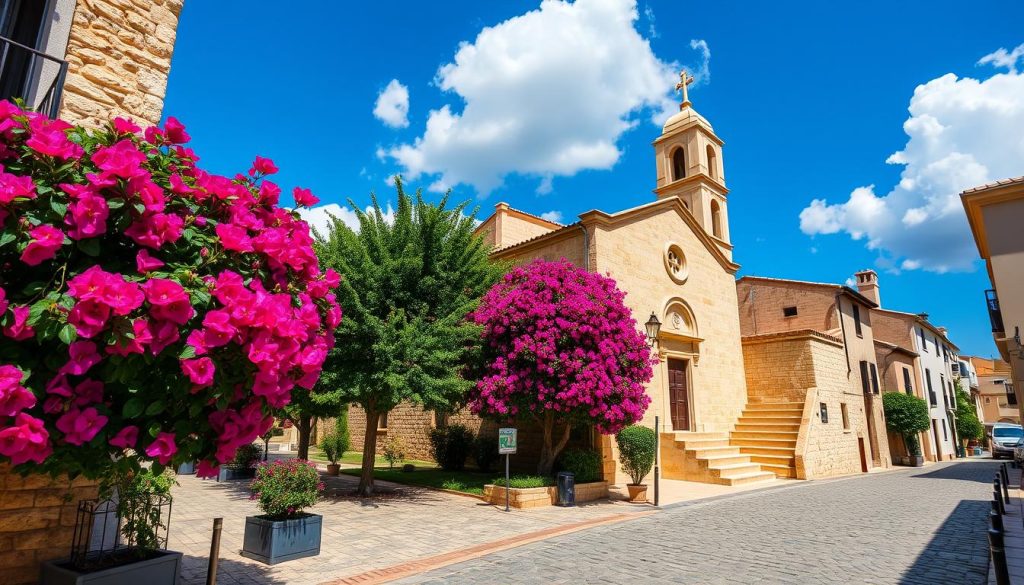
When you visit Nicosia’s ancient landmarks, don’t miss Phaneromeni Church. It’s a place where history and spirituality meet.
Agios Ioannis Cathedral Church
The Agios Ioannis Cathedral Church is a key historic site in Nicosia. It shows the city’s deep religious history. Its restoration shows a strong effort to keep its beauty and cultural value.
Restoration History
Archbishop Nikiforos renovated it in 1662. Since then, it has seen many restorations. These have kept the church true to its past while making it look better.
Visitors can see how each restoration has respected the church’s history. It also makes the cathedral more beautiful.
Frescoes and Cultural Importance
The cathedral’s interior features amazing 18th-century frescoes. These frescoes show important biblical scenes. They include the discovery of Apostle Varnavas’ tomb, showing the cathedral’s cultural importance.
The frescoes’ bright colors and detailed work are truly impressive. They draw admiration from everyone who visits.
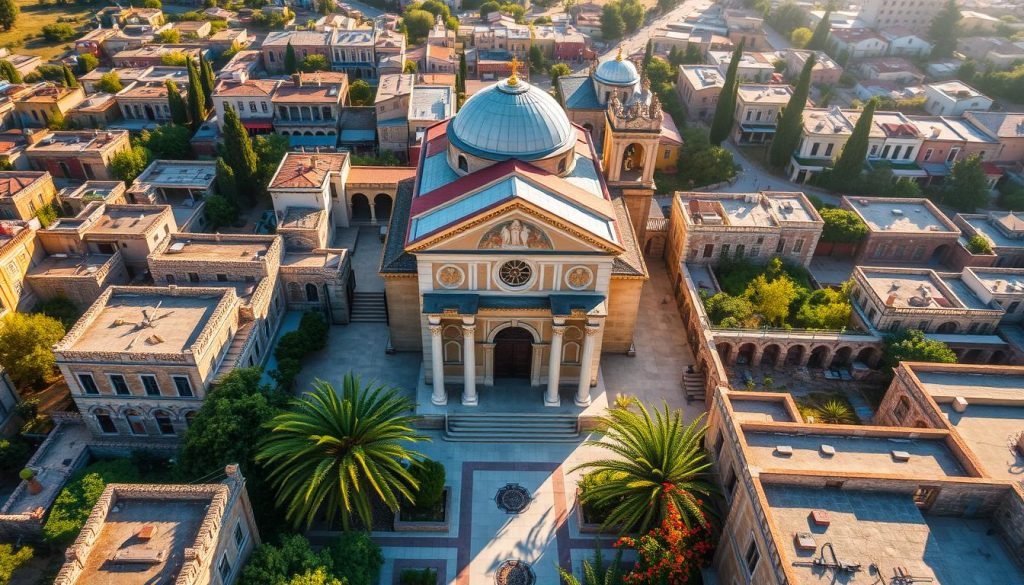
- Architectural Style: A blend of Baroque and Byzantine influences.
- Cultural Significance: A hub for religious ceremonies and local gatherings.
- Visitor Information: Open to the public, offering guided tours exploring its history.
Nicosia’s Historic Neighborhoods
Exploring Nicosia’s historic neighborhoods is a journey into the city’s heart. Areas like Pallouriotissa and Kaimakli show off Nicosia’s architecture, influenced by many cultures. Walking through these streets, you’ll see traditional homes and lively community life.
This mix of old and new shows the city’s past and present. The careful restoration of these areas gives us a peek into daily life. It highlights the resilience and charm of long-standing traditions.
Pallouriotissa and Kaimakli
Pallouriotissa and Kaimakli offer a special view of Nicosia’s history. You’ll see landmarks that tell the city’s story. These neighborhoods blend old and new, with historical buildings next to modern ones.
Every corner has something new to discover. You’ll find beautiful courtyards and shops that show Nicosia’s spirit.
Guided Walks and Tours
For a better experience, join a guided walk. Local guides will lead you, starting at the Deputy Ministry of Tourism’s office. They’ll introduce you to the area’s culture.
Through stories and history, you’ll understand Pallouriotissa and Kaimakli better. Your visit will be both informative and unforgettable.