Exploring Bhutan: Is Haa Valley a Hidden Gem?
Have you ever wondered why some places are not well-known, yet they are incredibly beautiful? Is Haa Valley a hidden gem in Bhutan? This valley, in the Himalayas, offers untouched landscapes and a rich culture. Bhutan is now welcoming the world, and Haa Valley’s beauty is being discovered.
Travel plans suggest spending at least 10 days in Bhutan. This allows for two days in Haa Valley, two in Thimphu City, and more. It’s a great chance to fully experience Bhutan’s travel wonders.
Haa Valley sits at about 2,670 meters (8,760 feet) above sea level. It’s famous for its views and high-quality rice, apples, and yak products. With tourism on the rise, you can now enjoy the Haa Summer Festival. This festival showcases the valley’s lively culture.
So, are you ready to see if Haa Valley truly is a hidden gem in this enchanting kingdom?
Introduction to Bhutan’s Hidden Beauty
Bhutan is famous for its stunning landscapes and rich culture. Haa Valley is a hidden gem in this country. It’s located in the western region and covers 1,760 square kilometers. The valley is surrounded by mountains and greenery, making it a peaceful place to explore.
Haa Valley was closed to tourists for years. It opened up in 2002, allowing visitors to experience its calm. The valley has a unique tradition of offering animal blood to local deities. Its location near the India-China-Bhutan border adds to its fascinating history.
From Chele La Pass, you can see breathtaking views. It’s the highest motorable pass in Bhutan, at 3,988 meters. The pass offers stunning views of the highest peaks, including Jitchu Drake and Chomolhari. The valley’s town is small, with mostly farmers and herdsmen. They grow rice, potatoes, chilis, and apples, showing the local way of life.
Visitors can stay in traditional homestays to learn about local culture. Haa Valley is known for its unique food, like Hoentoe and Ema Datshi. The Haa Summer Festival is a highlight, featuring local dishes and sports. Exploring Bhutan means discovering the hidden beauty of Haa Valley, a mix of adventure and culture.
Understanding the Allure of Haa Valley
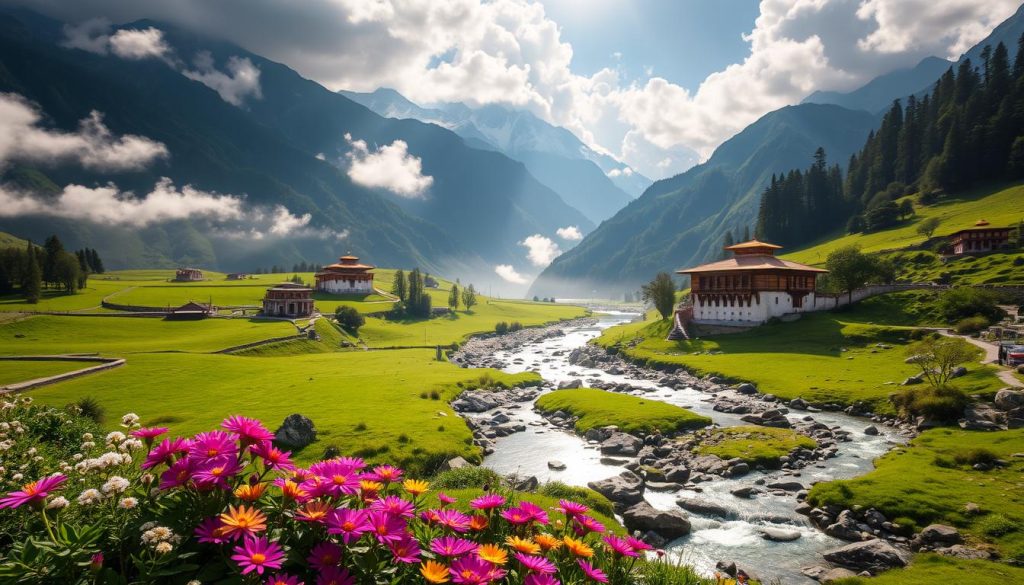
Haa Valley is a must-see destination in Bhutan. It covers 1,760 square kilometers and is untouched. The valley sits at about 2,670 meters (8,760 feet) above sea level.
It offers stunning views of mountains and forests. The allure of Haa Valley is in its activities. Locals herd animals and farm, growing rice, potatoes, chilis, and apples.
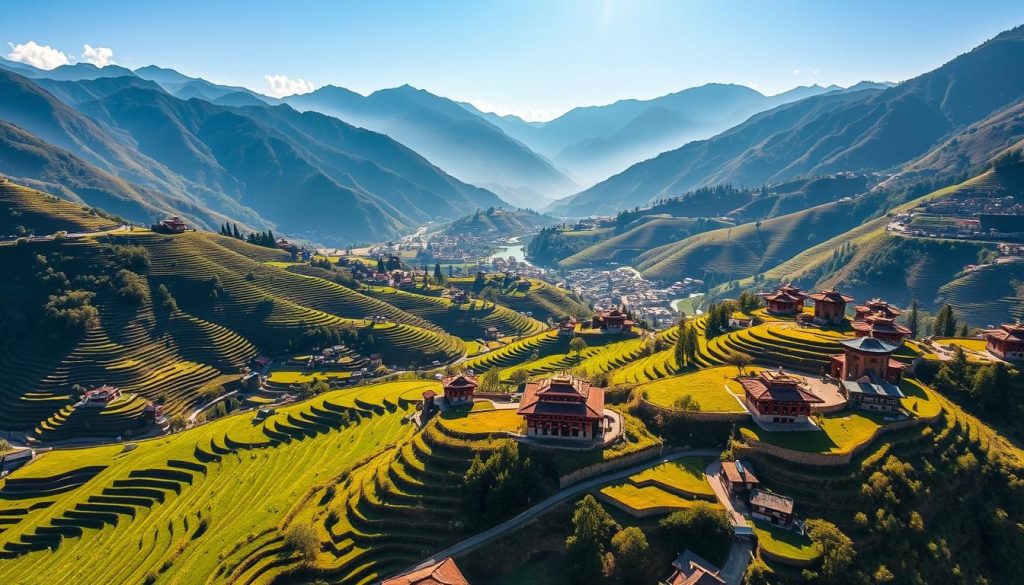
Since 2002, Haa Valley has attracted adventurous travelers. It’s less-explored than other places, offering a true Bhutanese experience. The valley is home to temples like Lhakhang Karpo and Lhakhang Nagpo.
The best times to visit are spring (March to May) and autumn (September to November). Trekking here reveals rare Himalayan wildlife. You’ll need sturdy shoes, weather clothes, hydration packs, trekking poles, and cameras.
Haa Valley is not just about views. It’s also a cultural hub. The nearby Chele La Pass offers views of Jitchu Drake and Chomolhari peaks. With its unique experiences and landscapes, Haa Valley is a hidden gem.
Is Haa Valley a hidden gem worth visiting in Bhutan?
Haa Valley is known for its stunning landscapes and cultural importance. It’s a question many travelers ask: Is Haa Valley a hidden gem worth visiting in Bhutan? Recent findings show its beauty and historical sites, making it a treasure to explore.
Recent Discoveries about Haa Valley
In recent years, Haa Valley has drawn travelers seeking calm and real experiences. Sites like the Lhakhang Karpo and Lhakhang Nagpo temples, built in the 7th century, reveal the valley’s spiritual side. The valley, covering 1,760 square kilometers, has stayed untouched, mainly because it was off-limits to tourists until 2002.
Now, it offers breathtaking views as the Haa Chu River flows under the Himalayas. This hidden gem is a sight to behold.
Why It’s Less Explored
Despite its beauty, Haa Valley is less known than places like Paro and Thimphu. Its limited tourism comes from its recent opening and its strategic location near the India-China-Bhutan border. Visitors are drawn to its scenery and unique cultural landscape, still holding ancient traditions.
Geography and Climate of Haa Valley
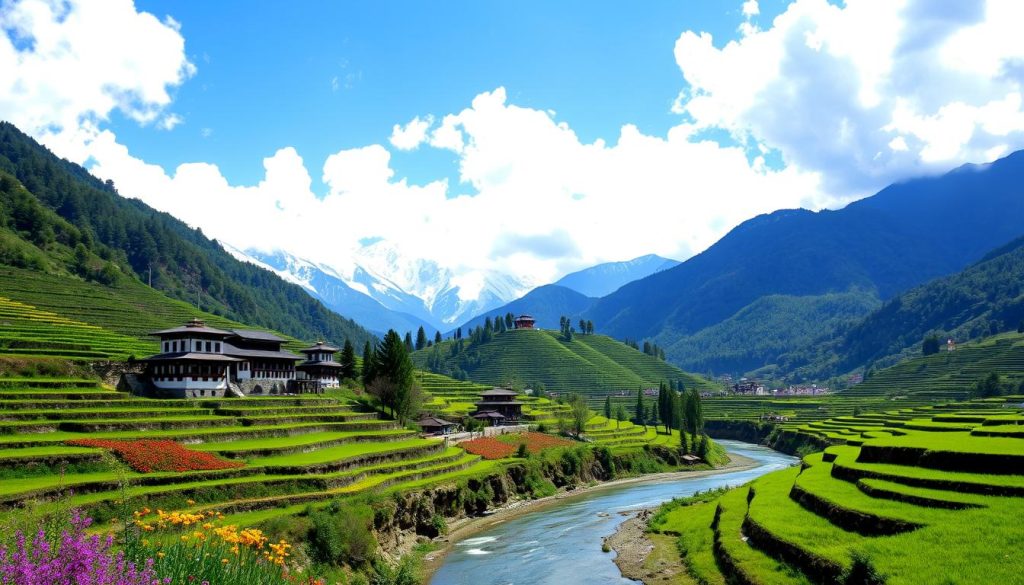
Haa Valley is in southwestern Bhutan. It has stunning geography with tall mountains and green forests. The valley’s shape makes it beautiful and important for local life. The Himalayas surround it, shaping the land and affecting weather.
The valley’s height affects its climate. It’s between 2,600 and 4,300 meters high. This means it’s always cooler. Spring and summer are mild, perfect for exploring.
Autumn and winter bring cold air and snow. This turns the valley into a magical place.
Travelers see amazing views on the way from Paro to Haa. They see the valley’s beauty and changing climate. This mix of Haa Valley geography and Haa Valley climate is great for outdoor fun. It also helps the local culture.
Cultural Heritage and Historical Significance
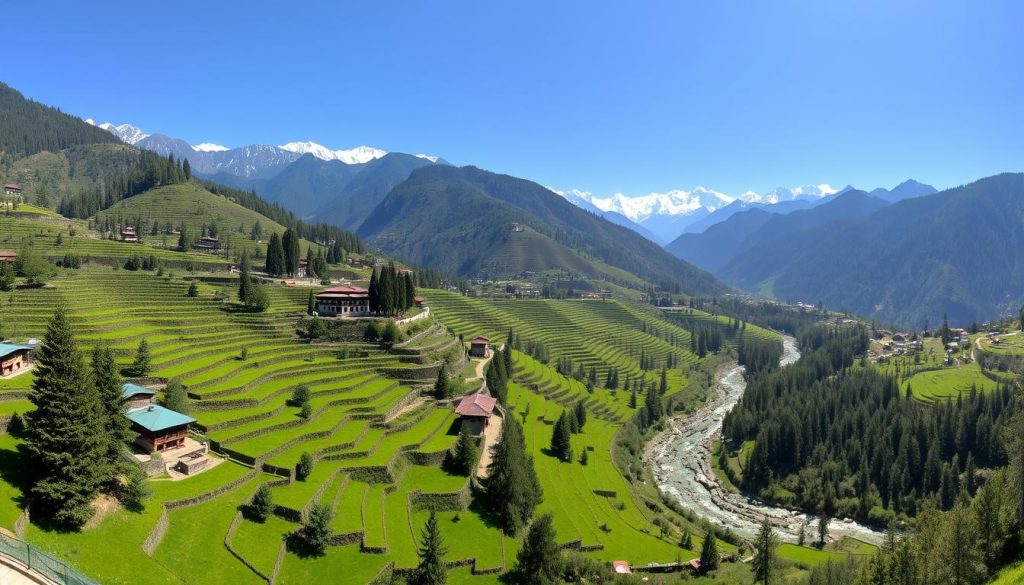
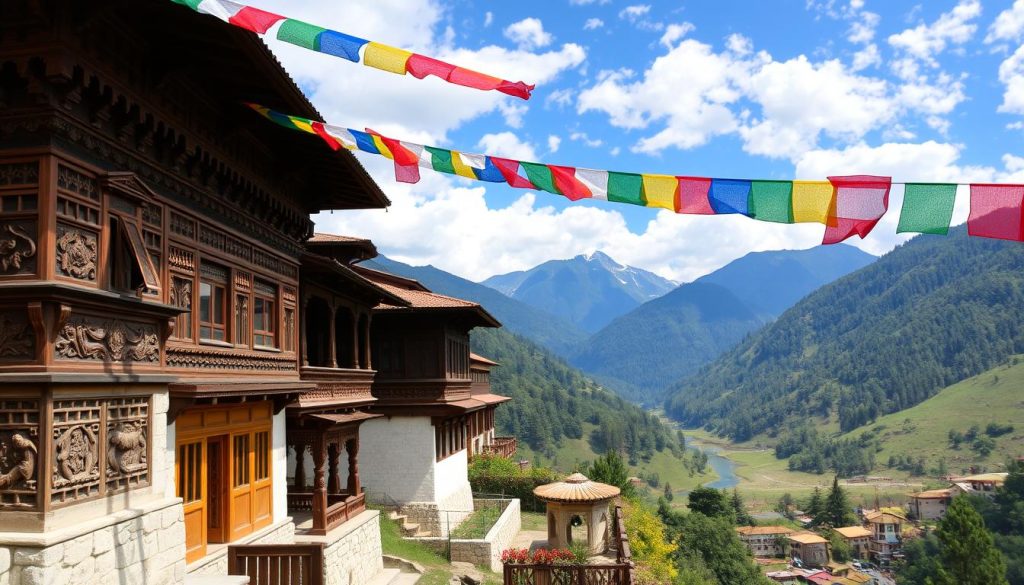
Haa Valley is a treasure trove of Bhutan cultural heritage and Haa Valley history. Its ancient stories blend with stunning landscapes, making it a unique cultural gem. The valley is home to sacred sites like Lhakhang Karpo and Lhakhang Nagpo. These temples were built by the famous Tibetan King Songtsen Gampo, showing the valley’s spiritual value.
The Haa Summer Festival adds to the valley’s charm. Held in July, it’s a time to dive into local traditions and enjoy traditional sports and food. This festival lets you connect with the community and see shamanistic rituals and folk practices that are still alive today.
| Aspect | Details |
|---|---|
| Elevation | 2,700 meters (8,858 feet) |
| Distance from Paro International Airport | 65 kilometers (3-hour drive) |
| Distance from Thimphu | 115 kilometers (4-hour drive) |
| Chele La Pass | 3,988 meters (13,083 feet) – highest motorable pass in Bhutan |
| Best Visiting Seasons | Spring (March to May) and Autumn (September to November) |
| Haa Summer Festival | Held in July |
| Acclimatization Advice | Travelers should acclimatize due to high altitude |
| Area of Haa Valley | 1706 sq. km |
| Open to Foreign Tourists | Since 2002 |
| Haa Wangchuklo Dzong | Built in 1915 after the Dumchog Dzong was destroyed by fire |
| Haa Tshechu Festival | Performed at Lhakhang Karpo on the 8th-10th of the 8th Bhutanese month |
| Shamanistic Traditions | Widely practiced in communities |
| Folk Culture | Renowned for diverse legends and rituals |
Exploring Haa Valley history offers a deeper look into Bhutan’s cultural story. It shows how ancient traditions are still important today. This valley invites you to discover its beauty while respecting its rich heritage.
Must-See Attractions in Haa Valley
Exploring Haa Valley is a journey into culture and spirituality. Lhakhang Karpo and Lhakhang Nagpo highlight the valley’s history. The Haa Summer Festival brings local traditions to life, letting visitors dive into Bhutanese customs.
Lhakhang Karpo and Lhakhang Nagpo
The Lhakhang Karpo, or White Temple, and Lhakhang Nagpo, or Black Temple, are key sights in Haa Valley. Built in the 7th century by Tibetan king Songtsen Gampo, they were part of a plan to build 108 temples. Their stunning architecture and deep history make them a must-see for anyone visiting.
Haa Summer Festival
The Haa Summer Festival is a highlight of the year. It takes place in August and celebrates Bhutanese culture with music, dance, and food. You can try archery and watch lively performances. It’s a great chance to meet locals and experience Haa Valley’s vibrant culture.
| Attraction | Type | Significance |
|---|---|---|
| Lhakhang Karpo | Temple | Symbol of spirituality and historical architecture |
| Lhakhang Nagpo | Temple | Illustrates the rich cultural heritage of Bhutan |
| Haa Summer Festival | Cultural Event | Celebration of local traditions and community engagement |
Natural Wonders Awaiting in Haa Valley
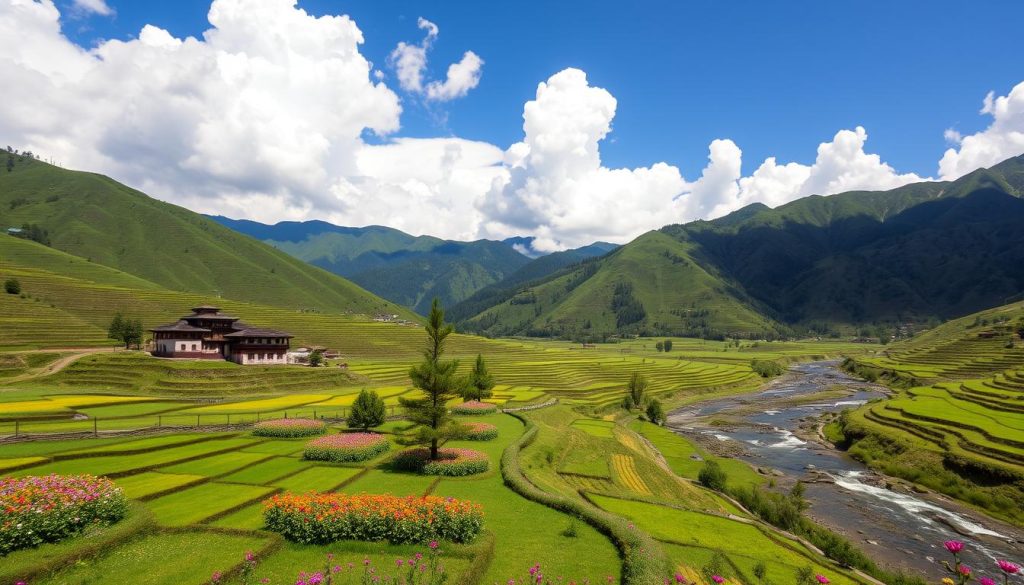
Haa Valley is a treasure trove of Haa Valley natural wonders. It’s filled with green meadows, calm rivers, and stunning views of the Himalayas. Nature enthusiasts and thrill-seekers will find plenty to do here.
Trekking paths, like the one to Juneydrak Hermitage, offer amazing views and spiritual moments. Along the way, you’ll see colorful plants and animals that call this place home. The valley’s calm invites you to explore and learn about its culture.
The Haa Summer Festival is a highlight, showing off the valley’s beauty and traditions. Walking through this hidden spot, you’ll see how nature and culture go hand in hand.
Culture and nature meet here, giving you a unique experience. From the mountains to the rivers, Haa Valley shows off Bhutan’s beauty. Discover these Haa Valley natural wonders and let Bhutan’s peace refresh you.
Adventure Activities and Trekking Opportunities
Haa Valley is a paradise for adventure lovers. It offers a wide range of activities for both beginners and seasoned adventurers. Trekking in Haa Valley is a must, with trails that show off stunning landscapes and peaceful spots.
Exploring Haa Valley takes about two days to fully enjoy its beauty. You can walk through beautiful paths to famous spots like Tartan Lake and Lake Tahlela. These places are perfect for nature fans and photographers.
But there’s more than just trekking here. You can also go camping, cycling, and have day picnics in quaint villages. Visiting places like Dumcho and Bhagena gives you a peek into local life in Haa Valley.
The high mountains of Bhutan create a breathtaking view, with peaks like Mount Jumolhari visible from trekking paths. Be ready for the altitude and weather changes, which can be different in winter.
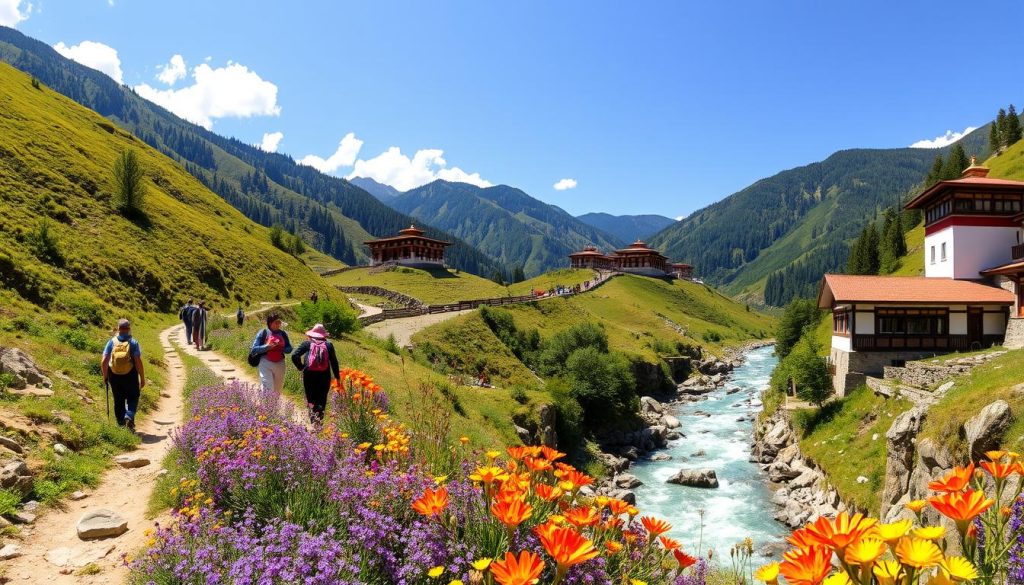
The trekking routes have organized trips that focus on safety. With a small number of trekkers, you can see untouched nature. Each trek includes meals of traditional Bhutanese food, making your journey even more special.
Remember, you need permits for these activities. The Sustainable Development Fee and trekking permits are required. They show Bhutan’s commitment to sustainable tourism.
Wildlife and Conservation Efforts
Haa Valley is home to a wide variety of wildlife, attracting both wildlife lovers and conservationists. Efforts are underway to protect the unique species found here. This ensures that future generations can enjoy its beauty. Local communities are working together to protect the wildlife, thanks to these conservation efforts.
Species to Look Out For
In Haa Valley, many species live in its different environments. Here are some you might see:
- Himalayan Black Bear: This rare and endangered bear finds a safe home in Jigme Dorji National Park.
- Black-necked Crane: Bhutan is home to the world’s largest population of these endangered birds. Over 300 live in high-altitude wetlands and migrate through Phobjikha Valley.
- Himalayan Blue Poppy: This rare flower is known for its bright color and grows in Haa Valley’s alpine areas.
- Various Endemic Flora: The area has over 5,000 plant species, including many rare ones.
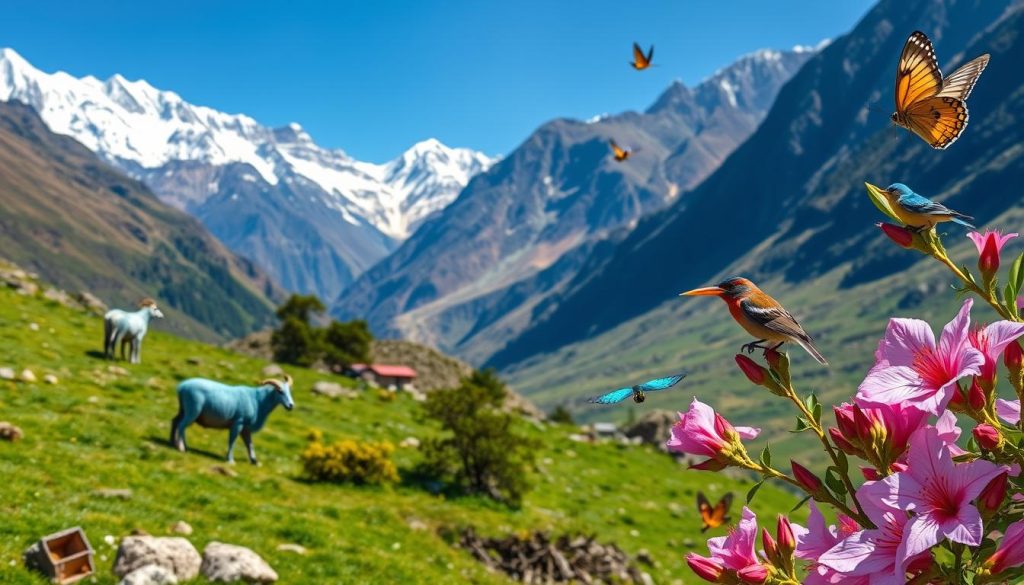
Conservation in Haa Valley is crucial for its ecosystem. Bhutan is working hard to protect habitats and raise awareness. By visiting Haa Valley, you can see these species up close and help with conservation efforts.
Experiencing Local Lifestyle and Community
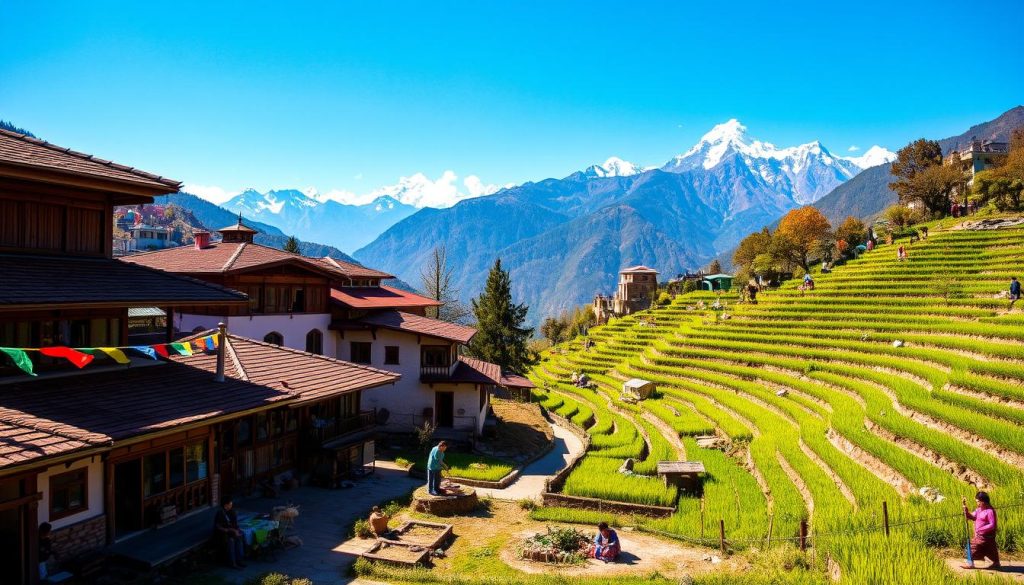
The local lifestyle in Haa Valley shows the heart of Bhutanese culture. It’s through the Haaps, a community that loves agriculture and crafts. Visitors can dive into their traditions and customs.
Try traditional farming to learn about local ways and seasons. It’s a hands-on way to appreciate the community’s life and culture. Also, eating with local families lets you taste authentic Bhutanese dishes and feel their warmth.
Bhutan values happiness over money, showing in its social structure. Free education and healthcare help the Haaps thrive. This makes Haa Valley’s lifestyle rich for both locals and visitors.
Join community events and ceremonies to really get to know the locals. It’s a chance to make lasting connections and understand the valley’s values and beliefs.
How to Get to Haa Valley
Getting to Haa Valley is an exciting adventure with breathtaking views and rich culture. Paro is the main entry point for most visitors to Bhutan. The drive from Paro to Haa Valley takes about two hours, making it easy for travelers to reach this hidden treasure.
Driving from border towns is another option. The route you take will show you different landscapes and attractions.
Getting permits is key to entering Haa Valley. Make sure to get these in advance for a smooth trip. Check with local authorities or your travel agency for the right documents.
Choosing where to stay is important. Haa Valley has places that mix local culture with modern comforts. Here are some top picks:
| Accommodation Type | Features | Price Range (per night) |
|---|---|---|
| Guesthouse | Authentic local experience, home-cooked meals | $20-$50 |
| Mid-range Hotel | Comfortable rooms, onsite dining | $50-$100 |
| Luxury Resort | High-end amenities, stunning views | $100-$300 |
For a great trip, remember these tips. The best times to visit are March to May and September to November. The weather is perfect for outdoor fun. A local guide can make your visit even better.
Think about using local transport like renting a car or a taxi. This will give you more freedom in your travel plans. The beauty of Haa Valley is waiting for you.
Sustainable Tourism Practices in Bhutan
Sustainable tourism in Bhutan focuses on protecting the environment and helping local communities. It keeps the landscapes unique and the culture intact. In places like Haa Valley, tourism aims to preserve both the environment and culture for the future.
This approach helps local people by boosting their economy. It also keeps the negative effects of more visitors low. By staying in homestays and using local guides, visitors can truly connect with the culture and nature.
Visitors must follow rules to respect the local way of life. This means supporting local artists and not wasting resources. For example, responsible travel helps protect the environment while enjoying Haa Valley’s beauty.
Rules about permits help keep tourism sustainable. This way, the beauty of Haa Valley can be enjoyed for years to come.
- Support local economies through community-based initiatives.
- Engage in eco-friendly practices during your travels.
- Prioritize cultural sensitivity and respect local customs.
- Choose guided tours that emphasize sustainability.
Choosing sustainable tourism in Bhutan, like in Haa Valley, helps protect the environment. It also lets you enjoy the area’s beauty and culture. Your decisions help keep this special place alive for future generations.
Conclusion
Haa Valley is a hidden gem in Bhutan, offering a mix of natural beauty, rich culture, and peaceful landscapes. It’s perfect for those who love adventure or just want to relax. The valley is about 65 kilometers from Paro International Airport, making it easy to get to.
It’s famous for landmarks like Haa Wangchuklo Dzong and temples like Lhakhang Karpo and Lhakhang Nagpo. These make it a top spot for culture lovers. Don’t miss the Haa Summer Festival to see the local customs and traditions.
The valley is also known for its delicious food, like Ema Datshi made with local ingredients. The calm atmosphere, stunning views of Mount Chomolhari, and diverse wildlife make it great for both relaxation and adventure. Exploring Haa Valley is a chance to see Bhutan’s heritage up close. Plan your trip well, and you’ll discover its wonders.