

Explore Responsible Tourism Options in Kisumu
Planning a trip to Kisumu, on Lake Victoria’s shores, raises a question: How can your travels positively impact this culturally rich and naturally beautiful destination?
Kisumu is a gateway to western Kenya’s wonders. It combines cultural richness with natural beauty. By choosing sustainable travel initiatives, you help protect the area’s resources and support local people.
This article will show you the responsible tourism choices in Kisumu. It aims to help you make choices that are good for the environment and the local economy.
Discovering Kisumu: Kenya’s Vibrant Lake City
Exploring Kisumu reveals a mix of natural beauty and cultural richness. It sits on Lake Victoria’s shores, offering diverse experiences for visitors.
Geographical Setting and Natural Beauty
Kisumu’s spot on Lake Victoria has shaped its culture and growth. It’s surrounded by wonders like the Dunga Swamp, perfect for birdwatchers. Enjoy eco-friendly tours to see the city’s beauty without harming the environment.

Cultural Heritage and Historical Significance
Kisumu boasts a rich cultural heritage, tracing back to colonial times. Visit the Kisumu Museum to learn about local history and traditions. Join community-based tourism to dive into local culture and support local communities.
Current Tourism Landscape
Kisumu’s tourism is growing, focusing on sustainable practices. You can stay in eco-lodges or community homestays. The city encourages responsible travel, like reducing plastic and supporting local businesses.
| Tourism Aspect | Description | Benefits |
|---|---|---|
| Eco-Friendly Tours | Guided tours that minimize environmental impact | Supports conservation efforts |
| Community-Based Tourism | Initiatives that promote cultural exchange and support local communities | Empowers local economies |
| Sustainable Accommodation | Eco-lodges and community-owned homestays that adopt sustainable practices | Reduces carbon footprint |
The Principles of Responsible Tourism in Kisumu
Responsible tourism in Kisumu is based on key principles. These ensure a positive impact on the environment, local economy, and cultural heritage. By following these principles, you help conserve Kisumu’s unique ecosystem and improve your travel experience.
Environmental Stewardship in a Lakeside Ecosystem
Environmental stewardship is crucial in Kisumu. It means adopting green tourism practices like reducing waste and conserving water. Choosing eco-friendly places to stay and joining conservation efforts help protect the lakeside ecosystem.
Here are some ways to practice environmental stewardship:
- Use public transport or cycle
- Reduce plastic use
- Support local conservation projects

Economic Benefits for Local Communities
Responsible tourism in Kisumu also benefits local communities economically. Supporting local businesses helps the local economy and promotes sustainable jobs. You can do this by:
- Eating at local restaurants and cafes
- Shopping at local markets
- Joining community-based tourism initiatives
These actions not only make your trip better but also help the local population.
Cultural Respect and Preservation
Cultural respect and preservation are key in ethical travel experiences in Kisumu. It’s important to respect local customs and traditions. By being mindful of your actions, you help preserve Kisumu’s cultural heritage.
Here are some ways to show cultural respect:
- Learn about local customs and traditions
- Visit cultural sites responsibly
- Engage with local communities respectfully
Planning Your Responsible Visit to Kisumu
Starting your trip to Kisumu with careful planning is key. Think about how your visit will affect the local environment. This is the first step in responsible tourism.
Best Times to Visit for Minimal Environmental Impact
The dry seasons, from June to September and January to February, are the best times to visit Kisumu. These months have less environmental impact and better weather for your activities. A local expert notes, “Traveling during the dry season improves your experience and helps local resources.”
Pre-Trip Research and Preparation
Doing your homework before you go is vital. Learn about the local culture, customs, and environmental issues. This knowledge helps you make better travel choices. Also, find out about local rules and sustainable tourism practices.

Packing Sustainably for Your Journey
Packing smart is a big part of responsible travel. Bring reusable bags, refillable water bottles, and eco-friendly toiletries. This reduces your carbon footprint and helps keep Kisumu beautiful. Seasoned travelers suggest packing light and sustainably.
Remember, every choice you make matters. Your actions can greatly affect the local community and environment. Being thoughtful about your actions ensures a great experience for you and the people of Kisumu.
Eco-Friendly Accommodation Options
Kisumu has many sustainable places to stay. You can find green-certified hotels and community-owned homestays. These options ensure a responsible and enjoyable visit. With over 52 sustainable places, you can pick what fits your values and supports the local economy.
Green-Certified Hotels and Eco-Lodges
Kisumu’s green-certified hotels and eco-lodges offer luxury with a conscience. They use energy-efficient lighting and reduce waste. This helps them have less impact on the environment.
Dunga Hill Camp and Eco-Lodge
Dunga Hill Camp and Eco-Lodge is a top choice for sustainable luxury. It provides comfortable stays while focusing on the environment and community.
Kiboko Bay Resort’s Sustainability Initiatives
Kiboko Bay Resort is known for its green efforts. It uses solar power for water heating and local materials. This shows its commitment to being eco-friendly.
Community-Owned Homestays and Guesthouses
Staying in a community-owned homestay or guesthouse is unique. It lets you connect with locals, learn their traditions, and help their economy.
Sustainable Camping Experiences Around Lake Victoria
Kisumu also has sustainable camping options around Lake Victoria. These camps follow eco-friendly practices. They offer a chance to enjoy nature.
| Accommodation Type | Sustainability Features | Price Range |
|---|---|---|
| Green-Certified Hotels | Energy-efficient lighting, waste reduction | $100-$250 per night |
| Community-Owned Homestays | Local engagement, traditional practices | $20-$50 per night |
| Eco-Lodges | Solar power, eco-friendly materials | $80-$200 per night |
| Sustainable Camping | Eco-friendly campsites, nature connection | $10-$30 per night |

Sustainable Transportation Choices
Kisumu offers many eco-friendly ways to get around. These options let you see the city while being kind to the planet. Choosing sustainable travel makes your trip better for the environment and for you.
Low-Carbon Transport Options Within the City
Kisumu has made big steps in green transport. You can use electric or hybrid cars, which are better for the air than old cars. These cars are comfy and make getting around easy.
Bicycle Tours and Walking Excursions
Seeing Kisumu by bike or on foot is fun. You get to enjoy the city’s culture and nature slowly. Many tours show you around and help you stay active while being green.

Responsible Boat Tours on Lake Victoria
Visiting Kisumu means seeing Lake Victoria. Responsible boat tours show you the area’s beauty and culture. By picking tours that care for the environment, you help the local economy and enjoy the lake.
Choosing green transport in Kisumu helps the planet and supports local businesses. It also makes your trip more enjoyable.
Community-Based Tourism Initiatives in Kisumu
Exploring Kisumu reveals many community-based tourism projects. These projects help local economies and foster cultural understanding. They make your trip better and help the local communities thrive.
Local Cooperatives and Social Enterprises
Local cooperatives and social enterprises lead in Kisumu’s community tourism. They let community members share their skills and culture with visitors. Here are two examples:
Dunga Beach Women’s Group
The Dunga Beach Women’s Group empowers women through work. By joining their activities, you support women’s empowerment and community growth.
Kit Mikayi Community Tourism Association
The Kit Mikayi Community Tourism Association shares the cultural and spiritual value of Kit Mikayi. Your support helps preserve local heritage and traditions.
Village Tours and Cultural Immersion Programs
Village tours and cultural immersion programs let you see Kisumu’s real culture. These programs offer a chance to meet locals, learn about their lives, and enjoy their hospitality. They help the local economy and build cultural bridges.

Supporting Women-Led Tourism Projects
Backing women-led tourism projects is key for gender equality and economic empowerment in Kisumu. Engaging with these projects supports a fairer tourism industry. They benefit women, their families, and communities.
“Community-based tourism initiatives in Kisumu are a testament to the power of collaborative efforts between local communities, tourism stakeholders, and visitors.”
Choosing community-based tourism in Kisumu positively impacts local communities. It helps make tourism in the area sustainable for the long term.
Ethical Wildlife and Nature Experiences
Exploring Kisumu reveals many ethical wildlife and nature experiences. These allow you to connect with the area’s diverse ecosystems. Kisumu is known for its rich biodiversity, making it perfect for nature lovers and conservationists.
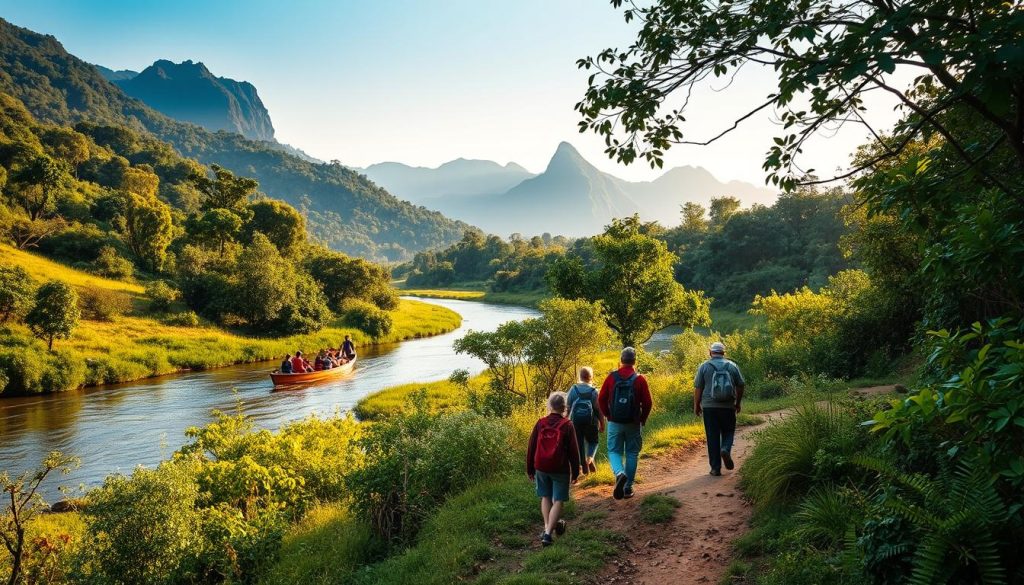
Responsible Bird Watching at Dunga Swamp
Dunga Swamp is a top spot for bird watchers. It’s home to over 100 bird species, like the African fish eagle and the great egret. Responsible bird watching here supports local conservation and lets you see birds in their natural home.
The swamp’s bird variety comes from its unique spot where wetlands meet grasslands. Visitors can join guided tours with local guides. They can identify species and share insights into their habitats and behaviors.
Sustainable Safari Options Near Kisumu
Kisumu is close to wildlife sanctuaries and national parks with sustainable safari experiences. The Impala Sanctuary and Ruma National Park are two notable places. They focus on conservation and involve the community.
Impala Sanctuary Conservation Efforts
The Impala Sanctuary works to protect impalas and other wildlife. It does habitat restoration and fights against poaching. Visitors can join guided tours and learn about the sanctuary’s work.
Ruma National Park Responsible Visitation
Ruma National Park is home to diverse wildlife, like Rothschild’s giraffes and lions. The park encourages responsible visitation. This includes staying on trails and not feeding wildlife. Following these rules helps protect the park’s environment.
| Conservation Area | Main Attractions | Conservation Efforts |
|---|---|---|
| Impala Sanctuary | Impalas, guided tours | Habitat restoration, anti-poaching |
| Ruma National Park | Rothschild’s giraffes, lions | Responsible visitation practices |
| Dunga Swamp | Bird watching, wetland ecosystem | Local conservation efforts |
Conservation-Focused Nature Walks and Activities
Kisumu also offers conservation-focused nature walks and activities. These programs teach visitors about the region’s ecosystems and promote environmental awareness. By joining these activities, you can appreciate Kisumu’s natural beauty and help its conservation.
Choosing ethical wildlife and nature experiences in Kisumu enriches your travel. It also supports local conservation efforts. By picking eco-friendly tours and responsible wildlife viewing, you help preserve this beautiful area.
The Impact of Responsible Tourism Kisumu
Kisumu’s adoption of responsible tourism has brought about great changes. It has helped in conservation, community development, and keeping cultural traditions alive. As a visitor, you can be part of this positive change.
Environmental Conservation Success Stories
Responsible tourism in Kisumu has made a big difference for the environment. Eco-friendly lodges and tour operators have started using sustainable practices. This has reduced their carbon footprint and helped keep Lake Victoria beautiful.
Conservation efforts have also gotten a boost from community-led projects. These projects protect local wildlife and ecosystems.

Economic Empowerment Through Ethical Travel
Choosing community-based tourism options helps local communities financially. Ethical travel practices mean your money goes to local businesses and cooperatives. This supports fair trade and helps the economy grow.
This approach has raised living standards and given new opportunities to residents.
| Economic Benefits | Community Impact |
|---|---|
| Job creation in tourism sector | Increased household income |
| Support for local businesses | Improved living standards |
Cultural Heritage Preservation Initiatives
Responsible tourism has also helped preserve Kisumu’s cultural heritage. Cultural immersion programs and support for local artisans help keep traditions alive. This enriches your travel experience and ensures Kisumu’s cultural identity continues.
Understanding the impact of your visit helps you make choices that support conservation and community development in Kisumu.
Conclusion: Making a Positive Difference Through Your Kisumu Visit
When you plan a trip to Kisumu, you can make a big difference. By choosing sustainable travel, you help protect the area’s nature and culture. This is a great way to support the local community.
Your decisions, like staying in eco-friendly places and joining local tours, matter a lot. They help promote green tourism in Kisumu. By doing this, you support the local economy and help the environment.
Exploring Kisumu can be a rewarding experience. Be aware of how your actions affect the place. This way, you help keep Kisumu’s culture and environment safe. Your visit can truly make a difference in the lives of the people there.





