

Responsible Tourism Guide to Cox’s Bazar
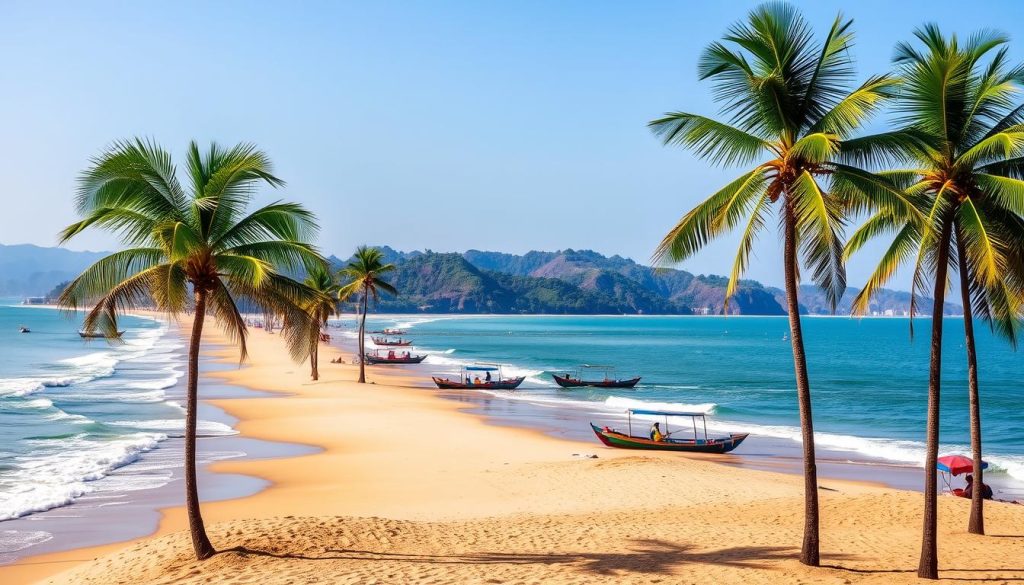
Have you ever thought about how your travels affect the places you visit? Cox’s Bazar, a gem in Bangladesh, encourages you to think about eco-friendly travel. It’s home to the world’s longest natural sea beach, a 120-kilometer stretch of beauty.
This coastal paradise is leading the way in responsible tourism. You’ll learn how to travel here in a way that respects both nature and local communities. This guide offers valuable insights and practical advice for a meaningful visit.
Introduction to Cox’s Bazar
Cox’s Bazar is a stunning example of nature’s beauty, famous for its 155-kilometer long beach. It attracts millions of tourists yearly, eager to see what Bangladesh has to offer. The new railway link to Dhaka, opened on December 1, 2023, makes it easier for everyone to visit.
The area’s blue waters and subtropical climate make it a perfect escape. The beach is stunning, and Cox’s Bazar is also home to beautiful islands like Saint Martin’s and Sonadia. These islands are protected to keep their ecosystems safe.
As more people visit, there are challenges to face. Too many buildings and resorts can harm the natural beauty. Pollution from these activities also threatens the environment, showing the need for green travel.
The government is working to make tourism better for Cox’s Bazar. They’ve set up the Cox’s Bazar Development Authority in 2016. They also have new rules to help protect the area while it grows.
Cox’s Bazar is a unique place for those who want to travel responsibly. The growth of tourism in Bangladesh shows a commitment to preserving this natural wonder. By choosing sustainable travel, we can all help keep Cox’s Bazar beautiful for years to come.
What Makes Cox’s Bazar a Unique Destination
Cox’s Bazar is a standout travel spot, thanks to its stunning natural beauty. People come to see the amazing views and the rich wildlife. It’s a top pick for those who care about the environment.
The Longest Natural Sea Beach in the World
Cox’s Bazar boasts the longest sea beach, stretching 120 kilometers along the Bay of Bengal. It’s a haven for beach enthusiasts. You can swim, sunbathe, or play volleyball, all against a stunning backdrop.
Diverse Marine Life and Ecosystems
The area’s varied ecosystems are vital for the local environment. Cox’s Bazar’s waters are full of life, from jellyfish to sea turtles. These creatures help keep the ocean healthy. Efforts in ecotourism aim to protect these habitats, teaching visitors about their value.

| Aspect | Description |
|---|---|
| Length of Beach | 120 kilometers |
| Marine Biodiversity | Home to jellyfish, sea turtles, and various fish species |
| Ecotourism Efforts | Focus on conservation and education about ecosystems |
| Peak Tourist Season | November to March |
| Travel Duration from Dhaka | 8-9 hours by bus, 1-1.5 hours by plane |
Learning about Cox’s Bazar’s beauty and its ecosystems can improve how we enjoy marine tourism. It’s good for both visitors and the environment.
Understanding Responsible Tourism
Responsible tourism is key to the future of places like Cox’s Bazar. With 2 million tourists in peak season, it greatly affects local communities and nature. It’s important for travelers to choose wisely, respecting the culture and environment.
By 2030, Cox’s Bazar might see 15 million tourists. This could bring economic growth but also big challenges. Sustainable projects aim to protect marine life, manage waste, and promote green hotels. These efforts are crucial to keep Cox’s Bazar beautiful and ensure locals benefit from tourism.
Most visitors are from within the country, looking for experiences over places to stay. To draw more international visitors, Cox’s Bazar must change its image. It needs to show off its natural wonders and cultural richness through smart marketing.
As tourism grows, it’s vital to lessen its negative effects. Focusing on sustainability improves tourist experiences and protects the area for the future. By adopting eco-friendly habits, everyone can enjoy a better quality of life.
| Factors | Positive Impact of Responsible Tourism | Negative Impact of Unchecked Tourism |
|---|---|---|
| Environmental Conservation | Preservation of natural resources | Depletion and pollution of ecosystems |
| Community Development | Job creation and local empowerment | Economic disparity and cultural erosion |
| Tourist Experience | Enhanced satisfaction through authentic experiences | Overcrowding and diminished quality of attractions |
| Long-term Viability | Sustainable growth of tourism economy | Unsustainable practices leading to destination decline |
Cox’s Bazar Responsible Tourism Practices
Cox’s Bazar is moving towards responsible tourism. This aims to help both visitors and locals. It’s important as tourism grows. Sustainable tourism Cox’s Bazar is key to this effort.
Waste reduction is a big part of this. It helps keep the beaches clean. Local groups and authorities work together to manage waste well.
They also focus on saving energy and water. This helps local resources last longer. It keeps tourists happy too.
Working with locals is another big step. It helps the economy grow. It also lets locals have a say in tourism.
But, there are challenges like too many tourists. This hurts the environment and culture. To fix this, rules and community help are needed.
Rules and better management keep the area beautiful. Offering more than just beach activities helps too. This spreads out the visitors.
These steps help Cox’s Bazar stay a great place. They protect its nature and culture for the future.
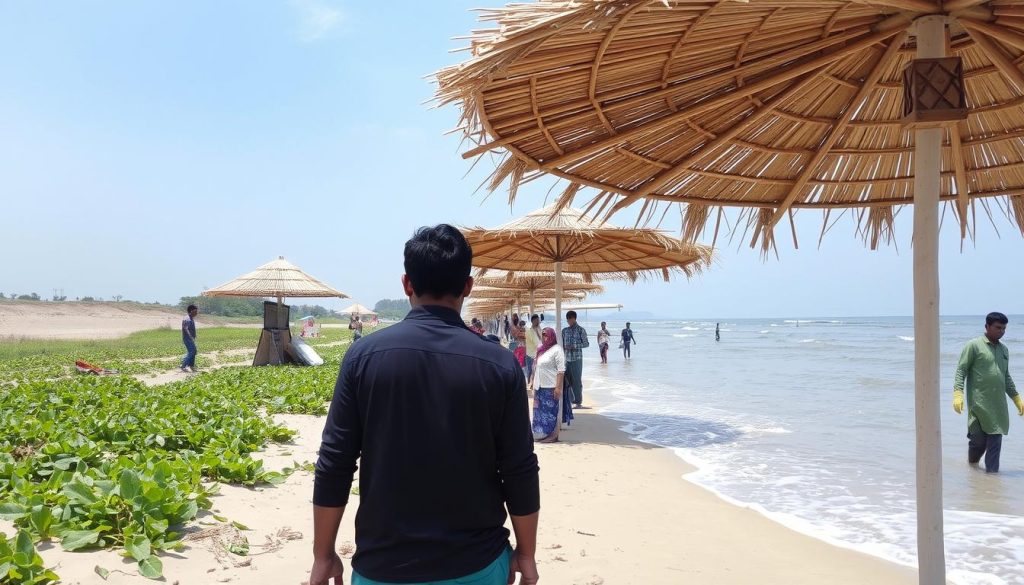
Eco-Friendly Travel in Cox’s Bazar
Cox’s Bazar is now a top spot for eco-friendly hotels. It has many hotels that care about the planet. These places offer a luxurious stay while being kind to the environment.
Eco-Conscious Accommodation Options
Looking for a place to stay? Check out these eco-friendly resorts:
- DERA Resort & Spa: Near Inani Beach, it has villas, an organic spa, and a local food restaurant.
- Mermaid Eco Resort: In Pechar Dwip, it’s a 12-acre paradise with private pools and family villas.
- Divine Resort: It’s luxurious and eco-friendly, blending beach life with green practices.
- Neeshorgo Hotel & Resort: Offers stunning views and comfy rooms near Dolphin Square, focusing on eco-friendliness.
- Inani Royal Resort: Close to Inani Beach, it has cozy rooms and a picnic area for a natural getaway.
These hotels in Cox’s Bazar are not just beautiful. They also care for the planet.
Supporting Local Businesses
Choosing eco-friendly hotels is just the start. Buying from local shops and eating at places with fresh seafood helps the economy. It also makes your trip better and supports Cox’s Bazar’s culture.

Community-Based Tourism Initiatives
In Cox’s Bazar, community-based tourism is key for cultural exchange and economic growth. It lets visitors dive into the area’s lively traditions and practices. This way, they gain a deeper respect for local culture and support the community.
Engaging with Local Communities
Joining community-based tourism in Cox’s Bazar strengthens ties between tourists and locals. You can engage in many ways, like:
- Participating in cultural workshops that show off traditional crafts and practices.
- Enjoying meals made by locals and learning about their cooking traditions.
- Visiting local farms to see organic farming and sustainable methods up close.
These interactions give tourists a peek into daily life. They create meaningful connections that can positively impact society.
Empowering Artisan Crafts
Supporting artisan crafts is vital in community-based tourism. Local artisans depend on their skills to make a living. By backing these crafts, you help their economic stability. Here’s why:
- Artisans make products that show Cox’s Bazar’s rich cultural heritage.
- Your buying helps keep traditional skills alive, which might be lost.
- Money from sales goes to local projects and initiatives.
Starting this support lets artisans flourish. They can share their heritage with Cox’s Bazar’s visitors.
| Community Engagement Activities | Benefits for Locals | Benefits for Tourists |
|---|---|---|
| Cultural Workshops | Income generation for artisans | Hands-on learning experiences |
| Farm Visits | Promotion of sustainable practices | Understanding local agricultural methods |
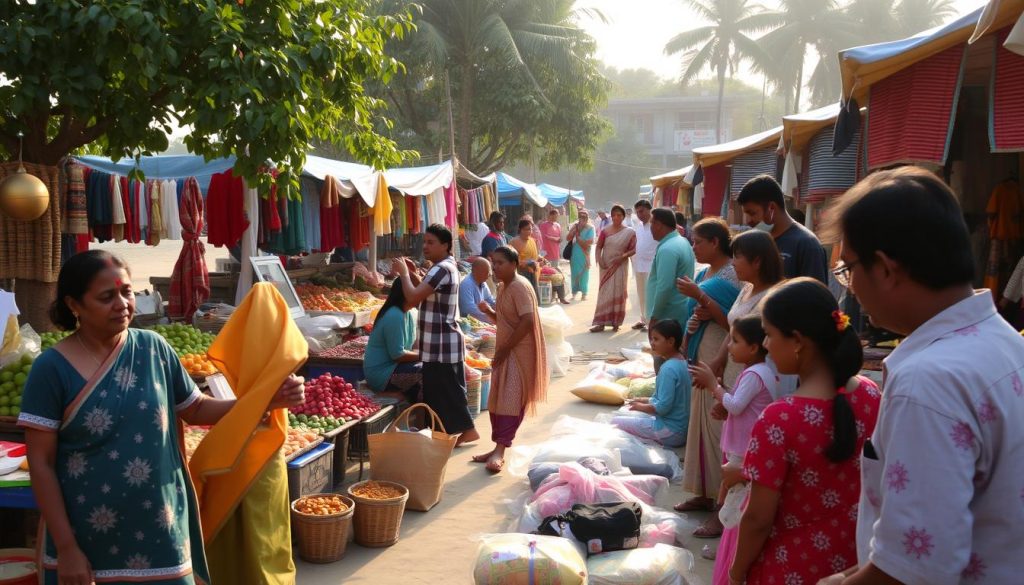
| Craft Markets | Showcasing local talent | Access to unique, authentic products |
Supporting community-based tourism initiatives enriches your travel. It empowers local communities and ensures a sustainable future for Cox’s Bazar. This approach makes your travels more meaningful and helps preserve the area’s unique culture.
Exploring Sustainable Tourism Practices in Cox’s Bazar
Cox’s Bazar is known for its beautiful nature. It’s working hard to keep this beauty by focusing on the environment and helping the community. These efforts keep the area lovely and support the people who live there.
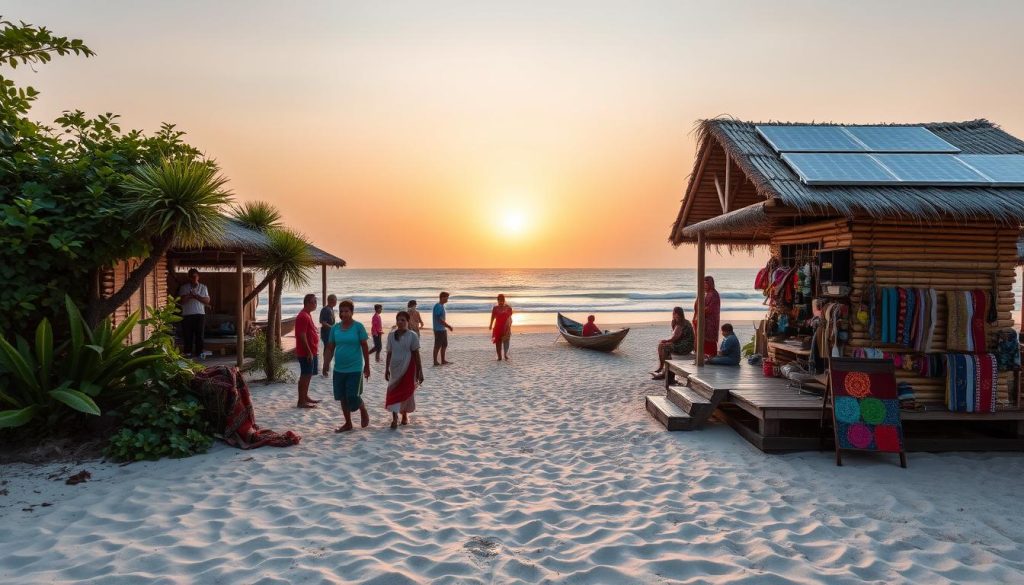
Every year, about 2 million people visit Cox’s Bazar. By 2030, this number could grow to 15 million. This means we need to travel in a way that doesn’t harm the place or the people.
Many groups are working together to make tourism better. They focus on things like:
- Reforestation Efforts: They’re planting trees to help animals and plants.
- Waste Management Programs: They teach visitors to throw away trash properly to protect the sea.
- Marine Ecosystem Protection: They clean up the sea to keep it safe for all living things.
These actions make Cox’s Bazar a better place for tourists and help them learn about the environment. It’s important for visitors to act responsibly, like eating local food and not wasting things. This helps keep Cox’s Bazar beautiful.
More and more people want to visit Cox’s Bazar in a way that’s good for the planet. They look for places to stay that care about the environment. As more people from Bangladesh visit, it’s key to make sure tourism is done right.
In short, Cox’s Bazar is showing us how to care for the environment and help the community. It’s a great example of how tourism can be good for everyone.
Ethical Tourism Initiatives in Cox’s Bazar
Visiting Cox’s Bazar means supporting its natural and cultural beauty. Efforts here protect endangered species and raise awareness about environmental issues. This work brings together visitors and locals, promoting a community that values nature and sustainability.
Conservation Efforts for Endangered Species
Efforts to save endangered sea turtles, like the olive ridley, are underway. Organizations and volunteers work hard to protect their nesting sites. They conduct patrols and surveys to keep an eye on turtle health and fight threats from fishing and pollution.
Community programs help protect marine life. They involve local people in conservation, making them part of the solution.
Environmental Education Programs
Education is key in Cox’s Bazar’s tourism. Programs teach about local ecosystems and the need for sustainable living. Workshops and activities focus on issues like plastic pollution and its harm to marine life.
This knowledge inspires visitors to act responsibly. It helps keep the area’s beauty for generations to come.
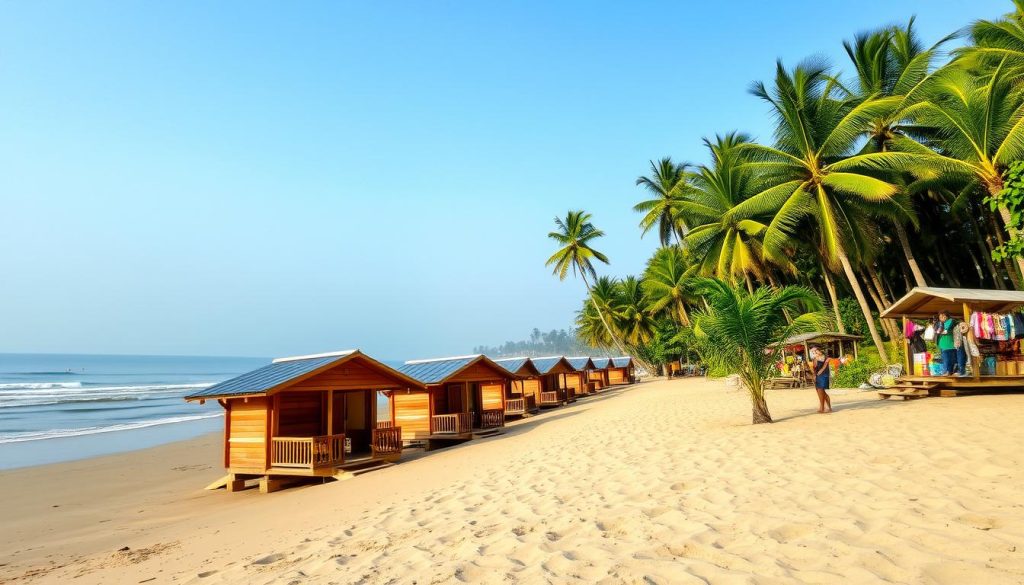
Outdoor Activities and Responsible Adventures
Cox’s Bazar is a paradise for outdoor lovers. It offers stunning landscapes for adventure and care for the environment. By choosing activities that respect nature, you help keep the area beautiful for everyone.
Guided Nature Hikes in Protected Areas
Guided hikes are a great way to see Cox’s Bazar’s plants and animals. These tours let you explore peaceful spots without harming wildlife. You’ll also learn about the area’s history and culture.
These walks are designed to be safe for both you and the environment. They show how to enjoy nature while protecting it.
Water Sports with Minimal Environmental Impact
For thrill-seekers, eco-friendly water sports are perfect. Activities like kayaking and snorkeling let you see marine life up close. They also help protect the ocean.
Choosing tours that care for the environment is key. It keeps pollution low and preserves the beauty of Cox’s Bazar.
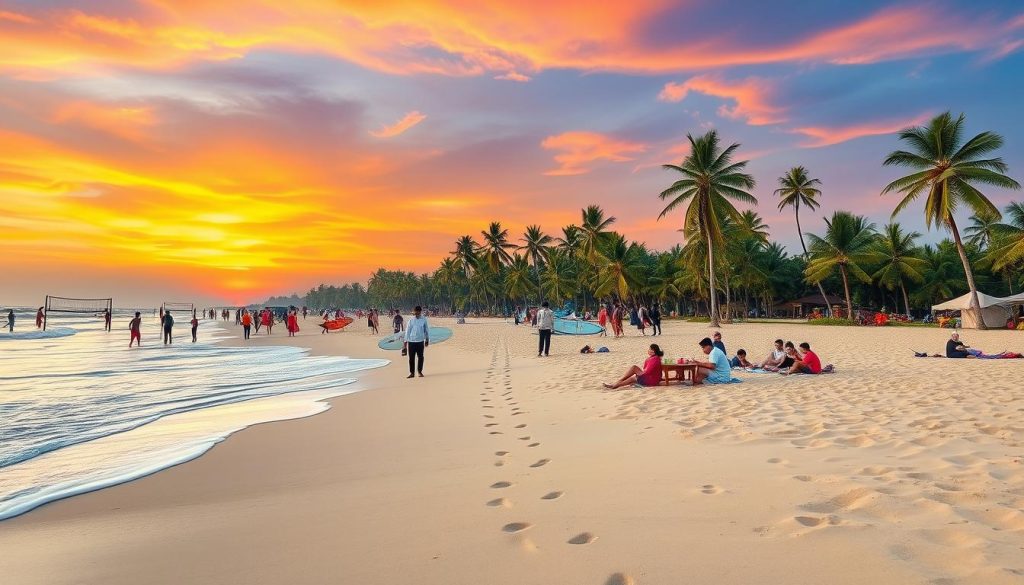
Tips for Sustainable Travel in Cox’s Bazar
Cox’s Bazar is a special place for travelers to enjoy nature while being eco-friendly. By making smart choices, you help keep its beauty alive and support local people. Here are some sustainable travel tips to keep in mind:
Pack Eco-Friendly Essentials
Start by packing light and green. Think about bringing:
- Reusable water bottles to cut down on plastic
- Cloth bags for shopping to avoid single-use plastics
- Biodegradable toiletries to protect the sea
- Portable utensils for picnics to reduce waste
These steps not only help the planet but also make your trip better. They encourage a greener way of traveling.
Follow Local Guidelines and Conservation Laws
It’s important to know and follow conservation laws Cox’s Bazar. This helps protect its beautiful landscapes and animals. Always:
- Keep a safe distance from wildlife
- Don’t make too much noise, it can harm animals
- Follow all signs and rules in nature reserves
- Support local rules to save culture and nature
By doing these things, Cox’s Bazar stays beautiful for others to see. It shows your commitment to a greener future.
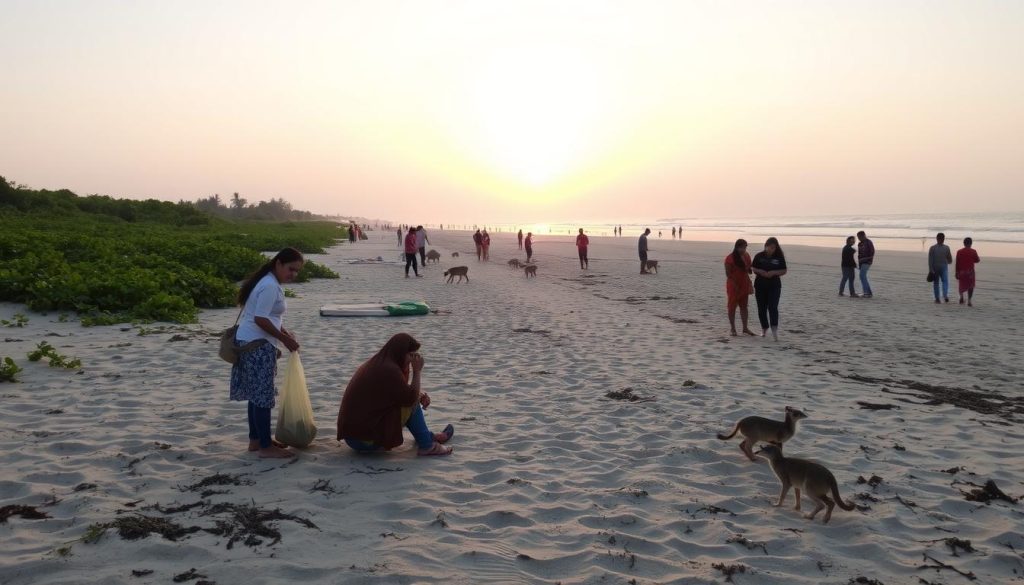
| Eco-Friendly Practice | Benefit |
|---|---|
| Using reusable items | Reduces waste and saves resources |
| Supporting local businesses | Helps the local economy and cultural exchange |
| Respecting conservation laws | Keeps natural habitats and animals safe |
| Participating in community initiatives | Builds relationships and promotes green living |
Conclusion
Cox’s Bazar is a standout travel spot, thanks to responsible tourism. It welcomes nearly two million visitors each year. These visitors come for its stunning views and rich culture.
It’s key to travel sustainably in Cox’s Bazar. This helps keep the environment safe and supports local people. It also makes sure Cox’s Bazar stays lively for years to come.
By choosing responsible tourism, you help protect Cox’s Bazar’s beauty and culture. Places like Labonee beach get very busy, with up to 30,000 visitors a day. It’s important to think about how your actions affect the environment.
Supporting local businesses and respecting local customs are good ways to travel sustainably. Reducing waste is another simple step you can take.
Education and training programs are helping make tourism more sustainable. Tourists and locals alike are learning to care for Cox’s Bazar. By picking eco-friendly choices and joining community efforts, you make your trip better and help protect the environment.
Your actions play a big role in keeping Cox’s Bazar safe and lovely for everyone. So, let’s all do our part to make it a great place to visit.





