Explore Davao Tribal Villages & Cultural Tours
Ever wondered what it means to truly experience tribal heritage in Davao? In Davao City’s heart, you’ll find a rich mix of indigenous communities. They have a deep history and unique customs. This place offers stunning landscapes and a chance to dive into Davao’s tribal villages and cultural experiences.
Walking through Davao’s lush terrains and cultural springs, you’ll discover amazing stories and traditions. You’ll see their traditional crafts and festivals. Each visit connects you to ancient wisdom and modern practices. Start your journey into Davao’s world of indigenous cultural tours!
Introduction to Davao’s Rich Indigenous Heritage
Davao is a special place with a rich cultural mix. It’s home to many Davao indigenous communities. The Lumad, meaning “native” in Cebuano, are the main inhabitants. They have their own languages, rituals, and art, making Davao unique.
The B’laan, Tagakaolo, and Mangguangan tribes are just a few examples. Each tribe adds its own story and traditions to the area.
The region is also dotted with Davao tribal villages. Visiting these villages offers a deep look into the traditional ways of life. Seeing how different tribes live together shows the region’s vibrant culture. This sets the stage for diving into Davao’s rich indigenous heritage.
Davao Tribal Villages and Cultural Experiences
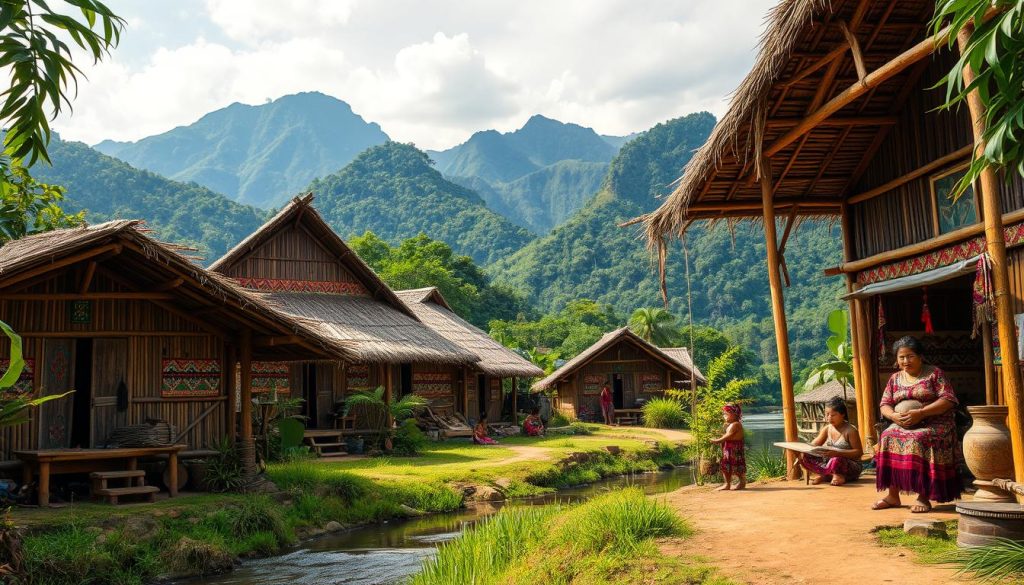
Davao is home to a rich indigenous culture found in its tribal communities. By engaging with these communities, you gain insight into their unique identities and customs. Visiting Davao tribal villages and experiencing their culture makes your trip more than just a journey. It becomes a deep dive into Davao’s heart.
Overview of the Tribal Communities
Davao is home to many tribal communities, each adding to the area’s cultural richness. The B’laan tribe is known for their beautiful textiles, showing their creativity in every piece they make. The Tagakaolo tribe impresses visitors with their storytelling and music, sharing their heritage through song and performance.
With 11 recognized tribes in Davao City, including five Lumad and six Moro tribes, there’s much to explore. You can learn about different cultural stories and practices.
Unique Cultural Practices in Davao Villages
Every Davao tribal village has its own special cultural practices. These practices connect the people to their ancestors and the environment. Visitors can join in on traditional dances, rituals, and crafts, forming a connection with the local heritage.
These activities not only make your trip more rewarding but also encourage cultural exchange and learning. The Bantawan Cultural Presentation at Magsaysay Park is a great example. It showcases music and dance from various tribes every weekend in August, highlighting the importance of exploring Davao’s tribal traditions.
Exploring the B’laan Cultural Tribal Village
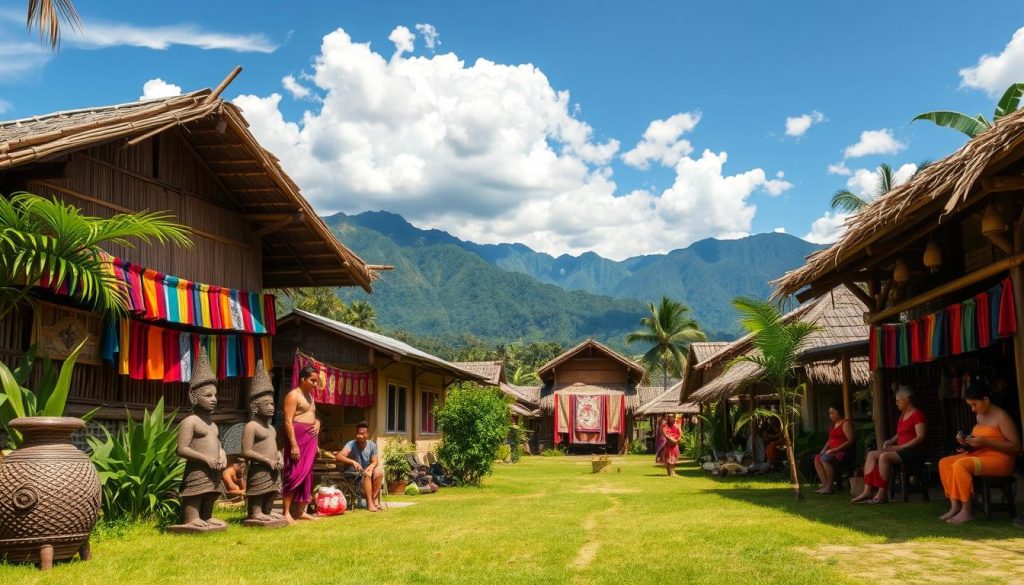
Visiting the B’laan cultural village is a chance to dive into authentic tribal experiences in Davao. This community is deeply rooted in its cultural heritage. They offer unique insights through traditional crafts and performances that reflect their rich history.
Traditional Crafts and Performances
The B’laan people are skilled in many traditional crafts that show their cultural identity. At the Fu Yabing Weaving Center, local artisans show off their Blaan weaving skills. This skill is now shared by both men and women, breaking past conventions.
Under the guidance of Yabing Masalon Dulo, a National Living Treasure, you can observe and even join in this unique craft. Traditional performances featuring music and dance also captivate visitors. They provide a vibrant glimpse into B’laan cultural traditions.
Community Engagement Activities
Engaging with the community deepens your understanding of their daily lives and cultural practices. You can participate in agricultural activities on their 3.5-hectare farm. The farm produces fruits like grapes, raspberries, and dragon fruits.
Visitors can help with harvesting and learn about sustainable farming methods. Enjoy traditional Blaan dishes prepared from local ingredients. This enhances your experience of their culinary heritage. The community promotes a collaborative approach, ensuring your visit supports local economy and cultural preservation.
For those eager to explore more, the entrance fee is PHP 30.00. Accommodation options range from 1,200 to 3,000 pesos.
Discovering the Tagakaolo Cultural Tribal Village
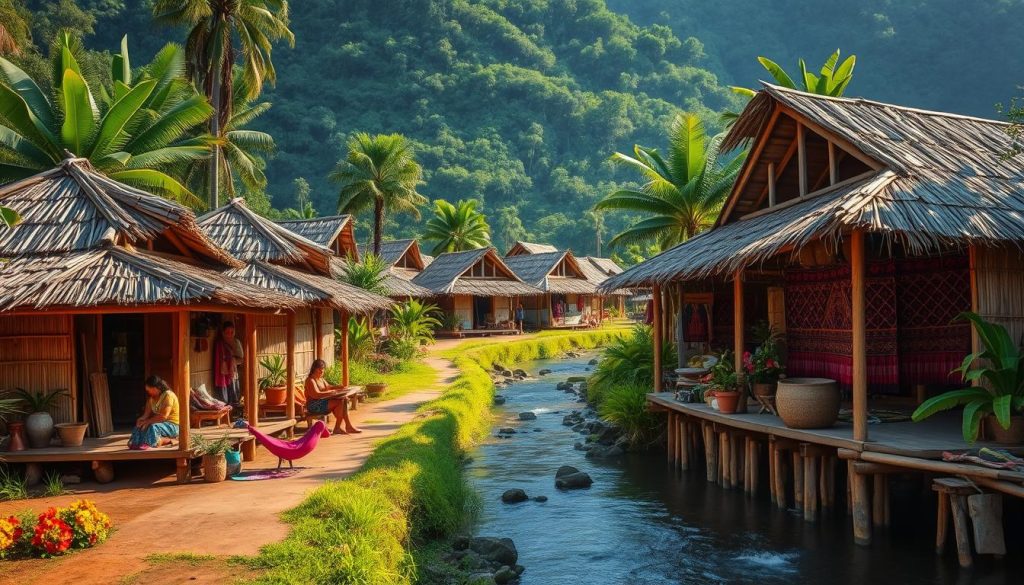
The Tagakaolo Cultural Tribal Village is a key place to learn about the Tagakaolo people’s traditions. It’s in the heart of Davao’s tribal villages. Here, you can dive into indigenous life through interactive activities.
Storytelling sessions led by tribal elders are a big part of it. These stories share the Tagakaolo’s rich folklore and history.
Playing traditional games is another fun way to connect with their culture. You can also try authentic dishes and learn about their ingredients and cooking methods. These experiences help you understand and respect their way of life.
Every moment in the Tagakaolo Cultural Tribal Village strengthens cultural bonds. It shows the beauty of indigenous living. Visiting this village makes your travel more meaningful and highlights the need to preserve these unique cultures in Davao’s diverse villages.
Tribu K’Mindanawan Cultural Village: A Living Museum
The Tribu K’Mindanawan Cultural Village is a lively display of Davao’s diverse indigenous cultures. It’s a place where visitors can dive into the history, arts, and traditions of different tribes. You can join in on interactive cultural programs that help you understand the indigenous way of life and support cultural preservation.
Interactive Cultural Programs
At the cultural village, there are many interactive programs for visitors. You can watch live performances of traditional music and dance. You can also take part in hands-on workshops to learn skills like weaving and making tribal art.
These activities are not just fun. They give you a real look into the daily lives and practices of tribes like the Mangguangan, Mansaka, and T’boli.
Shopping for Handcrafted Souvenirs
Shopping for handicrafts in Davao is a big part of your visit. The village has a marketplace where local artisans sell their work. You can find everything from intricate woven textiles to beautifully crafted wooden sculptures.
By buying these souvenirs, you help support the artisans and their communities. Each piece has a story and reminds you of Davao’s rich culture and heritage.
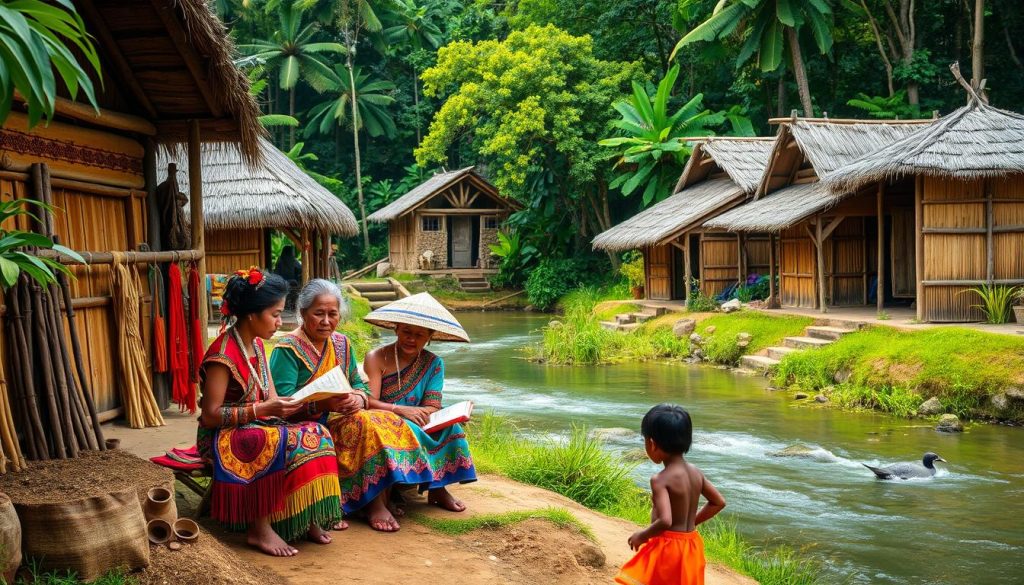
| Tribe | Traditional House | Features |
|---|---|---|
| Mangguangan | Tog’gan | Elevated 3 feet, shoulder-height walls, small altar |
| Mansaka | Uyaanan | Single-roomed, elevated 12 feet, accommodates 3 families |
| Ata Manobo | Binotok | Low, square shape, bamboo laths floor, cogon roof |
| Ata Paquibato | Binanwa Baluy | Stilt house on sturdy posts, bamboo laths floor |
| Obo Manobo | Bakag | Airy, accommodates 2-3 families, woven bamboo, cogon roof |
| Bagobo Tagabawa | Bale | Bamboo walls, steep roof, attic for daughters |
| T’boli | Gono | Bamboo, cogon, uway materials, kin-oriented clusters |
Immersive Indigenous Cultural Tours in Davao
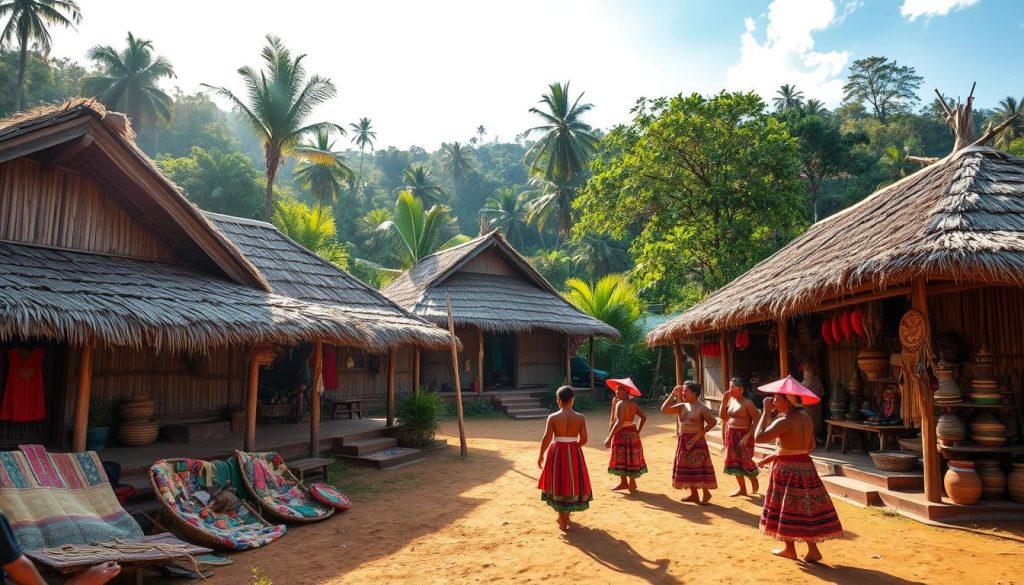
Davao offers a special chance for Davao indigenous cultural immersion. You can visit places like the Salinta Monon Weaving Center and Tibolo Cultural Village. These spots show off local arts, traditions, and the daily lives of indigenous people.
Going on immersive tours gives you a wide range of experiences. You can join in cultural practices, cooking, and storytelling. Seeing ceremonies up close helps you understand tribal life better and connect with local families. Davao has everything from surfing beaches in Malita to amazing dive sites in Davao Oriental, perfect for adventure and culture seekers.
These tours have an average rating of 4.8 out of 5 and over 19,431 reviews. People love them. You’ll get to know Davao’s indigenous communities better and appreciate their rich cultures.
The Museo Dabawenyo is a symbol of Davao’s cultural richness. It’s open from Monday to Saturday, and admission is free. This helps keep Davao’s unique heritage alive.
| Feature | Details |
|---|---|
| Cultural Villages | Salinta Monon Weaving Center, Tibolo Cultural Village |
| Average Tour Rating | 4.8 out of 5 |
| Number of Reviews | 19,431 |
| Museo Dabawenyo Hours | Monday to Saturday, 8:30 AM – 5:30 PM |
| Admission Fee | Free |
| Other Attractions | Surfing-ready beaches, UNESCO World Heritage Sites, natural attractions |
Understanding Davao Indigenous Communities
Learning about the history of Davao’s indigenous communities helps us appreciate their customs and values. The area is rich in cultural heritage, thanks to tribes like the Bagobo, Ata, and Manobo. These communities blend ancient traditions with modern influences, showing resilience in the face of change.
Historical Context of the Indigenous Peoples
The Davao region is home to 23 to 25 indigenous tribes. Davao City is a key place for the Bagobo, Ata, and Manobo tribes. Their history is shaped by indigenous practices and Spanish colonization.
Spanish missionaries taught farming and fishing skills, while respecting their cultural traditions. Despite modernization and migration after World War II, these tribes have kept their heritage alive. They do this through weaving and traditional music.
Current Initiatives for Cultural Preservation
Today, there are many efforts to preserve the indigenous identity of the younger generations. Educational programs and workshops teach traditional practices. This ensures they are not lost over time.
Local organizations and tribal leaders work together to create sustainable tourism. This tourism respects the knowledge and traditions of Davao’s indigenous communities. Events like the Kadayawan Festival celebrate these traditions, showing their importance in today’s world.
Traditional Festivals Celebrated in Davao
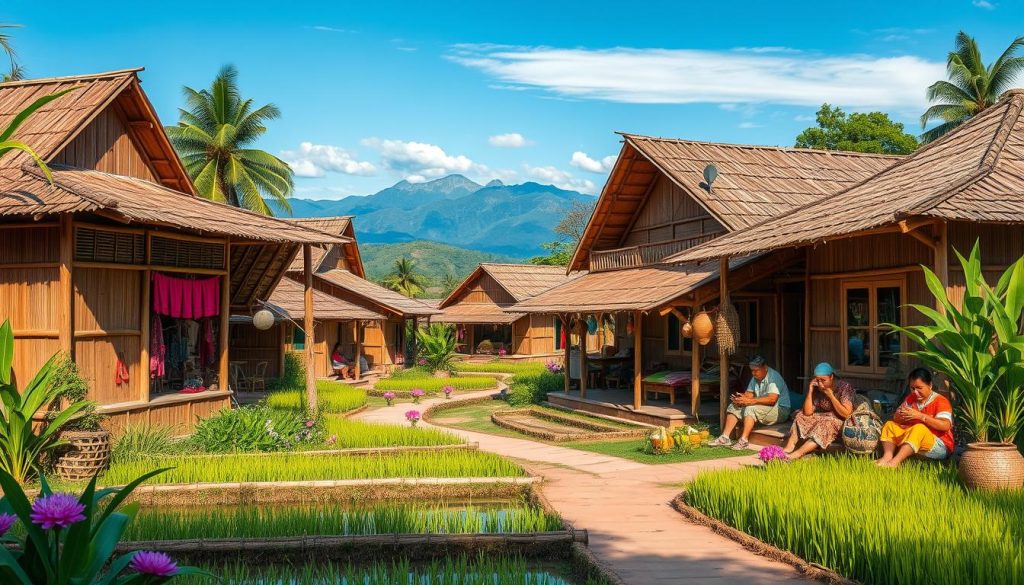
Davao’s culture shines through its traditional festivals. These events are key to celebrating Davao’s indigenous culture. They show the region’s rich heritage and bring people together. By joining these festivals, visitors can see the unique traditions of Davao’s indigenous peoples.
Significance of Each Festival
The Kadayawan Festival is a highlight, held in the third week of August. It’s a month-long celebration of gratitude for a good harvest. It’s a time for locals and Indigenous people to come together and share their culture. The festival includes:
- Indak-Indak sa Kadalanan: A street dancing competition that shows off the region’s unique rituals and stories.
- Pamulak Kadayawan: A parade with floats covered in flowers, fruits, and local goods, going through the city.
- Hiyas ng Kadayawan: A beauty pageant that celebrates the beauty and heritage of women from Davao’s 10 tribes.
Unique Festivals to Attend
There are more festivals in Davao, adding to its vibrant culture:
| Festival Name | Type | Date | Highlights |
|---|---|---|---|
| Kadayawan Festival | Thanksgiving/Cultural Celebration | Third week of August | Floral float parade, street dancing, culinary market |
| Araw ng Dabaw | City Anniversary | March 16 | Parade, cultural shows, local cuisine |
| Pahag50 Festival | Fruit Festival | Last week of May | Fruit competitions, tasting events |
Attending these festivals is a great way to dive into Davao’s culture. Each event connects you to the traditions that make Davao special today.
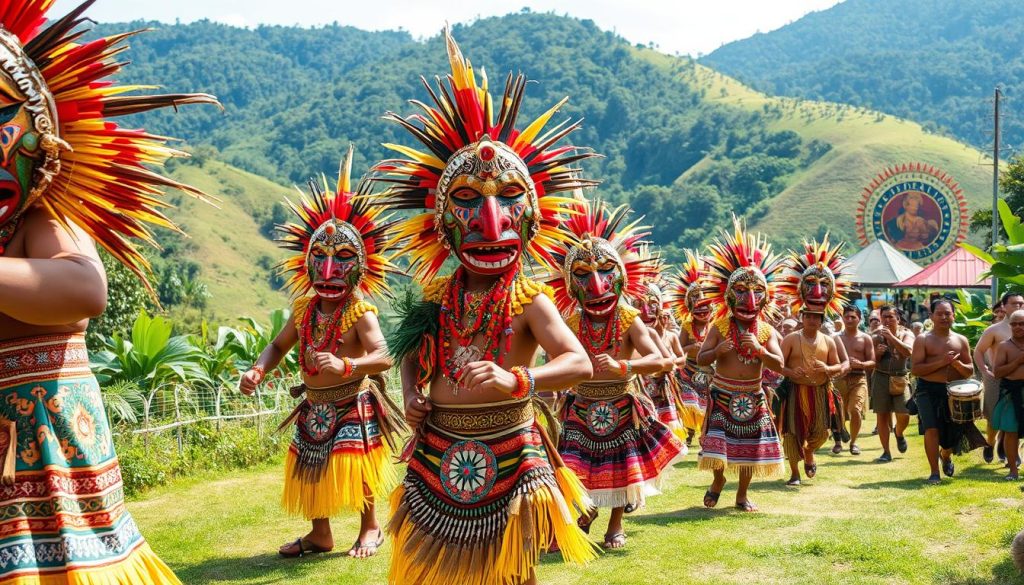
Experiencing Authentic Tribal Traditions
Davao’s rich culture offers a chance to dive into real tribal traditions. By taking part in experiential tribal traditions in Davao, you learn about local communities. You’ll do hands-on activities that show their skills and customs.
The Kadayawan Village is a lively spot that shows off 11 tribes’ heritage. You can see traditional houses made by skilled artisans. Each house shows the architectural styles and cultural details of these tribes. The village is a key part of the Kadayawan celebration, drawing visitors who want real Davao tribal heritage experiences.
You can join tribal elders in activities like:
- Weaving textiles that reflect the artistry of each tribe
- Creating intricate beadwork, learning traditional techniques passed down through generations
- Participating in traditional dances, guided by knowledgeable community members
Every weekend in August, the Bantawan Cultural Presentation happens at the Magsaysay Park Amphitheater. It’s a thrilling show of tribal music and dance. The 11 tribes come together to share their cultures through storytelling and performance. You get to see the vibrancy of tribal heritage up close.
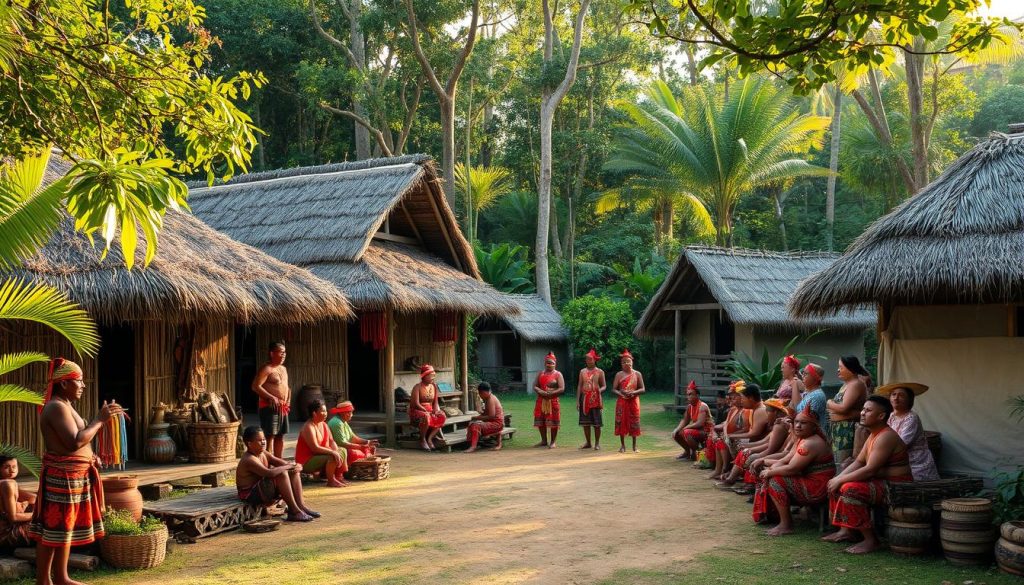
As you explore these Davao tribal heritage experiences, you make real connections with indigenous communities. These connections help you understand their cultural identity better. Every interaction builds respect, awareness, and appreciation for their traditions, even in today’s world.
Visiting Davao’s Cultural Institutions
Exploring Davao’s cultural institutions is a great way to learn about its history. These places show the rich heritage and traditions of the area. They open a window into the stories of its indigenous communities.
The Davao Museum of History and Ethnography is a key spot. It brings to life the diverse cultural stories of Davao’s tribes.
Davao Museum of History and Ethnography
This museum is a treasure trove for those interested in Davao’s indigenous past. Its exhibits showcase historical artifacts, traditional practices, and the role of tribes in Davao’s identity. Visitors can see many displays that highlight Davao’s cultural diversity.
Educational Workshops and Exhibitions
Workshops at this cultural institution let people get involved and learn more about local customs. Exhibitions tackle modern issues affecting indigenous communities. This broadens our view on cultural resilience and change.
The museum keeps the legacy of Davao’s tribal groups alive. It also creates a space for interactive learning for everyone.
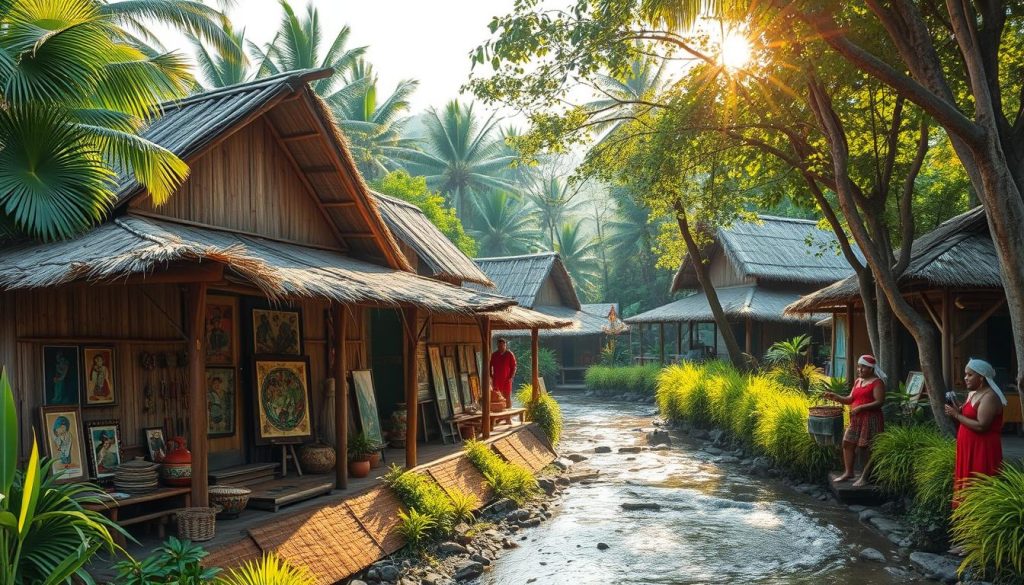
Practical Tips for Cultural Tourists
Exploring Davao’s tribal villages requires knowing how to get around and how to act. Using travel tips for Davao can make your trip more enjoyable. You’ll get to see the rich culture of these areas.
Transportation Options to Tribal Villages
Davao City has many ways to get around, like jeepneys, multicabs, taxis, buses, and tricycles. Tricycles are like Thailand’s tuk-tuks and are great for local trips. The Francisco Bangoy International Airport connects Davao to Manila, Cebu, Hong Kong, and Singapore.
Local Etiquette and Respectful Engagement
Being respectful is key when visiting Davao’s local communities. Always:
- Ask permission before taking photos of people or cultural items.
- Dress modestly when visiting sacred places and respect local customs.
- Really talk to locals and show interest in their traditions.
Following these tips makes your trip better and helps you connect with the people of Davao. It’s a way to make your visit memorable and meaningful.
| Transportation Method | Description | Suitable For |
|---|---|---|
| Jeepneys | Local mini-buses offering low-cost public transport. | Budget travelers and locals. |
| Tricycles | Motorcycle taxis ideal for short distances. | Small groups and individuals. |
| Taxis | Metered cabs available for convenient transfers. | Travelers needing comfort and efficiency. |
| Buses | Long-distance travel options connecting to other cities. | Those planning to visit nearby areas. |
| Car Rentals | Rent a vehicle for personalized travel itineraries. | Groups or families wanting flexibility. |
Conclusion
Exploring Davao’s tribal villages and cultural experiences is a unique chance to dive deep into the area’s rich heritage. You can immerse yourself in real tribal traditions, visit cultural spots, and enjoy lively festivals. This way, you not only make your trip better but also learn a lot about Davao’s indigenous people.
Your trip to Davao will be filled with exciting cultural encounters. You can experience the Kadayawan Festival or learn at cultural sites. Whether you love adventure or just want to relax, there’s something for everyone.
By embracing Davao’s tribal heritage, you help keep these cultures alive. Your visit will leave you with unforgettable memories and a deeper appreciation for these unique cultures. It’s a journey that will stay with you forever.