

Explore Malé’s Historical Landmarks – A Guide
Have you ever wondered how a small city can be so rich in history and culture? Welcome to Malé, the bustling capital of the Maldives. It has over 133,000 people living in just 1.92 square kilometers. This makes it one of the most densely populated cities in the world.
This guide will take you through Malé’s historical landmarks. You’ll see the Maldives‘ cultural heritage that makes this city vibrant. As you walk its streets, you’ll find cherished historical sites that tell its story.
From the oldest mosque built in 1658 to the lively fish markets, there’s a lot to see. These sites show the city’s past and its shift towards tourism. Let’s explore Malé’s tourist attractions together. They mix history with the lively atmosphere along the beautiful Indian Ocean.
The Rich Cultural Heritage of Malé
Malé’s cultural heritage is a mix of Indian, Sri Lankan, Arab, and African traditions. This blend shows how the islands, first settled by Dravidians, have combined different customs over time. The city’s architecture, like the Hukuru Miskiy (Friday Mosque), is a testament to this rich history.
The Maldives National Museum displays artifacts that tell the country’s story. From ancient Buddhism to its Islamic roots, the museum shows the nation’s journey. Bodu Beru, a traditional drumming and dance, also highlights the cultural practices passed down through generations.
Every year, Maldives Independence Day on July 26th is celebrated with parades and performances. Maldivian cuisine, with dishes like Mas Huni and Garudhiya, showcases the importance of fresh seafood and spices.
Places like the Malé Fish Market offer a glimpse into local life and traditions. Traditional crafts, such as lacquer work and weaving coconut palm fronds, show the skills valued in Maldivian history. Exploring these sites lets you dive into the Maldives’ cultural heritage.
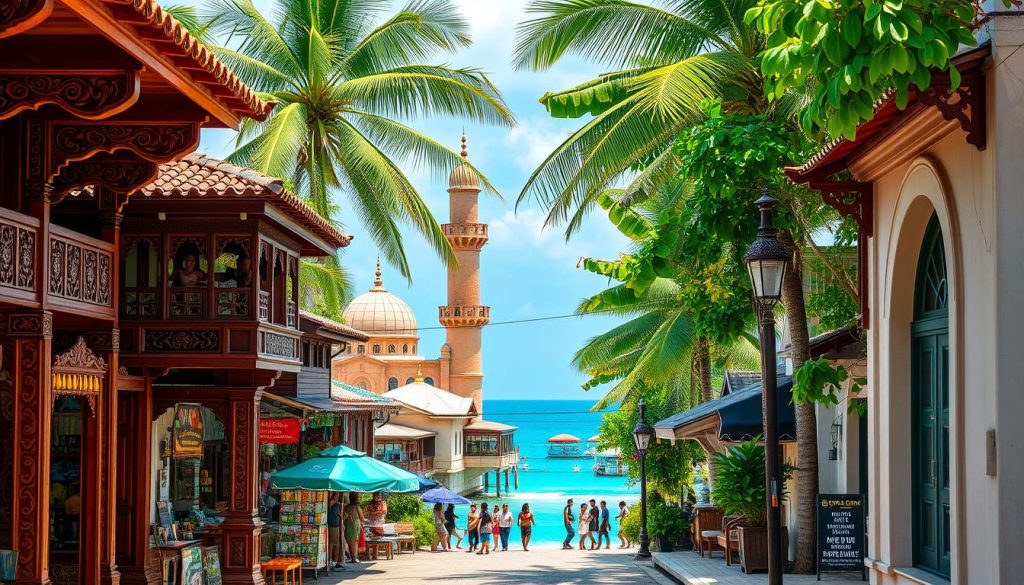
Top Malé Historical Landmarks to Visit
Malé, the capital of the Maldives, is filled with history. It has many historical landmarks to see. The Old Friday Mosque is a must-visit. Built in 1658, it’s one of the oldest mosques in the Maldives.
Its coral stone architecture is stunning. The intricate designs draw in visitors and architecture fans.
The Islamic Centre is another key site. It’s a symbol of the city’s spiritual culture. As the largest mosque, it’s a top spot for those interested in local religion and architecture.
The National Museum is also crucial. It houses artifacts and exhibits that tell the story of Maldives’ history. This museum offers deep insights into the nation’s culture and growth.
The Fish Market is a lively spot to see the local economy. It gives visitors a peek into daily life. The Victory Monument is nearby, marking a key moment in Maldivian history. It shows the nation’s strength.
Don’t miss the artificial beach for a relaxing spot. It’s perfect for enjoying the city’s beauty.
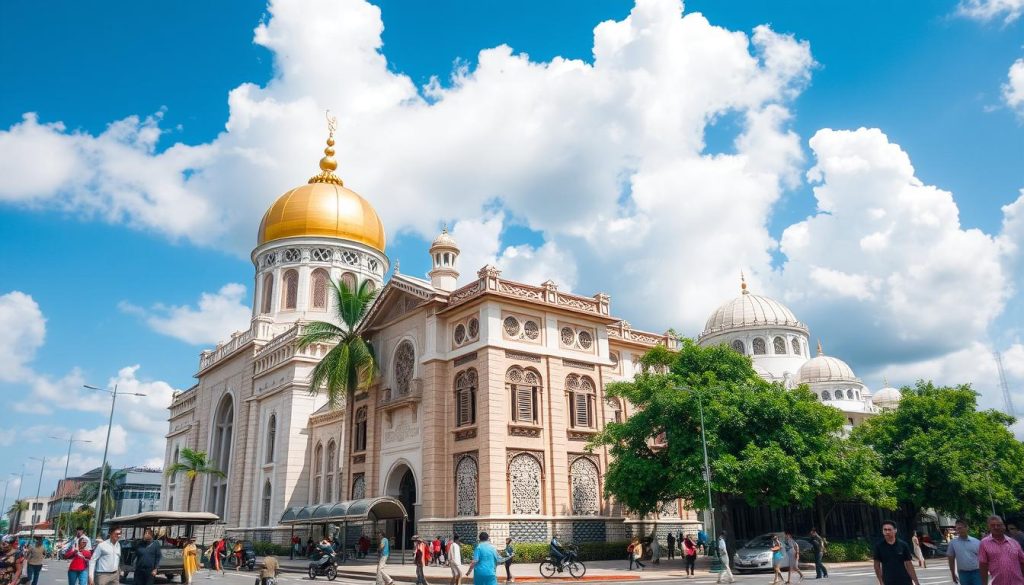
| Landmark | Significance |
|---|---|
| Old Friday Mosque | One of the oldest mosques built in 1658, showcasing coral stone craftsmanship. |
| Islamic Centre | The largest mosque in the Maldives, symbolizing the city’s spiritual essence. |
| National Museum | Houses artifacts that detail the rich history of the Maldives. |
| Victory Monument | Commemorates Maldives’ historical events and struggles. |
| Fish Market | Reflects the vibrant local economy and daily life. |
| Artificial Beach | A recreational area for relaxation and enjoyment in Malé. |
These sites showcase the Maldives’ cultural heritage. They also help you understand Malé’s role as a historical and modern center. Visit these landmarks to truly grasp the history of this bustling capital.
Understanding Maldives Travel History
The Maldives has a rich travel history, dating back over 2,500 years. Early settlers, like the Dheevis, first inhabited the southern islands. They formed the kingdom of Adeetta Vansa. Tribes from southern India later settled in the northern atolls, adding to the Maldivian culture.
Maritime connections and ancient trade routes also played a big role. These influences shaped the islands over time.
Malé became the capital in the 20th century. This change came as tourism started to grow, becoming a big part of the economy. Today, Malé is full of historical landmarks that show its diverse heritage.
Places like the Hukuru Miskiy showcase traditional craftsmanship. The Victory Monument honors the Maldivian people’s strength.
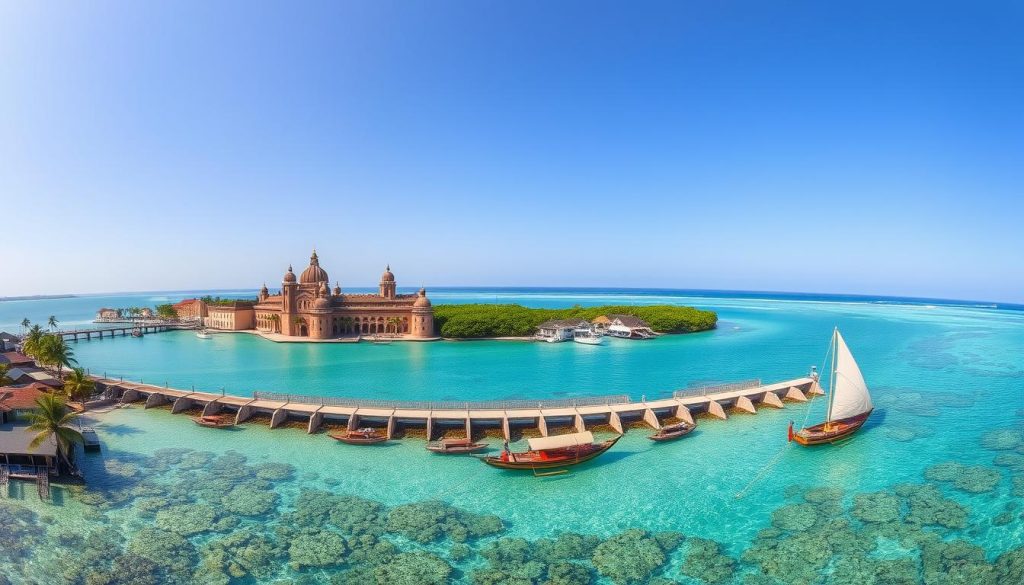
After gaining independence from the British in 1965, the Maldives became a modern tourism destination. Fishing used to be key to the economy, but tourism now makes up most of the GDP. Over 1.5 million tourists visit each year, attracted by the islands’ beauty and culture.
- The modern Maldives consists of 26 natural atolls, encompassing 1,194 islands.
- Inhabitants today predominantly speak Dhivehi, reflecting the Maldivian identity.
- Life expectancy stands impressively at 74.5 years for males and 76.6 years for females.
- Maldivian society has undergone significant changes, achieving a literacy rate of 98% for adults over 15.
Malé Historical Landmarks: A Deep Dive
Exploring Malé uncovers a wealth of historical landmarks that shape its culture. The Old Friday Mosque, or Hukuru Miskiy, is a standout. It boasts intricate wooden doors and a peaceful courtyard, making it a key spot for worship and heritage. Built from coral stone, the mosque’s calligraphy and floral designs are a sight to behold.
The National Museum, next to the mosque, is housed in the former Sultan’s palace. It showcases a vast array of artifacts that tell the story of the Maldives. From royal treasures to historical tales, the museum offers deep insights into the archipelago’s past.
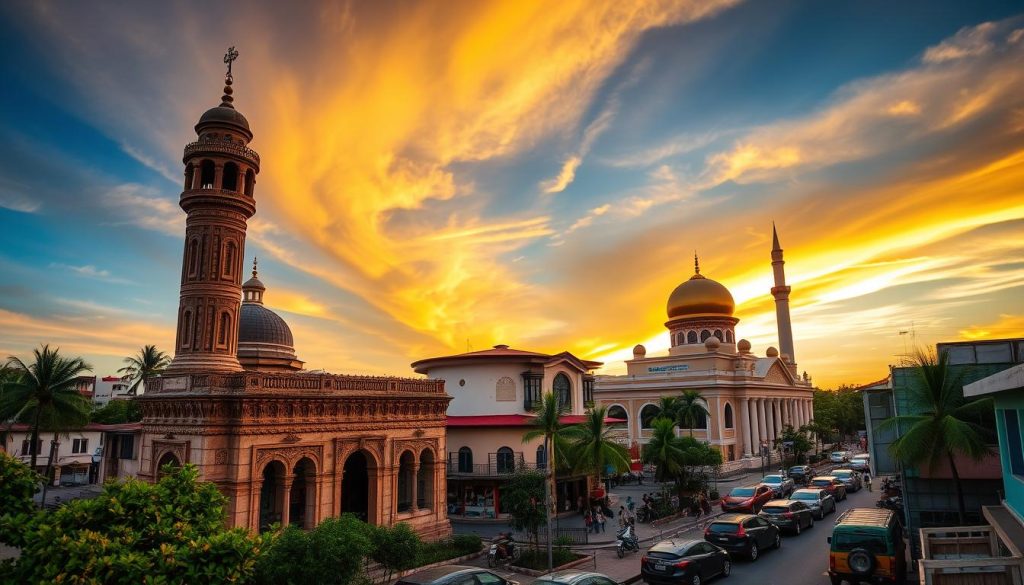
These sites are more than just beautiful. They capture the essence of Maldivian identity, influenced by diverse cultures. Exploring these Maldives historical sites reveals the deep bond between architecture and the people’s lives.
Visiting the Old Friday Mosque’s gardens or the National Museum’s exhibits is a journey through time. These landmarks are not just places to see but experiences that connect you to Maldivian heritage.
Exploring Malé’s Tourist Attractions
When you visit Malé, you’ll find many amazing attractions. They show you the lively culture of the locals. Malé is just 2 kilometers from Velana International Airport, making it a great starting point for your trip.
The Hukuru Miskiy Mosque is a top Malé tourist attraction. It’s a beautiful 17th-century mosque known for its detailed coral stone carvings. It’s a must-see for anyone interested in the Maldives’ rich culture. The National Museum is also worth a visit. It has traditional costumes, old coins, and historical weapons that tell the story of Maldivian history.
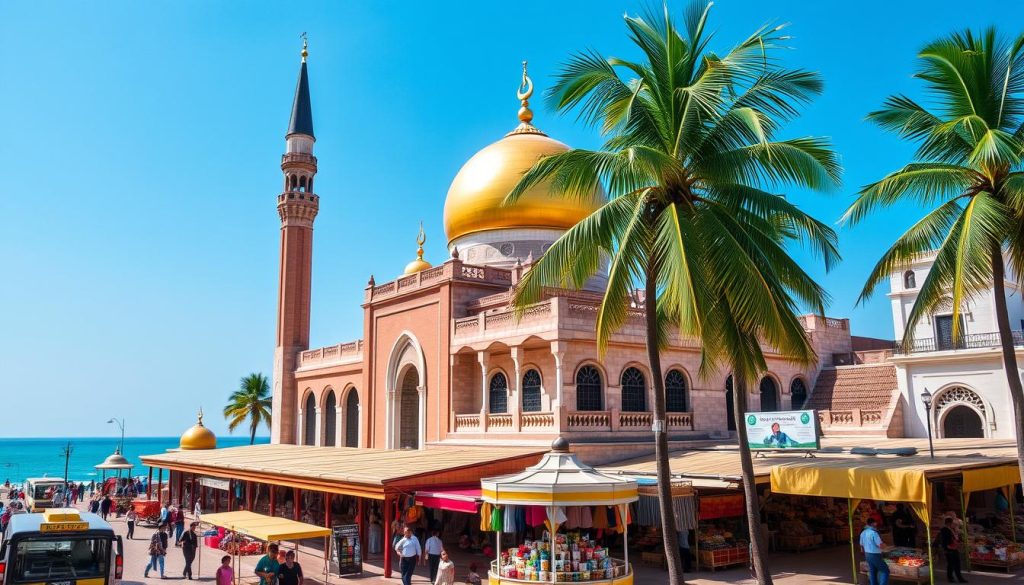
The Malé Fish Market is another place you shouldn’t miss. Here, you’ll see fishermen selling fresh seafood like tuna and octopus. It’s a bustling place that shows the real Maldivian life. For a relaxing time, the artificial beach in the city is perfect. It offers a beautiful view for a calm moment.
Trying Maldivian food at places like Symphony Restaurant or Sea House Maldives is a must. You’ll taste the mix of Indian and Sri Lankan flavors. Malé has hotels for all budgets, from luxury at Hulhule Island Hotel to more affordable options like The Beehive. This ensures a comfortable stay for everyone.
In summary, seeing Malé sightseeing spots helps you understand the local culture better. Exploring Malé’s attractions makes your trip more meaningful. It also helps you connect with the Maldivian people and their traditions.
Uncovering Malé’s Architectural Wonders
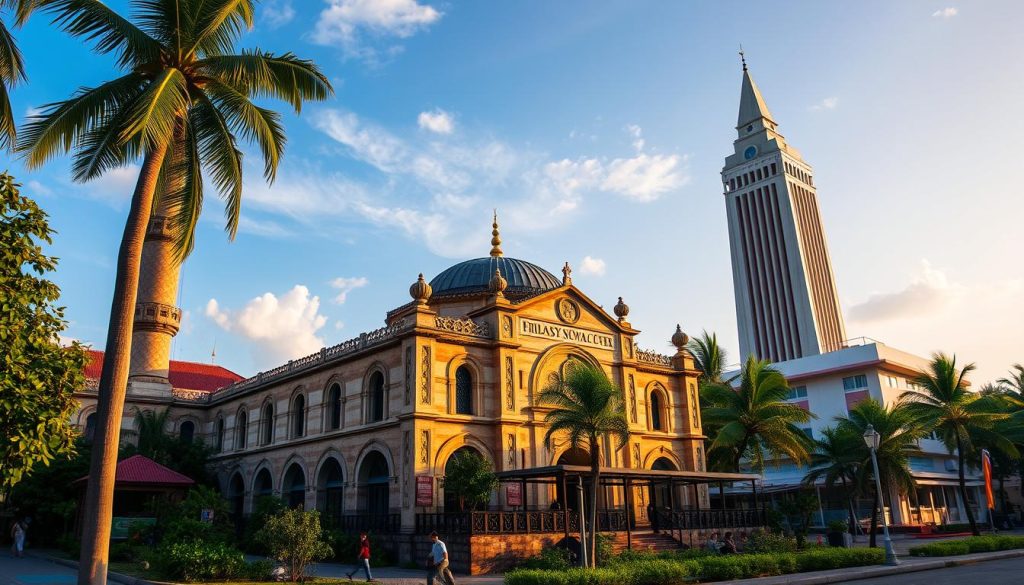
As you wander through Malé’s lively streets, you’ll see amazing buildings that tell the story of the Maldives. These landmarks mix modern government buildings with old Islamic designs. Together, they make the city’s skyline truly special.
The Grand Friday Mosque is a standout example of Islamic architecture. Its shiny golden dome and detailed carvings show the skill of centuries. Nearby, the Islamic Centre is not just a place of prayer but also a center for culture, adding to the city’s rich mix.
The Muliaage, the president’s home, is another architectural gem. It blends old and new styles beautifully. Visitors love hearing the stories behind these buildings, which show how Malé has grown over time.
Local tours often include visits to these amazing buildings. This lets you see their importance up close. Here’s a quick look at some top spots on the Male City Tour:
| Attraction | Duration | Details |
|---|---|---|
| Grand Friday Mosque | 30 minutes | A major Islamic landmark with stunning architecture. |
| Islamic Centre | 30 minutes | A cultural hub featuring a library and conference hall. |
| Muliaage | 20 minutes | The President’s residence, showcasing national heritage. |
| Old Friday Mosque (Hukuru Miskiy) | 30 minutes | Known for its coral stone construction and intricate carvings. |
| Sultan Park & National Museum | 30 minutes | Houses artifacts that narrate the Maldives’ history. |
| Malé Market | 60 minutes | Experience local culture and cuisine. |
| Artificial Beach | 60 minutes | Relax and enjoy leisure time near the ocean. |
These historical sites are easy to get to, making them great for families and people with mobility issues. Guides on tours share interesting facts that make your visit even better. Their stories bring the buildings to life, making you appreciate Malé’s beauty even more.
Visit Malé’s Historical Places for a Cultural Experience
Exploring Malé’s historical places lets you dive into the Maldives’ rich culture. You’ll find many landmarks that tell the stories of this beautiful place. Local guides offer deep insights into sites like the Grand Friday Mosque, built in 1656.
The National Museum of the Maldives is another key stop. It houses a vast collection of artifacts, including ancient Buddhist statues. This museum gives you a peek into the Malé cultural heritage, showing the diverse influences on the Maldivian identity.
Muliaage, the former home of Maldivian sultans, is now the President’s office. It has a fascinating collection of paintings and documents. Also, don’t miss the National Art Gallery, opened in 2005, with over fifty Maldivian artworks.
The Tsunami Monument is a moving tribute to the 2004 disaster. It lists the names of 74 victims, honoring their memory. This site adds a deep emotional layer to your visit, showing the nation’s resilience.
As you explore these Malé historical places, you connect with the Maldivian people’s life and history. You get to appreciate their journey through art, architecture, and traditions.
Local Tips for Exploring Malé’s Historical Landmarks
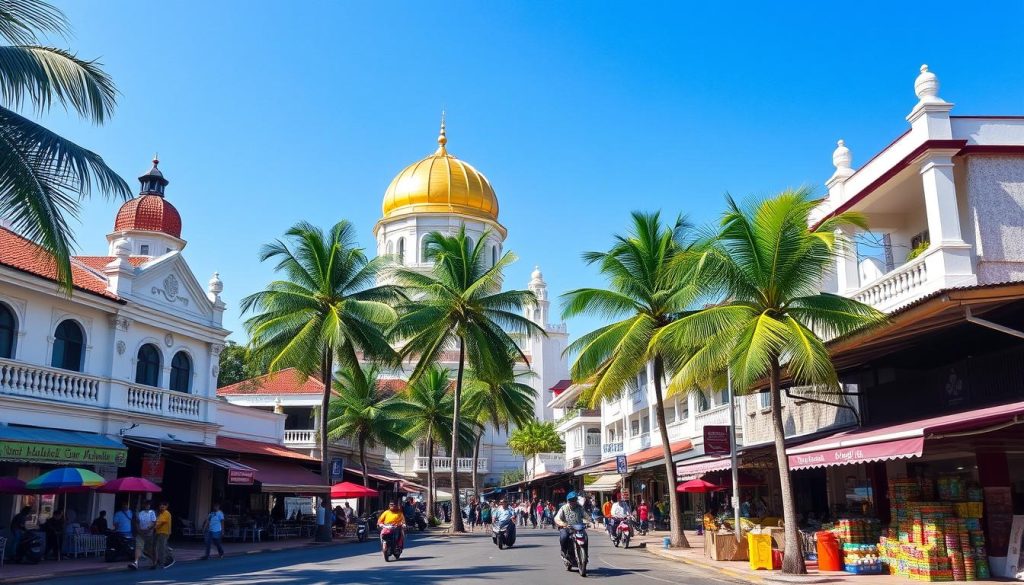
To make the most of your visit to Malé, follow these local tips. Start your day early to avoid crowds. Enjoy the beauty of Malé’s attractions. Talk to local guides, like those from Turistas Maldives, for a deeper understanding of the city’s history and culture.
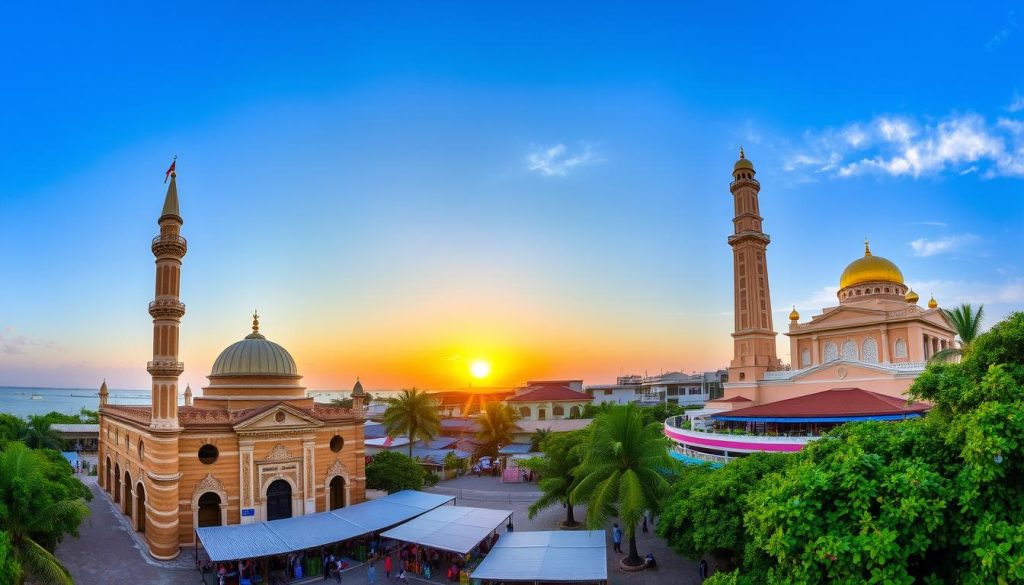
Remember to follow the cultural dress code at places like the Grand Friday Mosque and Sultan Park. This respect will enrich your experience of Malé’s landmarks.
Think about joining a Malé City Tour that lasts 2 to 4 hours. The tour covers famous spots such as:
- Grand Friday Mosque
- Sultan Park
- National Museum
- Old Friday Mosque
The tour runs from Monday to Thursday, 9 AM to 7 PM; Friday, 10 AM to 5 PM; Saturday, 10 AM to 7 PM; and Sunday, 9 AM to 7 PM. Prices start at $55 per person, with discounts for big groups. The National Museum costs $10 for adults and $5 for kids, making it family-friendly.
Guests enjoy free tastings of local snacks, adding to the cultural flavor. The tour balances guided parts and free time well. It ends back at Hulhumale Ferry Terminal, respecting your time.
Here’s a quick overview of the Malé City Tour:
| Feature | Details |
|---|---|
| Duration | 2 to 4 hours |
| Operating Hours | Mon-Thu: 9 AM – 7 PM; Fri: 10 AM – 5 PM; Sat: 10 AM – 7 PM; Sun: 9 AM – 7 PM |
| Cost | Starts at $55 per person |
| National Museum Admission | $10 (Adults), $5 (Children) |
| Local Snack Tastings | Included |
| Language Options | English, Spanish, French, Italian |
| Cancellation Policy | Free cancellation |
By following these tips, your visit to Malé’s landmarks will be more rewarding. You’ll enjoy a deeper experience in this fascinating city.
Discovering Malé’s Unique Fisher Markets
The Fish Market in Malé is a lively center of daily life. It shows the Maldives’ history and culture. Here, fishing traditions, key to Maldivian life for centuries, come alive. Visitors see fresh seafood, like tuna and marlin, on display.
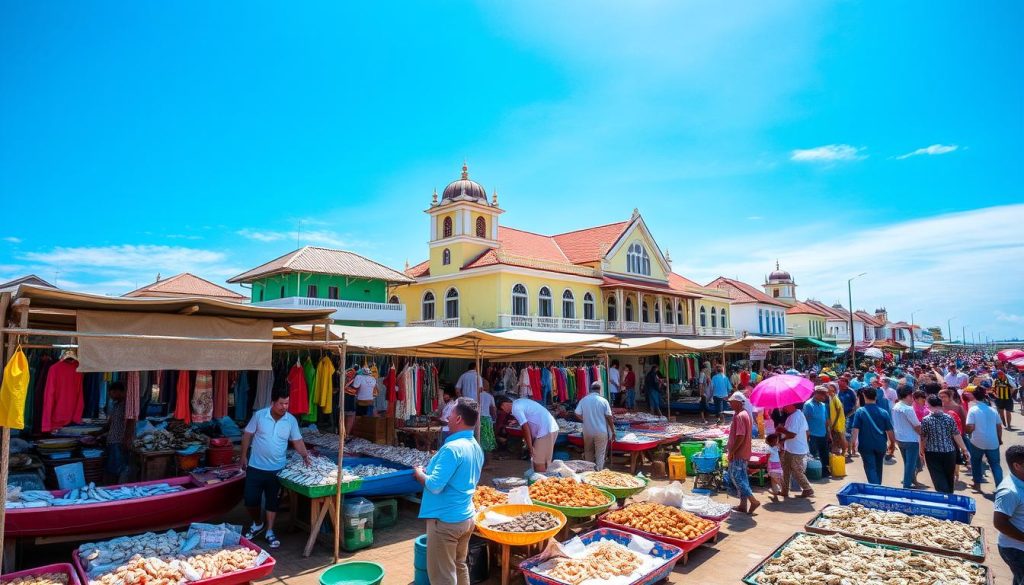
Visit early in the morning to see the market’s energy. Local fishermen return, and fishmongers negotiate. You’ll see a variety of marine life, including coral reef creatures.
Traditional fishing methods are still used, showing a care for nature. Talking to vendors, you can learn about fish and cooking. It’s a chance to dive into Maldivian cuisine.
The Fish Market is more than seafood. It’s a gateway to Malé’s culinary world. With fresh catches, it’s a haven for food lovers.
| Aspect | Details |
|---|---|
| Location | Malé, Maldives |
| Operation | Year-round |
| Best Time to Visit | Early morning |
| Duration of Visit | 5-6 hours |
| Seafood Variety | Tuna, Marlin, Coral reef species |
| Fishing Methods | Traditional methods including dhonis |
Visiting Malé’s fisher markets is a deep dive into local life. It’s a key spot for those wanting to experience Maldivian culture and the sea’s gifts.
Conclusion
Exploring Malé, you’ll see a city rich in history and culture. The Old Friday Mosque and the Fish Market are just a few highlights. Each spot tells a part of the Maldives’ story.
The Maldives’ history began with Islam in the 12th century. The Hukuru Miskiy mosque was built in 1658. The Buddhist stupa at Kuruhinna Tharaagandu dates back to the 6th century AD. The Maldivian National Museum is full of artifacts that add to your understanding.
Walking through Malé, you’ll notice its unique buildings and markets. These landmarks are key to keeping the Maldives’ story alive. Whether you love history or just want to experience local culture, Malé will leave you with unforgettable memories.





