Explore Maldivian Crafts & Workshops Mastery
Have you ever wondered about the beauty of Maldivian artisan workshops? They show the soul of a vibrant culture. In the Maldives, crafts and workshops are more than art. They connect us to the islands’ rich heritage.
The sea and land come together in amazing artistry. You see it in Dhoni boats and Laajehun, where wood or coral gets a glossy finish. Each piece tells a story and tradition passed down through generations.
Exploring Maldivian handicrafts is an immersive experience. You get to meet talented artisans. You’ll learn about Dhivehi Libass, which takes at least 15 days to make.
You’ll see the beauty and function of these crafts. And you’ll understand their importance in Maldivian culture.
The Rich Tapestry of Maldivian Cultural Heritage
The Maldives is made up of over 1,000 islands in the Indian Ocean. Each island adds to the unique cultural heritage of the Maldives. This heritage comes from South Asia, Arabia, and Africa, creating a rich mix of traditions.
Visiting Malé, the capital, is a great way to dive into the culture. You can see bustling markets with fresh seafood and traditional crafts. The 17th-century Hukuru Miskiy and the Maldives National Museum offer a peek into the past.
Utheemu Ganduvaru on Utheemu Island is another must-see. It shows how local customs have evolved over time.
The Maldives is alive with culture, from Boduberu music to diverse foods. Traditional crafts like lacquered boxes and woven mats show the skill of generations. Thulhaadhoo Island is famous for its lacquer work, where you can learn this craft.
Visiting the Maldives means respecting local customs. Dress modestly, say “Assalaam Alaikum” when greeting, and remove shoes before entering homes or mosques. The Maldives is a vibrant example of cultural resilience and adaptability.
The Significance of Traditional Maldivian Crafts and Workshops
Traditional Maldivian crafts and workshops are key to keeping cultural identity alive. They give artisans a chance to improve their skills and connect deeply with the Maldivian craftsmanship tradition. This way, they share their pride in their heritage, making the community richer.
Places like the Maldivian Day Program at Mercure Maldives Kooddoo show how vital these workshops are. People get to dive into Maldivian artistry by doing it themselves. This keeps traditional methods alive and lets visitors see the beauty and history in each piece.
Activities like Thundu Kunaa and Liye Laajehun show the wide range of traditional crafts. The community grows stronger as artisans work together. They also draw in tourists who want to see real crafting.
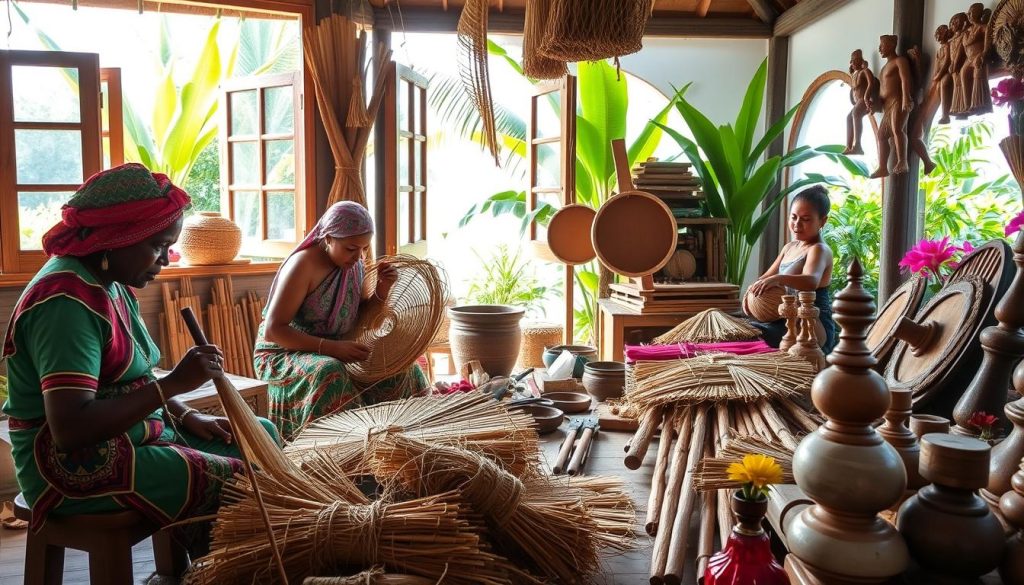
These crafts and workshops do more than just keep history alive. They also help shape the future of these art forms. By passing on knowledge, newcomers can carry on the Maldivian craftsmanship tradition. This strengthens community ties and keeps cultural practices alive for years to come.
Understanding Maldivian Handicrafts
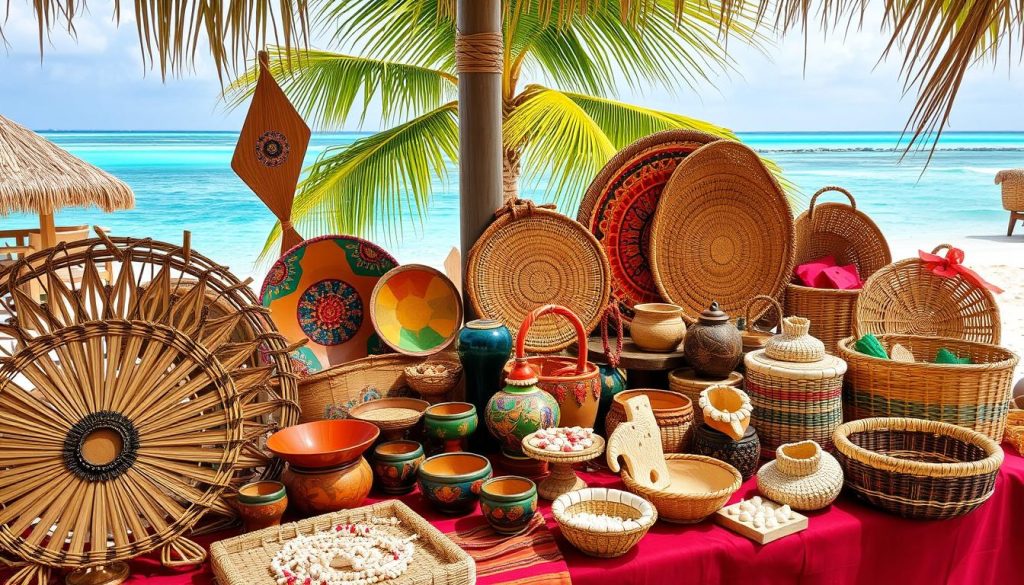
Maldivian handicrafts show the nation’s vibrant culture and creativity. They include traditional items made with techniques passed down through generations. Lacquer work, mat weaving, and stone carving are key, adding to the Maldives’ rich artistic identity.
Thulaadhoo is a center for lacquerworks, with about 300 people involved. Over 20 families have been making Maldivian handicrafts like Liye Laajehun for generations. These items range from simple ornaments to large vases, priced from $10 to $225.
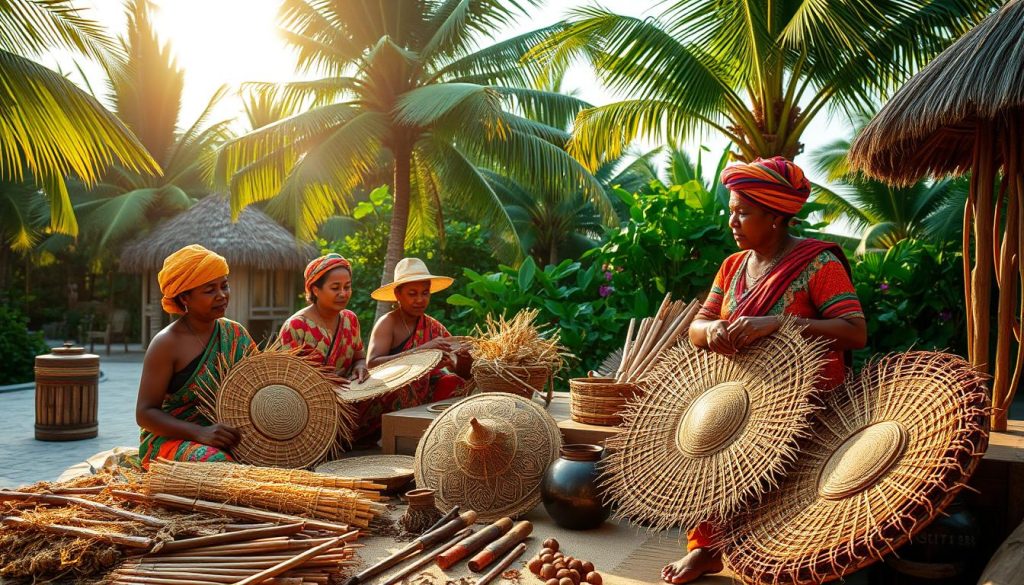
Coconut palm weaving is another important craft. Artisans use palm fronds to make useful and beautiful items. In Gadhdhoo, women are leading the mat-making craft, earning income from their work.
Stone carving is making a comeback, with young artists using new materials like silicon. This shows the community’s effort to keep their art alive despite challenges.
| Craft Type | Key Features | Location | Price Range |
|---|---|---|---|
| Lacquer Work | Vibrant colors and intricate designs | Thulaadhoo | $10 – $225 |
| Coconut Palm Weaving | Functional and decorative items | Various islands | Varies based on complexity |
| Stone Carving | Transition to silicon and other materials | N/A | Varies widely |
| Mat Making | Primarily driven by women | Gadhdhoo | Varies based on size and design |
Appreciating Maldivian handicrafts means seeing the art and effort in each piece. It shows the Maldives’ identity, blending skill with cultural heritage. This ensures these traditions live on for future generations.
Immersive Experiences at Artisan Workshops
Maldivian artisan workshops let you dive into local crafts and traditions. You can try activities like weaving mats and making traditional clothes. These experiences show off the unique skills of the Maldives.
Places like Nautilus Rising host these workshops. Here, you can watch art demonstrations every week at Naiboli’s poolside lounge.
At these workshops, you can learn macramé and make beautiful pieces. Wood sculpture workshops teach you local sculpting techniques. You’ll also get to try traditional cooking, adding to your culinary adventure.
The Maldivians are known for their warm hospitality. This makes connecting with the local community easy. You can try island hopping and meditation sessions inspired by Eastern cultures.
Working with local artisans gives you a peek into their crafts, like lacquer work and thundu kuna weaving. Seeing these traditional methods up close deepens your respect for the Maldives’ cultural heritage. You can also buy handmade items, like woven mats, as souvenirs.
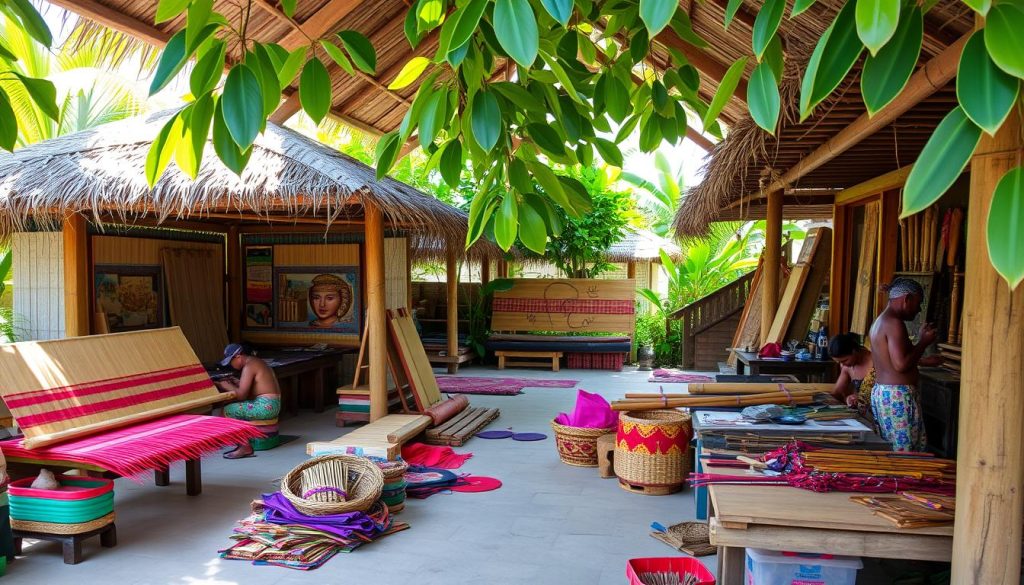
Joining Maldivian artisan workshops makes your trip more meaningful. It’s a chance to connect with the Maldives’ creativity and tradition, creating memories that last a lifetime.
Traditional Techniques in Maldivian Crafts
The Maldivian craftsmanship tradition shows the unique culture of the islands. It highlights coconut palm weaving and Laajehun, the art of lacquer work. These techniques show the skill of local artisans and the need to keep traditions alive.
Coconut Palm Weaving
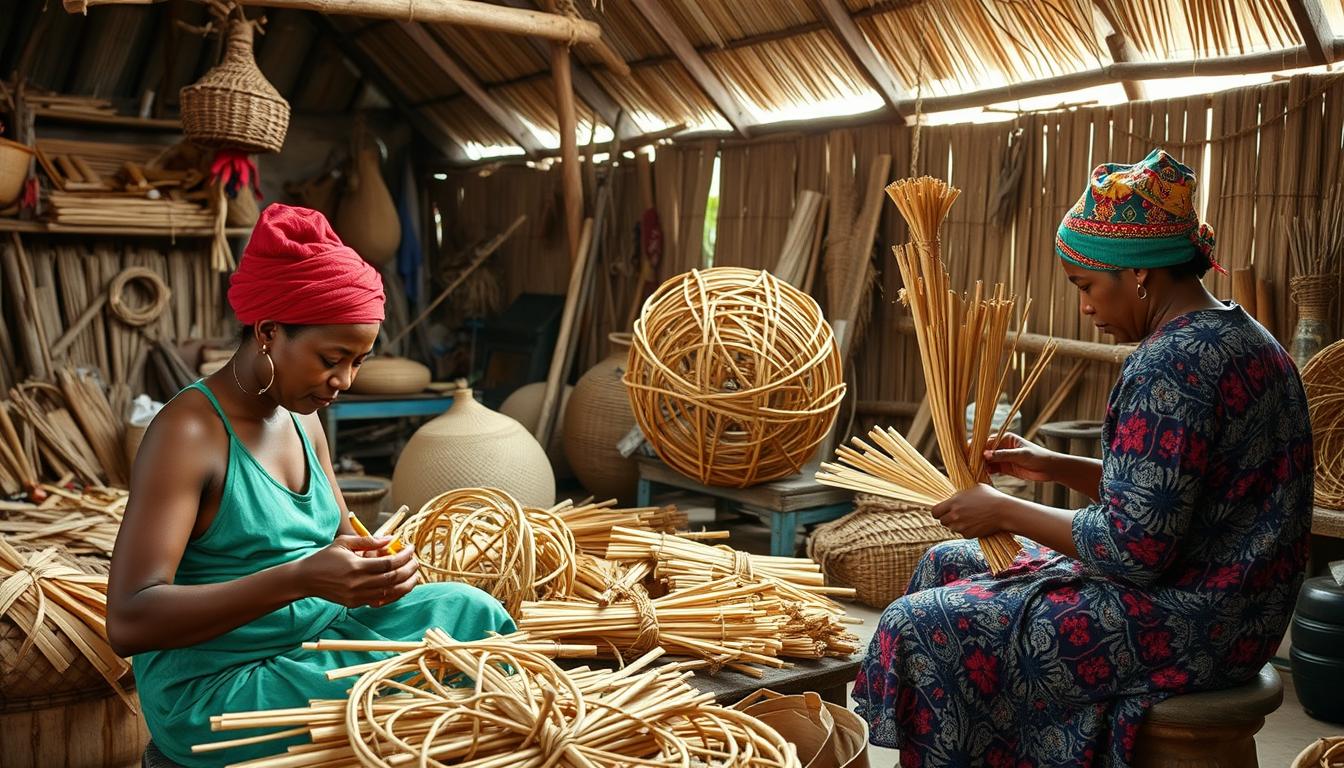
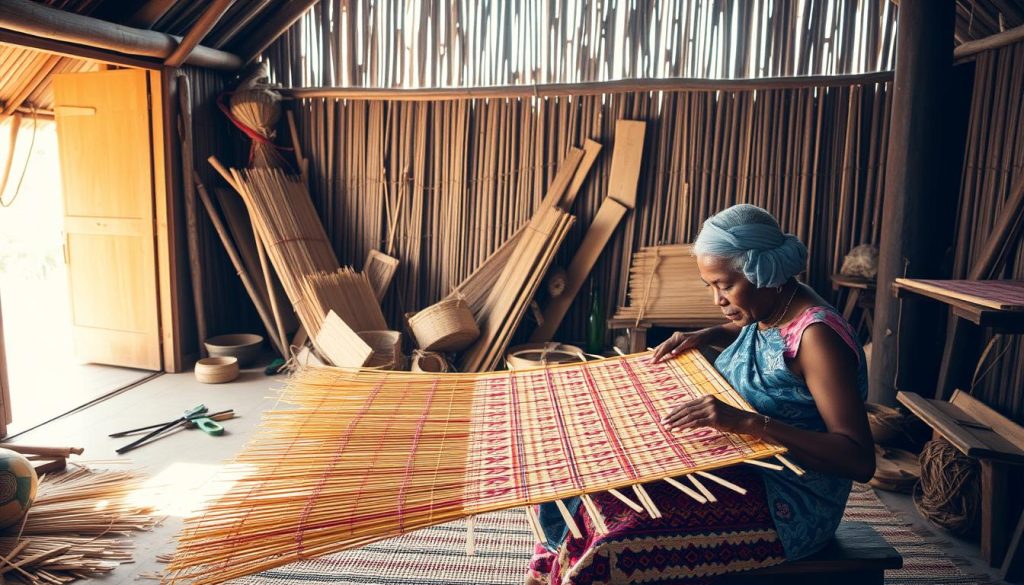
Coconut palm weaving is a key part of Maldivian crafts. It’s seen in Thundu Kunaa, mats used for sleeping, sitting, and praying. These mats have detailed designs and bright colors.
Weavers use special grasses and natural dyes for the mats. They come in four colors: natural, yellow, brown, and black. This craft is often given as a gift and shows Maldivian hospitality.
Laajehun: The Art of Lacquer Work
Laajehun is about making lacquer coatings on wood and coral. It uses a detailed process with different methods. Craftsmen use powdered and bar lacquer, along with natural pigments like indigo and sandalwood.
Each piece shows the skill and pride of the artisans. It captures centuries of artistic tradition.
Engaging with Local Artisans
Engaging with local artisans gives you a unique look at the Maldives’ rich culture. By diving into Maldivian artisan workshops, you see the skill and hard work in each piece. You also hear the stories behind the crafts, deepening your appreciation for Maldivian heritage.
Visitors can connect with local artisans across the Maldives. In places like GA. Vilingili, you’ll find workshops where traditional crafts come alive. Working with artisans benefits both you and the community, making your trip more meaningful. You’ll also get unique souvenirs that show the true Maldivian craftsmanship.
Local artisan workshops are key for keeping traditional techniques alive and promoting sustainable tourism. As you learn from craftsmen skilled in coconut palm weaving and lacquer work, you understand the skills passed down through generations. Each craft has a story, adding to the rich tapestry of Maldivian cultural heritage.
Maldivian Craft Culture: A Blend of Influences
The Maldivian craft culture is a vibrant mix of different influences. Each craft shows a blend of old techniques and new artistic ideas. This mix has grown over many generations.
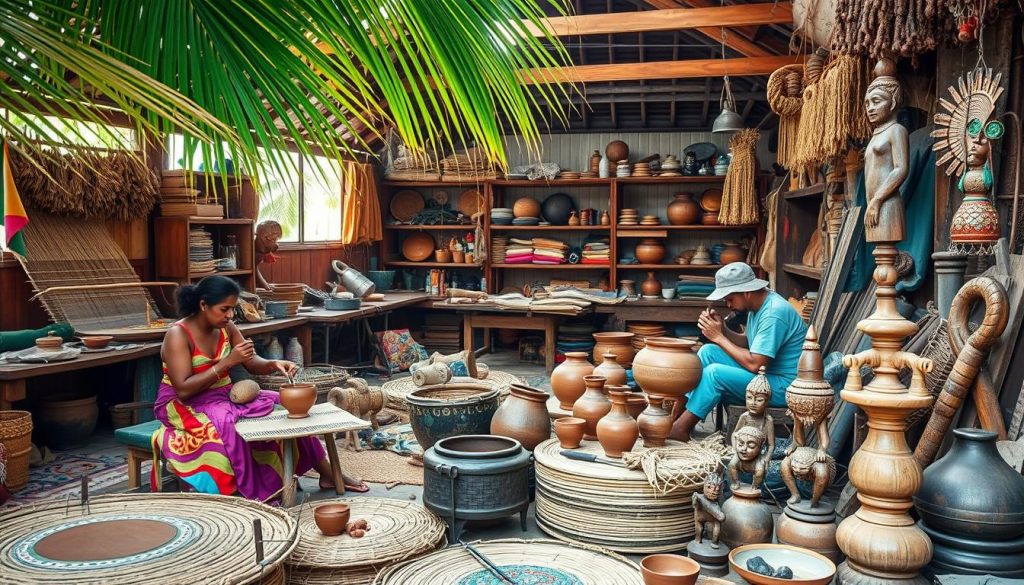
Mat making, called Thundu Kunaa, is a key part of this culture. It’s been done for over eight centuries in Gdh. Gahdhoo. The mats are made from coconut palm leaves, known as Hanikey. This shows how the community uses natural resources carefully.
The dyes for these mats come from local plants. This shows the community’s deep knowledge passed down through time. The mats have unique colors that reflect the Maldives’ landscape and culture. Making these mats brings families together, helping the local economy.
Since 2015, the Maldivian government and cultural groups have worked to highlight Thundu Kunaa. They’ve started training programs and exhibitions. This helps both locals and visitors appreciate Maldivian craft culture. It also helps artisans financially and keeps the tradition alive for future generations.
Participating in Authentic Craft Workshops
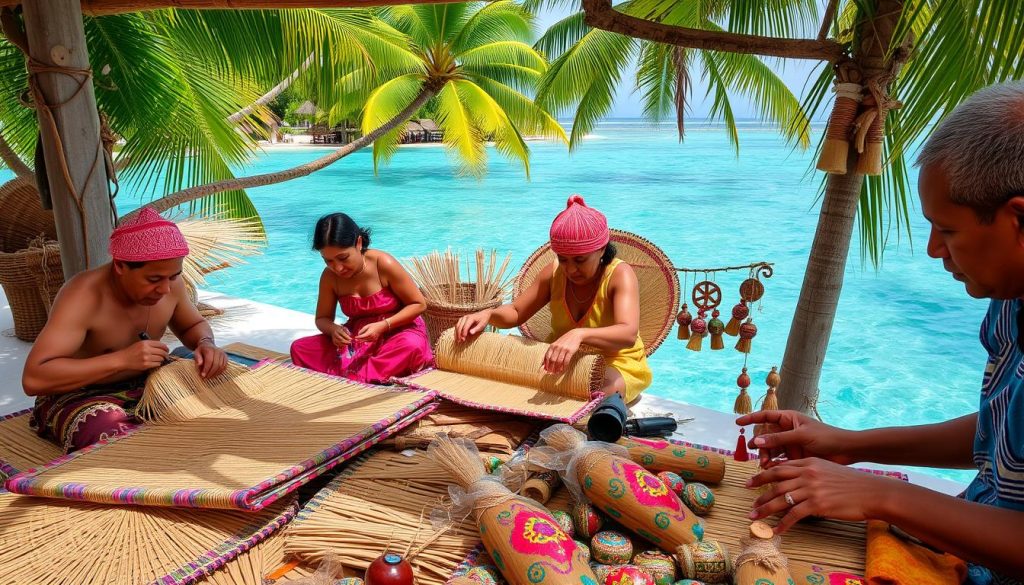
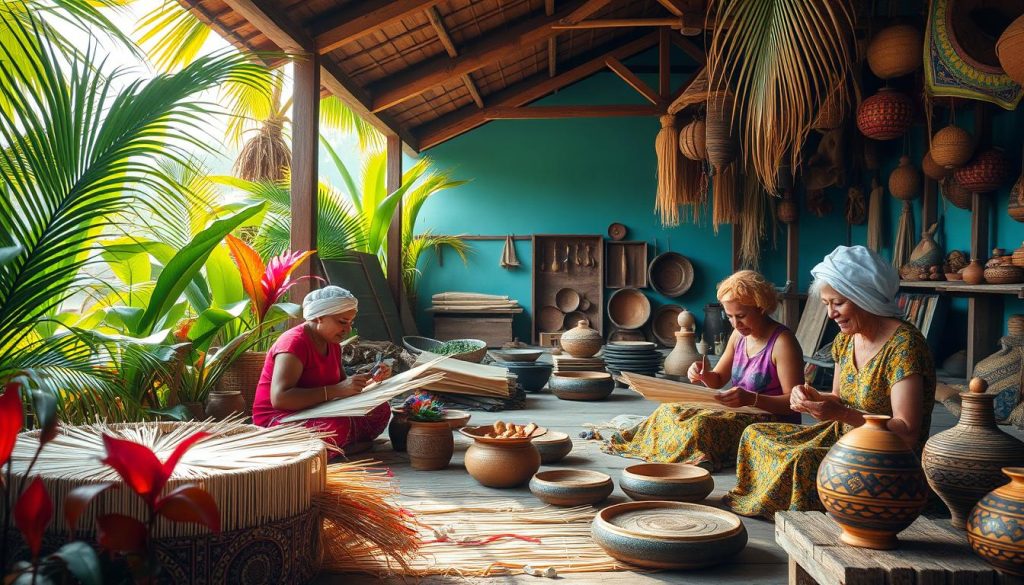
Joining authentic craft workshops lets you explore Maldivian culture deeply. You can make unique Dhoni models and learn about Dhivehi Libass needlework. These activities teach you practical skills and help you appreciate the cultural value of these crafts.
Creating Unique Dhoni Models
Building a Dhoni model boat shows you Maldivian maritime heritage. It’s a key part of their life. You’ll learn about the materials and techniques used by local artisans over generations.
These workshops use local materials to make the boats. This way, you take home a piece of authentic craftsmanship.
Exploring Needlework in Dhivehi Libass
Dhivehi Libass needlework is a unique art form. It shows Maldivian artistry and the island’s vibrant culture. In the workshop, you’ll learn about its history and modern uses.
You can also make beautiful pieces using local textiles. This helps preserve this traditional skill.
These workshops offer a chance to connect with local artisans. They’re great for both experienced crafters and beginners. They help you understand the community’s heritage and craftsmanship.
| Workshop | Key Features | Materials Used | Price Range |
|---|---|---|---|
| Dhoni Model Workshop | Hands-on boat building, Maritime history | Locally sourced woods, Natural fibers | $20 – $50 |
| Dhivehi Libass Needlework | Embroidery techniques, Cultural storytelling | Handmade textiles, Thread | $15 – $40 |
Conclusion
Exploring Traditional Maldivian crafts and workshops lets you dive into the Maldives’ rich culture. This tradition goes back to 362 AD, showing a long history of artistry. By joining these experiences, you help the artisans and keep these traditions alive.
Workshops show you the detailed techniques, like coir rope making and Liye Laajehun designs. Each craft has its own story, adding to Maldivian culture. The traditional houses and outdoor living show the harmony between nature and craftsmanship in this paradise.
Your visit and participation celebrate Maldivian craftsmanship. By connecting with local artisans, you learn and help preserve the culture. This ensures future generations can enjoy and take part in the Maldives’ vibrant heritage.