Explore Luang Prabang Elephant Sanctuaries
Ever thought about what makes ethical elephant tourism special? How does it change the lives of elephants and those who visit?
In Luang Prabang, Laos, a special chance awaits you. The elephant sanctuaries here are key places for these animals. With only about 800 elephants left in Laos, these sanctuaries aim to protect and care for them. They offer a chance to connect with elephants and help in their conservation.
Learn how you can see these gentle giants up close. You can also help in their care and rehabilitation. This way, you’ll make a difference in their lives and the beautiful place they live in.
Introduction to Ethical Elephant Tourism
Ethical elephant tourism aims to give responsible elephant experiences that care for these amazing animals. In recent years, how people interact with elephants has changed. Now, we focus on real, meaningful interactions, avoiding old, harmful ways.
When looking into this, knowing the challenges elephants face is key. Asian elephants, for example, are endangered, with only about 50,000 left worldwide. In Thailand, where there are around 4,000, saving them is crucial. Deforestation and losing their homes make sanctuaries even more important.
Good elephant experiences help their well-being and save them. Places like the Elephant Conservation Centre (ECC) work on breeding and socializing. They aim to create safe spaces without riding or bathing. Tiger Trail Travel, a big name in Luang Prabang, supports these efforts, sticking to ethical standards.
Visiting these sanctuaries helps conservation and gives you special moments. You can feed and walk with elephants. Ethical elephant tourism makes your trip better and helps protect these incredible animals for the future.
What to Expect at Luang Prabang Elephant Sanctuaries
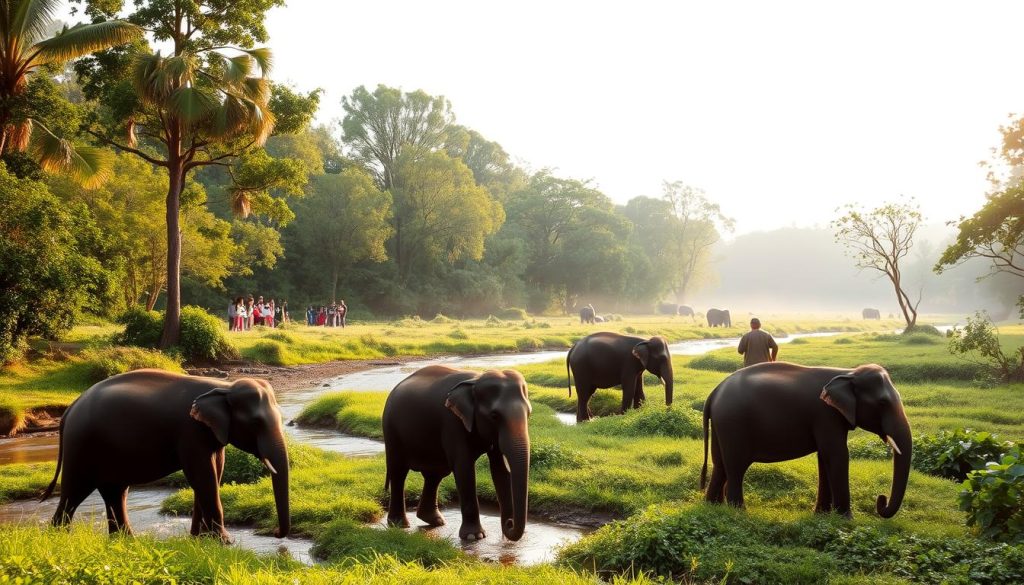
Visiting the Luang Prabang elephant sanctuaries is a life-changing experience. You’ll connect deeply with the elephants in a natural setting. Walking with them, you’ll see their gentle side and learn about their lives.
This experience can change how you see elephant conservation. It’s a chance to make a real difference.
Life-Changing Encounters with Elephants
At the heart of your visit are the life-changing encounters with elephants. These moments are more than just watching. They involve hands-on experiences that deepen your appreciation for these animals.
By participating in their care and watching them socialize, you gain a new understanding of their world. The serene backdrop of the sanctuary makes these encounters unforgettable.
Rescued Elephants and Their Stories
MandaLao Elephant Conservation is home to nine rescued elephants. Each has a unique story shaped by past hardships. They often come from logging camps and low welfare tourist attractions.
Learning about their journeys towards recovery gives insight into their challenges. By visiting, you help in their rehabilitation and support their return to the wild.
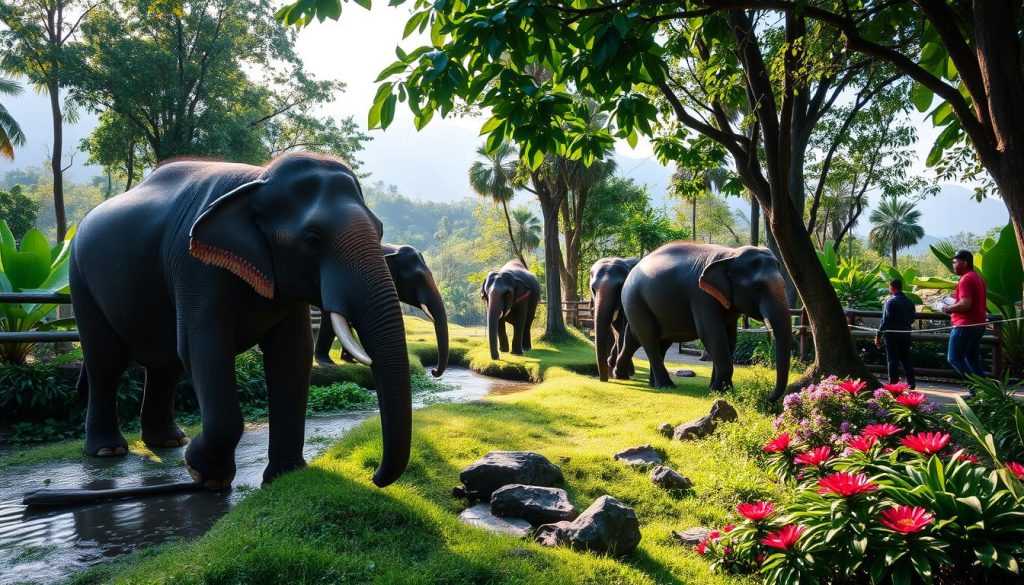
MandaLao’s commitment to humane treatment is evident. They remove chains and offer a chain-free environment. The mahouts guide the elephants with a gentle approach, showing the bond formed through trust and respect.
This sanctuary highlights the stories of rescued elephants. It also shows the importance of responsible tourism in aiding conservation efforts.
| Aspect | Details |
|---|---|
| Number of Elephants | 9 elephants rescued from low welfare situations |
| Age Range | 6 to over 60 years |
| Mission | Reintroduce captive elephants to the wild |
| Group Size for Visits | 6-8 participants |
| Cost of Visit | $99 per person including lunch |
| Key Practices | No riding and chain-free environments |
Your time at these sanctuaries can change lives. It’s a chance to make a real difference, for you and the elephants. It highlights the urgent need for sustainable practices and ethical tourism in Laos.
Choosing the Right Sanctuary for Your Visit
When you plan to visit Luang Prabang, picking the right elephant sanctuary is key. You should look for places that care about elephants and teach visitors about them. Here are some important things to think about when choosing a sanctuary.
Understanding Ethical Practices in Elephant Tourism
It’s important to choose elephant tourism that is kind to these animals. Look for places that don’t let people touch or bathe the elephants. This way, the elephants can stay free and safe. Also, check if they have educational programs that teach about taking care of elephants and saving their homes.
Recommended Sanctuaries in Luang Prabang
Here are some top picks for sanctuaries in Luang Prabang:
- MandaLao Elephant Sanctuary: This place offers tours for $100 for half a day and $150 for a full day. Kids get a discount. You can see elephants in their natural home and learn about how to care for them.
- Elephant Conservation Centre: In Sayaboury Province, you can stay for 2 days for $210 or 3 days for $280. There’s also a 7-day volunteer program for $470. You can help with elephant care.
- Mekong Elephant Park: In Pakbeng, there’s a ‘Privileged Instants’ trip for $50 and a ‘Day Program’ for $30. You can watch elephants in their natural habitat.
These sanctuaries are all about doing the right thing for elephants. They offer amazing experiences for visitors. Picking any of these places means you’ll have a great and responsible time with elephants.
Luang Prabang Elephant Sanctuaries: MandaLao Tours
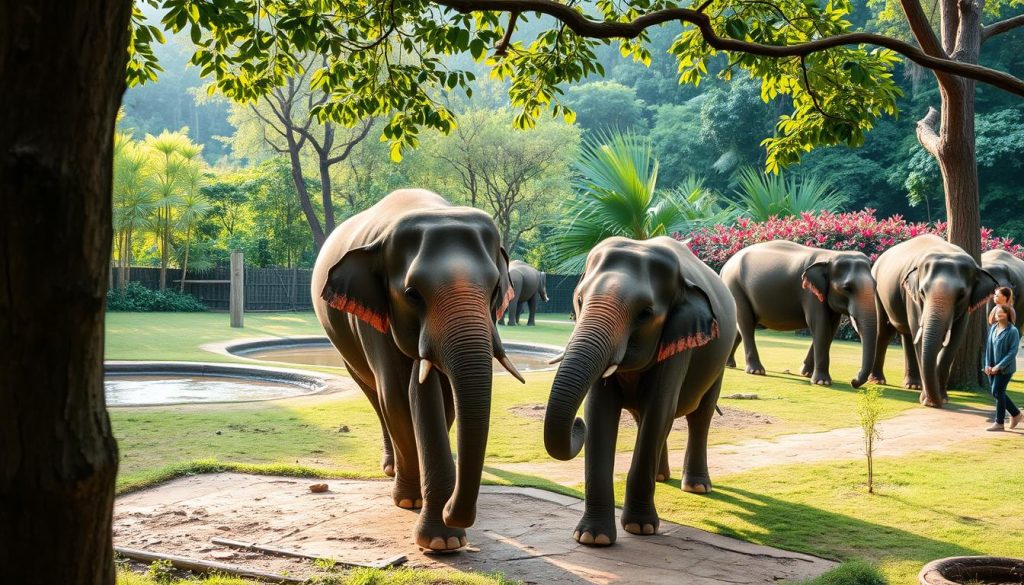
MandaLao Tours is a top spot for elephant conservation in Luang Prabang. It’s the first place in the area where you can see elephants without riding them. Here, rescued elephants live in a safe, caring environment, away from logging and riding tourism.
The sanctuary focuses on helping elephants behave naturally. They use kind care and new ways to meet the animals. This makes MandaLao Tours a leader in elephant conservation.
An Overview of MandaLao Elephant Conservation
At MandaLao, nine rescued elephants live in a 20-hectare forest. They get 250 kg of food every day. This is much more than the 100 kg given at other places.
The sanctuary puts the elephants’ needs first. They let the elephants act naturally. This makes their lives better and shows why saving elephants is so important.
Activities and Experiences Offered
Visitors at MandaLao Tours can take part in many activities. These help you learn more about these amazing animals:
- Half-Day Therapeutic Trek: This trek is for eight people. It’s 2.5 kilometers round trip through jungle and rice fields for $100 per person.
- Inside the Heart of Elephants: This full-day trip is a 5-kilometer trek through the forest with two adult elephants. Lunch is served Lao style under the trees, making it a memorable experience.
- Communicating with Elephants: This half-day tour is for six guests. You make nutritious treats for the elephants and walk a bit along the Nam Khan river.
MandaLao Tours focuses on respectful animal encounters. The tours are not too hard, so everyone can enjoy them. You’ll get to know the elephants and see the beautiful nature around you.

Connecting with Elephants: A Personal Experience
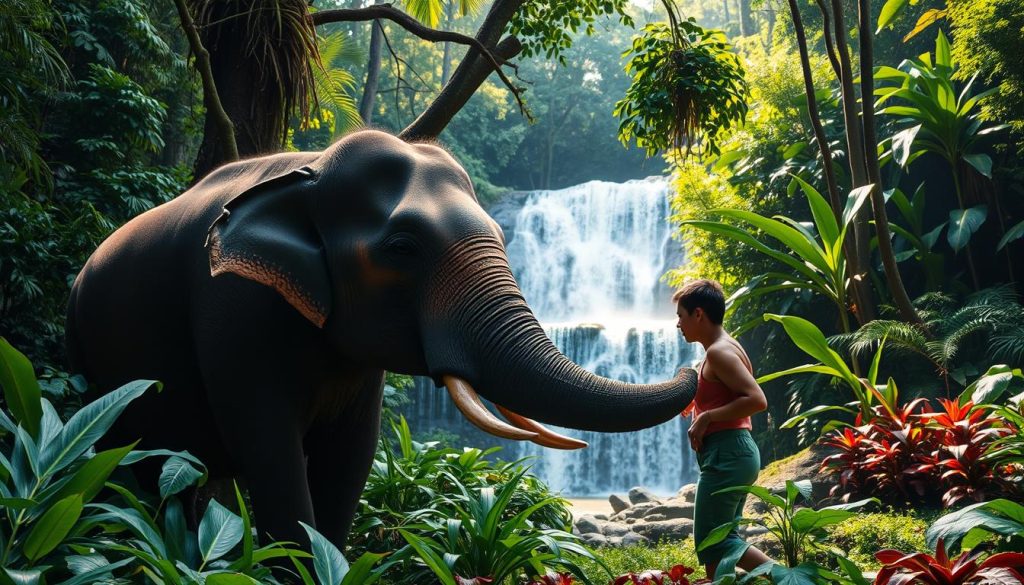
Visiting MandaLao and engaging with elephants is unforgettable. It deepens your appreciation for these majestic creatures. Guests can connect with elephants through activities like feeding and bathing them. This builds a strong bond and understanding of their needs.
Participating in daily care routines is a highlight. It promotes ethical animal encounters that focus on elephant welfare. As you interact with these gentle giants, you might think about how these experiences change you. They not only improve your emotional well-being but also teach you the importance of wildlife conservation.
Learning about elephant behavior before interacting with them adds value to the experience. Knowing how to communicate with elephants gives you insights into their behavior. Whether in group activities or one-on-one moments, personal involvement shows the special bond between humans and elephants.
| Activity | Details |
|---|---|
| Duration | Half-day experience from 08:30 to 13:30 |
| Group Size | Maximum of 6 participants for the Therapeutic Trek |
| Meals | Freshly prepared Lao meal using organically grown produce |
| Learning Focus | In-depth introduction to elephant behavior and communication |
| Interaction Opportunities | Feeding, bathing, and farewell hugs |
Connecting with elephants at MandaLao is a unique experience. It not only helps the welfare of elephants but also broadens your understanding of these amazing animals.
The Importance of Ethical Travel Experiences
Ethical travel experiences are key to a sustainable tourism model. They help wildlife and local communities thrive. Knowing how your travel choices impact the world makes your adventures more meaningful. It also helps protect ecosystems and cultural heritage.
Impact of Responsible Tourism
Responsible tourism aims to reduce harm and increase good. By choosing ethical travel, you help protect endangered species like the Asian elephant. Their numbers have fallen from 100,000 to 40,000 to 50,000 in the last century.
Places like the Elephant Conservation Centre in Laos are crucial. They offer care, rescue, and education. This helps fight threats like habitat loss, poaching, and exploitation.
Supporting Local Communities Through Tourism
Tourism can greatly help local communities. By choosing responsible tourism, you support artisans, farmers, and conservationists. They rely on sustainable practices.
Connecting with local cultures makes your trip richer. It also helps the economy of places near elephant sanctuaries. This creates a positive cycle, preserving wildlife and cultural heritage.
Sustainable Wildlife Conservation Efforts
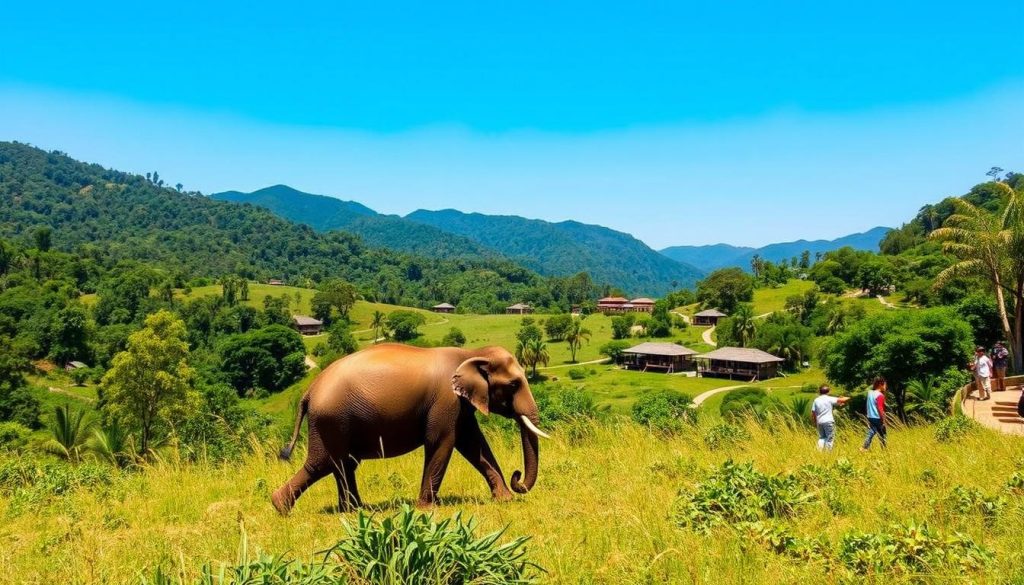
Sustainable wildlife conservation is key in Luang Prabang’s elephant sanctuaries. These efforts focus on ecological balance and ethical tourism. Places like MandaLao provide homes for elephants and ensure their well-being.
Habitat preservation is central to these efforts. Sanctuaries aim to keep and restore places where elephants can live well. This helps both wildlife and humans live together better. Visitors help support this by enjoying the surroundings and learning about conservation.
Education is also crucial. Local people learn about the role of elephants in their ecosystems. This knowledge encourages them to help in conservation. It builds a culture of respect for nature, supporting ethical tourism.
Rescue efforts are also important. Many elephants are saved from bad conditions. By rehabilitating them, sanctuaries show compassion and promote ethical tourism. Your visit helps these efforts, ensuring elephants can act naturally.
Eco-Friendly Elephant Sanctuaries in the Region
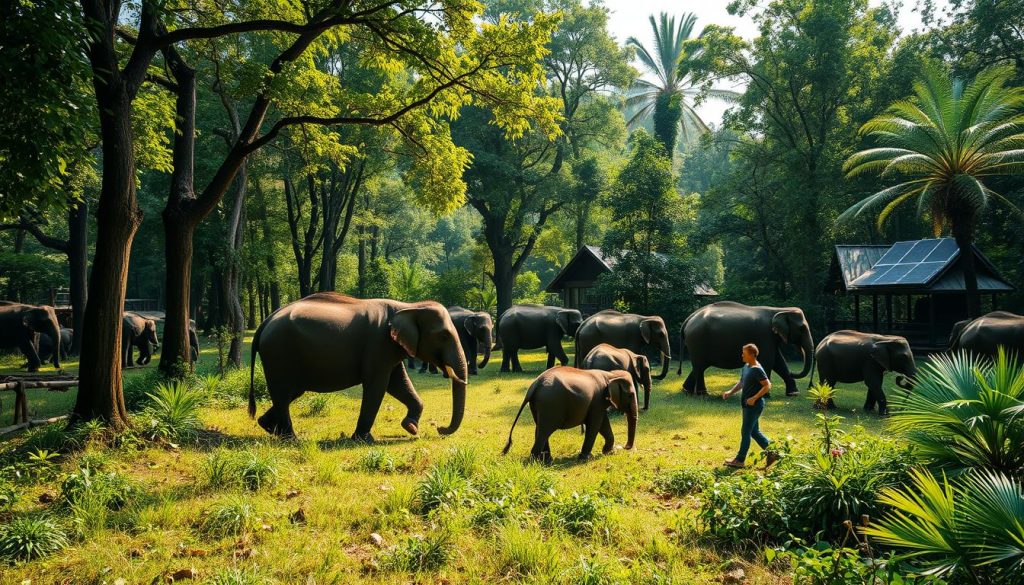
Eco-friendly elephant sanctuaries are key in saving wildlife and supporting local communities. They use green practices to protect the environment. By using local resources and renewable energy, they help both elephants and people.
How Sanctuaries Operate Sustainably
Many sanctuaries in Laos follow sustainable principles. They focus on protecting the environment and caring for elephants. They use local materials, solar panels, and encourage recycling.
These actions help elephants and support local families. It’s important for the success of these places.
Community Engagement and Environmental Stewardship
Community involvement is central to these sanctuaries. They train locals in conservation and tourism. This helps the community and supports wildlife.
- Job creation in eco-tourism and sanctuary management.
- Promotion of responsible tourism practices that respect local culture and wildlife.
- Workshops and training in sustainable agriculture and conservation methods.
This approach builds a sense of responsibility in the community. It shows how local involvement can make a big difference.
Visiting Tips for Your Sanctuary Adventure
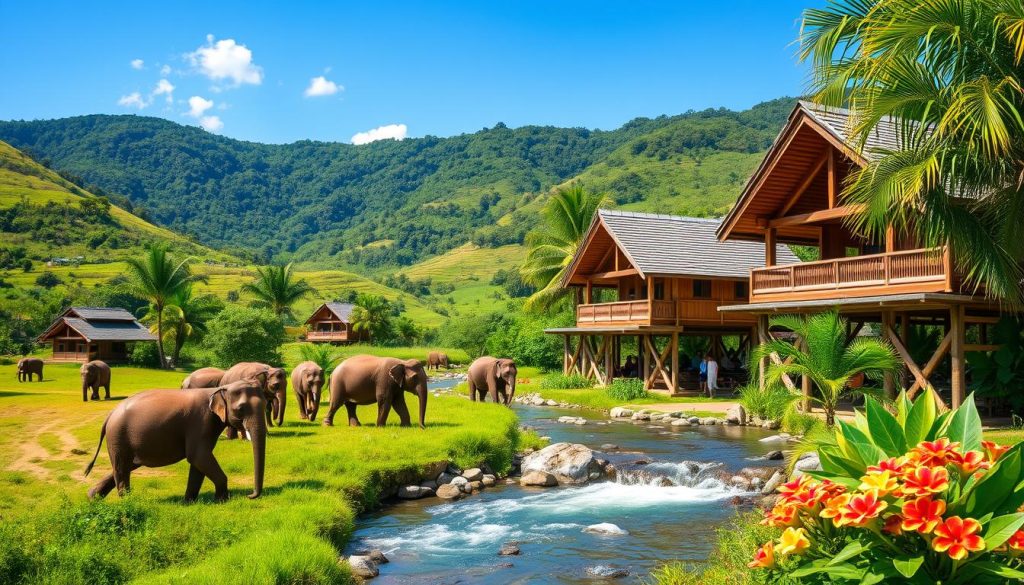
Planning your visit to an elephant sanctuary needs careful thought. Knowing what to bring and how to interact with these amazing animals can make your visit better. Here are some tips to help you have a meaningful and impactful visit.
What to Bring for the Journey
To enjoy your adventure fully, pack these essentials:
- Sun protection: Use sunscreen and hats to protect yourself from the sun.
- Comfortable clothing: Wear light, breathable clothes to stay cool.
- Mosquito repellent: Keep bugs away, mainly in the early morning or late evening.
- Water bottle: Drink plenty of water to stay hydrated during activities.
- Camera: Take photos, but remember to respect the animals while doing so.
Best Practices for Respectful Elephant Encounters
Interacting with elephants should be done with care for their well-being. Here are some tips for respectful interactions:
- Keep a safe distance: Let the elephants have space and choose when to interact.
- Avoid loud noises: Speak softly and keep noise levels down to avoid startling them.
- Learn before you interact: Use educational opportunities from guides to understand elephant behavior.
- Do not feed elephants without consent: Follow the sanctuary’s rules on feeding to protect their health.
- Support ethical practices: Choose sanctuaries that focus on the welfare and rights of elephants, avoiding exploitative tourism.
Wildlife Preservation Initiatives in Laos
Laos is working hard to save its wildlife, focusing on elephants. There are about 800 elephants left, split between wild and captive ones. The goal is to protect their homes and ensure a future for them.
The loss of forests has hurt local animals a lot. Forests used to cover 70% of Laos, but now it’s around 40%. This has led to less space for animals and more conflicts with humans. The government and conservation groups are working together to teach people why saving wildlife is important.
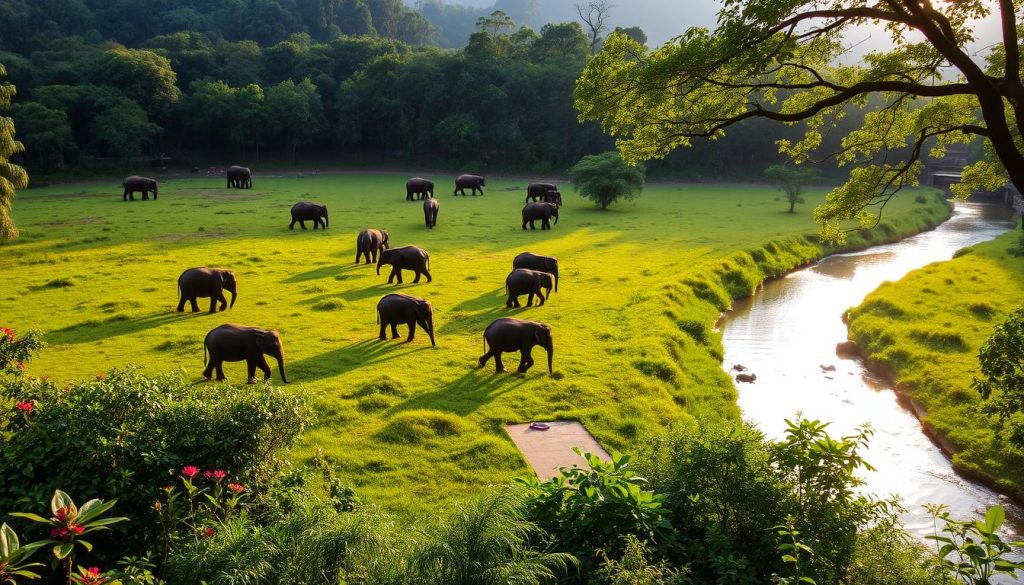
The Elephant Conservation Center in Xayaboury is doing great work. They help elephants get better and live in better conditions. The center has 13 elephants and is trying to breed more to help the population grow.
But, there are still big challenges. New projects could make things worse by taking away more land. There’s a big debate about how tourism affects elephants. You can help by learning more and supporting good tourism practices.
How You Can Contribute to Ethical Animal Encounters
You can make a big difference by choosing to visit places where animals are treated right. Places like MandaLao focus on caring for elephants, not using them for shows. This way, you help spread kindness and understanding.
When you visit these places, you learn a lot about animals and why we need to protect their homes. It’s a chance to really connect with them and see how important it is to care for them.
Getting involved in local projects is another great way to help. Sanctuaries often have volunteer programs and campaigns to raise awareness. By joining these efforts, you help protect wildlife in your area.
Also, supporting local businesses that care about animals and the environment is important. For example, Laos Buffalo Dairy makes great products and helps animals at the same time. It’s a win-win for everyone.
Here are some things you can do:
- Visit sanctuaries that treat animals well.
- Join local projects to help wildlife.
- Tell others about the need for responsible travel.
- Support businesses that care about animals and the planet.
In Laos, there are only a few hundred elephants left in the wild. Your actions can really help change things. Every step you take helps protect these amazing animals and their homes. By choosing to have ethical animal encounters, you’re part of a bigger effort to respect and protect wildlife.
Conclusion
Visiting the Luang Prabang elephant sanctuaries is a unique chance to support ethical tourism and wildlife conservation. These places are not just for watching elephants. They help us understand why we must protect these animals and their homes.
By choosing to help these projects, you help ensure a better future for Laos’ elephants. Laos has only 500 to 1,000 elephants left. This is because of lost habitats and exploitation.
By supporting ethical tourism, you help spread the word about conservation. Places like the Sayaboury Elephant Conservation Center focus on helping elephants. They work hard to fix the relationship between humans and elephants.
Your visit to Luang Prabang’s elephant sanctuaries is more than just fun. It’s a way to support responsible animal care and conservation. By doing this, you help change how we treat elephants. This change benefits both the animals and the local people.