Explore Binondo: World’s Oldest Chinatown in Manila
Binondo, founded in 1564, is the world’s oldest Chinatown outside China. It sits in the heart of Manila. This lively district boasts a rich history and unique culture.
Visitors flock to Binondo’s winding streets and historic landmarks. They come to taste its mouthwatering cuisine and soak up the atmosphere.
Binondo reveals the Philippines’ deep ties with China. It shows a history of trade that started before Spanish rule. The area’s story is one of cultural mixing and strength.
A thriving Chinese community has made its home here. They’ve shaped Binondo’s character over centuries.
What is Binondo?
Binondo’s History and Establishment
Binondo is Manila’s Chinatown district. It’s the oldest Chinatown worldwide, founded in 1594 by Spanish colonial authorities. The area was set up for Catholic Chinese immigrants near Intramuros.
Binondo was a Chinese commerce hub before Spanish rule. It’s a cultural melting pot of various ethnic groups. Chinese traders here got land ownership, tax breaks, and limited self-governance.
Binondo spans 166 acres from the Pasig River to Recto Avenue. It’s easy to reach by city trains. You can walk from Carriedo or Recto stations in 10-15 minutes.
“Binondo, established in 1594, is recognized as the oldest Chinatown globally.”
Binondo’s history has shaped Manila’s cultural fabric. It remains a lively hub today. The area showcases the lasting impact of Binondo’s history and its unique identity.
As the world’s oldest Chinatown, Binondo continues to fascinate visitors. Its Binondo Chinese settlement roots are still evident in its vibrant streets and businesses.
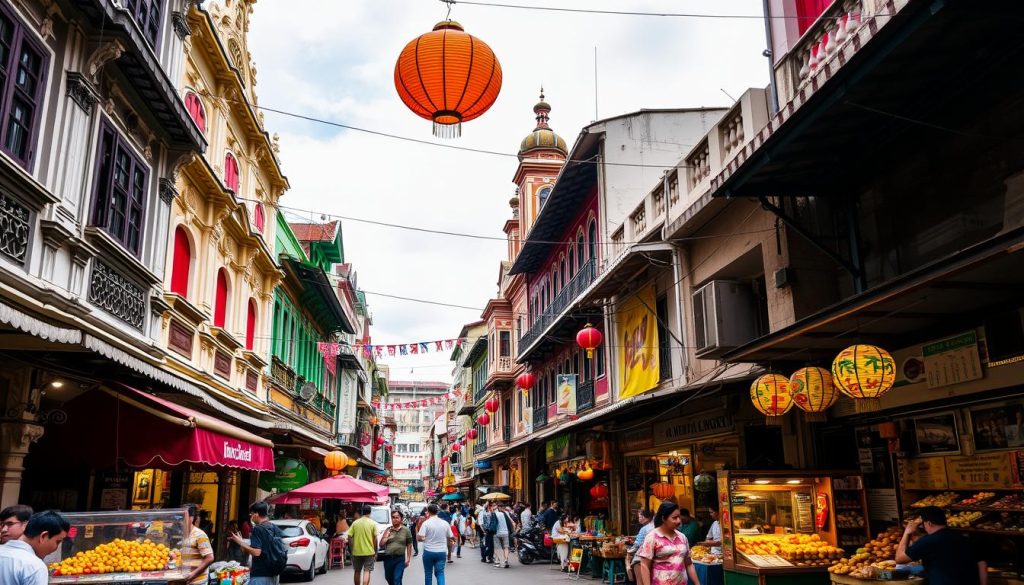
Exploring Binondo’s Chinese Heritage
Binondo, the world’s oldest Chinatown, showcases enduring Binondo Chinese heritage. This historic Manila district has been a hub of Chinese commerce for centuries. Its Binondo culture is deeply rooted in Chinese immigrant traditions.
The Binondo Chinese influence is evident in the area’s remarkable architecture. It blends Chinese and colonial styles beautifully. Iconic buildings like Don Roman Santos and Regina stand as architectural masterpieces.
- The Don Roman Santos Building, home to the Bank of the Philippine Islands, is a stunning example of neo-classical architecture.
- The Regina Building, Natividad Building, and Calvo Building in Escolta Street feature diverse architectural styles, from neo-classical to futuristic designs.
- The Commercial Bank and Trust Company building, designed by National Artist Jose Ma. Zaragosa, boasts a unique, forward-thinking aesthetic.
- The Capitol Theater, designed by National Artist Juan Nakpil, is known for its distinctive two-balcony layout.
Binondo’s Chinese heritage shines through its vibrant street life and culinary delights. Carvajal Street offers a Hong Kong-like market experience. Ongpin Street hosts diverse businesses, from eateries to jewelry shops.
“Binondo is not just a place, but a living testament to the enduring spirit and influence of the Chinese community in the Philippines.”
Binondo offers a truly authentic experience of Binondo Chinese heritage. You can explore historical landmarks, savor delicious cuisine, and soak in the lively street energy.
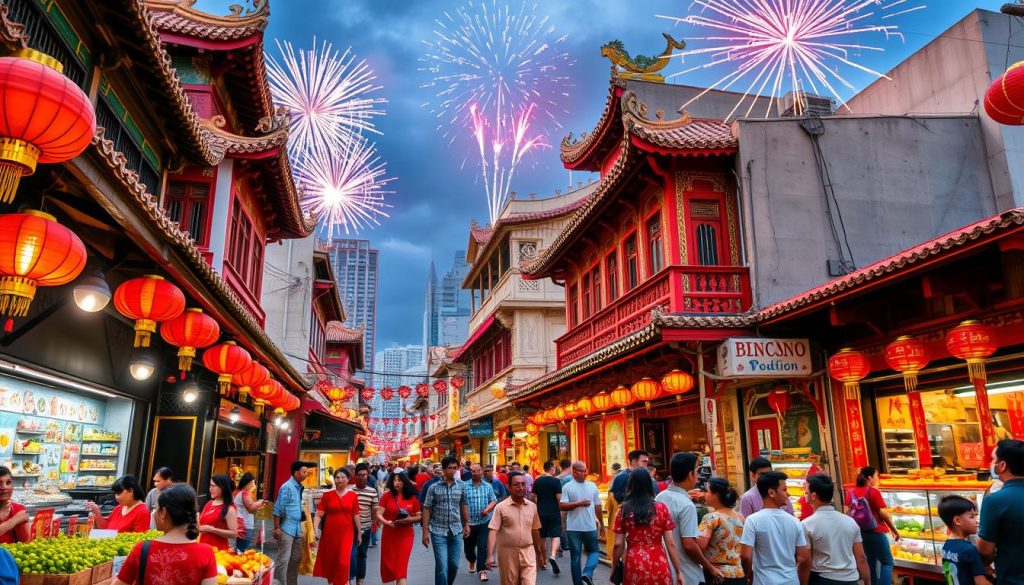
How can I explore Binondo, the oldest Chinatown in the world?
Binondo, the world’s oldest Chinatown, offers a rich cultural experience. A well-planned walking tour is ideal for discovering this historic district. You’ll visit key landmarks and attractions along the way.
Suggested Walking Tour Route
Begin your Binondo journey at the iconic Jones Bridge. This neoclassical structure links the district to downtown Manila. Next, head to the Filipino-Chinese Friendship Arch, a gateway symbolizing community ties.
Visit the historic Binondo Church, standing since 1596. It showcases the district’s religious heritage. Nearby, you’ll find the charming Carriedo Fountain, adding visual appeal to the area.
Explore the Santa Cruz Church, blending Chinese and Catholic influences. Then, stroll down Escolta Street, a bustling hub of commerce and culture. It highlights Binondo’s vibrant past and present.
This tour immerses you in Binondo’s rich history. You’ll admire captivating architecture and discover deep-rooted cultural heritage. It’s a unique and fascinating journey through time.
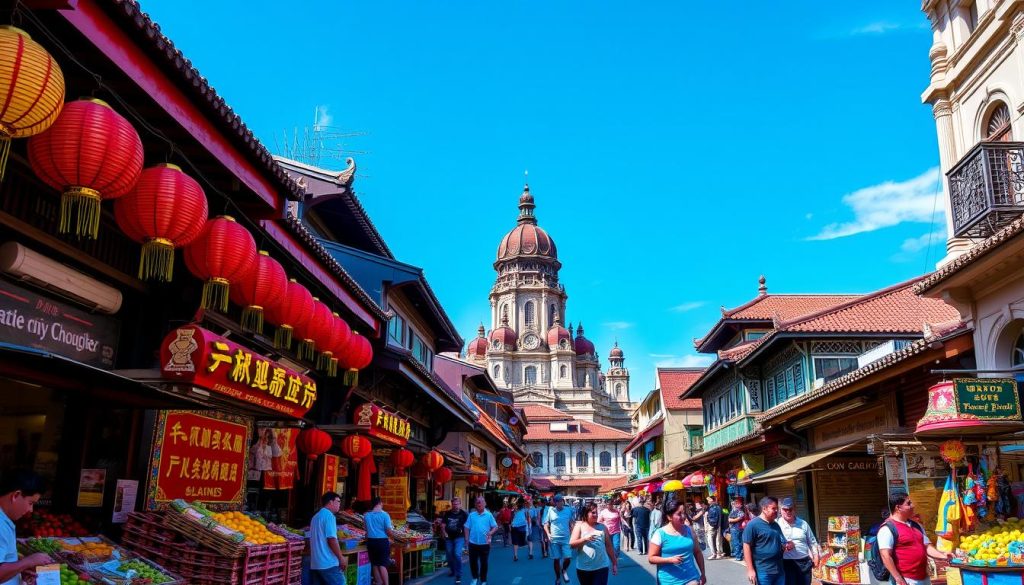
Must-Visit Attractions in Binondo
Historical and Cultural Landmarks
Binondo, the world’s oldest Chinatown, brims with historical and cultural gems. This vibrant district boasts iconic landmarks that are worth exploring. Let’s dive into some must-see spots in Binondo.
- Binondo Church: Also known as the Minor Basilica and National Shrine of Saint Lorenzo Ruiz, this church was founded by Dominican priests in 1594 to serve Chinese and native Filipinos who converted to Christianity.
- Plaza San Lorenzo Ruiz: Named after the first Filipino saint, this plaza serves as a gathering place for the local community.
- Plaza Moraga and Plaza Cervantes: These two plazas are beloved community spaces in the heart of Binondo.
- Escolta Street: Formerly known as the “Broadway of Manila” during the Spanish colonial era, Escolta Street is now a hub of historic buildings and shops.
These Binondo landmarks and Binondo historical sites showcase the district’s rich cultural heritage. They offer a fascinating glimpse into Binondo’s past and present.
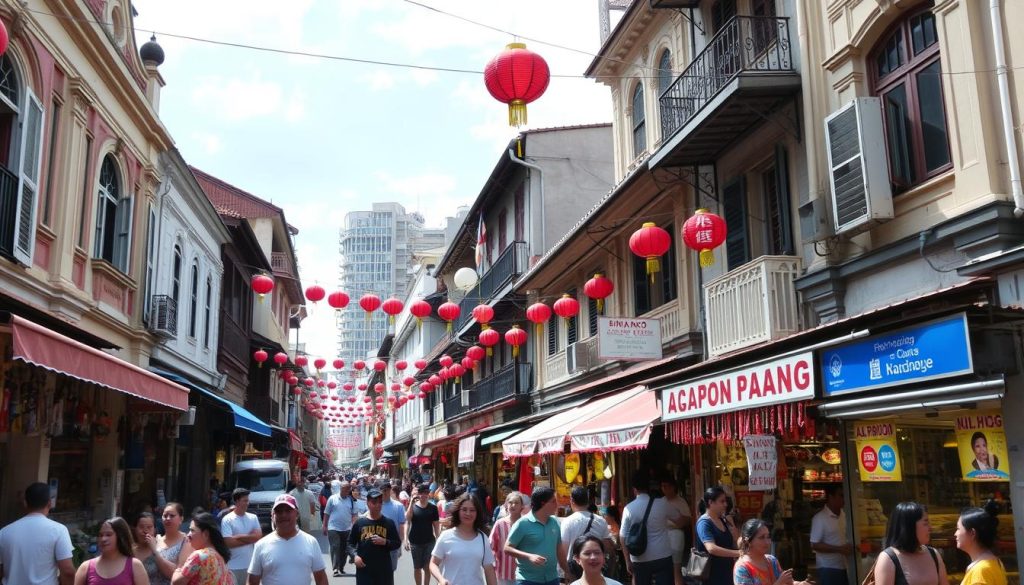
Binondo’s streets are packed with diverse shops, restaurants, and cafes. These cater to both locals and visitors alike. The district offers a mix of history, culture, and culinary delights.
Binondo’s Culinary Delights
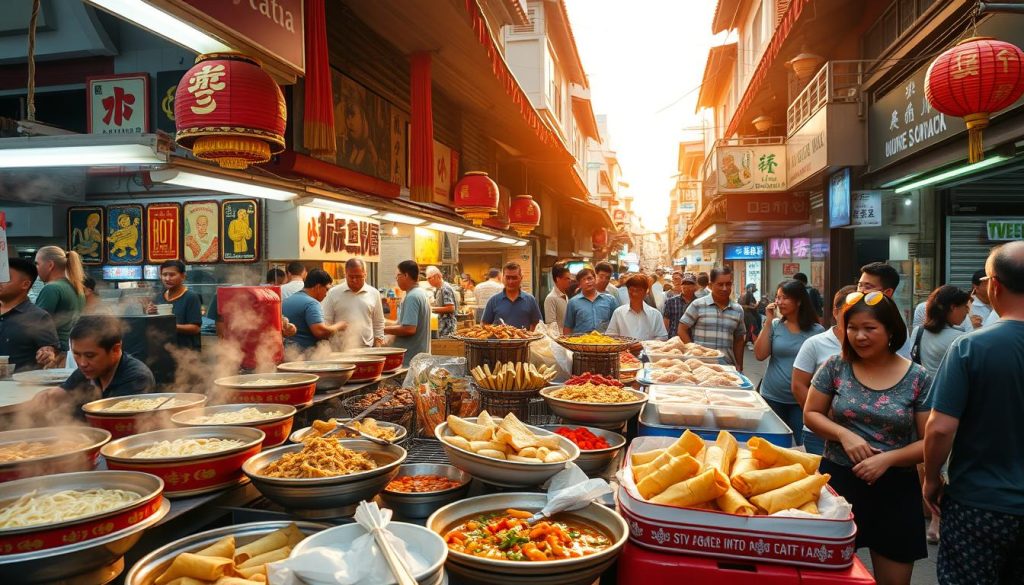
Binondo, the world’s oldest Chinatown, is a food lover’s paradise. This vibrant Manila district offers diverse Binondo food and Binondo cuisine. From authentic Chinese dishes to fusion creations, Binondo restaurants promise an exciting culinary journey.
A must-try delicacy is the Shanghai Fried Siopao, a savory pork-filled steamed bun. At 20 pesos per siopao, it’s a budget-friendly treat loved by locals and visitors.
The Sincerity Cafe & Restaurant is famous for its mouthwatering fried chicken. Don’t miss the kuchay ah at Quik-Snack in Chinatown, small pastries filled with pork and veggies.
For fresh and flavorful options, try the lumpiang sariwa from New Po Heng Lumpia House. These deep-fried spring rolls stand out with their unique cooking style.
To fully experience Binondo’s flavors, join a Binondo food crawl. These tours explore Ongpin Street, where you’ll taste 8 different foods in 3 hours.
Small group tours, limited to 10 people, offer an intimate experience. You’ll gain cultural insights while enjoying Manila’s Chinatown hassle-free.
| Dish | Price | Highlight |
|---|---|---|
| Shanghai Fried Siopao | 20 pesos (~$0.40) | Savory pork-filled steamed bun |
| Sincerity Cafe & Restaurant’s Fried Chicken | Varying | Famous for its mouthwatering fried chicken |
| Quik-Snack’s Kuchay Ah | Varying | Small empanada-like pastries with pork and vegetables |
| New Po Heng Lumpia House’s Lumpiang Sariwa | Varying | Larger, deep-fried spring rolls with unique cooking style |
Binondo’s culinary scene offers both authentic Chinese and fusion dishes. Explore the vibrant Binondo restaurants and savor the rich Binondo cuisine. This historic Chinatown truly is a food lover’s dream come true.
Shopping in Binondo
Binondo is a shopper’s paradise, known for its diverse souvenirs and local products. The district’s markets and shops offer unique items reflecting its rich cultural heritage. From Chinese handicrafts to herbal medicines, Binondo has something for everyone.
Souvenirs and Local Products
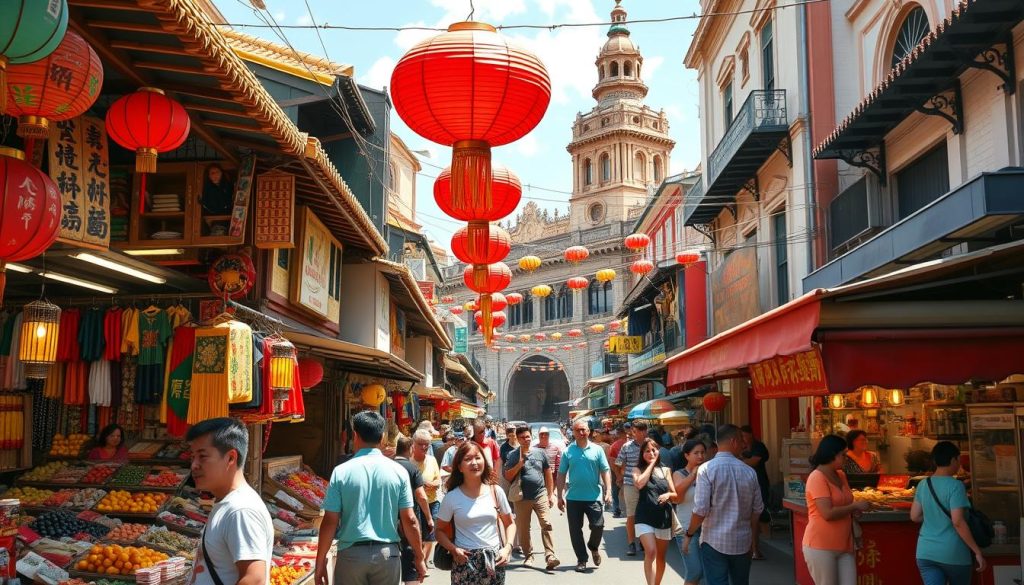
Ongpin Street is the heart of Binondo souvenirs and Binondo local products. It’s packed with Chinese-owned shops selling authentic arts and crafts. You’ll find intricate calligraphy, handcrafted fans, and decorative porcelain pieces.
Herbal medicine shops are also popular in this area. They offer a variety of traditional remedies and tonics. These shops are a treasure trove for those interested in alternative medicine.
Binondo is famous for its bakeries and confectioneries. Eng Bee Tin and Dong Bei Dumplings are must-visit spots for food lovers. They offer pastries, hopia, and handmade dumplings, giving you a taste of Binondo shopping.
| Binondo Souvenir Shops | Binondo Local Products |
|---|---|
| Chinatown Museum Gift Shop | Herbal Medicines |
| Ongpin Street Handicraft Stores | Handmade Dumplings |
| Lucky Chinatown Mall | Traditional Pastries (Hopia, Tikoy) |
| Eng Bee Tin Bakeshop | Chinese-Filipino Cuisine |
Binondo’s shopping scene offers a unique blend of culture and commerce. It’s a place where you can find one-of-a-kind souvenirs and taste local delicacies. Your visit to Binondo will be an unforgettable journey through its rich cultural tapestry.
Festivals and Events
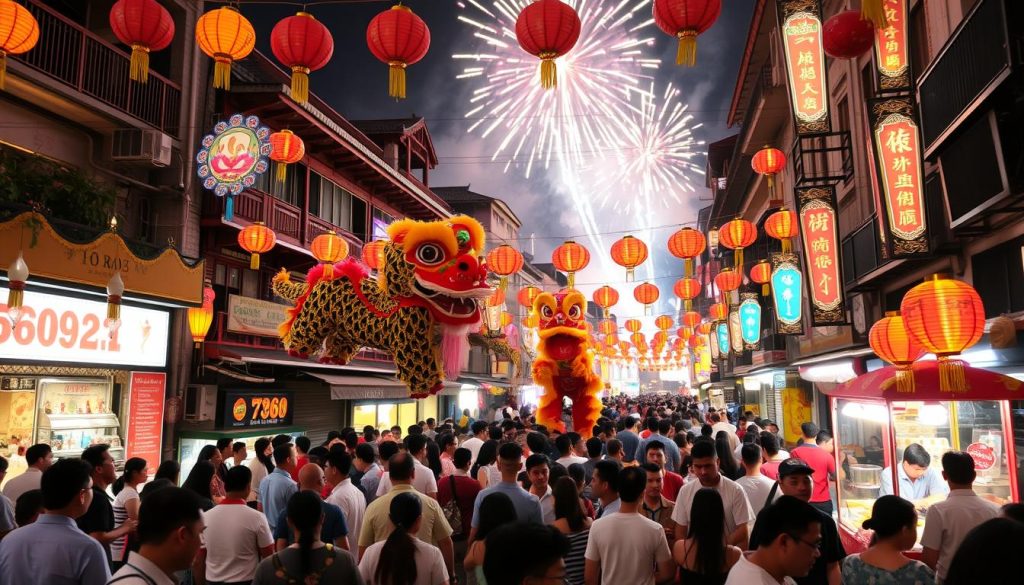
Binondo, the world’s oldest Chinatown, buzzes with festivals year-round. These events celebrate its rich Chinese heritage. The Chinese New Year is the most famous, featuring lion dances, firecrackers, and festive decorations.
The Chinese Lunar New Year in Binondo attracts massive crowds. It showcases Chinese culture, businesses, food, and lively parades. In 2022, attendance soared as COVID-19 restrictions eased.
Binondo hosts other events too. These include the Flores de Mayo festival and Santacruzan procession. The annual Binondo Fiesta blends Chinese and Filipino traditions seamlessly.
“Feeling overwhelmed by the sights and sounds of Binondo during Chinese New Year festivities is a common experience.”
The Spring Festival lasts 15 days. It ends with the full moon after the New Moon phase. Chinese New Year, or Lunar New Year, follows the lunisolar calendar.
It occurs between late January and mid-February each year. Binondo’s influence spreads to other Metro Manila areas. These include Quiapo, Santa Cruz, San Nicolas, and Tondo.
Getting to Binondo
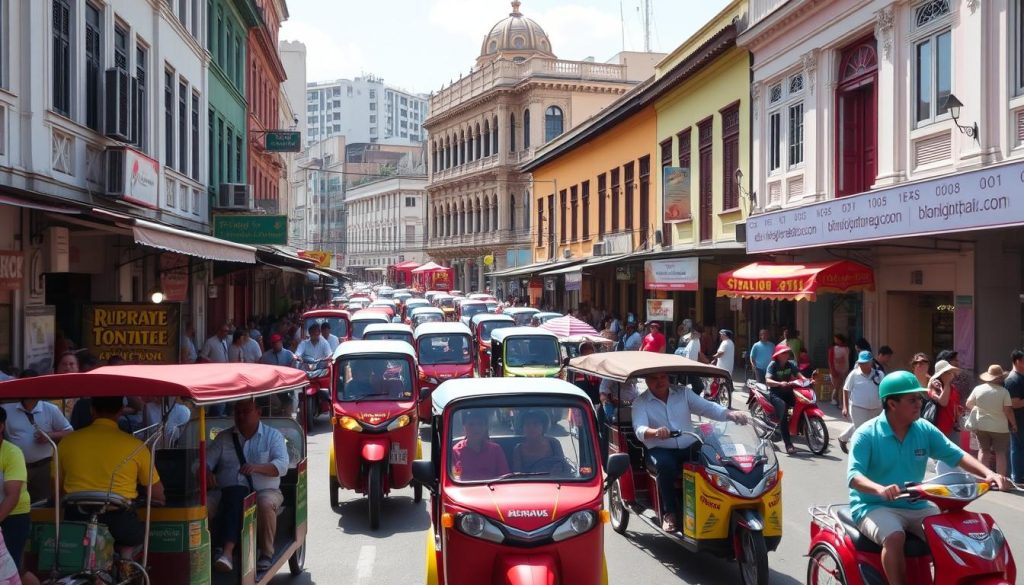
Binondo, the world’s oldest Chinatown, sits in Manila’s heart. It’s easy to reach by public transport. Several jeepney and bus routes serve the area.
Take the LRT or MRT to Carriedo or Doroteo Jose stations. These are close to Binondo’s main sights. The district is near Jones Bridge, connecting it to Intramuros.
Binondo covers 166 acres along the Pasig River. Its compact size makes it perfect for walking. You can explore this vibrant Chinatown on foot or by public transport.
“Binondo is recognized as the oldest Chinatown globally, with a history dating back to the Spanish colonial era.”
Binondo offers a rich Chinese heritage and lively culture. Its central location makes it a must-visit spot in Manila. You’ll find it easy to get around and explore.
Practical Tips for Visiting Binondo
Best Time to Visit and Safety Precautions
Binondo, the world’s oldest Chinatown, offers a vibrant cultural experience. The best time to visit is during Chinese New Year, from January 21 to February 20. This period brings colorful displays and lively events to the district.
For a less crowded experience, plan your visit on a Saturday. The streets are typically less congested then. Keep in mind that Binondo can get hot and humid.
Safety is important when exploring Binondo. Keep a close eye on your belongings, especially in crowded areas. Avoid certain parts of the district at night. Dress comfortably and bring water to stay hydrated during your visit.
| Binondo Visit Tips | Binondo Best Time to Visit | Binondo Safety |
|---|---|---|
|
|
|
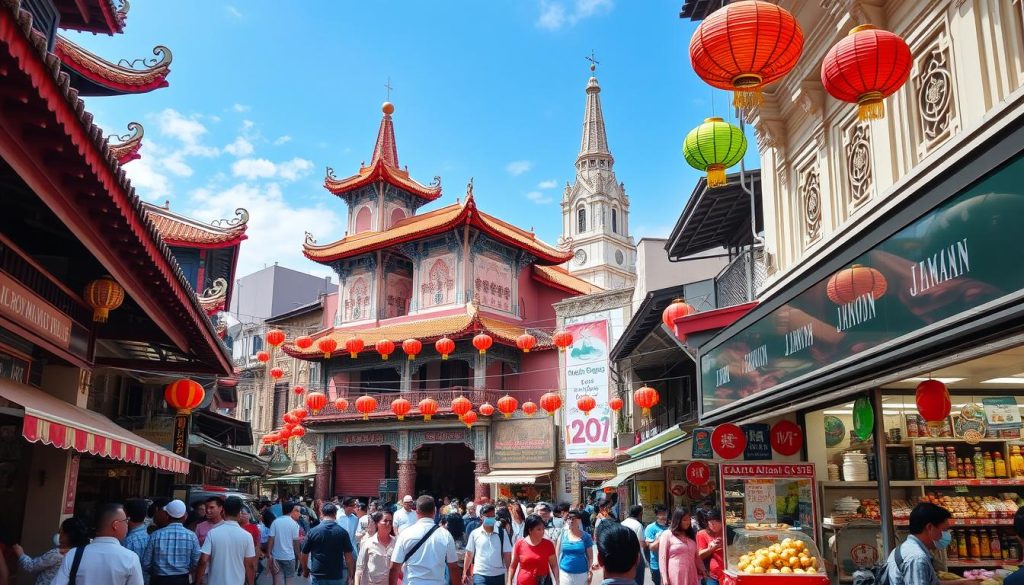
“The best time to visit Binondo is during the Chinese New Year celebrations, when the district comes alive with vibrant festivities and cultural displays.”
Conclusion
Binondo, the world’s oldest Chinatown, showcases Manila’s rich Chinese heritage. It offers historic landmarks, cultural attractions, and a vibrant culinary scene. Visitors can explore fascinating history and enjoy authentic Chinese dishes.
This culturally-diverse community blends old and new seamlessly. Binondo’s unique atmosphere leaves a lasting impression on all who visit. It invites you to discover the enduring legacy of this historic neighborhood.
Prepare to be amazed by Binondo’s sights, sounds, and flavors. Intricate architecture and bustling markets create an unforgettable experience. You’ll want to return to this one-of-a-kind destination again and again.