Discover Quiapo’s Unique Experiences
Quiapo, a vibrant district in Manila, captivates visitors with its unique charm. This neighborhood blends cultural, spiritual, and culinary delights into an immersive experience. From the revered Black Nazarene to the lively street food scene, Quiapo showcases Manila’s resilience and diversity.
The Heart of Manila’s Historic District
Quiapo is one of Manila’s oldest neighborhoods. Its name comes from “Kiapo,” a water cabbage that grew by the Pasig River. Over time, Quiapo has changed from a quiet area to a busy city center.
Quiapo’s Origins and Significance
Quiapo has existed for over 400 years. It grew alongside Binondo, Sta Cruz, and Intramuros. During Spanish rule, Quiapo became important for religion and trade.
Its location near the Pasig River made it great for business. This helped Quiapo become a key part of Manila’s growth.
The Cultural Melting Pot of Manila
Quiapo blends Spanish, Chinese, and local cultures. You can see this mix in its buildings, festivals, and daily life. This diversity shows how different groups have lived together here for a long time.
Plaza Miranda is a famous spot in Quiapo. It was the site of a bombing in 1971. The HUB: Make Lab celebrates creativity in an old building.
The Golden Mosque, Masjid Al-Dahab, is Metro Manila’s largest mosque. It can hold 22,000 people for Friday prayers. This shows Quiapo’s religious variety.
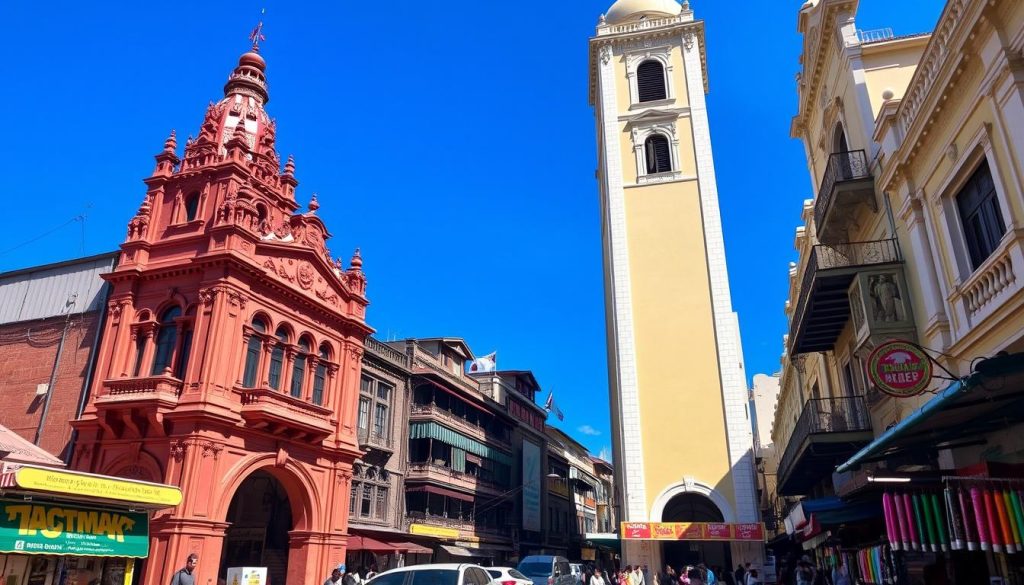
Quiapo has many amazing buildings. The Picache building was Manila’s first modern skyscraper. Nearby, you can see the old walls of Intramuros. These structures show Quiapo’s role in shaping Quiapo architecture, Quiapo culture, and Quiapo history.
Spiritual Pilgrimage: The Black Nazarene
Quiapo Church houses the revered Black Nazarene statue. This life-sized Jesus Christ figure attracts thousands of pilgrims yearly. The annual Feast of the Black Nazarene on January 9th is especially popular.
The Revered Black Nazarene Statue
The Black Nazarene, carved in the 16th century, is believed to have miraculous powers. It has survived fires, earthquakes, and bombings over four centuries. Pope Innocent X approved its veneration in 1650.
Later, Pope Pius VII granted plenary indulgence to those praying to it. This further increased the statue’s spiritual significance among devotees.
The Feast of the Black Nazarene Procession
The annual procession commemorates the Black Nazarene’s 1787 transfer to Quiapo Church. Millions of barefoot devotees flood the streets, showing deep Filipino faith. Recent events have drawn up to 18 million participants.
In 2014 and 2015, the procession attracted 4 and 5 million attendees respectively. To manage such large crowds, 16,000 law enforcement officers are deployed.
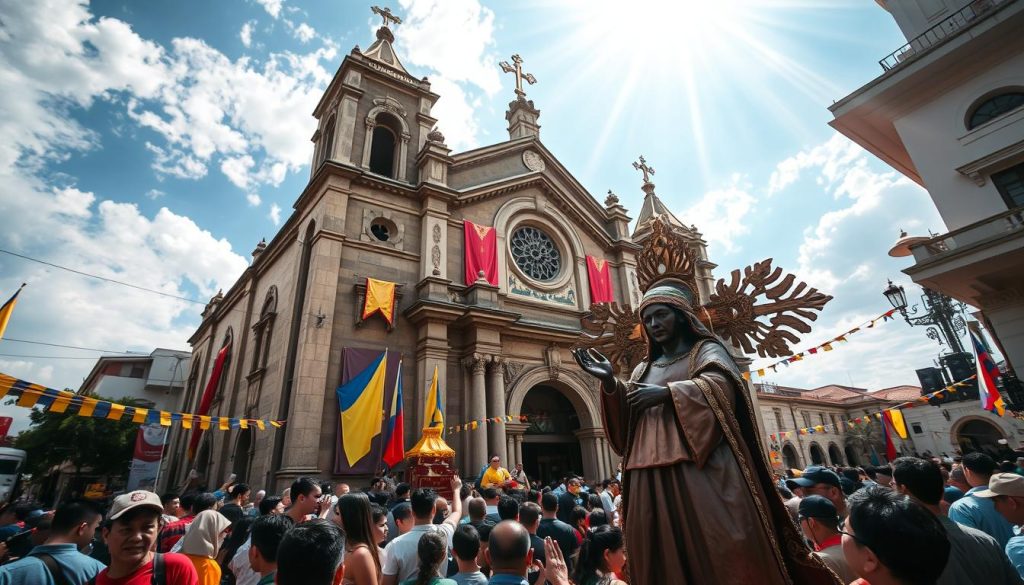
The Black Nazarene’s influence extends beyond the procession. In 2014, the church built 72 houses for Typhoon Haiyan victims. This shows their commitment to community support.
Growing attendance and social initiatives highlight the Quiapo Church and Black Nazarene’s importance. They remain central to many Filipinos’ spiritual lives.
What unique experiences does Quiapo offer?
Quiapo, Manila’s historic heart, brims with unique experiences. It showcases rich cultural heritage and vibrant urban life. Visitors can explore spiritual sites, bustling markets, and mouthwatering street food.
Spiritual Pilgrimage to the Black Nazarene
Quiapo houses the iconic Black Nazarene, a centuries-old wooden statue of Jesus Christ. Many believe it has miraculous powers. Each year, millions join the Feast of the Black Nazarene procession.
Bargain Hunting in Quiapo’s Bustling Marketplace
Hidalgo and Carriedo Streets are famous for their lively markets. Visitors can find great deals on electronics, clothes, crafts, and local foods. The diverse merchandise and affordable prices make Quiapo a shopper’s dream.
Indulging in Quiapo’s Street Food Extravaganza
Quiapo’s street food scene is a true culinary adventure. It offers a tasty mix of savory and sweet treats. From sizzling barbecue to fresh Filipino desserts, the food stalls showcase the country’s rich flavors.
| Unique Experience | Highlights |
|---|---|
| Spiritual Pilgrimage to the Black Nazarene |
|
| Bargain Hunting in Quiapo’s Bustling Marketplace |
|
| Indulging in Quiapo’s Street Food Extravaganza |
|
Quiapo offers a rich blend of spiritual, cultural, and culinary experiences. It’s a must-visit spot in Manila’s heart. Visitors can explore traditions and modern urban life in one vibrant district.

Quiapo’s Bustling Marketplace
Quiapo is the heart of Manila’s historic district. It’s a bustling marketplace that offers a wide variety of goods and experiences. Here, you’ll find everything from electronics to herbal medicines and amulets.
Bargain Hunting at Hidalgo and Carriedo Streets
Hidalgo Street was once known as the “Photographer’s Haven”. It’s famous for its many camera shops selling the latest equipment at great prices.
Carriedo Street is always busy with shoppers looking for deals. You can find bargains on clothes and household items here. These markets are more than just places to shop.
They’re social hubs where people share stories and keep traditions alive. The markets show how old and new blend in Quiapo.
| Street | Specialty |
|---|---|
| Hidalgo Street | Camera shops |
| Carriedo Street | Bargain shopping |
Quiapo’s marketplace offers a unique shopping experience. It’s a place where you can find rare items or just enjoy the lively atmosphere. For any shopper, Quiapo’s markets are a must-visit destination.

Architectural Wonders of Quiapo
Quiapo, Manila’s vibrant heart, showcases a mix of architectural marvels. It blends the city’s rich history with diverse cultural influences. The district features Spanish, Chinese, and indigenous styles in its buildings.
San Sebastian Church stands out as Asia’s only all-steel basilica. It represents the area’s colonial grandeur. Modern structures also line Quiapo’s bustling streets, adding to its unique character.
The Ocampo Pagoda is a striking landmark in Quiapo. Built in 1935, it combines European and Oriental design elements. This magnificent structure stands on Don Jose Mariano Ocampo’s former estate.
Bahay Nakpil Bautista is another architectural gem in Quiapo. This historic home has close ties to Filipino hero Andres Bonifacio. It showcases intricate woodcarvings and details, reflecting the region’s craftsmanship.
These structures tell the story of Quiapo’s evolution. They serve as living testaments to the community’s enduring spirit. The district’s architectural wonders captivate visitors and locals alike.
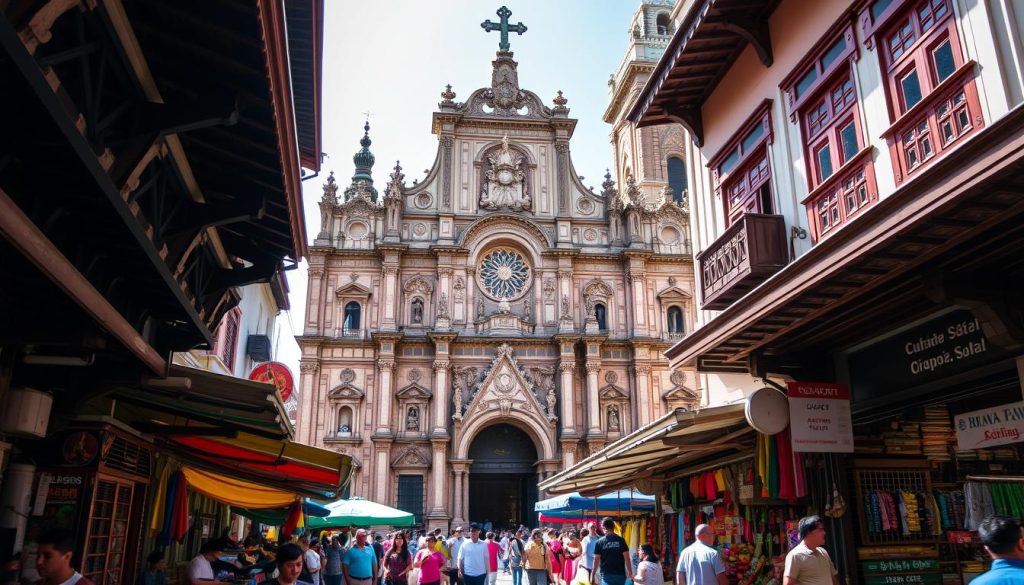
| Landmark | Architectural Style | Year Constructed |
|---|---|---|
| San Sebastian Church | Colonial Baroque | 1611 |
| Ocampo Pagoda | European and Oriental Fusion | 1935 |
| Bahay Nakpil Bautista | Traditional Filipino | 19th Century |
| Manila Golden Mosque | Islamic | 1976 |
“The architectural diversity of Quiapo reflects the rich tapestry of cultures that have shaped this vibrant district over the centuries.”
Quiapo’s architectural wonders offer a journey through its past and present. Each building tells a unique story. Explore these remarkable structures to uncover the district’s rich heritage.
Discover the beauty of Quiapo architecture, Quiapo churches, Ocampo Pagoda, and Bahay Nakpil Bautista. These sites showcase the area’s cultural significance and historical importance.
Street Food Extravaganza
Quiapo’s vibrant street food scene is a must-try experience. Savor fish balls, kwek-kwek, turon, and taho at local stalls. These snacks offer a taste of Filipino tradition and culture.
Vendors skillfully prepare popular treats for eager customers. The district’s culinary adventure will tantalize your taste buds.
Savory Delights and Sweet Treats
Discover a variety of Quiapo street food and Filipino street food options. Each dish has its own unique preparation and flavor profile.
- Balut: Incubated for 14 to 21 days, this unique street food features a developing duck embryo that is boiled and served in the shell.
- Isaw: A popular savory snack, Isaw involves meticulous cleaning, boiling, and grilling of chicken or pork intestines.
- Kwek-Kwek: Vibrant orange battered quail eggs that offer a delightful crunch and flavor.
- Turon: Ripe saba bananas rolled in a spring roll wrapper and fried, creating a sweet and indulgent treat.
- Banana Cue: Skewered ripe saba bananas coated in brown sugar and deep-fried, a simple yet delectable street food.
- Ice Scramble: A refreshing Filipino dessert of shaved ice, evaporated milk, and various toppings, perfect for hot summer days.
Quiapo street food also includes savory options like fish balls and siomai. Don’t miss taho, a beloved silken tofu treat with sweet syrup.
“The streets of Quiapo come alive with the sights, sounds, and tantalizing aromas of its vibrant street food scene, offering a delicious glimpse into the heart of Filipino culture.”
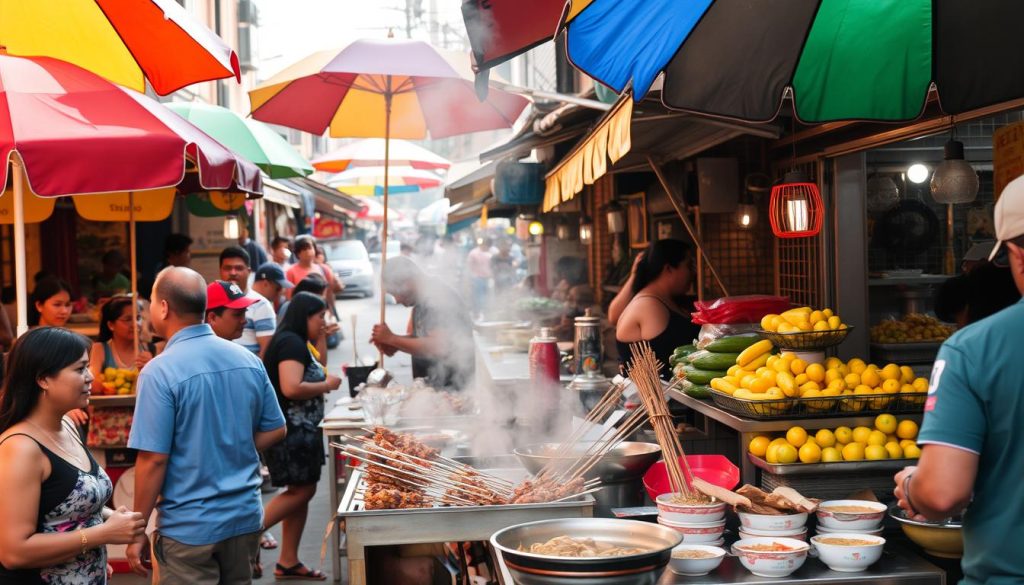
Quiapo’s street food scene offers both savory snacks and sweet treats. Your taste buds will love this historic district’s delicious offerings.
The Filipino street food experience in Quiapo will create lasting memories of Manila.
Faith Healers and Fortune Tellers
Quiapo’s spiritual side goes beyond its iconic church. The streets around it are home to faith healers and fortune tellers. These practitioners blend traditional folk spirituality with Catholic beliefs.
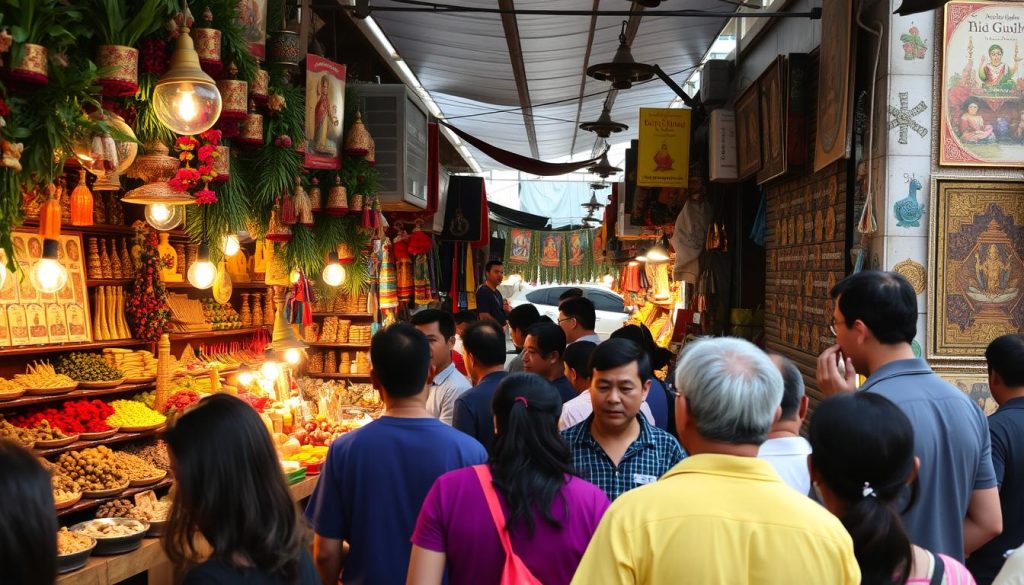
Quiapo’s healers and fortune tellers claim to cure ailments and predict the future. People from all walks of life visit their colorful stalls. They seek herbal medicines, amulets, and spiritual services.
This mix of folk spirituality and Catholicism shows Filipino culture’s belief in science and mysticism. Quiapo’s underground economy thrives on this mysticism. It attracts those seeking solutions to problems and guidance in tough times.
Fortune-tellers use engaging presentations to market their services. They offer palm reading, tarot, and astrology to captivate clients. Despite technology, fortune-telling in Quiapo remains popular.
This highlights our tendency to seek supernatural help for future insights. Visitors are often fascinated by these spiritual practitioners. They’re eager to unravel the unknown and explore mystical aspects of life.
| Service Offered | Description | Average Price |
|---|---|---|
| Pamparegla | Herbal medicine used for menstruation and as an abortifacient | P50 for 6 pills |
| Komprey | Herbal concoction known for its vitamin B12 content and medicinal properties for liver diseases | Varies |
| Pito-pito | Seven-ingredient herbal remedy believed to have healing powers for various ailments | Varies |
Faith healers and fortune tellers show the lasting appeal of folk spirituality in the Philippines. Visitors can explore this unique aspect of Quiapo’s character. It offers insight into the district’s cultural and spiritual landscape.
Embracing Diversity and Resilience
Quiapo faces challenges like congestion, pollution, crime, and poverty. Yet, its residents show remarkable resilience and community spirit. Local government and NGOs work to address these issues. They aim to create a cleaner, safer, and more prosperous Quiapo district.
The Quiapo community has united for positive change. They’ve started clean-up drives and livelihood programs. These initiatives improve living conditions and create opportunities for residents.
The spirit of bayanihan, or communal unity, is strong in Quiapo. This sense of camaraderie drives the district’s progress. The Quiapo resilience shines as people work together for a brighter future.
Quiapo’s diversity reflects its melting pot of cultures. The Black Nazarene procession and bustling streets showcase this richness. Quiapo offers a tapestry of traditions, beliefs, and experiences that captivate many.
This vibrant mix of communities shapes Quiapo’s unique identity. It makes the district a truly remarkable and dynamic destination.
“The spirit of bayanihan, or communal unity, is alive and well in Quiapo, driving the district forward in the face of adversity.”
The Quiapo community remains committed to preserving its cultural heritage. They work together to create a better future for all. Through collaboration, Quiapo is becoming an example of resilience and diversity.
Quiapo Walking Tour
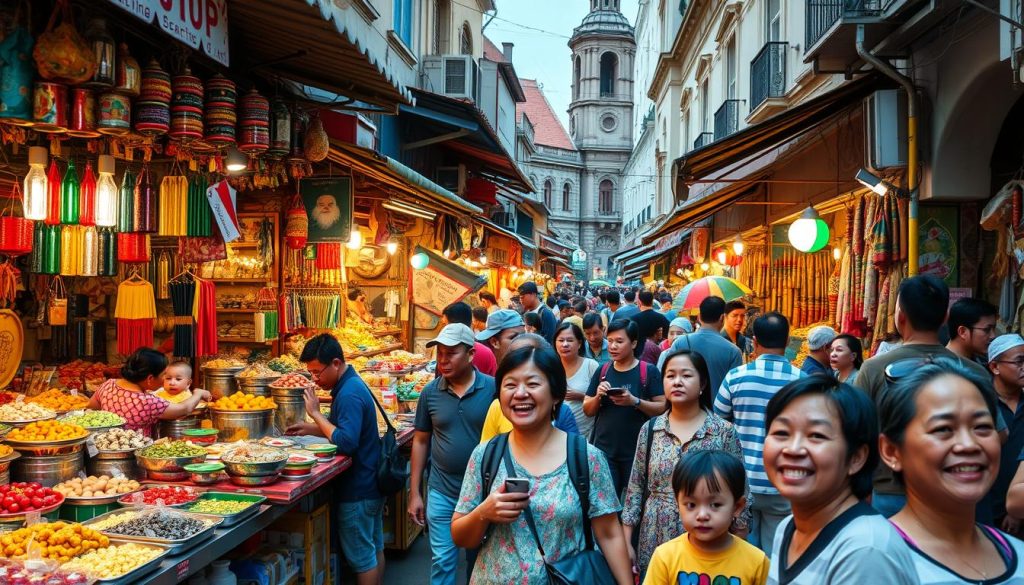
Discover Quiapo’s vibrant culture and history on foot. A walking tour offers a unique experience of the district’s spiritual heritage and bustling marketplace.
Insider Tips for Exploring the District
Keep these tips in mind for your Quiapo adventure:
- Be mindful of your belongings and personal safety, as the district can be crowded and lively.
- Embrace the local street food, from savory delights to sweet treats, for a true taste of Quiapo’s culinary diversity.
- Take the time to wander through the bustling markets, such as Hidalgo and Carriedo Streets, to discover hidden gems and bargain finds.
- Observe the daily life of the residents and soak in the district’s unique blend of the sacred and the secular, the old and the new.
These tips will help you uncover Quiapo’s true essence. You’ll gain a deeper appreciation for this historic Manila district and its remarkable resilience.
| Local Tour Guides | Tour Offerings | Pricing |
|---|---|---|
| Josh, Linda, Ronnel, Yojarym, Lorelyn |
|
|
Quiapo blends the sacred and secular, old and new. Visitors can uncover its true essence and remarkable resilience.
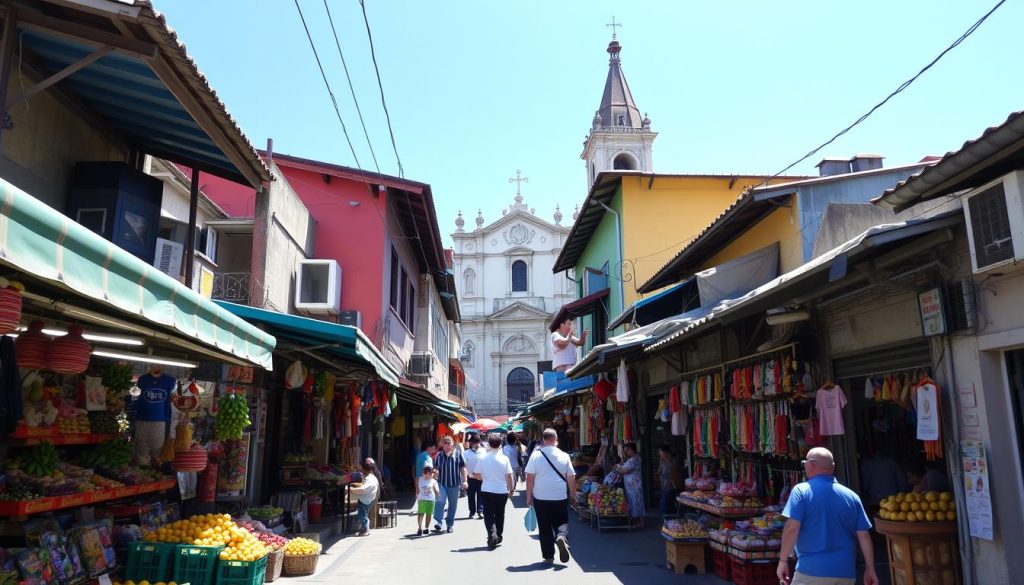
“Quiapo is a district famous for the Shrine of Nuestra Señora del Carmen in San Sebastian Church and the image of the Black Nazarene of the Quiapo Church.”
Conclusion
Quiapo is a place of fascinating contrasts. Here, sacred and secular, old and new, rich and poor coexist in vibrant harmony. This district captures Manila’s cultural heritage and the Philippines’ resilient spirit.
Exploring Quiapo offers a unique glimpse into the country’s heart and soul. The Black Nazarene procession showcases deep faith. Bustling marketplaces reveal local life. Architectural marvels tell stories of the past.
Quiapo’s diverse culinary scene reflects the nation’s flavors. It’s a spiritual pilgrimage site for many. Bargain hunters find treasures in its markets. Culture enthusiasts discover rich traditions here.
Every corner of Quiapo holds a promise of discovery. It’s a living tapestry of Filipino life. Visitors can experience the Philippines’ enduring spirit firsthand in this remarkable district.