Ethical Concerns of Tourism at Inle Lake Explored
Imagine your dream vacation harming the place you’re visiting. This is happening at Inle Lake in Myanmar as tourism grows. The lake is in a delicate spot, with worries about the environment, culture, and local people.
Since tourism rules were changed, more people are coming. This is good for the local economy. But, what are the real costs?
Exploring ethical tourism at Inle Lake reveals complex issues. You’ll see how tourism affects local businesses and the environment. Knowing this helps you travel responsibly and positively impact the area and its people.
Introduction to Inle Lake Tourism
Inle Lake is a standout spot in Myanmar, known for its natural beauty and cultural richness. It’s famous for its floating gardens, traditional fishing, and diverse ethnic groups. These elements make Inle Lake a key attraction for travelers looking for real experiences.
Visiting the lake, you’ll find many attractions. You can take boat tours through floating villages, visit markets, and learn about traditional crafts. These activities let you enjoy the area’s beauty and support local businesses.
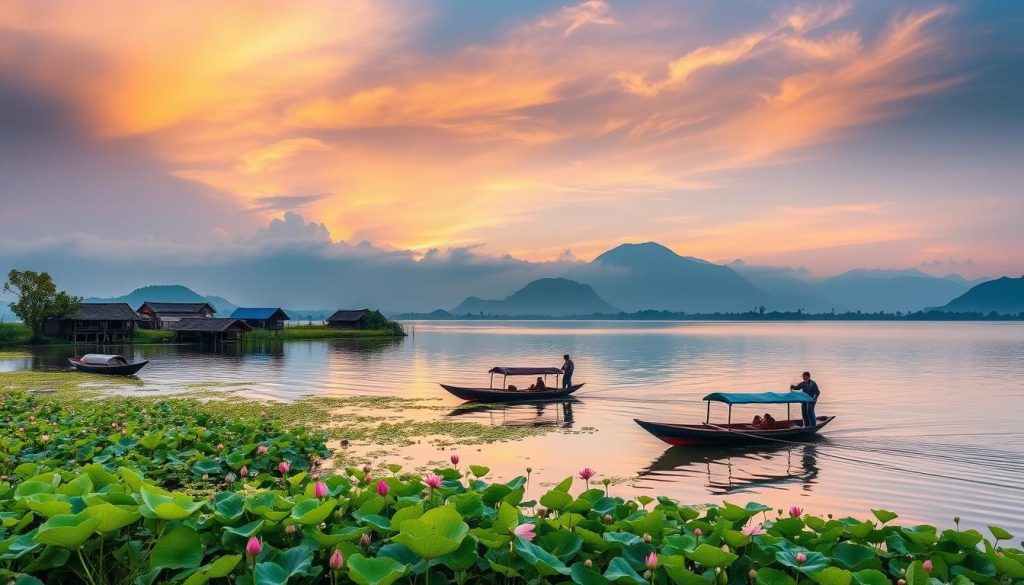
As more people visit Inle Lake, it’s important to practice responsible tourism. This approach ensures that travel benefits local communities fairly. Working with locals and respecting their culture helps preserve the area for future visitors.
| Key Aspects of Inle Lake Tourism | Impact on Local Community |
|---|---|
| Job Creation | Approximately 200 local people are employed in tourism ventures. |
| Support for Education | Employment allows families to afford smartphones and send children to school. |
| Tax Revenue | 20% of trip costs are allocated to the government as taxes. |
| Local Business Growth | 80% of revenues flow into the hands of private individuals, supporting local entrepreneurship. |
Understanding Inle Lake tourism helps make your visit more meaningful. It’s not just about seeing sights; it’s about being part of the local culture.
The Rise of Tourism in Myanmar
Myanmar’s tourism scene has changed a lot in recent years. This change came after political reforms and the end of tourism limits. The country now welcomes travelers who help local economies and communities a lot. In 2018, Myanmar saw 3.6 million tourists, bringing in $1.7 billion in spending. But, the goal for 2020 was even higher.
More tourists mean more chances for local businesses. Many places are now doing well because of visitors. Choosing to stay in locally owned places and eat at local restaurants helps more. It makes sure money stays in the community. This way, tourism can help people without making them too dependent on it.
But, there are also challenges. Myanmar’s past, like the Rohingya issue and political problems, affects tourism. Travelers need to think about the ethics of visiting. It’s important to travel responsibly to help local communities.
In short, tourism in Myanmar is a mix of good and bad. Knowing how tourism affects locals can make your trip better. It also helps the people you meet.
The Role of Inle Lake in Myanmar’s Economy
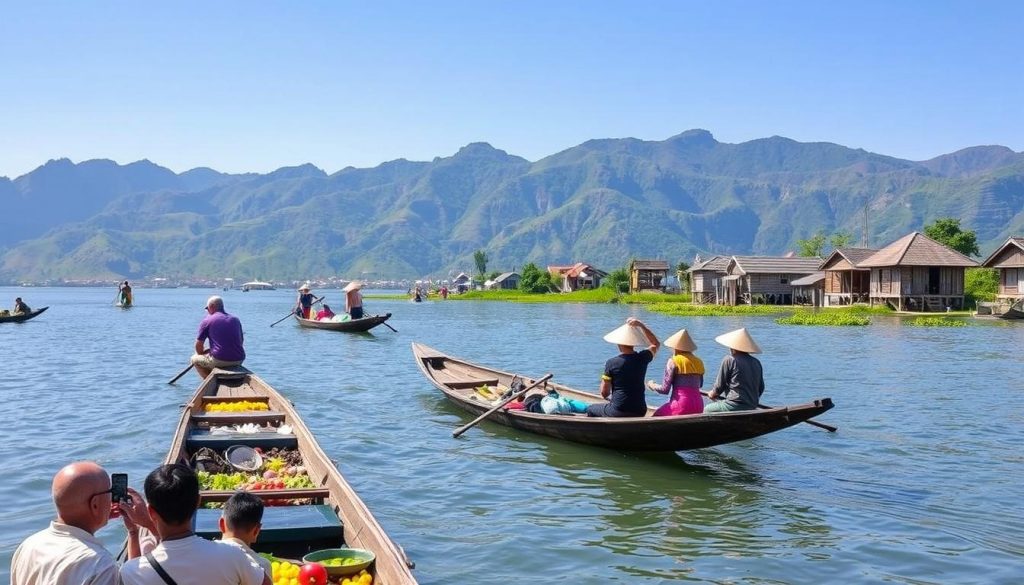
Inle Lake is a key part of Myanmar’s economy, thanks to local economy tourism. It brings in a lot of money for families and helps small businesses grow. This also supports unique crafts and creates more jobs, making the community wealthier.
The lake’s economic impact has grown, beyond fishing and farming. Its beauty and cultural practices, like hydroponics, attract tourists. These visitors need places to stay, food, and guides, boosting the local economy.
But, there are challenges in making sure everyone benefits from tourism. It’s important to know if local people get the money or if it goes to big companies. A fair tourism model is needed, one that helps both the community and visitors.
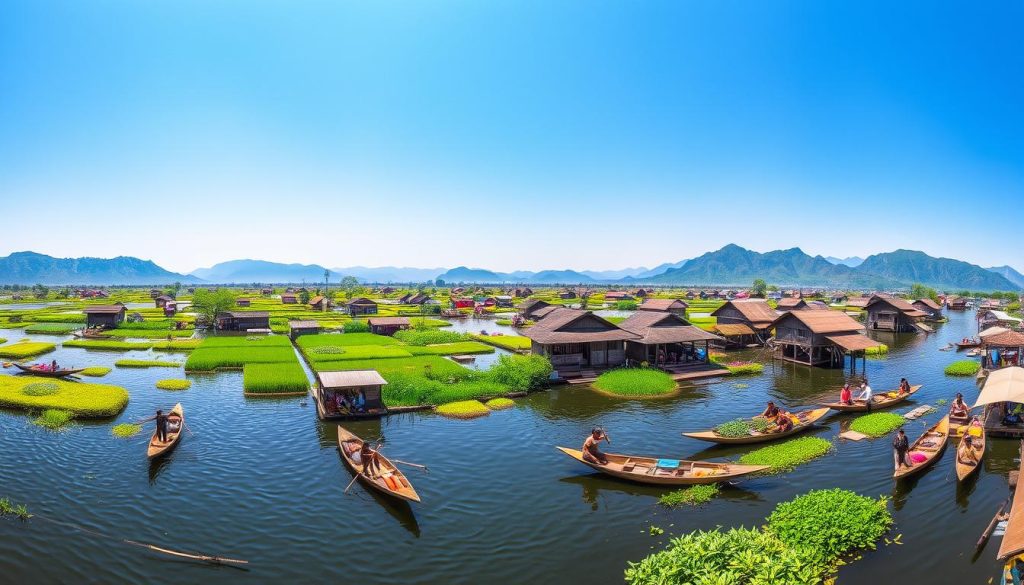
As Myanmar becomes a top tourist spot, careful planning is essential. We need to focus on responsible tourism to make sure Inle Lake’s unique resources are used wisely.
| Economic Contributions of Inle Lake Tourism | Impact Description |
|---|---|
| Job Creation | Inle Lake tourism creates employment opportunities in hospitality, guiding, and crafts. |
| Support for Local Businesses | Increased demand for goods and services fosters small business growth. |
| Cultural Preservation | Tourism generates funds necessary for the preservation of local traditions and practices. |
| Investment in Infrastructure | Tourism revenues contribute to better roads, utilities, and other critical infrastructure. |
| Environmental Awareness | Increased focus on sustainable practices among local businesses and tourists alike. |
Are there any ethical concerns about tourism on Inle Lake?
Inle Lake is a popular spot for travelers, but it also has ethical worries. It’s important to know the local situation to understand the impact of tourism. Locals want the economic gains from tourism to better their lives. But, they also want to keep their culture and traditions alive.
The growing number of visitors is putting a strain on the local community. This can make it hard for them to enjoy their own home.
Understanding the Local Context
Inle Lake’s beauty comes from its natural wonders and the culture of its people. There’s a fine line between welcoming tourists and keeping traditions alive. The rise in tourism makes us think about how to help local people while protecting their culture.
Minority groups are looking for jobs in tourism. But, there are worries about fair pay and good working conditions.
The Impact of Mass Tourism
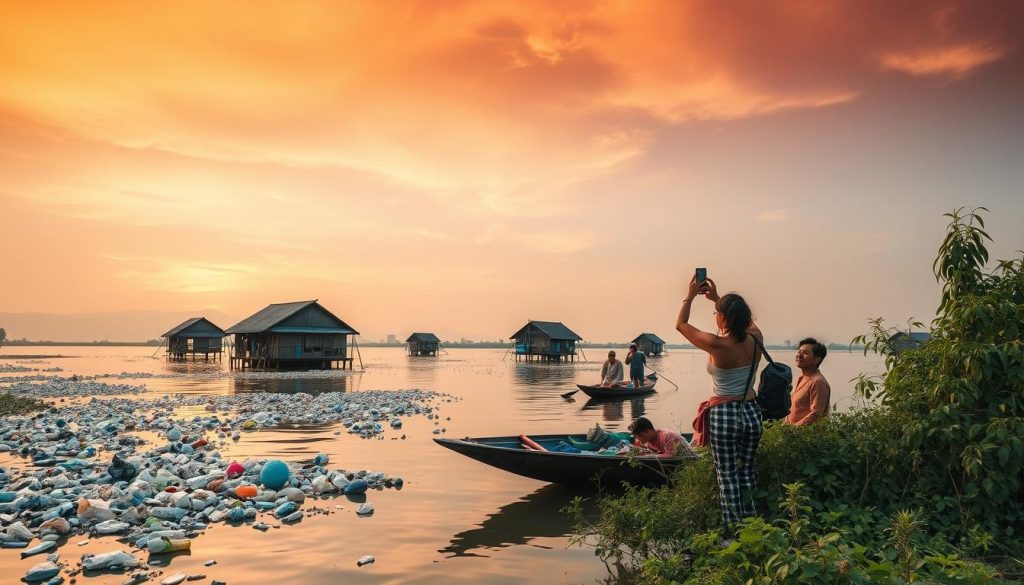
Too many tourists can overwhelm Inle Lake’s resources. This makes locals unhappy and affects both visitors and residents. The demand for services and goods can also make cultural practices seem like a product.
This raises questions about the realness and value of these traditions. It’s crucial for tourists and those running tours to be aware of these issues.
| Concerns | Impacts |
|---|---|
| Overtourism | Strains local resources, leading to dissatisfaction among residents |
| Cultural Commodification | Authenticity of traditions may be compromised for tourist appeal |
| Economic Disparity | Local communities may not fully benefit from tourism revenue |
| Environmental Degradation | Increased pollution and depletion of natural resources due to tourism |
Environmental Impact of Tourism on Inle Lake
The tourism industry at Inle Lake is growing fast. This growth puts a lot of pressure on the local environment. It’s important to understand these effects to protect this special place for the long term.
Water Pollution and Conservation
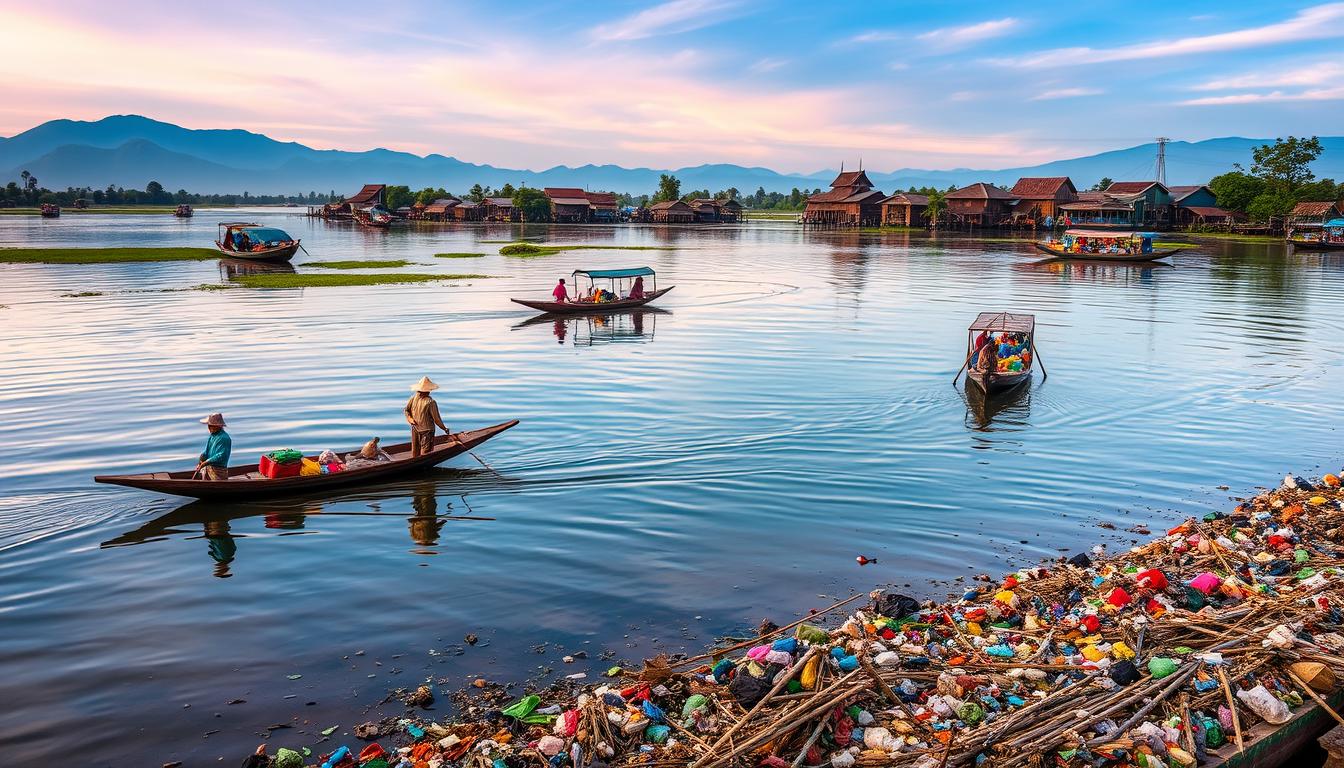
Water pollution in Inle Lake comes from boats and waste. This pollution harms the lake’s life and fish populations. We need to work on waste management and education to save the lake.
Deforestation and Biodiversity Loss
Deforestation around Inle Lake hurts biodiversity. As tourism increases, so does the need for land. This harms wildlife and local communities. We must make tourism better for the environment to protect the lake’s plants and animals.
Cultural Preservation and Respect
Keeping Inle Lake’s culture safe needs a careful balance with tourism. As more people visit, it’s key to keep the cultural heritage alive. This means teaching visitors to respect and understand local traditions.
Maintaining Cultural Heritage in Tourism
Tourism lets local communities share their culture with the world. It gives visitors a real taste of the area’s history. This approach is important for preserving traditions and promoting sustainable tourism.
Visitor Behavior and Its Effects
How visitors act can greatly affect the community’s spirit and the true nature of cultural experiences. Actions that disrespect local ways can harm the very traditions that draw tourists. So, it’s crucial to teach visitors to behave respectfully and engage with local culture in a meaningful way.

| Type of Visitor Behavior | Potential Impact on Culture |
|---|---|
| Disrespecting local customs | Undermines cultural integrity and creates negativity among locals |
| Engaging in local traditions | Enhances mutual respect and understanding |
| Taking photographs without consent | Violates privacy and diminishes the sacredness of shared cultural practices |
| Participating in local festivals | Strengthens community spirit and supports local traditions |
Community Engagement in Tourism Initiatives
Local communities play a big role in tourism. They help create real experiences that benefit everyone. In Inle Lake, working together with locals is key. It builds respect and understanding between visitors and residents.
These efforts lead to meaningful interactions. Visitors get to see the local culture and way of life. At the same time, the community benefits economically and sustainably.
The Importance of Local Participation
Local projects are vital for good tourism. In Myanmar, many show how important community involvement is. They give locals a say in tourism growth.
These projects empower residents and keep cultural traditions alive. They offer tourists a chance to learn about local practices. This makes their trip more rewarding.
Examples of Successful Community Projects
There are many examples of successful community projects. Here are a few:
- Four projects focusing on sustainable and community-based tourism.
- Ten vocational training and education programs aimed at equipping locals with skills for the tourism sector.
- Eleven initiatives for tourism capacity building, elevating the quality of services offered.
- A UNESCO initiative focused on preserving and promoting cultural heritage, which highlights the area’s unique traditions.
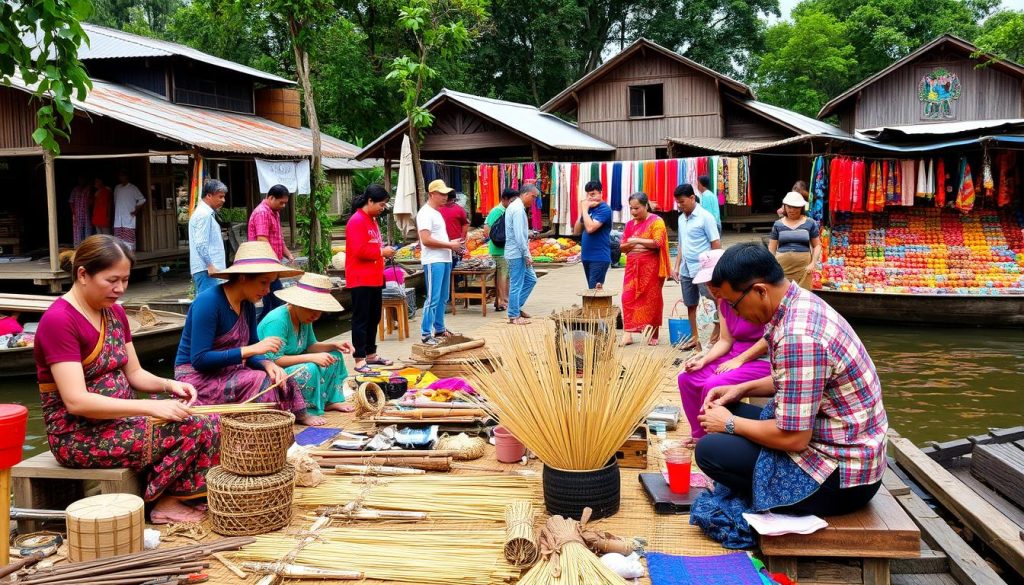
Supporting local projects helps Inle Lake’s tourism grow. It tackles big issues like plastic pollution and helps fishermen. Fair pay for fishermen showing their fishing skills shows respect for their traditions.
| Project Type | Number of Initiatives |
|---|---|
| Sustainable and Community-Based Tourism | 4 |
| Vocational Training Programs | 10 |
| Tourism Capacity Building Initiatives | 11 |
| Ecotourism Projects | 10 |
| Cultural Heritage Initiatives | 1 |
| Child Protection Projects | 3 |
| Infrastructural Projects | 2 |
Ethical Tourist Activities at Inle Lake
Doing ethical tourist activities at Inle Lake makes your trip better and helps local communities. Choosing responsible tourism there helps keep the area’s culture and nature alive.
Going on guided village tours with locals lets you really connect with their way of life. These tours help the economy and teach you about their traditions.
Joining local festivals is another good choice. You’ll see traditional dances, taste local food, and buy crafts. This way, you learn about the culture and help the community.
Activities like bird watching and hiking are great for the environment. They teach you about the area’s nature and help protect it.
Supporting local artisans and businesses is also important. Buying their crafts helps them and keeps traditional skills alive.
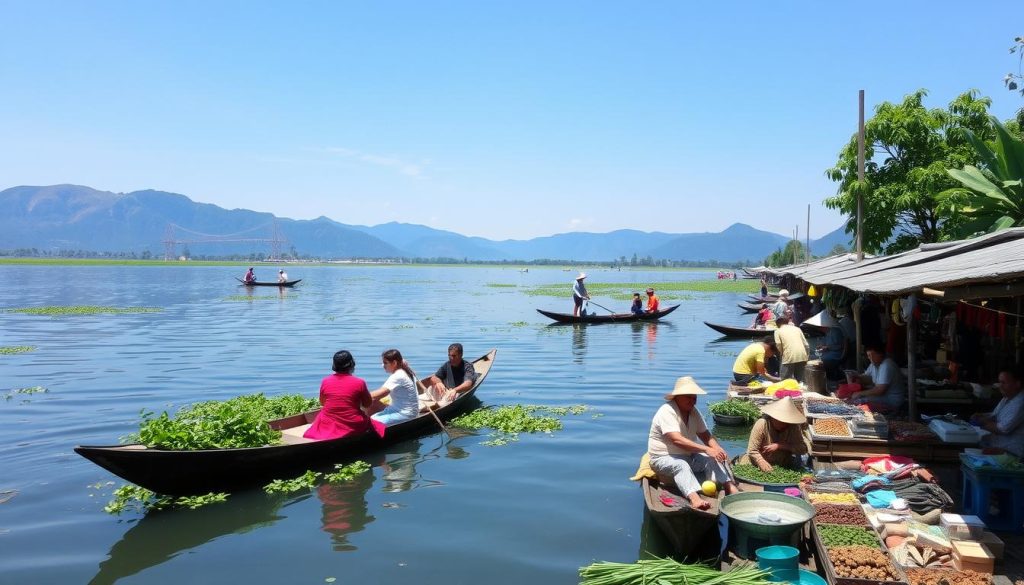
Being mindful of local customs and the environment makes your trip meaningful. By choosing ethical activities, you help keep the area vibrant for everyone.
Responsible Travel Practices for Visitors
It’s important to travel responsibly at Inle Lake. Your actions can help the local community and environment. By following ethical tourism guidelines, you can have a better experience and support sustainable projects.
Suggested Guidelines for Ethical Tourism
- Support Local Businesses: Eat at local restaurants, buy handmade crafts, and use local services. This helps the local economy.
- Respect Cultural Practices: Learn and respect the local customs. This builds good relationships between tourists and locals.
- Minimize Waste: Use reusable bags and containers to cut down on plastic. Try to leave no trace when enjoying nature.
- Educate Yourself: Learn about local issues like child labor and health problems. Being informed helps you navigate complex situations.
- Engage with Community Projects: Join projects like the Inle Canoe Lady project. It supports local women and responsible tourism. Your help can make a big difference.
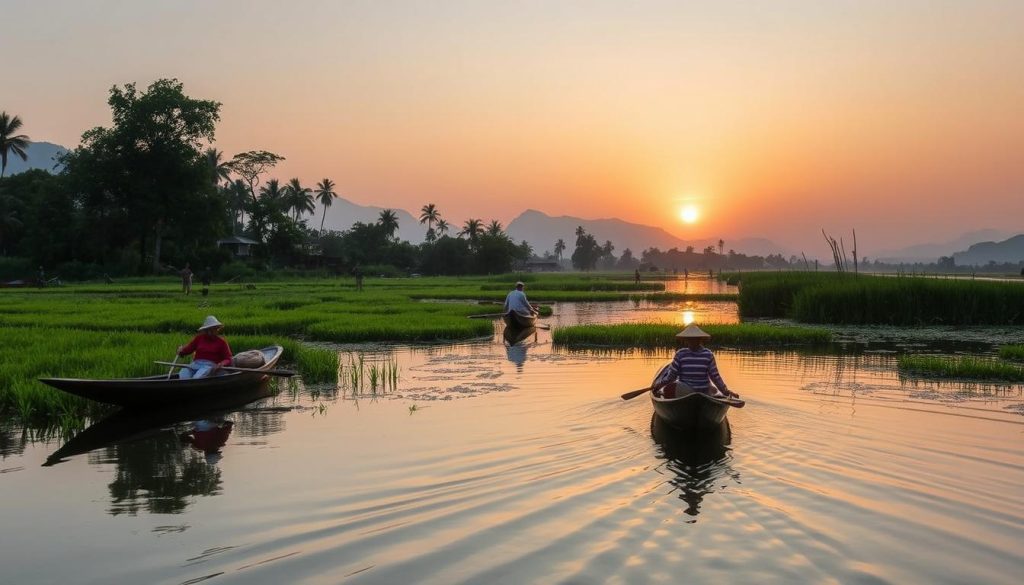
Sustainable Tourism Practices at Inle Lake
Sustainable tourism at Inle Lake aims to lessen harm to the environment and help local communities. It focuses on eco-friendly travel, making your trip more meaningful and responsible. This part will explore how you can support the local economy and protect the environment.
Promoting Eco-Friendly Tourism Solutions
Eco-friendly tourism at Inle Lake involves many efforts to lessen environmental harm. Visitors are encouraged to stay in eco-lodges that use sustainable methods. These lodges use renewable energy and support conservation.
Visitors can also support local farmers by trying agro tourism. This lets you learn about local farming while helping farmers directly.
Choosing green transportation is another way to help. Using bicycles or ferries instead of motorboats is better for the environment. It also makes your visit more enjoyable, as you get to see Inle Lake’s beauty up close.
Engaging with Local Artisans and Businesses
Supporting local artisans and businesses is key to sustainable tourism. You can buy unique crafts and cultural items, helping the local economy. This choice is better than buying mass-produced souvenirs.
Getting involved in community tourism projects is also beneficial. You can join workshops or cultural events. This not only deepens your connection to the area but also ensures tourism benefits everyone in the community.
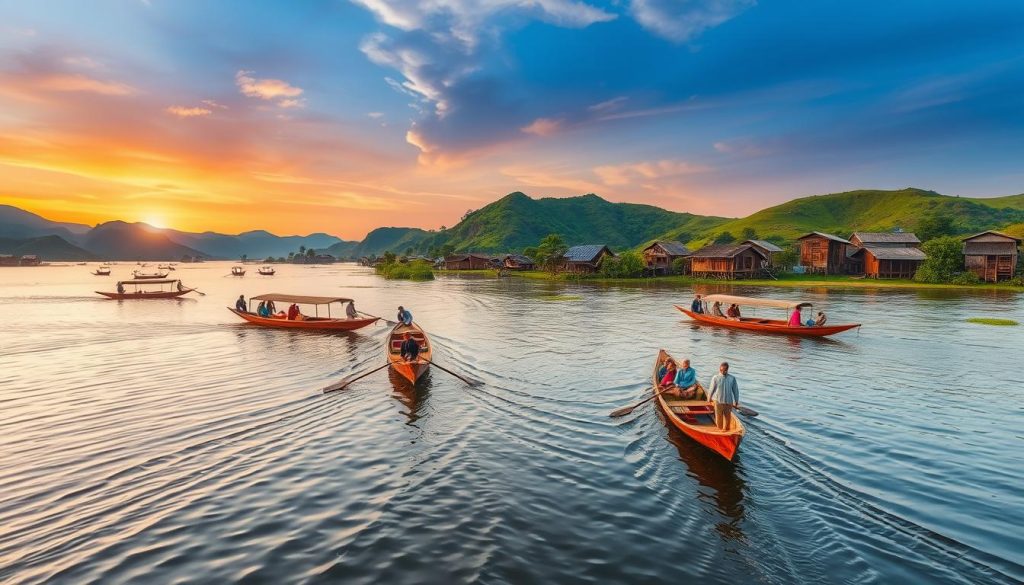
Challenges and Obstacles in Implementing Ethical Tourism
The journey to ethical tourism at Inle Lake is filled with hurdles. It’s crucial to tackle issues like government corruption to achieve sustainable goals. The mix of governance and socio-economic challenges makes it hard to set up a space for ethical tourism to flourish.
Corruption and Government Involvement
Government corruption hinders the growth of ethical tourism. Local governments often lack transparency, making it tough to support sustainable practices. This corruption wastes resources, hurting efforts to protect the environment and engage with communities.
As a result, the obstacles to ethical tourism at Inle Lake are linked to deeper systemic problems. These issues affect governance at various levels.
The Struggle for Sustainable Development
Efforts to promote sustainable development in Inle Lake face many challenges. The lack of infrastructure and resources is a big problem. Sustainable tourism is vital in rural areas, but grassroots efforts often get lost in the shadow of big tourism companies.
To find a balance, we need to boost local economies through tourism while protecting culture and nature. With more people traveling, the need for sustainable tourism grows. This is made harder by the complex political landscape.
Future Prospects for Tourism in Inle Lake
Looking ahead, several key factors will shape tourism in Inle Lake. Before the COVID-19 pandemic, the area saw a big increase in tourists. This showed its potential to boost Myanmar’s economy.
The tourism sector was a big help to the GDP. It also created many jobs and helped the local economy grow.
As the world of tourism changes, so do the needs of travelers. The pandemic made people want outdoor fun, private stays, and unique places. Meeting these new demands can make tourism in Inle Lake better for both the economy and the environment.
To succeed, Inle Lake needs to use digital tools and follow strict health rules. It’s also important to highlight local spots and offer more online info for tech-savvy visitors. Focusing on local tourism can also help as international travel changes.
In summary, Inle Lake’s tourism future depends on adapting to new traveler wants and using sustainable practices. By doing this, the area can grow strong and healthy, helping both locals and the environment.
| Year | International Visitors | Tourism Revenue |
|---|---|---|
| 2015 | 2,000,000 | $1,500,000 |
| 2016 | 2,300,000 | $1,800,000 |
| 2017 | 2,500,000 | $2,000,000 |
| 2018 | 2,800,000 | $2,400,000 |
| 2019 | 3,000,000 | $2,800,000 |
| 2020 | 500,000 | $200,000 |
| 2021 | 300,000 | $100,000 |
This table shows how tourism in Inle Lake grew from 2015 to 2019. The pandemic years saw a big drop. To recover, it’s key to focus on sustainable tourism that keeps the area’s beauty and culture safe for visitors.
Conclusion
In conclusion, Inle Lake’s tourism scene offers both chances and challenges. With tourism set to grow, your actions as a traveler are key. Knowing the ethical issues at Inle Lake is crucial, given Myanmar’s complex situation and humanitarian crises.
The tourism industry’s impact is huge, with $3.2 billion spent daily and 10% of global GDP. It can boost local economies. Yet, it needs a thorough look to make sure everyone benefits and local cultures stay intact. By choosing sustainable and community-focused tourism, you can help protect the environment and heritage.
For Inle Lake to stay beautiful for the future, a balanced tourism approach is needed. Your choices as a traveler are vital. They can help make tourism both profitable and fair for everyone.