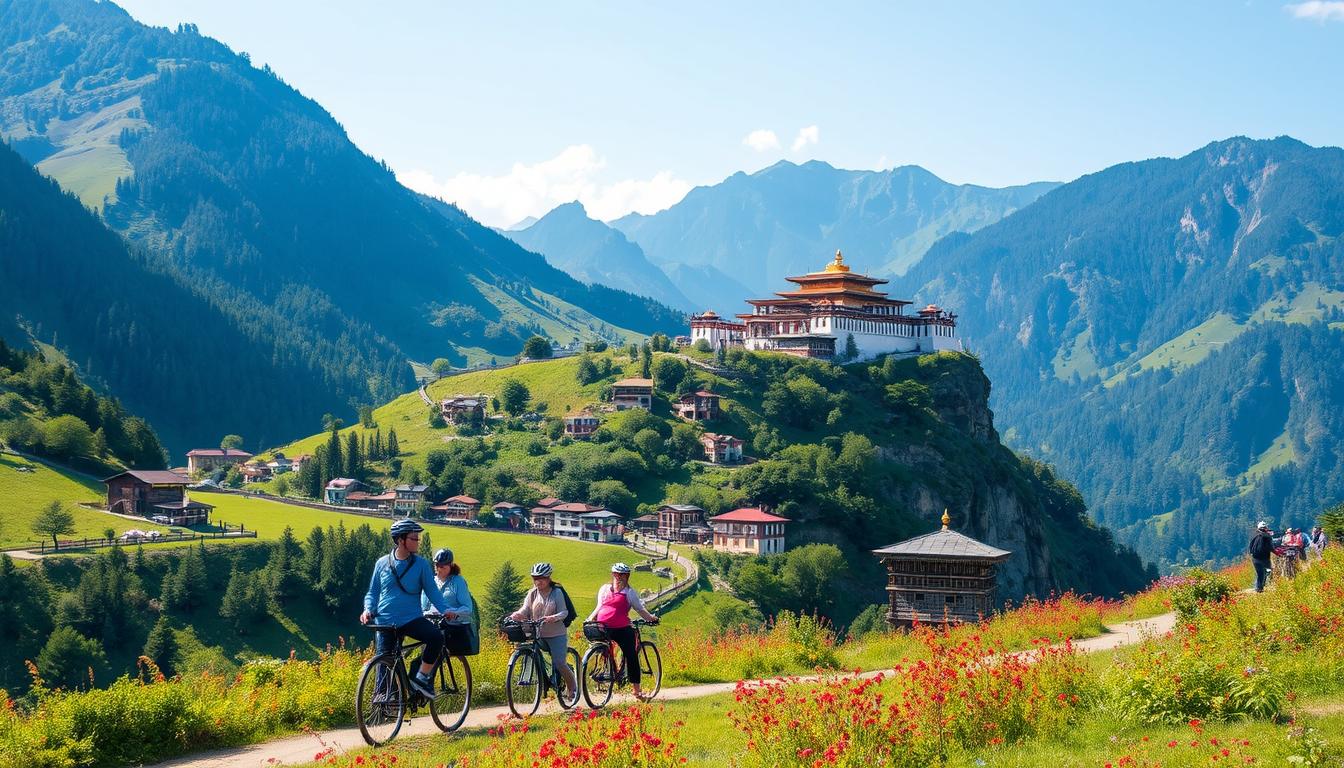
Eco-Friendly Paro Exploration: Sustainable Travel Options
Have you ever thought about how your travel choices affect the places you visit? When you travel to Paro, Bhutan, choosing sustainable tourism is key. It helps keep this stunning area and its cultures alive. Bhutan, with its 770,000 people, shows us how to travel green.
It has a special daily tariff system for visitors. This guide will show you how to travel to Paro in a way that’s good for the planet. You can see beautiful mountains and learn about local traditions without harming the environment.
The Importance of Sustainable Travel in Paro
Sustainable travel in Paro is very important. This area is known for its stunning views and rich culture. But, too many tourists can harm the environment and local people.
By choosing eco-friendly tourism, visitors can enjoy the beauty of Paro without damaging it. This way, they help keep the area beautiful for others to see in the future.
Bhutan, where Paro is, is working hard to reduce carbon emissions. They use electric vehicles and keep a lot of forests. Bhutan is even a carbon-negative country, which means it absorbs more carbon than it produces.
This effort helps the environment and supports animals like the Bengal tiger. It’s part of Bhutan’s goal to protect the planet.
When you plan your trip, think about your choices. Stay in places that use water and energy wisely. This helps the environment and supports the local community.
There are also ways to connect with locals, like staying in homes or going on cultural tours. These activities help the economy and let you learn about the culture.
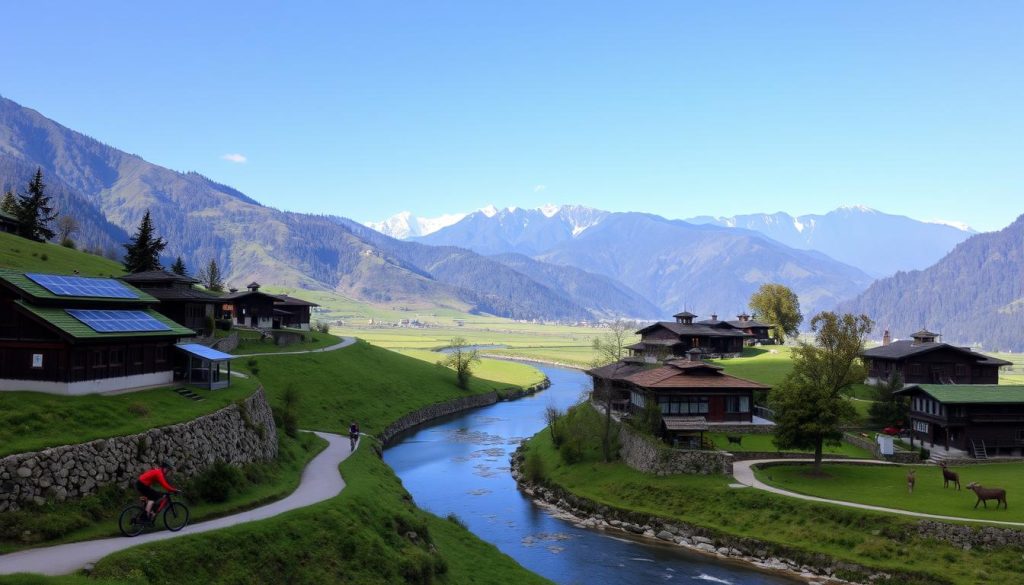
Sustainable travel in Paro is more than a trend. It’s crucial for keeping the area’s beauty and culture alive for the future. By traveling in a way that’s good for the planet, you help preserve Paro’s wonders.
Understanding Bhutan’s Commitment to Sustainability
Bhutan is a leader in sustainability. It has many initiatives to protect the environment and improve people’s lives. The country focuses on Gross National Happiness, which means it values both economic growth and environmental care.
Bhutan is the only country in the world that is carbon-negative. It not only reduces its carbon emissions but also works to protect its biodiversity. The country keeps over 60% of its land as forests, which helps absorb carbon dioxide. It also banned plastic bags to show its dedication to the environment.
Visitors can see Bhutan’s dedication to sustainability through its tourism policies. A daily fee of $200 helps fund environmental projects. Children under 12 get a discount, and kids under 5 can enter for free. This makes tourism sustainable and helps the local economy.
Places like the Tiger’s Nest Monastery and the National Museum of Bhutan showcase Bhutan’s culture. By choosing eco-friendly tourism, you support Bhutan’s vision of sustainability. You become part of this remarkable effort.
Sustainable Travel Options for Exploring Paro?
Exploring Paro offers many sustainable travel options. These choices not only make your trip better but also help the local environment and community. You can choose where to stay and what to do responsibly.
Joining Bhutan eco-tours lets you dive into Paro’s nature and culture. Local guides share important facts about the area’s wonders and traditions. Eco-friendly hiking or cycling tours are great for adventure and reducing carbon footprint.
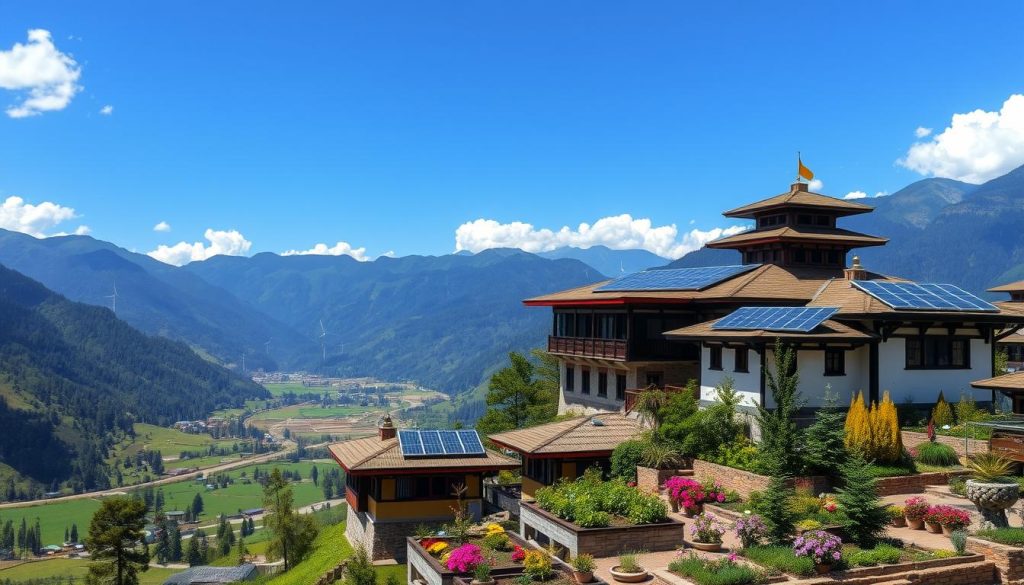
Staying in eco-friendly places is key for a green trip in Paro. Lodgings use local materials and serve organic meals. This supports the local economy and lets you experience true Bhutanese hospitality.
Eating at places that use local and organic food is also important. Traditional Bhutanese dishes often include fresh veggies and local produce. This supports local farmers and responsible tourism.
Here’s a quick look at some sustainable travel options:
| Option | Description | Benefits |
|---|---|---|
| Eco-Tours | Guided tours focusing on ecological and cultural education. | Supports local communities, promotes conservation. |
| Biking | Exploring Paro on bicycles. | Reduces emissions, encourages health. |
| Local Cuisine | Dine at restaurants sourcing ingredients locally. | Promotes local farming and reduces food mileage. |
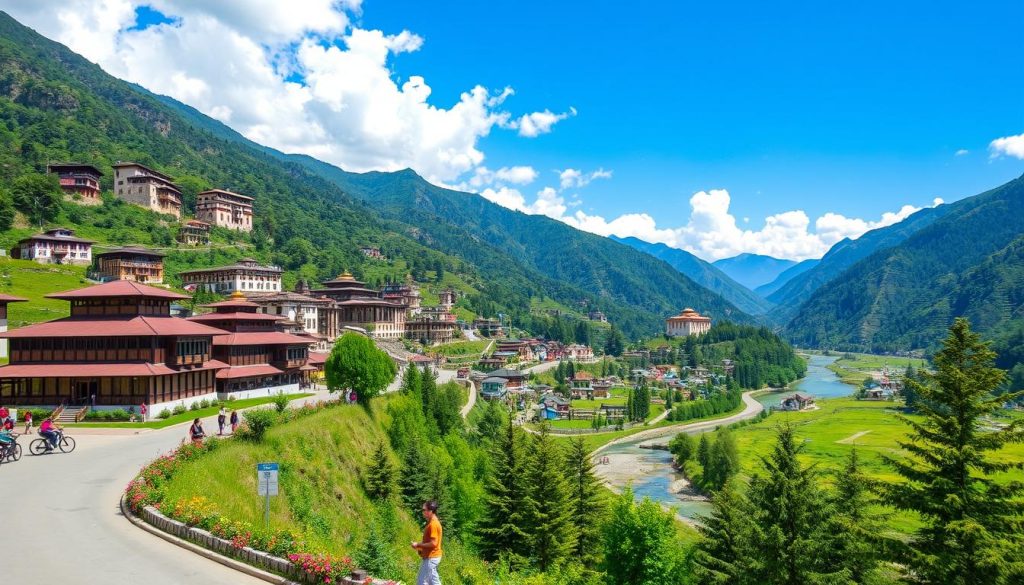
By choosing wisely, you can have a sustainable trip in Paro. This trip will match Bhutan’s rich culture and nature. Enjoy your journey and leave a positive mark.
Eco-Friendly Transportation in Bhutan
Exploring Bhutan offers a chance to use eco-friendly transport. The country aims to stay carbon-neutral, focusing on green travel. Using local transport in Paro cuts down on carbon emissions and supports the local economy.
Shared minibuses and buses are common, with prices from $2.40 to $12. They’re affordable and let you see the culture up close.
Using Local Public Transportation
Buses are the main way to get around Paro. They might not be the most comfortable, but they connect towns and sights. People choose them for the low cost and real local experience.
By taking the bus, you help protect Bhutan’s nature and parks.
Biking and Walking Around Paro
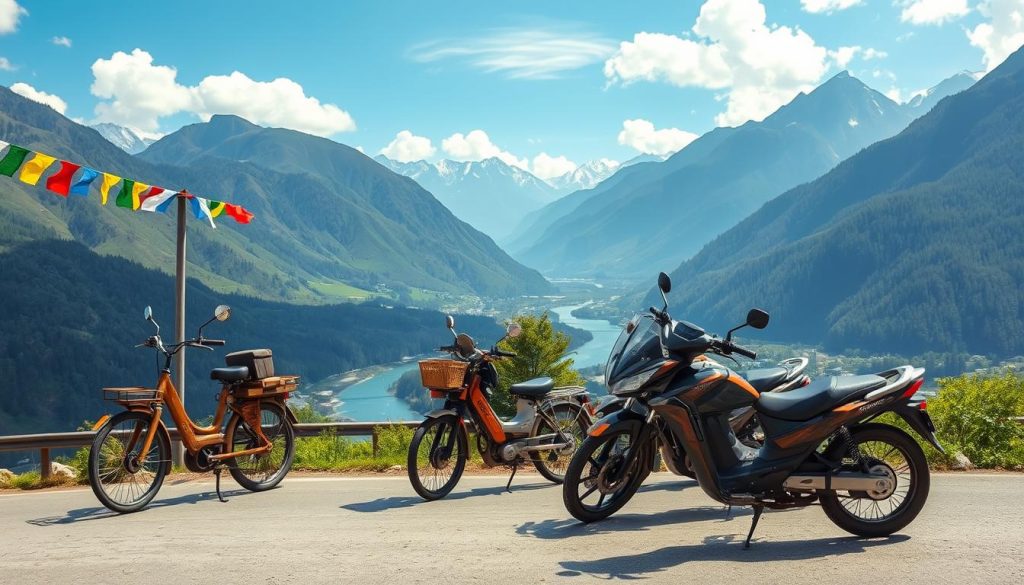
Biking in Paro lets you see the area’s beauty up close. There are trails for all levels. Walking tours, like the Trans Bhutan Trail, offer a deep dive into nature and culture.
This trail spans 403km and takes about 36 days to complete. It’s a unique way to experience Bhutan.
| Transportation Type | Average Cost | Environmental Impact |
|---|---|---|
| Local Buses | $2.40 – $12 | Moderate |
| Green Cabs (Electric & Hybrid) | Varied* | Low |
| Biking | Varies by rental | Very Low |
| Walking Tours | Free (self-guided) | Very Low |
Choosing green transport in Bhutan supports the environment and enriches your trip. It connects you with Bhutan’s culture and nature.
Green Travel Tips for Paro Exploration
To make your journey to Paro more eco-friendly, consider these green travel tips. Embracing sustainable practices can make your trip better and help the local environment.
Pack Light and Sustainably
Packing light is good for the planet and makes your trip easier. It cuts down on energy use and lets you carry reusable items like water bottles and bags. This small step helps reduce waste and keeps Paro’s beauty intact.
Embrace Local Cuisine and Sustainable Food Practices
Trying local food in Paro is key to your trip. Look for eco-friendly restaurants in Bhutan that use organic and local ingredients. Places like these support sustainable food and let you try dishes like ema datshi and momos.
Choose places that don’t harm the environment with their food choices. This way, you enjoy great food and help protect Bhutan’s stunning nature.
Eco-Conscious Tours in Paro
Exploring Paro through eco-conscious tours lets you see Bhutan’s beauty while helping the environment. More people want these tours to support responsible travel. Local guides show off the landscapes and teach about protecting nature and culture.
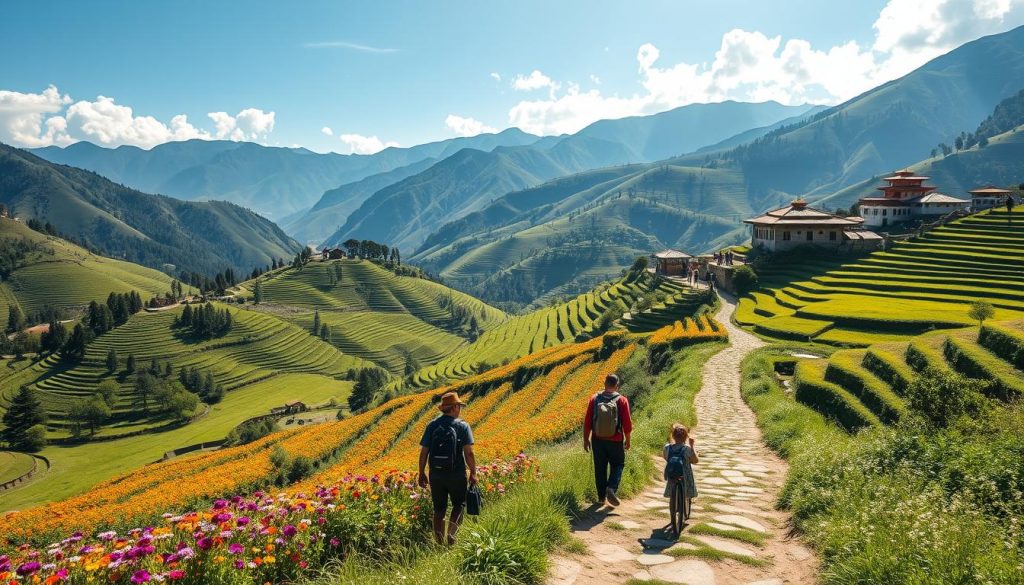
Community-based tourism helps visitors connect with locals. It’s a chance to learn about local traditions and how to live sustainably. This makes your trip more meaningful, thanks to companies like Langur Eco Travels.
Bhutan’s focus on happiness and nature draws eco-conscious travelers. Places like Motithang Takin Preserve and Dochula Pass show off wildlife and stunning views. This shows the country’s commitment to ethical wildlife tourism.
| Aspect | Statistic |
|---|---|
| Travelers seeking eco-conscious tours in Paro | 75% |
| Increase in bookings for sustainable travel options | 40% |
| Visitors attracted by eco-friendly accommodations | 65% |
| Participants in cultural immersion experiences | 80% |
| Visitors interested in wildlife conservation | 50% |
| Travelers impressed by ethical wildlife tourism | 85% |
| Appreciation for cultural heritage at 108 chortens | 90% |
| Tourists grateful for eco-conscious experiences | 95% |
Seeing rare birds or visiting the Tiger’s Nest Monastery makes your trip special. Eco-conscious tours give you unforgettable memories and a deeper connection with Bhutan’s nature and culture.
Sustainable Accommodations in Paro
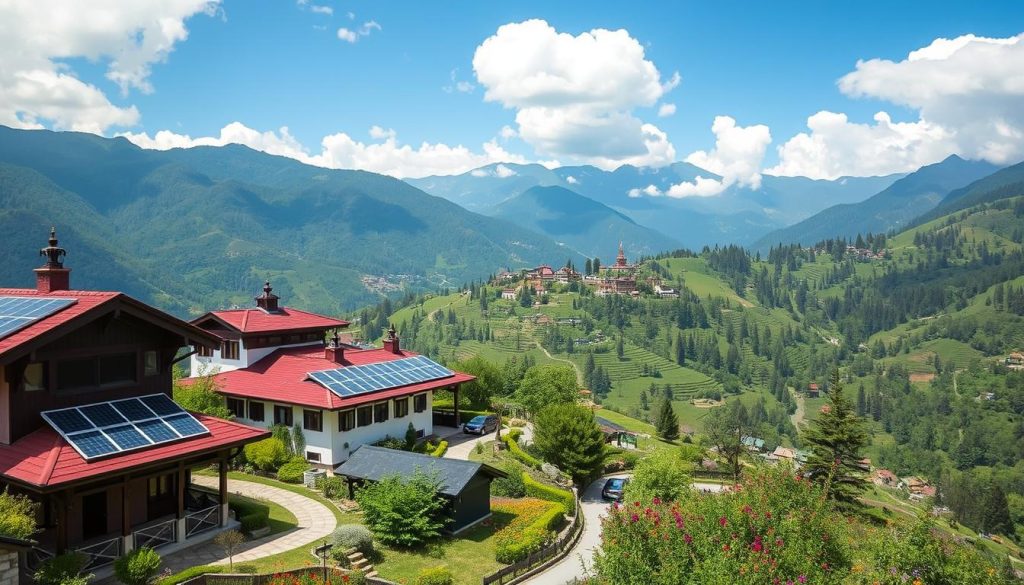
When you visit Paro, choosing eco-friendly lodges is key to reducing your impact on the environment. These lodges in Bhutan focus on both comfort and sustainability. They use energy-saving methods, reduce waste, and source materials locally.
Staying in these green hotels in Paro makes your trip better. It also helps the environment and supports local communities.
Finding Eco-Friendly Lodges and Hotels
In Paro, hotels are fully committed to being eco-friendly. Here are some top choices:
- Six Senses Bhutan: Five lodges in Paro, Thimphu, Punakha, Gangtey, and Bumthang valleys.
- Uma by COMO: Uses solar panels, energy-saving lights, and water-saving measures.
- Amankora: Offers several lodges in key areas, blending luxury with sustainability.
- Gangtey Lodge: Has solar heating and furniture made from local materials.
Benefits of Staying with Local Hosts
Staying with local hosts in Paro offers more than just a place to stay. It supports local communities and cultural exchange. Guests get to experience Bhutan’s rich culture and help local economies.
- Deeper cultural connection through local guides and cooking.
- Direct financial support to local families and culture.
- Chances to learn about traditional ways and sustainable living.
For a well-rounded experience, book during peak seasons like spring and autumn. A daily rate usually includes your stay, meals, and a guide. This ensures a smooth and fulfilling visit.
Environmentally Friendly Activities in Paro
Paro has many activities that are good for the environment. These activities make your trip better and help protect nature. You can help with local conservation projects and learn about the culture.
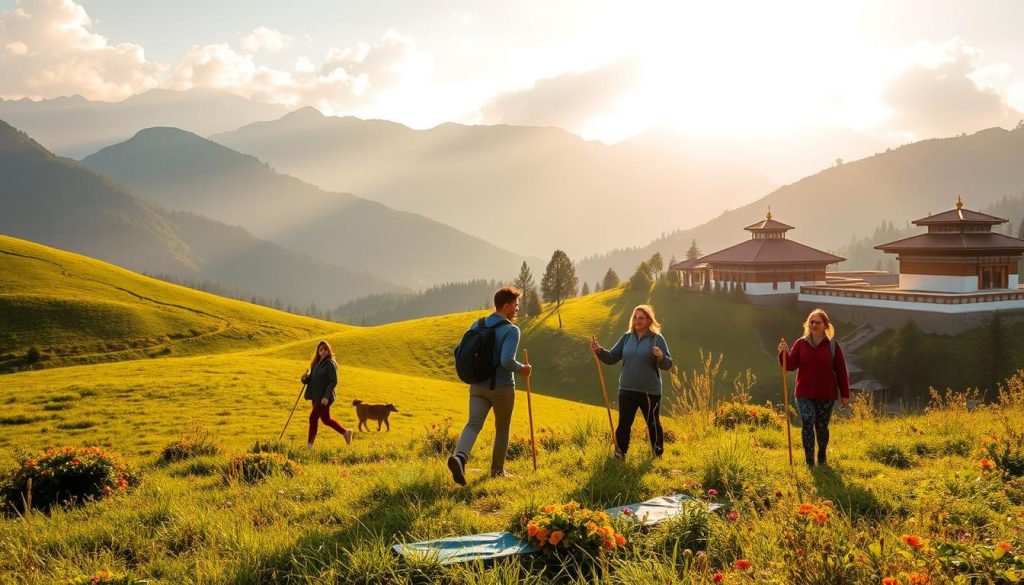
Going on guided nature walks lets you see amazing landscapes and different ecosystems. These walks teach you to respect nature. Birdwatching and hiking in protected areas are also great ways to enjoy Paro while caring for the environment.
It’s important to balance tourism and nature protection. Eco tours in Bhutan include fun activities like river rafting and mountain biking. These activities help you appreciate nature more.
Here’s a list of some green activities in Paro:
| Activity | Description | Average Duration | Typical Price |
|---|---|---|---|
| Guided Nature Walks | Explore breathtaking landscapes while learning about local ecosystems. | 2-6 hours | $75 USD |
| Birdwatching Tours | Discover Bhutan’s unique bird species in their natural habitat. | 4-5 hours | $90 USD |
| Mountain Biking | Ride through scenic trails surrounded by stunning views. | Half or Full Day | $50 – $150 USD |
| Eco Volunteer Programs | Participate in projects dedicated to nature conservation. | 1 week | Varies |
| Archery Experiences | Learn the traditional sport while respecting local culture. | 1-2 hours | $40 USD |
These activities in Paro make your trip better and help protect Bhutan’s nature. By doing these activities, you help with important conservation work. You also learn a lot about Bhutan’s culture and nature.
Community-Based and Responsible Tourism Practices
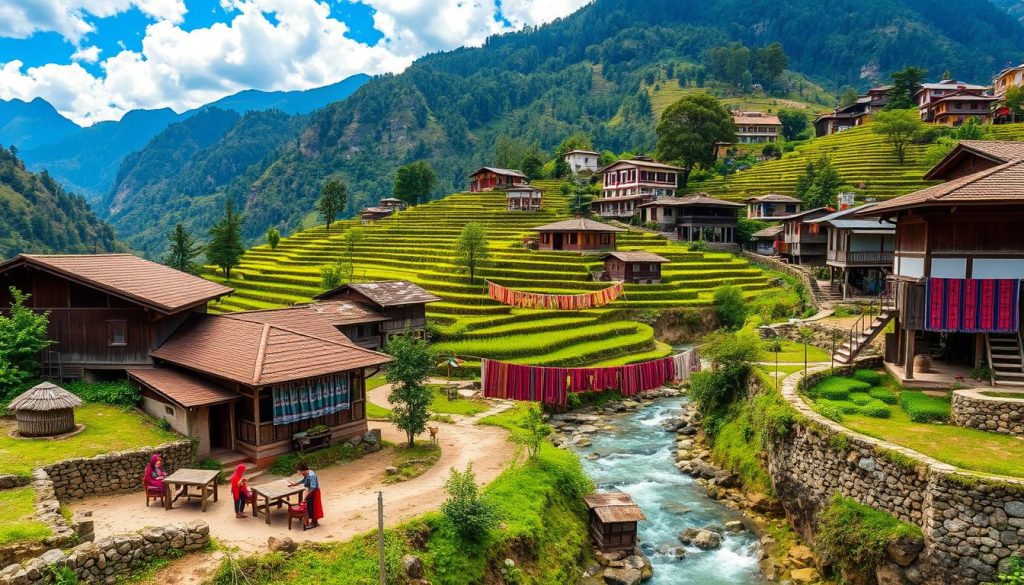
Traveling in Bhutan through community-based tourism makes your trip better and helps local communities. It’s about making real connections and learning from each other. By joining sustainable tourism initiatives, you help the economy grow. Your money goes to local artisans, farmers, and cultural practices.
About 300 families in Bhutan offer homestays, showing they want to welcome visitors. This responsible tourism lets you see how Bhutanese live. Your money helps these families.
This way of traveling brings more money to locals. It could raise their income by 15% each year. Also, promoting sustainable travel works better than old ways, with a 20% higher success rate.
| Aspect | Traditional Tourism | Community-Based Tourism |
|---|---|---|
| Annual Revenue Growth | 8% | 15% |
| Success Rate of Marketing | 25% | 45% |
| Households Offering Homestays | N/A | 300+ |
| Projected Tourist Expenditure in First Year | $500 | $700 |
Choosing community-based tourism in Bhutan makes your trip special. It also helps keep local cultures and nature alive. Supporting local communities leads to positive change for all.
Conclusion
When planning your trip to Paro, choosing sustainable travel options in Paro makes your visit better. Opting for eco-friendly transport and supporting local shops helps the environment and local people. This small step can make a big difference.
There’s a rise in eco-friendly retreat bookings, showing more people care about eco-friendly tourism. Activities like wildlife watching and nature walks are popular, with 80% of Himalayan Key Forest visitors enjoying them. These actions help protect nature.
Bhutan’s focus on sustainability makes your trip even more special. You get to see the area’s culture and beauty while helping to preserve it. Local efforts, like planting over 5,000 trees, show Bhutan’s commitment to nature.
By following these sustainable tips, your Paro adventures will be unforgettable. They’ll also help local communities and protect the environment for the future. Enjoy Bhutan’s eco-initiatives and have a journey that’s both fulfilling and responsible.