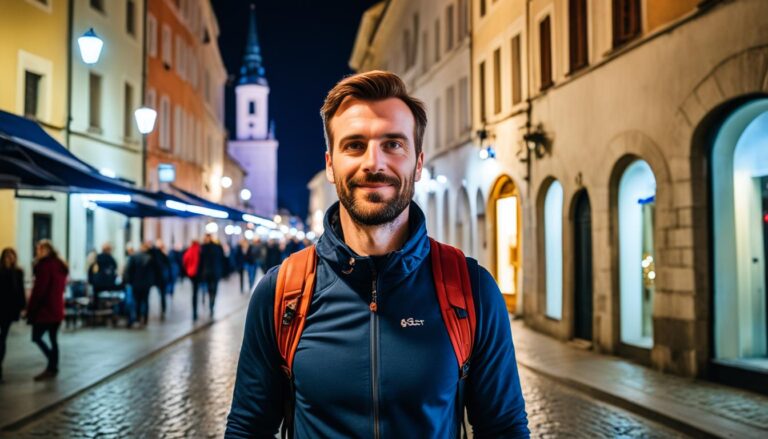
Responsible Travel in Yangon: Empower Local Life
Have you ever thought about how travel can help or harm local communities? In Yangon, traveling responsibly is key to helping local life thrive. Tourism in Myanmar has grown a lot, from 300,000 visitors in 2011 to about three million by 2015. This growth highlights the need for sustainable tourism.
But it also makes us think about how it affects the poor in one of the least developed countries, as the UN says. By choosing to travel responsibly in Yangon, you can help local communities and enjoy cultural exchanges. Your actions can help the economy and preserve culture. Plus, they can help protect the environment, making your trip good for everyone involved.
The Importance of Responsible Travel in Yangon
Responsible travel in Yangon is very important. It helps local communities grow economically and protects their culture. Travelers who do this right help both themselves and the locals.
In May 2011, Aung San Suu Kyi talked about the need for responsible travel in Myanmar. With over 2,000 shops in Bogyoke Aung San Market, tourists can buy unique items like silks and silver jewelry. This helps locals and makes the trip more meaningful.
Responsible travel also means understanding the effects of too many tourists. For example, climbing Buddhist pagodas in Bagan was banned in March 2016. These rules help keep the environment and culture safe for visitors.
It’s also key to tackle environmental issues like plastic pollution. By supporting sustainable tourism in Yangon, we help make the city cleaner and healthier.
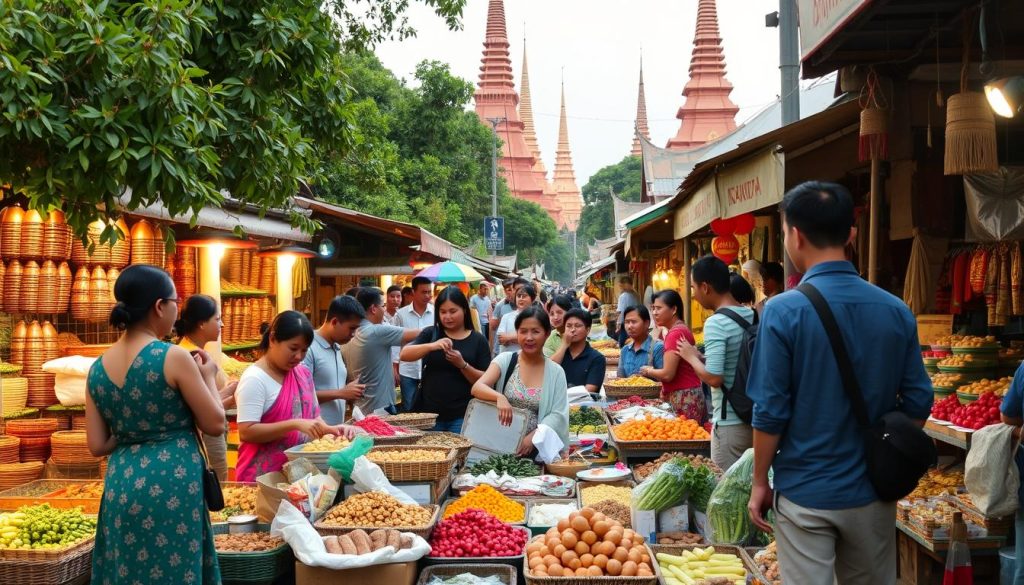
Understanding the Impact of Mass Tourism
The impact of mass tourism on Yangon is complex. This city, full of culture and history, faces both good and bad sides. As Myanmar’s biggest city, Yangon attracts many visitors, boosting the local economy. In 2019, tourism brought in about 2.50 billion US dollars, making up 3.8% of the country’s GDP.
But, mass tourism also has downsides. It’s important to travel sustainably to lessen these problems. By focusing on environmental, economic, and social sustainability, we can travel responsibly. For example, avoiding damage to nature helps preserve Myanmar’s beauty for others to see.
Supporting local businesses and artisans is key to economic sustainability. This ensures that tourism benefits the community, not just big companies. Helping local businesses grow can make tourism a positive force.
Socio-cultural sustainability is also crucial. Respecting local customs and traditions makes travel more meaningful and protects the community’s heritage. Knowing and following cultural norms helps tourists and locals get along better.
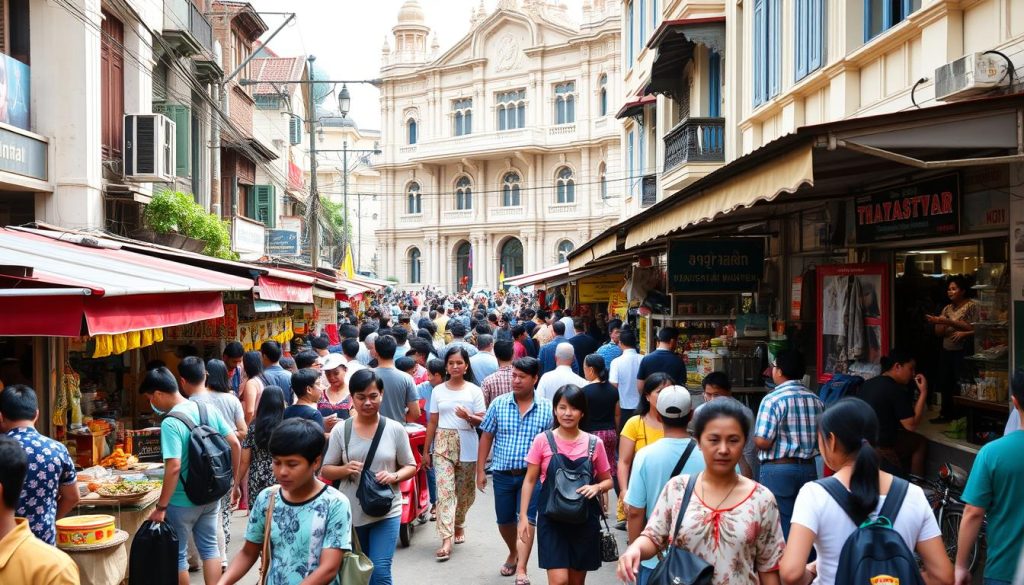
In summary, understanding the impact of mass tourism is vital. We need to find a balance between making money and respecting local culture. By choosing sustainable travel, we can make tourism better for everyone.
| Year | Tourist Arrivals | Revenue (USD) | GDP Contribution (%) |
|---|---|---|---|
| 2015 | 4,681,020 | N/A | N/A |
| 2019 | 4,300,000 | 2.50 billion | 3.8 |
| 2020 | 903,000 | N/A | N/A |
| 2021 | 130,947 | N/A | N/A |
| 2022 | 233,487 | N/A | N/A |
Responsible Travel in Yangon: Supporting Local Communities?
Traveling responsibly in Yangon offers unique experiences and helps local communities. It lets you dive into Myanmar’s rich culture. By connecting with local artisans, you learn about their traditions and help their businesses thrive.
Engaging with Local Cultures
There are many ways to connect with Myanmar’s people. You can visit local markets, join in on traditional ceremonies, or try community-based tourism. These activities help you understand and respect local customs, making your trip more meaningful.
Celebrating Traditional Art and Crafts
Myanmar is famous for its traditional crafts, like wood carvings and textiles. Supporting local artisans keeps these skills alive and boosts the local economy. A family business with 200 staff shows how tourism can help communities grow.
One guide in Bagan started a family business. It helped him send his kids to university. This shows how tourism can support personal growth.

Working with groups like Asian Tour ensures your travel helps local communities. This agency focuses on helping schools, orphanages, and promoting green practices. Choosing them means you’re supporting responsible tourism in Yangon and celebrating local crafts.
| Aspect | Impact |
|---|---|
| Local Employment | Around 200 staff employed by a family-run business |
| Education | Local guide sends children to university |
| Environmental Efforts | 97% reduction in plastic use with refillable bottles |
| Cultural Support | Asian Tour supports monastic schools and orphanages |
| Community-Based Tourism | Collaboration with local businesses and agencies |
Community-Based Tourism: A Vital Component
Community-based tourism in Yangon lets travelers dive into local cultures and help the economy grow. It focuses on real interactions and experiences, helping visitors connect with Yangon’s people. Homestays, for example, let travelers see daily life and help local families financially.
Homestays and Local Experiences
Homestays are key in community-based tourism, offering a deep dive into local life. By staying with host families, visitors join in daily tasks and learn about traditions. This builds a strong understanding of the community’s culture.
More people want to stay longer in Yangon, showing a need for deeper connections.
Supporting Artisan Markets
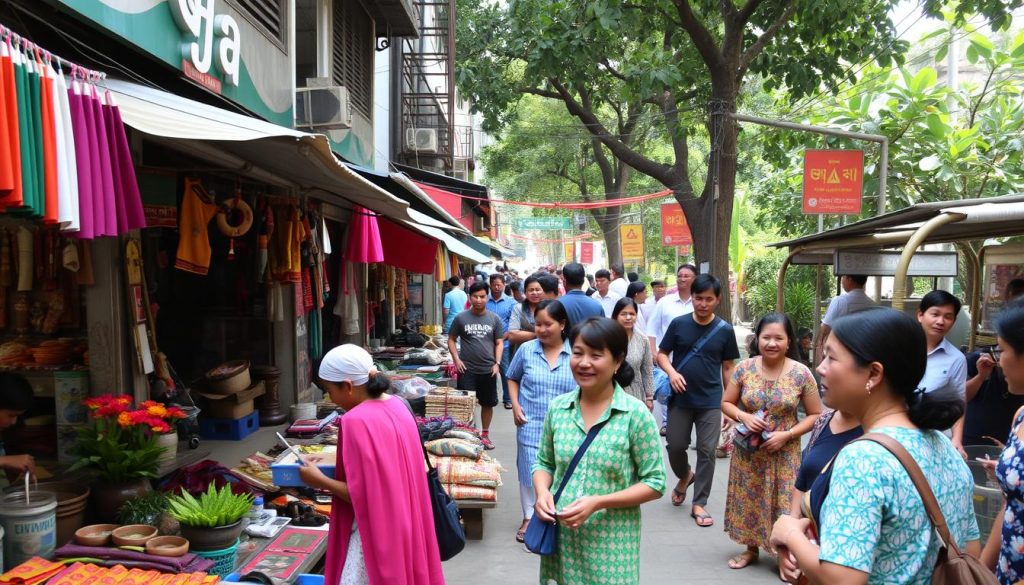
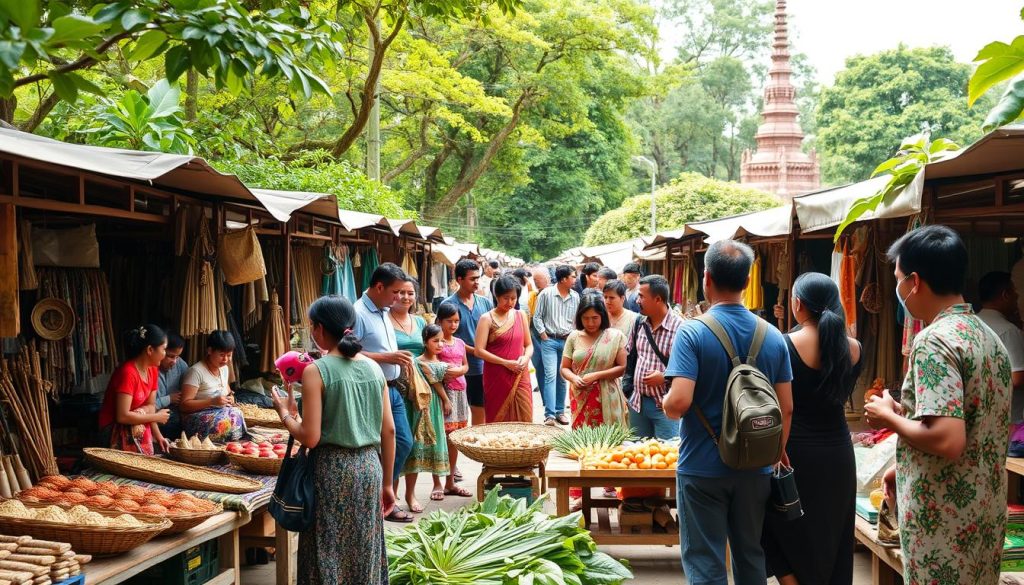
Community-based tourism also boosts artisan markets. Buying handmade items helps keep Yangon’s culture alive. These markets show off local artisans’ talents, offering unique products that highlight the community’s spirit.
Supporting these markets helps local economies grow and keeps traditional crafts alive. It lets visitors take home a piece of Myanmar’s culture while helping local businesses.
| Benefits of Community-Based Tourism | Details |
|---|---|
| Empower Local Economies | Generates jobs and small business opportunities. |
| Preserve Culture | Ensures the survival of traditional crafts and practices. |
| Enhance Visitor Experience | Provides authentic interactions and immersion in local life. |
| Support Conservation | Encourages eco-friendly practices and the protection of natural heritage. |
By choosing community-based tourism, you help make your trip better and improve lives in Yangon. Experiences like homestays and supporting artisan markets show the many benefits. They positively affect both visitors and locals.
Ethical Travel in Myanmar: Navigating Challenges
Traveling in Myanmar comes with its own set of ethical thoughts. It’s shaped by a complex mix of politics and society. Knowing about human rights is key for travelers wanting to help local communities. It’s important to understand the challenges and the careful nature of interactions here.
Human Rights and Cultural Awareness
Myanmar’s human rights, like those of the Rohingya, have caught the world’s eye. The need for travelers to stay informed is clear. With over half a million Rohingya fleeing, knowing these issues helps us understand the culture better.
Travelers should be careful when meeting locals. They should talk about human rights, like the Rohingya crisis. This shows respect and awareness.
Finding Sustainable Tour Operators
Choosing the right tour operators makes a big difference. It helps local communities and makes your trip better. Look for operators that care about the environment and people.
They should focus on community well-being and reduce harm to nature. This way, you help the economy and travel responsibly.
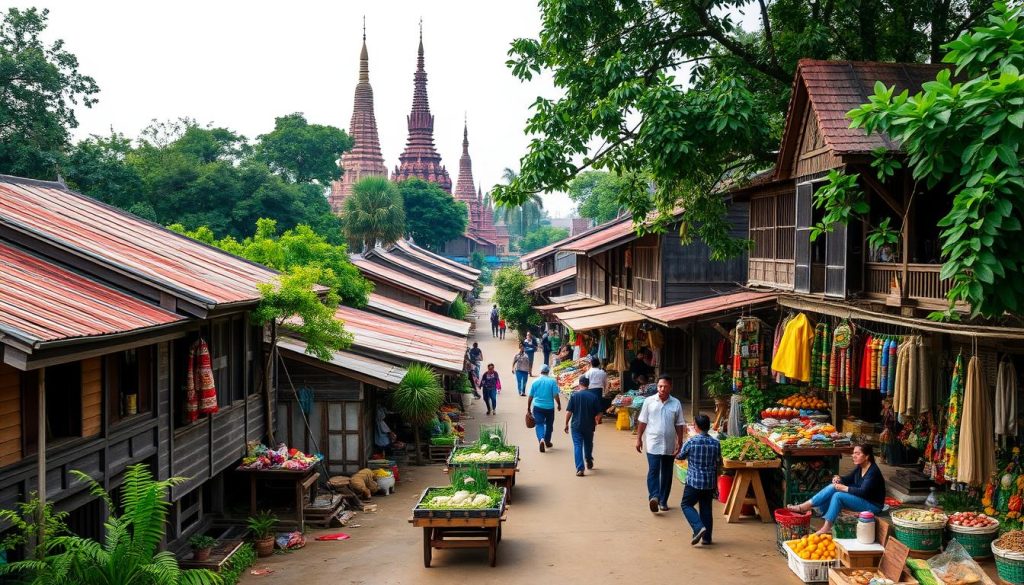
| Considerations for Ethical Travel | Benefits of Sustainable Operators |
|---|---|
| Understanding local customs and traditions | Enhances cultural exchange and awareness |
| Engaging with communities through responsible tourism | Supports local economies and livelihoods |
| Avoiding businesses that perpetuate human rights abuses | Promotes ethical practices in tourism |
| Educating yourself on the political situation | Promotes informed and respectful interactions |
Supporting Local Businesses in Yangon
Supporting local businesses in Yangon is key to a vibrant and sustainable travel experience. Choosing to eat at locally-owned restaurants or buy unique souvenirs helps the local economy and culture. These choices let local artisans and chefs share their talents, making your trip truly reflect Myanmar’s spirit.
Choosing Locally-Owned Restaurants
Choosing local restaurants lets you enjoy real culinary experiences and help the community. These places serve traditional dishes with local ingredients, showing off Myanmar’s rich flavors. Eating here supports local chefs and keeps cultural food traditions alive. Each meal is a celebration of local culture, making your dining memorable.
Purchasing Unique Souvenirs
When looking for souvenirs, visit local artisans and markets. Buying handmade crafts and traditional artwork helps individual craftspersons and supports sustainable practices. Unique souvenirs from your trip help the local economy and let artisans keep their craft alive.
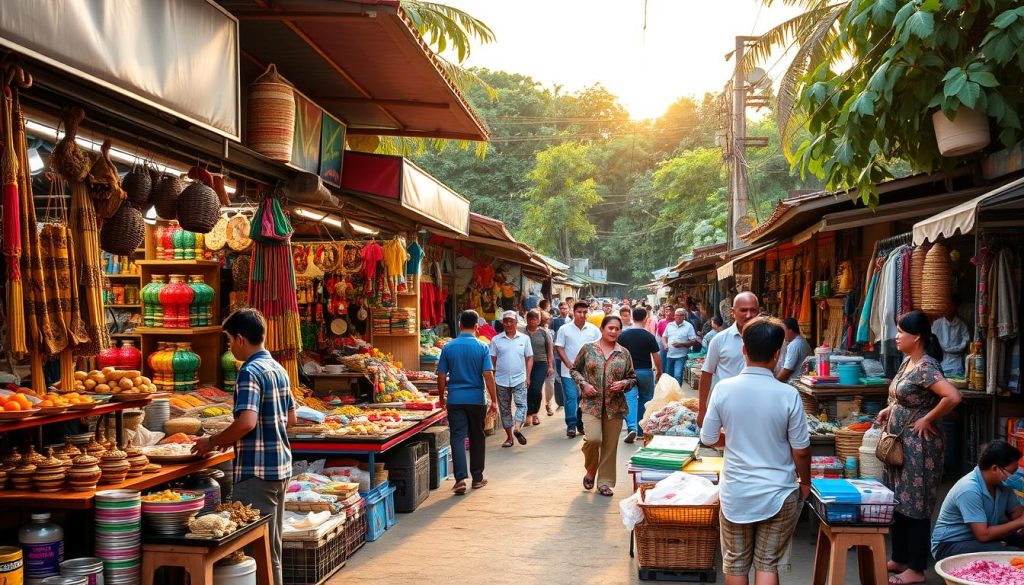
| Type of Business | Impact on Community | Examples |
|---|---|---|
| Locally-Owned Restaurants | Supports local chefs and farmers | Traditional noodle shops, family-run eateries |
| Artisan Markets | Empowers local craft producers | Cultural craft fairs, handmade souvenir shops |
| Social Enterprises | Combines profit with social impact | Hla Day, Yangon Good Guide |
The Role of Sustainable Tourism in Conservation
To truly appreciate Myanmar’s beauty, travelers must understand the importance of sustainable tourism. This approach helps us connect with the local environment and protect it for the future. By choosing eco-friendly environmental practices, we help the destination and the community.
Environmental Practices to Consider
When traveling in Myanmar, follow these eco-friendly tips:
- Carry reusable bags and water bottles to reduce plastic use.
- Choose bicycles or walking tours over cars to lower emissions.
- Recycle and consume responsibly to minimize waste.
- Support local businesses that use sustainable products.
These actions make your trip better and help protect Myanmar’s beauty.
Collaborating with Conservation Organizations
Working with conservation organizations makes your trip more meaningful and helps protect Myanmar’s nature. Many groups focus on ecotourism and offer ways to help. Here are some ways to get involved:
- Volunteer for local projects on wildlife and habitat protection.
- Join tours that teach about local ecosystems and wildlife.
- Donate to projects that preserve biodiversity and support communities.
Working with these groups shows your commitment to sustainable tourism and respect for our environment.
| Challenge | Impact on Ecotourism | Potential Solutions |
|---|---|---|
| Poorly planned development | Destruction of habitats and loss of biodiversity | Establish community-led planning processes |
| Wildlife poaching | Decline in species populations | Implement stronger regulations and community policing |
| Insufficient infrastructure | Limited access to ecotourism sites | Invest in sustainable infrastructure development |
| Lack of enforcement of conservation regulations | Increased illegal activities and environmental degradation | Enhance training for local enforcement agencies |
Understanding these challenges and the importance of sustainable tourism makes your travels more rewarding. It helps protect Myanmar’s natural wonders for the future.
Cultural Respect: Engaging with the Community
Traveling in Yangon means you must respect the culture. This respect helps you connect with the community. By understanding local norms and traditions, your visit becomes more meaningful.
Understanding Local Norms and Traditions
Every culture has its own customs. These customs show the values and history of its people. Knowing these customs helps you interact respectfully in Myanmar.
Here, tradition values hospitality and community. So, be open and humble in conversations.
- Learn basic greetings in the local language to show respect.
- Observe social etiquette, such as dress codes when visiting sacred sites.
- Respect communal spaces, ensuring you contribute positively to the atmosphere.
Interacting with the Local People
Talking to locals enriches your travel. Learn about their lives, hopes, and struggles. These conversations show you the true culture and its beauty.
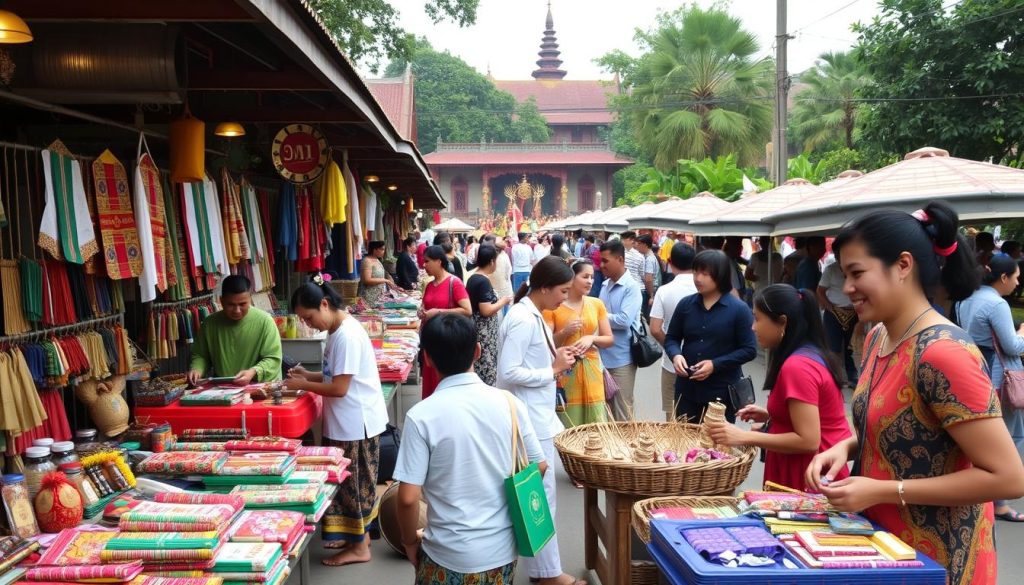
“Cultural respect opens doors to deeper understanding and connection.”
In Yangon, always show cultural respect. By doing so, your visit becomes unforgettable. Travel is about the places and the people you meet.
Travel Tips for Responsible Tourism in Yangon
Traveling responsibly in Yangon helps keep the local culture alive and vibrant. Being thoughtful and respectful makes a big difference. Start by learning about local customs and traditions.
Always ask before taking photos of people. Dress modestly, too, when visiting sacred places. This way, you build trust and have a better time exploring.
Being a Respectful Visitor
Supporting local businesses is key to responsible tourism. Choose places run by locals over foreign-owned ones. This helps the local economy grow.
Eating local food and buying handmade souvenirs also helps. These actions show you value the community’s heritage. They also help keep the community thriving.
Leave No Trace Principles
Following Leave No Trace principles is vital. It means reducing waste and protecting nature. Carry reusable bags and water bottles to cut down on plastic.
Be careful with energy use, like turning off lights and AC when not needed. These small actions help a lot. They make your trip better and protect Yangon’s beauty.