Discover Top Hunza Valley Photography Spots
Have you ever wondered what makes Hunza Valley so picturesque? It’s located in Pakistan’s breathtaking Karakoram range. This beautiful area attracts photographers who want to capture its stunning views. You’ll find historic forts and landscapes filled with cherry blossoms.
This guide showcases the best photo spots in Hunza Valley. It mixes natural beauty with cultural experiences. You can photograph the famous Baltit Fort or the bright waters of Attabad Lake. Get ready for an amazing photo adventure.
Introduction to Hunza Valley
Hunza Valley is a top pick for photographers, known for its stunning views and rich culture. It charms people with its snow-capped peaks, terraced fields, and lively cultures. A Hunza Valley photography guide is great for finding the best photo spots. These spots range from huge mountains to quaint villages.
This valley is appealing because of its varied sceneries. Photographers get to take amazing shots of landscapes, markets, and local people. Hunza has well-educated folks, due to strong schools and hospitals. With a literacy rate of 100%, it’s a friendly place. Their culture, like special greetings and hospitality, makes your visit special.
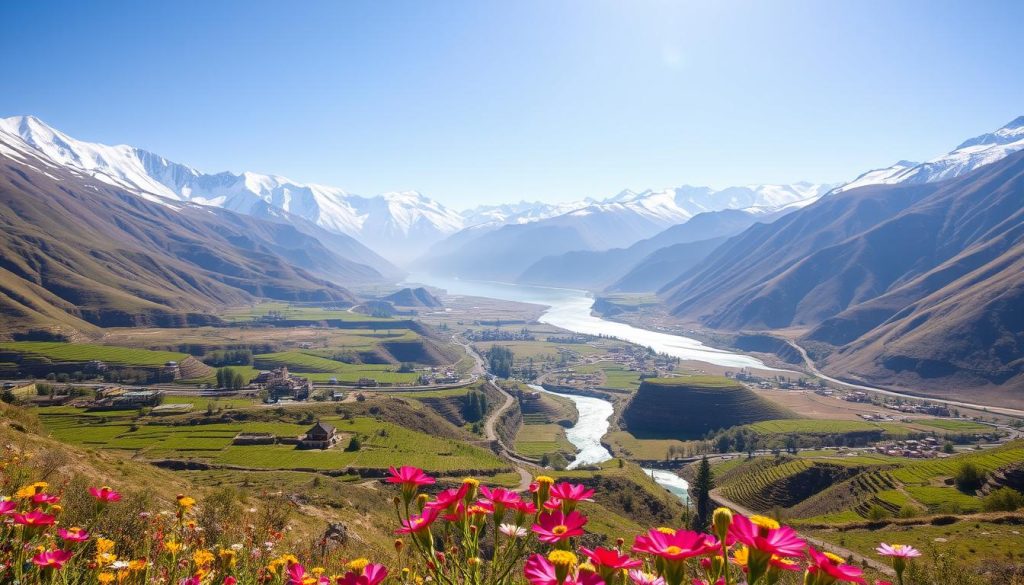
The beauty and culture of Hunza Valley make it superb for photography. The Hunza Valley overview shows there’s always something new to capture. This guarantees an enjoyable experience for all who visit.
The Allure of Hunza Valley for Photographers
Hunza Valley is a dream spot for those who love photography. Its stunning views grab your attention. Adding to its beauty is the rich, varied culture that brings each snapshot to life. Hunza is home to amazing sights like the huge Himalayas, small villages, and lively markets.
Stunning Landscapes and Cultural Diversity
There are many beautiful spots in Hunza Valley perfect for photographers. You’ll see towering mountains like Rakaposhi and Diran Peak. They make an amazing backdrop for pictures. To truly capture Hunza, you need to explore its diverse culture. The lively markets in Karimabad and the quiet farms offer unique photo opportunities.
Photography Opportunities Across Seasons
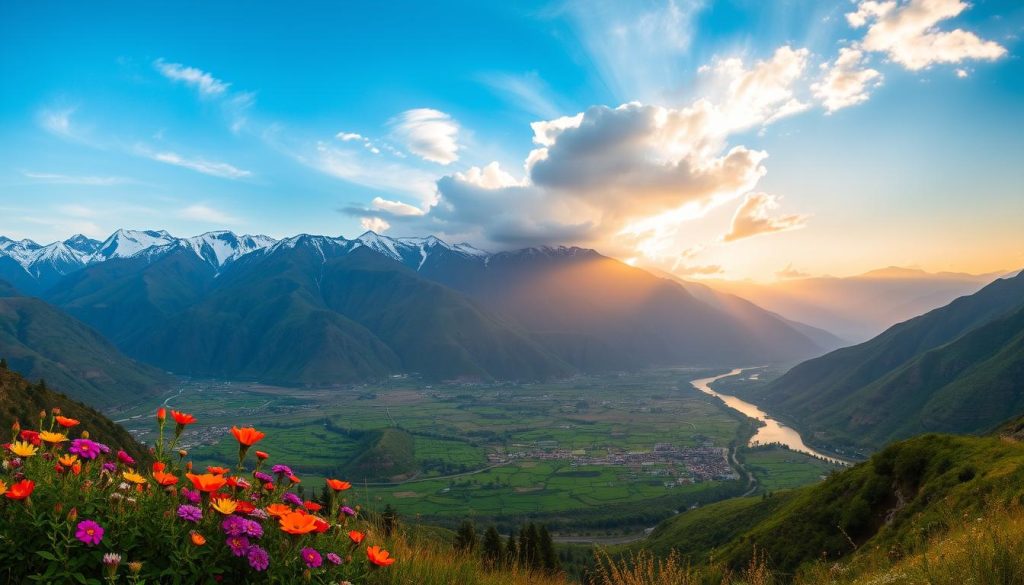
Each season brings something special to Hunza for photographers. Spring fills the valley with delicate cherry blossoms. It turns into a soft, pastel paradise. Summer brings a wave of green, making it a perfect time for adventures. Autumn is special with its blend of gold, red, and orange leaves.
Exploring Hunza in autumn lets you catch the most striking colors. It’s truly magical in the third and fourth weeks of October. Winter transforms the valley with snow, offering scenes of clear contrasts. Hunza offers great photo chances all year round.
| Season | Photography Highlights |
|---|---|
| Spring | Cherry blossoms and blooming wildflowers |
| Summer | Lush greenery, hiking, and outdoor activities |
| Autumn | Peak foliage colors, cultural festivals |
| Winter | Snow-capped peaks and stark landscapes |
Getting to Hunza Valley
Traveling to Hunza Valley starts with a flight to Gilgit. This is the beginning of a memorable adventure. The drive along the Karakoram Highway is stunning, often called the Eighth Wonder of the World. It offers many chances for photographers to capture breathtaking views.
Traveling via Gilgit and the Karakoram Highway
The trip from Islamabad to Gilgit can take up to 18 hours. Once in Gilgit, getting to Hunza Valley takes just a few hours. From the Khunjerab Pass, it’s about three hours to Hunza. Travelers are treated to panoramic views on the Karakoram Highway, perfect for a Hunza Valley photography guide.
Best Time to Visit for Photography
The best time for photography in Hunza is during its vibrant seasons. Spring, from March to May, showcases beautiful cherry blossoms. In autumn, from September to November, the valley turns golden with leaves and fruits. These months have great lighting for photos. Planning your visit in these seasons lets you capture Hunza’s beauty.
Must-Visit Hunza Valley Photography Spots
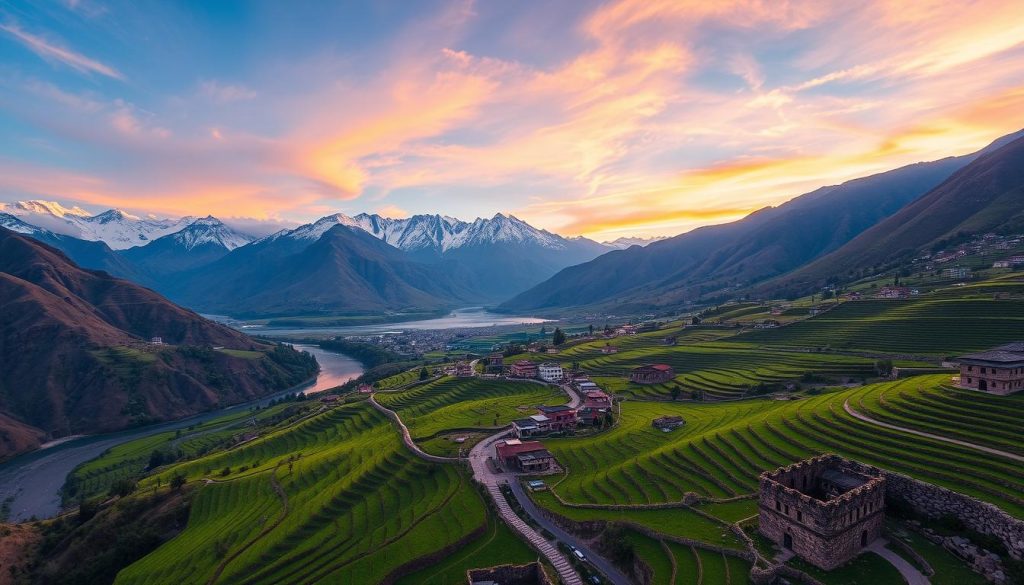
Hunza Valley is a dream for photographers. It combines stunning scenery with a rich cultural setting. There are several spots in Hunza Valley that you can’t miss. The valley has iconic landscapes marked by high mountains and clear lakes. These offer plenty of photo opportunities for both beginners and experts.
Iconic Landscapes and Historical Sites
Hunza Valley blends nature and history beautifully. Here are some key places:
- Baltit Fort: This restored fort stands against tall mountains. It offers a unique look at the area’s architecture and history.
- Attabad Lake: Known for its vivid turquoise waters, the lake is perfect for photography. It’s especially beautiful at sunrise and sunset when the colors shine brightly.
These spots show the valley’s rich culture and beauty. They’re must-visits for capturing the essence of this amazing place.
Karimabad: The Heart of Hunza
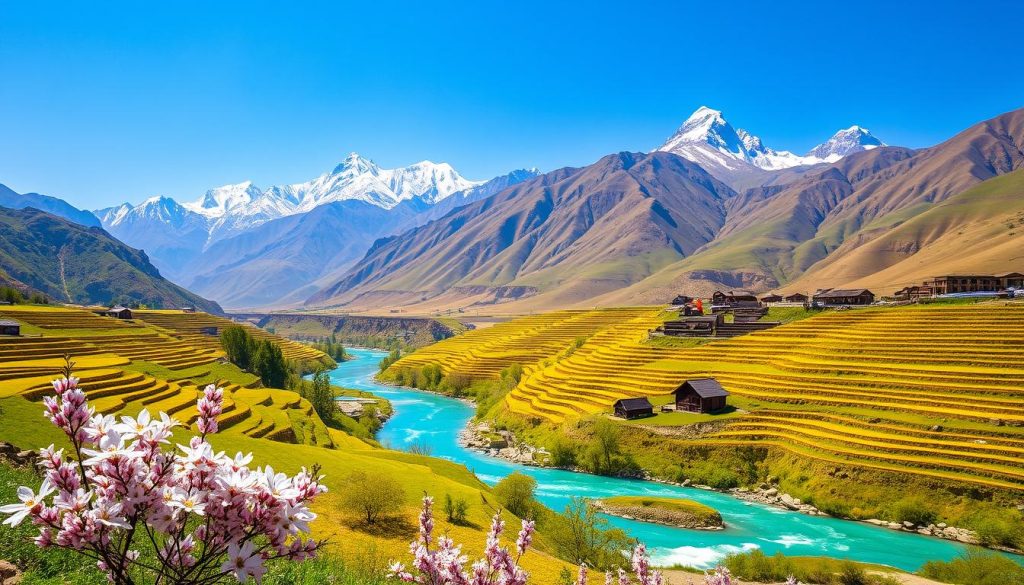
Karimabad is a colorful cultural center in the Hunza Valley, known for stunning views and community spirit. This town has lively markets and friendly people, making it fun for visitors. Walking around, you’ll find beautiful spots to take photos, showing life against the mountains.
The culture in Hunza is seen in its people and traditions. Meeting locals lets you capture real moments of their life and habits. The amazing sights of high peaks also inspire photographers. If you like taking pictures of landscapes or city life, you’ll find great spots in Hunza for photography.
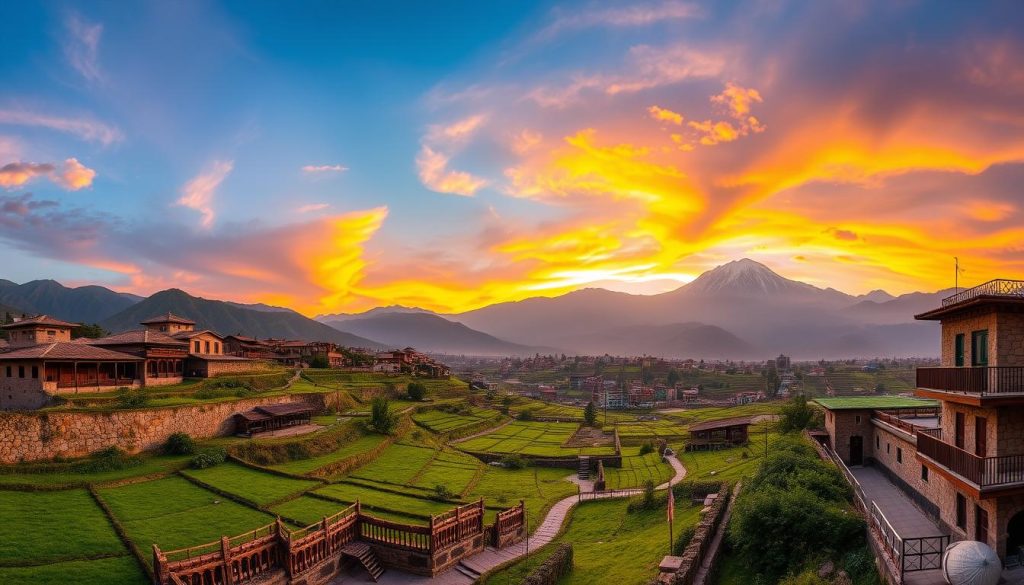
Karimabad is a great place to start exploring the valley’s beauty. It offers easy access to nearby sights. Every corner offers new views and amazing pictures for your Hunza trip. Don’t miss visiting Karimabad to soak in the local culture and the beauty that makes it a top spot in Hunza Valley.
Baltit Fort: An Architectural Marvel
Baltit Fort is a shining example of the rich traditions of Hunza Valley. It sits atop a hill in Karimabad, with a history stretching over 700 years. This ancient structure merges Tibetan and Islamic styles. Every corner of the fort is filled with intricate designs, attracting those who love architectural wonders. Not only does it tell tales of the past, but it also offers stunning views. The views stretch far and wide, capturing both the fort’s beauty and the vibrant landscapes around it.
Capturing History and Landscape
Baltit Fort is a dream for history and photography fans in Hunza. Walking through its halls, you feel surrounded by tales of old times. The stories are whispered by every stone, echoing centuries of culture and tradition. And because of its high spot, the fort is perfect for amazing photos. This is especially true at dawn and dusk. The lighting then turns the valley into a magical scene with incredible shadows and colors.
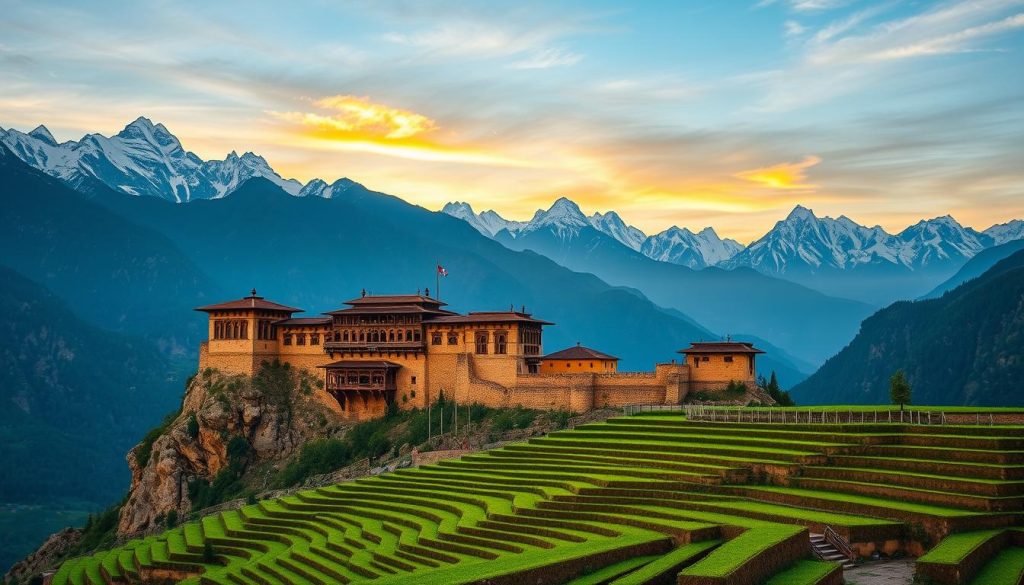
- Visit during the early morning or late afternoon for the best natural lighting.
- Hire a local guide to share insights about the fort’s history and its architectural significance.
- Carry a quality camera to capture the fine details of the fort and the stunning landscape views.
| Feature | Description |
|---|---|
| Age | Over 700 years |
| Architectural Style | Tibetan and Islamic fusion |
| Location | Karamabad, Hunza Valley |
| Best Time for Photography | April to October |
| Significance | Symbol of Hunza’s rich cultural heritage |
| Entrance Fee | Nominal fee contributing to maintenance |
Visiting Baltit Fort is a must for photographers in Hunza Valley. It’s where history and stunning nature meet, giving you endless chances to capture stories through your camera.
Altit Fort: A Window into the Past
Altit Fort is the oldest monument in Hunza Valley, dating back over a thousand years. It lets us see into Hunza Valley’s past. The fort’s location helped rulers watch over their land.
The fort is known for its deep history. It has artifacts like a standing grave and an ancient Hindu idol. These show the area’s rich cultural mix and the rulers’ acceptance of different beliefs.
At the fort, there are gardens with apricot trees. These settings are perfect for photography. The best photos come during the golden hours, when the light is just right.
Altit Fort is famous for its history, not just its beauty. Walking around, you feel connected to the past. Each photo captures a piece of Hunza Valley’s story.
Attabad Lake: A Turquoise Oasis
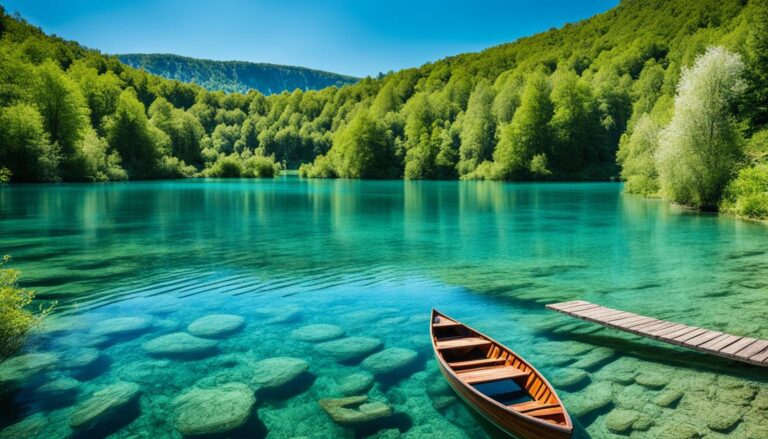
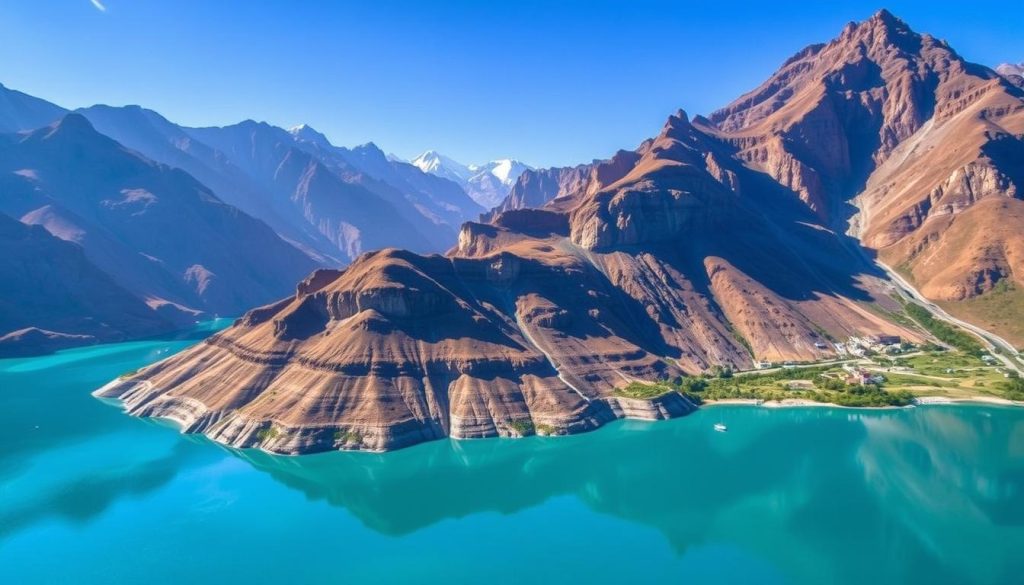
Attabad Lake in Hunza Valley was created by a big landslide in January 2010. It stretches over 20.9 kilometers and is 109 meters deep. People visit this beautiful place for Attabad Lake photo opportunities, making it a top Hunza Valley scenic spot.
The lake’s turquoise waters are like magic, perfect for taking amazing photos. It’s a great spot for capturing the peaceful landscape.
Boating and Reflection Photography
Boating photography in Hunza brings your photos to life. The lake’s colors reflect the sky, trees, and big mountains. This gives you many chances for great reflection shots.
You can enjoy boating, jet skiing, and fishing while taking in the great views. Attabad Lake is beautiful all year. The sunrises and moonrises make for special photo moments.
| Feature | Description |
|---|---|
| Formation Year | 2010 |
| Length | 20.9 km |
| Max Depth | 109 m (358 ft) |
| Nature of Activities | Boating, jet skiing, fishing |
| Photo Opportunities | Sunrise and moonrise reflections, landscape shots |
| Best Seasons | All year round |
Passu Cones: Nature’s Sculpture
The Passu Cones stand out with their sharp peaks in the Hunza Valley. They look like sculptures made by nature, catching everyone’s attention. It’s a top spot for photography in Hunza, thanks to its amazing views and landscapes.
To get the best shots of Passu Cones, try early morning or late afternoon. This is when the light brings out details in the peaks. Photographers find unique angles around the cones to showcase their beauty from different views.
The cones are part of a diverse scenery. Around Passu, photographers capture not just the landscape but the local culture too. This mix makes for an unforgettable journey of exploration and creativity for anyone with a camera.
| Photography Tips | Best Times to Visit | Nearby Attractions |
|---|---|---|
| Utilize natural light for texture | Early morning and late afternoon | Hussaini Suspension Bridge |
| Experiment with angles and perspectives | Spring and autumn for clear weather | Gulmit Village |
| Incorporate local culture into shots | Post-monsoon for lush landscapes | Attabad Lake |
The Passu Cones are a beautiful scene for photographers. They capture the heart of this unique area, allowing personal expression. They also document Hunza Valley’s unrivaled beauty.
Eagle’s Nest: A Bird’s Eye View of Hunza
Eagle’s Nest is a top spot for photographers visiting Hunza Valley. It offers amazing wide views, making it a must-see. From its high position, you can take incredible photos. The changing light makes the valley’s colors look amazing. This place ensures every moment is unforgettable.
Best Times for Sunrise and Sunset Photography
The timing is key for amazing photos at Eagle’s Nest. The best time for sunrise shots is right before dawn. The early light gives the mountains a soft, golden look. This creates a magical feel around peaks like the famous Ladyfinger Peak.
The sunset views at Eagle’s Nest are just as breathtaking. As the sun sets, it paints the valley with vivid colors. Long shadows mix with bright colors, creating stunning scenes. This time offers beautiful light and shadow plays against Hunza’s mountains.
Aim to be early for sunrise or stay late for sunset to get the best light. These moments often lead to the most dramatic and gorgeous shots. That’s why Eagle’s Nest is a top pick for capturing Hunza Valley’s beauty.
Khunjerab Pass: High Altitude Beauty
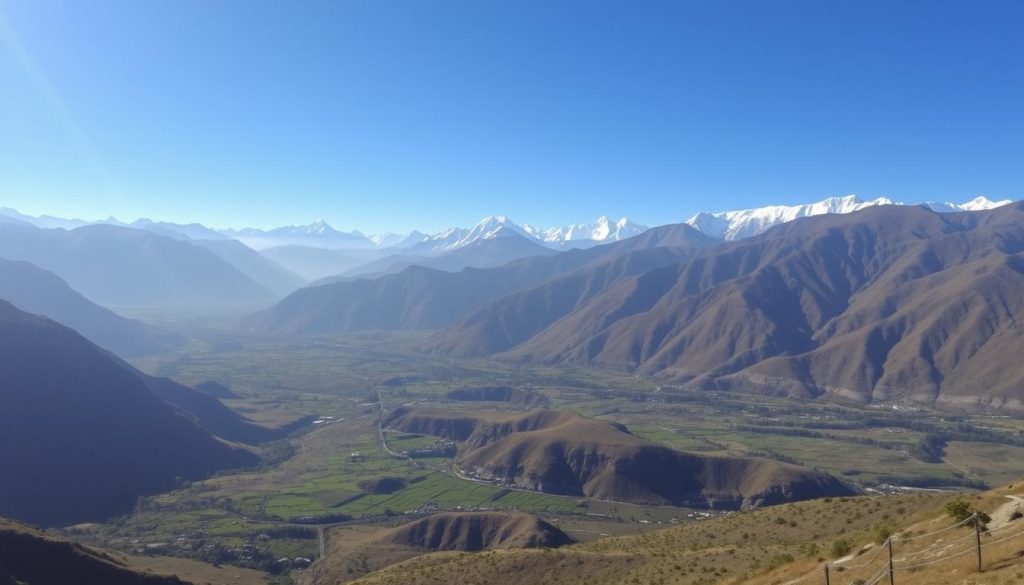
Khunjerab Pass is high up—at 4,693 meters (15,397 feet). It’s among the world’s tallest paved borders. It links Pakistan and China, showing off the Karakoram mountains. Photographers love it here for the amazing high views in Hunza.
It’s open from May to October, perfect for those who love photography. People come to snap pictures of Hunza’s beauty. From cloud-kissed mountaintops to colorful plants. You might even spot a snow leopard or a Himalayan ibex.
Meeting the local Wakhi people is special. They share their culture and traditions. This adds to your journey and gives you real insights into their lives. To enjoy it all, make sure to get used to the high altitude. This keeps sickness away and makes your trip better.
The photos you take at Khunjerab Pass will remind you of adventure, stunning views, and cultural wonders. It’s a must-visit for anyone who loves nature and photography.
Local Culture: Capturing Life in Hunza Valley Photography Spots
Hunza Valley is not just about beautiful landscapes. It’s rich in culture too. For a photographer, capturing this local culture is a must. It shows the vibrant life in Hunza. The festivals and traditions here highlight the community’s deep customs and celebrations.
Festivals and Traditional Events
Festivals in Hunza are a blast of colors and community spirit. Take Navroz and Ginani, for instance. They showcase local customs with lively music and dance. These celebrations are a photographer’s dream. They let you capture the happiness of families and friends in their traditional rituals. The bright outfits, old folk tunes, and active participation turn each event into a visual treat.
Interacting with the Locals for Authentic Shots
To get real Hunza shots, you need to mix with the locals. People here are friendly and welcoming. This helps in taking genuine photos. Try chatting with them or join in on activities. You could watch a Horse Polo match or play cricket. Connecting with the locals will make your photos more heartfelt. It will also show the true spirit of Hunza Valley.
Conclusion
Reflecting on your Hunza Valley photography summary reveals endless opportunities for photographers. This area is full of breathtaking landscapes, colorful culture, and historic sites. It’s a paradise for any photographer. The best times for snapping photos are from April to June and September to November. During these months, you can capture Hunza’s beauty in different lights and moods.
Your photography adventure in Hunza will be better with a planned 5-day trip. The journey from Islamabad or Lahore takes about 20 hours. But, the stunning views along the way are priceless. There are places to stay for every budget, from cozy guesthouses to luxurious resorts. These accommodations welcome all visitors who want to explore Hunza’s magnificent scenery.
In Hunza Valley, you have unique photo opportunities. You can visit historic places like Baltit and Altit Forts or photograph Attabad Lake’s calm beauty. The area has something special for every photographer. You’ll also enjoy the local people’s friendly hospitality. Make sure to capture the striking nature and rich traditions of this paradise.